Ethiopian News, Current Affairs and Opinion Forum
Zmeselo
Senior Member+
Posts: 36744
Joined: 30 Jul 2010, 20:43

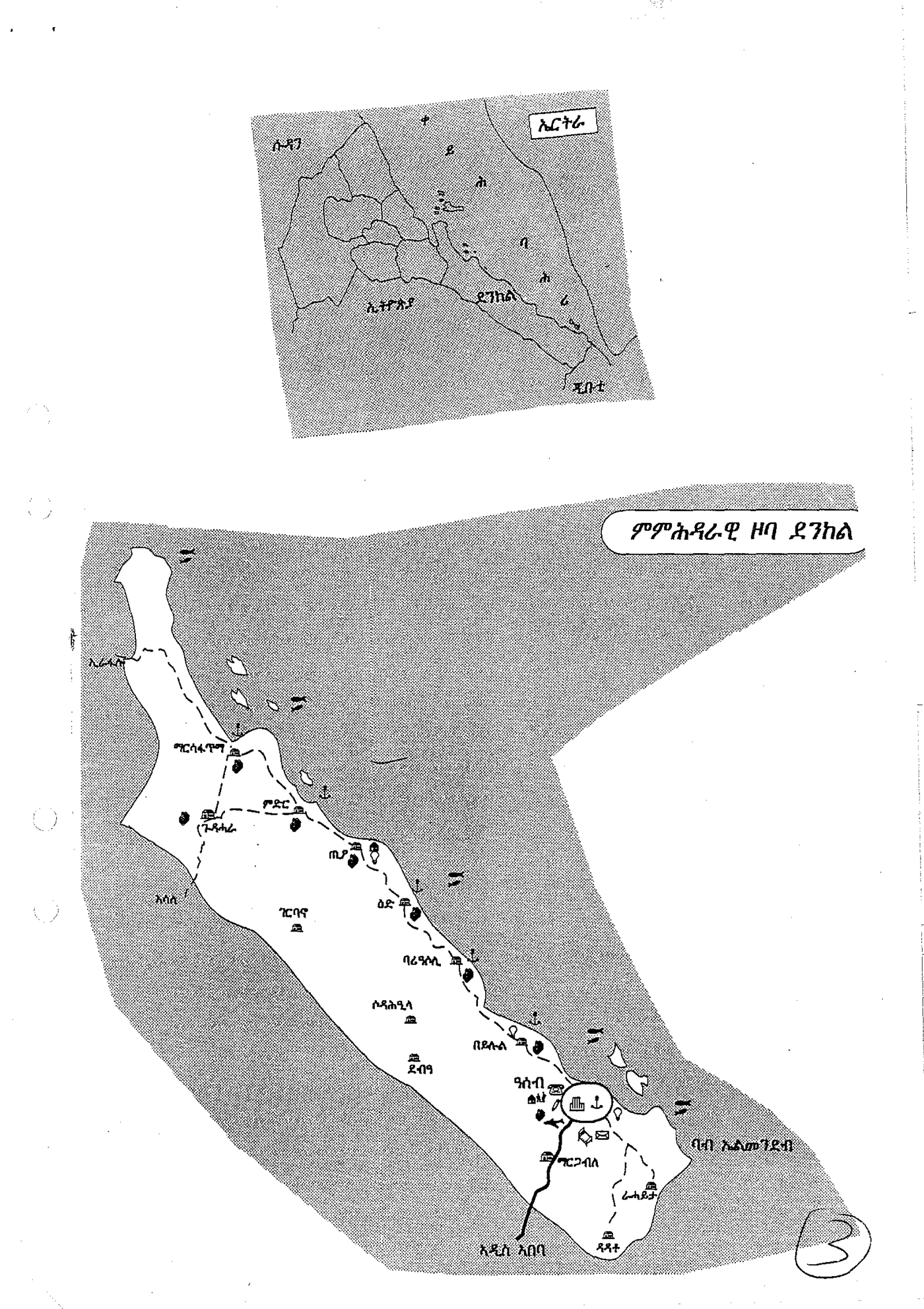
ከአፋር ብሔራዊ አንድነት አብዮታዊ ግንባር የተሰጠ ወቅታዊ መግለጫ!

Post by Zmeselo » 10 Nov 2025, 15:42


የአፋር ሕዝብን ቁማር ያስያዘው የአወል አርባ አገዛዝም ሆነ የአለቃው አብይ አህመድ አገዛዝ በሕዝቦች ትብብር ትግል ይወገዳል!


ከአፋር ብሔራዊ አንድነት አብዮታዊ ግንባር የተሰጠ ወቅታዊ መግለጫ!

የተከበራችሁ መላው የአፋር ሕዝብና የኢትዮጲያ ሕዝብ በሙሉ የአፋር ብሔራዊ አንድነት አብዮታዊ ግንባር (ኡጉጉሞ) ለአፋር ሕዝብ ክብርና ነጻነት፣ እንዲሁም ሉዓላዊነት ሲዋደቅ የኖረና እየተዋደቀ ያለ ግንባር ነው።

ግንባራችን “ኡጉጉሞአብይ አህመድአወል አርባ እንዲሁም ሌሎች ኃይሎች በጋራ ትብብር መሰረተ ልማት ማልማት ሲያቅታቸው ውድመት ለመፈፀም በሕዝባችን ላይ በግራና በቀኝ እያሳሉት ያለውን ግጭት ጠማቂነት እንዲያቆሙ ለማሳሰብና እኛም ኡጉጉሞ ይሄን አገዛዝ ለመጣል ከሌሎች ብልጽግናን መታገል ከሚፈልጉ ኃይሎች እንደምንተባበር ስናሳውቅ በታላቅ የመታገልና የማታገል ስሜት ውስጥ ሆነን መሆኑን መግለጽ እንወዳለን።

የአብይ አህመድ አገዛዝ የሆነው የብልጽግና ስርዓት የአፋር ሕዝብን እንዲጠፋ ወስኗል ስንል ምን ማለታችን ነው:-

1ኛ) በነ ጀነራል ተስፋዬ አያሌው አስተባባሪነት የኤርትራን መንግስት በትጥቅ ትግል ለማስወገድ የሚሰሩ ታጣቂዎች መሰልጠኛ ሆኗል፣ ከሕውሓት አኩርፈው የወጡ የትግራይ የሰላም ኃይል ነን የሚሉ መሰልጠኛና መዋጊያ ቀጠና አድርገውታል፣ ይህ በመሆኑም የአፋር ሕዝብ የከባድ መሳሪያና የድሮን ድብደባ ሰለባ ሁኗል።

2ኛ) በሌላ በኩል በሙስጠፌ መሐመድ የሚመራው የሱማሌ ክልል በአብይ አህመድ የግል ጀነራሎች እገዛ የኢሳ ኃይል ከሱማሌ ክልል ልዩ ኃይል እገዛ እየተደረገለትና አልፎ አልፎም በቀጥታ ተሳታፊነት ከፍተኛ ዋጋ እየከፈለ ነው።

3ኛ) በብልጽግናው አለቃ አብይ አህመድ የቀን ቅዥት አማካኝነት ቀበሌ ማስተዳደር ያቃተው አገዛዝ የገጠመውን አገራዊ ተቃውሞ ለማብረድ በሚል “የቀይ ባህር” አጀንዳ መዞ የጦር ሜዳውንም አፋር መሬት ለማድረግና የአፋር ሕዝብም እንዲጠፋ ወስኖ እየሰራበት ይገኛል።

4ኛ) የአብይ አህመድ ተላላኪ የሆነው አወል አርባ የክልሉን በጀት በማጠፍ ለጦር አገልግሎት እየዋለው ከመሆኑ ጋር ተያይዞና እንዲሁም ባለው የኑሮ ውድነት አሁን ላይ በአፋር ክልል ከፍተኛ የሆነ የርሃብ፣ የመልካም አስተዳደር ችግር ተከስቷል፣ በተጨማሪም የመብት ጥያቄ የሚያነሱ ሰዎች ከፍተኛ የሆነ ወከባ፣ እንግልት፣ እስር እና ድብደባ እየተፈፀመባቸው መሆነ የአደባባይ ሀቅ ነው። የአፋር ሕዝብ ለዘርፈ ብዙ ጥቃት ተጋላጭ ሁኗል።

ስለሆነም:-

- የአፋር ሕዝብ የገጠመውን የህልውና አደጋ በመረዳት የአብይ አህመድ ተላላኪ በመሆን እንደ አጠቃላይ አፋርን የጦር ሜዳ ለማድረግ እየሰራ ያለውን የተላላኪውን አወል አርባ አገዛዝ በቃህ እንዲለው ጥሪ እናቀርባለን።

- ⁠የብልጽግናው አገዛዝ እንዲወገድ የሰላማዊ ትጥቅ ትግል እያደረጋችሁ ያላችሁ፣ በሰላማዊ ትግል እንቅስቃሴ እያደረጋችሁ ያላችሁ፣ ወደ ትግል ያልገባችሁ የኢትዮጲያ ብሔር ብሔረሰቦችና ሕዝቦች የጋራ ትግል እንድናደርግና ኢትዮጲያ ከፍርሰት እንድንታደግ ጥሪ እናቀርባለን።

- ⁠በአፋር ክልል በብልጽግና ድጋፍ የትጥቅ ትግል ለማድረግ እየተንቀሳቀሳችሁ ያላችሁ የትኛውም አካላት በአስቸኳይ ክልሉን ነለቃችሁ እንድትወጡ እያሳሰብን፣ የአፋር ሕዝብም ቀጠናው የጦር ሜዳና ውሎ መግባት፣ ተኝቶ መነሳት ከመክበዱ በፊት ቀጠናውን ለቀው እንዲወጡ ጫና እንድታደረግ ማስታወስ እንፈልጋለን።

- ⁠ዓለም አቀፍ የሰብዓዊ መብት ተቋማትና መንግስታት ጦረኛው የብልጽግና አገዛዝ አፋርን፣ አማራን እና ትግራይን በማተራመስ አጠቃላይ ምስራቅ አፍሪካ የጦር ሜዳ ለማድረግ እየሰራ ያለውን የብልጽግና አገዛዝ ጋር ያላችሁን ግንኙነት እንድታጤኑትና እንድታስቡበት እንገልጻለን።

በመጨረሻም በሕዝብ ደም እየተጫወተ የሚገኘው የብልጽግና አገዛዝ በሕዝቦች አንድነትና ተጋድሎ እንደሚወድቅ እናምናለን፣ ይህ እንዲሆንም በቀጠናችን ጠንካራ ስራዎችን እየሰራን እንገኛለን፣ ሌሎች ኃይሎችም የጀመሩትን የህልውና ትግል አጠናክረው እንዲቀጥሉ እናሳስባለን።

ድልና ድምቀት ለአፋር ኡጉጉሞ!
የአፋር ብሔራዊ አንድነት አብዮታዊ ግንባር (ኡጉጉሞ)
ህዳር 1/ 2018 ዓ.ም

Zmeselo
Senior Member+
Posts: 36744
Joined: 30 Jul 2010, 20:43

Re: ከአፋር ብሔራዊ አንድነት አብዮታዊ ግንባር የተሰጠ ወቅታዊ መግለጫ!

Post by Zmeselo » 10 Nov 2025, 15:56


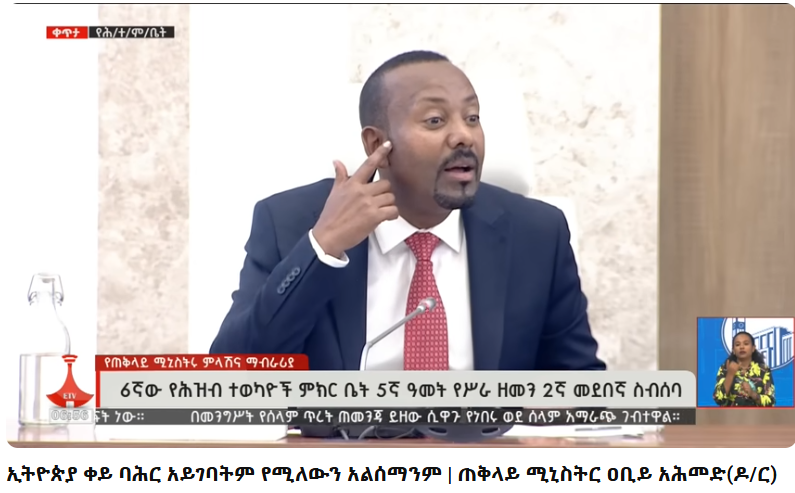
Prime Minister Abiy Ahmed seems to relish storytelling, even if it requires borrowing, or outright embellishing, tales to fit his narrative. His speeches are a genre of their own: part sermon, part stand-up, part historical fan fiction. Each monologue arrives drenched in metaphor, punctuated with borrowed wisdom, and sprinkled with a sense of divine destiny. His recent address to the Ethiopian Parliament, was no exception. I listened closely, and something felt off…it smelled fishy.

In that infamous monologue, PM Abiy slipped into full storyteller mode. He recounted the tale of a physics student who arrived late to class, was sent to sit on the balcony as punishment, and, unaware that two equations on the blackboard were deemed “unsolvable”, copied them down believing they were homework questions.

Over the weekend, the student solved one. Upon returning, the professor was stunned: the student had unknowingly solved a long-unsolved problem. Abiy framed the lesson dramatically: the student succeeded because he “did not hear”- ኣልሰማም- that the problems were impossible or unsolvable.

Something was indeed fishy. You could sense it in his tone...that polished calm before the performance. He was up to something. My gut feeling was right. What followed wasn’t just another speech; it was a carefully staged act of deception.

With his trademark smile and preacher’s cadence, Abiy Ahmed was about to hoodwink the Ethiopian Parliament, and he did. In broad daylight, before cameras and lawmakers, he recited a borrowed parable as if it were his own revelation, weaving fiction into history, and once again proving that in his political theatre, truth is merely a prop.

The real story is not new, and most of us have heard it before; some may even have seen the movie "Good Will Hunting", inspired by that story. For those unfamiliar, like the members of the Ethiopian Parliament, it is the well-known anecdote of George Dantzig. In 1939, George Dantzig, a graduate student at UC Berkeley, famously arrived late to a statistics class and mistook two notoriously unsolved problems on the blackboard for routine homework.

Over the next few days, he diligently worked through them, submitting his solutions with the innocent assumption that they were ordinary assignments. Only later did he learn that he had solved problems that had baffled mathematicians for years, and his “homework” became the cornerstone of his doctoral thesis, a testament to one quietly achieved brilliance. He had unknowingly solved problems, simply because he did not hear the professor say they were unsolvable…because he was late to class.

In academia, Dantzig’s story is a lesson in humility, curiosity, and perseverance, a quiet triumph of intellect over intimidation. Abiy, however, appropriated the tale without attribution and transformed it into a nationalistic parable declaring:

…If anyone says Ethiopia does not deserve to be on the Red Sea, our answer is ኣልሰማንም! (‘We didn’t hear’) …


There is a big difference between willfully not hearing and not hearing, because one was not there. George Dantzig, for all his brilliance, was late to class, he didn’t ignore the lesson; he simply missed it. By contrast, when PM Abiy told the Ethiopian Parliament that “we did not hear” about the issue of Ethiopia and the Red Sea, it was not an innocent oversight.

It was a deliberate performance, pretending that there was some alternative solution other than respecting international law and the sovereignty of the Red Sea states, a fiction meant to mislead lawmakers and cloak the obvious truth in false possibilities.

The implication was obvious: Ethiopia, like the student, would defy doubters and achieve the impossible. In Abiy’s framing, the student is Ethiopia, the teacher is the international community, and the “unsolvable problem” is a place on the Red Sea for Ethiopia.

Dantzig’s lesson about disciplined inquiry and quiet brilliance was transformed into a sermon about entitlement: faith over fact, aspiration over sovereignty.

Where Dantzig quietly achieved brilliance, Abiy loudly declares what reality should be, and demands applause. The Parliament complied, clapping with uncritical excitement.

This is plagiarism with a political twist. Dantzig’s story celebrates discovery through diligence; Abiy’s retelling twists it into justification for ignoring international law and the sovereignty of neighboring states.

Someone needs to tell the Prime Minister to stop manipulating Ethiopians, especially the gullible youth. No number of borrowed parables will bring Ethiopia any closer to the sea. Borders do not dissolve under metaphor. Nations cannot rewrite themselves through inspirational speeches.

When governance falters, spectacle becomes the substitute. When facts fail to inspire, fables take their place. Abiy’s speeches are no longer about guiding a nation through turbulent times; they are about maintaining the illusion of control, the theater of messianic leadership. He lifts from films, parables, and university folklore to recast Ethiopia’s political crises as heroic journeys or divine tests.

This is how such leaders lead their people straight into the abyss. It is not merely deceit, it is desperation.

Dantzig’s triumph came from diligence, patience, and humility; Abiy’s performance relies on theatrics, borrowed stories, and the willing suspension of critical thought. Pity the people of Ethiopia, who are led to cheer for illusions while real challenges go unaddressed.

Pity a nation where hope is manufactured on a podium rather than built through strategy, diplomacy, and respect for law. Pity the youth, whose aspirations are fed by borrowed parables rather than grounded in reality. Spectacle cannot fill ports, redraw borders, or rewrite history...yet, for now, applause masks the truth.

Allow me to end with my twist on this old Ethiopian adage…

ምከረው ምከረው እንቢ (ኣልሰማም) ካለህ መከራ ይምከረው!

Amb. Sophia Tesfamariam 10 Nov 2025


______________


Last edited by Zmeselo on 10 Nov 2025, 16:33, edited 2 times in total.

Zmeselo
Senior Member+
Posts: 36744
Joined: 30 Jul 2010, 20:43

Re: ከአፋር ብሔራዊ አንድነት አብዮታዊ ግንባር የተሰጠ ወቅታዊ መግለጫ!

Post by Zmeselo » 10 Nov 2025, 16:03

ETHIOPIA ― ⚡️A coordinated teachers’ strike over unpaid salaries has begun across much of Sidama, Arsi, Benishangul Gumuz, and several other regions in Ethiopia.

Teachers’ groups say they will not return to classrooms until they receive full payment, including all outstanding arrears.

Similar nationwide strike calls are coming from the Afar region, with more areas expected to join soon, a move that could further cripple Ethiopia’s already struggling education sector.

Despite the ruling Prosperity Party’s claims of a “miracle” economic transformation, Ethiopians are facing a broke government that cannot pay public servants and an economy in collapse, pushing the cost of living and poverty to record highs.


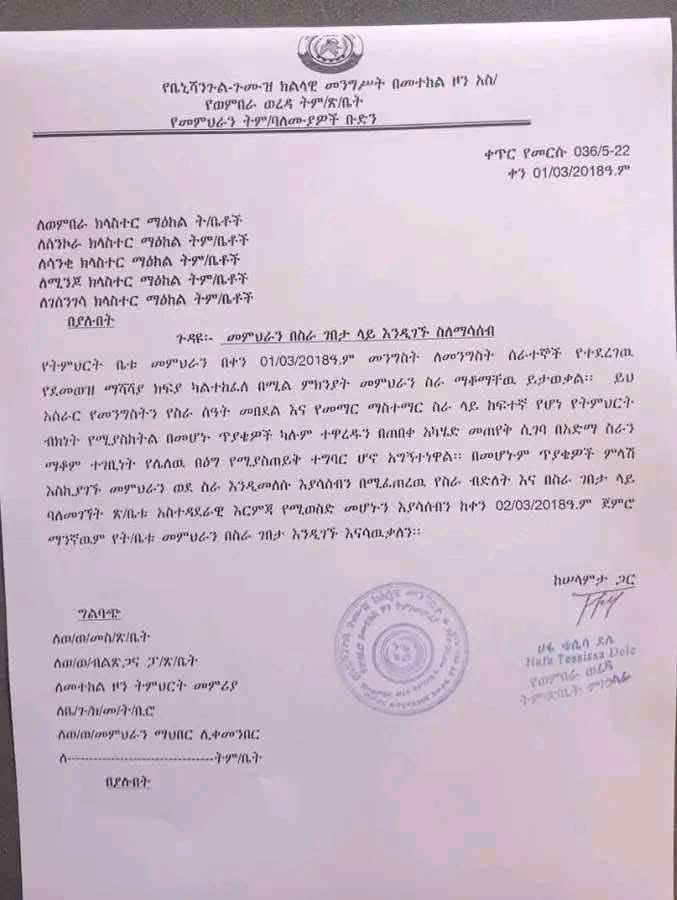
ቤኒሻንጉል ጉሙዝ ክል መተከል ዞን ወምበራ ወረዳ ትምህርት ቢሮ ስራ መምህራን ስራ ስላቆሙ እንሲመለሱ ጠይቋል። መምህራኑ ስራ የማቆም አባዜ የለባቸውም። ደሞዙን ክፍሏቸውና ይመለሱ።
@Jawar_Mohammed


______________


While Abiy continues to threaten neighboring countries, he cannot even maintain peace and security within his own territory. Ethiopia is descending into anarchy, where foreign nationals are being abducted in broad daylight and released only after paying ransom. SHAME!


Zmeselo
Senior Member+
Posts: 36744
Joined: 30 Jul 2010, 20:43

Re: ከአፋር ብሔራዊ አንድነት አብዮታዊ ግንባር የተሰጠ ወቅታዊ መግለጫ!

Post by Zmeselo » 10 Nov 2025, 16:30


Amhara regional president Arega Kebede's convoy was ambushed in the Berta area of Fano at approximately 9:30 a.m., while he was travelling from Lalibela Airport to Lalibela town. Local officials confirmed to DNE Africa that ten members of the Republican Guard were killed as they attempted to flee the scene.


_____________


የኢትዮጵያ ኃይማኖት ተቋማት ጉባኤ በኦሮሚያ ክልል አርሲ ዞን በሲቪሎች ላይ በጥቅምት ወር የተፈጸሙ ጥቃቶችን ለማጣራት ያቋቋመው አጣሪ ኮሚቴ፣ ጥቃቶቹ ኃይማኖት ተኮር እንዳልሆኑ አጣርቻለሁ አለ።

አጣሪ ኮሚቴው የመጀመሪያ ደረጃ ሪፖርቱን ዛሬ ይፋ ባደረገበት ጋዜጣዊ መግለጫ፣ ከጥቅምት 25 እስከ 30 በዞኑ ጉና፣ ሲርካ፣ መርቲ እና ቁልዓቤ በተባሉ ወረዳዎች ባደረገው ማጣራት ጥቃቱ ኃይማኖት ተኮር አለመሆኑን ማረጋገጡን አስታውቋል።

በጉና ወረዳ ናኖ ጃዊ ቀበሌ ገበሬ ማኅበር በጥቃቱ የሰው ሕይወት እንደጠፋ፣ ንብረት እንደወደመ፣ የሰዎች እገታ እንደተፈጸመ እና ጥቅምት 14 ቀን ታጣቂዎቹ ታጋቾችን እንደገደሉ ማረጋገጡን ኮሚቴው ጠቅሷል።

በተጠቀሱት ወረዳዎች በሲቪሎች ላይ ጥቃቶቹን የፈጸሙት፣ ራሱን የኦሮሞ ነጻነት ሠራዊት በማለት የሚጠራው አማጺ ቡድን እና የፋኖ ኃይሎች ናቸው የሚል መረጃ ከምንጮች ማግኘቱን እና ሌሎች ምንጮች ደሞ ለጥቃቱ ተጠያቂዎቹ ማንነታቸው ያልታወቁ ታጣቂዎች ናቸው የሚል መረጃ እንደሠጡ ኮሚቴው ገልጧል።

አጣሪ ኮሚቴው ከኢትዮጵያ ኦርቶዶክስ ተዋሕዶ ቤተ ክርስቲያን ሦስት፣ ከኢትዮጵያ እስልምና ጉዳዮች ጠቅላይ ምክር ቤት እና ከኦሮሚያ ክልል እስልምና ጉዳዮች ከፍተኛ ምክር ቤት እያንዳንዳቸው ሁለት እንዲኹም ከኢትዮጵያ ኃይማኖት ተቋማት ጉባኤ ሁለት ባለሙያዎች እንደተካተቱበት ተገልጧል።

የኢትዮጵያ ኦርቶዶክስ ቤተክርስቲያን ጥቃቱን "ኃይማኖት ተኮር ነው" በማለት ቀደም ሲል መፈረጇ አይዘነጋም። [ዋዜማ]

Zmeselo
Senior Member+
Posts: 36744
Joined: 30 Jul 2010, 20:43

Re: ከአፋር ብሔራዊ አንድነት አብዮታዊ ግንባር የተሰጠ ወቅታዊ መግለጫ!

Post by Zmeselo » 10 Nov 2025, 16:55


Ethiopia Teeters on the Brink of Collapse

By Yemane Abselom

https://redseabeacon.com/ethiopia-teete ... -collapse/

November 9, 2025

Ethiopia stands at the edge of disintegration—undermined by interlocking crises of war, corruption, ethnic division, and economic decay. Once celebrated as Africa’s rising star, the nation is now haunted by its own history and by the failures of its current leadership.

An Empire Built on Conquest

Ethiopia’s modern history is deeply rooted in imperial conquest and forced unification. Emperor Menelik II, often hailed as the “father of modern Ethiopia,” expanded his Shoan kingdom through brutal military campaigns, supported by European powers and their modern weaponry. His forces massacred civilians, enslaved captives, and extracted gold, ivory, and slaves from conquered peoples. This “unification” was, in truth, an internal colonization that sowed deep resentment among Ethiopia’s many ethnic groups—a resentment that still fuels the country’s instability today.

Cycles of Ethnic Favoritism and Repression

Each successive ruler, inherited and reinforced this cycle of ethnic domination. Emperor Haile Selassie favored his Amhara kin, elevating them in education, government, and the military, while marginalizing others. The resentment this created, set the stage for later revolutions.

Colonel Mengistu Hailemariam, though hailing from a minority background, continued the pattern of centralization and violence. His regime waged a catastrophic war against Eritrea, consuming national resources and lives while famine devastated the countryside. The Live Aid famine of 1983–1985 remains a tragic symbol of a government, that prioritized war over human survival.

When the Tigray People’s Liberation Front (TPLF) and its EPRDF coalition seized power in 1991, they promised ethnic federalism and local autonomy. In practice, they entrenched Tigrayan dominance. Tigrayans—barely 5% of the population—occupied most senior political, military, and economic positions. Ethiopia fractured further along ethnic lines, creating a tinderbox of rival identities and grievances.

Abiy Ahmed: Hope Turned Disillusionment

When Abiy Ahmed Ali rose to power in 2018, many hoped he would transcend these divisions. His rhetoric of peace, unity, and reform won international praise and even a Nobel Peace Prize. But optimism quickly faded. Instead of dismantling the ethnic power structures of the past, Abiy replaced them with a new one favoring his own Oromo group—the largest in Ethiopia. Once again, the promise of national unity was sacrificed for ethnic dominance.

The result is a state where every major ethnic group distrusts the other and views political power as an opportunity to “eat”, before being replaced by another. Ethiopia’s politics remain a zero-sum game, not a shared national project.

Multiple Wars, One Nation in Chaos

This ethnic tension exploded into open warfare. In November 2020, TPLF forces attacked the Ethiopian army’s Northern Command, igniting a devastating two-year war that killed over a million people and displaced millions more. Before that conflict even ended, fighting erupted in the Amhara region after the government attempted to disband regional special forces—leaving Oromia and Tigray’s forces largely intact. Now, the Amhara and Oromo regions, the two largest ethnic homelands, are engulfed in violence and rebellion.

As of June 2024, an estimated 4.5 million Ethiopians were internally displaced, their lives uprooted by conflict, drought, and insecurity. The central government’s control now extends barely beyond the capital, Addis Ababa.

Hiding Behind GDP Growth

Abiy Ahmed’s government boasts of GDP growth, pointing to new infrastructure and rising population figures. But beneath these numbers lies a hollow economy crippled by corruption, ethnic exclusion, and financial mismanagement.

In today’s Ethiopia, an Amhara investor cannot safely open a business in Oromia, and vice versa. Corruption permeates every level of bureaucracy—officials openly demand bribes for basic services like electricity and water. Confidence in the banking system has evaporated: in 2023–2024 alone, over 1.3 billion birr was lost to fraud across 28 banks. By 2025, another $56 million vanished in fraudulent transfers from the National Bank itself.

Inflation hovers near 30%, eroding savings and crushing household budgets. The Ethiopian birr has collapsed from 54 to 153 per U.S. dollar in just five years, destroying purchasing power and investor confidence alike.

Debt, Default, and Decline

Ethiopia’s external debt has ballooned to $33 billion, a sixfold increase since the early 2000s. The country officially defaulted on its Eurobond in December 2023, after failing to pay a $33 million coupon. With a “Restricted Default” credit rating, Ethiopia is shut out from global capital markets. Wars, corruption, and debt have drained its reserves, leaving it unable to fund development or maintain stability.

Drought and Misplaced Priorities

Despite abundant fertile land, Ethiopia remains a nation of hunger and dependency. Large tracts of farmland have been leased to foreign investors, while millions of Ethiopians face recurring drought and famine. The government continues to spend scarce foreign currency on drones and missiles, as if war could substitute for governance.

The Port Distraction: A Dangerous Illusion

Instead of addressing Ethiopia’s internal collapse, Prime Minister Abiy Ahmed has found a convenient scapegoat: the lack of a “sea port.” His administration now portrays port “ownership” as the key to national revival—an absurd claim that masks his inability to govern effectively.

Ethiopia already enjoys full access to the sea through Djibouti, Berbera, and Port Sudan. It has never once been denied access to maritime trade. The issue is not access, but accountability—corruption, war, and mismanagement. Abiy’s fixation on port ownership is a diversion, meant to rally nationalist sentiment and deflect public anger from his failures. But it risks reigniting war with Eritrea, a war both nations can ill afford.

Conclusion: A Nation on the Edge

Prime Minister Abiy Ahmed was entrusted with uniting a fractured nation and steering it toward peace and prosperity. Instead, he has deepened Ethiopia’s divisions, bankrupted its finances, and squandered its international goodwill. His administration’s obsession with port ownership is not a vision—it is a smokescreen, a desperate attempt to distract from a collapsing state.

Unless Ethiopia confronts its real problems—ethnic fragmentation, corruption, inflation, war, and institutional decay—it will soon become a failed state in both form and function. Abiy Ahmed’s refusal to face reality, and his reliance on empty symbolism, could push Ethiopia past the point of return. The question is no longer whether Ethiopia will survive as a unified state—but whether its leaders still care enough to save it.


______________
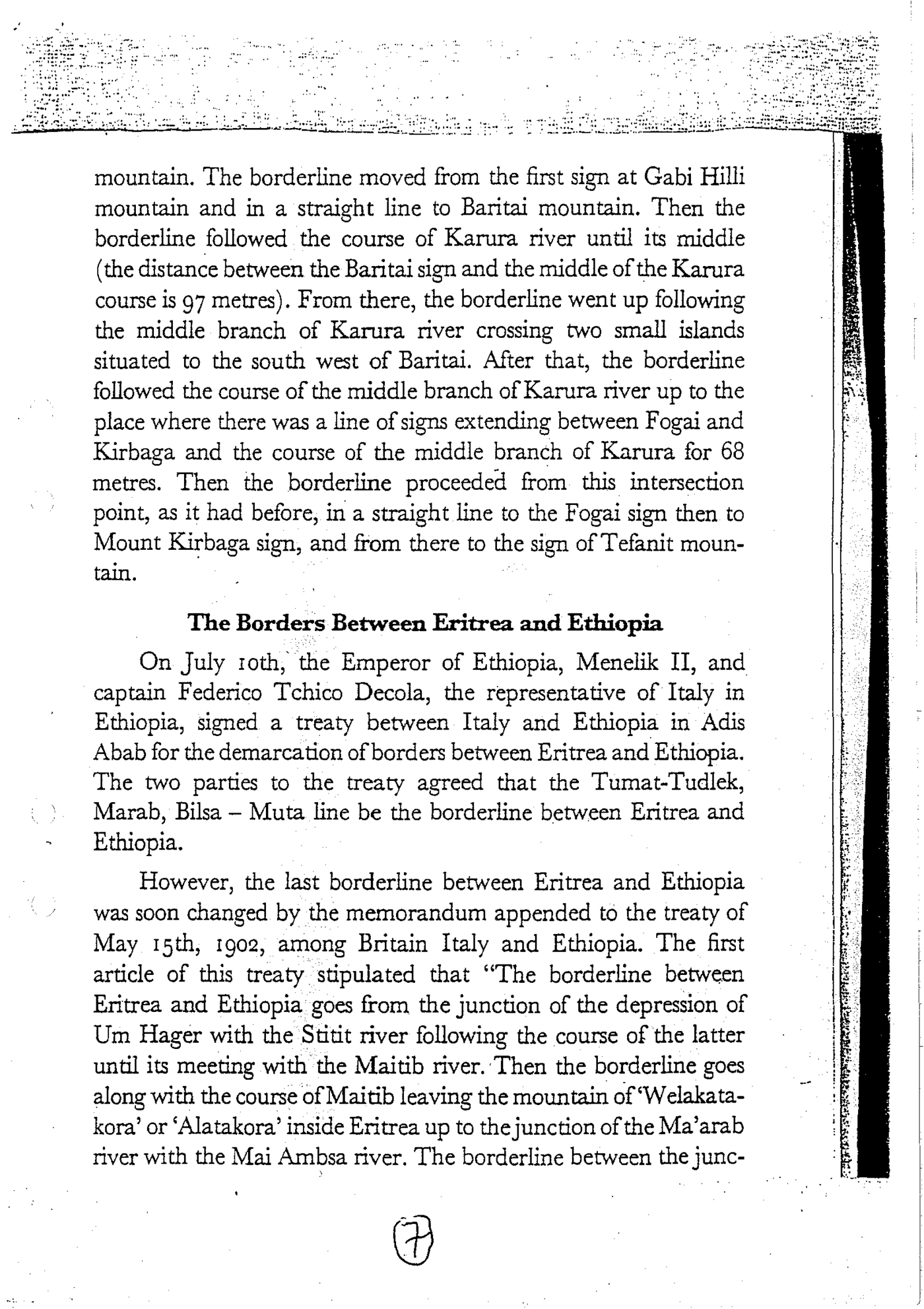


Documents signed between Menelik II and Italy and Britain:

The Borders Between Eritrea and Ethiopia

On July 10th 1900,· the Emperor of Ethiopia, Menelik II, and captain Federico Tchico Decola, the representative of Italy in Ethiopia, signed a treaty between Italy and Ethiopia in Addis Ababa for the demarcation of borders between Eritrea and Ethiopia. The two parties to the treaty agreed that the Tumat-Tudlek, Marab, Bilsa - Muta line be the borderline between Eritrea and Ethiopia.

However, the last borderline between Eritrea and Ethiopia was soon changed by the memorandum appended to the treaty of May 15th, 1902, among Britain, Italy and Ethiopia. The first article of this treaty stipulated that
The borderline between Eritrea and Ethiopia goes from the junction of the depression of Um Hager with the Setitit river following the course of the latter, until its meeting with the Maitib river. Then the borderline goes along with the course of Maitib leaving the mountain of 'W elakatakora' or 'Alatakora' inside Eritrea up to the junction of the Ma'arab river with the Mai Ambsa river. The borderline between the junction of Setit and Maitib and the junction of Ma'arab and Mai Ambessa will be left up to Italian and Ethiopian delegates to determine, provided the Kunama tribe stay within Eritrean territory.
On May 16th, 1908, Menelik II and the representative of the Italian government in Addis Ababa, Guiseppe Coli de Felesiano, signed a treaty between Italy and Ethiopia for the demarcation of borders between the colony of Eritrea and Ethiopia; The first article of this treaty stipulated that:
the borderline between the colony of Eritrea and the Tigrai province go from the furthest point east of Muta river south east ward in a direction parallel to the coast and sixty kilometers away from it, until it met the borders of French possessions in Somali-land [today's Djibouti].

Post Reply