By Maha El Dahan
April 28, 2026
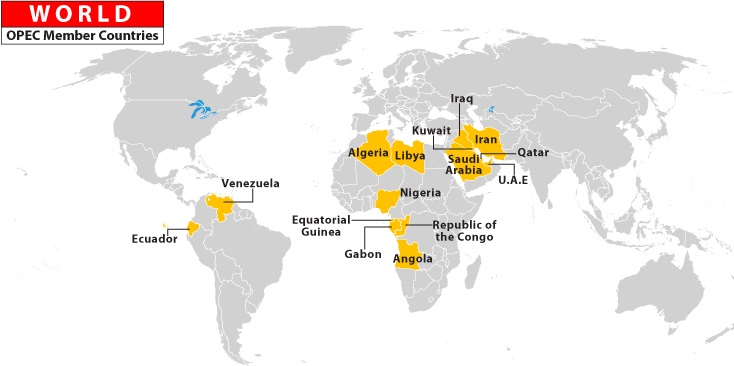
DUBAI, April 28 (Reuters) - The United Arab Emirates said on Tuesday it was quitting OPEC, dealing a heavy blow to the oil producers' group as an unprecedented energy crisis triggered by the Iran war exposes discord among Gulf nations.
The loss of the UAE, a longstanding OPEC member, could weaken the group, which has usually sought to show a united front despite internal disagreements over geopolitics and production quotas.
UAE Energy Minister Suhail Mohamed al-Mazrouei told Reuters the decision was taken after a careful look at the regional power's energy strategies.
Asked whether the UAE consulted with OPEC's de facto leader and regional heavyweight Saudi Arabia, he said the UAE did not raise the issue with any other country.
"This is a policy decision, it has been done after a careful look at current and future policies related to level of production," said the energy minister.
PRODUCTION CONSTRAINED BY IRAN WAR
OPEC Gulf producers have been struggling to ship exports through the Strait of Hormuz, a chokepoint between Iran and Oman through which a fifth of the world’s crude oil and liquefied natural gas normally passes, because of Iranian threats and attacks against vessels.
Mazrouei said the UAE's move, in which it will leave OPEC and OPEC+ as of May 1, would not have a huge impact on the market because of the constraints in the strait.
The Organization of the Petroleum Exporting Countries (OPEC) and allies including Russia are known collectively as OPEC+, and the UAE was their fourth-largest producer. Together they controlled nearly half the world's oil before the war.
The International Energy Agency said OPEC+ saw its share of global oil output fall to 44% in March from about 48% in February. It is likely to fall further in April as production shut-ins become more pronounced.
https://www.reuters.com/markets/commodi ... 026-04-28/


