መጽሀፍ መጻፍ ከባድ ነው። አንድ መጽሀፍ ለማዘጋጀት የሚወስደው ጊዜና የሚፈልገው የማሰብና የመራመር ሂደት በቀላሉ የሚገለጽ አይደለም። ደም ይፈልጋል። ጥልቅ ማሰብን ይጠይቃል። ጊዜ ይወስዳል። አብይ አህመድ በሰባት አመት ውስጥ አራት መጽሀፍ ጻፍኩኝ እያለ ነው። እንደህብረትርዒት በሳምንት ሁለት ቀን መጽሃፍ ይዞ ከች ይላል። እንደሰማነው አብዛኞቹ ጻፍኳቸው የሚላቸው መጽሃፍት ቅጂ ናቸው። ከተለያዩ ቦታዎች ተኮርጀው፥ ተቀነጫጭበው የተሰበሰቡ፥ ጥራዝ ነጠቅ ሀሳብ የታጨቀባቸው ናቸው። አንድ መጽሀፉ በሰባት ሰዎች የተዘጋጀ፥ እያንዳንዱ ሰው በተሰጠው ርዕሰ ጉዳይ ላይ በዛ ያሉ ገጾችን ጽፎ እንዲያቀርብና እነዚህ በሰባት ሰዎች የተዘጋጁት ጽሁፎች በአንድ ላይ ''መደመር'' በሚል በአብይ አህመድ ስም በአንድ መጽሀፍ ተጠርዘው እንዲወጡ ተደርጓል።
የሆነስ ሆኖ አንድ መሪ ሰኞ ኮሪደር ልማት ጎብኝቶ፥ ማክሰኞ ሀዋሳ ታይቶ፥ ረቡ አርባምንጭ ሙዝ እርሻ አጠገብ ተገኝቶ፥ ሀሙስ ጂማ በሞተር ጀልባ ተንሸራሽሮ፥ ዓርብ ላይ ከአዳነች አቤቤ ጋር ሳይክል ነድቶ፥ ቅዳሜ ችግኝ ተክሎ፥ እሁድ ከተመስገን ጥሩነህ ጋር ኳስ ጠልዞና ፑሻፕ ሰርቶ ምን ጊዜ ተርፎት ነው መጽሀፍ የጻፈው? አንድ ሁለቱን ለማንበብ ሞክሬአለሁ። ችክ ያለ፥ በአቀራረብም ሆነ በሀሳብ ፍሰት አሰልቺና ጥልቀት የሌለ ዝባዝንኬ የታጨቀበት ነው። አሁን አራተኛ ጻፍኩ ብሎ ደግሞ በቴሌቪዥን መስኮት ብቅ ብሏል። ያው የፈረደበት ነጋዴና የመንግስት ሰራተኛ በግድ እንዲገዛ ይደረጋል። ይሄ መደመር መቼ ይሆን የሚያበቃው? እንደህንድ ፊልም አላልቅ አለ። እንደ መደመር ቃል ኢትዮጵያ ውስጥ Abuse የተደረገ ሌላ ቃል የለም። ጠነዛ!
Re: Who needs stand-up comedy?
Re: Who needs stand-up comedy?


News
Ethiopia Records World’s Sharpest Tax-to-GDP Ratio Decline in a Decade
By: Nardos Yoseph
https://www.thereporterethiopia.com/46481/
August 16, 2025
Ethiopia has suffered the sharpest and sustained crumble in tax-to-GDP ratio recorded anywhere in the world over the past decade, a new government-backed study reveals.
The joint report by the Ministry of Finance and the Institute for Fiscal Studies (IFS) revealed on August 15, 2025 shows that the country’s tax-to-GDP ratio has plunged from 12.4 percent in 2014 to just 7.5 percent a decade later.
reads the report.No other country in the world has experienced such a large relative decline in its tax-to-GDP ratio over this period,
It noted that due to data availability, the study focused on the period between 2015 and 23.
Over this period, the largest contributors to the fall in the tax-to-GDP ratio were VAT, which fell by two percent; followed by customs duty and surtax, which sank by 1.1 percent, and corporate income tax and employment income tax.
The fall has defied expectations.
Despite continued official GDP growth, the ratio has
consistently underperformed IMF forecasts, as well as Ethiopia’s own targets.
If the trajectory envisioned in the Growth and Transformation Plan II had been met, the ratio
reads the report.would be more than double what it is today,
It also cites a 2023 United Nations University World Institute for Development Economics Research (UNU-WIDER) publication which contends that the fall in the tax-to-GDP ratio is highly unusual by international standards:
The joint study has identified four main tax instruments behind the collapse including value-added tax, customs duty and surtax, corporate income tax, and employment income tax.no other country experienced such a large fall in its tax-to-GDP ratio during this period.
It also noted that the underlying causes are a mix of structural change and deteriorating compliance.
The report traced back more than half of the fall, around 2.2 percent, to economic shifts since 2015/16, most notably the dramatic end to the vastly practiced state-led investment boom.
Laying out the factors explaining changes in Ethiopia’s tax-to-GDP ratio over time and its link with the state-led investment boom, the report indicated that within a decade the public investment fell into seven percent of GDP, half its shares recorded in 2014.
Imports dropped from 24 to 10 percent, and manufacturing’s share of GDP shrank from 4.5 percent, while agriculture grew to 36 percent, a mere one percent increase.
A further 1.8 points are linked to worsening compliance, including what the report calls
while the VAT compliance gap alone grew by 1.4 points, and corporate tax shortfalls especially in wholesale, retail and construction also added into the problem.an estimated increase in non-compliance in the wholesale/retail sector
According to the report, policy changes had little effect.
It finds that
very few revenue-losing reforms since 2015,
with only minor VAT exemptions in 2020 costing less than 0.1 percentage points.
With 60 percent of federal revenue still tied to imports and taxes on the public sector, the country remains
To reverse the decline, the report urges rapid expansion of VAT withholding agents to large private firms to increase VAT compliance, and a possible VAT rate rise from 15 percent to the Sub-Saharan median of 17.5 percent, randomized taxpayer audits to monitor compliance, and stronger data-sharing process between the Ministry of Finance and the Ministry of Revenue.vulnerable to the fall in imports and public sector activity.
Without urgent action, the authors warn, Ethiopia will fail to meet its national Medium-Term Revenue Strategy goal of raising the tax-to-GDP ratio by seven percentage points by 2028 and could cement its position as the world’s most dramatic case of tax capacity erosion.


Re: Who needs stand-up comedy?
Humanitarian
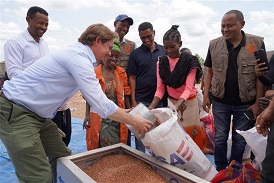
US modifies its food assistance program to Ethiopia
https://newbusinessethiopia.com/humanit ... -ethiopia/
Aug 20, 2025
The United States said it has officially marked the successful transition of its food assistance operations in northern Ethiopia to the Joint Emergency Operations Program (JEOP). said the US Embassy in Addis Ababa.
JEOP is said a significant milestone in strengthening the humanitarian response across Tigray, Amhara, and Afar regions of Ethiopia.
said U.S. Embassy official Tim Stein, speaking at the handover ceremony held at Axum Hotel in Mekelle.There is no reduction in U.S. assistance—only a more focused and coordinated way of delivering it. This transition is more than a shift in delivery partners—it reflects our deep and ongoing commitment to stand with the people of Ethiopia,
he emphasized.JEOP’s scale-up ensures continuity of lifesaving food assistance while allowing WFP to focus where the needs are growing,
Over the past six months, the transition has brought 1.2 million people across 52 woredas in Afar, Amhara, and Tigray under JEOP’s care. With the final phase now complete, JEOP is delivering lifesaving food assistance to a total of 3.1 million people across Ethiopia.
The handover was made possible through the leadership of the Government of Ethiopia, Tigray Region Disaster Risk Management Commission, and close coordination through the Food Cluster, with the World Food Program (WFP) playing a critical role in guiding the transition.
The United States remains firmly committed to humanitarian support in Ethiopia, having provided $341 million to JEOP and WFP for emergency food assistance in 2025 alone to ensure continued support for emergency food aid through the end of the year.
The United States continues to be the largest single donor of humanitarian assistance to Ethiopia, providing critical support to millions of people affected by conflict, displacement, and food insecurity across the country.