 Abiy’s dangerous ‘Historical and Natural Rights to Red-Sea’
https://africanviews.net/abiys-dangerou ... o-red-sea/
Monday, August 11, 2025
Looking Back Critically at the Myths of Ethiopian Historical and Natural Rights to own sea-access in the Red Sea.
Abiy’s dangerous ‘Historical and Natural Rights to Red-Sea’
https://africanviews.net/abiys-dangerou ... o-red-sea/
Monday, August 11, 2025
Looking Back Critically at the Myths of Ethiopian Historical and Natural Rights to own sea-access in the Red Sea.
One must question not only the reckless course charted by
Abiy Ahmed Ali and his Prosperity Party, but also the deeper, unspoken intentions that may lie beneath their rhetoric. At times, their words and actions appear less like nation-building and more like the deliberate acceleration of Ethiopia’s fragmentation. Their recent claim to a
historical and natural right
to Red Sea access is a striking example—an assertion that risks reopening long-suppressed historical wounds, wounds that cannot be healed with cosmetic
economic corridors
or symbolic resort projects.
Ethiopia’s political narrative has often been built on selective memory, avoiding uncomfortable truths. Yet, to understand the present crisis, we must confront those suppressed chapters. Consider the complex and little-discussed relationship between
Sylvia Pankhurst—a British suffragette turned anti-fascist activist—and Emperor
Haile Selassie I (born
Tafari Makonnen).
Pankhurst, a committed Marxist-Leninist who once debated
Lenin himself, dedicated the latter part of her life to fighting
Mussolini’s invasion of Ethiopia. She met Haile Selassie during his exile in the 1930s and became his most vocal advocate in Britain, organizing public demonstrations and publishing a weekly newspaper,
New Times and
Ethiopia News, from her modest East London home. Her relentless lobbying kept Ethiopia in the British public eye, even as the British government—eager not to alienate Mussolini—treated Haile Selassie as an awkward guest and formally recognized Italy’s occupation.
The partnership between Pankhurst and Haile Selassie was, in many ways, an odd one. He was a monarch claiming divine descent from
Solomon and
Sheba, enshrining his “
God-given” authority into the 1955 constitution. She was a nonconformist socialist, with little use for monarchy. Yet Haile Selassie rewarded her loyalty extravagantly: granting her Ethiopian citizenship, naming a street after her, giving her a villa in Addis Ababa, and ensuring she was buried with state honors beside members of the royal family—renaming her
Wolete-Kristos (“
Child of Christ”). She is the only foreign citizen to be awarded a patriots medal and the Order of the Queen of Sheba, by Haile sellasie, an honor usually reserved for foreign Queens.
When Sylvia had the opportunity to fly for the very first time in her life, her journey took her to Eritrea. There, in Asmara, she stood alongside the Union Party, delivering speeches and campaigning for Eritrea’s merger with Ethiopia. Though she had little understanding of the complex politics between the two nations, she became—much to the delight of Haile Selassie—the leading voice for a ‘
Greater Ethiopia,’ to the deep disappointment of many in the Horn of Africa who had lived for centuries with their own distinct identities and histories.
Today, her name is largely absent from Ethiopian historical memory. This is no accident—her story forces Ethiopia to recall the six years of Italian occupation, shattering the official claim that Ethiopia was
never colonized.
Nor do popular narratives acknowledge Ethiopia’s political geography, before the mid-20th century. In the 19th and early 20th centuries, regions such as Shoa, Tigray, Gojam, Wollo, Gondar, and even Harar (where Haile Sellasie was born) existed under shifting alliances, betrayals, and rivalries.
Yohannes betrayed
Tewodros;
Menelik betrayed
Yohannes. Hailesellasie usurped
Lij Eyassu…etc. Centralized control was tenuous, and vast territories like Tigray, Ogaden and Oromo lands lay outside any firm imperial authority. Eritrea, in particular, had no history of Abyssinian administration until after World War II, when geopolitical interests—especially those of the United States—enabled Haile Selassie to federate Eritrea with Ethiopia.
Against this historical backdrop, Abiy Ahmed’s assertion of an “
inherent” Ethiopian right to Red Sea access is not just historically unsupported—it is a dangerous fabrication. It invokes a mythical past to justify present-day ambitions that risk violating international law and destabilizing the Horn of Africa.
The truth is more complex, and far less flattering, than the state’s official myths allow. Until Ethiopia reckons with this layered, often inconvenient history—rather than romanticizing a selectively remembered past—it will remain vulnerable to leaders who weaponize myth to serve short-term political ends.
Abiy Ahmed Ali exemplifies this tendency, today. His actions suggest a deliberate drive to return Ethiopia to its 19th-century patchwork of ethnic fiefdoms, distracting the public with pipe dreams of Red Sea access and grandiose projects, even as the nation endures economic hardship, ongoing wars, and deepening instability.
_______________
Ethiopia does not have historical or "natural" right to access to the sea.
Ethiopia has no historical or "natural" right to sea access, only briefly gaining it through the 1962 annexation of Eritrea. Eritrea's fierce resistance led to Ethiopia's military defeat, and international legal instruments—such as the 1993 UN-sponsored Eritrean referendum, the 2000 Algiers Agreement, and the Eritrea-Ethiopia Boundary and Claims Commissions—have firmly established Ethiopia as a landlocked nation. Historically, Abyssinia evolved into Ethiopia through brutal conquests and genocide, operating as a dependent colonial empire. The current government's reckless policies risk reversing Ethiopia's trajectory, potentially reverting it to its Abyssinian origins.
Maps: From the Book, "The Invention of Ethiopia."
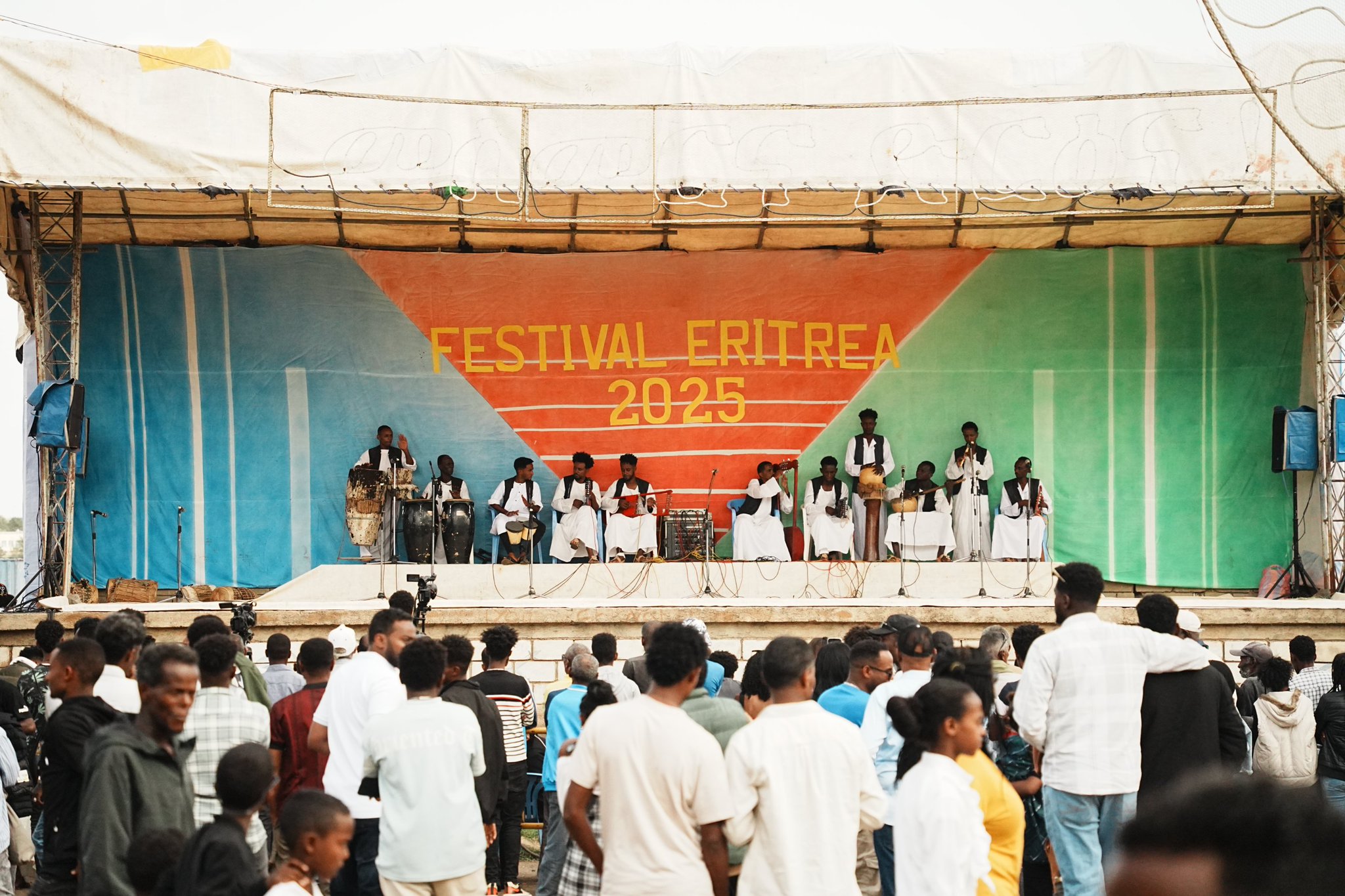
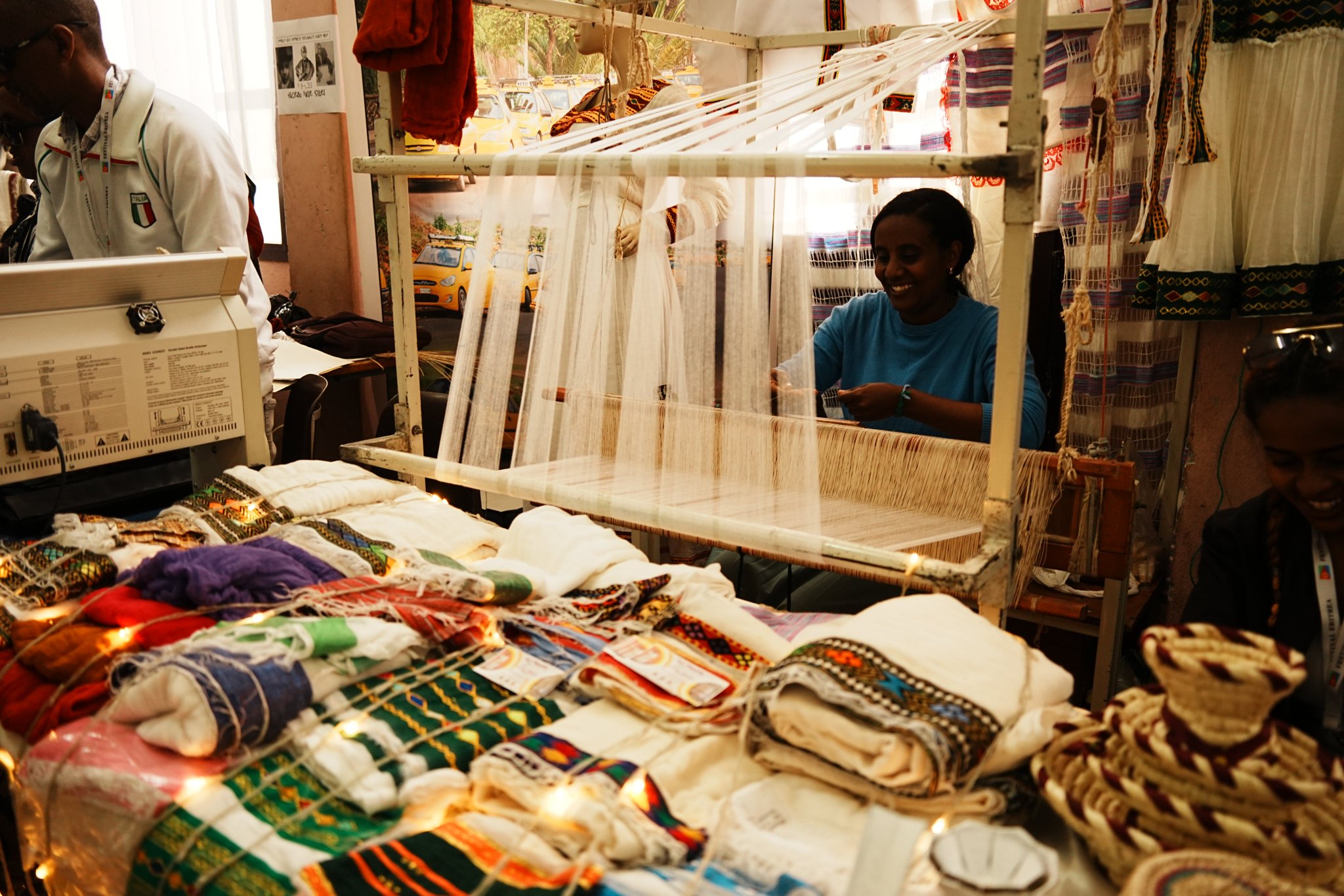
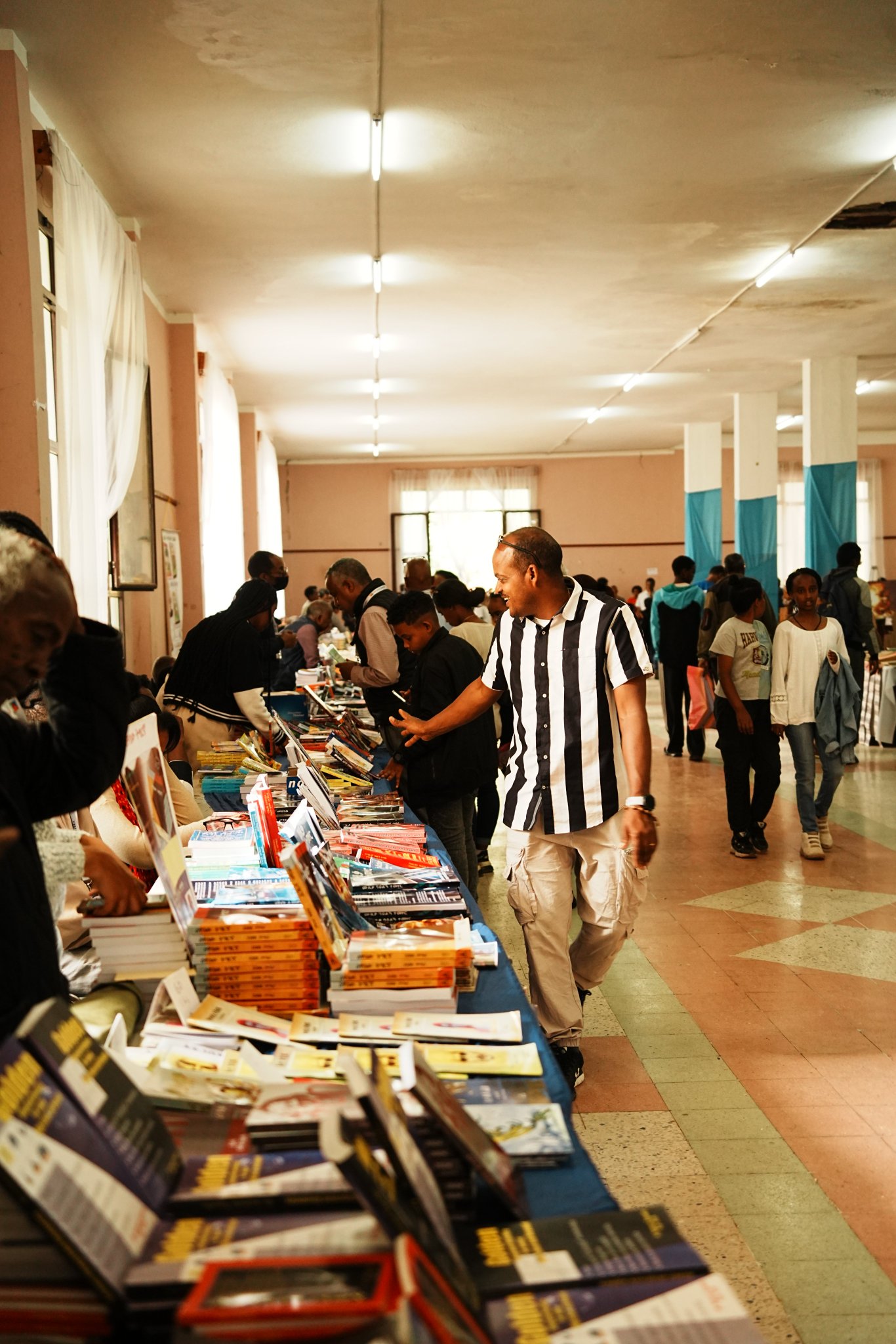











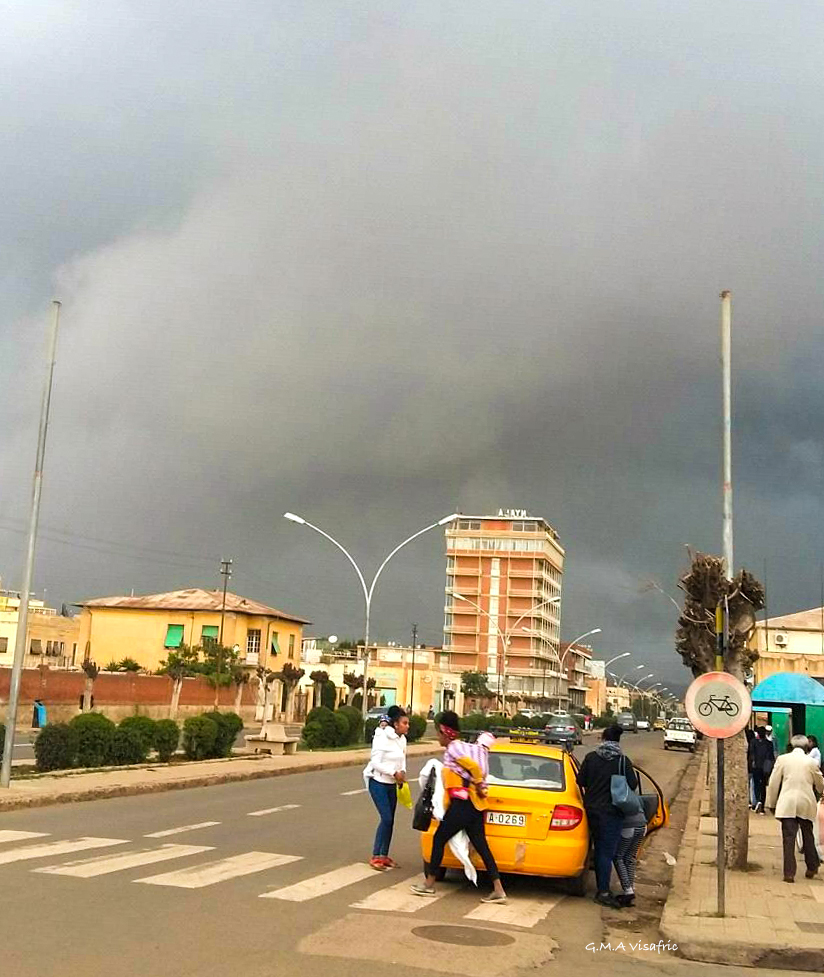
 Asmara


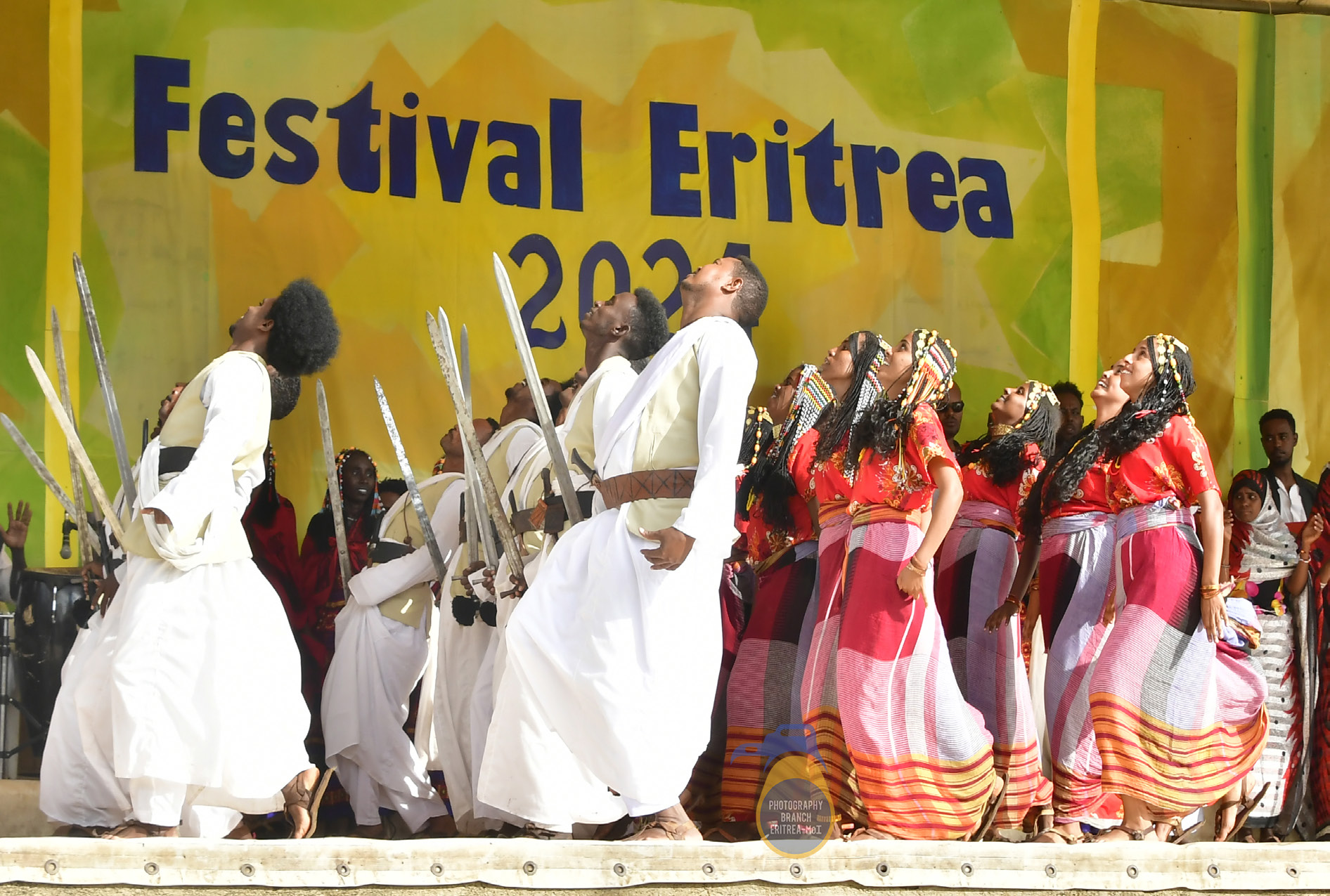
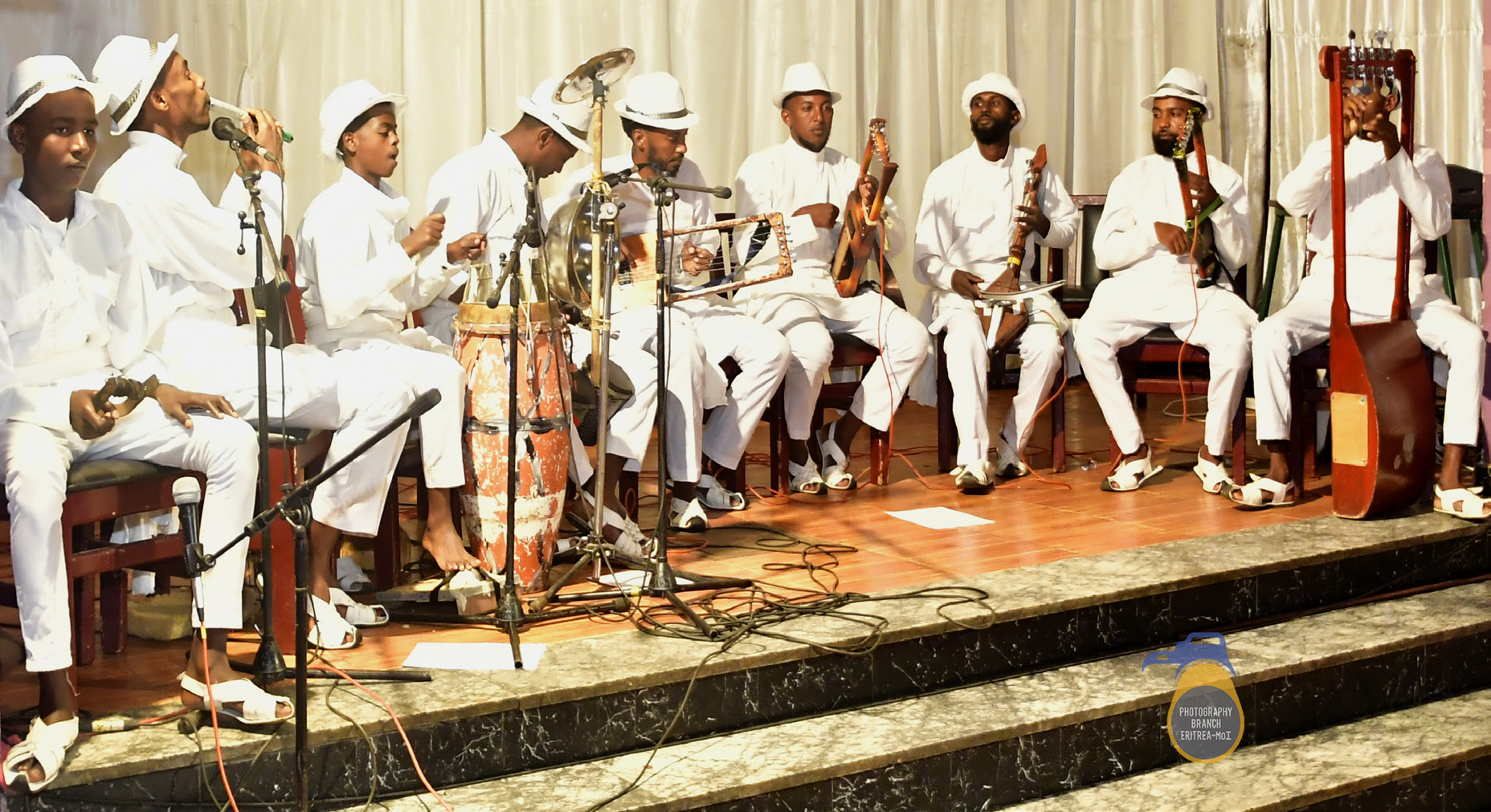
 We Can Move Abroad — But We’ll Never Move Eritrea Out of Our Hearts.
  Sanctions to choke us
 What they’ll never get (and thank God they won’t):
 Our bond with Eritrea is soul-deep — no passport, no paycheck can buy it.
 We own our struggles — and we fix them ourselves, without pity or poison.
 We know exactly who tried to deny our independence in 1952 — and who we fought for 30 years to defeat.
 Eritrea is the promise of our martyrs — and we will never let that flame die.
 Unity that can’t be broken
 Spirit that can’t be crushed
 Resilience that can’t be bought
 Hope that refuses to fade
 Self-reliance that shocks the world
 Your turn: What does Eritrea mean to you?