Ethiopian News, Current Affairs and Opinion Forum
Zmeselo
Senior Member+
Posts: 36827
Joined: 30 Jul 2010, 20:43

Celebrating Progress: UN Agencies Highlight Eritrea’s Sustainable Development Achievements

Post by Zmeselo » 26 May 2025, 13:57


Q & A
Celebrating Progress: UN Agencies Highlight Eritrea’s Sustainable Development Achievements

By: Sabrina Solomon

https://shabait.com/2025/05/26/celebrat ... ievements/

May 26, 2025


Abdullahi Mohammed Yusuf, UNICEF

From ensuring clean water and affordable energy to championing gender equality and climate action, Eritrea’s achievements highlight the interconnectedness of its dedicated efforts. Through resilience, determination, and innovation, Eritrea is overcoming challenges and laying the robust foundation for a prosperous, equitable, and sustainable future. Together, the people of Eritrea are turning aspirations into tangible achievements, one step at a time.

Here, representatives from six UN agencies share their insights and opinions on Eritrea’s commendable progress across various sectors, offering their heartfelt congratulatory messages to the people and Government of Eritrea on the occasion of the 34th Independence Day anniversary.


Mr. Abdullahi Mohammed Yusuf – UNICEF Country Representative to Eritrea
Eritrea has made significant progress in social development,
notes Mr. Yusuf.

He highlights impressive strides, such as the vast numbers of children attending school and the high vaccination rates against preventable diseases.
We also see progress in the number of people gaining access to social health and nutrition services. On my field missions outside of Asmara, I frequently observe many communities getting access to clean drinking water. All of this contributes to the positive changes I have experienced during my time in Eritrea, but these are just a few examples of what I have witnessed.
He emphasizes Eritrea’s success stories in Sustainable Development Goals, particularly in health.
This country has made great progress in child health, with 95% of children under the age of five fully vaccinated. Eritrea tops the region in child vaccination, which is critically important as young lives can be saved through such preventable disease vaccinations.
Mr. Yusuf commends the government’s decisive action against harmful traditional practices.
If we also look at traditional unjust practices, the government banned FGM, and you see sub-zones that have already been declared FGM-free thanks to the efforts of communities and the government.
Regarding education, he observes substantial improvements:
Now, more children have access to education as all teachers have been trained, more schools have been constructed, and more teaching and learning materials have been distributed. Thus, we see significant progress in the number of children attending school, and importantly, an equal number of boys and girls attending.
In water sanitation,
there is an increase in the availability and accessibility of water across the country. Whenever I go out for field missions, I see rural communities in very remote areas with access to clean water. What’s also interesting is that most of the water facilities are fitted with solar systems and are climate resilient.
Mr. Yusuf expresses pride in the government’s efforts and focus.
As UNICEF, we technically support the government’s programs in sectors related to children and mothers. I very much hope that Eritrea will continue its path of development and improvement. What’s particularly interesting is that the government already has clever policy options such as self-reliance. It’s clear now that with a decline in alliances, the majority of countries must be self-reliant. This policy is quite well-established here. Locally promoted efforts are most sustainable. I also see a lot of effort by the Government of Eritrea to continue that path, which is commendable. Eritrea should be proud of it because it is leading many countries on this front.
He suggests a key lesson for other African nations:
One particular thing that a lot of African countries need to learn from Eritrea is self-reliance because we do have a lot of resources, and Africa is a resource-rich and young continent with huge numbers of young people. Eritrea can provide many learning opportunities for these young countries because we understand that the world is not going to be the same, and Africa needs to explore its own resources and become more self-reliant over time. So these policy options and self-reliance, being as independent as possible, are crucial areas.
Once again, I would love to congratulate all Eritreans on this Independence Day. I know that it has been a hard-won independence. We at UNICEF are going to keep supporting the government and reaffirm our commitment to children, working hand-in-hand with the government here. I truly appreciate our partnership with the Government of Eritrea, and that is going to continue. I hope for a brighter future for Eritrea.
Mr. Pacome Kossy – UNRCO Head of Office
I have been in Eritrea since June 2024 and I am quite impressed with the country’s resilience and self-reliance,
states Mr. Kossy.
I believe that Eritrea’s commitment and emphasis on national sovereignty and social cohesion offer meaningful lessons not only for Africa but for the rest of the world. The hospitality of the people of Eritrea and the natural richness of the country make this a meaningful assignment for me.

Mr. Pacome Kossy – UNRCO

He notes significant progress in health.
This year, for example, we can say that 81% of all births in the country are happening in health facilities. We can also report that almost 100% of all children under the age of two in the country are fully immunized. These are major milestones in maternal and child health in the country.
Regarding food security, there is also progress. Between 2023 and 2024, fish production has improved by nearly 70%. This is a very good development for coastal communities.
On behalf of the UN family in Eritrea, I extend heartfelt congratulations to the government and people of Eritrea on the 34th anniversary of independence. This is a moment to honor the spirit of reliance and the spirit of resilience that define Eritrea. As you celebrate more than three decades of national sovereignty and nationbuilding, the United Nations stands with you, supporting your aspirations of peace, dignity, and sustainable development.
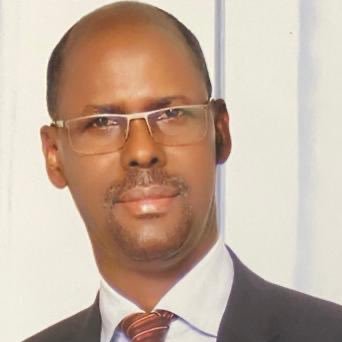
Mr. Mohammed Aw-Dahir, FAO Representative in Eritrea
Eritrea has huge potential in its agriculture and is a very unique country in its reliance on its own people and resources,
remarks Mr. Aw-Dahir.
This spirit of self-reliance is absolutely something many African countries are also emulating, given that the financial landscape and aid have changed significantly. So, what Eritrea has been doing is an inspiration for everybody, and we see a bright future for the Eritrean agriculture sector.
He emphasizes past investments:
Eritrea made a lot of investment in the water sector. For that sector to be fully utilized now, improving the agriculture value chain to create employment and wealth is very critical. So, we see huge potential with the possibility of attracting investment, not only from the public but also from the private sector.
Mr. Mohammed Aw-Dahir

Mr. Keity Ohashi – UNFPA Country Representative to Eritrea
In terms of mortality, you have made significant declines compared with the 1990s in the health sector’s MDG [Millennium Development Goals]. Now, you are making good progress,
states Mr. Ohashi.


Mr. Keity Ohashi – UNFPA
We congratulate you on your Independence Day. Eritrea is making good progress, and I think this is an occasion that we commemorate together. I just want to validate that what you are doing is great in achieving what you are aiming at. I think that for the SDGs, you have only five years left. We would like to encourage you to continue the efforts and try to achieve all the objectives of the development goals. Not only for the UNFPA mandate areas but also in terms of the UN. We are working together, sometimes jointly, and we are here to achieve and support you in that sense.
Ms. Nashida Sattar – UNDP Deputy Resident Representative to Eritrea
We are happy to see the commitment the government has taken on a number of issues that UNDP has worked on, including energy transformation, shifting to more sustainable sources of green energy, addressing environmental challenges this country faces, and also in terms of building capacity to future-proof the country,
comments Ms. Sattar.
We are also seeing huge impacts on the ground in terms of access to water, access to energy, and in terms of building resistance in the country. I am particularly happy to see the government’s commitment on issues of green energy, climate resilience, and gender equality. We are also seeing a lot of commitment by the people and the government towards development pathways.

Nashida Sattar – UNDP Deputy Rep
Firstly, allow me to congratulate the Government of Eritrea on your 34th anniversary of Independence Day. UNDP has been a partner for the last three decades, engaging with and partnering with the government and other development partners to truly fulfill the aspirations of the people of Eritrea. We hope that the future will continue to be brighter for Eritreans, and we hope that issues such as transforming to greener sources of energy are fully achieved in the near future.
I have been here for almost three years now, and I am always struck by the resilience of the people of Eritrea. It is a hopeful time for the people; there are a lot of challenges that people are facing, but it’s also a people that meets these challenges with confidence and resilience.
Dr. Nonso Ejiofor – WHO Representative in Eritrea
I think the most interesting lesson coming to Eritrea is that of self-reliance, as we all know, engraved in the philosophy of the Government of Eritrea: that of a state-driven development sector,
states Dr. Ejiofor.
Amidst the background of limited resources, Eritrea continues to strive with a strong sense of commitment and collaboration with partners on the ground to meet their development needs. This is something that is worthy of admiration.
He highlights a key success:
We have seen immunization coverage in Eritrea that has become a model for most African member states. Amidst very tight resources, Eritrea has managed to reach children in the most hard-to-reach areas using the most innovative approaches. We get on camels, we access the most inaccessible parts of the community, making sure that no child is left behind in terms of immunization coverage. And so today, I think we are proud to say that Eritrea has the record of the highest coverage compared among other African member states. This is something that we are proud to be associated with.

Dr Nonso Ejiofor – WHO Country Representative

Dr. Ejiofor also notes progress beyond immunization:
Not only limited to immunization but also HIV programs, colleagues from the global front would tell you that Eritrea is transcending from infection to talking about elimination. These are important strategies of achievement that can only be possible with the unwavering commitment to development and leadership, as has been demonstrated by the Honourable Minister for Health.
He also praises technological advancements:
The genomic sequencing technology is rather one that is strategic to emergency preparedness and response. All of us remember what we went through during COVID-19 trying to sequence strains. And Eritrea has identified this as one of the critical technologies it would like to acquire in terms of strengthening emergency preparedness and response capacities. So, with the support from WHO, Eritrea has been able to deploy this technology, positioning itself as one of the few African countries that has this technology on the ground. What it means is that the national lab in Eritrea is taking yet another bold step in terms of building capacity to detect all diseases of public health concern. This is an investment that we expect to yield dividends in the near future. Before now, we had to ship samples for diagnosis for certain diseases of public health concern. But with the activation of the laboratory here, which is a baseline for genomic sequencing, we are seeing ourselves testing some of the diseases locally, which means a lot in terms of public health outbreaks.
My aspiration and confidence as well is that if Eritrea continues to progress on this trajectory, achieving the SDGs is only a matter of time. With this kind of collaboration I have seen with the government, we are on track to achieving the healthrelated SDGs. You can count on our continued collaboration and commitment in driving the health agenda, working closely with the most critical stakeholders like the Ministry of Health of the Government of Eritrea.
This is a joyous occasion for all of us. We wish the Government of Eritrea a happy Independence Day commemoration. We wish all of the aspirations of nationhood for Eritrea come to pass in our lifetime. We also would like to reaffirm our partnership with the Government of Eritrea; ‘leaving no one behind’ is the mantra for health in Eritrea. This is in close alignment with WHO’s agenda of universal health coverage. So, Eritrea is truly a partner we are proud of, and on this occasion, I would love to say we are proud to be associated with the progress that has been made so far.
Last edited by Zmeselo on 26 May 2025, 19:16, edited 2 times in total.

Zmeselo
Senior Member+
Posts: 36827
Joined: 30 Jul 2010, 20:43

Re: Celebrating Progress: UN Agencies Highlight Eritrea’s Sustainable Development Achievements

Post by Zmeselo » 26 May 2025, 15:29


History & Culture
Eritrea: a Nation Forged Through Struggle

By: Bana Negusse

https://shabait.com/2025/05/17/eritrea- ... le-part-i/

May 17, 2025


Located in the volatile Horn of Africa and blessed with a long, unspoiled Red Sea coastline, Eritrea is a nation with a rich, complex, and often turbulent history marked by successive external rules and occupation. After waging one of Africa’s most prolonged and most devastating liberation wars, Eritrea secured independence from Ethiopia in 1991. This article sheds light on the country’s decades-long struggle for freedom and identity.

Origins at the dawn of humanity

Archaeological discoveries in Eritrea’s Danakil Depression – especially in Buya – have revealed hominid remains dating back approximately 1.5 to 2 million years, placing the region at the very roots of human history. Prehistoric sites scattered across the country feature rock art, ancient tools, and artifacts, while evidence of early agriculture and animal domestication dates back to around 5000 BCE.

Moreover, many scholars identify Eritrea as the most likely site of the fabled Land of Punt – an ancient trading partner of the Egyptians, which further emphasizes its significance in early human civilization.

Before the colonial era, various parts of present-day Eritrea experienced intermittent invasions and occupations by foreign powers. Egyptians and Ottoman Turks held sway over coastal cities like Massawa and swathes of the lowlands. Meanwhile, rival warriors, feudal lords, and monarchs from surrounding regions launched periodic, short-lived incursions, often met with fierce resistance.

Italian colonization and the rise of modern infrastructure

In the late 19th century, Italy began acquiring coastal territory and gradually extended its reach inland, seeking to establish a settler colonial state. With tacit British support – motivated by geopolitical rivalry with the French – Italy formally declared Eritrea its “colonia primogenita” (firstborn colony) on January 1, 1890. Massawa was named the capital before Asmara assumed the role in 1897, which it retains today.

Over the next 50 years, Eritrea remained under Italian rule. Eritreans endured systemic exploitation, racial segregation, forced labor, and land dispossession. Education was restricted to basic levels, meant only to serve Italian needs. Eritreans were barred from many parts of Asmara and suffered under colonial apartheid policies.

Yet amid this oppression, the colonial period saw significant infrastructure development and modernization. The period saw the building of ports, railways, airports, hospitals, factories, and communications networks, positioning Eritrea as one of the most industrialized regions in Africa at the time. The Teleferica Massaua-Asmara – a 75-kilometer aerial tramway – was the world’s longest cableway when constructed.

In an enlightening 2006 article, the Eritrean scholar Rahel Almedom wrote how, after assuming control of Eritrea following Italian colonization,
the British had inherited a thriving local economy,
while Brigadier Stephen H. Longrigg, a civilian who from 1942 to 1944 served as chief administrator of the British Military Administration (BMA) in Eritrea, described the country as “highly developed,” and noted that it had,
superb roads, a railway, airports, a European city as its capital, [and] public services up to European standards.
Additionally, as noted by two Westerners who lived in Eritrea,
In 1935, Asmara, which was made the Eritrean capital in 1897, was the most modern and progressive city in Italian East Africa,
while at the same time, the port of Massawa boasted the most extensive harbor facilities between Alexandria and Cape Town.

Other Eritrean cities also reflected progress and industrialization. Tessenei was a hub for transportation and economic activity, while Dekemhare, about 40 km south of Asmara, was referred to as “zona industria” and “secondo Milano” and was full of busy factories and industries.

Critically, the period of Italian colonial rule also forged the basis of an Eritrean state and created its modern territorial boundaries, while contributing to the formation and development of a common, shared social history and unique national identity.

British occupation and post-war betrayal

In April 1941, after the decisive British-led victory at the Battle of Keren, Eritrea was placed under British Military Administration (BMA). Despite British promises of independence in return for assistance against Italian forces, these were quickly abandoned. British propaganda even promised,
Eritreans! You deserve to have a flag! This is the honourable life for the Eritrean: to have the guts to call his people a Nation.
These assurances proved hollow.

Instead, the British plundered Eritrea’s industrial assets and infrastructure, selling them off for profit. Sylvia Pankhurst condemned this exploitation as
a disgrace to British civilisation.
Meanwhile, the BMA sowed division among Eritrean communities, seeking to fragment the territory and portray it as too weak and divided to be viable as an independent state. They aimed to partition Eritrea between the Anglo-Egyptian Sudan and imperial Ethiopia.

Federation by force

Ethiopia, too, portrayed Eritrea as economically dependent and politically fragile. In a 1947 speech to the UN, Aklilu Habtewold claimed Eritrea
could not live by itself.
The US echoed this narrative, fearing that an independent Eritrea might fall under Soviet influence during the Cold War. In reality, one of the main reasons the British, Ethiopians, and Americans worked so hard to portray Eritrea as weak and so heavily pressed their claims regarding the country was that it was full of development and considerable economic potential.

On September 20, 1949, the UN General Assembly dispatched a commission to assess Eritrea’s future. The delegation confirmed that the overwhelming majority of Eritreans favoured independence. Pakistani delegate Sir Zafrulla warned,
An independent Eritrea would obviously be better able to contribute to the maintenance of peace (and security), than an Eritrea federated with Ethiopia against the true wishes of the people. To deny the people of Eritrea their elementary right to independence, would be to sow the seeds of discord and create a threat in that sensitive area of the Middle East.
Nevertheless, on December 2, 1950, UN Resolution 390 (V) imposed a federation with Ethiopia, making Eritrea an autonomous unit under the Ethiopian Crown. Sponsored by the US, the resolution prioritized Cold War strategic interests over Eritrean self-determination. The American Secretary of State John Foster Dulles infamously declared:
From the point of justice, the opinions of the Eritrean people must receive consideration. Nevertheless, the strategic interest of the United States in the Red Sea basin and considerations of security and world peace make it necessary that the country be linked with our ally, Ethiopia.
Unlike other Italian colonies granted independence after World War II, Eritrea was denied its right to self-rule. Days later, Emperor Haile Selassie declared a national holiday celebrating the “restoration” of Eritrea. During a luncheon attended by the US Ambassador, the Emperor expressed gratitude for America’s decisive role in the UN decision.

In return, the US gained key military advantages. On May 22, 1953, Ethiopia granted the Americans the right to establish military bases in Eritrea, including Kagnew Station in Asmara, which was then the world’s largest overseas spy facility. Subsequent agreements included, comprehensive military aid and training for Ethiopian forces.

The UN-mandated federal arrangement granted Eritrea legislative, judicial, and executive autonomy in domestic affairs. But from the outset, Ethiopia treated it with contempt. The monarchy began systematically dismantling Eritrean autonomy, paving the way for annexation – actions that would eventually spark one of Africa’s longest wars of independence.


Resilience amidst efforts to quash independence

On 2 December 1950, following a protracted international process, the United Nations General Assembly passed Resolution 390(V) with a vote of 46 to 10. This resolution dashed Eritreans’ hopes for full independence, instead federating Eritrea with Ethiopia as
an autonomous unit … under the sovereignty of the Ethiopian Crown.
According to the resolution, Eritrea was to retain legislative, executive, and judicial autonomy in domestic matters, while Ethiopia would control defence, foreign affairs, and international trade.

However, Ethiopia’s absolute monarchy, under Emperor Haile Selassie, viewed the Federal Arrangement with disdain. This contempt was laid bare in a 22 March 1955 speech to the Eritrean Assembly by the Emperor’s representative, who declared:
There are no internal or external affairs as far as the office of His Imperial Majesty’s representative is concerned, and there will be none in the future. The affairs of Eritrea concern Ethiopia as a whole and the Emperor.
Over the following decade, Ethiopia systematically dismantled the Federal structure. Merely 19 days after the Federal Arrangement came into force, the regime issued Proclamation 130, placing Eritrea’s final Court of Appeal under the Ethiopian Supreme Court – an overt breach of the Eritrean Constitution. Eventually, the Eritrean Constitution was abolished altogether, the national flag replaced by Ethiopia’s, and Amharic was imposed as the official language, with Eritrean languages banned in schools and official transactions.

The Ethiopian regime resorted to additional draconian measures. Elected local leaders were forced to resign. Eritrea’s share of Customs revenues was confiscated, and foreign investors were pressured to divert investments to Ethiopia. Eritrean tax revenues served imperial interests, and profits from successful Eritrean industries were siphoned to the Ethiopian heartland.

Repression also intensified, while peaceful opposition was violently crushed. In 1957 and 1962, students in Eritrea staged mass demonstrations, and in February 1958, a four-day general strike by underground trade unions brought the country to a standstill. Ethiopian troops responded with lethal force, killing dozens, wounding many, and arresting hundreds. Prominent nationalist Eritrean leaders like Woldeab Woldemariam and Ibrahim Sultan were forced into exile, where they continued the resistance and helped form opposition movements.


Although Eritreans were promised the right to appeal to the UN in case of violations, repeated petitions by Eritrean leaders to protest Ethiopia’s actions were met with deafening silence. The UN and the international community failed to uphold their commitments. Ultimately,
Eritreans’ hopes and faith in the United Nations waned as the situation worsened.
Finally, in November 1962, Emperor Haile Selassie formally dissolved the Eritrean Parliament by force and annexed the territory as Ethiopia’s 14th province. Western observers described the move as a “putsch” and
a brutal and arbitrary act.
Eritreans, dismayed and outraged, refused to participate in the regime’s staged celebrations.

As these events unfolded, the international community remained silent, time and again, despite the clear violation of Resolution 390A(V), which stated that only the UN General Assembly had the authority to alter the Federation. Rather than defeating the Eritrean national movement, this betrayal galvanized it. The imperial annexation became a turning point, spurring the transition from peaceful protest to armed struggle. Indeed, if Eritrea was denied the right of decolonization in the first place in the 1940s, the international community’s complicity by its silence when the bogus “Federal Act” was wilfully and utterly abrogated by the Ethiopian regime, nudged them to resort to armed struggle as the only option for regaining their inalienable national rights and human dignity.

The birth of armed resistance

On 1 September 1961, Hamid Idris Awate, a seasoned soldier with a reputation among Italians, British, and Ethiopians as a rebel, fired the first shots of the armed struggle in the Gash Barka region. Leading a small band of fighters armed with a handful of aging rifles, Awate initiated what would become a 30-year war for independence.

Awate, had earned medals for bravery during his time in the colonial army and was respected for his military acumen. A few months after the start of the armed resistance, Abdu Mohamed Fayed became the first martyr of the struggle when he was killed in Adal near Sawa. (Fayed’s grave is now in Sawa, and Awate died of illness roughly 10 months after launching the revolution.)

For the peace-loving Eritrean people, the armed revolution was
the expression of the indignation of a people whose rights [were] flagrantly and ruthlessly suppressed.
As one scholar succinctly put it,
Three times denied their dreams, the Eritreans now had no other recourse than to take their destiny into their own hands.


From spark to wildfire

Over the next three decades, Eritrea’s independence fighters – largely unsupported by the international community and facing fierce opposition from Cold War superpowers – battled successive Ethiopian regimes. These regimes were backed by extensive foreign military and diplomatic support from the United States and the Soviet Union (at different times, but sometimes simultaneously), and others, including Israel, Cuba, East Germany, Libya, and Yemen.

Initially, the United States provided Haile Selassie’s imperial regime with significant aid. Alongside the Americans, Israel established a military pact with Ethiopia, deploying intelligence personnel, high-level advisors, and elite training teams. Ethiopia’s military, thus fortified, still failed to contain the rapidly growing Eritrean resistance, which had transformed from a small group of “bandits” into a formidable liberation army.

From empire to junta

By 1973, the combination of famine, rebellion in the Ogaden, and mounting pressure from Eritrean forces led to unrest within Ethiopia. In 1974, the Provisional Military Administrative Council, or Dergue, led by Lieutenant Colonel Mengistu Haile Mariam, overthrew the monarchy. Mengistu, later realigned the country with the Soviet Union. Despite this shift, US and Israeli support continued for a time, underlining the geopolitical complexity of the Horn of Africa.

By late 1977, Eritrean forces had liberated most of the countryside and laid siege to key cities, including Massawa and Asmara. Meanwhile, Ethiopia faced war on a second front with Somalia over the Ogaden. The USSR responded decisively, dispatching military advisers and billions in arms. This was further bolstered by the deployment of thousands of Cuban, and South Yemeni troops. The intervention helped Ethiopia repel Somalia and reassert control, allowing it to refocus on Eritrea with renewed strength. This not only helped Ethiopia to prevail in the war with Somalia, but it crucially also allowed it to shift its military attention and focus more directly on Eritrea, all the while continuing to receive multidimensional support and reinforcements from its external backers.

Nakfa and the years of stalemate

Forced into retreat, the EPLF (Eritrean People’s Liberation Front) regrouped in the mountainous Sahel region, making Nakfa its military and symbolic stronghold. Between 1978 and 1981, Ethiopia launched five major offensives to capture Nakfa, all of which failed. In 1982, Mengistu launched Operation Red Star, deploying over 136,000 troops. Despite overwhelming numbers and Soviet backing, the operation failed, costing Ethiopia tens of thousands of lives and further damaging morale.

Following these failures, the EPLF steadily regained the initiative. A turning point came in March 1988 at the Battle of Afabet, Ethiopia’s regional headquarters. Often likened to El Alamein and Dien Bien Phu, it was Africa’s largest battle since WWII and resulted in a crushing Ethiopian defeat.


The tide turns

In February 1990, the EPLF launched Operation Fenkil, a meticulously planned and coordinated land and sea assault to liberate the strategic port city of Massawa. This operation severed Ethiopia’s military supply line through Massawa and led to massive Ethiopian losses – nearly 10,000 soldiers killed, wounded, or captured. It also signalled that Eritrean independence was no longer a distant dream, but an imminent reality.

With Massawa secured, only Asmara and Assab remained under Ethiopian control. In May 1991, the EPLF defeated Ethiopian forces at Dekemhare, swept through surrounding towns, and liberated Asmara on 24 May. Assab fell the following day. Thousands of demoralized Ethiopian soldiers, who had comprised what many had for decades believed to be the continent’s best-trained and best-equipped fighting force, surrendered; (Mengistu had fled into exile in Zimbabwe few days earlier, on 21 May 1991).

As they triumphantly entered the capital, Eritrean freedom fighters were received by a rapturous welcome and scenes of sheer jubilation. After one of the longest and loneliest national wars for liberation in modern African history and following tens of thousands of deaths, numerous more injuries, and much devastation and destruction, Eritrea had defeated Africa’s largest, best-equipped army and finally won its freedom.

From liberation to recognition


Shortly after the EPLF victoriously rolled into Asmara in 1991, preparations were begun to conduct an internationally supervised referendum as the final diplomatic thread in Eritrea’s long and arduous struggle to assert its inalienable right of decolonization. On 29 May, Isaias Afwerki, then Secretary-General of the EPLF, called upon the UN to,
shoulder its moral responsibilities [to help conduct a free and fair referendum on Eritrea’s self-determination] without further delay.
Two years later, in 1993, Eritrea was formally welcomed into the international community of nations as Africa’s 52nd nation-state following an internationally monitored referendum in which more than one million Eritreans from inside the nation and across the world overwhelmingly voted in favor of independence. Monitored by the UN, the OAU, the Arab League, and representatives from over a dozen countries, the referendum saw a staggering 98.5 percent voter turnout, with 99.81 percent of voters opting for independence.

Eritreans fought, endured, and triumphed

Eritrea’s path to independence stands as one of the most determined and resilient liberation movements of the 20th century. Against overwhelming odds and the indifference of the global community, Eritreans fought, endured, and triumphed. Their victory was not merely the toppling of an occupationist regime, but the fulfillment of a collective dream long dismissed as impossible.

The legacy of Eritrea’s liberation war continues to shape its national identity. It serves as a stark reminder of the costs of freedom and the enduring power of a people united in pursuit of justice and sovereignty.

Zmeselo
Senior Member+
Posts: 36827
Joined: 30 Jul 2010, 20:43

Re: Celebrating Progress: UN Agencies Highlight Eritrea’s Sustainable Development Achievements

Post by Zmeselo » 26 May 2025, 18:09


_________________


A Salute to Eritrea: Africa’s Unyielding Beacon of Self-Reliance and Sovereignty


H.E. Mahmoud Ali Youssouf - AUC Chairperson

By Mesob

https://mesobjournal.com/a-salute-to-er ... vereignty/

May 26, 2025

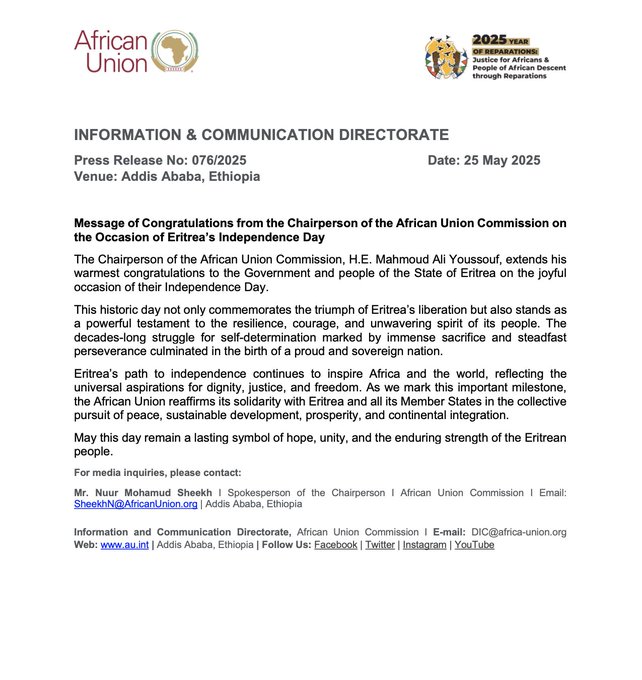
In a message that marks a rare and powerful shift in tone, the African Union has formally extended heartfelt congratulations to Eritrea on the occasion of its 34th Independence Day. The message, issued by H.E. Mahmoud Ali Youssouf, Chairperson of the African Union Commission, praised Eritrea’s unbreakable spirit and its decades-long stand for dignity, justice, and true sovereignty.

For observers across the continent and beyond, this is more than a ceremonial note – it is a long-overdue recognition of a nation that has walked a lonely and often perilous path, refusing to bend to external pressure or surrender its hard-won autonomy.

A Nation That Stood Alone

Since reclaiming its independence in 1991, Eritrea has charted a course unlike any other African nation. It resisted donor dependency and kicked out USAID, choosing instead to build its institutions through homegrown policies anchored in national ownership.

This independent course – combined with Eritrea’s refusal to bow to external dictates or participate in global power games – made it a target of relentless disinformation campaigns, geopolitical hostility, and some of the harshest and most unjustified sanctions ever imposed on an African nation.

These politically motivated sanctions, rooted in unfounded narratives, were not just economic tools – they were attempts to stifle a nation that dared to think independently.

Throughout it all, Eritrea endured.

It endured despite hostile propaganda. It endured despite regional destabilization efforts. And most notably, it endured while the African Union – an institution created to defend the sovereignty and integrity of its member states – stood largely silent.

Until now.

A New Tone From The Africa Union

The African Union’s statement this year is more than symbolic. It acknowledges not only the endurance and courage of the Eritrean people but also the moral clarity of their struggle.
This historic day… is a powerful testament to the resilience, courage, and unwavering spirit of its people,
reads the AU’s message.

It recognizes Eritrea as an inspiration to the continent and affirms solidarity in the pursuit of
peace, sustainable development, prosperity, and continental integration.
This tone matters. For a country that has been misrepresented, knowingliy misunderstood, and often maligned, such recognition from Africa’s highest political body carries real significance.

Patience, Principle, and Perseverance

Eritrea’s journey has not been one of convenience or comfort. It has been a principled march toward a vision of African self-reliance – painstakingly built, quietly defended, and proudly held.

The country’s resilience is not just about surviving sanctions or withstanding regional isolation. It’s about choosing a path rooted in sovereignty and rejecting models of governance that have fractured neighboring states. It’s about investing in social cohesion over ethnic fragmentation. And it’s about insisting, even in the darkest hours, that Eritrea’s story will be written by Eritreans.

Congratulations to a Stalwart Nation

On this 34th anniversary of independence, we salute the people of Eritrea – not just for winning their liberation, but for safeguarding it with rare patience and unshakable resolve.

Africa needs nations like Eritrea: nations that challenge the status quo, that offer alternative models of development, and that remind us all that true independence is more than a flag and anthem – it’s the freedom to choose your own path, however difficult it may be.

Today, the African Union finally said it out loud: Eritrea is a pioneer.

And for that, we say—Congratulations, Eritrea. Your endurance is not just your own. It is Africa’s silent pride, now beginning to speak.


Zmeselo
Senior Member+
Posts: 36827
Joined: 30 Jul 2010, 20:43

Re: Celebrating Progress: UN Agencies Highlight Eritrea’s Sustainable Development Achievements

Post by Zmeselo » 26 May 2025, 18:13

Veteran Freedom Fighter Minister Woldemicael Abraha Passes Away

@shabait


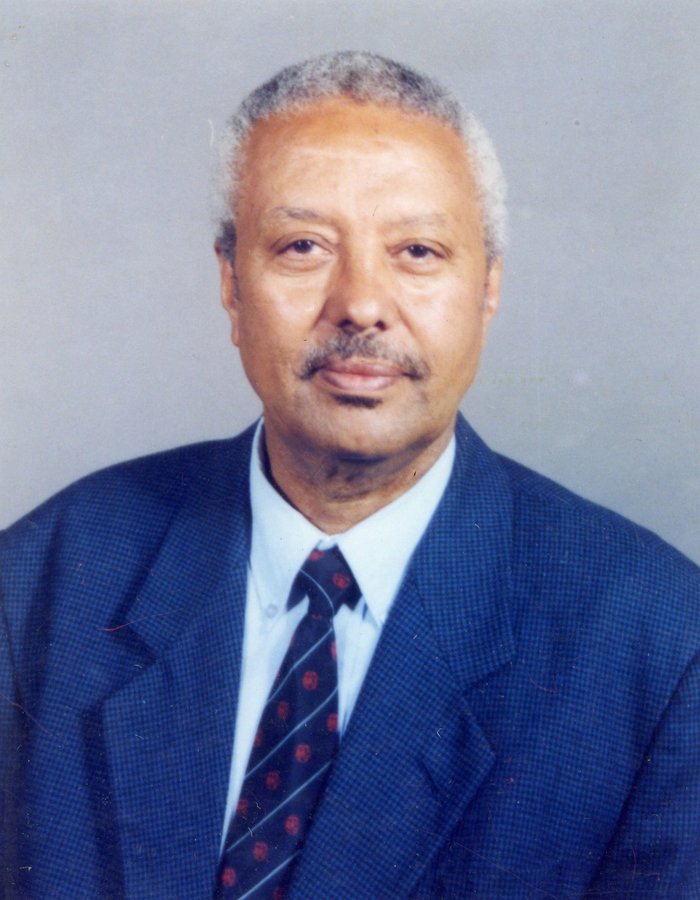
Veteran freedom fighter, Minister of Local Government Woldemicael Abraha passed away on 24 May at the age of 87 in Asmara due to illness.

Veteran freedom fighter Minister Woldemicael Abraha began his political career in 1961, as a member of the Eritrean Liberation Movement. He formally joined the EPLF in 1974 and was elected to the Central Committee in all EPLF/PFDJ Congresses. He played a pivotal role in consolidating EPLF mass associations, serving as Chairman of the National Union of Eritrean Workers (1979–1987) and as Chairman of the Coordinating Committee of the National Unions of Eritrean Workers, Students, and Women.

Following Eritrea’s independence, Minister Woldemicael served with dedication in various high-level government positions; including Head of the Ports and Marine Transport Authority, Governor of the Central Region, Eritrea’s Ambassador to Germany, Governor of the Southern Red Sea Region, Minister of Transportation and Communication, and finally as Minister of Local Government.

The funeral service for veteran freedom fighter Minister Woldemicael Abraha will be held tomorrow at 10:00 a.m., at the Asmara Martyrs Cemetery.

Zmeselo
Senior Member+
Posts: 36827
Joined: 30 Jul 2010, 20:43

Re: Celebrating Progress: UN Agencies Highlight Eritrea’s Sustainable Development Achievements

Post by Zmeselo » 26 May 2025, 18:34


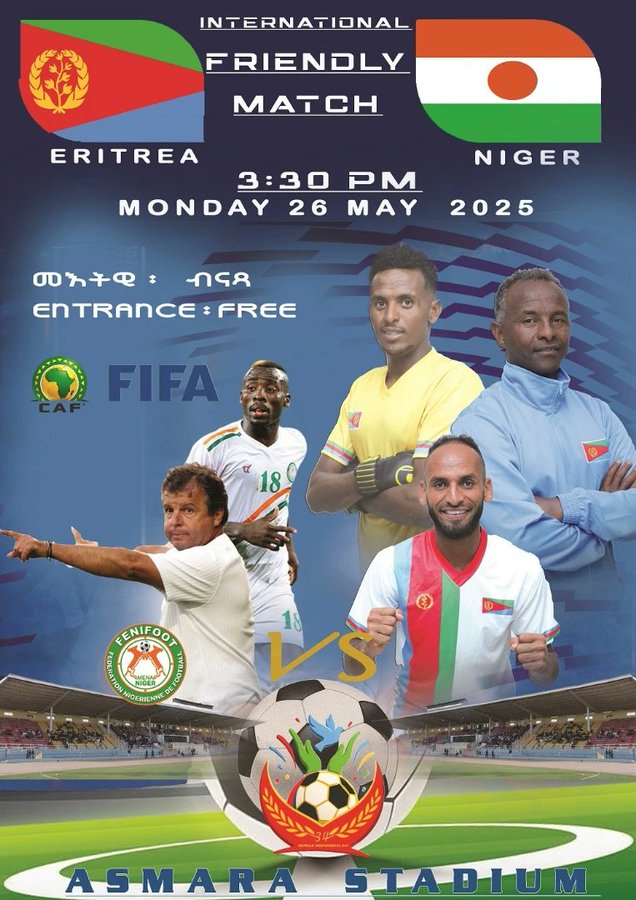
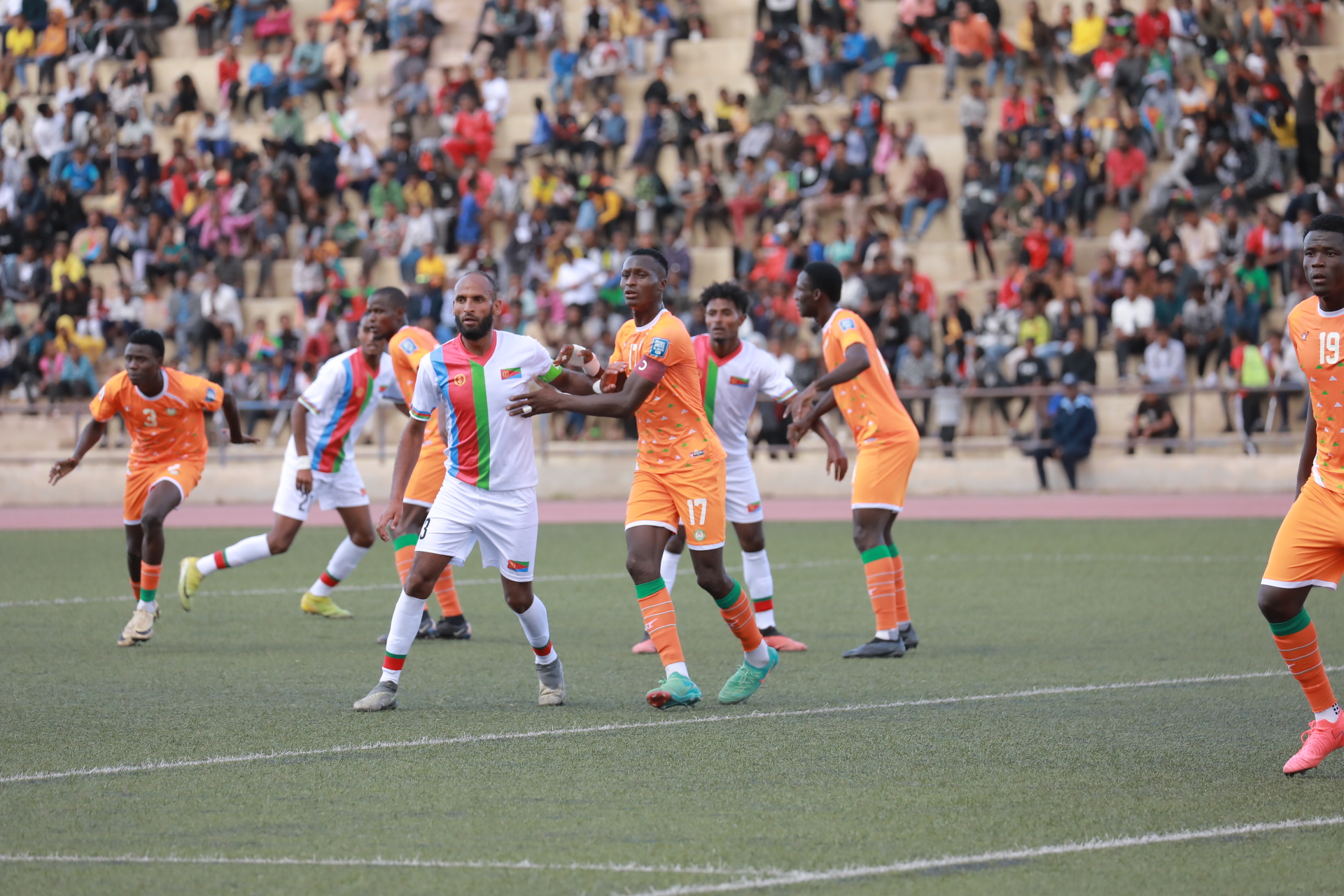
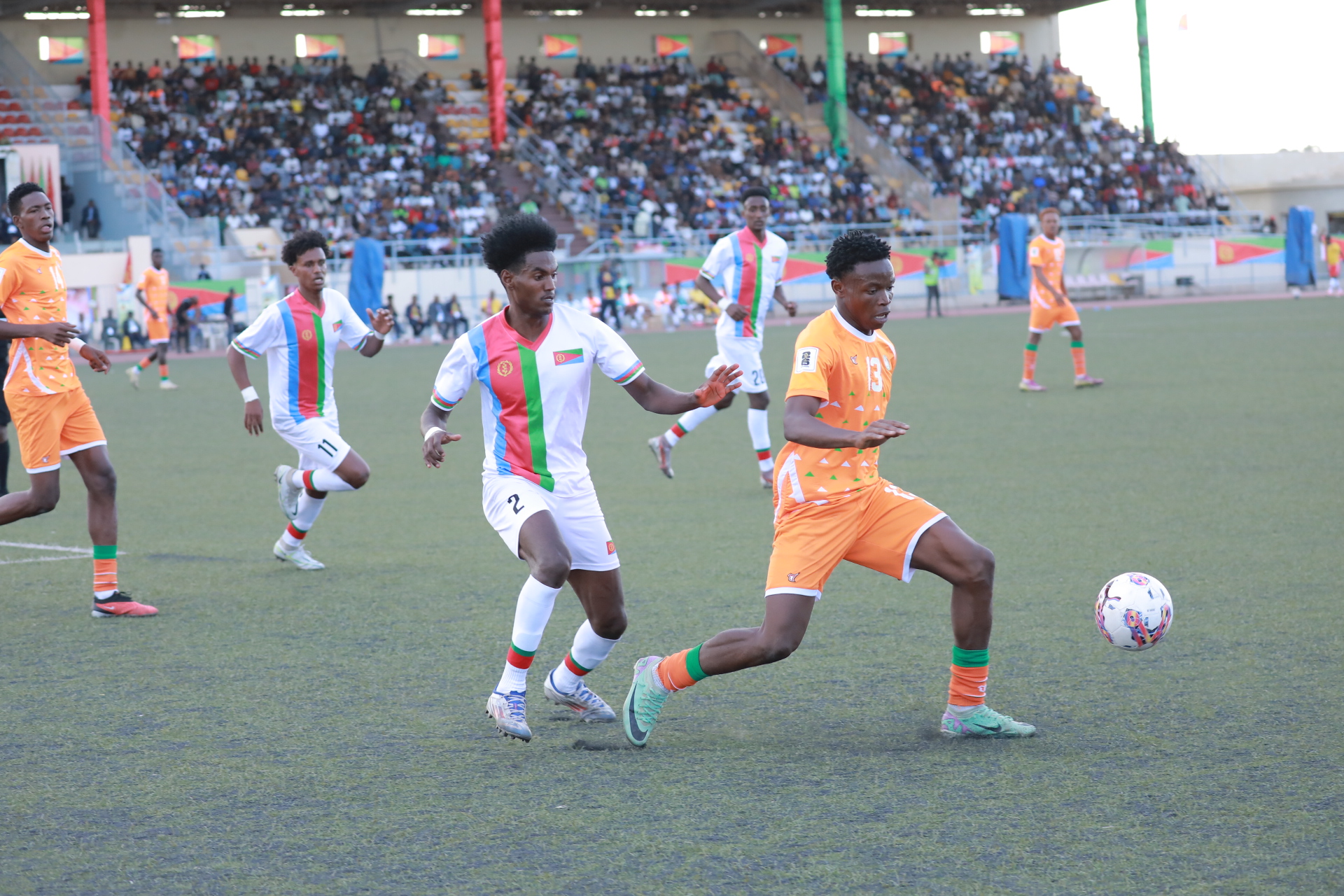
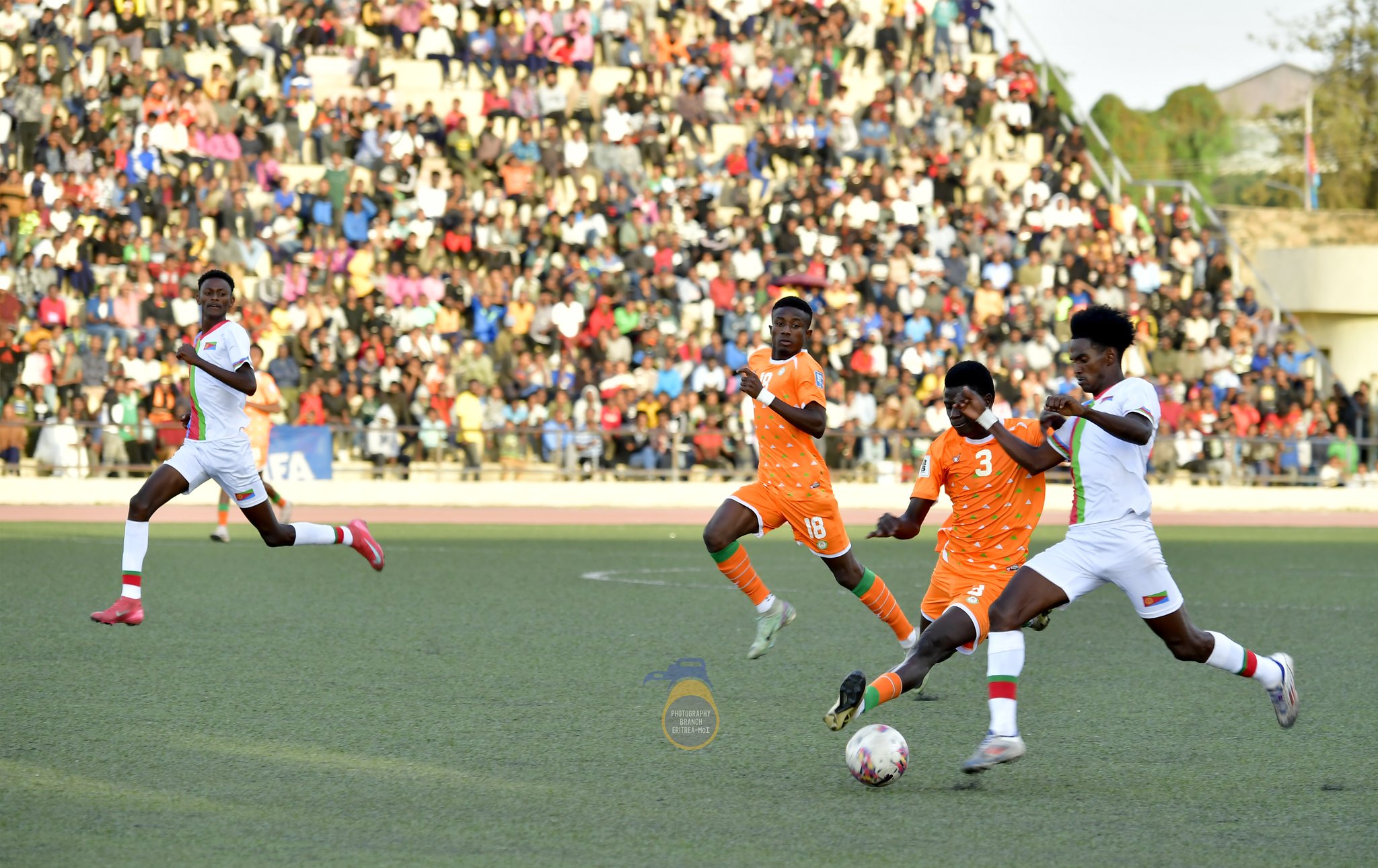
In a closely contested friendly match where both teams shared possession, Eritrean 🇪🇷⚽️national team played to a goalless draw against Niger 🇳🇪 at Asmara International Stadium.

Eritrean coach - Ermias Tewelde
Niger's coach - Hassane Ide

The second leg match is set for Wednesday, May 28.


_____________


🇸🇪🇪🇷 Alexander Isak with his family after Newcastle's last game of the season.

Next year, the Champions League.


_______________


Bini Ghirmay's younger brother:


________________


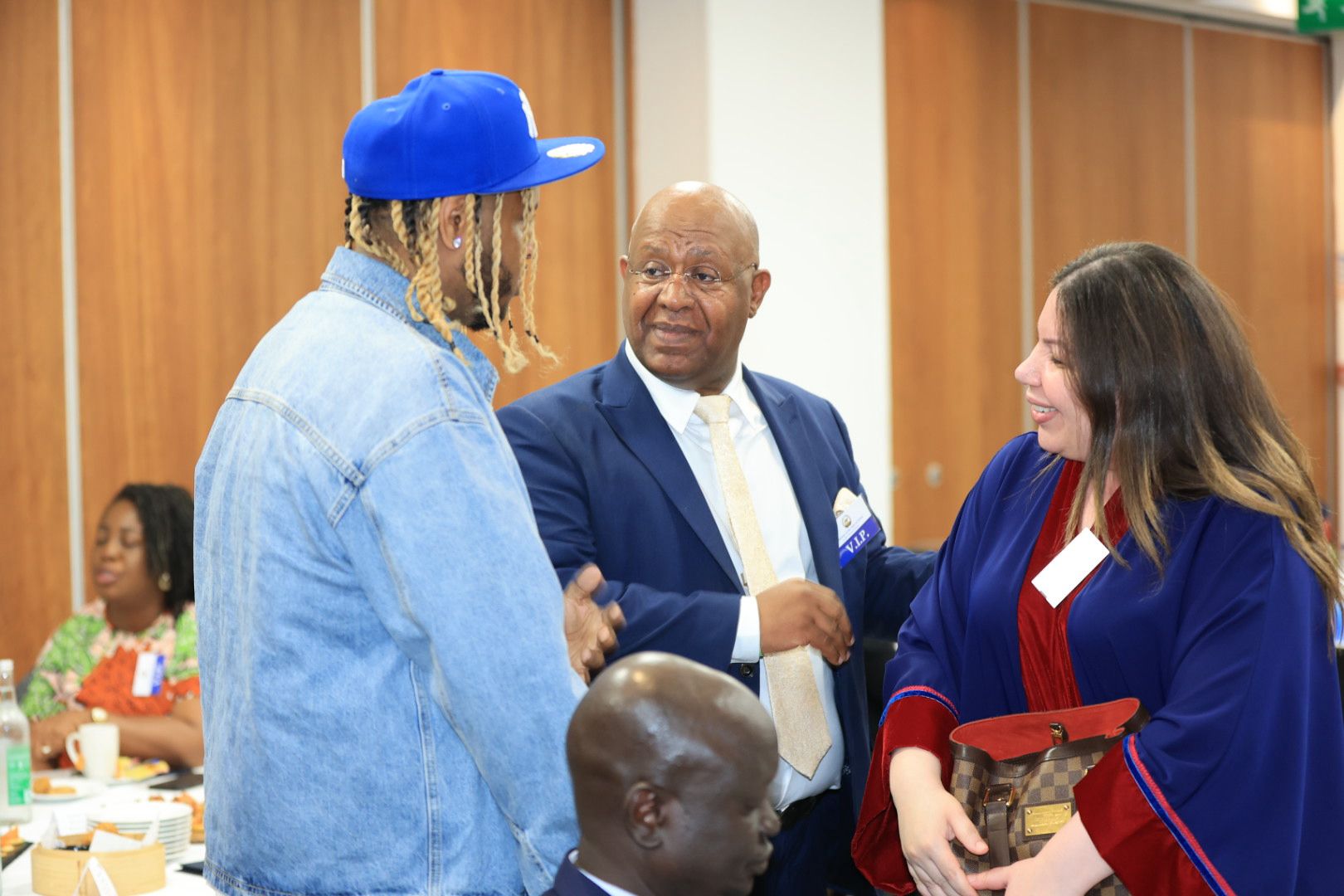
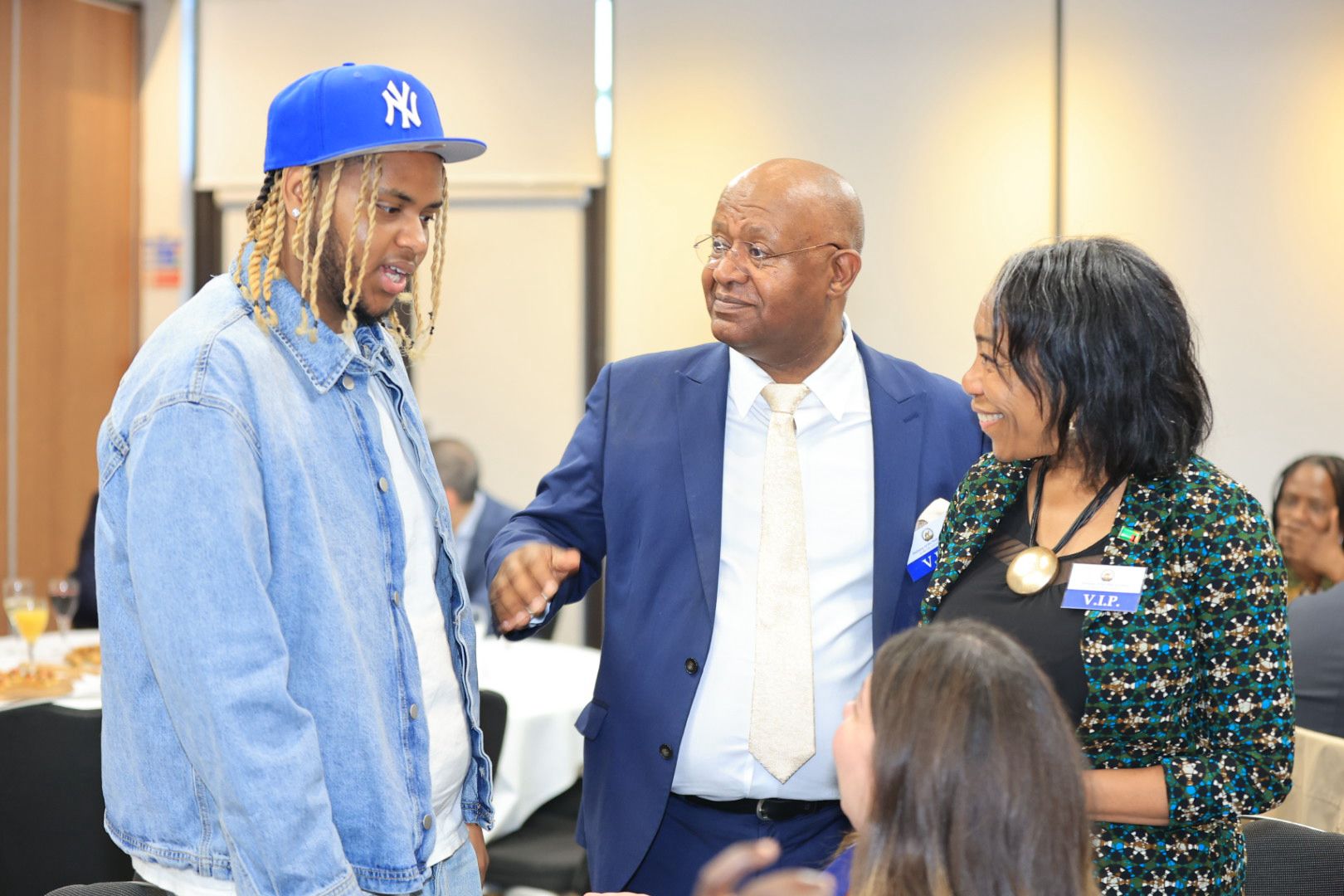
Deno Michael Mebrahtu, also known as Deno Driz, is a multi-talented British-Eritrean artist based in London. As a singer, songwriter, rapper, and actor, he is rapidly emerging as one of Eritrea’s promising young stars in the music industry. Deno’s unique blend of Afrobeat, hip-hop, and R&B resonates with a broad audience, reflecting both his roots and his contemporary influences. @ytmn2


Zmeselo
Senior Member+
Posts: 36827
Joined: 30 Jul 2010, 20:43

Re: Celebrating Progress: UN Agencies Highlight Eritrea’s Sustainable Development Achievements

Post by Zmeselo » 26 May 2025, 19:00

Thomas Mountain: Eritrea Won’t ‘Bow to the US’– Now Washington Wants Regime Change

https://www.youtube.com/live/Fik1d1M83c ... PQi-GV4uPu

Post Reply