Prospects for Diplomacy and Partnership between Eritrea and the US under President Trump in 2025
By Aman Nebiat
Tue May 21, 2025
Prospects for Diplomacy and Partnership between Eritrea and the US under President Trump in 2025
By Aman Nebiat
Tue May 21, 2025
 Introduction
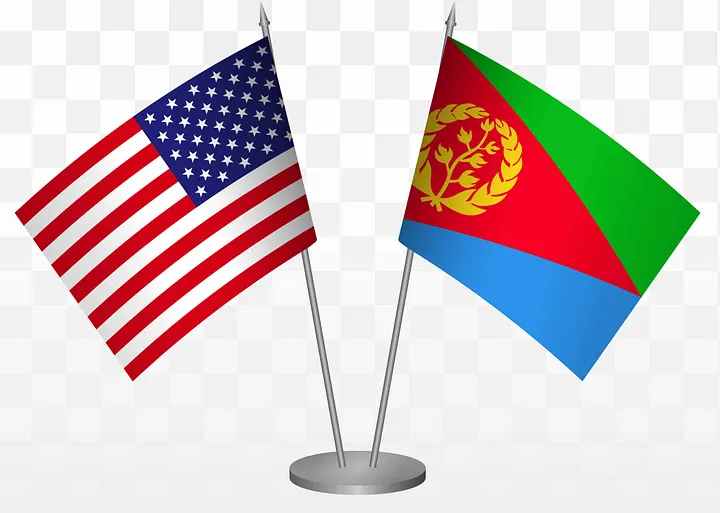
Relations between Eritrea and the United States have long been complicated. For years, diplomatic ties were strained by sanctions, claims of human rights issues, and regional conflicts. But recent shifts in regional and global alliances and rapidly changing geopolitical landscapes are opening new chances for friendship and cooperation. As the world changes and with the momentous peace offering to the world by President
Trump at the Gulf States Summit, the idea of renewed peace between Eritrea and the US becomes more than just hopeful — it could reshape the Horn of Africa’s stability and influence world affairs.
It is to be recalled that President
Isaias Afewerki of Eritrea extended heartfelt congratulations to President Trump on his remarkable return, emphasizing that his win to the White House took place at a critical juncture when global peace is more essential than ever. He expressed optimism that President Trump’s election will usher in a new era of productive and cooperative relations between Eritrea and the United States.
Background: Eritrea-US Relations Leading Up to 2025
Historical Overview of Diplomatic Ties
Following three decades of intense conflict, Eritrea successfully overcame Ethiopian forces and achieved independence in 1993. Initially, the United States backed Eritrea’s efforts in nation-building; however, the relationship was often fraught with challenges as Eritrea encountered political and economic oppression from successive US administrations. In 1998, a border conflict erupted between Eritrea and Ethiopia, resulting in significant casualties on both sides. This conflict concluded with a peace agreement brokered by the UN, US, and EU, known as the ‘
Algiers Agreement.’ Although the US was one of the signatories responsible for ensuring the agreement’s implementation, it soon shifted its support to the Ethiopian government. While providing diplomatic, political, military, and economic assistance to Ethiopia, the US imposed unilateral sanctions on Eritrea in 2009 and promoted unfounded claims for sanctions through the UN, alleging Eritrea’s involvement in ‘
terrorism in Somalia.’
Alongside the aforementioned political, diplomatic, and economic pressures, the United States consistently targeted Eritrea through media campaigns to further alienate it from the global community, with the hope that its misguided strategies would incite unrest leading to the government’s downfall. This approach has been a consistent policy in Washington, irrespective of the ruling party, until the first term of President Trump, who promptly initiated diplomatic relations with Eritrea. This improvement in relations, famously referred to as a ‘
thawing’ by former ambassador
Herman Cohen, also facilitated the normalization of ties between Ethiopia and Eritrea in 2018 after two decades.
Nevertheless, any peace, prosperity, and development that does not receive the approval of Washington is likely to face significant obstacles. Under President
Biden’s administration, relations once again soured as the new government reverted to a familiar approach characterized by political and economic dominance and interference. This resulted in the provocation of a civil war in Ethiopia through its proxy, the TPLF, which wreaked havoc across the entire region. In a notable resemblance to the 1998 border conflict, the TPLF, bolstered by the support of the Biden administration, instigated a devastating civil war by attacking Ethiopian forces and further escalating tensions by launching rockets into Eritrea without justification. Eritrea justifiably defended itself within the parameters set by Article 51 of the UN Charter, which grants member states the right to self-defense in response to armed attacks. Nevertheless, disregarding UN and international regulations, US officials regrettably chose to hold Eritrea, the Ethiopian National Defense Force (ENDF), and Fano forces, along with the TPLF, their proxy, accountable for
massacres, looting, sexual assaults, and human rights violations
in Tigray.
These baseless accusations provided Washington with a pretext to impose unilateral sanctions on Eritrea under.
Executive order (E.O) 14046 https://www.presidency.ucsb.edu/documen ... tarian-and and to maintain intense political pressure, effectively extinguishing any remaining prospects for the normalization of relations that had been established during President Trump’s first term.
A New Dawn of Peace, Prosperity and Progress:
During his recent visit to the Gulf region, President Trump inspired renewed optimism for global collaboration in areas such as trade, education, technology, and security, all while honoring the sovereignty and national interests of each nation. In contrast to the turmoil and challenges experienced over the past four years under the Biden administration, it is refreshing to hear President Trump articulate a vision of peace and cooperation.
First let me begin by sharing the abundance of good news from a place called America. The people that are right here, the people that have lived here all their lives developing your own sovereign countries pursuing your own unique visions and charting your own destinies in your own way, it’s really incredible what you’ve done. In the end the so-called nation builders wrecked far more nations than they built and the interventionalists were intervening in complex societies that they did not even understand themselves. They told you how to do it but they had no idea how to do it themselves. Peace prosperity and progress ultimately came not from a radical rejection of your heritage but rather from embracing your national traditions and embracing that same heritage that you love so dearly…..After so many decades of conflict finally it is within our grasp to reach the future that generations before us could only dream about a land of peace safety harmony opportunity innovation and achievement right here in the Middle East.
President Trump Saudi Arabia 2025.
While President Trump was speaking to the Gulf leaders, his remarks hold universal significance, particularly for Eritrea. The Eritrean populace and its leadership, both prior to and following their independence, have persistently encountered difficulties from self-proclaimed nation builders and external interveners. These difficulties are evident through unilateral sanctions and those imposed by the United Nations, alongside diverse forms of political, economic, and diplomatic coercion, further exacerbated by continuous media scrutiny.
Since achieving independence, Eritrean authorities have aimed to foster constructive relations with the United States. Nevertheless, Washington frequently views international relations through a zero-sum perspective, complicating its understanding of Eritrea’s commitment to self-sufficiency, non-interference, and political and economic independence. Conversely, President Trump’s ‘
America First’ policy, while emphasizing national interests, also highlights the importance of partnerships with other countries based on mutual advantages and complementarity. This strategy resonates with Eritrea’s goals for cooperation with the U.S., indicating a possible avenue for leaders from both nations to engage in substantial dialogue to enhance their understanding of each other’s viewpoints, values, and limitations.
Factors Favoring Peace and Partnership under Trump in 2025
Political Will and Leadership
President Trump and his administration have prioritized direct diplomacy and deal-making, emphasizing mutual respect for core values rather than adopting a policing role to impose American interests on other nations. This pragmatic approach to diplomacy can serve as a crucial means to overcome stalemates. Furthermore, President Trump resonates with Eritrea’s non-interference policy, its commitment to effective conflict resolution, and its stance against warfare, as evidenced by its advocacy for negotiating a resolution to the Russia-Ukraine conflict. Eritrea’s focus on self-reliance, which promotes social justice while fostering a win-win business environment, aligns well with this new diplomatic direction.
Consequently, with the shift in U.S. foreign policy, there are significant opportunities for collaboration between Eritrea and the United States, particularly in fostering peace, promoting prosperity, and combating terrorism on both regional and global scales.
Regional and Global Geopolitical Dynamics
Eritrea is situated in a region marked by persistent instability, which presents considerable challenges to its national security. The country faces ongoing threats from Ethiopia, its largest neighbor, which is entangled in severe ethnic conflicts and a destructive civil war. To distract from its domestic problems, Ethiopia often employs war rhetoric and threatens potential aggression against Eritrea. A recent example of this is the statement by Ethiopian Prime Minister
Abiy Ahmed Ali, who asserted,
Ethiopia seeks and deserves port access from its neighbors, whether peacefully or through force,
amid the civil unrest in various Ethiopian regions, where indiscriminate bombings of civilians have failed to alleviate the crisis.
Eritrea’s efforts to host Sudanese internally displaced persons (IDPs), providing them with food and shelter without support from international organizations, along with its attempts to mediate peace among Sudanese factions and its calls for a political resolution to the Russia-Ukraine conflict, illustrate that despite regional and global challenges, Eritrea continues to serve as a stabilizing force that fosters internal peace and contributes to broader regional and global stability.
The global political landscape is undergoing rapid transformation, leading to the rise of new superpowers and nations that feel marginalized and adversely affected by the Rules-Based international order established post-World War II. Notably, new alliances are forming, with BRICS being a prominent example. The ‘
BRICS+’ concept presents significant potential as a powerful geopolitical and geo-economic coalition. This bloc currently encompasses around 45 percent of the global population and contributes over 35 percent of the world’s GDP when evaluated through purchasing power parity (PPP), in addition to being responsible for 30 percent of global oil production. Moreover, the BRICS nations have established a comprehensive and increasingly complex framework for intergovernmental cooperation. This development poses a considerable challenge to U.S. global dominance and has sparked renewed interest in engaging with African nations to address what U.S. policymakers describe as ‘
growing threats’ from China in Africa.
Consequently, it is imperative for U.S. policymakers to reconsider the long-standing approach of economic and political coercion and to embrace genuine diplomacy based on a win-win strategy. This is precisely the message articulated by President Trump at the recent Gulf summit, where Eritrea, known for its exemplary diplomatic track record, is well-positioned to be a key partner in this engagement. As previously noted, Eritrea is a member of the non-aligned movement, and its political history reflects a strong commitment to self-reliance and an independent foreign policy, rejecting zero-sum diplomacy while fostering healthy and balanced relations with other nations, which aligns well with President Trump’s evolving political perspectives.
Economic Opportunities and Incentives
Eritrea possesses an abundance of natural resources, including minerals, gas, oil, plentiful fish and wildlife, as well as fertile agricultural land. With appropriate diplomatic, commercial, and political agreements established, both Eritrea and the United States stand to gain significantly from one another. American businesses could take advantage of Eritrea’s extensive natural resources and workforce, while Eritrea could experience economic revitalization through infrastructure development, trade, and the transfer of knowledge. Such incentives may encourage Eritrea to engage with the United States to modernize its economy, enhance its infrastructure, and attract foreign investment. Given the distinct economic, political, and historical contexts of both nations, and in light of President Trump’s initiatives for peace, progress, and prosperity, this presents an ideal opportunity for leaders from both the United States and Eritrea to initiate high-level discussions aimed at building trust. Collaborating with regional partners, particularly the Gulf states that maintain amicable relations with both the US and Eritrea, as well as international organizations, could facilitate smoother negotiations. Additionally, a mutually beneficial diplomatic approach, coupled with strategic incentives, can promote reform. Providing aid, trade advantages, or diplomatic recognition as progress is made can further encourage gradual transformation.
The future of peace and partnership between Eritrea and the United States under President Trump in 2025 depends on several key factors.
Strong leadership, regional and global stability, economic interests, and understanding each other’s policy limitations can all help build a solid foundation. Key here is
respect for each other’s values, culture, history and sovereignty. Strategic diplomacy, smart incentives, and regional cooperation are essential. If both sides stay committed, this relationship could bring peace to a tense region, boost economic growth, and serve US interests in Africa. The journey isn’t easy, quite the opposite, it’s rocky and challenging at times but it’s worth pursuing for the promise of a more stable Horn of Africa and the world.
Glory to Eritrean Martyrs and Victory to The Masses.
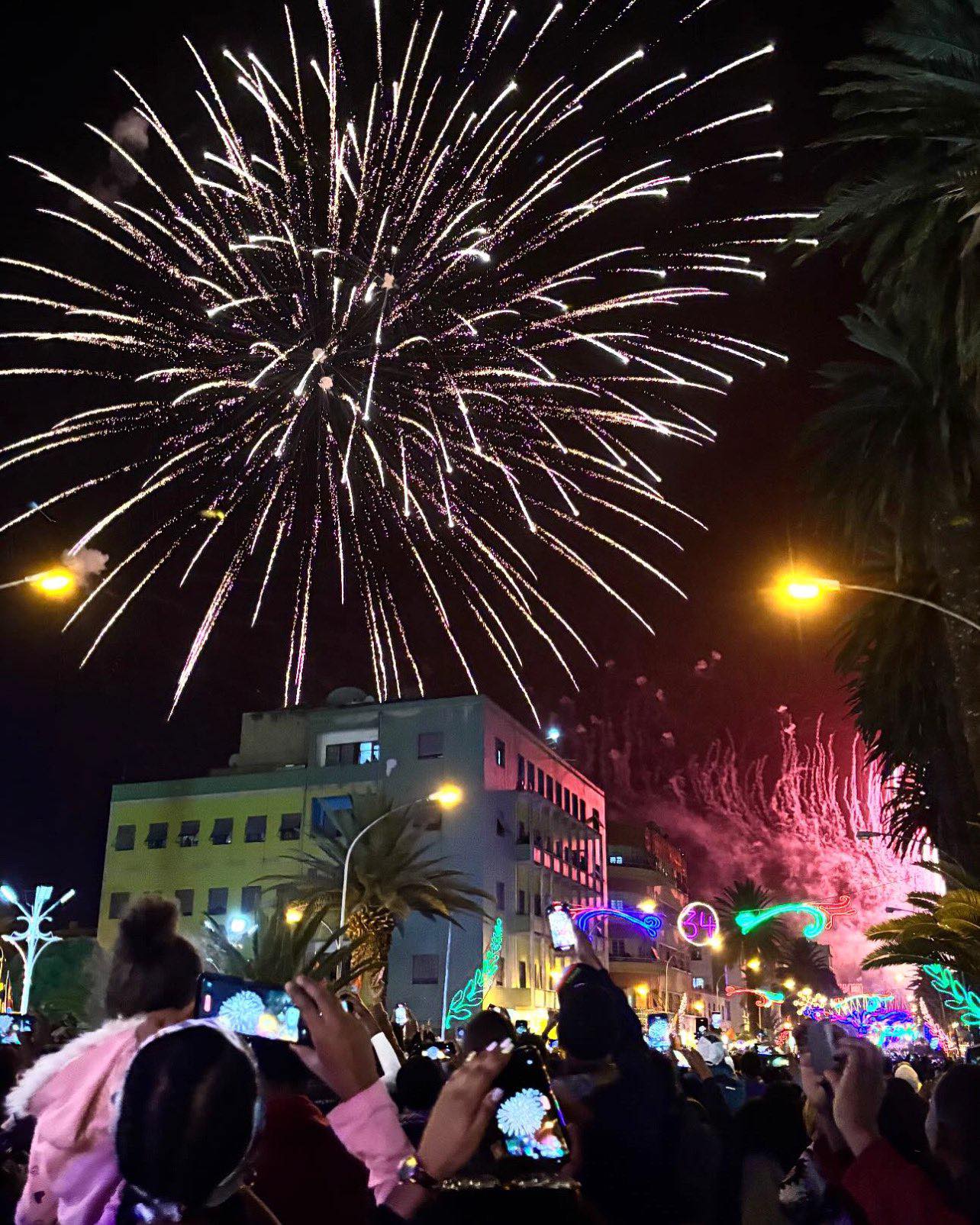
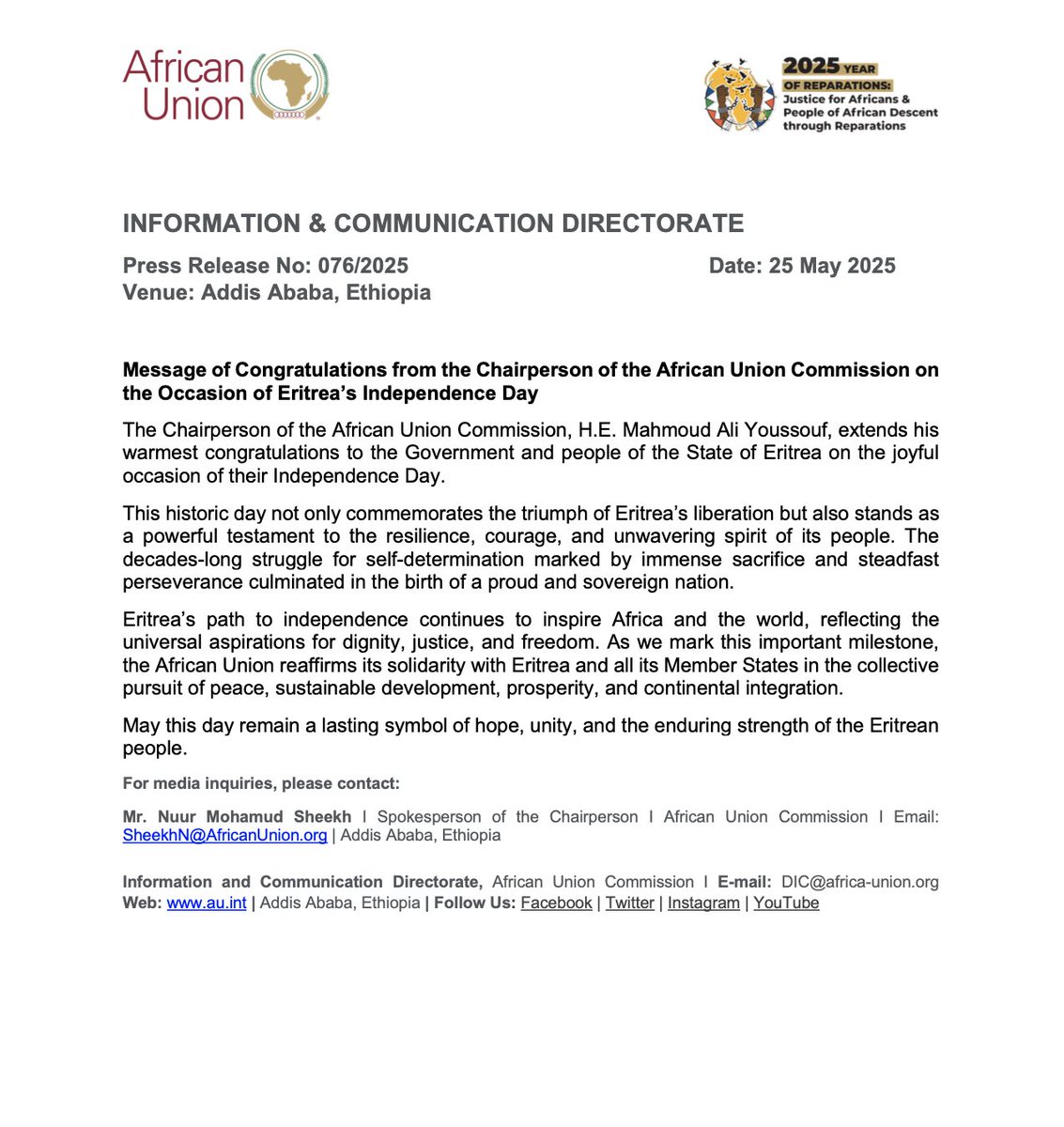
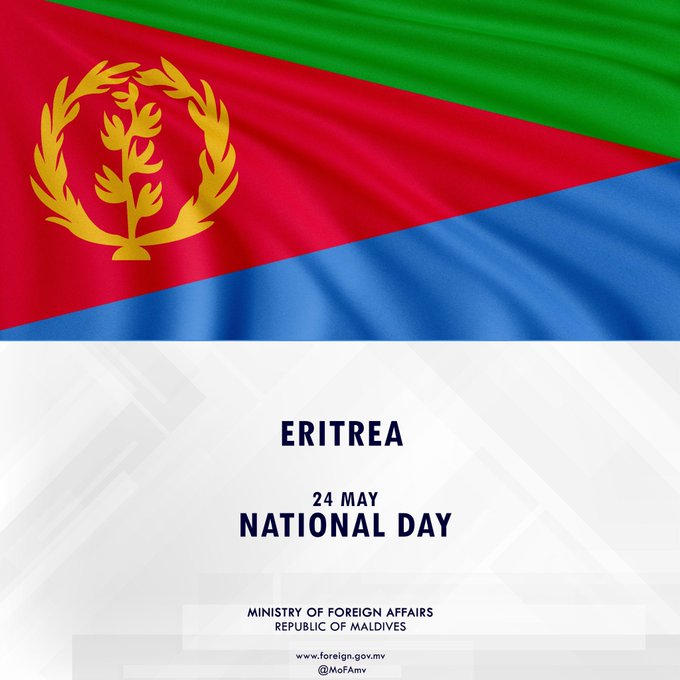
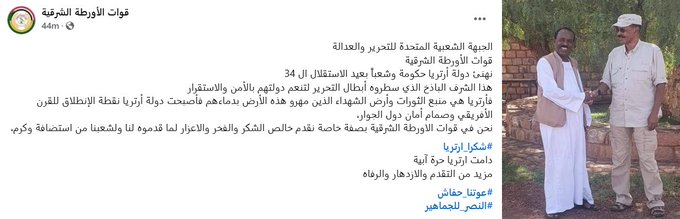
Happy 34th Eritrean Independence!
Disclaimer: The perspectives and opinions presented in this article are exclusively those of the author and do not necessarily represent the official views or policies of any government, agency, or the state of Eritrea.
The writer can be reached at: [email protected]
_______________