Ethiopian News, Current Affairs and Opinion Forum
Zmeselo
Senior Member+
Posts: 37345
Joined: 30 Jul 2010, 20:43

Eritrean & hemp.

Post by Zmeselo » 14 Jun 2023, 02:52


Agricultural Scientists Receive USDA Grant to Explore Hemp as a Sustainable Alternative to Grain in Animal Feed

https://www.pvamu.edu/research/post/agr ... al-feed-2/
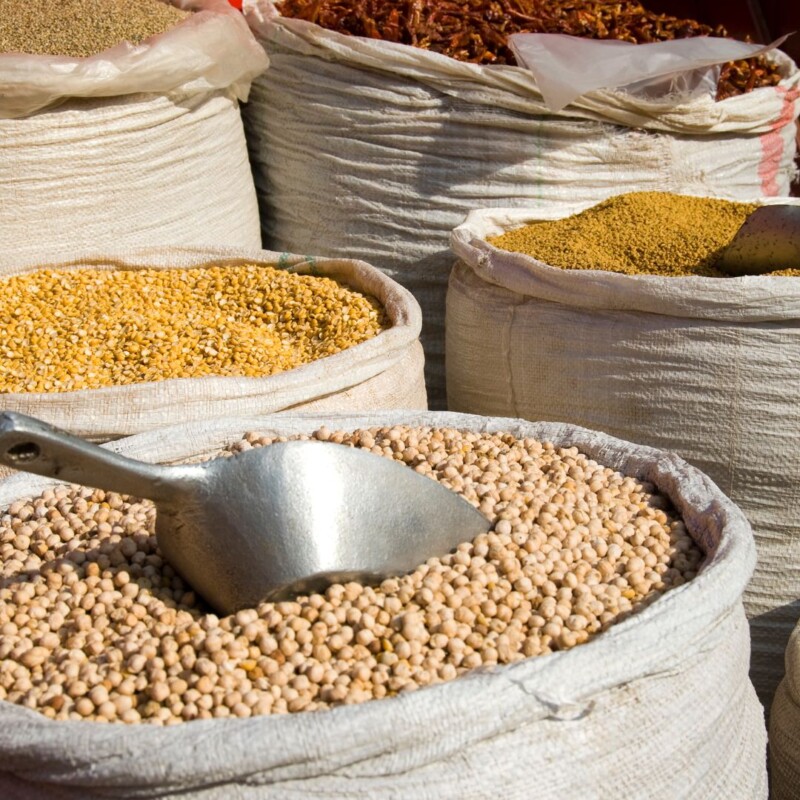


PRAIRIE VIEW, Texas (June 9, 2023) — Scientists and agriculturalists started cultivating grain thousands of years ago, and society hasn’t stopped finding uses for it since. It’s a culinary staple the world over, a core component of animal feed, and it’s even become critical to bioenergy production. But some experts say the resource is being spread too thin, putting a strain on global supply chains and growing demand for animal-sourced food. Climate change and calls for sustainability further complicate the landscape, suggesting that it’s time for today’s agronomists to start cultivating alternative sources for some of society’s agricultural staples and feed for their animals.

Negusse Kidane, Ph.D., assistant professor and research scientist in the Department of Agriculture, https://www.pvamu.edu/cahs/ Nutrition and Human Ecology at Prairie View A&M University (PVAMU) responded to that call with a proposal to research the potential for biomass from hemp plants to serve as an alternative source for the grain used in animal feed, which consumes ~36% of the world’s grain supply. The United States Department of Agriculture’s (USDA) National Institute of Food and Agriculture (NIFA) awarded Dr. Kidane a $299,162 grant to conduct a three-year study on the nutritional profile of industrial hemp plant biomass by-products, and their impact on goats, and to determine if hemp biomass can serve as a viable alternative feed that could reduce the use of grain in animal feed.

The project could have positive implications for the environment and certain economic sectors, while laying foundational knowledge for a hemp plant and its biomass that could become a vector for continuous scientific and social iteration.
This grant represents a significant milestone in our pursuit of innovative solutions for sustainable agriculture. By exploring the potential of hemp as an alternative to traditional grain in animal feed, our researcher will spearhead groundbreaking research that not only addresses pressing environmental challenges but also contributes to the advancement of animal nutrition,
said PVAMU Vice President of Research and Innovation Magesh Rajan, Ph.D., P.E., MBA. https://www.pvamu.edu/research/


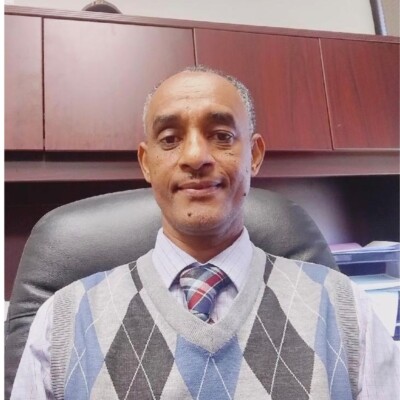
Negusse Kidane, Ph.D.

Like grain, hemp has also been around for ages, but Congress criminalized it as a controlled substance in 1970, putting severe constraints on cultivation and restricting researchers’ ability to access and study the plant’s properties and potential. Legislators reversed course in 2018, changing hemp’s fate and the fortunes of those who were betting on its benefits – from growers and ranchers to industrial processors, market watchers, and agricultural scientists.

Dr. Kidane’s CBG proposal titled
Evaluating the Nutritional Profile of Industrial Hemp Farm-Byproducts and Extraction Residues as Alternative Feed Resources for Goats is aimed at improving the efficiency of goats in their nutrient utilization and exploring novel human-inedible feed materials as alternative nutrients sources. The proposal focuses on understanding the chemical composition and nutritional values of hemp extraction residues as an alternative feed for dairy and meat goats. In Texas, House Bill 1325-2019 recently legalized hemp production, distribution, and processing. As a result, the number of hemp farmers and cannabinoid oil processors is growing remarkably. Advances in knowledge of hemp byproducts and chemical composition will have a broader application as feed for ruminant animals and impact human health. Dr. Kidane is expected to translate his discoveries into adding value to the hemp byproducts, creating nutritious and affordable diets, and improving the economic situation of hemp producers and resource-limited goat farmers in Texas and the United States.

Offering hemp biomass byproducts as an animal feed solution to the livestock industry could open a new commercial market for hemp businesses, while incorporating recycling strategies into their manufacturing processes could decrease significant amounts of industrial waste and pollution. Goat ranchers could see further market opportunities as well, as the nutritional value of their feed is the foremost indicator of meat and milk quality, which determine their profit potential.
The involvement of six multi-disciplinary scientists from PVAMU’s academic and research programs demonstrates the team’s commitment to partnership and efficient use of resources. The project also fosters academic and industrial collaboration, such as with goat producers, hemp farmers, and hemp processing industries across Texas,
Dr. Kidane says.
Given the breadth and scope of the study, a collaborative approach is indispensable for the success of this proposed project, requiring synergistic efforts from scientists in multiple disciplines.
Dr. Kidane’s research group is made up of a multi-disciplinary team from throughout the College of Agricultural and Human Science (CAHS) with experts in animal nutrition, plant medical science, toxicology, and analytical chemistry. Co-PIs include William Foxworth, Ph.D., research scientist and director of the International Goat Research Center (IGRC) in the Cooperative Agricultural Research Center (CARC) https://www.pvamu.edu/cahs/carc/ and Aruna Weerasooriya, Ph.D., professor and chair of Plant & Environmental Sciences; Milton Daley, Ph.D., assistant professor of Animal Science; Laura Carson, Ph.D., research scientist and director of Undergraduate Research Compliance; Selamawit Woldesenbet, DVM, research specialist and manager of the Cooperative Agricultural Research Center (CARC) Core Laboratories; and two undergraduate students who will assist in collecting and processing hemp samples.

The funds were awarded through the USDA’s Capacity Building Grants (CBG) program, which supports agricultural research at 1890 Land-Grant Institutions https://www.nifa.usda.gov/grants/about- ... s-programs that address key problems of national, regional, and multi-national importance while advancing fundamental sciences and producing translational research that facilitates agricultural development. Dr. Kidane’s hemp byproduct research project meets all six goals in the USDA’s five-year strategic plan, https://www.usda.gov/sites/default/file ... c-plan.pdf aligns with a CAHS goal of conducting research that directly supports community and farm needs, and supports the mission of the Sustainable Food Security program, which is working to develop value-added caprine products at PVAMU.

Dr. Kidane has extensive research experience in goat nutrition. Since he joined the college as Assistant Professor in September 2020, Dr. Kidane has made significant advances in establishing his research at Prairie View, A&M University. Recently, Dr. Kidane modified the GrowSafe automated feeding system designed initially for cattle and now being used for goats. Currently, he is working on USD-CRIS funded project to establish selection parameters for more efficient dairy and meat goats. In this project, Dr. Kidane, in collaboration with faculty from Texas A&M University, is training graduate students on measuring residual feed intake using Growsafe technology. Dr. Kidane’s research proposal is aligned with strategic plan of enhancing research and teaching in agriculture and food sciences by establishing a new research area in the College of Agriculture and Human Sciences (CAHS). Dr. Kidane also teaches animal science courses to undergraduate students. Thus, this proposed research will further enhance an existing senior research projects and improvement in the college to attract and train students from underrepresented communities. In his ongoing project, Dr. Kidane has already started training two undergraduate students at PVAMU. This submitted CBG proposal with other scientists from CARC shows Dr. Kidane’s commitment to partnership and efficient use of resources. Furthermore, his collaboration with Dr. Gordon Carstens, a professor of beef cattle nutrition, will strengthen CAHS linkages with Texas A&M University. In addition, Dr. Kidane’s working linkage with hemp processing industry, especially Bayou City Hemp processing Company will consolidate the College of Agriculture’s commitment to serve Texas industries through research and services.

Zmeselo
Senior Member+
Posts: 37345
Joined: 30 Jul 2010, 20:43

Re: Eritrean & hemp.

Post by Zmeselo » 14 Jun 2023, 03:01


Meleket
Member+
Posts: 5069
Joined: 16 Feb 2018, 05:08

Re: Eritrean & hemp.

Post by Meleket » 14 Jun 2023, 03:13

ዘሜ Zmeselo "ዓቢ ሰብ" ወዲ ዓበይቲ፡ ሕጂ ዘረባ ኣምጺእኻ! :mrgreen:

ክብሪ፡ ንዶ/ር ንጉሠ ኪዳነ ነዚ ዕድል ንዝሃበ ህዝብን መንግስትን ኣሜሪካ:mrgreen:

ክብሪ ንህርኩትን ጻዕረኛን ተመራማሪ ዶ/ር ንጉሠ ኪዳነ!

ክብሪ፡ ንመራሒ ሃገር ነበር ኣሜሪካ ናብ ሕጊ ጠልጠል ንዘበለ፡ ሕዝብን መንግስትን ህግን ዲሞክራሲን ሃገረ ኣሜሪካ!
:mrgreen:
Zmeselo wrote:
14 Jun 2023, 02:52


Agricultural Scientists Receive USDA Grant to Explore Hemp as a Sustainable Alternative to Grain in Animal Feed

https://www.pvamu.edu/research/post/agr ... al-feed-2/


PRAIRIE VIEW, Texas (June 9, 2023) — Scientists and agriculturalists started cultivating grain thousands of years ago, and society hasn’t stopped finding uses for it since. It’s a culinary staple the world over, a core component of animal feed, and it’s even become critical to bioenergy production. But some experts say the resource is being spread too thin, putting a strain on global supply chains and growing demand for animal-sourced food. Climate change and calls for sustainability further complicate the landscape, suggesting that it’s time for today’s agronomists to start cultivating alternative sources for some of society’s agricultural staples and feed for their animals.

Negusse Kidane, Ph.D., assistant professor and research scientist in the Department of Agriculture, https://www.pvamu.edu/cahs/ Nutrition and Human Ecology at Prairie View A&M University (PVAMU) responded to that call with a proposal to research the potential for biomass from hemp plants to serve as an alternative source for the grain used in animal feed, which consumes ~36% of the world’s grain supply. The United States Department of Agriculture’s (USDA) National Institute of Food and Agriculture (NIFA) awarded Dr. Kidane a $299,162 grant to conduct a three-year study on the nutritional profile of industrial hemp plant biomass by-products, and their impact on goats, and to determine if hemp biomass can serve as a viable alternative feed that could reduce the use of grain in animal feed.

The project could have positive implications for the environment and certain economic sectors, while laying foundational knowledge for a hemp plant and its biomass that could become a vector for continuous scientific and social iteration.
This grant represents a significant milestone in our pursuit of innovative solutions for sustainable agriculture. By exploring the potential of hemp as an alternative to traditional grain in animal feed, our researcher will spearhead groundbreaking research that not only addresses pressing environmental challenges but also contributes to the advancement of animal nutrition,
said PVAMU Vice President of Research and Innovation Magesh Rajan, Ph.D., P.E., MBA. https://www.pvamu.edu/research/


Negusse Kidane, Ph.D.

Like grain, hemp has also been around for ages, but Congress criminalized it as a controlled substance in 1970, putting severe constraints on cultivation and restricting researchers’ ability to access and study the plant’s properties and potential. Legislators reversed course in 2018, changing hemp’s fate and the fortunes of those who were betting on its benefits – from growers and ranchers to industrial processors, market watchers, and agricultural scientists.

Dr. Kidane’s CBG proposal titled
Evaluating the Nutritional Profile of Industrial Hemp Farm-Byproducts and Extraction Residues as Alternative Feed Resources for Goats is aimed at improving the efficiency of goats in their nutrient utilization and exploring novel human-inedible feed materials as alternative nutrients sources. The proposal focuses on understanding the chemical composition and nutritional values of hemp extraction residues as an alternative feed for dairy and meat goats. In Texas, House Bill 1325-2019 recently legalized hemp production, distribution, and processing. As a result, the number of hemp farmers and cannabinoid oil processors is growing remarkably. Advances in knowledge of hemp byproducts and chemical composition will have a broader application as feed for ruminant animals and impact human health. Dr. Kidane is expected to translate his discoveries into adding value to the hemp byproducts, creating nutritious and affordable diets, and improving the economic situation of hemp producers and resource-limited goat farmers in Texas and the United States.

Offering hemp biomass byproducts as an animal feed solution to the livestock industry could open a new commercial market for hemp businesses, while incorporating recycling strategies into their manufacturing processes could decrease significant amounts of industrial waste and pollution. Goat ranchers could see further market opportunities as well, as the nutritional value of their feed is the foremost indicator of meat and milk quality, which determine their profit potential.
The involvement of six multi-disciplinary scientists from PVAMU’s academic and research programs demonstrates the team’s commitment to partnership and efficient use of resources. The project also fosters academic and industrial collaboration, such as with goat producers, hemp farmers, and hemp processing industries across Texas,
Dr. Kidane says.
Given the breadth and scope of the study, a collaborative approach is indispensable for the success of this proposed project, requiring synergistic efforts from scientists in multiple disciplines.
Dr. Kidane’s research group is made up of a multi-disciplinary team from throughout the College of Agricultural and Human Science (CAHS) with experts in animal nutrition, plant medical science, toxicology, and analytical chemistry. Co-PIs include William Foxworth, Ph.D., research scientist and director of the International Goat Research Center (IGRC) in the Cooperative Agricultural Research Center (CARC) https://www.pvamu.edu/cahs/carc/ and Aruna Weerasooriya, Ph.D., professor and chair of Plant & Environmental Sciences; Milton Daley, Ph.D., assistant professor of Animal Science; Laura Carson, Ph.D., research scientist and director of Undergraduate Research Compliance; Selamawit Woldesenbet, DVM, research specialist and manager of the Cooperative Agricultural Research Center (CARC) Core Laboratories; and two undergraduate students who will assist in collecting and processing hemp samples.

The funds were awarded through the USDA’s Capacity Building Grants (CBG) program, which supports agricultural research at 1890 Land-Grant Institutions https://www.nifa.usda.gov/grants/about- ... s-programs that address key problems of national, regional, and multi-national importance while advancing fundamental sciences and producing translational research that facilitates agricultural development. Dr. Kidane’s hemp byproduct research project meets all six goals in the USDA’s five-year strategic plan, https://www.usda.gov/sites/default/file ... c-plan.pdf aligns with a CAHS goal of conducting research that directly supports community and farm needs, and supports the mission of the Sustainable Food Security program, which is working to develop value-added caprine products at PVAMU.

Dr. Kidane has extensive research experience in goat nutrition. Since he joined the college as Assistant Professor in September 2020, Dr. Kidane has made significant advances in establishing his research at Prairie View, A&M University. Recently, Dr. Kidane modified the GrowSafe automated feeding system designed initially for cattle and now being used for goats. Currently, he is working on USD-CRIS funded project to establish selection parameters for more efficient dairy and meat goats. In this project, Dr. Kidane, in collaboration with faculty from Texas A&M University, is training graduate students on measuring residual feed intake using Growsafe technology. Dr. Kidane’s research proposal is aligned with strategic plan of enhancing research and teaching in agriculture and food sciences by establishing a new research area in the College of Agriculture and Human Sciences (CAHS). Dr. Kidane also teaches animal science courses to undergraduate students. Thus, this proposed research will further enhance an existing senior research projects and improvement in the college to attract and train students from underrepresented communities. In his ongoing project, Dr. Kidane has already started training two undergraduate students at PVAMU. This submitted CBG proposal with other scientists from CARC shows Dr. Kidane’s commitment to partnership and efficient use of resources. Furthermore, his collaboration with Dr. Gordon Carstens, a professor of beef cattle nutrition, will strengthen CAHS linkages with Texas A&M University. In addition, Dr. Kidane’s working linkage with hemp processing industry, especially Bayou City Hemp processing Company will consolidate the College of Agriculture’s commitment to serve Texas industries through research and services.
"ክቡር የኽብረኻ መጠን ነፍሱ!" :mrgreen:

Zmeselo
Senior Member+
Posts: 37345
Joined: 30 Jul 2010, 20:43

Re: Eritrean & hemp.

Post by Zmeselo » 14 Jun 2023, 07:07

ትኳቦ ዝለመደት- ጣልያን ቀሺ ዝዉግራ ዋዓግ፡ ተለቂሑ ኢዩ ተማሂሩ።

ከም ኮሌጃት ኤርትራ ብጥርሑ ኣይኮነን፡ ቆንዳፎ።

Zmeselo
Senior Member+
Posts: 37345
Joined: 30 Jul 2010, 20:43

Re: Eritrean & hemp.

Post by Zmeselo » 14 Jun 2023, 07:39


Eritrea Economic Outlook

https://www.afdb.org/en/countries/east- ... ic-outlook

Recent macroeconomic and financial developments

Real GDP growth slowed to an estimated 2.3% in 2022 from 2.5% in 2021 due partly to the impact of Russia’s invasion of Ukraine on energy, fertilizer, and food prices. Russia and Ukraine account for nearly 100% of Eritrea’s wheat imports, and oil constitutes 71% of the country’s energy consumption. Other factors include the effects of COVID-19 on value chains, climate shocks, and the conflict in northern Ethiopia. Growth in 2022 was led by industry and services on the supply side and by private consumption and investment on the demand side. The recovery in public revenue due to higher international prices for metals (copper, gold, and ores constitute 50% of exports) and fiscal consolidation narrowed the fiscal deficit to 2.2% of GDP in 2022 from 4.1% in 2021. The fiscal deficit was financed by drawdowns of government deposits with the central bank. Despite a drop in the public debt–to-GDP ratio to 164.7% in 2022 from 176.3% in 2021, reflecting debt servicing, Eritrea remains in debt distress. The current account surplus narrowed to 12.2% of GDP in 2022 from 13.5% in 2021, reflecting the uptick in imports due to higher international prices for energy and food. International reserves were estimated at 4 months of import cover in 2022. Inflation rose to 7.5% in 2022 from 4.5% in 2021 on account of higher energy and food prices. The financial sector remains bank-based with limited products. The nakfa is fixed at 15 per US dollar in the official market.

Outlook and risks

Real GDP is projected to grow 2.6% in 2023 and 3.1% in 2024 due to higher international prices for metals, led by industry and services on the supply side and private consumption and investment on the demand side, reflecting the uptick in public and private consumption consistent with the reopening of economic activities. The fiscal deficit is projected to narrow to 1.9% of GDP in 2023 and 1.2% in 2024 on account of fiscal consolidation. The current account surplus is projected to drop to 10.8% of GDP in 2023 and 10.2% in 2024 due to fluctuations in international commodity prices. Headwinds include climate change and the effects of Russia’s invasion of Ukraine and the conflict in northern Ethiopia on supply chains. Poverty is expected to remain high as the share of the working poor, those who earn $3.10 (in purchasing power parity terms) a day, in total employment was an estimated 75.2% in 2019.

Climate change issues and policy options

Eritrea is among the most climate-vulnerable countries globally, with the least readiness. The estimated average climate finance gap for Eritrea over 2020–30 is $1.202 billion a year, greatly limiting the country’s ability to build climate resilience. During 2009–19, the country responded to climate change hazards through several projects, financed largely through grants and loans from bilateral and multilateral partners. Most climate finance was allocated to adaptation programs, notably interventions to restore degraded land and capacity building. The private sector remains small, with low capacity and access to finance. Limited awareness and the absence of catalytic risk-sharing instruments are among the key bottlenecks to private finance for climate and green growth. Consequently, there is a need to develop national platforms for exchanging knowledge and information related to climate change adaptation and mitigation. Eritrea has substantial endowments of copper, silver, zinc, gold, and potash, which accounted for about 10% of GDP and 50% of exports during 2010–19. Strong potential also exists for wind and solar energy. In this context, implementing economic and financial governance reforms to boost competitiveness and enhance the enabling environment for private finance of climate and green growth is equally important.


Source: African Economic Outlook (AEO) 2023

Zmeselo
Senior Member+
Posts: 37345
Joined: 30 Jul 2010, 20:43

Re: Eritrean & hemp.

Post by Zmeselo » 14 Jun 2023, 08:10


News / Foreign Ministry
Maldives initiate dialogue with Eritrea to retrieve FSM tugs

Mohamed Rehan

https://edition.mv/news/28140

12 June 2023


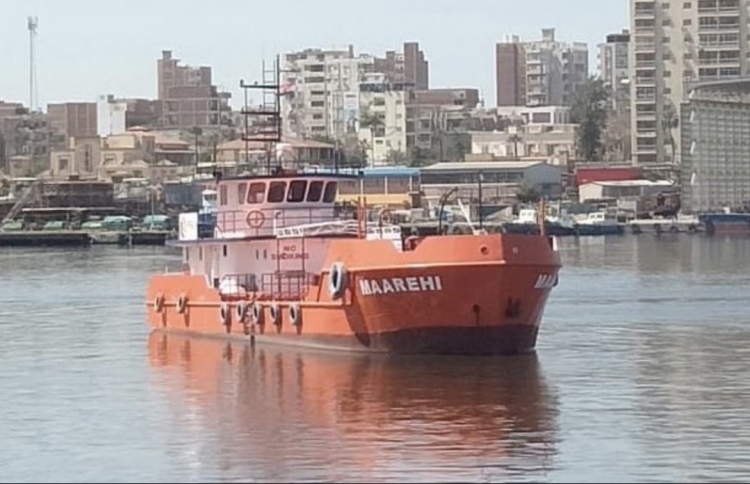
One of the boats that was held at Eritrean harbor for entering the East African country without permission; the vessel was forced to berth in the country due to stormy weather amid their voyage to the Maldives-- Photo: Fuel Supplies Maldives

The Maldives Ministry of Foreign Affairs has confirmed that it is engaged in discussions with the Eritrean government regarding the release of two tug boats owned by Fuel Supplies Maldives (FSM) that are currently detained in a harbor in Eritrea.

The tug boats, designed and built in Egypt, were on their way to the Maldives when they were forced to berth at the Eritrean harbor due to stormy weather on April 26. However, the Eritrean authorities detained the boats, alleging that they had entered the harbor without the necessary permits.

Although the crew members of the tug boats have returned to the Maldives, Fuel Supplies Maldives (FSM) has encountered challenges in transporting the vessels back to the Maldives and added that the company's officials are unable to visit Eritrea to resolve the issue.

A media official from the Ministry of Foreign Affairs said that it had launched discussions with Eritrean government through diplomatic channels.

The two vessels that are currently detained in Eritrea were part of a larger commission by Fuel Supplies Maldives (FSM) to expand its fleet. FSM had commissioned a total of four vessels in 2019 to enhance its operations.

The vessels were developed at a cost of USD 753,000 each. They have a storage capacity of 180,000 liters of diesel and between 40,000 and 60,000 liters of petrol.


_______________


https://youtube.com/shorts/y8r8jp_2Uis?feature=share

Zmeselo
Senior Member+
Posts: 37345
Joined: 30 Jul 2010, 20:43

Re: Eritrean & hemp.

Post by Zmeselo » 14 Jun 2023, 09:15


Meleket
Member+
Posts: 5069
Joined: 16 Feb 2018, 05:08

Re: Eritrean & hemp.

Post by Meleket » 14 Jun 2023, 09:37

መን ኣለቂሕዎ? . . . ስለምንታይ ኣለቂሕዎ? . . . ኣብ ኮሌጃት ኤርትራ ብጥርሑ ስለምንታይ ነዚ መጽናዕቲ ዘየካየደ? ቢልና ኣይንሓተካን ኢና ዘሜ Zmeselo "ዓቢ ሰብ" ወዲ ዓበይቲ! ክትምልሶ ልዕሊ ዓቕምኻ ስለዝዀነ! . . . ምዕራብ ምብራቕ እናበልኻ ብክለብ ክትጐዛዚ እናወዓልካ፡ ነዚ ዜና ክተምጽእ ዘይምሕፋርካ፡ ኣተሓሳስባኻ ክንደዬናይ ካብ ተራ ካድረታት ከምዘይሓይሽ ኣርኢኻና ኢኻ። :mrgreen:

ካን ሰብ እንታይ ኢዩ ይብለኒ'ኳ ኣይትብልን . . . ኤርትራዊ ጭዉነት ስኢንካ . . . ከምዚ ሰደደደድ ክትብል ከሎኻ 'ክቡራት ወለድኻ'ን ኣዝማድኻን ኣይስምዑ!
:mrgreen:
Zmeselo wrote:
14 Jun 2023, 07:07
ትኳቦ ዝለመደት- ጣልያን ቀሺ ዝዉግራ ዋዓግ፡ ተለቂሑ ኢዩ ተማሂሩ

ከም ኮሌጃት ኤርትራ ብጥርሑ ኣይኮነን፡ ቆንዳፎ።
Meleket wrote:
14 Jun 2023, 03:13
ዘሜ Zmeselo "ዓቢ ሰብ" ወዲ ዓበይቲ፡ ሕጂ ዘረባ ኣምጺእኻ! :mrgreen:

ክብሪ፡ ንዶ/ር ንጉሠ ኪዳነ ነዚ ዕድል ንዝሃበ ህዝብን መንግስትን ኣሜሪካ:mrgreen:

ክብሪ ንህርኩትን ጻዕረኛን ተመራማሪ ዶ/ር ንጉሠ ኪዳነ!

ክብሪ፡ ንመራሒ ሃገር ነበር ኣሜሪካ ናብ ሕጊ ጠልጠል ንዘበለ፡ ሕዝብን መንግስትን ህግን ዲሞክራሲን ሃገረ ኣሜሪካ!
:mrgreen:
Zmeselo wrote:
14 Jun 2023, 02:52


Agricultural Scientists Receive USDA Grant to Explore Hemp as a Sustainable Alternative to Grain in Animal Feed

https://www.pvamu.edu/research/post/agr ... al-feed-2/


PRAIRIE VIEW, Texas (June 9, 2023) — Scientists and agriculturalists started cultivating grain thousands of years ago, and society hasn’t stopped finding uses for it since. It’s a culinary staple the world over, a core component of animal feed, and it’s even become critical to bioenergy production. But some experts say the resource is being spread too thin, putting a strain on global supply chains and growing demand for animal-sourced food. Climate change and calls for sustainability further complicate the landscape, suggesting that it’s time for today’s agronomists to start cultivating alternative sources for some of society’s agricultural staples and feed for their animals.

Negusse Kidane, Ph.D., assistant professor and research scientist in the Department of Agriculture, https://www.pvamu.edu/cahs/ Nutrition and Human Ecology at Prairie View A&M University (PVAMU) responded to that call with a proposal to research the potential for biomass from hemp plants to serve as an alternative source for the grain used in animal feed, which consumes ~36% of the world’s grain supply. The United States Department of Agriculture’s (USDA) National Institute of Food and Agriculture (NIFA) awarded Dr. Kidane a $299,162 grant to conduct a three-year study on the nutritional profile of industrial hemp plant biomass by-products, and their impact on goats, and to determine if hemp biomass can serve as a viable alternative feed that could reduce the use of grain in animal feed.

The project could have positive implications for the environment and certain economic sectors, while laying foundational knowledge for a hemp plant and its biomass that could become a vector for continuous scientific and social iteration.
This grant represents a significant milestone in our pursuit of innovative solutions for sustainable agriculture. By exploring the potential of hemp as an alternative to traditional grain in animal feed, our researcher will spearhead groundbreaking research that not only addresses pressing environmental challenges but also contributes to the advancement of animal nutrition,
said PVAMU Vice President of Research and Innovation Magesh Rajan, Ph.D., P.E., MBA. https://www.pvamu.edu/research/


Negusse Kidane, Ph.D.

Like grain, hemp has also been around for ages, but Congress criminalized it as a controlled substance in 1970, putting severe constraints on cultivation and restricting researchers’ ability to access and study the plant’s properties and potential. Legislators reversed course in 2018, changing hemp’s fate and the fortunes of those who were betting on its benefits – from growers and ranchers to industrial processors, market watchers, and agricultural scientists.

Dr. Kidane’s CBG proposal titled
Evaluating the Nutritional Profile of Industrial Hemp Farm-Byproducts and Extraction Residues as Alternative Feed Resources for Goats is aimed at improving the efficiency of goats in their nutrient utilization and exploring novel human-inedible feed materials as alternative nutrients sources. The proposal focuses on understanding the chemical composition and nutritional values of hemp extraction residues as an alternative feed for dairy and meat goats. In Texas, House Bill 1325-2019 recently legalized hemp production, distribution, and processing. As a result, the number of hemp farmers and cannabinoid oil processors is growing remarkably. Advances in knowledge of hemp byproducts and chemical composition will have a broader application as feed for ruminant animals and impact human health. Dr. Kidane is expected to translate his discoveries into adding value to the hemp byproducts, creating nutritious and affordable diets, and improving the economic situation of hemp producers and resource-limited goat farmers in Texas and the United States.

Offering hemp biomass byproducts as an animal feed solution to the livestock industry could open a new commercial market for hemp businesses, while incorporating recycling strategies into their manufacturing processes could decrease significant amounts of industrial waste and pollution. Goat ranchers could see further market opportunities as well, as the nutritional value of their feed is the foremost indicator of meat and milk quality, which determine their profit potential.
The involvement of six multi-disciplinary scientists from PVAMU’s academic and research programs demonstrates the team’s commitment to partnership and efficient use of resources. The project also fosters academic and industrial collaboration, such as with goat producers, hemp farmers, and hemp processing industries across Texas,
Dr. Kidane says.
Given the breadth and scope of the study, a collaborative approach is indispensable for the success of this proposed project, requiring synergistic efforts from scientists in multiple disciplines.
Dr. Kidane’s research group is made up of a multi-disciplinary team from throughout the College of Agricultural and Human Science (CAHS) with experts in animal nutrition, plant medical science, toxicology, and analytical chemistry. Co-PIs include William Foxworth, Ph.D., research scientist and director of the International Goat Research Center (IGRC) in the Cooperative Agricultural Research Center (CARC) https://www.pvamu.edu/cahs/carc/ and Aruna Weerasooriya, Ph.D., professor and chair of Plant & Environmental Sciences; Milton Daley, Ph.D., assistant professor of Animal Science; Laura Carson, Ph.D., research scientist and director of Undergraduate Research Compliance; Selamawit Woldesenbet, DVM, research specialist and manager of the Cooperative Agricultural Research Center (CARC) Core Laboratories; and two undergraduate students who will assist in collecting and processing hemp samples.

The funds were awarded through the USDA’s Capacity Building Grants (CBG) program, which supports agricultural research at 1890 Land-Grant Institutions https://www.nifa.usda.gov/grants/about- ... s-programs that address key problems of national, regional, and multi-national importance while advancing fundamental sciences and producing translational research that facilitates agricultural development. Dr. Kidane’s hemp byproduct research project meets all six goals in the USDA’s five-year strategic plan, https://www.usda.gov/sites/default/file ... c-plan.pdf aligns with a CAHS goal of conducting research that directly supports community and farm needs, and supports the mission of the Sustainable Food Security program, which is working to develop value-added caprine products at PVAMU.

Dr. Kidane has extensive research experience in goat nutrition. Since he joined the college as Assistant Professor in September 2020, Dr. Kidane has made significant advances in establishing his research at Prairie View, A&M University. Recently, Dr. Kidane modified the GrowSafe automated feeding system designed initially for cattle and now being used for goats. Currently, he is working on USD-CRIS funded project to establish selection parameters for more efficient dairy and meat goats. In this project, Dr. Kidane, in collaboration with faculty from Texas A&M University, is training graduate students on measuring residual feed intake using Growsafe technology. Dr. Kidane’s research proposal is aligned with strategic plan of enhancing research and teaching in agriculture and food sciences by establishing a new research area in the College of Agriculture and Human Sciences (CAHS). Dr. Kidane also teaches animal science courses to undergraduate students. Thus, this proposed research will further enhance an existing senior research projects and improvement in the college to attract and train students from underrepresented communities. In his ongoing project, Dr. Kidane has already started training two undergraduate students at PVAMU. This submitted CBG proposal with other scientists from CARC shows Dr. Kidane’s commitment to partnership and efficient use of resources. Furthermore, his collaboration with Dr. Gordon Carstens, a professor of beef cattle nutrition, will strengthen CAHS linkages with Texas A&M University. In addition, Dr. Kidane’s working linkage with hemp processing industry, especially Bayou City Hemp processing Company will consolidate the College of Agriculture’s commitment to serve Texas industries through research and services.
"ክቡር የኽብረኻ መጠን ነፍሱ!" :mrgreen:

Zmeselo
Senior Member+
Posts: 37345
Joined: 30 Jul 2010, 20:43

Re: Eritrean & hemp.

Post by Zmeselo » 14 Jun 2023, 10:13

ዘለቅሓካ ይዉንነካ ክሳዕ ትኸፍሎ፡ ዉላድ ኣኻልብ። ትኳቦ ዝለመድክን ቁማላት ድኣ፡ ኣበይ ትፈልጦኦ'ምበር።

ናይ ኣብ ኤርትራ ምህሮ ዉጽኢት፡ ኣብታ ካልአይቲ post ሓቢርና። ጠምባራት ኣምለኽቲ ጻዕዳ ድኣ፡ ኣበይ ከይርእዎ'ምበር።

ኪዲ ሕጂ፡ ጳጳስኪ ይጽዋዓኪሎ ኣብ መደቀሲኡ።
:mrgreen:

Zmeselo
Senior Member+
Posts: 37345
Joined: 30 Jul 2010, 20:43

Re: Eritrean & hemp.

Post by Zmeselo » 14 Jun 2023, 10:33


OPINION
Justice for whom? Hypocrisy of the International Criminal Court

The global body has been reduced to being a political tool of US-led Western nations, blatantly insulating their war criminals and selectively targeting others.

ZIYAD MOTALA

https://www.trtworld.com/opinion/justic ... t-13066035

A MONTH AGO


REUTERS

Many African countries vigorously participated in the Rome Diplomatic Conference in 1998, culminating in the treaty creating the International Criminal Court (ICC). https://www.icc-cpi.int/sites/default/files/RS-Eng.pdf

The late minister of justice, Dullah Omar, represented South Africa in Rome as an enthusiastic participant. I recall his excitement at the prospect of creating an impartial court to ensure that serious violations of international criminal law would not go unpunished.

Fast forward two decades later, and many are severely disappointed at how this vision has played out. The integrity of the ICC lies severely eroded. Instead of a global forum where the most severe crimes against the international community would be held to account, the ICC has instead entrenched the status quo world order and insulated war criminals from the most powerful nations while selectively prosecuting leaders from others. Today, South Africa https://www.aljazeera.com/news/2023/4/2 ... s-icc-exit is talking about exiting the ICC.

Since its inception, the ICC has predominantly focused its attention on the Global South. Every single one of the 31 defendants https://www.icc-cpi.int/cases in active and past cases on the ICC website is from Africa.

Except for five indictments against Russian leaders in 2022 and 2023, all 52 public impeachments — in a period spanning 18 years — are against Africans. At least 17 investigations – with the exception of investigations into abuses in Georgia, Ukraine, and Palestine – are targeted at perpetrators who are not white.

In the wake of mass atrocities by Western powers – including an American torture and extraordinary rendition programme https://www.justiceinitiative.org/voice ... -detention worldwide, British war crimes in Iraq, and French atrocities in Mali – one must ask, is this a case of justice for thee, but for me?

A Western institution?

Perhaps this was by design. One of the ways an indictment is brought is through the referral of the UN Security Council, which consists of global superpowers keen to preserve their power and punish those who interfere with their interests. Some have argued that the US's fixation on atrocities in Darfur https://www.coalitionfortheicc.org/case ... ng%20years. when Sudan was ruled by Omar al Bashir was essentially a ruse to draw the world’s attention away from mass casualties and failures in Iraq. https://www.npr.org/2023/03/19/11642534 ... -takeaways

As a result, the US played a significant role in pushing the Security Council to refer Sudanese leaders to the ICC.

Moreover, the ICC is overwhelmingly funded by European Union member states, many of which are former European colonial powers. There exists a close relationship between funding and staffing at the ICC—crucial positions that are tasked with investigating and preparing cases are overwhelmingly filled by Europeans.

Professor Mahmood Mamdani, https://www.coalitionfortheicc.org/case ... ng%20years. a reputed scholar from Uganda at the Columbia University, has noted that the
ICC is dancing to the tune of Western States. Given Africa’s traumatic experience with the very same colonial powers that now, in effect, direct the ICC, it is an unfortunate case of déjà vu.
Some African countries have since reported that they were pressured to sign the Rome Statute by the EU as a precondition to joining the Cotonou Agreement, https://www.eods.eu/library/EU_Cotonou% ... 000_EN.pdf an EU-Africa trade pact.

Alas, the Western countries never intended to be subject to ICC investigations. A former British Foreign Secretary was blunt - the ICC was not designed to investigate Western countries. Kenneth Roth, the former Executive Director of Human Rights Watch, goes further - European states never intended for the ICC to prosecute crimes in their jurisdictions.

The US famously signed the Rome Statute but refused to ratify it, https://www.npr.org/2022/04/16/10932124 ... inal-court thereby endorsing its message and avoiding accountability.

Attempts to hold Western countries and their allies to account have thus far failed. For those committed to an unbiased international rule-based system, realising and implementing a global rule of law have proved impossible to achieve where the mighty powers or their favourite allies have yet to be held accountable.

US hypocrisy

Take the attempts to hold America accountable. In 2017, ICC chief prosecutor Fatou Bensouda formally requested to launch an official investigation into the “serious crimes” conducted by the US in the context of its Afghan invasion, including its widespread black site programme.

In an unprecedented move, in 2019, the ICC denied the authorisation, citing the “political climate” surrounding the investigation. The decision was successfully appealed in March 2020, but it resulted in the Trump administration taking drastic measures to send a message to the ICC and its enablers that international accountability is not for Americans.

The US government imposed sanctions https://www.bbc.com/news/world-us-canada-54003527 on Bensouda, other ICC officials and their families for investigating US personnel. The US even banned the ICC officials and their families from entering the country, and their assets in the US were frozen. Under the ban, US parties were prohibited from trading or offering any services to any of the listed persons. The sanctions were lifted in April 2021, but the message was loud and clear.

As an aside, many developing countries have faced the wrath and pernicious consequences of US sanctions when they do not kowtow to Washington’s foreign policy interests. Many in the developing world seek to end this economic coercion.

The draconian response to the ICC is not an invention of the Trump administration. The US has long sought to punish those who seek to bring them and their allies to justice. American Service-Members Protection Act (ASPA), often referred to as the ‘Hague Invasion Act’, has been in effect almost as long as the Rome Statute. This legislation prohibits any American party from cooperating with the ICC, providing any information to the court, or deporting anyone from the US to the ICC. The statute gives the President the authority to use military force to free US service members or members of allies detained by or on behalf of the ICC. The President is also authorised to use military force to halt the investigation of US personnel and its allies. Let that sink in for a moment. The US allows for military force against anyone who seeks to bring its partners to justice on the world stage. Undoubtedly, Israel was at the top of the drafters’ minds when writing this legislation.

The US has entered into Status of Force Agreements (SOFAs) https://www.everycrsreport.com/reports/RL34531.html with many countries, particularly African countries, that preclude the handing over of US personnel to the ICC. The SOFA violates the ICC statute, which does not allow the conclusion of new agreements by state parties contrary to the Rome Statute. Moreover, the SOFA is a precondition to these countries receiving US financial assistance – a further manifestation of economic coercion against vulnerable states.

Biased organisation

These actions clearly influenced the ICC. Early in his tenure, and citing the limited resources of the ICC, chief prosecutor Karim Khan decided to restrict his investigation into atrocities in Afghanistan to only those committed by the Taliban and Daesh. Therefore, US atrocities – including torture, maintenance of ‘black sites’, extrajudicial killings, and drone strikes against civilians that fall within the jurisdictional ambit of the ICC – were not considered worth the expense to the ICC to investigate and punish.

In December 2020, the previous ICC chief prosecutor took the same decision against Britain, despite a 180-page report detailing British abuses in Iraq that amounted to war crimes.

As with the US, domestic accountability and prosecution are lacking, which should trigger an investigation by the ICC. Most tellingly, human rights advocates have called out Khan’s bias seen in how he sees his mandate shifting back to the “war on terror” as constituting
a global threat to international peace and security.
Yet, nowhere in the statute of the court does one find any reference to terrorism.

Israel, a darling of the US and the European Union, has also evaded ICC accountability. The ICC prosecutor started an investigation into Israel’s actions in 2021.

Unlike Russia or Libya, where warrants of arrest were issued with unprecedented speed, no warrant of arrest has been issued for any Israeli official. Chief ICC prosecutor Karim Khan from Britain visited Ukraine four times in one year. After his last visit, he proclaimed,
The situation in Ukraine must also set a new standard for concerted action to achieve global accountability for international crimes. From Kharkiv to Khartoum, from Kiev to Cox’s Bazar, survivors should feel this sense of collective urgency and benefit from the innovation we see we are now capable of.
No similar visit has been made to Palestine or Guantanamo Bay, nor have any grand statements made to hold the US, British, or Israeli officials accountable for international crimes.

A few days ago, EU president Ursula von der Leyen proclaimed Israel a vibrant democracy. https://www.aljazeera.com/news/2023/4/2 ... -palestine

She extolled the 75 years of dynamism that made the “desert bloom”, a racial trope used against Palestinians. Her account of Israel is another among the litany of Western leaders’ grotesque and perverse inversion of truth that negates the reality of settler colonialism, massive human rights violations and international crimes in what human rights organisations have called the ‘apartheid state of Israel’. Her statement comes against the backdrop of images a few weeks ago of Palestinian worshippers being assaulted https://www.972mag.com/aqsa-jerusalem-police-violence/ and tied with their hands to their backs while offering prayers in occupied East Jerusalem.

We have reached an inflection point, and the question is whether African states will allow themselves to be coerced to play the role of supplicants to Western geo-political interests and allow impunity for equally egregious acts by such powers.

International law must not be viewed as the outcome of powerful political actors to achieve political ends. The ICC has proved to be neither neutral nor impartial. It functions in a partisan and political manner against the shadow of big-power politics.

It is time to disengage from the ICC in its current form. In its implementation, the ICC is not about international justice. Justice morphs and bends. African and developing countries are called to supinely accept the assumption - what furthers the power politics of the West must be good for the rest of the world.

We need to go back to the drawing board and produce a truly independent institution that does not fashion justice based on the whims of powerful political actors to achieve political goals or shield favourite allies.


Ziyad Motala is a Professor of Law at Howard Law School Washington D.C. Motala teaches in the areas of International law and Constitutional law. He was born in South Africa and was active in the liberation struggle in South Africa. He co-authored Constitutional Law, Analysis and Cases with Cyril Ramaphosa the current President of South Africa and architect of the South African Constitution.

Zmeselo
Senior Member+
Posts: 37345
Joined: 30 Jul 2010, 20:43

Re: Eritrean & hemp.

Post by Zmeselo » 14 Jun 2023, 10:52

Feels great, when the "superpower" can't or won't mention your country's name.

Bizzarily respectful!
:mrgreen:


Intergovernmental Authority on Development (IGAD) Summit

https://www.state.gov/intergovernmental ... ad-summit/

PRESS STATEMENT

MATTHEW MILLER, DEPARTMENT SPOKESPERSON


JUNE 13, 2023

The United States warmly congratulates Djiboutian President Ismail Omar Guelleh on his election as chairman of the Intergovernmental Authority on Development (IGAD) during the IGAD Summit held in Djibouti June 12. The United States also welcomes the extension of IGAD Executive Secretary Dr. Workneh Gebeyehu’s tenure.

Since its founding nearly 40 years ago, IGAD has been at the center of international efforts to mobilize effective responses to crises in the Horn of Africa, including the ongoing drought and other natural disasters. We also recognize and welcome IGAD’s increasingly active role in conflict resolution in the region.

The United States looks forward to continuing to work closely with President Guelleh and IGAD to promote peace and prosperity as well as regional integration and development in East Africa.

Meleket
Member+
Posts: 5069
Joined: 16 Feb 2018, 05:08

Re: Eritrean & hemp.

Post by Meleket » 15 Jun 2023, 02:07

ዘሜ Zmeselo 'ዓቢ ሰብ' ወዲ ዓበይቲ፡ ጻዕዳ ጸሊም እናበልካ ብኣርኣያ ስላሰ ንዝተፈጥረ ሰብ ብክለብ ክትጐዛዚ እምበር ምድሪ ዓሪባትካ! ኤርትራዊ ጭዉነት ናበይ ኣበለ፡ ክንድዚ ግዕዝይዝይ ካብ መን ዝተመሃርካዮ ኢዩ? እምበር'ዶ ምስ ኤርትራዊ ስድራቤት ኢኻ ዓቢኻ? ዘየብል ኣይዀነን እዚ ግዕዙይን ፉንፉንን ባህርያትካ። ወይለከ ነዚ ባህርያትካ ከይኣረምካ ተጠሊዕኻ ሰብ ክምህርን ከንቕሕን ኢየ ኢልኻ ትሓስብ ከመይ ዝበሉኻ ሕንኸት ዘይፈልጥ ተራ ካድር ኢኻ ወደሺ! ኣበይሞ ምረኸብኻዮ እምበር፡ ፈውስኻስ ኣብ ጋብር ደርዓንቶ ክልተ ሸውዓተ ነቢሩ! ኣይጠዓመካን ድማ ቀይሕ ዀር ወይ ኣቡና ተኸለ ፍሸይ ምራራ ነቢሩ ከክልተ ሸውዓተ ፈውስኻ! :mrgreen:

ቻይና ክንደይ ኣለቂሓትና ትኸውን? ክንደይ'ከ ክትውንነና ጀሚራ? ቢልና ኣይንሓተኻን፡ ልዕሊ ዓቕምኻ ስለዝዀነ!

እዚ ተመራማሪ ወድና፡ ብፍቶቱ ዲዩ ተለቒሑ ወላስ እዞም ጻዓዱ ብግዲ ኣለቂሖሞ? ዘሜ Zmeselo 'ዓቢ ሰብ' ወዲ ዓበይቲ እስከ መልሰልና!
:mrgreen:
Zmeselo wrote:
14 Jun 2023, 10:13
ዘለቅሓካ ይዉንነካ ክሳዕ ትኸፍሎ፡ ዉላድ ኣኻልብትኳቦ ዝለመድክን ቁማላት ድኣ፡ ኣበይ ትፈልጦኦ'ምበር።

ናይ ኣብ ኤርትራ ምህሮ ዉጽኢት፡ ኣብታ ካልአይቲ post ሓቢርና። ጠምባራት ኣምለኽቲ ጻዕዳ ድኣ፡ ኣበይ ከይርእዎ'ምበር።

ኪዲ ሕጂ፡ ጳጳስኪ ይጽዋዓኪሎ ኣብ መደቀሲኡ።
:mrgreen:
Meleket wrote:
14 Jun 2023, 09:37
መን ኣለቂሕዎ? . . . ስለምንታይ ኣለቂሕዎ? . . . ኣብ ኮሌጃት ኤርትራ ብጥርሑ ስለምንታይ ነዚ መጽናዕቲ ዘየካየደ? ቢልና ኣይንሓተካን ኢና ዘሜ Zmeselo "ዓቢ ሰብ" ወዲ ዓበይቲ! ክትምልሶ ልዕሊ ዓቕምኻ ስለዝዀነ! . . . ምዕራብ ምብራቕ እናበልኻ ብክለብ ክትጐዛዚ እናወዓልካ፡ ነዚ ዜና ክተምጽእ ዘይምሕፋርካ፡ ኣተሓሳስባኻ ክንደዬናይ ካብ ተራ ካድረታት ከምዘይሓይሽ ኣርኢኻና ኢኻ። :mrgreen:

ካን ሰብ እንታይ ኢዩ ይብለኒ'ኳ ኣይትብልን . . . ኤርትራዊ ጭዉነት ስኢንካ . . . ከምዚ ሰደደደድ ክትብል ከሎኻ 'ክቡራት ወለድኻ'ን ኣዝማድኻን ኣይስምዑ!
:mrgreen:
Zmeselo wrote:
14 Jun 2023, 07:07
ትኳቦ ዝለመደት- ጣልያን ቀሺ ዝዉግራ ዋዓግ፡ ተለቂሑ ኢዩ ተማሂሩ

ከም ኮሌጃት ኤርትራ ብጥርሑ ኣይኮነን፡ ቆንዳፎ።
Meleket wrote:
14 Jun 2023, 03:13
ዘሜ Zmeselo "ዓቢ ሰብ" ወዲ ዓበይቲ፡ ሕጂ ዘረባ ኣምጺእኻ! :mrgreen:

ክብሪ፡ ንዶ/ር ንጉሠ ኪዳነ ነዚ ዕድል ንዝሃበ ህዝብን መንግስትን ኣሜሪካ:mrgreen:

ክብሪ ንህርኩትን ጻዕረኛን ተመራማሪ ዶ/ር ንጉሠ ኪዳነ!

ክብሪ፡ ንመራሒ ሃገር ነበር ኣሜሪካ ናብ ሕጊ ጠልጠል ንዘበለ፡ ሕዝብን መንግስትን ህግን ዲሞክራሲን ሃገረ ኣሜሪካ!
:mrgreen:
Zmeselo wrote:
14 Jun 2023, 02:52


Agricultural Scientists Receive USDA Grant to Explore Hemp as a Sustainable Alternative to Grain in Animal Feed

https://www.pvamu.edu/research/post/agr ... al-feed-2/


PRAIRIE VIEW, Texas (June 9, 2023) — Scientists and agriculturalists started cultivating grain thousands of years ago, and society hasn’t stopped finding uses for it since. It’s a culinary staple the world over, a core component of animal feed, and it’s even become critical to bioenergy production. But some experts say the resource is being spread too thin, putting a strain on global supply chains and growing demand for animal-sourced food. Climate change and calls for sustainability further complicate the landscape, suggesting that it’s time for today’s agronomists to start cultivating alternative sources for some of society’s agricultural staples and feed for their animals.

Negusse Kidane, Ph.D., assistant professor and research scientist in the Department of Agriculture, https://www.pvamu.edu/cahs/ Nutrition and Human Ecology at Prairie View A&M University (PVAMU) responded to that call with a proposal to research the potential for biomass from hemp plants to serve as an alternative source for the grain used in animal feed, which consumes ~36% of the world’s grain supply. The United States Department of Agriculture’s (USDA) National Institute of Food and Agriculture (NIFA) awarded Dr. Kidane a $299,162 grant to conduct a three-year study on the nutritional profile of industrial hemp plant biomass by-products, and their impact on goats, and to determine if hemp biomass can serve as a viable alternative feed that could reduce the use of grain in animal feed.

The project could have positive implications for the environment and certain economic sectors, while laying foundational knowledge for a hemp plant and its biomass that could become a vector for continuous scientific and social iteration.
This grant represents a significant milestone in our pursuit of innovative solutions for sustainable agriculture. By exploring the potential of hemp as an alternative to traditional grain in animal feed, our researcher will spearhead groundbreaking research that not only addresses pressing environmental challenges but also contributes to the advancement of animal nutrition,
said PVAMU Vice President of Research and Innovation Magesh Rajan, Ph.D., P.E., MBA. https://www.pvamu.edu/research/


Negusse Kidane, Ph.D.

Like grain, hemp has also been around for ages, but Congress criminalized it as a controlled substance in 1970, putting severe constraints on cultivation and restricting researchers’ ability to access and study the plant’s properties and potential. Legislators reversed course in 2018, changing hemp’s fate and the fortunes of those who were betting on its benefits – from growers and ranchers to industrial processors, market watchers, and agricultural scientists.

Dr. Kidane’s CBG proposal titled
Evaluating the Nutritional Profile of Industrial Hemp Farm-Byproducts and Extraction Residues as Alternative Feed Resources for Goats is aimed at improving the efficiency of goats in their nutrient utilization and exploring novel human-inedible feed materials as alternative nutrients sources. The proposal focuses on understanding the chemical composition and nutritional values of hemp extraction residues as an alternative feed for dairy and meat goats. In Texas, House Bill 1325-2019 recently legalized hemp production, distribution, and processing. As a result, the number of hemp farmers and cannabinoid oil processors is growing remarkably. Advances in knowledge of hemp byproducts and chemical composition will have a broader application as feed for ruminant animals and impact human health. Dr. Kidane is expected to translate his discoveries into adding value to the hemp byproducts, creating nutritious and affordable diets, and improving the economic situation of hemp producers and resource-limited goat farmers in Texas and the United States.

Offering hemp biomass byproducts as an animal feed solution to the livestock industry could open a new commercial market for hemp businesses, while incorporating recycling strategies into their manufacturing processes could decrease significant amounts of industrial waste and pollution. Goat ranchers could see further market opportunities as well, as the nutritional value of their feed is the foremost indicator of meat and milk quality, which determine their profit potential.
The involvement of six multi-disciplinary scientists from PVAMU’s academic and research programs demonstrates the team’s commitment to partnership and efficient use of resources. The project also fosters academic and industrial collaboration, such as with goat producers, hemp farmers, and hemp processing industries across Texas,
Dr. Kidane says.
Given the breadth and scope of the study, a collaborative approach is indispensable for the success of this proposed project, requiring synergistic efforts from scientists in multiple disciplines.
Dr. Kidane’s research group is made up of a multi-disciplinary team from throughout the College of Agricultural and Human Science (CAHS) with experts in animal nutrition, plant medical science, toxicology, and analytical chemistry. Co-PIs include William Foxworth, Ph.D., research scientist and director of the International Goat Research Center (IGRC) in the Cooperative Agricultural Research Center (CARC) https://www.pvamu.edu/cahs/carc/ and Aruna Weerasooriya, Ph.D., professor and chair of Plant & Environmental Sciences; Milton Daley, Ph.D., assistant professor of Animal Science; Laura Carson, Ph.D., research scientist and director of Undergraduate Research Compliance; Selamawit Woldesenbet, DVM, research specialist and manager of the Cooperative Agricultural Research Center (CARC) Core Laboratories; and two undergraduate students who will assist in collecting and processing hemp samples.

The funds were awarded through the USDA’s Capacity Building Grants (CBG) program, which supports agricultural research at 1890 Land-Grant Institutions https://www.nifa.usda.gov/grants/about- ... s-programs that address key problems of national, regional, and multi-national importance while advancing fundamental sciences and producing translational research that facilitates agricultural development. Dr. Kidane’s hemp byproduct research project meets all six goals in the USDA’s five-year strategic plan, https://www.usda.gov/sites/default/file ... c-plan.pdf aligns with a CAHS goal of conducting research that directly supports community and farm needs, and supports the mission of the Sustainable Food Security program, which is working to develop value-added caprine products at PVAMU.

Dr. Kidane has extensive research experience in goat nutrition. Since he joined the college as Assistant Professor in September 2020, Dr. Kidane has made significant advances in establishing his research at Prairie View, A&M University. Recently, Dr. Kidane modified the GrowSafe automated feeding system designed initially for cattle and now being used for goats. Currently, he is working on USD-CRIS funded project to establish selection parameters for more efficient dairy and meat goats. In this project, Dr. Kidane, in collaboration with faculty from Texas A&M University, is training graduate students on measuring residual feed intake using Growsafe technology. Dr. Kidane’s research proposal is aligned with strategic plan of enhancing research and teaching in agriculture and food sciences by establishing a new research area in the College of Agriculture and Human Sciences (CAHS). Dr. Kidane also teaches animal science courses to undergraduate students. Thus, this proposed research will further enhance an existing senior research projects and improvement in the college to attract and train students from underrepresented communities. In his ongoing project, Dr. Kidane has already started training two undergraduate students at PVAMU. This submitted CBG proposal with other scientists from CARC shows Dr. Kidane’s commitment to partnership and efficient use of resources. Furthermore, his collaboration with Dr. Gordon Carstens, a professor of beef cattle nutrition, will strengthen CAHS linkages with Texas A&M University. In addition, Dr. Kidane’s working linkage with hemp processing industry, especially Bayou City Hemp processing Company will consolidate the College of Agriculture’s commitment to serve Texas industries through research and services.
"ክቡር የኽብረኻ መጠን ነፍሱ!" :mrgreen:

Post Reply