Ethiopian News, Current Affairs and Opinion Forum
-
Temt
- Member+
- Posts: 5480
- Joined: 04 Jun 2013, 22:23
Post
by Temt » 12 Apr 2023, 10:10
A Glimpse of Public Heath in Eritrea
Lwam Kahsay
Apr 12, 2023
 Eritrea has come a long way in its efforts to ensure the well-being of its citizens. In the past 30 years, the Ministry of Health (MoH) has made major strides in making healthcare services accessible by building facilities all over the country. Rates of morbidity and mortality attributed to preventable diseases have been reduced significantly.
Eritrea has adopted a primary healthcare strategy as a means to its healthcare and Millennium Development goals, with a focus on decentralization, integration of services, and community involvement. The primary healthcare approach encourages the involvement of all segments of society in public health actions. The fact that Eritrea had a strong primary health care base that began long before Eritrea’s Independence proved the effectiveness of the approach for Eritrea’s success in achieving the health aspect of the Millennium Development Goals (MDGs), which serves as a strong foundation for the country’s efforts to achieve Sustainable Development Goals of 2030.
Most diseases in Eritrea, as in other developing countries, are still largely attributed to infections, and health problems related to maternity. By building healthcare facilities that are equipped with healthcare personnel and equipment, access to healthcare within a 10 km radius increased from 46% in 1991 to 80% in 2020. Currently, around 70% of the population lives within a 5 km radius (a one-hour walk) of a healthcare facility — a network of mother and child centres, health stations, health centres, and hospitals.
Healthcare services such as immunization and growth monitoring, antenatal care, and nutrition health education are provided free of charge. Patients with chronic diseases such as tuberculosis, HIV/AIDS, hypertension, and diabetes are provided with free prescribed medicines for their chronic diseases.
 Ongoing campaigns to sensitize pregnant women to seek early medical services, especially in rural communities, have resulted in at least one antenatal visit, which has progressively increased from 19% in 1991 to 98% in 2019. Based on the maternal health card, 37.1 % of mothers of children aged 0-11 months attended antenatal care services four or more times, and 4.2% attended antenatal care services at least eight times. Institutional delivery (delivery at a healthcare facility) has increased tenfold, from merely 6% in 1991 to 71% in 2019. Immunization has also increased in terms of coverage and the number of antigens: from 10% for six antigens in 1991to almost universal (98%) for 12 antigens, including the third dose of pentavalent, pneumococcal conjugate, measles, and rubella vaccines.
There has been a reduction in the incidence and prevalence of communicable diseases as well as mortality caused by them, including HIV, Tuberculosis, and Malaria. Since 2011, HIV prevalence has been kept at its lowest level of below one percent. According to the 2019 SPECTRUM modeling, the overall estimated HIV prevalence in adults declined from a peak of 1.6 % in 1991 to 0.70 % at the end of 2018. The country relies mainly on antenatal care sentinel surveillance for monitoring its HIV epidemic. The national antenatal sentinel surveillance reveals that HIV prevalence among pregnant women aged 15- 49 years, which is considered a proxy for prevalence in the general population, decreased from 2.41 % in 2003 to 0.65% in 2017, showing a decline of 73%, with an average annual decline rate of 5.2%. According to the SPECTRUM 2019, the overall HIV incidence rate declined from the peak of 1.5 per 1000 people in 1992 to 0.15 in 2018. The sentinel surveillance showed that the incidence as a proxy for HIV incidence was reduced from 2 % in 2003 to 0.11 % in 2017.
Eritrea has sustained progress in the reduction of the malaria burden over the past two decades and is now moving toward the elimination of malaria. According to the 2018 demographic health information system data, at least 67 % of the population is at continuous risk of malaria, with an overall incidence of 10 per 1000 per year. However, the incidence varies greatly between and within the different regions, from 0 to 33.1 per 1000 people per year. The malaria incidence rate declined dramatically from 157 per 1000 people per year in 1998 to about 10 in 2018, while malaria-related mortality also declined from 0.186 per 1000 people in 1998 to 0.0015 in 2018.
 Based on the WHO modeling estimation method, the incidence of tuberculosis showed a marked reduction from 484 per 100,000 in 1990 to 86 per 100,000 people in 2018. Also based on this method, the tuberculosis mortality rate (excluding tuberculosis/HIV deaths), steadily declined from 36 per 100,000 in 2001 to 12 per 100,000 in 2017, with an average annual drop of 6.9 percent. Tuberculosis/HIV mortality decline was even greater. Between 2001 and 2017, it declined from 14 to 1 per 100,000 population, with an extremely rapid decline of 22% annually over the past 10 years.
These and many other achievements in the health sector and in development endeavors resulted in impressive and sustained progress in impact indicators. Using nationally representative survey data from the 1995 Eritrean Demographic Health Survey and the 2010 Eritrea Population and Health Survey and trends in healthcare facility-based maternal mortality, the MoH estimates that the maternal mortality ratio was reduced by 81 % since 1991.
The infant mortality rate was reduced by 67 %, from 94 deaths per 1000 live births in 1990 to 31 in 2018, and the neonatal mortality rate was reduced by 49%, from 35 per 1000 live births in 1991 to 18 in 2018. In 2018, neonatal mortality in Eritrea accounted for 58% of infant deaths and 43% of under-five deaths. This clearly shows further reduction in infant and under-five mortality will largely depend on reductions in neonatal mortality.
Eritrea showed an 80% reduction in mortality among children aged 5-14 years, from 45 deaths per 1000 children aged 5 years in 1990 to 9 deaths per 1000 in 2018. Compared to other countries in Sub-Saharan Africa and the African region as a whole, Eritrea is showing better results in the level as well as the rate of reduction in all child mortalities, including neonatal, infant, and under-five mortalities and mortality among children aged 5 to 15.
Although Eritrea has shown marked improvements in the provision of preventive and curative health services through the application of a primary health care strategy, the attention given to preventive, and rehabilitative elements is still inadequate. Similarly, the capacity to effectively respond to national risk events and foster community preparedness, emergency response, and recovery is undeveloped. As a result, the MoH is working to implement policies and take action for the well-being of citizens.
The Covid 19 pandemic caused widespread disruption to essential healthcare services all over the world. Eritrea’s response to the pandemic started before the detection of the first imported case by establishing COVID task forces at national, regional, and village levels; quarantining people coming through the airport and other entry points; and disseminating to the general public messages in printed and electronic formats by using the mass media. Repeated health education sessions were broadcast on national radio and television. After the first imported case was detected, the following measures were taken: cessation of flights, the closing of borders, the closing of schools and other service providers; stay-at-home measures, social distancing, ongoing sensitization by the mass media, the establishment of a free call center; and extensive contact tracing, testing and treating. The relentless efforts of the Government and its people have made Eritrea one of the very few countries with few infected cases and few deaths.
-
kerenite
- Member
- Posts: 4680
- Joined: 16 Nov 2013, 13:15
Post
by kerenite » 12 Apr 2023, 15:35
Temt wrote: ↑12 Apr 2023, 10:10
A Glimpse of Public Heath in Eritrea
Lwam Kahsay
Apr 12, 2023
Eritrea has come a long way in its efforts to ensure the well-being of its citizens. In the past 30 years, the Ministry of Health (MoH) has made major strides in making healthcare services accessible by building facilities all over the country. Rates of morbidity and mortality attributed to preventable diseases have been reduced significantly.
Eritrea has adopted a primary healthcare strategy as a means to its healthcare and Millennium Development goals, with a focus on decentralization, integration of services, and community involvement. The primary healthcare approach encourages the involvement of all segments of society in public health actions. The fact that Eritrea had a strong primary health care base that began long before Eritrea’s Independence proved the effectiveness of the approach for Eritrea’s success in achieving the health aspect of the Millennium Development Goals (MDGs), which serves as a strong foundation for the country’s efforts to achieve Sustainable Development Goals of 2030.
Most diseases in Eritrea, as in other developing countries, are still largely attributed to infections, and health problems related to maternity. By building healthcare facilities that are equipped with healthcare personnel and equipment, access to healthcare within a 10 km radius increased from 46% in 1991 to 80% in 2020. Currently, around 70% of the population lives within a 5 km radius (a one-hour walk) of a healthcare facility — a network of mother and child centres, health stations, health centres, and hospitals.
Healthcare services such as immunization and growth monitoring, antenatal care, and nutrition health education are provided free of charge. Patients with chronic diseases such as tuberculosis, HIV/AIDS, hypertension, and diabetes are provided with free prescribed medicines for their chronic diseases.
Ongoing campaigns to sensitize pregnant women to seek early medical services, especially in rural communities, have resulted in at least one antenatal visit, which has progressively increased from 19% in 1991 to 98% in 2019. Based on the maternal health card, 37.1 % of mothers of children aged 0-11 months attended antenatal care services four or more times, and 4.2% attended antenatal care services at least eight times. Institutional delivery (delivery at a healthcare facility) has increased tenfold, from merely 6% in 1991 to 71% in 2019. Immunization has also increased in terms of coverage and the number of antigens: from 10% for six antigens in 1991to almost universal (98%) for 12 antigens, including the third dose of pentavalent, pneumococcal conjugate, measles, and rubella vaccines.
There has been a reduction in the incidence and prevalence of communicable diseases as well as mortality caused by them, including HIV, Tuberculosis, and Malaria. Since 2011, HIV prevalence has been kept at its lowest level of below one percent. According to the 2019 SPECTRUM modeling, the overall estimated HIV prevalence in adults declined from a peak of 1.6 % in 1991 to 0.70 % at the end of 2018. The country relies mainly on antenatal care sentinel surveillance for monitoring its HIV epidemic. The national antenatal sentinel surveillance reveals that HIV prevalence among pregnant women aged 15- 49 years, which is considered a proxy for prevalence in the general population, decreased from 2.41 % in 2003 to 0.65% in 2017, showing a decline of 73%, with an average annual decline rate of 5.2%. According to the SPECTRUM 2019, the overall HIV incidence rate declined from the peak of 1.5 per 1000 people in 1992 to 0.15 in 2018. The sentinel surveillance showed that the incidence as a proxy for HIV incidence was reduced from 2 % in 2003 to 0.11 % in 2017.
Eritrea has sustained progress in the reduction of the malaria burden over the past two decades and is now moving toward the elimination of malaria. According to the 2018 demographic health information system data, at least 67 % of the population is at continuous risk of malaria, with an overall incidence of 10 per 1000 per year. However, the incidence varies greatly between and within the different regions, from 0 to 33.1 per 1000 people per year. The malaria incidence rate declined dramatically from 157 per 1000 people per year in 1998 to about 10 in 2018, while malaria-related mortality also declined from 0.186 per 1000 people in 1998 to 0.0015 in 2018.
Based on the WHO modeling estimation method, the incidence of tuberculosis showed a marked reduction from 484 per 100,000 in 1990 to 86 per 100,000 people in 2018. Also based on this method, the tuberculosis mortality rate (excluding tuberculosis/HIV deaths), steadily declined from 36 per 100,000 in 2001 to 12 per 100,000 in 2017, with an average annual drop of 6.9 percent. Tuberculosis/HIV mortality decline was even greater. Between 2001 and 2017, it declined from 14 to 1 per 100,000 population, with an extremely rapid decline of 22% annually over the past 10 years.
These and many other achievements in the health sector and in development endeavors resulted in impressive and sustained progress in impact indicators. Using nationally representative survey data from the 1995 Eritrean Demographic Health Survey and the 2010 Eritrea Population and Health Survey and trends in healthcare facility-based maternal mortality, the MoH estimates that the maternal mortality ratio was reduced by 81 % since 1991.
The infant mortality rate was reduced by 67 %, from 94 deaths per 1000 live births in 1990 to 31 in 2018, and the neonatal mortality rate was reduced by 49%, from 35 per 1000 live births in 1991 to 18 in 2018. In 2018, neonatal mortality in Eritrea accounted for 58% of infant deaths and 43% of under-five deaths. This clearly shows further reduction in infant and under-five mortality will largely depend on reductions in neonatal mortality.
Eritrea showed an 80% reduction in mortality among children aged 5-14 years, from 45 deaths per 1000 children aged 5 years in 1990 to 9 deaths per 1000 in 2018. Compared to other countries in Sub-Saharan Africa and the African region as a whole, Eritrea is showing better results in the level as well as the rate of reduction in all child mortalities, including neonatal, infant, and under-five mortalities and mortality among children aged 5 to 15.
Although Eritrea has shown marked improvements in the provision of preventive and curative health services through the application of a primary health care strategy, the attention given to preventive, and rehabilitative elements is still inadequate. Similarly, the capacity to effectively respond to national risk events and foster community preparedness, emergency response, and recovery is undeveloped. As a result, the MoH is working to implement policies and take action for the well-being of citizens.
The Covid 19 pandemic caused widespread disruption to essential healthcare services all over the world. Eritrea’s response to the pandemic started before the detection of the first imported case by establishing COVID task forces at national, regional, and village levels; quarantining people coming through the airport and other entry points; and disseminating to the general public messages in printed and electronic formats by using the mass media. Repeated health education sessions were broadcast on national radio and television. After the first imported case was detected, the following measures were taken: cessation of flights, the closing of borders, the closing of schools and other service providers; stay-at-home measures, social distancing, ongoing sensitization by the mass media, the establishment of a free call center; and extensive contact tracing, testing and treating. The relentless efforts of the Government and its people have made Eritrea one of the very few countries with few infected cases and few deaths.
I wonder in what world you issu asz liickers are living.
The able ones in eritrea thanks to the remittance which they obtain from their diaspora family members, they can fly to khartum, sudan or to addis, ethioipia to seek medication.
We are talking of eritrea where an aspirin is available only in black markets.
-
sesame
- Member+
- Posts: 8553
- Joined: 28 Feb 2013, 17:55
Post
by sesame » 12 Apr 2023, 15:39
Agamite (kerenite, dark energy),
ኣንታ ድርባይ ዓጋመ: ወዲ ኸረን ኣይኮንኩን ዲኻ ዝበልካ:: 
-
Deqi-Arawit
- Senior Member
- Posts: 16033
- Joined: 29 Mar 2009, 11:10
- Location: Bujumbura Brundi
Post
by Deqi-Arawit » 12 Apr 2023, 22:53
Weizero Temnit
Are you talking about Eritrea on which hospitals demand that pregnant women should bring blade and towel when they are going to deliver their infant?
Are you talking about Eritrea on which expired medicine which are manufactured in Jordan and Bangladesh are sold in the open?
Are you talking about Eritrea on which people are flooding to the pathetic Sudan to receive simple medication attention?
Are you talking about Eritrea on which there are more Eritrean medical doctors in Jubba southern Sudan than in Eritrea?
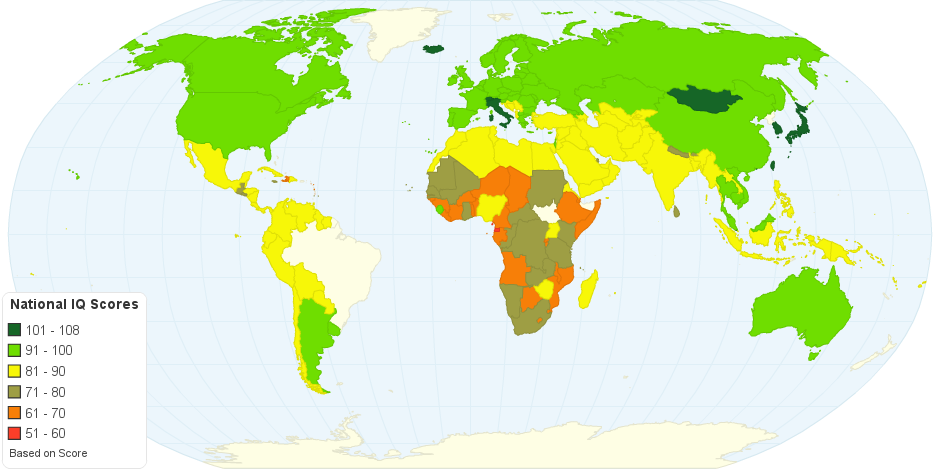
IQ matters!
Btw. Mohammed Hagos aka kerenite. When you were whining and moaning that 2% taxes should be end in your other post, how can you expect to obtain services? a True nationalist and patriot demand accountability while doing his share of obligation. You can't demand or request any shiixt when you are not doing part of your deal.
-
Meleket
- Member+
- Posts: 5070
- Joined: 16 Feb 2018, 05:08
Post
by Meleket » 13 Apr 2023, 04:46
ዘሜ Zmeselo 'ዓቢሰብ" ኣብዚ ንዝቀረብናዮ ሕቶ መልሲ ኣይረኸበሉን። Temt ግሩም ሓበሬታ ሂብካና ኣሎካ፤ ካብኡ ናብኡ ኣብ ጉዳይ ጥዕና ካብ ዘሜ Zmeselo ዝሓሸ ሓበሬታ ዛሎካ ኢኻ ትመስል እሞ፡ እስከ ብዛዕባ ህላዌ ዘመናዊ (ኤምአርአይ) ኣብ ኤርትራ ትፈልጦ ሓብረና። ኣብ ኤርትራ ክንደይ ዚሰርሓ (ኤምአርአይ) ኣለዋ? እንተዘየለዋ ስለምንታይ?