Ethiopian News, Current Affairs and Opinion Forum
Zmeselo
Senior Member+
Posts: 37345
Joined: 30 Jul 2010, 20:43

Can't take the heat!

Post by Zmeselo » 11 Mar 2021, 03:40


In an appalling "Opinion Piece" - The Hill, March 10 - that she co-authored with former CIA Officer, Jendayi Frazer showers accolades to TPLF clique whom she describes as "lynchpin of stability for decades" & urges for a raft of illicit measures to resuscitate the criminal group.

Untenable as it is, Jendayi's stance is not surprising. During her brief stint as US Assistant Sec. for Africa, the woman's follies were numerous & toxic. She tried to arm-twist the EEBC Jurors to alter the Arbitral Award; broke diplomatic protocol & visited Badme condoning occupation.

Frazer was also instrumental in nudging the TPLF regime, to invade Somalia. All these acts & flagrant violations of international law are not embodiments or manifestations of "peace & stability", for Eritrea/Ethiopia/Somalia. But then, Jendayi does not have to bear resultant costs!

(Yemane G. Meskel: @hawelti)
Last edited by Zmeselo on 11 Mar 2021, 09:29, edited 1 time in total.

Zmeselo
Senior Member+
Posts: 37345
Joined: 30 Jul 2010, 20:43

Re: Can't take the heat!

Post by Zmeselo » 11 Mar 2021, 05:16


Danakali looks into solar, wind to power Eritrea potash project


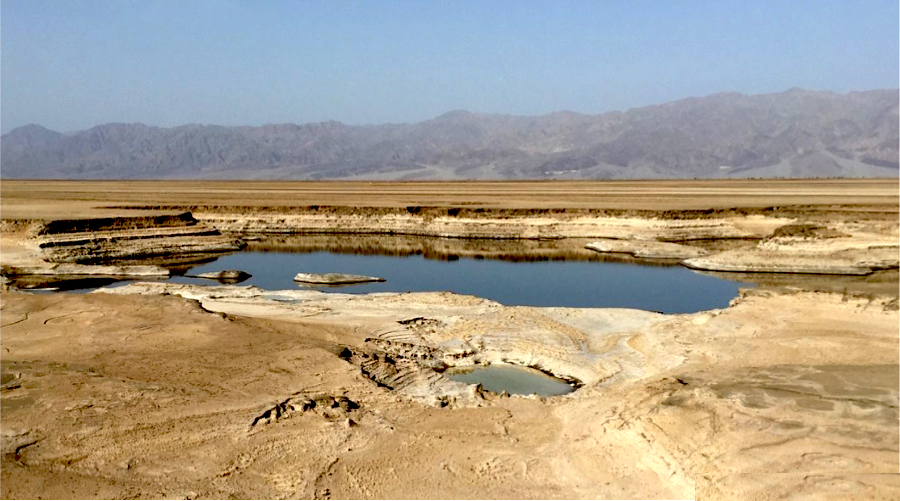
The Colluli project is located in a semi-desert agro-ecological zone, of which most of the land is barren and of little use to communities and wildlife. (Image courtesy of Danakali.)

Cecilia Jamasmie

https://www.mining.com/danakali-looks-i ... h-project/

March 10, 2021

Australia’s Danakali (ASX, LON:DNK) said on Wednesday https://www.danakali.com.au/images/stor ... on_SOP.pdf it had determined that both solar and wind energy are viable sources of power for its 100%-owned Colluli sulphate of potash (SoP) project, in Eritrea, East Africa.

The Perth-based miner noted it continues to evaluate the potential use of renewable energy in its flagship project, with a view to becoming a zero carbon producer of SoP.

Danakali will now work with Aggreko Plc (LON:AGK), its power provider, to further develop solar and wind energy solutions.
We are determined to embrace renewable energy and run our business in a way that delivers positive environmental impacts for Eritrea and the world,
executive chairman Seamus Cornelius said in a media statement. https://www.danakali.com.au/images/stor ... on_SOP.pdf

Geothermal power

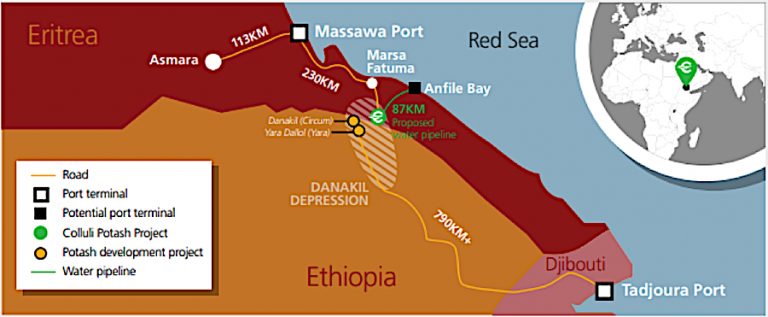
Since Colluli is located in one of the world’s most geothermally-endowed rifts, the Danakil depression in the East African Rift Valley, the company said it’s also studying the use of geothermal energy.

The company’s mining license area is particularly close to the Alid geothermal field, which has been recognized by the Eritrean Ministry of Mines and Energy (MoEM) as a potential high geothermal resource.

In 1996, detailed geological and geochemical work funded by United States Agency for International Development (USAID) and conducted by United States Geological Survey (USGS) and MoEM identified a high-temperature reservoir at Alid.

Samples collected indicate a reservoir temperature of a hydrothermal-convection system likely to be in the range of 250°-300°C, which is promising as a geothermal power source.

Follow-up work in 2015 demonstrated structural trends and temperature permeability that are very favourable for an electric grade geothermal resource.


Colluli’s location. (Courtesy of Danakali. http://www.danakali.com.au/the-colluli- ... ely-unique)

Despite funding setbacks last year, https://www.mining.com/danakali-shares- ... l-through/ Danakali says that Colluli, a 50/50 joint venture between Danakali and the Eritrean National Mining Corporation (ENAMCO), is on track for production in 2022.

In the initial phase of operations, the mine would produce more than 472,000 tonnes a year of sulphate of potash (SOP), a premium grade fertilizer.

Annual output could rise to almost 944,000 tonnes if Danakali decides to go ahead with a second phase of development, as the project has a possible 200-year plus mine life.

_______________


Mining
Danakali 're-energised' and focused on getting the Colluli SOP project up and running


Mon 08 Mar 2021

Andrew Scott

https://www.proactiveinvestors.com/comp ... 43293.html

Danakali Ltd's (ASX:DNK) (OTCMKTS:SBMSF) (LON:DNK) (FRA:SO3) Seamus Cornelius caught up with Proactive's Andrew Scott soon after announcing a restructure of its board. He's confident that their unique Colluli Sulphate of Potash (SOP) Project in Eritrea, Africa, is set to become a global game changer. They're aiming for a 2022 production target date, pending the closing out of funding. The project has already secured US$221 million of financing through senior debt and equity with African Export-Import Bank (Afreximbank) and Africa Finance Corporation (AFC).
Last edited by Zmeselo on 11 Mar 2021, 16:41, edited 2 times in total.

Zmeselo
Senior Member+
Posts: 37345
Joined: 30 Jul 2010, 20:43

Re: Can't take the heat!

Post by Zmeselo » 11 Mar 2021, 05:27

(NCEA-East) Eritrean American Message at the 3/10/21 Washington DC Demonstration

Wednesday, 10 March 2021

Fellow Eritrean participants
Dear Ethiopian participants
Dear Friends of Eritrea and Ethiopia,


This is a historic day. For the first time, and in these numbers, we Eritreans and Ethiopians together are raising our voices, in defense of our countries and in assertion of our peace and friendship, which is an integral part of a cooperative Horn of Africa, with Sudan , South Sudan, Somalia and Djibouti.

We are gathered today to express our deep dismay at the injustice that’s being perpetrated by the Biden Administration on the Eritrean and Ethiopian peoples, at the lies and fabrications they are spreading, at the ill-considered measures they are pursuing.

The TPLF plunged Tigray into war with the aim of overthrowing the government of Ethiopia, as well as the Eritrean government. Ethiopia has the right and duty to defend its territory and legal order. Yet, the US refuses to unequivocally acknowledge the TPLF’s culpability and deliberately sweeps its crimes under the rug.

Inexplicably, the US government blames Ethiopia, scapegoats Eritrea and seeks to pressure and intimidate both countries. And, Ethiopia is supposed to be America’s strongest regional ally. We deplore, this harmful travesty.

Our message to the US administration, is short and simple. Please, hands off. We are capable of running our own affairs. You cannot be more concerned about ourselves, than us. Truth be told, the measures you are taking are not intended to help us. Remember, we, Eritrea and Ethiopia, made peace ourselves. Why are you trying to drive a wedge between us? Why are you fanning conflict between Ethiopia and Sudan? Why are you so opposed to Horn of Africa Cooperation? Wouldn’t it better serve your interests to work with peaceful and friendly-with-each-other Ethiopia and Eritreans well as a peaceful, stable, cooperative Horn of Africa? Apparently not! Your preference for control and domination trump the benefits of advancing mutual, long-term interests. No wonder, the US is losing ground in Africa.

A final reminder is in order. Successive US administrations supported the TPLF, turned a blind eye to its wars and crimes, at the expense of the people of Tigray, of the whole of Ethiopia, at the expense of Eritrea and Somalia. If that was a grave mistake even then, what can we make of current US efforts to save and bring back the defunct TPLF, unless the intention is to prolong the conflict and suffering?

Finally a word to us- Eritreans, Ethiopians, Horn of Africans, in the US, many of us citizens.

Our numbers are significant. Our political, organizational, economic, social and cultural capabilities multiply our numbers manifold. Let’s unleash our potential. We will make valuable contribution to our nations, our region. Our voices and interests will be difficult to ignore in the United States.

Eritrea Prevails!
Ethiopia Prevails!
The Horn Prevails!

The National Council of Eritrean Americans -East (NCEA-East)
DMV (Washington DC, Maryland and Virginia)
March 10, 2021

---------------------------------------------

ዝኸበርኩም ኤርትራውያን ተሳተፍቲ
ዝኸበርኩም ኢትዮጵያውያን ተሳተፍቲ
ዝኸበርኩም ፈተውቲ ኤርትራን ኢትዮጵያን


ሎሚ፡ ኣብ’ዚ ታሪኻዊ መዓልቲ፡ ንሕና ኤርትራውያንን ኢትዮጵያውያንን፡ በዚ ዓቢ ቁጽሪ’ዚ ድምጽና ንክልቲኡ ህዝብታትና፡ ንመንግስቲ ኣመሪካን ዓለምን ንምስማዕ ተሰሊፍና ኣሎና።

ዕላማና፡ ምምሕዳር ባይደን፡ ኣብ ልዕሊ ህዝብታት ኤርትራን ኢትዮጵያን ዝፍጽምዎ ዘለዉ በደል፡ ዝነዝሕዎ ዘለዉ ሓሶት፡ ዝወስድዎ ዘለዉ ግጉይ ስጉምታት ምቅላዕን ምቅዋምን ኢዩ።

ጃንዳ ወያነ ንመንግስታት ኤርትራን ኢትዮጵያን ብሓይሊ ንምውዳቕ ኲናት ከምዝጀመረን ንትግራይ ናብ ኲናት ከምዝሸመመን ዝፍለጥ ኢዩ። ኢትዮጵያ ድማ ልኡላዊ መሬታን ሕጋዊ ስሮኣታን ንምክልኻልን መሰልን ግዴታን ኣለዋ። እቲ ሓቂ እዚ እናዀነ ግን፡ ምምሕዳር ኣመሪካ፡ ወያነ ብሓላፍነት ተሓታቲ ምዃኑ ብዘየወላውል መገዲ ካብ ምእማን ኣብ ርእሲ ምሕንጋዱ፡ ገበናት ወያነ ክጉልብብን ክሓባእን ጸኒሑ ኣሎ። ብኣንጻሩ፡ ነታ ቀንዲ በዓልቲ ኪዳን ኣመሪካ’ያ እትበሃል ኢትዮጵያ እናኸሰሰ፡ ንኤርትራ ገንሸል መስዋእቲ እናቕረበ፡ ኣብ ልዕሊ ክልቲአን ሃገራት ጸቕጥን ምፍርራሕን ክገብር ምጽንሑ ዝድንጹ ኢዩ። ነዚ ርኡይ ዝርያን ኮር-ተገምጠልን ኣጥቢቕና ንውግዞ።

መልእኽትና ንመንግስቲ ኣመሪካ፡ ሓጺርን ንጹርን ኢዩ። ብኽብረትኩም፡ ኣእዳውኩም ካብ ሃገራትና ኣክቡ። ንሕና ኤርትራውያንን ኢትዮጵያውያንን ጉዳያትና ባዕልና ከነካይድ ዓቕሚ ኣሎና። ካብ ነብስና ንላዕሊ ንዓና ክትሓልዩ ኣይትኽእሉን ኢኹም። ሕቂ ንምዝራብ፡ ትወስድዎ ስጉምትታት ንዓና ሓሊኹም ትወስድዎ ኣይኰነን። ኣብ ሞንጎ ክልቴና ዘሎ ሰላም ባዕልና ኢና ፈጢርናዮ። ስለምንታይ ዳግም ከተገራጭዉና ህርድግ ትብሉ ኣለኹም፧ ስለምንታይ ኣብ መንጎ ሱዳንን ኢትዮጵያን ሓዊ ተሳውሩ ኣለኹም፧ ስለምንታይ ንምትሕብባር ቀርኒ ኣፍሪቃ ዓጢቕኩም ትጻብእዎ ኣለኹም፧

ድልየትኩም ሃገራዊ ረብሓ ኣመሪካ ምርግጋጽ እንተዝኸውን፡ ኣብ ክንዲ ምስ ዝተፋነና፡ ብሰላምን ምሕዝነትን ምስ ዝነበራን ዝዓያን ኤርትራን ኢትዮጵያን ምስራሕ ምሓሸኩም። ኣብ ክንዲ ዓውዲ ህውከት፡ ዞባ ሰላምን ምትሕብባርን ምስ ዝዀነ ቀርኒ ኣፍሪቃ ምጽማድ ምበለጸኩም። እቲ ዝዓጠኩም ምቁጽጻርን ዕብለላን ስለዝዀነ ግን ኣይመረጽኩሞን።

ሓደ ነገር ከነዘኻኽረኩም ንደሊ። ጉጅለ ወያነ፡ ብዋጋ ህዝቢ ትግራይ፡ ብዋጋ መላእ ህዝቢ ኢትዮጵያ፡ ብዋጋ ኤርትራን፡ ብዋጋ ሶማልን ንነዊሕ ዓመታት ኣገልጊልኩም ኢዩ። ብቐደሙ’ውን ኣብ ክንዲ ምስኡ ፡ ምስ ህዝብታትና ክትውግኑ ምተገብአ። ሎሚ ድማ፡ ወያነ ባዕሉ ብዝወለዖ ናይ ጥፍኣት ኲናት ተኣልዩ ኢዩ። ንዕኡ እስትንፋስ ንምሃብን ንምምላስን ተካይድዎ ዘለኹም ወፈራ፡ ግጭትን ስቅያትን ንምንዋሕ እንተዘይኰይኑ፡ ንወያነ ኣይከድሕኖን ኢዩ። ዳግም፡ በጃኹም ኣእዳውኩም ኣክቡልና።

ኣብ መወዳእታ ሓጺር መዘኻኸሪ ንዓና - ኣብ ኣመሪካ ንእንነብር ኤርትራውያንን ኢትዮጵያውያንን ቀርኒ ኣፍሪቃውያንን፡ ብዙሓት ካባና ዜጋታት ኣመሪካ።

ዓቢ ዓቕሚ ኢና እንውንን። ቁጽርና ዝዓጻጽፍ ፖለቲካዊ፡ ውድባዊ ፡ ቁጠባዊ፡ ማሕበራውን ባህላውን ሓይሊ ኣሎና። ነዚ ዓቕሚ’ዚ ነበራብሮ’ሞ ንሃገራትናን ዞባናን ክቡር ኣበክቶ ክንገብር ኢና። ኣብ ኣመሪካ’ውን እንተዀነ፡ ድምጽናን ረብሓታትናን ዕሽሽ ዘይብሃል ክኸውን ኢዩ።

ዓወት ንኤርትራ !
ዓወት ንኢትዮጵያ !
ዓወት ንቀርኒ ኣፍሪቃ !
ሃገራዊ ሽማግለ-ዞባ ምብራቕ
(ዋሽንግተን ዲሲ፡ ሜሪላንድን ቨርጂንያን)
10 መጋቢት 2021
Last edited by Zmeselo on 11 Mar 2021, 16:48, edited 4 times in total.

Fiyameta
Senior Member+
Posts: 21550
Joined: 02 Aug 2018, 22:59

Re: Can't take the heat!

Post by Fiyameta » 11 Mar 2021, 05:34

I think it's a very smart move by Eritrea to use geothermal, solar, and wind energy sources to power its lucrative, world-class potash mining project, to be able to continue its operations by circumventing any evil oil embargoes in the future. That is Solomonic wisdom! 8)

Zmeselo
Senior Member+
Posts: 37345
Joined: 30 Jul 2010, 20:43

Re: Can't take the heat!

Post by Zmeselo » 11 Mar 2021, 08:27

HoA TV - Whaashoon Eritrea: Inspiring Architectural Project (english)


___________

Last edited by Zmeselo on 11 Mar 2021, 10:20, edited 1 time in total.

Zmeselo
Senior Member+
Posts: 37345
Joined: 30 Jul 2010, 20:43

Re: Can't take the heat!

Post by Zmeselo » 11 Mar 2021, 09:20


Wildlife: Something to Preserve and Protect

By: Dr. Fikrejesus Amahazion

https://shabait.com/2021/03/10/wildlife ... d-protect/

March 10, 2021


Every year, on a number of different days across the calendar, the international community comes together to observe international days. As declared by the United Nations (UN), international days are
occasions to educate the public on issues of concern, to mobilize political will and resources to address global problems, and to celebrate and reinforce achievements of humanity.
During the past week, several significant international days have been celebrated by the global community. On 8 March, the world observed International Women’s Day (IWD), paying tribute to women, raising awareness about their fundamental rights, successes, and challenges, and recognizing their important place in society. Only a couple of days before that, on 3 March, World Wildlife Day (WWD) was observed.

In Eritrea, IWD is one of the most important days on the annual calendar and it is set aside as a national public holiday. Annually, the special occasion is marked by colorful cultural and musical programs (this year’s celebrations were slightly scaled back due to the COVID-19 pandemic). However, while IWD has received coverage and attention (as it certainly should, since women are the fundamental backbones of our communities and nation), WWD has been somewhat overlooked. Accordingly, the following several paragraphs briefly discuss WWD, with a particular focus on Eritrea.


Although a large number of the UN’s international days have a long history and have been proudly celebrated for many years, WWD is still relatively new. In fact, it only dates back to 20 December 2013, when the UN General Assembly, at its 68th session, proclaimed 3 March as WWD. One of the main reasons for selecting this date was the fact that it was also the day of signature of the Convention on International Trade in Endangered Species of Wild Fauna and Flora (CITES) in 1973. (One of the world’s most important environment-related treaties, CITES aims to protect wildlife from over-exploitation from international trade.) Despite having been adopted only several years ago, WWD has already grown to become the most important global annual event dedicated to wildlife. It not only provides the global community with an opportunity to celebrate the many beautiful and varied forms of wild fauna and flora, it helps to raise awareness of the multitude of benefits that their conservation provides to humanity. Notably, several of the UN SDGs (such as 14 and 15) focus on or revolve around conservation, wildlife, and halting biodiversity loss. (The UN SDGs, which are a global set of goals for all countries – low-, middle-, and high-income – to meet by 2030, cover a wide range of development-related objectives, such as education, health, gender equality, poverty, and the environment.)

Although Eritrea is certainly far from the largest in terms of geographic area (covering an area of approximately 125,000 km²), it has a very diverse flora and fauna, both at land and in the sea. Among the country’s most important ecosystems are the coastal marine and island ecosystems of the Red Sea. The waters off Eritrea’s hundreds of islands and its extensive coastline – which at approximately 1,900 km long makes it one of the longest in all of Africa – contain over 1,100 fish species and 44 genera of hard coral, resulting in one of the highest recorded levels of endemism and species diversity for a water body.

Remarkably, around 18 percent of fish species and 20 percent of coral species are reported to be endemic to these waters. As well, between 380-400 km of the Eritrean mainland and islands coastlines are occupied by mangrove forests, with three of the seven mangrove species present in the Red Sea found the Eritrean coast (De Grissac and Negussie 2007). Turning to land, Eritrea has a unique northern African elephant population, and the world’s only viable population of free-ranging African wild [deleted] (donkey). The country is also home to a number of other globally rare and endangered species, such as the Nubian Ibex and several gazelles (Dorcas and Soemmering). Several years ago, a long-missing gazelle species, the Eritrean Gazelle, was also rediscovered after nearly 90 years.


In addition, while a number of surveys are ongoing, it is believed that there are between 550-600 bird species in Eritrea (comprising a mix of resident and regular seasonal migrants). In recent years, studies have also recorded more than 10 reptile species (mainly lizards) in Eritrea.

Excitingly, one species of amphibian, the Asmara Toad, previously thought to be extinct has recently been rediscovered, while the Eritrea Side-neck Turtle, a species found only in Eritrea and that had been feared extinct, was observed again several years ago. Eritrea’s plant and agricultural biodiversity is also considerable. The country is the center of origin for several field crops and there are clear indicators of rich genetic diversity both in cultivated and wild forms. Moreover, the Northern and Southern Red Sea regions of the country house some of the last remaining tropical coniferous and broad-leaved forests along the Horn of Africa.

Despite this great richness of diversity, due to several factors – such as decades of war and human-induced pressures over many years – the flora and fauna resources in Eritrea have dwindled greatly. However, since independence, a number of important measures have been taken to address these issues. High-level commitment has been illustrated; for instance, the National Charter (1994) states that,
We are committed to economic growth, but in conjunction with social justice and the protection of the natural environment.
Eritrea is also a signatory and party to a number of conventions and international agreements relating to the environment, wildlife, and biodiversity conservation, including: Convention on the International Trade in Endangered Species of Wild Fauna and Flora, 1973; United Nations Framework Convention on Climate Change, 1992; Convention on Biological Diversity; United Nations Convention to Combat Desertification in those Countries Experiencing Serious Drought and/or Desertification, Particularly in Africa, 1994; World Heritage Convention, 1972; Cartagena Protocol on Biosafety to the Convention on Biological Diversity, 2000; Convention on the Conservation of Migratory Species, 1979; Kyoto Protocol to the United Nations Framework Convention on Climate Change, 1997; Paris Agreement, 2015; Doha Amendment to the Kyoto Protocol, 2012; Nagoya Protocol on Access to Genetic Resources and the Fair and Equitable Sharing of Benefits Arising from their Utilization to the Convention on Biological Diversity, 2010.

Finally, a range of other tangible steps have been taken. Tree planting and terracing are regularly conducted to address land degradation and deforestation (hundreds of millions of seedlings have been planted since independence), while during the early 2000s, Eritrea banned the production, importation, sale, or distribution of plastic bags, making it one of the first countries in all of Africa, and one of the few in the world, to do so. Also, the hunting and trapping of wild animals and the cutting of live trees is banned, and large areas of land, coast, and sea are set aside as protected reserves or national parks. Eritrea’s rich diversity of wildlife is a blessing. Not only should we celebrate it, we also all must keep in mind that we have a deep obligation to protect and preserve it.

Temt
Member+
Posts: 5480
Joined: 04 Jun 2013, 22:23

Re: Can't take the heat!

Post by Temt » 11 Mar 2021, 12:21

Fiyameta wrote:
11 Mar 2021, 05:34
I think it's a very smart move by Eritrea to use geothermal, solar, and wind energy sources to power its lucrative, world-class potash mining project, to be able to continue its operations by circumventing any evil oil embargoes in the future. That is Solomonic wisdom! 8)
Fiyameta, whether there would be an embargo or not, the use of renewable energy is timely and actually overdue due to their evil declared and undeclared economic sanctions that were spearheaded by the United States. Think about it, we have unlimited potential for solar energy throughout the country, plenty of wind energy in many parts of the country. Another potential source of energy is the thermal energy that could be harnessed in the eastern escarpment. Now that the evil and ሓሳዳት Weyanes are out of the picture, it is high time that we roll up our sleeves and use those God-given energy sources to the benefit of our peoples including Ethiopians.

Temt
Member+
Posts: 5480
Joined: 04 Jun 2013, 22:23

Re: Can't take the heat!

Post by Temt » 11 Mar 2021, 15:35

Arsiema Tsegezeab

Post Reply