Ethiopian News, Current Affairs and Opinion Forum
Zmeselo
Senior Member+
Posts: 36993
Joined: 30 Jul 2010, 20:43

Moving Forward with Quality Data and Statistics

Post by Zmeselo » 11 Aug 2020, 16:01


Moving Forward with Quality Data and Statistics

Saturday, 08 August 2020

Written by Dr. Fikrejesus Amahazion

http://shabait.com/categoryblog/30905-m ... statistics


Less than a week ago, it was announced that the European Union Delegation to Eritrea and the United Nations Development Programme (UNDP) signed a Contribution Agreement for implementing a four-year national project in Eritrea. The project, called: “Strengthening Eritrea’s National Statistics and Macroeconomic Statistics Systems”, is expected to be worth nearly 6 million euros in total, with the European Commission contributing 4.75 million euros and the UNDP contributing 1 million euros. As described in a brief press release, several of the main aims of the project are to
strengthen the overall economic governance capacity of the Eritrean government,
as well as to enhance
the cohesion of the Eritrean National Statistics System, both at central and local level, and the institutional and coordination capacities of the National Statistics Office.
While the project’s exact start date was not announced, it will be implemented by the UNDP office in Eritrea, in close cooperation and partnership with the Eritrean Ministry of National Development and the National Statistics Office in Eritrea.

The announcement of the project raises several points that are worthy of further discussion. The first is that the project holds the potential to be a large step forward for Eritrea, since producing quality, relevant, and timely data and statistics is an integral part of making sound, effective policy decisions and supporting socio-economic development.

Across Africa, as well as throughout much of the low-income, developing world, many countries have weak national data and statistics systems. For decades, many of these countries have tended to rely upon data and statistics that were not reliable, accurate, relevant, or timely. Frequently, national statistics and data were either based on shaky estimates or derived from statistical models.

Today, one of the clearest reflections of the general weakness of national statistics and data systems across Africa comes from the UN’s Sustainable Development Goals (SDGs). The UN SDGs, which are a global set of goals for all countries – low-, middle-, and high-income – to meet by 2030, cover a wide range of development-related objectives, such as education, health, gender equality, poverty, and the environment. For African countries, approximately 60% of SDG indicators lack enough quality data and statistics to accurately measure progress. What’s more, even where data and statistics are provided for indicators, nearly half are based on estimates or statistical models.


Another common problem for many African and developing countries has been that different national offices and departments have failed to coordinate their efforts, which not only can result in unnecessary – and costly – duplication but also lead to significant differences in basic data or statistics within the same government.

Finally, the World Bank, along with many other international organizations, development specialists, and researchers, has also described the so-called vicious cycle experienced by developing countries that are confronted with problems in producing good, reliable data and statistics. Specifically, poor appreciation of or under-investment in national statistical systems constrains activities and results in data and statistics that are of poor quality, which governments and policy makers are unlikely or unwilling to rely on. At the same time, this lack of demand for data and statistics leads to little attention being paid to or fewer resources being made available for their production.

However, quality, relevant, and timely data and statistics are of great importance, being essential for national governments and institutions to accurately plan, fund, implement, monitor, and evaluate socio-economic and development policies and activities. For example, the effective allocation and management of government finances or resources requires a proper and accurate understanding of where particular domestic needs lay, while tracking progress of intervention programs or measuring effectiveness of delivery requires accurate baseline and outcomes data. The construction of schools requires knowing how many children are to be enrolled, while the efficient collection of national taxes requires reliable statistics related to national demographics, employment, and incomes. Similarly, both local businesses and foreign investors can often only make confident investment decisions if they have a clear picture of the market – which comes from up-to-date, relevant, and accurate data or statistics. Ultimately, it is difficult to develop good and sound socio-economic, political, and developmental policy decisions while stumbling around, grasping in the dark. Quality data and statistics can provide much-needed light.

As a young, developing country still emerging from decades of war and instability, Eritrea has been faced with an array of challenges, including some of those related to data and statistics outlined above. Thus, within this overall context, the project recently announced by the EU Delegation to Eritrea and the UNDP is extremely positive and encouraging, as it will play a positive role in strengthening the capacity, efficiency, and effectiveness of Eritrea’s national statistical system. Through improved availability and access to timely, reliable, comprehensive, and quality statistics, the Eritrean government, local institutions and policy makers, and international partners can better develop and implement sound economic, social, and development-relatedpolicies and goals.

Another interesting point raised by the recently announced joint project is that with the project aiming to improve local institutional capacity, meeting key and specific domestic needs, and planned to be implemented through the coordination of national offices, it serves as a useful example of Eritrea’s unique, yet often misunderstood, approach toward development and foreign assistance.

For many years now, Eritrea has wrongly been labeled as “isolationist”. One of the main driving factors, in addition to attempts to ostracize the country, has been the lack of understanding about the country’s unconventional approach to development and foreign assistance. In its interactions with international development organizations, global financial institutions, and other potential donors, the Eritrean government has historically insisted on establishing genuine partnerships and retaining firm control of its development agenda and implementation. However, this has put it at stark odds with potential donors and partners, who have long been accustomed to monopolizing control over resources, imposing suffocating conditionalities, and possessing inordinate influence over strategy in developing countries.

As well, Eritrea tends to turn down foreign aid when it does not fit the country’s needs or its capacity to use effectively. It does not reject external support – it actively welcomes it, but only when it complements the country’s own efforts. In fact, the Eritrean government has encouraged aid and assistance that addresses specific needs which cannot be met internally, which is designed to minimize continued external support, and which complements and strengthens, instead of replacing, Eritrea’s own institutional capacity to implement projects. This approach is rooted in a strong desire to avoid crippling dependence and to foster a clear sense of responsibility for the country’s future among all citizens.
Last edited by Zmeselo on 12 Aug 2020, 19:29, edited 3 times in total.

Zmeselo
Senior Member+
Posts: 36993
Joined: 30 Jul 2010, 20:43

Re: Moving Forward with Quality Data and Statistics

Post by Zmeselo » 11 Aug 2020, 17:43


_______________

https://www.nationalerinterest.com/amp/ ... ssion=true

2 hours ago

Susan Rice Was a Diplomatic Disaster, Biden doesn’t need a running mate who has shown poor judgment

The New York Times

Aug. 11, 2020


By Bret Stephens, Opinion Columnist

https://www.nytimes.com/2020/08/10/opin ... frica.html


In its 2011 World Report, https://www.hrw.org/world-report/2011/c ... s/ethiopia Human Rights Watch noted the following about Ethiopia under the rule of Prime Minister Meles Zenawi: The ruling party had won parliamentary elections with 99.6 percent of the vote. Supporters of opposition parties endured months of constant intimidation. Journalists and human-rights activists had been forced to leave the country. And hundreds of political prisoners were
in jail and at risk of torture and ill-treatment.


Meles died the following year. Susan Rice, then the Obama administration’s ambassador to the United Nations, flew to Addis Ababa to deliver a eulogy. http://nazret.com/blog/index.php/2012/0 ... f-ethiopia
Prime Minister Meles was an uncommon leader, a rare visionary, and a true friend to me and many,
she said.

While briefly allowing that the two could disagree on issues of democracy and human rights, she showered the deceased strongman with praise. He was, she said,
uncommonly wise,
brilliant
and
selfless.
I suspect we all feel it deeply unfair, to lose such a talented and vital leader so soon, when he still had so much more to give,
she said.


Days later, the U.S. consulate in Benghazi was set ablaze by terrorists; four Americans were killed; and Rice became notorious for offering some factually challenged https://www.politifact.com/article/2020 ... unmasking/ talking points regarding the cause of the attack. That performance likely sank her chances of succeeding Hillary Clinton as secretary of state. But it’s her overall record as a U.S. diplomat in Africa that should be examined more closely as she is among the final few whom Joe Biden is considering as a running mate.

Until Benghazi, Rice’s record in Africa was probably best known for a remark she reportedly made in the early days of the 1994 Rwandan genocide, as the Clinton administration dawdled over its response.
If we use the word ‘genocide’ and are seen as doing nothing, what will be the effect on the November [congressional] election?
she asked during an interagency teleconference, according to an account by Samantha Power. https://www.theatlantic.com/magazine/ar ... de/304571/

Rice claims not to remember saying this, but admits that, if she had, it would have been
completely inappropriate.
Rice was later named assistant secretary of state for African affairs during Bill Clinton’s second term, and became a champion for a new group of African leaders then seen as dynamic, democratic and reform-minded: Ethiopia’s Meles, Eritrea’s Isaias Afwerki, Rwanda’s Paul Kagame, Uganda’s Yoweri Museveni. Some of these leaders did improve health and living standards. Meles in particular was a staunch ally against Islamist terrorism. Otherwise, all became ruthless autocrats.


["Yet the columnist Bret Stephens has a wrong overview of Eritrea's Isaias Afwerki, where that Statesman is correcting the wrongs and failures of U.S. foreign policy in the Horn and Red Sea Region. Challenged the "Regime Change" https://worldbeyondwar.org/u-s-sets-sta ... icas-cuba/ strategy of Susan Rice, who was one of Meles' promotors in becoming a war lord in East Africa. President Isaias wasn't only a leader during the 30years armed struggle to victory, but also did and is doing his utmost to improve the people's social services needs, especially in the health sector, credited in the UN Millennium Developement Goals report. https://www.tesfanews.net/eritrea-healt ... ls-report/ This strongman, changed the political configuration of the region and brought political leverage to Asmara. https://www.un.org/africarenewal/magazi ... evelopment again."]

What followed was a succession of African tragedies and U.S. policy fiascos. In 1998, a calamitous war broke out between Ethiopia and Eritrea. Rice and an administration colleague were sent to mediate.
What is publicly known,
according to a judicious 2002 analysis by Peter Rosenblum,

is that Rice announced the terms of a plan agreed to by Ethiopia, suggesting that Eritrea would have to accept it, before Isaias had given his approval. He responded angrily, rejecting the plan and heaping abuse on Rice. Soon afterward, Ethiopia bombed the capital of Eritrea, and Eritrea dropped cluster bombs on Ethiopia.


Nearly 100,000 people were killed in the war that followed. But that wasn’t the biggest debacle. Starting in 1998, several million people died in what came to be known as the second Congo war. It began when Rwanda and Uganda invaded the Democratic Republic of Congo, partly to clear out Hutu refugees and militia who had been behind the 1994 genocide, and partly to gain control of Congo’s vast mineral wealth. In Congressional testimony, Rice strenuously denied that the United States had encouraged the invasion.

There is reason to be skeptical. The former New York Times correspondent Howard French, who covered West and Central Africa, noted https://www.nybooks.com/articles/2009/0 ... tion=false that Rice seems to have taken the view that the best U.S. policy was to
look the other way
as Rwanda and Uganda went to war.

Rice later consulted for Kagame’s government when she was out of office, and gave him diplomatic cover https://www.nytimes.com/2012/12/10/worl ... flict.html when she was at the United Nations.
After delaying for weeks the publication of a United Nations report denouncing Rwanda’s support for the [Rwandan-backed rebel group] M23 and opposing any direct references to Rwanda in United Nations statements and resolutions on the crisis,
The Times’s Helene Cooper https://www.nytimes.com/2012/12/10/worl ... flict.html wrote in 2012,
Ms. Rice intervened to water down a Security Council resolution that strongly condemned the M23 for widespread rape, summary executions and recruitment of child soldiers.
Since her relatively youthful tours of duty in the Clinton administration, Rice has filled higher offices and, presumably, acquired more seasoned judgment. It was interesting last year to see her attack the Trump administration for its decision https://www.newsweek.com/susan-rice-tru ... zy-1463772 to pull troops from Syria, given the Obama administration’s own record of nonintervention in the country. Maybe she’s more of a conservative internationalist — or a Kissingerian realist — than she lets on.

Still, a few facts about Rice seem to have endured. She has been a sycophant to despots. She has been inept in her diplomacy. She has played politics with human rights and played realpolitik with the truth. There are potential running mates who can broaden the appeal of Biden’s candidacy — and protect it against attack. Rice isn’t one of them.

NationalErInterest
Last edited by Zmeselo on 11 Aug 2020, 17:57, edited 1 time in total.

Zmeselo
Senior Member+
Posts: 36993
Joined: 30 Jul 2010, 20:43

Re: Moving Forward with Quality Data and Statistics

Post by Zmeselo » 11 Aug 2020, 17:53


ጥሉል ክራማት! ዝሓለፈ ሰሙን በርቅን ነጎዳን ፥ ብርቱዕ ንፋስ ዝተሓወሶ ዝናብ ኣብ ምጽዋዕ ዘኒቡ።
Photo: HD

___________


ንሕና ሳላ'ቲ ቕኑዕ መስመርና: ጩራ ብሩህ መጻኢና ኣብ ነማዕድወሉ ኣጋ ወጋሕታ ክንርከብ ከለና፡:


እቲ ዘይቅኑዕ መስመር ጸላእትና ከኣ: ኣንፈቶም ኣጥፊኡ ንጥፍኣቶም ኣብ ዘቃልጥፍ ድቕድቕ ጸላም ሸሚሙዎም ይርከብ:: ንኺድ ጥራይ: ብርሃን'ዩ ቕድሜና!


Zmeselo
Senior Member+
Posts: 36993
Joined: 30 Jul 2010, 20:43

Re: Moving Forward with Quality Data and Statistics

Post by Zmeselo » 11 Aug 2020, 19:17

“Dare To Be Classic” with 2•4•1

Written by Billion Temesghen

http://shabait.com/articles/q-a-a/30902 ... -with-241-

Articles - Q & A


In Los Angeles, USA, two leading figures rising to a prominent spot in the makeup industry dare women world-wide to be classic with their brand. These successful young Eritrean twin sisters, Feven and Helena Yohannes, co-founded 2•4•1 Cosmetics, a brand that promotes women’s genuine beauty. The sisters work to promote the very notion of beauty, elevating it to a level where women’s wisdom and beauty are equally held up.

Born in a refugee camp in Sudan, Feven and Helena moved to New York when they were still very young. The two did very well at school. While Helena double majored in Government and Sociology at Skidmore College, Feven studied Media and Communications with a minor in English and Art History at Hobart and William Smith Colleges. Feven and Helena, entrepreneurs and co-founders of 2.4.1, tend to instill in their brand the concept “women are both brains and beauty.”


Thank you for your time. For starters, what is 2.4.1 Cosmetics?

2.4.1 Cosmetics is a direct-to-consumer clean and classic cosmetics company which believes makeup is a means to enhance a woman’s beauty, not to conceal it. Our mission is to create effortless beauty brand that instills confidence, kindness and integrity.

Why makeup? How did it all start for you two?

We believe, make up is transformative and a vessel which inspires deeper conversations. As Eritreans, we believe that thriving is in our bloodline. We are resilient and solution oriented founders, with deep appreciation for people. We trust the process and we are firm in the belief that service to others is the greatest reward. For us, make up is the instrument in our service to humanity.


What does the name of the brand mean and stand for?

Often times growing up as twins, strangers would jokingly ask,
Are you guys 2 FOR 1?
The surface response would be:
No, there is no discount when it comes to our self-worth. But, our mother did have one pregnancy that birthed two girls.
But as we got older, the question became deeper for us. People are fascinated with twins, because they naturally draw attention without trying. But with attention, also comes comparisons. Some attention that triggers unwarranted questions such as:
Who’s the smart twin? Who’s the prettier twin? When you look in the mirror, can you tell who is who?
Such questions got us thinking:
Why can’t you be two equally powerful attributes in one?
Therefore, when building our brand, we built it based on the belief that women are both brains and beauty, two powerful attributes from which you don’t have to choose one or the other. You can be both. And that is exactly, what 2•4•1 stands for.

Do you have any recollections from home?

Our first and last trip to Eritrea, was the summer of 2001. It was then that we discovered our life’s purpose and we have instilled that within our brand ethos and even named three of our lipsticks after our beloved motherland -- RED SEA, ASMARA and QUEEN.

Who you are, must have inspired you a lot while working on becoming the grown-ups and business women you are today. On what levels, do you connect with your heritage?

We will answer your question, by borrowing the words of the beloved Dr. Maya Angelou:
I would like to be known as an intelligent woman, a courageous woman, a loving woman, a woman who teaches by being.
We understand as Eritrean political refugees, born in a refugee camp in Sudan who survived one of the worst famines in history, that this journey is not just about ‘us’ but rather we know we are a vessel for a higher purpose— that is to show the world the rich culture of our heritage. Our long walk to making a mark in the beauty industry, has just begun and we cherish the lessons we learned. We often say that watching our parents’ struggles and ultimate triumph was a gift and that the sacrifices afforded us the opportunity to dream big.


Lastly, can you please share your future plans?

We have launched eyes and lips makeup products and intend to launch skin products in the next 12 months—specifically foundation shades, touch up sticks and bronzer. Overall, we will explore practical consolidation of beauty products.

Moreover, we intend to launch 2•4•1in our motherland first and then in West Africa and East Africa. Our goal is to have a storefront in Asmara.

Many Eritrean women will be reading this issue. Do you have any special message for them?

Anything is possible! Always remain kind and focused. Remember, unwavering faith is the cure to doubt. And, thank you again for the opportunity!

Zmeselo
Senior Member+
Posts: 36993
Joined: 30 Jul 2010, 20:43

Re: Moving Forward with Quality Data and Statistics

Post by Zmeselo » 11 Aug 2020, 19:37

This Day in Eritrea's history!

On Aug. 10, 1890 Italy issued Royal decree No. 7049 authorizing the mints of the Kingdom of Italy to stamp special decimal coins, to have legal currency exclusively in the colony of Eritrea, Thalero Eritreo, replacing the Maria Theresa thalers.


The mints of the kingdom- lire- consisted of pieces of 1 Eritrean Thaler. The Eritrean Thaler (equivalent to 5 Italian lire), had a diameter of 40 mm & a legal weight of 28.125 grams. The "thaler" had full legal tender power & was received by all public treasuries & individuals.

Before the arrival of the Italians, the Maria Theresa thaler, a coin named after Maria Theresa, (an Empress of Austria) was a popular currency in Eritrea.The Italians could not convince the people to use the Eritrean thaler, because it had less intrinsic value than the thaler.


After the British defeated Italy & took control of Eritrea in April 1941, they realized the Maria Theresa thaler was popular & began minting the coins in India. The exact replicas, of the old Austrian coin. However, hoarding was a big problem during this time.

In 1942, as the Allied troops brought with them different currencies, East African Shillings, Indian rupees, English pounds & Maria Theresa thalers were all made legal tender. In Jan 1942, the British decided that British East African Shillings to be the standard legal tender.


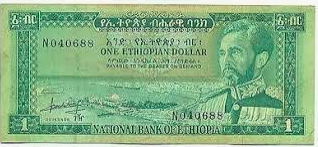
In 1952, after Eritrea was made a federal unit with Ethiopia, the legal currency changed from the East African Schilling to the Ethiopian dollar at an exchange rate of 2.48 Ethiopian to 1 USD. In 1976 the "Birr" was introduced as a legal tender in Ethiopia (including Eritrea).


After independence, Eritrea used Ethiopian Birr from 1991-1997 & the National Bank of Ethiopia was the sole beneficiary of the seignorage accrued. On Nov. 8, 1997, the first Eritrean currency, the Nakfa, was launched and replaced the Ethiopian Birr.


The Nakfa, the coins & notes, were designed by Clarence Holbert, U.S. banknote designer. He said:
the currency features the everyday people of Eritrea to reflect the common people not gov officials, because Eritrean President Isaias Afwerki had given specific instructions.


In Eritrean customary laws, articles of clothing (fergi, abujedid) had been stipulated as a form of payment for compensation & fines. The Italians allowed the Eritrean society to use the customary laws, except in matters concerning municipal administration & Italians in Eritrea.

In ancient history, money was used in trade between the Mediterranean countries & the Eritrean Sea. Along the route from Adulis to cities like Kohaito, Keskesse, Metera & others, archaeologists uncovered coins from those days. In 2011, gold and bronze coins were found.


(History of Eritrea ታሪኽ ኤርትራ.تاريخ إريتريا: @Erihistory)

___________


At his memorial service, his family put a Nakfa note in his pocket. They told us that designing the Eritrean currency, was one of his proudest achievements. Rest in peace Sir, your work lives on....
(Amb. Sophia Tesfamariam: @stesfamariam)


The reverse side of the five Nakfa note is the famous Sycamore fig tree, a must-go tourist site.👍👍
(Lucy Liu: @Lucyliu0866)
Last edited by Zmeselo on 12 Aug 2020, 19:44, edited 2 times in total.

Zmeselo
Senior Member+
Posts: 36993
Joined: 30 Jul 2010, 20:43

Re: Moving Forward with Quality Data and Statistics

Post by Zmeselo » 11 Aug 2020, 19:47


__________

እላ በሓር በሓርና'ታ [Eritrean Tigre Music- Ibrahim Goret 2020 ( الا بحر بحرناتا)]


____________


____________


Zmeselo
Senior Member+
Posts: 36993
Joined: 30 Jul 2010, 20:43

Re: Moving Forward with Quality Data and Statistics

Post by Zmeselo » 11 Aug 2020, 20:07

ጃንዳ ወያኔ: ቀዳማይ ደመኛ ጸላኢ ህዝቢ ኤርትራን ኢትዮጵያን ብፍላይ ንህዝቢ ትግራይ!


- ነባር ተጋዳላይ ህወሓት ነበር: ኣቶ ሊላይ ሃይለማሪያም


Zmeselo
Senior Member+
Posts: 36993
Joined: 30 Jul 2010, 20:43

Re: Moving Forward with Quality Data and Statistics

Post by Zmeselo » 12 Aug 2020, 00:08

ERi-TV (In Focus): Eritrea and its Marine Resources


Zmeselo
Senior Member+
Posts: 36993
Joined: 30 Jul 2010, 20:43

Re: Moving Forward with Quality Data and Statistics

Post by Zmeselo » 12 Aug 2020, 07:52

Construction of dams in Gala-Nafhi and Serejeka

http://www.shabait.com/news/local-news/ ... -serejeka-


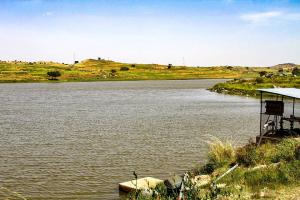
Asmara, 10 August 2020- Two micro-dams in the sub-zones of Gala-Nefhi and Serejeka that were constructed in cooperation with the Government and the public have been inaugurated on 8 and 9 August.

The two dams that were constructed at a cost of over 5 million Nakfa are located in Tselot, Gala-Nafhi sub-zone and in Gurit, Serejeka sub-zone.

Speaking at the events, Mr. Zerit Tewoldebrhan, Managing Director in the Central region, said that the two dams will have significant contribution in alleviating water shortages both to the public and livestock as well as in developing irrigation farming.

The administrators of both sub-zones on their part called on the residents to make proper use of the dams and reinforce participation for their sustainability.


According to document, in the Central region there are 124 dams and micro-dams of various sizes.

_________
______________________

ማእከል፡ ሓደስቲ ዲጋታትዲጋታት ይምረቓ!

ኣብ ዞባ ማእከል - ንኡስ ዞባታት ጋላ-ነፍሒን ሰረጀቓን፡ ብምውህሃድ መንግስቲን ህዝብን ዝተሃንጻ ክልተ ዲጋታት፡ ብ8ን 9ን ነሓሰ ተመሪቐን። እዘን ዲጋታት፡ ኣብ ጸሎት - ንኡስ ዞባ ጋላ-ነፍሒን ጉሪታት - ንኡስ ዞባ ሰረጀቓን’የን ተሃኒጸን ዘለዋ።

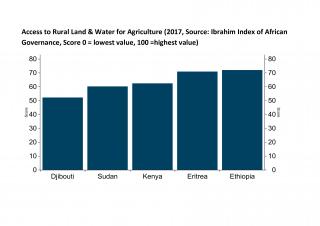
Eritrea inaugurated 2 dams that will contribute to alleviating water shortage & developing irrigation farming. Eritrea's rural poor have already better access to land & equitable user-rights over water resources for agriculture than most other countries in HoA. (c/o Patrick Heinisch)


________
__________________


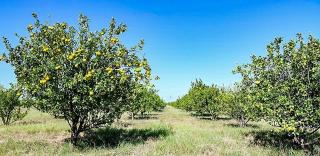
ኤርትራ ኣብ ሰናይ ክረምቲ- ትርኢተ ሃመልማል ዞባ ደቡብ ከባቢ ዓዲ ዃላ!
(Tesfalem Gebreslassie mezmur: @MezmurBest)

______________


As part of the agricultural activities being conducted at the Gerset Agricultural Project, encouraging vegetables and fruits farming is being conducted. (c/o MOI Eritrea)
Last edited by Zmeselo on 12 Aug 2020, 19:51, edited 4 times in total.

Zmeselo
Senior Member+
Posts: 36993
Joined: 30 Jul 2010, 20:43

Re: Moving Forward with Quality Data and Statistics

Post by Zmeselo » 12 Aug 2020, 15:46


With partial easing of restrictions, 11th-grade schooling resumed on July 6 to make up for lost time in 2019-2020 academic year. The arrangement included school boarding facilities elsewhere, for those who come from localities where schools normally close due to climatic conditions.
(Yemane G. Meskel: @hawelti)

_____________


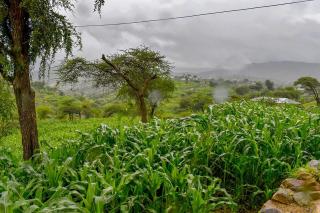
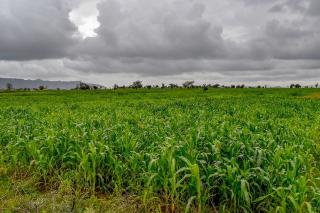
A beautiful Blue sky today, with touch of amazing clouds in Asmara. We had an amazing rainy season as you can see, & as a result, the green beauty in the outskirt of Asmara guaranteed nationwide. It truly adds magic, to our miracle land of the can do people.
(Samuel Igbu /ሳሙኤል ዕቑቡ/صموئيل أغبو: @S_Igbu)
Last edited by Zmeselo on 12 Aug 2020, 19:56, edited 3 times in total.

Zmeselo
Senior Member+
Posts: 36993
Joined: 30 Jul 2010, 20:43

Re: Moving Forward with Quality Data and Statistics

Post by Zmeselo » 12 Aug 2020, 19:18

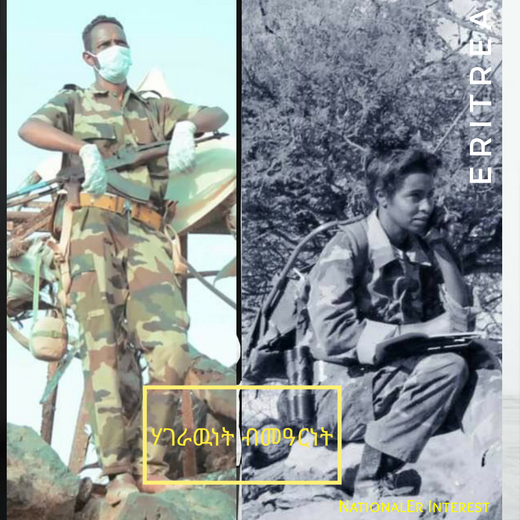
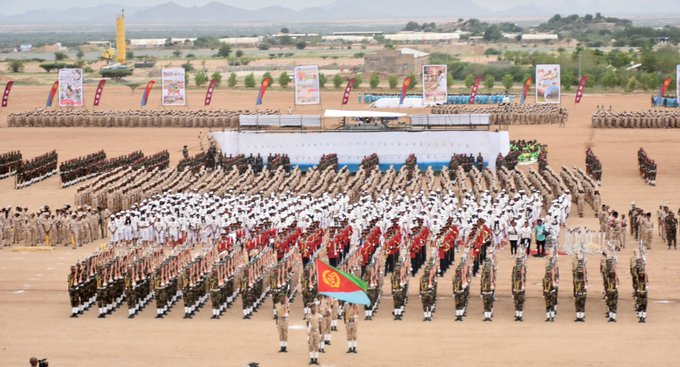
ሳዋ፡ መድሕን ሃገር


ሳምሶም ብርሃነ

እዛ ብኽልተ ርእሰ-ሓያላን ንዝተደገፉ፡ ዘውዳዊ ስርዓት ሃይለስላሰን ፋሺሽታዊ ስርዓት ደርግን፡ ስዒራ ናጽነታ ዝተጎናጸፈት ኤርትራ፡ ናይ ሓዋሩ ውሑስ ስርዓተ ምክልኻል ናይ ምህናጽ ብድሆ ኣብ ቅድሚኣ ተገቲሩ ነይሩ። ስለ ዝኾነ፡ ንስትራየጃውን ጅኦ-ፖለቲካውን ኣቀማምጣኣ፡ ቁጠባዊ ዓቕማ፡ ብዝሒ ህዝባን ባህላን ኣብ ግምት ዘእተወ ስርዓተ ምክልኻል ክትሃንጽ ኣንቂዳ ተበጊሳ። ብዓቕማ ዘመናዊ ኣጽዋር ዝዓጠቐ ቀዋሚ ሰራዊት ምህናጽ፡ ኣብ ልዕሊኡ ግን ኩሉ ብቑዕ ዜጋ ብመንገዲ ሃገራዊ ኣገልግሎት ኣካል ምክልኻልን ምህናጽ ሃገርን ዝኾነሉ ስርዓት ኣቚማ። በዚ መንገዲ'ዚ ንምክልኻልን ህንጸት ሃገርን ህዝባዊ ዕማም ገይራቶ።

ሳዋ ከም ማእከል ስልጠና ሓይልታት ምክልኻል ኤርትራ፡ ሃገራዊ ኣገልግሎት ድማ ከም መደብ ነዚ ክብ ኢሉ ዝተጠቕሰ ዕላማ ንምውቃዕ ኣብ 1994 ብሓደ ስራሕ ጀሚሮም፡ ተኣምር ድማ ሰሪሖም። ንሎሚ ብዛዕባ ገለ ካብ ወሰንቲ ኣበርክቶ ሳዋ ኣብ ድሕነት ሃገር (ምክልኻልን ጸጥታን) ወስ ክብል።

- ካብ እዋን ምእዋጅ ናጽነት ኣትሒዞም ብመንግስቲ ሱዳን ዝድገፉን ብኦሳማ ቢንላደን ዝምርሑን ኣሸበርቲ ገና ብግስ ከይበልና ሕብረተሰብና ከሸቚርሩን መስርሕ ዳግመ ህንጸት ሃገር ክቖጺ ተበጊሶምን ብመጠኑ ድማ ሃስያ ኣውሪዶምን። ክብሪ ንሳዋ፡ ንሃገራዊ ኣገልግሎት ዝሓወሰ ሓይልታት ምክልኻልናን ህዝባዊ ሰረቱን ኣደብ ኣትሒዝዎምን ምንቅስቓሶም ኣቕሂምዎን።

- እቲ ኣብ 1991 ብታንክታትናን መድፍዕኛታትናን ኣዲስ ኣበባ ዘእተናዮን፡ ሓድነት ኢትዮጵያ ንኽሕሎ ዝደገፍናዮን ስርዓት ወያነ፡ ኣብ 1998 ንብዝሒ ህዝቢ ኢትዮጵያን ኣህጉራዊ ዙራያትን ተኣማሚኑ ንኤርትራ ሓንሳብን ንሓዋሩን ካብ ካርታ ዓለም ክሓካ ወግዓዊ ወራር ኣዊጁልና። ክብሪ ንሳዋ፡ እቲ ክሳብ 70% ኣባላቱ ሃገራዊ ኣገልግሎት ዝነበሩ ሓይልታት ምክልኻልና ዳግም ቅልስ ዳዊትጎልያድን ገጢሙ ውጥን ጸላኢ ሓንሳብን ንሓዋሩን ኣበርዒኑ።

- ኤርትራ ዝነውሐ ገማግም ባሕሪን ደሴታትን ኣብ ቀዪሕ ባሕሪ ከም እትውንን ኩላትና እንፈልጦ'ዩ። እዚ ከባቢ 20% ንብረት ንግዲ ዓለም ዝሓልፎ ኣገዳሲ ኣፍደገ ብዓይኒ ስትራተጂ ኣዒንቲ ሓያላን ተፈልይዎ ኣይፈልጥን። ዕድመ ንሳዋ፡ ሓይሊ ባሕሪ ኤርትራ ዓቕሙ ብተዓጻጻፊ ዓብዩ፡ ኣብ ቅድሚ መዓስከራትን መራኽብ ሓያላን ሃገራት ቆይሙ ጸጥታ ባሕሩ ዓቂቡ ይርከብ።

- ኤርትራ ክሊ ኣየራ ካብ መሬትን ሰማይን ዝሕሉ ሓይሊ ኣየር ናይ ምቛም ብድሆ ነይሩዋ። እዚ ሓይሊ እዚ ኣብ እግሪ ተኽሉ ከሎ፡ ወራርን መጥቃዕትን ምስ ገጠመ ብዘዂርዕ መንገዲ ተመጣጣኒ ስጉምቲ ወሲዱ'ዩ። ዕድመ ንሳዋ፡ እዚ ሓይሊ'ዚ ፍርያት ሃገራዊ ኣገልግሎት ብዝኾኑ ኣባላት ተርኒዑ ሰማያቱ ብጽኑዕ ሓልዩ ይርከብ።

- ሕግን ስርዓትን መሰረት ውሽጣዊ ርግኣትን ጸጥታን ሕብረተሰብ ሃገርን እዮም። ብዘይ ጸጥታን ስርዓትን ሰላም ኮነ ሃገራዊ ልምዓት ክህሉ ኣይክእልን'ዩ። ዕድመ ንሳዋ፡ እቶም ካብ ፈለማ ናጽነት ብምጡን ዓቕሚ ዝጀመሩ ሓይልታት ጸጥታን ፖሊስን ውጽኢት ሃገራዊ ኣገልግሎት ብዝኾኑ ኣባላት ጎልቢቶም፡ ውሽጣዊ ጸጥታን ርግኣትን ኤርትራ ድማ ብደረጃ ዓለም ከም ዝምስከር ገይሮሞ ይርከቡ።

(ብወቕታዊ ኣገዳስነት ተደጊሙ ዝወረደ ጽሑፍ)

Post Reply