The Chairman of the Joint Chiefs of Staff Lt Gen. Muhammad Othman Al-Hussein met Gen. Philippos Weldeyohans the Chief of Staff of the EDF who arrived in the country yesterday accompanied by the Dir. of National Security, BG. Abraha Kassa & MG Mohamed Karikare Commander of the Navy.
ዑደት ላዕለዋይ ወተሃደራዊ ልኡኽ መንግስቲ ኤርትራ: ናብ ሱዳን
The Chairman of the Joint Chiefs of Staff Lt Gen. Muhammad Othman Al-Hussein met Gen. Philippos Weldeyohans the Chief of Staff of the EDF who arrived in the country yesterday accompanied by the Dir. of National Security, BG. Abraha Kassa & MG Mohamed Karikare Commander of the Navy.
Re: ዑደት ላዕለዋይ ወተሃደራዊ ልኡኽ መንግስቲ ኤርትራ: ናብ ሱዳን
ESAT: ህወሓት በተለያዩ የትግራይ ኣከባቢዎች ወጣቶችን እያስታጠቀ መሆኑን ተገለጸ


Last edited by Zmeselo on 20 Jul 2020, 15:15, edited 1 time in total.
Re: ዑደት ላዕለዋይ ወተሃደራዊ ልኡኽ መንግስቲ ኤርትራ: ናብ ሱዳን
______________
The most beautiful city of the entire world- Asmara. I one day I will return, to dry my tears with Gerbera Daisy flowers and cure my pain with sues. I knew I was leaving the paradise and landing to the hell!
(Chichi: @atlanta0411)
____________
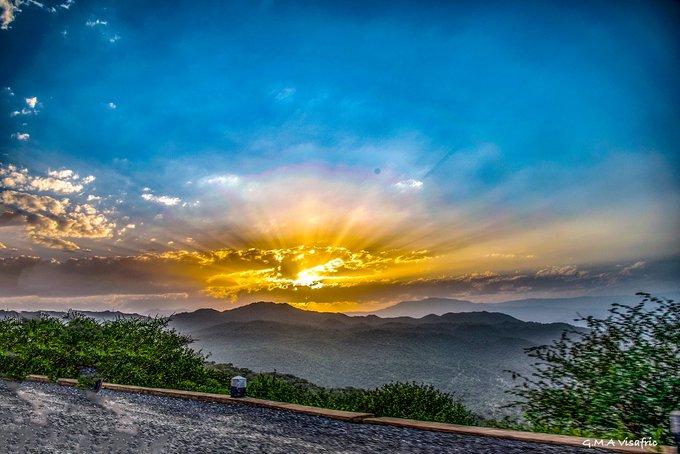
Beautiful Eritrean sunset!
(Ghideon Musa: @GhideonMusa)
________________
Re: ዑደት ላዕለዋይ ወተሃደራዊ ልኡኽ መንግስቲ ኤርትራ: ናብ ሱዳን
Eritrea -
Heritage is an essential part of the present we live in ― and of the future we will build.
Eritrea - Preserving heritage to maintain society’s collective memories alive! #Identity #diversity #unity
(Tsegai Medin: @ERIHominin)
ህርፋን ባህላዊ ምግቢ
(Ghidewon Abay: @Ghidewon)
መተንፈሲ ዲጋ ምስላም በቲ ሓደ፡ በቲ ካልእ ከኣ ድልድል ካብ ሓልሓለ ናብ ደቀምሓረ ብወገን ገርገራ ኣቢሉ ዝወስድ መንገዲ።
(Tesfalem Tzeghe: @ttlesk)
Re: ዑደት ላዕለዋይ ወተሃደራዊ ልኡኽ መንግስቲ ኤርትራ: ናብ ሱዳን
ERi-TV መደብ ሄራር (hierar): Modern Farming in Kerkebet (ከርከበት) —
_________________


ጽባቐ፡ ምዕባለ፡ ግስጋሰ፡ ሰላምን ርግኣትን ዓወተን ምረሻን ጎደናናን!!ዘየደስቶን ባህ ዘይብሎን እንተዳኣ ኮይኑ፡ በየናይ መልክዕን መዕየርን'ዩ ሓላይ ህዝቡን ኣፍቃሪ ሃገሩን ክመስለና ዝፍትን? ነታ ዝብህጉዋ ሃገርና ዝብልዋስ ውድቀታ ይምነዩ'ታ።
(Solomon Haile: @SolomonHaileso1)
________________

Restoring the ecosystem of Eritrea
Written by Ruth Abraham
http://shabait.com/articles/nation-buil ... f-eritrea-
Articles

As much as we humans are pacing to the extremes of advancement, the earth is coming to the extremes of degradation and negative transformation. We have reached a stage where our survival is being threatened mainly due to our unreasonable extraction of resources and emission of waste.
For many years now, the natural setting of the world has been gradually changing into an environment that is less suitable for its habitants. It might already be late now, but it is never too late to take action.
On January 30, 1995, the United Nations General Assembly officially proclaimed June 17 as the United Nations Convention to Combat Desertification and Drought day, later named as World’s Desertification and Drought Observance day. This was done to raise a worldwide awareness of people about drought and land degradation or desertification.
This year, Desertification and Drought day, which focused on the link between consumption and land, was hosted by Korea Forest Service online with a full-day’s programs featuring a variety of exciting event. It was conducted under the theme ‘food, feed and fiber’, underlining the fatal effects the food, feed and fiber industry is posing to the earth.
It all started to go wrong when nations began to develop and modernize, demanding extensive amounts of resources to meet the needs of their people’s new lifestyles. Increased wealth and urbanization are seeking more land for food, animal feed and clothing, which is fiber.
And the productivity of the remaining arable land is declining and the climate is also changing, further contributing to desertification.
According to a statistical report of the United Nations Convention to Combat Desertification (UNCCD), today, more than two billion hectares of previously productive land is degraded, leaving over 70 percent of natural ecosystems affected. By 2050, this could reach 90 percent. By 2030, food production will require an additional 300 million hectares of land and the fashion industry is predicted to use 35 percent more land – which is over 115 million hectares.
Clothing and footwear production causes 8 percent of global greenhouse gas emissions, a figure predicted to rise to almost 50 percent by 2030.
Of course, dietary change can free up between 80 and 240 million hectares of land and eliminating waste can free up land used to produce 1.3 billion tons of food, which reserves 1.4 billion hectares of land. But with the most basic of our needs being the products of the land, nothing could be more devastating than the fact that it is running out of service.
In his address on June 17, 2020, Mr. Ibrahim Thiew, Executive Secretary of the UNCCD, said:
In Eritrea, since most of the people depend on agriculture for their livelihood, land is a center of gravity for most of the government’s policies. For this reason, the Government of Eritrea has been working prudently to improve land productivity and to minimize land degradation. To restore degraded land and improve land productivity, the Government of Eritrea has been taking major initiatives including farm soil and water conservation programs, construction of water reservoirs as well as launching of the Greening Campaign.
In spite of that, Eritrea’s natural location makes it prone to adverse effects of drought and desertification. This natural challenge is aggravated by man-made interferences such as the cutting of trees for fire wood and to expand farm land and overgrazing.
In order to mitigate the effects of drought and desertification in Eritrea, the following actions must be enforced.
Every renovation begins with raising awareness of the public. That is why concerned government bodies have been working to raise people’s awareness about the importance of the conservation of the environment, in general, and the conservation of soil fertility, in particular. That was supported by promoting community-based activities to improve land productivity and by harvesting water from all kinds of sources and using it in improving agricultural productivity.

For people to stop cutting trees down for fire wood and construction, an alternative source of energy and house construction material should be provided. For this reason, the Eritrean Government has been working to introduce sustainable alternative sources of energy and construct permanent stone-made housing settlements for the people.
Though Eritrea is one of the countries that are in great danger of desertification, the issue is relevant to all countries and seeks global cooperation. Hence, fostering regional and international engagements through pragmatic initiatives is one of the measures that are being taken to combat desertification.
According to Mr. Fitsum Hagos, Director of Wild Life Conservation at the Forestry and Wild Life Authority, the Eritrean Government has mapped 14 forest and wild life protected land in different parts of the country, including Hawashayt, Nakfa, Dige and Rahrihe. However only six of them, namely, Gash Setit Elephant Sanctuary, Semienawi-Debubawi Green Belts, Dahlak Island Forest and Wild Life Reservation, Ber’asole and Kerkebet, are being actively worked on.
Desertification is caused by many factors that influence one another. They include climate change, the amount of rainfall and soil salinity. However, the factor that is by far the most responsible for the catastrophe is humans’ relentless production and consumption rates. For this reason only humans can put a stop to this by cutting down production or by designing a more eco-friendly means of production.
_________________
ጽባቐ፡ ምዕባለ፡ ግስጋሰ፡ ሰላምን ርግኣትን ዓወተን ምረሻን ጎደናናን!!ዘየደስቶን ባህ ዘይብሎን እንተዳኣ ኮይኑ፡ በየናይ መልክዕን መዕየርን'ዩ ሓላይ ህዝቡን ኣፍቃሪ ሃገሩን ክመስለና ዝፍትን? ነታ ዝብህጉዋ ሃገርና ዝብልዋስ ውድቀታ ይምነዩ'ታ።
(Solomon Haile: @SolomonHaileso1)
________________

Restoring the ecosystem of Eritrea
Written by Ruth Abraham
http://shabait.com/articles/nation-buil ... f-eritrea-
Articles
As much as we humans are pacing to the extremes of advancement, the earth is coming to the extremes of degradation and negative transformation. We have reached a stage where our survival is being threatened mainly due to our unreasonable extraction of resources and emission of waste.
For many years now, the natural setting of the world has been gradually changing into an environment that is less suitable for its habitants. It might already be late now, but it is never too late to take action.
On January 30, 1995, the United Nations General Assembly officially proclaimed June 17 as the United Nations Convention to Combat Desertification and Drought day, later named as World’s Desertification and Drought Observance day. This was done to raise a worldwide awareness of people about drought and land degradation or desertification.
This year, Desertification and Drought day, which focused on the link between consumption and land, was hosted by Korea Forest Service online with a full-day’s programs featuring a variety of exciting event. It was conducted under the theme ‘food, feed and fiber’, underlining the fatal effects the food, feed and fiber industry is posing to the earth.
It all started to go wrong when nations began to develop and modernize, demanding extensive amounts of resources to meet the needs of their people’s new lifestyles. Increased wealth and urbanization are seeking more land for food, animal feed and clothing, which is fiber.
And the productivity of the remaining arable land is declining and the climate is also changing, further contributing to desertification.
According to a statistical report of the United Nations Convention to Combat Desertification (UNCCD), today, more than two billion hectares of previously productive land is degraded, leaving over 70 percent of natural ecosystems affected. By 2050, this could reach 90 percent. By 2030, food production will require an additional 300 million hectares of land and the fashion industry is predicted to use 35 percent more land – which is over 115 million hectares.
Clothing and footwear production causes 8 percent of global greenhouse gas emissions, a figure predicted to rise to almost 50 percent by 2030.
Of course, dietary change can free up between 80 and 240 million hectares of land and eliminating waste can free up land used to produce 1.3 billion tons of food, which reserves 1.4 billion hectares of land. But with the most basic of our needs being the products of the land, nothing could be more devastating than the fact that it is running out of service.
In his address on June 17, 2020, Mr. Ibrahim Thiew, Executive Secretary of the UNCCD, said:
That way, we can embrace the benefits of the land and ensure our survival. As many scholars agree, desertification and climate change, both individually and in combination, are reducing the provision of dry land ecosystem services and negatively affecting ecosystem health, including losses in biodiversity.If we keep producing and consuming as usual, we will eat into the planet’s capacity to sustain life until there is nothing left but scraps. We all need to make better choices about what we eat and what we wear to help protect and restore the land.
In Eritrea, since most of the people depend on agriculture for their livelihood, land is a center of gravity for most of the government’s policies. For this reason, the Government of Eritrea has been working prudently to improve land productivity and to minimize land degradation. To restore degraded land and improve land productivity, the Government of Eritrea has been taking major initiatives including farm soil and water conservation programs, construction of water reservoirs as well as launching of the Greening Campaign.
In spite of that, Eritrea’s natural location makes it prone to adverse effects of drought and desertification. This natural challenge is aggravated by man-made interferences such as the cutting of trees for fire wood and to expand farm land and overgrazing.
In order to mitigate the effects of drought and desertification in Eritrea, the following actions must be enforced.
Every renovation begins with raising awareness of the public. That is why concerned government bodies have been working to raise people’s awareness about the importance of the conservation of the environment, in general, and the conservation of soil fertility, in particular. That was supported by promoting community-based activities to improve land productivity and by harvesting water from all kinds of sources and using it in improving agricultural productivity.
For people to stop cutting trees down for fire wood and construction, an alternative source of energy and house construction material should be provided. For this reason, the Eritrean Government has been working to introduce sustainable alternative sources of energy and construct permanent stone-made housing settlements for the people.
Though Eritrea is one of the countries that are in great danger of desertification, the issue is relevant to all countries and seeks global cooperation. Hence, fostering regional and international engagements through pragmatic initiatives is one of the measures that are being taken to combat desertification.
According to Mr. Fitsum Hagos, Director of Wild Life Conservation at the Forestry and Wild Life Authority, the Eritrean Government has mapped 14 forest and wild life protected land in different parts of the country, including Hawashayt, Nakfa, Dige and Rahrihe. However only six of them, namely, Gash Setit Elephant Sanctuary, Semienawi-Debubawi Green Belts, Dahlak Island Forest and Wild Life Reservation, Ber’asole and Kerkebet, are being actively worked on.
Desertification is caused by many factors that influence one another. They include climate change, the amount of rainfall and soil salinity. However, the factor that is by far the most responsible for the catastrophe is humans’ relentless production and consumption rates. For this reason only humans can put a stop to this by cutting down production or by designing a more eco-friendly means of production.
Last edited by Zmeselo on 20 Jul 2020, 09:49, edited 3 times in total.
Re: ዑደት ላዕለዋይ ወተሃደራዊ ልኡኽ መንግስቲ ኤርትራ: ናብ ሱዳን
Random Thoughts and Musings
Saturday, 18 July 2020
Written by Dr. Fikrejesus Amahazion
http://shabait.com/categoryblog/30829-r ... d-musings-
*Note: the following is a collection of brief thoughts on recent happenings and issues related to Eritrea.

1. On the fact that peace is a continuous process, not a solitary event…
Two short years ago, in July 2018, Eritrean President Isaias Afwerki and Ethiopian Prime Minister Abiy Ahmed signed the Joint Declaration of Peace and Friendship, in Asmara.
While they were bold, courageous, and visionary, in addition to catching many people by sheer surprise, it must be understood that the initiatives taken by the two leaders and governments were only the first initial steps in what is a long and difficult road. Without wanting to downplay the undoubted importance of the agreements, peace is not a solitary event and it does not arise from the act of putting pen to paper. Nor can peace simply be seen as the absence of violence. Rather, peace is difficult and hard, in addition to being complex, dynamic, and inclusive. It is a continuous process that requires constant cultivation and may necessitate a long period of time and effort before its true benefits are realized.
In that light, we should all recognize and readily expect that there will be many, many immense challenges ahead and much considerable work will have to be completed. Of course, the smooth implementation of all key pillars of the agreement has not progressed with the desired pace.
Here we should also not forget that several negative elements and forces (albeit small in number) have and are actively working to counter the positive developments.
However, the fact that the road will be long and despite the bumps that may be encountered, does not mean should not dampen our determination to push for higher results with more vigour. This is guaranteed, in some ways, by the reservoir of political good will that prevalent in both countries. In reality, As put by that great giant of peace and justice, Martin Luther King, Jr.,
The recent article by Simon Weldemichael,
From here on the ground in Eritrea, it has been deeply touching and extremely inspiring to observe. It makes one absolutely proud of the people and it serves as a great reminder of the goodness of humanity. Moving forward, as our nation carries on what will likely be an extended battle against Covid-19 and also seeks to overcome the various related issues and challenges that will arise (such as economic), it will be vital for Eritreans to remain united, stay vigilant, and continue their great generosity.
3. On how a local television program is confronting important social issues…

If you have not yet had the chance to do so, I would recommend that you tune in to the local comedy show, “EndaZemam”. Fresh episodes of the show regularly air on EriTV during Sunday afternoons, with reruns usually availableon different days throughout the week.The show, basically centered upon a local café and the eventful lives of its diverse group of employees and regular customers, is highly entertaining and generally very funny. In addition, however, the program is also unique for broaching and confronting important social issues that are apparent in our country.
For instance, past episodes of the show have focused on divorce and challenges with employment. During the last episode of the show, which aired last week, the spotlight was shone on domestic violence and gender stratification. To briefly recap, one of the female characters, an unfortunate victim of domestic violence, sought to address the problem through turning to a traditional form of resolution, called shemagelle, which can be generally understood as a type of “council of elders”. Some of her co-workers, however, regarded the shemagelle process as being plagued by a significant problem: it was comprised of all men, therefore overlooking the important views and perspectives of women. Feeling more than a little frustrated and disappointed with the situation, the co-workers pushed for the inclusion of women in the shemagelle process. In the end, the issue was satisfactorily resolved and there was the proverbial “happily ever after” ending– all due to the traditional shemagelle process, with the added progressive twist of women being included.
To be certain, the topics raised in the last episode of “EndaZemam”, domestic violence and gender stratification, are not trivial or minor. Domestic violence, which involves a pattern of assaultive and coercive behaviors perpetrated by intimate partners and other family members, is a global problem. It is present in every country and occurs in all settings, cutting across boundaries of culture, religion, class, education, income, ethnicity, and age. Around the world, domestic violence represents a significant socio-economic, health, and development issue, while it is also widely recognized as a grave violation of fundamental and basic human rights. Similarly, gender stratification, basically defined as males’ and females’ unequal access to property, power, and prestige, is a significant problem and it is readily apparent in all societies around the world. Notably, the fundamental significance of gender equality is reflected in the fact that it is one of the 17 UN Sustainable Development Goals, which are a global set of goals for all countries – low-, middle-, and high-income – to meet by 2030.
Here in Eritrea, despite substantial progress and noticeable improvements, domestic violence and gender stratification can unfortunately still be found. Rather than simply dismissing these issues, however, it is crucial that they continue to be openly discussed and confronted. Well done and two thumbs up to the creators and producers of “EndaZemam” who have not just delivered a highly entertaining and extremely funny show, but also helped to shine a critical light on some of the important social issues affecting our country.
Saturday, 18 July 2020
Written by Dr. Fikrejesus Amahazion
http://shabait.com/categoryblog/30829-r ... d-musings-
*Note: the following is a collection of brief thoughts on recent happenings and issues related to Eritrea.
1. On the fact that peace is a continuous process, not a solitary event…
Two short years ago, in July 2018, Eritrean President Isaias Afwerki and Ethiopian Prime Minister Abiy Ahmed signed the Joint Declaration of Peace and Friendship, in Asmara.
While they were bold, courageous, and visionary, in addition to catching many people by sheer surprise, it must be understood that the initiatives taken by the two leaders and governments were only the first initial steps in what is a long and difficult road. Without wanting to downplay the undoubted importance of the agreements, peace is not a solitary event and it does not arise from the act of putting pen to paper. Nor can peace simply be seen as the absence of violence. Rather, peace is difficult and hard, in addition to being complex, dynamic, and inclusive. It is a continuous process that requires constant cultivation and may necessitate a long period of time and effort before its true benefits are realized.
In that light, we should all recognize and readily expect that there will be many, many immense challenges ahead and much considerable work will have to be completed. Of course, the smooth implementation of all key pillars of the agreement has not progressed with the desired pace.
Here we should also not forget that several negative elements and forces (albeit small in number) have and are actively working to counter the positive developments.
However, the fact that the road will be long and despite the bumps that may be encountered, does not mean should not dampen our determination to push for higher results with more vigour. This is guaranteed, in some ways, by the reservoir of political good will that prevalent in both countries. In reality, As put by that great giant of peace and justice, Martin Luther King, Jr.,
2. On how positive it is to see Eritreans coming together…We must learn to live together as brothers, or we will perish together as fools.
The recent article by Simon Weldemichael,
presented many useful insights and raised a number of questions worth pondering in relation to the local and global Covid-19 situation. To date, our country has recorded a little over 200 confirmed cases, with no deaths, thankfully. In addition to some of the key factors pointed out by Simon, an important dimension of the national response to Covid-19 in Eritrea has been the great professionalism, generosity, selflessness, and dedication that have been demonstrated by so many Eritreans, both here at home and across the world. As with our long battle for liberation, the bitter fight to maintain our territorial independence and sovereignty, and the struggle against international sanctions, Eritreans of all ages, abilities, and backgrounds have come together in unity to fight Covid-19 and to ensure that no one is left behind.The Invaluable Lessons of Covid-19,
From here on the ground in Eritrea, it has been deeply touching and extremely inspiring to observe. It makes one absolutely proud of the people and it serves as a great reminder of the goodness of humanity. Moving forward, as our nation carries on what will likely be an extended battle against Covid-19 and also seeks to overcome the various related issues and challenges that will arise (such as economic), it will be vital for Eritreans to remain united, stay vigilant, and continue their great generosity.
3. On how a local television program is confronting important social issues…
If you have not yet had the chance to do so, I would recommend that you tune in to the local comedy show, “EndaZemam”. Fresh episodes of the show regularly air on EriTV during Sunday afternoons, with reruns usually availableon different days throughout the week.The show, basically centered upon a local café and the eventful lives of its diverse group of employees and regular customers, is highly entertaining and generally very funny. In addition, however, the program is also unique for broaching and confronting important social issues that are apparent in our country.
For instance, past episodes of the show have focused on divorce and challenges with employment. During the last episode of the show, which aired last week, the spotlight was shone on domestic violence and gender stratification. To briefly recap, one of the female characters, an unfortunate victim of domestic violence, sought to address the problem through turning to a traditional form of resolution, called shemagelle, which can be generally understood as a type of “council of elders”. Some of her co-workers, however, regarded the shemagelle process as being plagued by a significant problem: it was comprised of all men, therefore overlooking the important views and perspectives of women. Feeling more than a little frustrated and disappointed with the situation, the co-workers pushed for the inclusion of women in the shemagelle process. In the end, the issue was satisfactorily resolved and there was the proverbial “happily ever after” ending– all due to the traditional shemagelle process, with the added progressive twist of women being included.
To be certain, the topics raised in the last episode of “EndaZemam”, domestic violence and gender stratification, are not trivial or minor. Domestic violence, which involves a pattern of assaultive and coercive behaviors perpetrated by intimate partners and other family members, is a global problem. It is present in every country and occurs in all settings, cutting across boundaries of culture, religion, class, education, income, ethnicity, and age. Around the world, domestic violence represents a significant socio-economic, health, and development issue, while it is also widely recognized as a grave violation of fundamental and basic human rights. Similarly, gender stratification, basically defined as males’ and females’ unequal access to property, power, and prestige, is a significant problem and it is readily apparent in all societies around the world. Notably, the fundamental significance of gender equality is reflected in the fact that it is one of the 17 UN Sustainable Development Goals, which are a global set of goals for all countries – low-, middle-, and high-income – to meet by 2030.
Here in Eritrea, despite substantial progress and noticeable improvements, domestic violence and gender stratification can unfortunately still be found. Rather than simply dismissing these issues, however, it is crucial that they continue to be openly discussed and confronted. Well done and two thumbs up to the creators and producers of “EndaZemam” who have not just delivered a highly entertaining and extremely funny show, but also helped to shine a critical light on some of the important social issues affecting our country.
Re: ዑደት ላዕለዋይ ወተሃደራዊ ልኡኽ መንግስቲ ኤርትራ: ናብ ሱዳን
Eritrea's Statement at the 66th Ordinary Session of the African Commission on Human and Peoples’ Rights

Agenda item 3. “Human Rights Situation in Africa”
18 July 2020
http://www.shabait.com/categoryblog/308 ... les-rights
Mr. Chairman!
At the outset, I wish to extend to you, other members of the Commission and all participants in this session my delegation's warm greetings and best wishes for your safety in the prevailing situation of the COVID-19 pandemic. I also would like to congratulate the four newly elected and sworn-in Commissioners and wish them success in their work.
Understandably, this session and the agenda item on the 'Situation of Human Rights in Africa' are focused on the COVID-19 Pandemic which has created deep effects in our continent and the world at large. The pandemic is unprecedented in recent history and is not only challenging global health systems but is accompanied by a deep economic downturn with serious impacts to the ideals of humanity.
The dearth of concrete understanding in regard to its origin, nature and treatment, the ease of transmission has caused panic across the globe. The loss of lives, the destruction of economies and livelihood witnessed in many countries, even in those countries with much better capacities than our continent, is terrifying.
In the few months after the pandemic was detected in Africa, 600,000 people have tested positive and 13,000 people have lost their lives due to COVID 19. The trajectory of the pandemic in our continent remains unknown and is a major challenge for objective consideration.
Under the above circumstances witnessed over the past few months regionally and globally, it has become a necessity that the fight to contain and eliminate the pandemic and save lives remains the priority of priorities in the national human rights agenda. In the face of these, many countries as well as Eritrea, introduced severe preventative measures, including lockdowns, suspension of domestic travel and closure of international borders.
The GOE has implemented, prior to and after the onset of the disease, a raft of preventive measures with increasing intensity in response to the situation on the ground. Accordingly, the High-Level Government Task Force on COVID-19 mobilized, coordinated and organized national capacity which enabled Eritrea to curb the spread of the disease. Similar structures are also functioning up to the community level. The measures include the “stay at home” policy that is gradually and carefully easing but still in force. The population complied with the measures without the need to employ enforcement mechanisms. The strategy also incorporates active tracing and quarantining of immediate contacts of those diagnosed positive for COVID-19.
Eritrea registered its first COVID-19 case on 21 March 2020. Initially, the number reached 39, the overwhelming majority being persons who flew into Eritrea and were put under compulsory quarantine. Thanks to the outstanding dedication and professionalism of the health workers and stakeholders, all the patients recovered and were discharged from the hospitals.
The short respite was interrupted with detection of positive cases in Eritreans who returned to the country irregularly from neighboring countries and were kept in mandatory quarantine in several quarantine posts. To date overall 251 cases have been detected, 155 of whom have fully recovered and discharged. There has been no fatality associated with the disease.
While a comprehensive assessment of the experience in fighting the pandemic is to be made in the future, the following values and factors that date to the experience of the national liberation struggle and consolidated during the nation building process are worth mentioning:
• an integrated social sector strategy that laid the basis for human dignity, betterment of life and development through integrated securities in food, health, water, environment and education
• an effective public health system established up to the community level
• high level of mobilization, organization and creation of capacity that ensures responsible participation by the people both as beneficiaries and participants
• Pragmatic government dedication and approach to national interest and the people
Mr. Chairman,
In the above context, the Government's approach and preliminary road-map for prevention and emergency preparedness was outlined by President Isaias Afwerki during his address to the nation on the occasion of the 29th Independence Anniversary and includes the following:-
1. Consolidate and enhance long-term capabilities and strategies of prevention;
2. Develop a mechanism for testing that initially starts with a sample and base-line data, to be extended to cover all citizens inside the country as well as abroad and that will include periodic monitoring and tracking;
3. Enforcing strict control on movement of people (authorized or irregular) to and from the country;
4. Upgrade qualitatively and expand spatially Eritrea's research institutions and laboratories;
5. Strengthen the organizational structure, outreach and equipment of the Health Services;
6. Develop effective and professional human capital above and beyond other factors;
7. Upgrade Eritrea's capabilities in the manufacturing of drugs, medical equipment and facilities;
8. To foster and enhance technical cooperation with various foreign institutions and experts
Mr. Chairman,
Eritrea's effective response to the pandemic was realized due to the monumental participation and contribution by all sections of the Eritrean society, residing in the country and outside. They demonstrated their age-old culture of solidarity and burden sharing by contributing millions of dollars to beef up Government’s preventive capacity. Monetary and in-kind contributions to support vulnerable sections of the society continue to flow over the past five months.
While taking the lock-down measures, the Government ensured the unhindered continuation of major developmental projects, the manufacturing sector, agriculture and food production, trucking, mining, and maintaining the safety and security of the country. Moreover, Eritrea has sustained the provision and utilization of essential health services, with no or little reductions in antenatal care, health facility delivery, and immunization etc. during the past months of the pandemic. As of last week, 11th grade and tertiary level students have resumed their studies under strict physical-distancing and sanitary conditions.
Mr. Chairman,
Despite the burdens of the pandemic, countries of the region are consolidating the new dynamics of regional peace, security and development and significant progress has been achieved so far in the short period of time. Moreover, cognizant of the cross-boundary effect that the COVID-19 pandemic has coupled with the challenges of the prevailing locust invasion in the East Africa region, the Eritrean Government is closely working with neighboring countries to address the challenge.
I wish to conclude my statement, by reiterating Eritrea's commitment to strengthen constructive engagement and cooperation with the ACHPR.
Thank you!
Agenda item 3. “Human Rights Situation in Africa”
18 July 2020
http://www.shabait.com/categoryblog/308 ... les-rights
Mr. Chairman!
At the outset, I wish to extend to you, other members of the Commission and all participants in this session my delegation's warm greetings and best wishes for your safety in the prevailing situation of the COVID-19 pandemic. I also would like to congratulate the four newly elected and sworn-in Commissioners and wish them success in their work.
Understandably, this session and the agenda item on the 'Situation of Human Rights in Africa' are focused on the COVID-19 Pandemic which has created deep effects in our continent and the world at large. The pandemic is unprecedented in recent history and is not only challenging global health systems but is accompanied by a deep economic downturn with serious impacts to the ideals of humanity.
The dearth of concrete understanding in regard to its origin, nature and treatment, the ease of transmission has caused panic across the globe. The loss of lives, the destruction of economies and livelihood witnessed in many countries, even in those countries with much better capacities than our continent, is terrifying.
In the few months after the pandemic was detected in Africa, 600,000 people have tested positive and 13,000 people have lost their lives due to COVID 19. The trajectory of the pandemic in our continent remains unknown and is a major challenge for objective consideration.
Under the above circumstances witnessed over the past few months regionally and globally, it has become a necessity that the fight to contain and eliminate the pandemic and save lives remains the priority of priorities in the national human rights agenda. In the face of these, many countries as well as Eritrea, introduced severe preventative measures, including lockdowns, suspension of domestic travel and closure of international borders.
The GOE has implemented, prior to and after the onset of the disease, a raft of preventive measures with increasing intensity in response to the situation on the ground. Accordingly, the High-Level Government Task Force on COVID-19 mobilized, coordinated and organized national capacity which enabled Eritrea to curb the spread of the disease. Similar structures are also functioning up to the community level. The measures include the “stay at home” policy that is gradually and carefully easing but still in force. The population complied with the measures without the need to employ enforcement mechanisms. The strategy also incorporates active tracing and quarantining of immediate contacts of those diagnosed positive for COVID-19.
Eritrea registered its first COVID-19 case on 21 March 2020. Initially, the number reached 39, the overwhelming majority being persons who flew into Eritrea and were put under compulsory quarantine. Thanks to the outstanding dedication and professionalism of the health workers and stakeholders, all the patients recovered and were discharged from the hospitals.
The short respite was interrupted with detection of positive cases in Eritreans who returned to the country irregularly from neighboring countries and were kept in mandatory quarantine in several quarantine posts. To date overall 251 cases have been detected, 155 of whom have fully recovered and discharged. There has been no fatality associated with the disease.
While a comprehensive assessment of the experience in fighting the pandemic is to be made in the future, the following values and factors that date to the experience of the national liberation struggle and consolidated during the nation building process are worth mentioning:
• an integrated social sector strategy that laid the basis for human dignity, betterment of life and development through integrated securities in food, health, water, environment and education
• an effective public health system established up to the community level
• high level of mobilization, organization and creation of capacity that ensures responsible participation by the people both as beneficiaries and participants
• Pragmatic government dedication and approach to national interest and the people
Mr. Chairman,
In the above context, the Government's approach and preliminary road-map for prevention and emergency preparedness was outlined by President Isaias Afwerki during his address to the nation on the occasion of the 29th Independence Anniversary and includes the following:-
1. Consolidate and enhance long-term capabilities and strategies of prevention;
2. Develop a mechanism for testing that initially starts with a sample and base-line data, to be extended to cover all citizens inside the country as well as abroad and that will include periodic monitoring and tracking;
3. Enforcing strict control on movement of people (authorized or irregular) to and from the country;
4. Upgrade qualitatively and expand spatially Eritrea's research institutions and laboratories;
5. Strengthen the organizational structure, outreach and equipment of the Health Services;
6. Develop effective and professional human capital above and beyond other factors;
7. Upgrade Eritrea's capabilities in the manufacturing of drugs, medical equipment and facilities;
8. To foster and enhance technical cooperation with various foreign institutions and experts
Mr. Chairman,
Eritrea's effective response to the pandemic was realized due to the monumental participation and contribution by all sections of the Eritrean society, residing in the country and outside. They demonstrated their age-old culture of solidarity and burden sharing by contributing millions of dollars to beef up Government’s preventive capacity. Monetary and in-kind contributions to support vulnerable sections of the society continue to flow over the past five months.
While taking the lock-down measures, the Government ensured the unhindered continuation of major developmental projects, the manufacturing sector, agriculture and food production, trucking, mining, and maintaining the safety and security of the country. Moreover, Eritrea has sustained the provision and utilization of essential health services, with no or little reductions in antenatal care, health facility delivery, and immunization etc. during the past months of the pandemic. As of last week, 11th grade and tertiary level students have resumed their studies under strict physical-distancing and sanitary conditions.
Mr. Chairman,
Despite the burdens of the pandemic, countries of the region are consolidating the new dynamics of regional peace, security and development and significant progress has been achieved so far in the short period of time. Moreover, cognizant of the cross-boundary effect that the COVID-19 pandemic has coupled with the challenges of the prevailing locust invasion in the East Africa region, the Eritrean Government is closely working with neighboring countries to address the challenge.
I wish to conclude my statement, by reiterating Eritrea's commitment to strengthen constructive engagement and cooperation with the ACHPR.
Thank you!
Last edited by Zmeselo on 20 Jul 2020, 14:57, edited 1 time in total.
Re: ዑደት ላዕለዋይ ወተሃደራዊ ልኡኽ መንግስቲ ኤርትራ: ናብ ሱዳን
_____________
_________________________
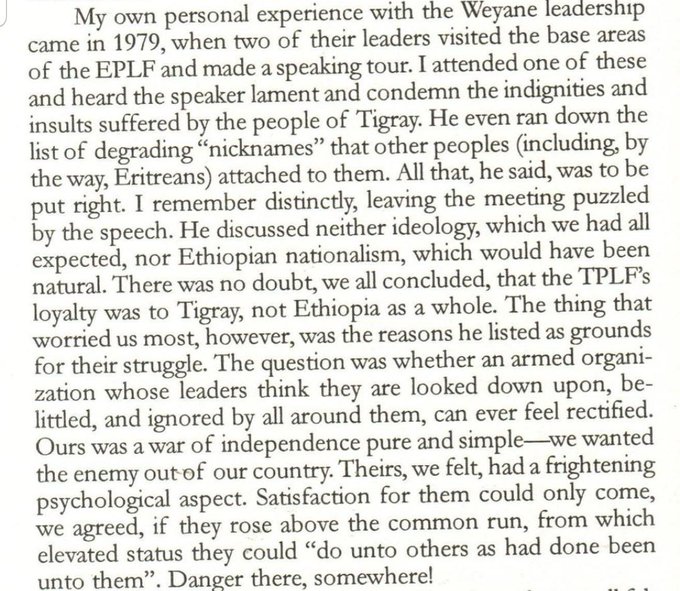
This should sink in!
Pre-1998 Eritrea Position on the border.
TPLF better know what they've lost.Border disputes were not to be blown out of proportion, as they were of temporary nature and span of life and can await the settlement of the whole border question in the future.
It is important, therefore, to relegate them to low levels of priority.
More immediacy and importance should be given to the maintenance of the atmosphere of good will, strategic cooperation & joint devt progrms.
The March of Folly! Journal Essay by Alemseged Tesfai, 1999.
Behind TPLFs 'Love-Hate' circus vs Eritrea
- 1970s-Love
- Mid 80s- Hate
- Late 80s- Early 90s-Love
- Late 90s-2018- Hate
- Since 2019- sort of bipolar swing between Love & Hate.
Lesson to #OromoProtests
(MEHRETAB MEDHANIE: @EriPrism)
Re: ዑደት ላዕለዋይ ወተሃደራዊ ልኡኽ መንግስቲ ኤርትራ: ናብ ሱዳን
ብሓቂ መሃሪ ዘተ ብኤልያስ ኣማረ ..
ህዝቢ ትግራይ ንጃንዳ ወያነ ንምንታይ ዘይቃወም ንዝብል ሕቶ፡ ዘቕረቦ ስቶክሆልም ሲንድሮም ዝብል መልሱ ኣዕጊቡኒ፡ ንምውፋስ ግን ግዜ ከምዘድሊ ኣሕሲቡኒ።
Please wait, video is loading...