Ethiopian News, Current Affairs and Opinion Forum
Zmeselo
Senior Member+
Posts: 36979
Joined: 30 Jul 2010, 20:43

Statement, by Ms. Elsa Haile...

Post by Zmeselo » 12 Jun 2020, 10:09


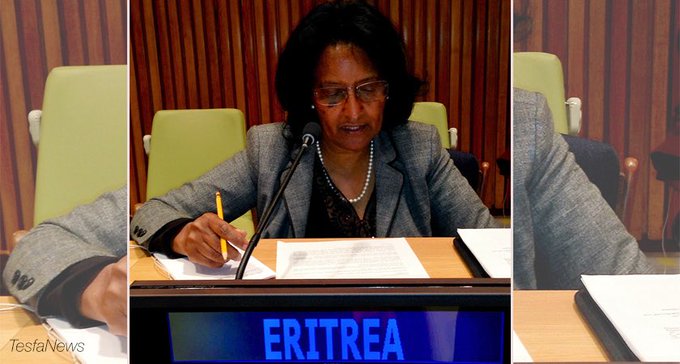
Statement: Intervention by Ms. Elsa Haile, Director, International Organization at the Ministry of Foreign Affairs of the State of Eritrea at the meeting of National Focal Point of LDCs in Africa On Response to COVID-19 and Way Forward


http://www.shabait.com/news/local-news/30679-statement-

Asmara, 11 June 2020

Madame Chair,
Dear Colleagues,


I would like to start by thanking Ambassador Perks Master Clemency, Chair of Group of the Least Developed Countries. Eritrea commends your leadership. Our thanks also goes to Ms. Fekitamoeloa Utoikamanu the Under Secretary- General and High Representative for LDCs, LLDC, and SIDS and her team for convening this important meeting.

It is my honour to share with you Eritrea’s experience and lessons learned in containing COVID-19 and mitigating its socio-economic effects.

The first case of COVID-19 in Eritrea was registered on 21 March 2020. Eritrea has to date recorded a total of 41 cases and zero deaths; 39 individuals have fully recovered and 2 cases are still active. Since the emergence of this global pandemic, Eritrea pursued a two-pronged strategy: containing this deadly disease and continuing with the major national development projects.

In relation to COVID-19, early mitigation measures and intensive public awareness campaigns have been important in containing the spread of COVID 19 and reducing its effects. The GoE began thermal screening at all ports of entry in late January in order to detect and isolate cases and for contact tracing. Once the first case of the virus was recorded in late March, the government took swift action to close borders, ban intercity travel and travel by air to and from the country. Eritrea, introduced “Stay-at-Home” measures to prevent the spread of COVID-19. Through close cooperation with the private sector we have boosted prevention; local manufacturing industries were retooled to produce disinfectants.

Any measure would not have been successful without the full contribution and cooperation of the citizens. Despite all the severe disruptions and challenges it created, Eritreans all over the country appreciated the importance of the measures taken and have fully respected the guidelines. Societal contribution in Eritrea went beyond respecting the measures; the Eritrean society has shown exemplary commitment, solidarity, and burden sharing. People continue to make financial and material contributions, one example being the cancellation of rent payments until the restrictive measures are lifted.

Media in Eritrea has played a decisive role in helping with the dissemination of valuable information to help build awareness amongst the population. Singers, actors, comedians, the artist community in general, all have come together to communicate critical and key messages with humor, song and acting; and this has been well received by the public.

The technical and financial contributions of the Eritrean diaspora as well from nationals living in Eritrea cannot go unmentioned. Aware of the impacts that COVID-19 will have on the country, Eritreans all around the world have continuously raised funds for the efforts to fight the battle against the COVID-19 pandemic. In the past two months Eritreans abroad have raised millions of dollars for the national fight against the pandemic. Our diaspora communities continue to support each other and share the burdens and pains. The same is true for all segments of the population inside the country.

We are acutely aware of the economic set back the pandemic might create, the GoE is keen on ensuring that this pandemic does not overwhelm or paralyze us and disrupt the development programmes that the country has embarked on. Within the appropriate social distancing and sanitation requirements, it has exempted vital sectors including manufacturing, agricultural, mining, construction of major roads and dams.

Madame Chair
Dear Colleagues,


While we recognize the success so far achieved, we cannot be complacent. In order to be able to continue to control the spread of the virus, the High-Level Task Force on COVID-19 announced in mid-May that the GoE will conduct random and widespread testing across the country in different phases to estimate the spread of COVID-19. The first phases of these tests were finalized on 2 June in the capital of Asmara.

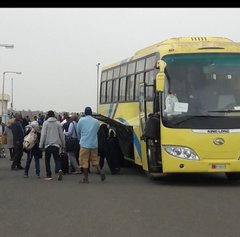
Although flights to and from Eritrea have been stopped since the outbreak of COVID-19, travel to the country through land continue to grow at this point in time. As a result, 5270 individuals were put in quarantine in 81 centres established throughout the country during these past months; 3477 of these were released subsequently after due processes while 1793 individuals still remain in quarantine in 45 centres. It is evident that this influx will continue even as necessary border control measures are taken.

Madame Chair,
Dear Colleagues,


The most important lessons from this unprecedented global pandemic crisis, are the following:

1. The importance of enhanced prevention and mitigation strategy - upgrading human, institutional, financial, technological capacity, including capacities of manufacturing drugs and medical equipment;

2. Active community awareness and involvement. Collaborative community role is indeed critical for successful implementation of restrictive measure proposed

3. Importance of working to deliver accurate and timely information about the health crises to the public, including proactively dealing with misinformation and existing societal prejudices.

4. Harnessing the financial and social remittance of the diaspora.

Madame Chair,

As the effects of COVID-19 continue to unfold, it is clear that this pandemic will have long term impacts on our countries and our continent. While LDCs in the aftermath of this pandemic will need the solidarity and international support, it is most important that we continue to engage with each other and share lessons learned in order for us to regain and advance our development objectives.

I would like to express a heartfelt appreciation to Eritrean health workers, the Police, artists and all essential workers that are putting their lives and the lives of their loved ones to keep us safe

I would also like to take this opportunity to express Eritrea’s solidarity with all the countries that are fighting this pandemic and extend our condolences for the loss of human lives.

I thank you.
Last edited by Zmeselo on 12 Jun 2020, 16:03, edited 7 times in total.

Zmeselo
Senior Member+
Posts: 36979
Joined: 30 Jul 2010, 20:43

Re: Statement, by Ms. Elsa Haile...

Post by Zmeselo » 12 Jun 2020, 10:12

The Ministry of Foreign Affairs, in conjunction with relevant GOE bodies & Embassies, has finalized arrangements for 3rd/4th batch of Eritreans to return to their respective countries of residence abroad. Charter Flight today: 157 nationals to the US; tomorrow: 41 nationals to Europe.

ሚ/ጉ/ወጻኢ፡ ምስ ዝምልከቶም ኣካላት መንግስትን ኣብ ኤርትራ ዝመደበረን ኤምባሲታትን ብምትሕብባር ብዝጀመሮ መስርሕ ምምላስ ኤርትራውያን ነናብ ዝነብሩለን ሃገራት፡ ሎሚ 157 ዜጋታት ናብ US፡ ጽባሕ ድማ 41 ዜጋታት ናብ ኤውሮጳ ክምለሱ’ዮም።
(Yemane G. Meskel: @hawelti)

________
____________________


U.S. Embassy Asmara:
We arranged a second repatriation flight today for 148 American citizens who were visiting Eritrea but got stranded when commercial airline flights were suspended.
Last edited by Zmeselo on 12 Jun 2020, 15:37, edited 2 times in total.

Zmeselo
Senior Member+
Posts: 36979
Joined: 30 Jul 2010, 20:43

Re: Statement, by Ms. Elsa Haile...

Post by Zmeselo » 12 Jun 2020, 10:21

EriXpress with Lori Admokom, on the commemoration of Eritrean Martyrs Day 20th June 2020.

Last edited by Zmeselo on 12 Jun 2020, 11:06, edited 2 times in total.

Zmeselo
Senior Member+
Posts: 36979
Joined: 30 Jul 2010, 20:43

Re: Statement, by Ms. Elsa Haile...

Post by Zmeselo » 12 Jun 2020, 10:26


Last edited by Zmeselo on 12 Jun 2020, 11:03, edited 1 time in total.

Zmeselo
Senior Member+
Posts: 36979
Joined: 30 Jul 2010, 20:43

Re: Statement, by Ms. Elsa Haile...

Post by Zmeselo » 12 Jun 2020, 10:50


IN STRIDE

Meb Keflezighi on Being Black in America

In the midst of protests against police brutality and a global pandemic, four-time U.S. Olympian Meb Keflezighi weighs in on racism and running


Martin Fritz Huber

https://www.outsideonline.com/2414514/m ... sm-running

Jun 10, 2020

When he retired after the 2017 NYC Marathon, https://www.outsideonline.com/2254586/so-long-meb there was arguably no professional runner in this country more adored than MebrahtomMebKeflezighi. A part of this, surely, was that the charmed trajectory of Meb’s life seems to confirm an idea that is (was?) essential to our national self-image. A childhood immigrant from Eritrea, Meb became a U.S. citizen in 1998. He was a multiple all-American and NCAA national champion at UCLA. He qualified for four U.S. Olympic teams and won a silver medal in the marathon at the 2004 Games in Athens. He is one of only three American men to have won both the NYC and Boston Marathons. The latter victory came in 2014—the year after the bombings turned Boylston Street into a scene of mass carnage. It was the first time an American man had won the race in 31 years. https://www.outsideonline.com/1802851/m ... n-marathon

By his own admission, Meb—who is now 45 years old and a “running ambassador” for several companies as well as the co-owner of the Carlsbad 5000 road race—is also not one to rock the boat. At the press conference after the U.S. 2016 Olympic Trials, a reporter asked about an apparent mid-race scuffle between Meb, who finished second, and the winner, Galen Rupp. Meb said that there was a moment where Rupp should have given him more room—this was a road and not a track race, after all. For Meb, this was about as confrontational as it got.

However, over the past week and a half, as protests have erupted across the country in the wake of the killing of George Floyd by a Minneapolis police officer, Meb has used his social media platforms https://www.instagram.com/runmeb/?hl=en to join the chorus of dissent. He spoke with Outside to share his thoughts on recent events, running, and being black in America

OUTSIDE: First things first, where have you spent the last couple of months and how have you and your family been coping?

KEFLEZIGHI: Family’s good. I’m in Tampa, Florida. I moved here about a year ago with my wife and daughters. We’re just kind of taking it day to day. When quarantine started here, it was kind of crazy, because stores were running out of things. You’d go to the store and you could only get two milks, even if you have three kids. I had some experience with that when I was in Eritrea, so it’s not new new for me, but it’s new for me in the United States where you always had an abundance of things. Here in Tampa, we got hurricane season coming up. There’s always something, I guess.

For a lot of runners, this sport provides a psychological coping mechanism during difficult times which, it’s safe to say, our country is currently going through on several levels. Have you been running during this time and, if so, do you feel like it’s helped you mentally?

Absolutely. For me, running was something that I was fortunate enough to make a living out of. To get paid to be fit and strong—it’s a dream come true. At the same time, I love running. I’m not competing anymore, but I love to go out for a run every day, if I can. I like to do it in the morning, because then I’ll have a happier day—a more productive day. It gives me a sense of accomplishment, but it’s also a form of stress relief. Before it was my livelihood, but it’s a therapy for me. Since the pandemic, I’ve seen more people running and walking in the neighborhood. I think it is a coping mechanism. There are no organized races, but people need to go outside.

Over the past week we have seen two major crises in this country converge. While the pandemic might pose a more immediate threat to American life, some have argued that systemic racism is a more serious, long-term affliction for this country and that the health risks of mass protests are worth getting the message across. What do you think about the protests?

First and foremost—my thoughts go out to George Floyd’s family. Because it’s not just one life, but the trickle effect that goes out from something like that, which is humongous. And what happened in Georgia, to Ahmaud Arbery https://www.outsideonline.com/2413115/a ... -community— it’s just ridiculous. Enough is enough. Wrong is wrong. People have just not been heard and that’s what the protest is. Why is it happening now? I think the timing is interesting—fewer people are going to work which, in a sense, gives them more freedom to protest but also, you know, thank God for smartphones. This has been happening for a long, long time. They say that a picture is worth a thousand words. To see those videos—not that we wanted to see them, or that we should have to see them to believe it—but it’s proof that it has happened and it’s woken up many people. If you want to ask me personal things that I’ve encountered in the past, I’d be more than happy to share them with you, but this is something that has happened to all African Americans, young and old, you know? By the same token, there are some good cops who do care and serve the community and the people, but there are also some that are taking the lives of innocent people for no reason.

Have you taken part in any of the protests?

Two days ago we joined the protest over on Kennedy Boulevard, my wife, myself, and my daughters. The protest is necessary. If we can make a change, it’s going to be gradual, but, yeah, it’s a marathon. It doesn’t happen overnight. Wish it did. Colin Kaepernick was ahead of the game.

You generally have not been too outspoken in response to smaller controversies in our sport. If I remember correctly, you were pretty low-key about, for instance, criticizing the Oregon Project https://www.outsideonline.com/2399673/r ... on-project in the wake of the doping allegations. Just judging by your social media profile and your public response to the national outcry in the wake of the killing of George Floyd, this time seems different. Is that a fair assessment?

You could say that. You asked me to speak about these things and I’m more than happy to give you my time and opinion. But I’m not the person to say, “Hey, listen to me!” So, yeah, I’m not that controversial. But, with this matter, I think that it’s important to say something. At the protests, people were saying that silence is not good. And silence is what has happened for a long time.

Would you mind sharing some of the things that have happened to you personally?

After a UCLA party in the late ‘90s, when I was a student, I was driving a 1973 Ford LTD and I got stopped by the police. And the first question I got asked is: “Do you have a gun?” Now, what makes him say that? I was a student. Or, I remember I got stopped by the police in Minneapolis, six years ago or so. I hadn’t done anything wrong, but it was two o’clock in the morning, and I was dropping somebody off at his house after an Eritrean wedding. I’m not going to lie, I was nervous. They asked me if I had been drinking. I said,
No, I’m a professional athlete and I don’t drink. I only had Coca Cola.
But he pulled me over and made me do the whole thing. Walk the line. Close your eyes. Balance. All that. And I’m looking at this thinking, Is this really necessary? I didn’t swerve. There’s no reason for me to get pulled over. I obeyed the rules, but if I had gotten aggravated or whatever, who knows how it would have ended? I was with my friend and I just told him,
Be cool. We don’t want to do something stupid.
But, obviously, I’m aware that I’m in Minnesota at two o’clock in the morning wearing traditional Eritrean clothes. The cop asked me for my driver’s license and I just told him that I had nothing to drink, except a soda. I tried to be truthful and honest, because I wanted to save his time and my time. And my life and his job.

As an African-American runner, did the Ahmaud Arbery story feel especially personal to you?

I mean, he was the same age as my brother and my family loves sports, so, of course. My wife, whenever I go for a run, she always says, “Safe travels,” or “Get home safe.” But when I run around Bayshore or around wealthy homes, especially in the summer if I’m running with no shirt, I have that thing sometimes. Especially after what happened with Arbery. You ask yourself, “Am I really safe?” Back when I was in Mammoth Lakes, training at altitude, I was fearful because I knew that there are deer hunters with guns. So when I run in the wilderness, on the trails where you don’t see anybody, absolutely I wore bright colors. Yellow. Red. Orange. And, yeah, sometimes, when you do see people, they give you a look. As a pro runner that’s why I liked to have people ride their bikes with me while I ran. They kept me company, for one, but also they have your back when sometimes people don’t drive safely or ask, “What the hell are you doing here?” or flip you off, or whatever. You have to be calm and control your emotions, because if you say something it could turn ugly real quick.

You lived in San Diego for many years, which, in several respects is the opposite of Mammoth Lakes. What was it like running there?

In San Diego there was a trail that I loved by a golf course. It was a seven-and-a-half mile loop and I would do three loops to get in a 21-mile run. But it’s very exclusive people. I didn’t go there by myself. I had to wait for a Caucasian to go with me, otherwise I knew I was going to get stopped by security, but I loved it. I would drive 25 miles sometimes just to go there for my long run.

You’re telling me that, even at a time when you were the best, most famous American marathoner, you wouldn’t go running there by yourself?

It was super exclusive. Wood chips. Horses. I loved it, personally, but I would never do that by myself. The beauty of being a distance runner is that, when you’re with your fellow runners, you’re a hero. But when you’re running, you’re just a random person. You’re not the famous football or basketball player. You’re just the skinny old distance runner. Fortunately, or unfortunately, I lived both lives. There’s subtle racism. I used to fly first class and always tried to wear a collared shirt or whatever to look presentable. But sometimes I liked to wear a beanie, because I get cold. And you go onto the flight and you’ll be putting up your carry-on bag above the seat and somebody will say,
Excuse me—that’s for first class.
And I’m like,
Well, okay. Let me show you my ticket.
Do you think that there are ways in which we could better address racism in our sport?

I like to think our sport is very inclusive. And I’ve seen that, over the years, more African-American, more Indian, more Asian people participate. But it’s still a predominantly white sport—especially cross-country or distance running. We need to reach out to more African-Americans and people of color to participate in road racing events. Distance running, I’ve always said, is where nobody knows your religion, or what your educational background is—you just go out there and run 26.2 miles. But you do see what the majority of the people doing it look like. With the benefits of being a distance runner for mental health, if we can get more people doing it, it would be a winning situation for everybody. Of every race.
Last edited by Zmeselo on 12 Jun 2020, 11:03, edited 1 time in total.

Zmeselo
Senior Member+
Posts: 36979
Joined: 30 Jul 2010, 20:43

Re: Statement, by Ms. Elsa Haile...

Post by Zmeselo » 12 Jun 2020, 10:58


Here, "Isaac the Immortal" tops the La Liga

ÁNGEL LÓPEZ

https://www.mundodeportivo.com/futbol/r ... -real.html

Alexander Isak is the only player who has participated in all "La Reals" matches. Mundo Deportivo has been noted. "Isaac the Immortal", writes the magazine.

After a long break due to the corona pandemic, La Liga is back. The Spanish series resumed yesterday, Thursday, with a derby between Sevilla and Real Betis (2-0) and on Sunday Alexander Isaacs Real Sociedad makes a comeback when they receive Pamplona club Osasuna.

The fact that football is now back has not avoided any newspaper in the country. Neither does Mundo Deportivo, who, in a shorter article, draws attention to Alexander Isaac, or "Isaac the Immortal," as he is called.

The reason for that? The Swede is the only player in Real Sociedad who has participated in all matches so far this season, 27 in the league and seven in the cup. Only two other players in La Liga can boast to have also participated in all their team's matches, Iñaki Williams (Athletic) and José Luis Morales (Levante). However, Isaac has far from started all matches.


In the league game, Isaac has so far been noted for seven goals - the same figure applies to Copa del Rey.

With eleven rounds left to play, Real Sociedad currently has the last Champions League spot.

Zmeselo
Senior Member+
Posts: 36979
Joined: 30 Jul 2010, 20:43

Re: Statement, by Ms. Elsa Haile...

Post by Zmeselo » 12 Jun 2020, 13:31


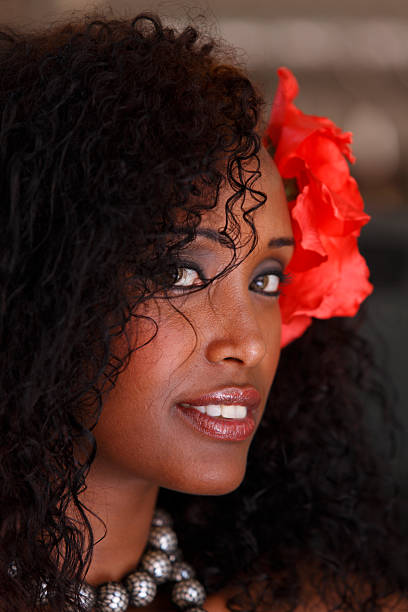
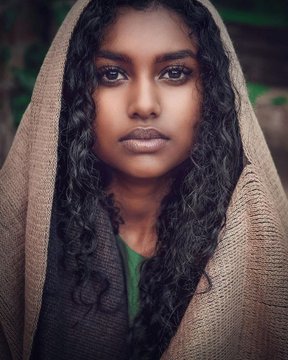
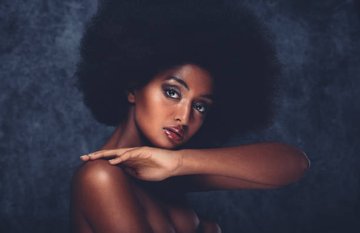
Gorgeous Eritrean queens!!
(ERITREA IS BEAUTIFUL: @TravelToEritrea)

Zmeselo
Senior Member+
Posts: 36979
Joined: 30 Jul 2010, 20:43

Re: Statement, by Ms. Elsa Haile...

Post by Zmeselo » 12 Jun 2020, 14:27


JUNE 12, 2020

Competing for cooperation in the Red Sea

By Corrado Cok
Intern at Gulf State Analytics. He previously worked in Djibouti, where he researched the Red Sea’s geopolitics and Arabian-East African relations

https://www.neweurope.eu/article/compet ... e-red-sea/


The council signed its charter at the meeting. AFP

On January 6, the foreign ministers of eight coastal states—Djibouti, Egypt, Eritrea, Jordan, Saudi Arabia, Somalia, Sudan, and Yemen—gathered in Jeddah to sign the charter of a new regional organisation.

The organisation’s lengthy name—the Council of the Arab and African States bordering the Red Sea and the Gulf of Aden—reflects its broad and ambitious mandate: Strengthening political, economic, and security cooperation across the region. The Red Sea basin is indeed one of the world’s most critical waterways, where 230 million people live and 10% of international trade and four million oil barrels transit every day. Not surprisingly, Middle Eastern powerhouses have partially reviewed their foreign policies to “pivot to the Horn” in recent years.

The Council’s genesis

Despite their critical geostrategic position, Red Sea countries experience profoundly different conditions. At one end of the spectrum, Saudi Arabia has launched several large investment projects to build an oil-free economy such as Neom. At the other, two of the Council’s member states, Somalia and Yemen, are wrecked by civil war while another, Sudan, is coping with a complex transition to democracy. Such disparities are the reason why numerous actors from within and without the region called upon enhanced multilateral cooperation. In this perspective, the Council represents the first accomplished project rallying together the countries of the Red Sea and Gulf of Aden rim.

As the location of the signing ceremony suggests, the Council was conceived by Saudi Arabia. Born as a Saudi-Egyptian joint initiative, Riyadh took ownership of the project in 2018 by throwing its weight behind it to overcome the reservations of the other prospective members. The Saudi acceleration did not come without frustration from the Egyptian government. Instead of a light cooperation forum, as envisaged in Cairo, the Council has taken the shape of a structured organisation, perhaps not unlike the Gulf Cooperation Council (GCC).

The Council was not the only initiative on the table. In 2018, the EU and Germany tried to convene a meeting with regional stakeholders in New York but without much success. Moreover, the African Union (AU) and IGAD (the East African organisation) had both appointed special envoys to explore viable cooperation frameworks. But their proposals of large membership were met with resistance by Egypt and, to a lesser extent, Saudi Arabia. As a result, the Saudi plan outflanked all other initiatives for regional cooperation.

Saudi Horn policy

The Horn of Africa attracted Saudi Arabia’s attention in 2015 for a mix of military, economic and security considerations. Firstly, the Yemen civil war led Riyadh to secure the Bab Al-Mandab area to prevent arms smuggling in support of the Houthis. The Saudis hence took over the Eritrean base of Assab and agreed with the Djiboutian government to build a military base on its territory. Secondly, the Horn offered an attractive region for investments that could replace other Middle Eastern counties, such as Syria, from where Riyadh had withdrawn. Finally, yet importantly, Iran, Qatar, and Turkey, with their footholds in the region, constituted a security threat to Saudi Arabia in its close neighbourhood.

Given these considerations, the Saudi strategy centred around the provision of financial and security assistance to African governments in exchange for alignment with Saudi foreign policy. This Horn policy culminated with two significant accomplishments: the Saudi- and Emirati-brokered peace between Ethiopia and Eritrea and the decision made by Eritrea and Djibouti to downgrade their relations with Qatar in 2017. Now the Council of the Red Sea and the Gulf of Aden seems embedded in this very strategy. The overriding purpose of the organisation is regional security, as made clear in public statements. But despite the emphasis on piracy, smuggling and terrorism, Riyadh’s key security concern remains the Qatari and Iranian presence in the region. Therefore, the Council risks becoming just another instrument against Tehran, Doha and their likes that would extend divisions from the Middle East to the Horn of Africa.

Outstanding issues

Another fundamental issue affecting the Council is membership. During past conversations, Saudi and Egyptian officials rejected any extended interpretation of the region, as wished by the African Union. Nevertheless, even gathering direct stakeholders has given rise to frictions in a region fraught with bilateral rivalries. While Israel’s exclusion is unsurprising, the absence of Somaliland, the semi-autonomous state in northern Somalia with 850km of coast on the Gulf of Aden, deprives the organisation of a valuable asset in the fight against piracy and smuggling. Saudi Arabia backed down on Somaliland fearing to alienate Mogadishu, already close to Ankara. But even more notable is the exclusion of Addis Ababa, which complicates any cooperation project in the region. The country is not only projected to become the Horn’s leading political, economic, military and demographic power in the years to come but is also deeply reliant on the Red Sea and the Gulf of Aden for its development. Yet, once again regional enmities stepped in and Cairo vetoed Ethiopia’s membership as part of its diplomatic offensive against the Grand Ethiopian Renaissance Dam.

Other issues question the Council as a viable security structure

First, the pressures for the exclusion of Saudi Arabia’s rivals could exacerbate tensions between and within Horn states. For example, Qatar gave up its mediation role and withdrew its peacekeepers from the disputed border between Eritrea and Djibouti, when both countries decided to downgrade their relations with Doha. In Somalia, these pressures could put under strain the already troubled relationship between federal and local governments, respectively allied with Turkey and the United Arab Emirates.

Second, given the rapid but uneven growth rates across the Horn, any adequate investment in security should focus on rural development and public services. Nevertheless, Gulf-Horn development cooperation could suffer a severe setback as a result of the recent oil crisis. After the fall in prices in the past months and the OPEC agreement, Riyadh will understandably need to reduce its allocations to foreign countries. This would challenge the idea that Gulf’s largesse can be the engine of Red Sea cooperation.

As its premises show, the Council of the Red Sea and the Gulf of Aden rests upon Saudi Arabia’s foreign policy. While this framework could enshrine remarkable opportunities for cooperation, its setting appears at least problematic. The issues of membership, external and internal divisions, a securitised approach and the oil crisis will hunt the Council in the immediate and long term. The direction it will take is yet to be seen, as is the reaction of excluded actors. The first meeting of the Council’s chiefs of state will be crucial in this regard. The competition for cooperation in the Red Sea has just moved up to the next level.

Zmeselo
Senior Member+
Posts: 36979
Joined: 30 Jul 2010, 20:43

Re: Statement, by Ms. Elsa Haile...

Post by Zmeselo » 12 Jun 2020, 15:39


Last edited by Zmeselo on 12 Jun 2020, 21:30, edited 1 time in total.

Zmeselo
Senior Member+
Posts: 36979
Joined: 30 Jul 2010, 20:43

Re: Statement, by Ms. Elsa Haile...

Post by Zmeselo » 12 Jun 2020, 17:46


Everyday racism: Breaking cycling's other glass ceiling

By Laura Weislo

https://www.cyclingnews.com/features/ev ... s-ceiling/

8 hours ago

Why are Black riders so under-represented in the pro peloton?
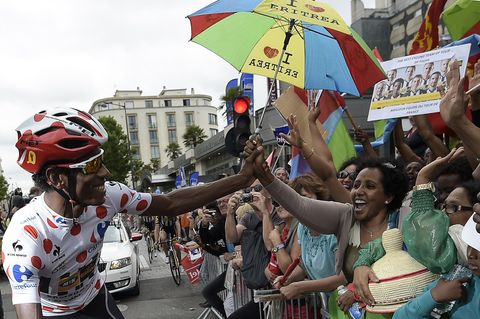

MTN-Qhubeka's Daniel Teklehaimanot made history with his run in the polka dot jersey.
Daniel Teklehaimanot at the 2015 Tour de France (Image credit: Getty Images Sport)


Major Taylor was the first African American to win a cycling world title and the second Black athlete to be crowned world champion in any sport way back in 1899. While the world has supposedly become more progressive since then and most major league sports have become more diverse – the NBA and NFL are majority Black players – road cycling has remained very, very white. Why?

As the world reflects on race, societal power structures, and attitudes that perpetuate bigotry and racism in the wake of the police killing of George Floyd, the insular world of professional cycling can no longer ignore the issues at hand.

There has been a steady influx of South and Central Americans, Asians, Africans and Middle Easterners in the professional peloton, but there are only five Black riders in the WorldTour and five in the Pro Continental ranks - none American - and the number has decreased in recent years.

Though you can argue the development structures are not as well established in those nations, the same cannot be said for the so called 'land of opportunity'. And yet, there are no African American riders in any of the seven US Continental teams and none on any ProTeam, WorldTeam or Women's WorldTeam.

The numbers are quite stark: there are 113 US riders are licensed on professional teams but zero of them are Black. Looking back over recent road history, you can count the number of African Americans who've had even a remote shot at the WorldTour or the sport's top level on one hand.

The question of why there are so few Black riders in the professional peloton is a complex one and each rider's experiences and views are different. It's not a simple as multiple overtly racially biased incidents https://www.cyclingnews.com/news/testim ... -says-uci/ making for a hostile environment. The barriers exist at every level, in every country and throughout society.

Cyclingnews reached out to two African American riders who've made it to Europe – Rahsaan Bahati and Erik Saunders – to hear their stories and highlight what is keeping more Black riders from progressing through to the sport's top level.

Everyday racism
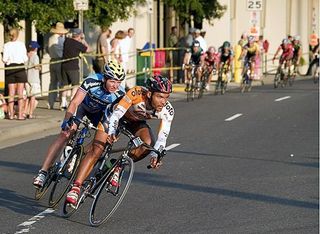

Erik Saunders in the Bank of America Invitational Criterium, Charlotte, USA, August 7, 2004Erik Saunders in action for Ofoto in 2004 (Image credit: Peter Brentlinger/www.peterbrentlinger.com)

Saunders, 45, came up through the junior ranks after switching from mountain biking to road. Unlike most riders, who have a dream of racing in Europe and go through the national developmental programs to get there, Saunders forged his own path.

After attending Virginia Commonwealth University and making his name in the regional and national racing scene, he made his way to Europe through personal contacts rather than relying on the USA national team. He raced with the Vendée U team in 1999 and 2000 and the Swiss Ficonseils team in 2001 before returning to the US to race for various Continental squads in the 2000s.

As Saunders described his experiences to Cyclingnews, he talked a lot about race as a construct created by those in power and used, along with gender and class, to control people and put them in 'boxes', adding that anyone taking up cycling in the US becomes an outsider because it's a fringe sport.
You know you won't fit in, and I never wanted to fit in,
Saunders says.
Even in the Black community getting on a bike puts you on the other side of the fence. They worried about my safety, they thought I was strange. To some people it's cool but it bothers some people. I always knew I wanted to race but I knew it was out of the box, so I expected to not fit in.
That said, racism and bigotry absolutely were factors in his career.
One hundred per cent, things went certain ways because I wasn't taken seriously as a cyclist because of my race,
Saunders says,
because of ideas that others had about me. How big a factor was it? I don't know – it's as if it's one of the letters that spell the word factor. Racism isn't isolated to cycling – it's intertwined in life – every single day, racism.
Saunders developed his expectations for the sport as he went along – his coping mechanism was to embrace the role of the outsider rather than try to fit in. He chose to make his own way because he felt like the national team coaches looked at him and assumed he would be a certain way because of his race.
I didn't look like all the riders they had success with in the past,
he says, adding that when he didn't test well after a long, hard season of racing it confirmed their assumptions but when he did well in drills on the road, they seemed surprised.
Certain people weren't ever going to get a look by the national team, or you'd have to keep trying and trying to really stand out. I wasn't interested in playing that game,
he says.

Both Saunders and Bahati say the racism in the US feels different to that in Europe – that in Europe there are other factors like bias against those who don't speak the language or are from different regions of, for example, the French-speaking world. But Saunders said in the US he's had riders race specifically against him because they didn't want to see a Black rider win.

That and other micro-aggressions put a glass ceiling over riders of colour that Saunders compares with doping in the EPO era - where racing clean meant a fruitless struggle to succeed, where riders could only climb so high.
It's like doping in that it changes the result, and you'll never know what was true or false, what could have been - you know it makes your job harder and you accept that ceiling. In a racist society it means that you have to make the same kind of calculation as with doping.

I accepted that others may place a ceiling on me. But in the end that had nothing to do with why I was there racing. I accept that I cant always influence the actions of others and so I had my own goals and didn't expect anything from anyone. So when I didn't get everything others got it wasn't important, it wasn't stopping me from enjoying myself, but of course I know I was treated differently.
Insider/Outsider
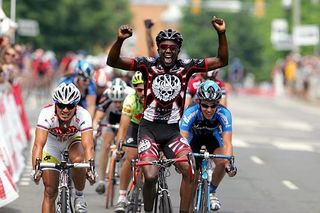

Bahati scored the team's first big winRahsaan Bahati wins with Rock Racing in 2007 (Image credit: Jonathan Devich)

While Saunders never expected to feel accepted, for Bahati, the experience felt different. He wanted to race in Europe and wanted to feel a part of the established cycling world but struggled to find acceptance.

Bahati is possibly the one African American rider who came the closest to the WorldTour. In 2006, Bahati signed with Jonathan Vaughters' TIAA-CREF squad and came agonisingly close to a European career but - like many white riders - it didn't work out.

His feelings of being an outsider started when, as a junior in 2000 he won numerous races including the elite criterium national championship at 17 against riders much older and more experienced, but even that wasn't enough to convince USA Cycling (then USCF) to include him on the national team for the world championships.
They told me I had to win the junior road race at Nationals if I wanted to be selected for Worlds. I had been winning races all year, but I have to win? I won the race solo, but what if I had gotten second?
Bahati remembers.

Bahati's U23 career was cut short when he went to college at Indiana University, but a top 10 in the Wachovia Classic against a slew of top riders earned him his shot with Vaughters' TIAA-CREF team in 2006.

The learning curve was steep. The team tasked Allen Lim with training him but Bahati struggled with the workload. He remembers his teammate Mike Creed encouraging him, telling him 'it's the only way' - but in his first stint in Europe, he didn't make the cut.

He remembers overhearing the team's directeur sportif saying something like 'he's not worth it' and it knocked the wind out of him.
At the time I thought I should have had equal opportunity to progress but it was one shot, you miss, you're done. Others had multiple shots,
Bahati says.
When you see it first hand, there's no other way to look at it unless you're in denial. Why did you give up on me so quickly? You knew what I was capable of ... it still bothers me. My dream was to race in Europe and I didn't get that opportunity.
He came home and trained, won a stage at the Tour of the Gila and refocused on trying to get into the Tour of California but again, he missed the cut.
The selection came down to who could do X watts for X minutes. Cycling is all about the numbers,
he says, admitting,
I don't test well but I race well. Numbers don't make you a good bike racer. It would have been good for the sport, for Tour of California, for the Black community, for the team - but I missed out.
All of the missed opportunities, he says, are bigger issues for Black riders than for their white counterparts.
There are a smaller number of Black riders racing bikes. If John Smith isn't selected for the team, his race is still represented. But if you isolate it to us, we're a small number, now you can see the impact to a whole generation of Black cyclists,
he says.

His fellow Californians Justin and Cory Williams have echoed that sense of isolation felt among a mostly white peloton.
The transition from [growing up in Los Angeles] to the US national team and being the only person of colour there was crazy. Being involved in a primarily white sport it was hard not to feel alone, and it ultimately cracked me,
Williams said in a 2019 interview.

Cory Williams said on Instagram last week:
I've struggled in my career. I've been one of the top cyclists in America even the best at my age at one point. I've been national champion, won a stage race overall, won a green jersey, won over 20 state championships and been top 20 at national road races as a junior and never been able to represent America on the national team.
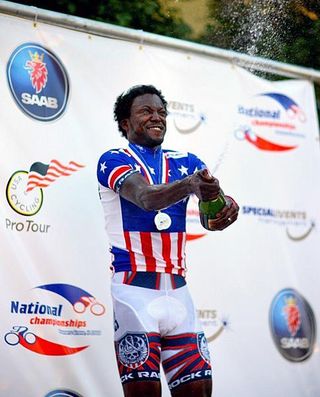
Rahsaan Bahati celebrates his win in the 2008 US Pro Criterium Championships: Rahsaan Bahati celebrates his win in the 2008 US Pro Criterium Championships (Image credit: Vero Image)

Vaughters responds

Cyclingnews reached out to Vaughters regarding Bahati's suggestion that he was not given a fair chance, and Vaughters admitted that cycling needs to do better.
The sport of cycling needs to do a much better job when it comes to ensuring Black athletes are better represented, period. We absolutely have to do better,
Vaughters said in an email.
On the matter of Rahsaan's time with us, I regret that his time on the team didn't come sooner. We were much more of a development-focused team in the 2004 and 2005 seasons, and we prioritized preparing riders for the jump to the top level of the sport. By the time we signed Rashaan in 2006, we were so focused on making it to the Tour de France ourselves that many of our riders were on short-term deals and we weren't giving most of those riders – Rahsaan included – enough time to develop.

Rahsaan was a true talent, and he had the ability to develop into a great sprinter. We spent time on the coaching and training elements, but I should have been more cognizant of the fact that Rahsaan was coming into a very white sport. In nearly every European race Rahsaan competed in, he was the only Black rider. I'm sure that was incredibly alienating, and I wish I had done more to improve his time with the team.
Vaughters highlighted the failures of development structures from the junior level on up.
Fundamentally, there is a lack of opportunity, mentorship, and coaching that's available early on for Black riders that's foundational. That's an issue we as a community and industry need to solve so that by the time those athletes are at the WorldTour level they are positioned to succeed. We need to start by listening to athletes like Rahsaan, first and foremost. As a sport, we have much work to do.
USA Cycling responds

USA Cycling's CEO Rob De Martini says the development model is broken and does not reach deep enough into the potential pool of talent in the country.
There tends to be a common entry for young riders to come into cycling - typically it's from another sport that they've skilled, injured or bored out of. They have a family member or friend who introduced them to cycling,
De Martini says - but with minorities already underrepresented it will take a more concerted effort.

USA Cycling is focussed on getting more youth from diverse backgrounds into the sport through programmes like Outride and learning from successful grassroots groups like Black Girls Do Ride.
We are committed to finding ways to make cycling look more like the population of the United States but we're a long way from that,
De Martini says.
We shouldn't be out there measuring sock height, we should be asking how we can get more kids to see cycling as a sport that they can do.
He says that in his year with the organisation, they've created a Diversity, Equity and Inclusion committee to address gender and [deleted] issues and have broadened it to include all underrepresented groups with the aim of having a more diverse team for the next Olympic cycling, in particular for the 2028 Summer Games in Los Angeles.

Before COVID-19 led to the cancellation of all mass-participation events, USA Cycling had cut its membership fees in half and introduced a family membership where two adults and any number of their children can be members for $60 per year.

The USA team for the 2021 Tokyo Olympics is not a diverse one, but De Martini says,
We can't fix the past but we can work for positive changes going forward.
Looking toward the future
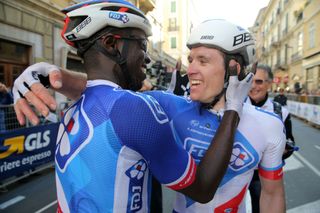

Kévin Reza and Arnaud Demare after Milan-San Remo: Kévin Reza and Arnaud Demare after Milan-San Remo in 2016 (Image credit: Getty Images Sport)

Saunders compares racism's effects to the effects that doping had on clean riders in the 1990s - but unlike doping, it's impossible to address the problem without larger societal changes of race, gender and class.

Fixing the issue of racism in cycling means listening to what riders are saying, challenging one's own preconceptions, and questioning the power structures in the sport.

Saunders challenges people to ask why the concept of race exists and why a Black cyclist seems so different.
When African riders started to compete in the Tour de France it was shocking to people. When you see a black man on a bike there are different kinds of reactions - it's a novelty (at best) or it's a sign of something that's coming, something that threatens their position. People see you where they think you don't belong and they ask, 'what's the agenda?'.

Being seen either as a novelty or a threat, either way it's demeaning...
There may be no good answers on how to make cycling more diverse until the larger societal structures shift, but Saunders said he has some regrets about not speaking out more strongly during his career. He said the inevitable blowback is frustrating and draining.
But you need to listen and believe the experiences [of Black riders].
Saunders now runs his own business manufacturing socks and mudguards called Memory Pilot, while Bahati and Cory and Justin Williams have created their own safe place for themselves and other like-minded riders in Los Angeles.

Bahati created the Bahati Foundation to get more inner-city youth on bikes. The Williams brothers created the L39ion of Los Angeles team, a veritable wrecking crew that dominate every race they enter. They recently raised over $80,000 to help fund the L39ion team and they plan to support junior programs and riders with equipment needs, revamping the Major Motion junior team named after Major Taylor.

Bahati says that getting Black riders into the pro peloton means more than just 'hey, put me in the race'.
One hundred per cent you have to have the goods, but I didn't get a fair chance. It could change the monetary future of your family who weren't in a position to own real estate, to buy stocks. It's another generation fighting for their lives,
Bahati says.
It's not enough to be represented in paid media and ads. It's not genuine, it's just a checked box - there is no longevity.
Bahati says the industry should open its hiring practices and have more diversity up through the executive level.

Saunders wants people to question what they believe about pro cycling.
People think it's a waste of time to look at cycling in South America or Africa because European cycling is already the best - the flow of thought is coloured by that idea,
he says, encouraging people to challenge what narrative led to those beliefs.

Both he and Saunders agree the power structure needs to change.
Cycling needs to come together. There needs to be leadership. We never had to be vocal because it never touched home. Now it's worldwide. It's time for companies to take a stance and say, 'this is what we represent'.
Resources

Major Taylor Association http://www.majortaylorassociation.org/ - Educational resources about Major Taylor including a list of associated clubs http://www.majortaylorassociation.org/A ... lubs.shtml (note, slightly outdated).

Black Girls Do Bike https://www.blackgirlsdobike.com/home (USA) - Their motto is "It's like a pep rally for black girls on bikes". A group of cycling clubs and chapters across the United States creating a welcoming and comfortable place to introduce the joy of cycling to all women, but especially women and girls of color. Find your local chapter. https://www.blackgirlsdobike.com/chapters

Black Cyclists Network https://www.strava.com/clubs/black-cycl ... ork-480755 (UK) - a private Strava club: "Our aim is to connect cyclists from Black and Minority Ethnic (BAME) background. We also want to use our platform to encourage people of colour to take up cycling. We are a majority BAME club, But don't let that put you off. We are an inclusive group. We welcome supporters and members from all backgrounds who share our vision".

We Bike NYC http://webikenyc.org/ - WE Bike NYC is a group based in New York City open to all women, female identifying, and gender nonconforming people who enjoy biking (or think they might). WE Bike NYC aims to break down barriers to cycling and build community by offering FREE social rides, training rides, and educational workshops. WE Bike because it’s a great way to get around New York, it’s healthy and it’s FUN!

Reading

The unbearable whiteness of cycling https://theconversation.com/the-unbeara ... ling-76256

15 Influential Black Cyclists You Need to Follow on Instagram Today https://www.bicycling.com/culture/a2624 ... instagram/

Anti-Racism Resources for White People https://docs.google.com/document/u/0/d/ ... obilebasic - An exhaustive list of anti-racism media including movies to watch, essays to read, and people to follow to further educate yourself.

________
_________________________
Eritrea has about 13 Pro cycling riders. Despite their outstanding climbing ability, they are rarely given the chance to lead their teams in Grand Tours.

The level of hassle, with which they grapple to get entry Visas is another nightmare.
(MEHRETAB MEDHANIE: @EriPrism)
Zmeselo
Senior Member+
Posts: 36979
Joined: 30 Jul 2010, 20:43

Re: Statement, by Ms. Elsa Haile...

Post by Zmeselo » 12 Jun 2020, 18:37

EmbassyMedia: Eritrea shines at 29. Narrated by: Yafet Zerou!


Post Reply