What was the origin of the Karrayu before they were forcefully assimilated by the invading Oromo?
Posted: 29 Mar 2024, 16:55
Only answer if you know.


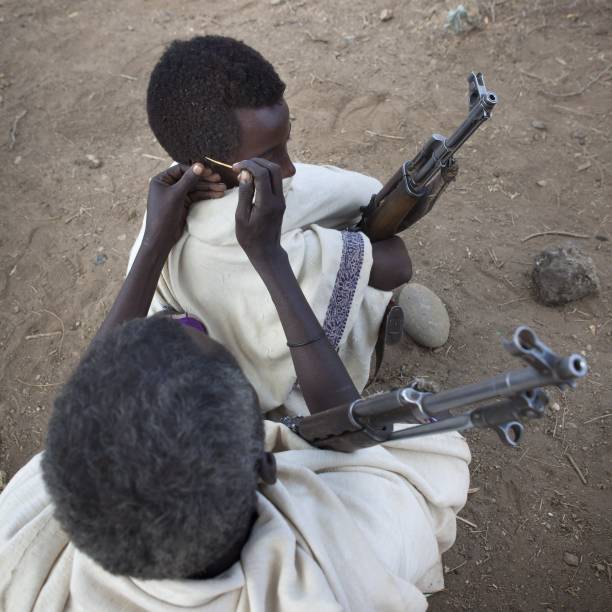

Noble Amhara wrote: ↑29 Mar 2024, 17:27Karayu are not assimilated they are actual pure descandents of the Borana Hordes that migrated into central Ethiopia they maintain the true culture of their forefather Baranto the lowlanderu
Harla lived across Hararghe especially in western Hararghe so todays Ituu Oromo clan descends from Harla and as well Karayu but what is the difference between Ituu clan and Karayu clan? Which one is more Oromo? The awnser is the one which is more like the Borana!
Noble Amhara wrote: ↑29 Mar 2024, 18:08
Harla lived across Hararghe especially in western Hararghe so todays Ituu Oromo clan descends from Harla and as well Karayu but what is the difference between Ituu clan and Karayu clan? Which one is more Oromo? The awnser is the one which is more like the Borana!
According to some, the Karrayyu and Ittu clans are considered to be Oromos with Harla descent.[60] Ittu had occupied the Chercher region from the Harari people and perhaps also Harla.[61] It is believed the extinct Harla were incorporated into Karrayyu and Ittu in eastern Shewa as well as west Hararghe.[62][63]
The Afar also have tribes linked to Harla descent called Kabirtu.[64] In the seventeenth century the Harla of Afar Region were assimilated by Afar people following the collapse of Adal Sultanate.[65] In Afar region, clans named after Harla are still found among farmers in Aussa, and Awash district between Dubti and Afambo. The moniker of clans proposes a fusion between native and immigrating tribes.[66]
Cave painting attributed to Harla near Harar
According to historian Richard Wilding Harla were ancient Cushitic[2] however ethnologist Ulrich Braukämper suggests a Semitic variation which he labels "Harala-Harari" later developed in the Islamic period. Harala-Harari speakers were evidently disrupted by the Oromo migrations, leading to isolated related Semitic languages of Harari surviving in the walled city of Harar, Zay language on the island of Lake Zway and in parts of eastern Gurage territory such as Siltʼe language.[5]
Nicholas Tait proposes Harla language was indistinguishable with Argobba and Harari linguistic classifications.[67] Ewald Wagner believes Harla were Semitic speakers related to Harari and Silte languages.[68]
Field research by Enrico Cerulli identified a modern group called the "Harla" living amongst the Somali in the region between the cities of Harar and Jijiga. Encyclopaedia Aethiopica suggests that this population "may be a remnant group of the old [Harla], that integrated into the Somali genealogical system, but kept a partially separate identity by developing a language of their own." Cerulli published some data on this Harla community's language, called af Harlaad, which resembled the Somali languages spoken by the Yibir and Madhiban low-caste groups.[69]
The Oromo expansions, also known as the Oromo migrations or the Oromo invasions[3][4] (in older historiography, Galla invasions[5][6][7]), were a series of expansions in the 16th and 17th centuries by the Oromo. Prior to their great expansion in the 16th century, the Oromo inhabited only the area of what is now modern-day southern Ethiopia and northern Kenya.[1] Over the centuries due to many factors, mostly the wars between Adal Sultanate and Ethiopia would further encourage the numerous Oromo tribes to expand towards central and eastern modern Ethiopia.[8]
Gudifecha adoption tradition also lead to massive diversification within Oromo populations as they expanded during the 16th century.[8]

Revelations wrote: ↑30 Mar 2024, 01:45According to some, the Karrayyu and Ittu clans are considered to be Oromos with Harla descent.[60] Ittu had occupied the Chercher region from the Harari people and perhaps also Harla.[61] It is believed the extinct Harla were incorporated into Karrayyu and Ittu in eastern Shewa as well as west Hararghe.[62][63]
The Afar also have tribes linked to Harla descent called Kabirtu.[64] In the seventeenth century the Harla of Afar Region were assimilated by Afar people following the collapse of Adal Sultanate.[65] In Afar region, clans named after Harla are still found among farmers in Aussa, and Awash district between Dubti and Afambo. The moniker of clans proposes a fusion between native and immigrating tribes.[66]
Cave painting attributed to Harla near Harar
According to historian Richard Wilding Harla were ancient Cushitic[2] however ethnologist Ulrich Braukämper suggests a Semitic variation which he labels "Harala-Harari" later developed in the Islamic period. Harala-Harari speakers were evidently disrupted by the Oromo migrations, leading to isolated related Semitic languages of Harari surviving in the walled city of Harar, Zay language on the island of Lake Zway and in parts of eastern Gurage territory such as Siltʼe language.[5]
Nicholas Tait proposes Harla language was indistinguishable with Argobba and Harari linguistic classifications.[67] Ewald Wagner believes Harla were Semitic speakers related to Harari and Silte languages.[68]
Field research by Enrico Cerulli identified a modern group called the "Harla" living amongst the Somali in the region between the cities of Harar and Jijiga. Encyclopaedia Aethiopica suggests that this population "may be a remnant group of the old [Harla], that integrated into the Somali genealogical system, but kept a partially separate identity by developing a language of their own." Cerulli published some data on this Harla community's language, called af Harlaad, which resembled the Somali languages spoken by the Yibir and Madhiban low-caste groups.[69]

