
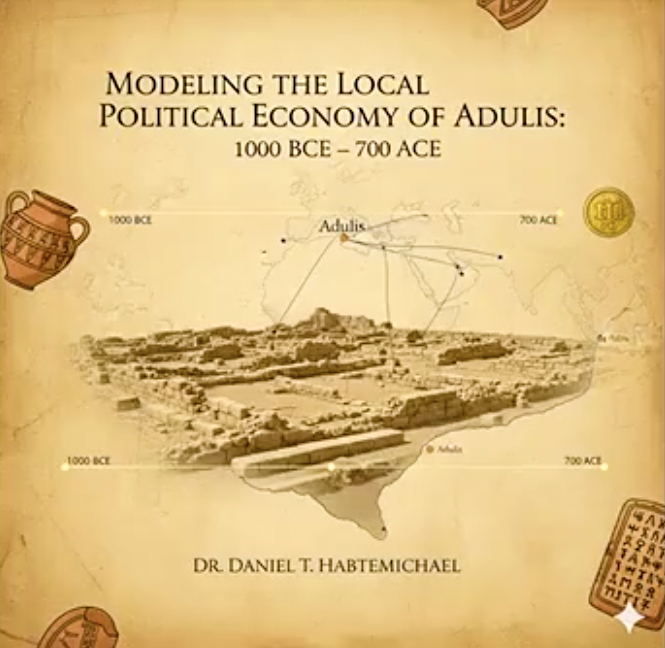
Adulis: Modeling a Classical African Political Economy is from a 2019 doctoral dissertation by Daniel T. Habtemichael, focused on modeling the local political economy of the ancient port city of Adulis in the Northern Horn of Africa between 1000 BCE and 700 ACE.
The core research objective is to challenge the traditional view that Adulis was merely a periphery of the Aksumite world by proposing and testing an alternative hypothesis, that Adulis was an independent political and economic center.
The author uses energetics analysis of Adulis's built forms and artifacts, combined with textual and ethnohistorical evidence, to assess household wealth and the city's role in interregional trade networks, specifically those involving aromatics and war elephants. Ultimately, the dissertation aims to advance the understanding of African history on its own terms, aligning with the perspective of scholars like W.E.B. Du Bois, by thoroughly examining Adulis's complex social organization and strategic position in the Red Sea and Mediterranean trade spheres.
_______________
Chapter 2 Adulis: Literature Review and Theoretical Background.

The Other Side of Eritrea
Adulis: Literature Review and Theoretical Background: is from a doctoral dissertation, analyzing the political economy of the ancient Red Sea port city of Adulis in the Northern Horn of Africa between 1000 BCE and 700 ACE. The research directly challenges the conventional interpretation that Adulis functioned simply as a periphery or trading post for the Aksumite empire, arguing instead that Adulis was a wealthy, independent center within its own right.
To support this claim, the author uses anthropological archaeology, employing energetics analysis of architecture (labor and time costs calculated from 3D models of built forms) to assess the city's internal wealth and social stratification. Findings suggest that Adulis’s significant position in antiquity was founded on its strategic location and its established role in crucial interregional trades, notably the exchange of aromatics and war elephants.
The methodology combines archaeological fieldwork with textual data and ethnohistory to build a robust case study, that refutes traditional center-periphery models. Ultimately, the dissertation seeks to advance the study of African history by focusing on local complexities of power and economic units, aligning with the perspective that W.E.B. Du Bois advocated for the study of long-term Afro-European relations and mutual respect.
_______________
Chapter 3 Adulis wasn’t just a port.
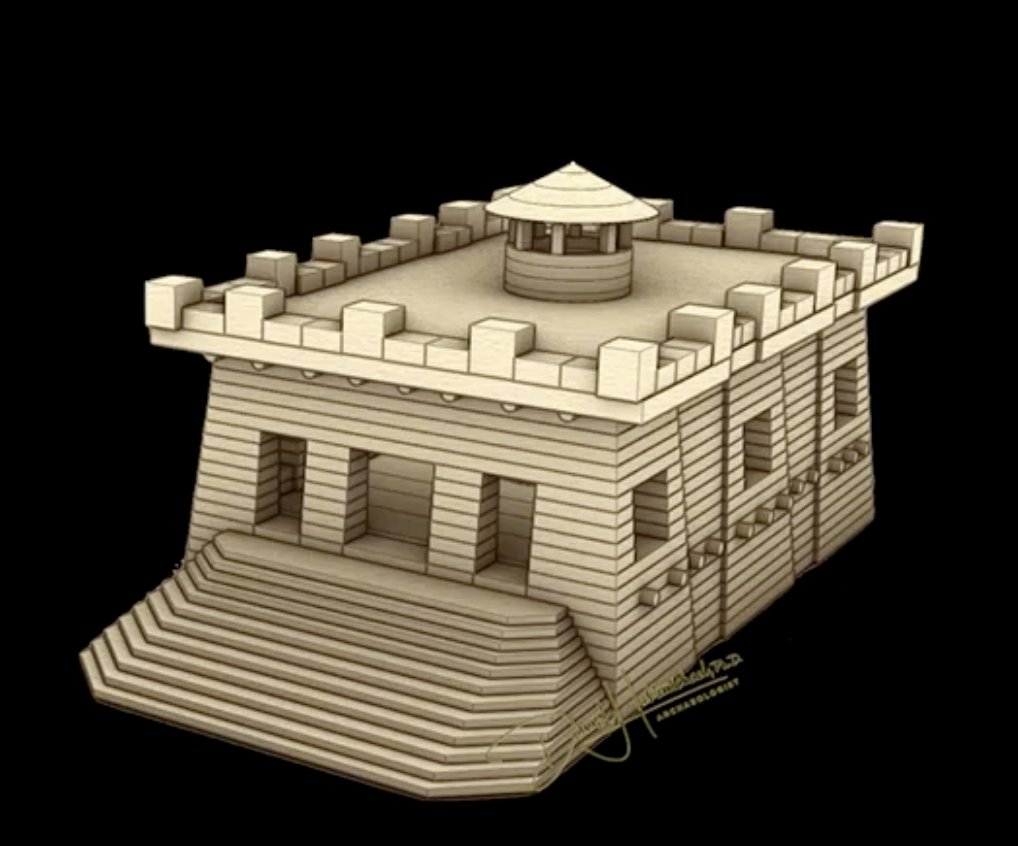
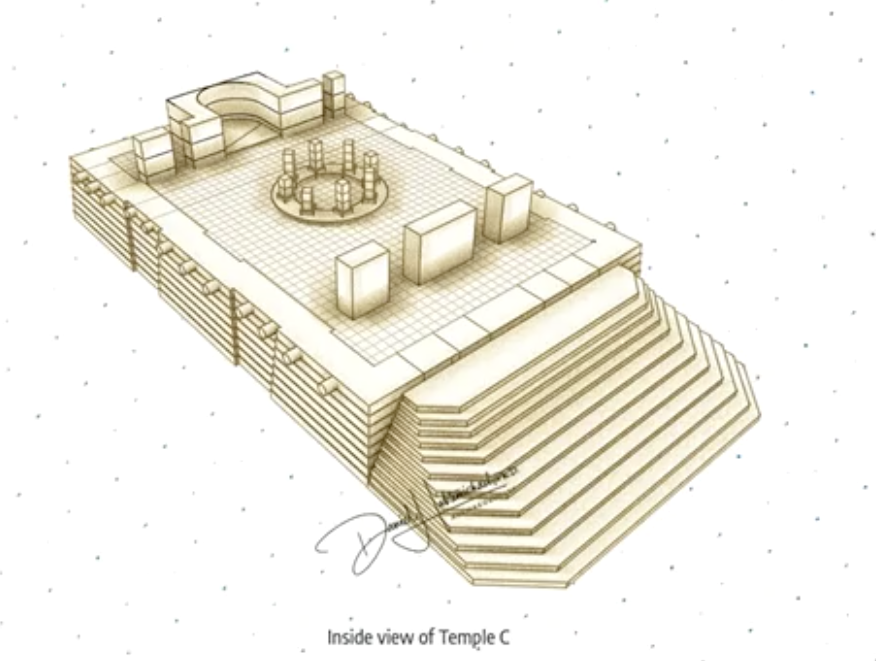
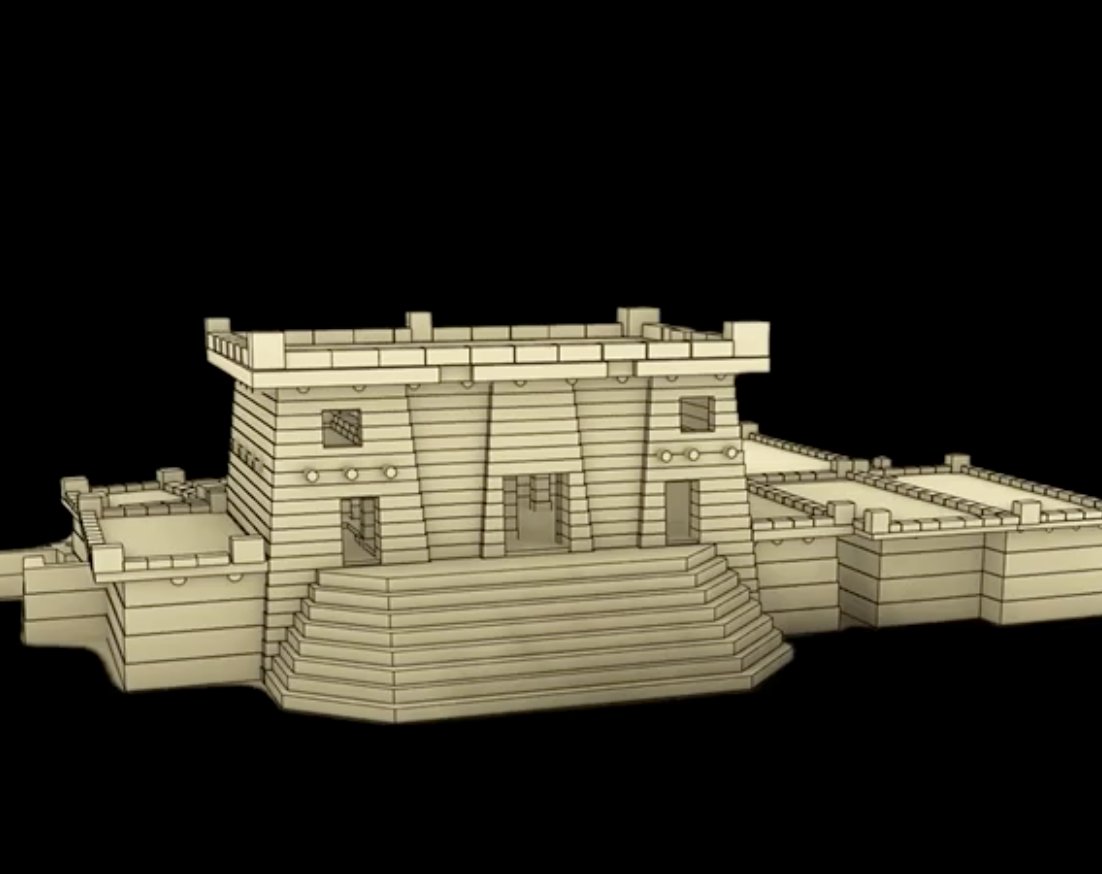
Its architecture reveals a full spectrum of wealth, power, and community labor. CAD models + masonry grades = proof of a thriving economic center.
_______________
Chapter 4 New analysis of Adulis’ artifacts flips the script.


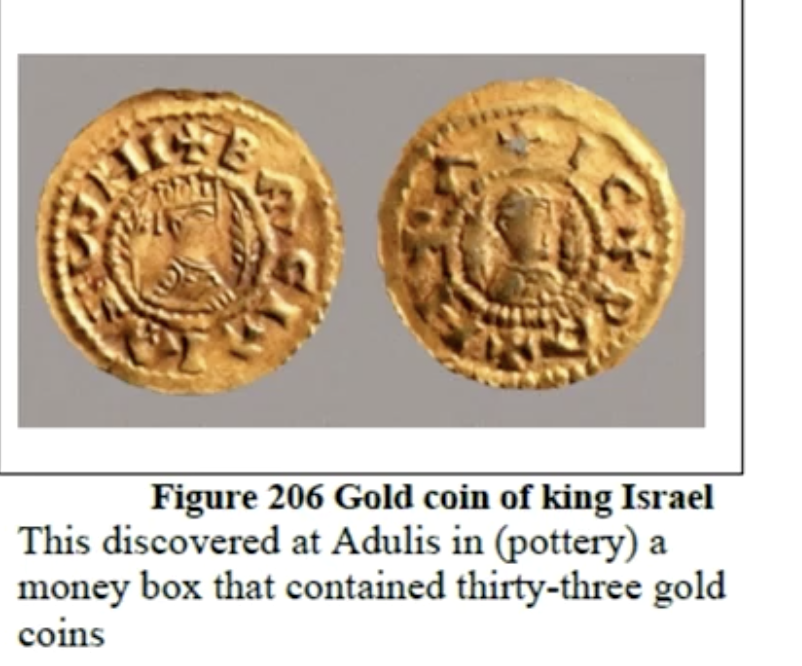

70% of all NHA coinage was found at Adulis, the Throne of Adulis was a high-tech symbol of regional authority, and elite Christian officials even called the Aksumite king a “minor king.” Adulis, wasn’t a port. It was the powerhouse.
_______________
Chapter 5: Production Of War Elephants at Adulis
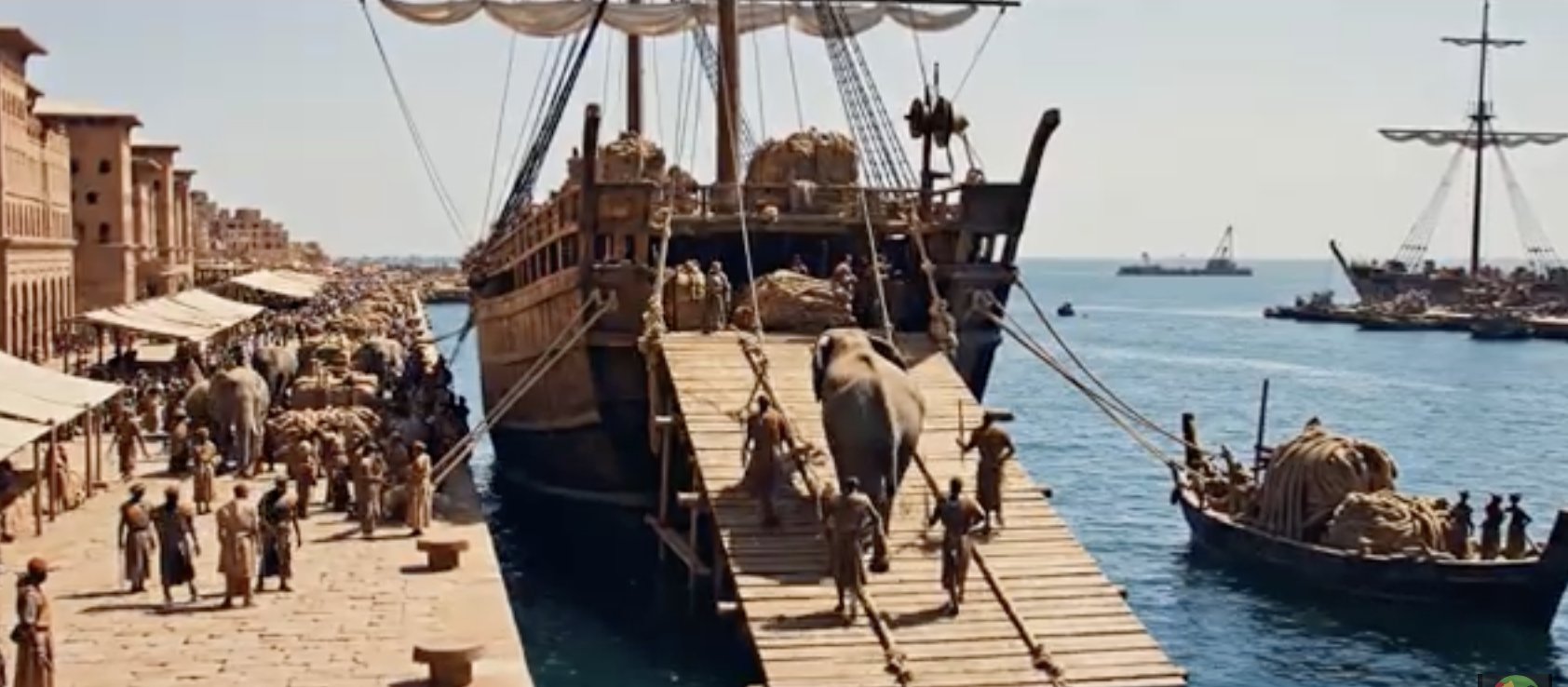


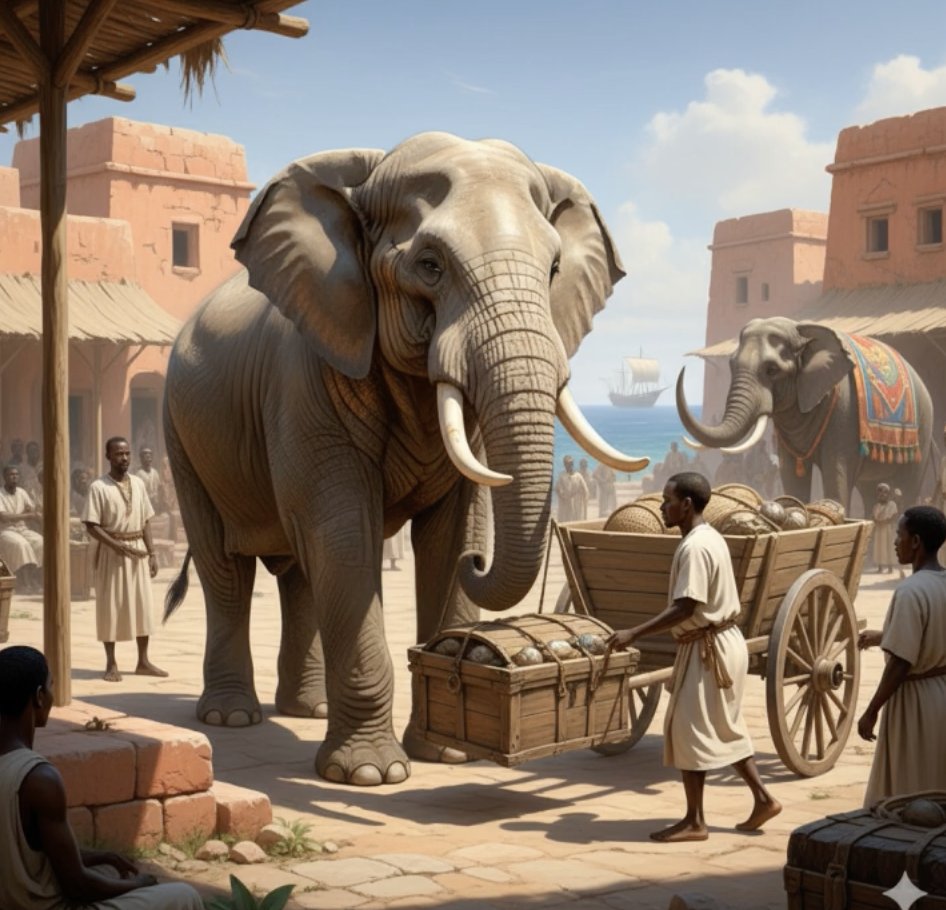
Adulis was the primary center for the production of African war elephants (Laxodonata cyclotis) used by major polities during the classical era. The analysis first details how these highly intelligent, non-domesticated animals required a resource-intensive, cooperative process involving specialized mahouts, making capture and training more practical than breeding. Supporting this central assertion, the text examines newly developed taxonomic analysis identifying the specific forest elephant species utilized in combat, which was once abundant in the Adulis region.
Further archaeological and material evidence—including ivory artifacts, elephant-skin-wrapped mummies, and protective graduated masonry architecture—is presented to confirm the physical presence and extensive use of these animals at the site. This perspective is reinforced by textual sources, such as the Monumentum Adulitanum, which document the Ptolemies’ reliance on Adulis for their military elephant supply and logistics.
Finally, the source places this production within the broader context of the regional political economy, exploring the elephant’s heroic symbolic importance in local origin myths and its strategic role in historical battles like Raphia.
_______________
Chapter 6: Aromatic Trade At Adulis




Adulis, the ancient Red Sea trade in aromatics, focusing specifically on the highly valued resins frankincense and myrrh, which were considered necessities for religious and medicinal practices in antiquity. The chapter concentrates on the pivotal role of Adulis and its connection to the ancient trade partner of Egypt, the legendary land of Punt.
Utilizing a combination of archaeological, botanical, and textual evidence, the analysis refutes earlier suggestions and argues that Punt was most likely located along the East Sudan and Eritrean coast. The author also addresses the historical debate regarding the route of this exchange, providing strong textual evidence and nautical analysis to support the use of the Red Sea route over the Nile.
Furthermore, the source incorporates modern ecological data and historical Eritrean export figures to demonstrate the significant anthropogenic decline of the Boswellia papyrifera species over the last century.
_______________
Chapter 7: Conclusion.
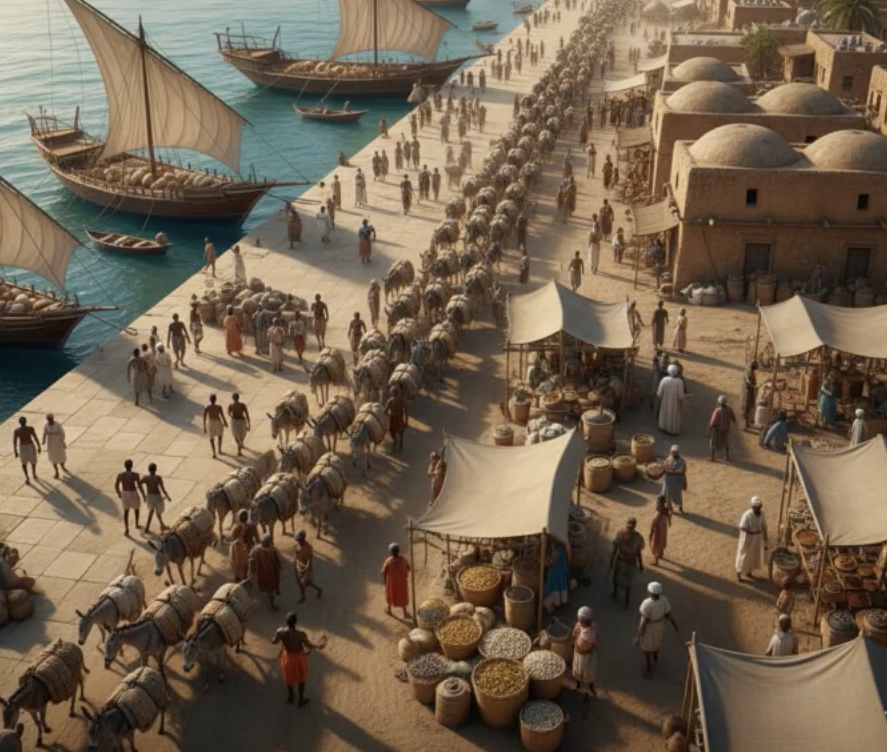
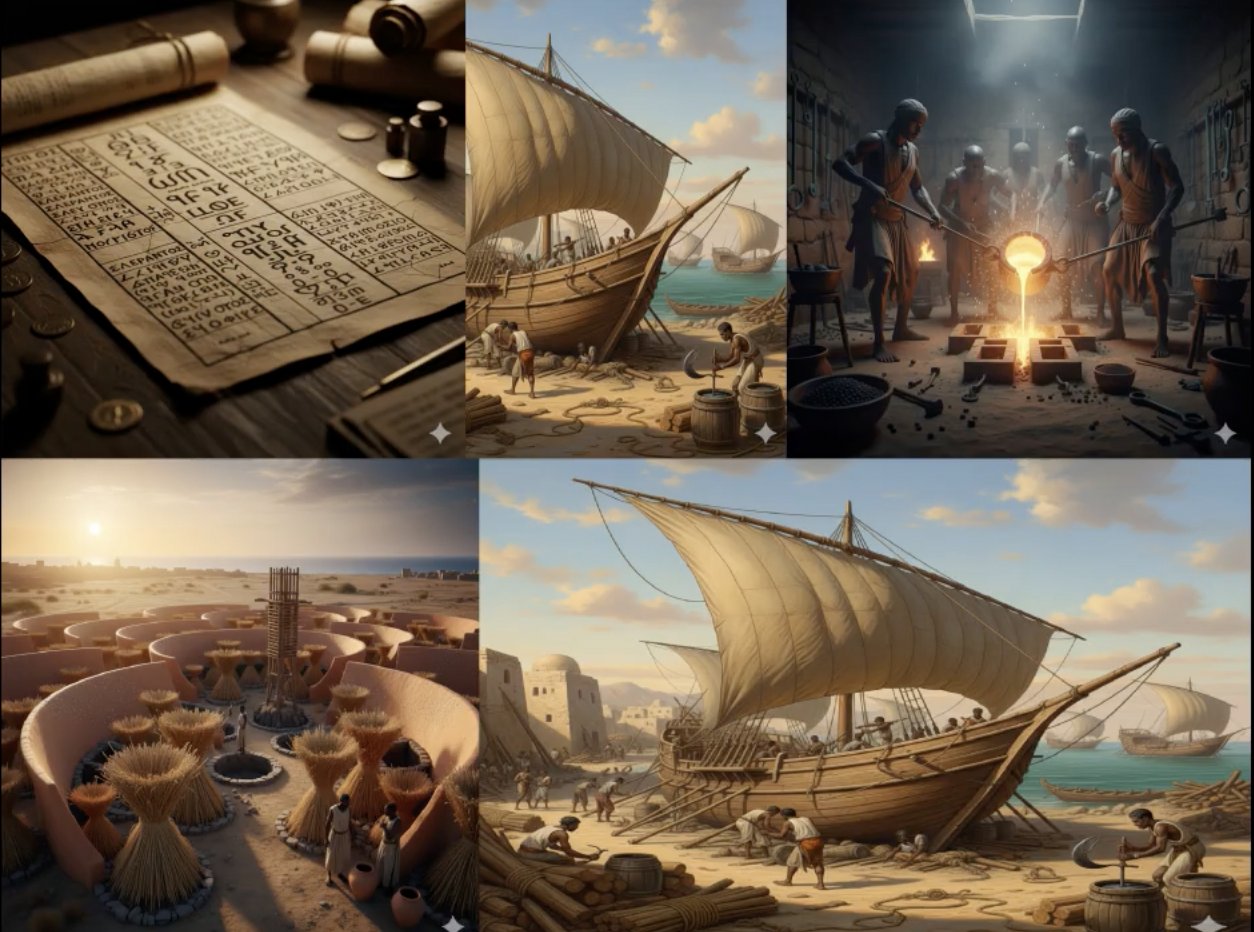
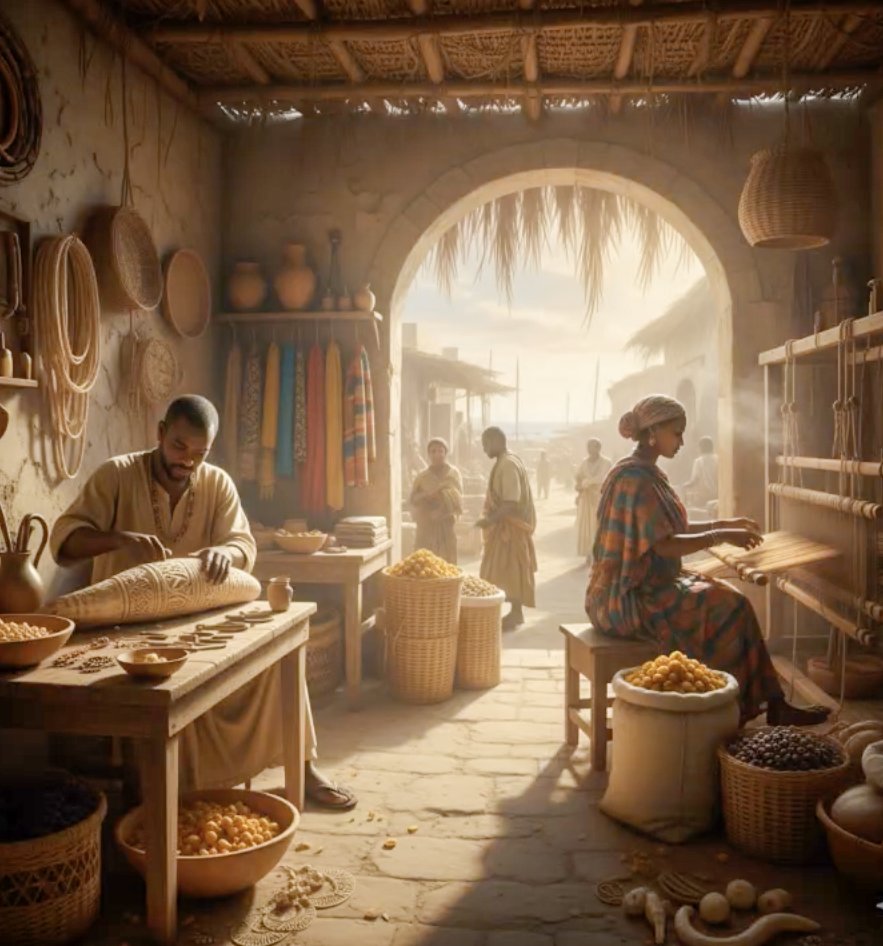

The political economy of the ancient port city of Adulis in the Northern Horn of Africa during the Classical Age (1000 BCE–700 CE).
The author argues against the prevailing Aksumite model, which asserts that Aksum dominated the regional world economy, instead proposing the Adulis model, which positions Adulis as an autonomous center within a network of power dynamics.
The research supports this new model by analyzing extensive material data, including the hierarchical built forms at Adulis, the concentration of ancient coins suggesting Adulis was a tribute collector, and its strategic role in war elephant production and the aromatics trade. Furthermore, the work aligns with Du Bois’s observations, seeking to correct colonial distortions in scholarship and introduce new methodologies, such as integrating GIS, 3D modeling, and oral traditions to reinterpret the region's history.
The dissertation ultimately provides significant new data and theoretical contributions toward understanding this critical region.


