Ethiopian News, Current Affairs and Opinion Forum
Zmeselo
Senior Member+
Posts: 36850
Joined: 30 Jul 2010, 20:43

Ethiopia’s Crises: Confronting manufactured peace, broken trust, and the unraveling of continental mediation

Post by Zmeselo » Yesterday, 14:50


Ethiopia’s Crises: Confronting manufactured peace, broken trust, and the unraveling of continental mediation

https://addisstandard.com/ethiopias-cri ... ion/?amp=1

December 12, 2025


Addis Abeba – Ethiopia’s ruling party’s latest attempt at peace-making has once again revealed a familiar and failing pattern: fragmented processes, opaque negotiations, and the quiet complicity of continental bodies entrusted with preventing conflicts.

On 4 December 2025, state media reported that the Amhara Regional Government and the Amhara Fano People’s Organization (AFPO) had signed a “peace agreement” in Addis Abeba. Masresha Setie, recently dismissed as AFPO’s Foreign Relations head, was presented as the group’s signatory, while regional president Arega Kebede signed on behalf of the Amhara regional state administration. Representatives from the African Union (AU) and Intragovernmental Authority on Development (IGAD) were introduced as mediators, and both institutions publicly praised the agreement. The federal government celebrated it, as a response to public demands for peace.

AFPO’s leadership, however, swiftly rejected the deal as “illegitimate” and “unauthorized,” challenging not only the agreement’s validity but the credibility of the AU and IGAD. Their response raises critical questions about the neutrality, competence, and procedural integrity of Africa’s premier peace and security architectures. Instead of facilitating a legitimate and inclusive process, both appeared to have lent their names to a government-engineered narrative.

What is also distinctive about this latest announcement is the revelations that Ethiopia’s internal conflicts are evolving into direct liabilities for continental institutions, expected to uphold regional stability.

For Ethiopia, this pattern is only a repeat of the past. A year earlier, in December 2024, the Oromia regional government announced a “breakthrough agreement” with an individual once a member of the Oromo Liberation Army (OLA). But the group promptly clarified that the deal involved only a former commander and a small circle around him, not the organization.

These incidents reflect a broader strategy: individual-centered arrangements that generate short-term political optics, while sidestepping real conflict resolution. Meanwhile, the war in Oromia has worsened. Areas once insulated, particularly in Eastern and Central Oromia, have become new frontlines. Fighting has at times approached areas bordering the capital, Addis Abeba. The ongoing war in the Amhara region will be no different.

When politics damages peace

The most sought-after bid for negotiated peace occurred through two rounds of formal talks in Tanzania – first in Zanzibar, then in Dar es Salaam – facilitated by the U.S., IGAD, Kenya, and Norway. The first round ended without agreement, but was deemed constructive by both sides. Six months later, the second round generated rare optimism. OLA leaders flew through restricted federal airspace to attend, signaling readiness to pursue a political settlement. Federal military officers participated, showing a growing recognition that the seven-years civil war in Oromia had reached a costly stalemate. Early progress suggested, that a breakthrough was finally within reach.

That hope collapsed abruptly, when senior Ethiopian political officials joined the talks. Within a day, negotiations ended with no agreement. According to OLA representatives, political leaders in Addis Abeba instructed the delegation to block compromise and sought to co-opt individual commanders instead of negotiating in good faith. What military negotiators appeared ready to pursue, political decision-makers derailed. The consequence has been devastating: tens of millions in Oromia remain trapped in violence and uncertainty.

A critical revelation came from former State Minister of Peace, Taye Dendaa, recently sentenced to seven years and two months in prison, who publicly claimed that the government sabotaged the peace talks. His account underscores a painful truth: Ethiopia’s youth continue dying not because the country faces existential threats, but because its political elites refuse to prioritize peace over power.

Pretoria and AU’s diminishing authority

The failed talks with the OLA are not an isolated episode. Under the Prosperity Party, peacemaking has repeatedly amounted to little more than a public-relations exercise. What is increasingly alarming is the way the AU and IGAD have become entangled in providing diplomatic cover for this façade, even as Ethiopia’s militarized crises remain far from resolved.

Two devastating years of war in the Tigray region culminated in the November 2023
Agreement for Lasting Peace through a Permanent Cessation of Hostilities,
signed in Pretoria under AU facilitation and U.S. backing.

The AU was tasked with overseeing implementation. Yet, three years on, its obligations remain largely unfulfilled. Continuing under current conditions risks reigniting conflict, with destabilizing consequences for the entire Horn of Africa. European Union officials, Norway, and multiple diplomatic missions have urged renewed political dialogue between the federal government and the TPLF ahead of elections, rendering the AU’s silence both conspicuous and costly.

Condemning yesterday, avoiding today

A recent AU summit, has focused heavily on reparations for colonial crimes. Yet the same institution has remained largely silent on present-day atrocities within member states, including Ethiopia, where it is headquartered. During the two-year war in Tigray, Amhara, and Afar regions, AU’s silence was profound. Its investigative commission was formed, but never allowed to operate. After two years of inactivity, it dissolved without results, despite findings from the U.S. State Department and the International Commission of Human Rights Experts on Ethiopia (ICHREE) indicating that crimes against humanity and war crimes had occurred.

This deterioration reflects a deeper crisis inside Africa’s conflict-resolution architecture: eroding leadership and diminishing relevance.

Still, a narrow opening remains. The U.S. Horn of Africa strategy prioritizes preventing new wars in Ethiopia, Eritrea, and Somalia, while working to end the conflict in Sudan. The AU could align with this momentum, not by endorsing cosmetic deals, but by enforcing the Pretoria Agreement and restoring credibility to its mediation roles.

Confronting the inescapable

Real peace will not be manufactured through televised ceremonies or sealed in secret corridors. It requires confronting Ethiopia’s crises, directly. This moment demands clarity and courage. As Tenzin Gyatso, the 14th Dalai Lama, reminds us:
Peace does not mean an absence of conflicts; differences will always be there. Peace means solving these differences through peaceful means; through dialogue, education, knowledge; and through humane ways.
For Ethiopia, this means genuine negotiations with OLA, Fano, TPLF, and all other armed actors – rooted in transparency and accountability, not political expediency. It also requires the AU, IGAD and other continental institutions to move beyond symbolic endorsement and act with the authority expected of a continental peace and security institution.

Ethiopia, still has an opening for durable peace. But it will require truth over secrecy, institutional integrity over political maneuvering, and real dialogue over the theatrics of manufactured agreements.
Zmeselo
Senior Member+
Posts: 36850
Joined: 30 Jul 2010, 20:43

Re: Ethiopia’s Crises: Confronting manufactured peace, broken trust, and the unraveling of continental mediation

Post by Zmeselo » Yesterday, 14:55

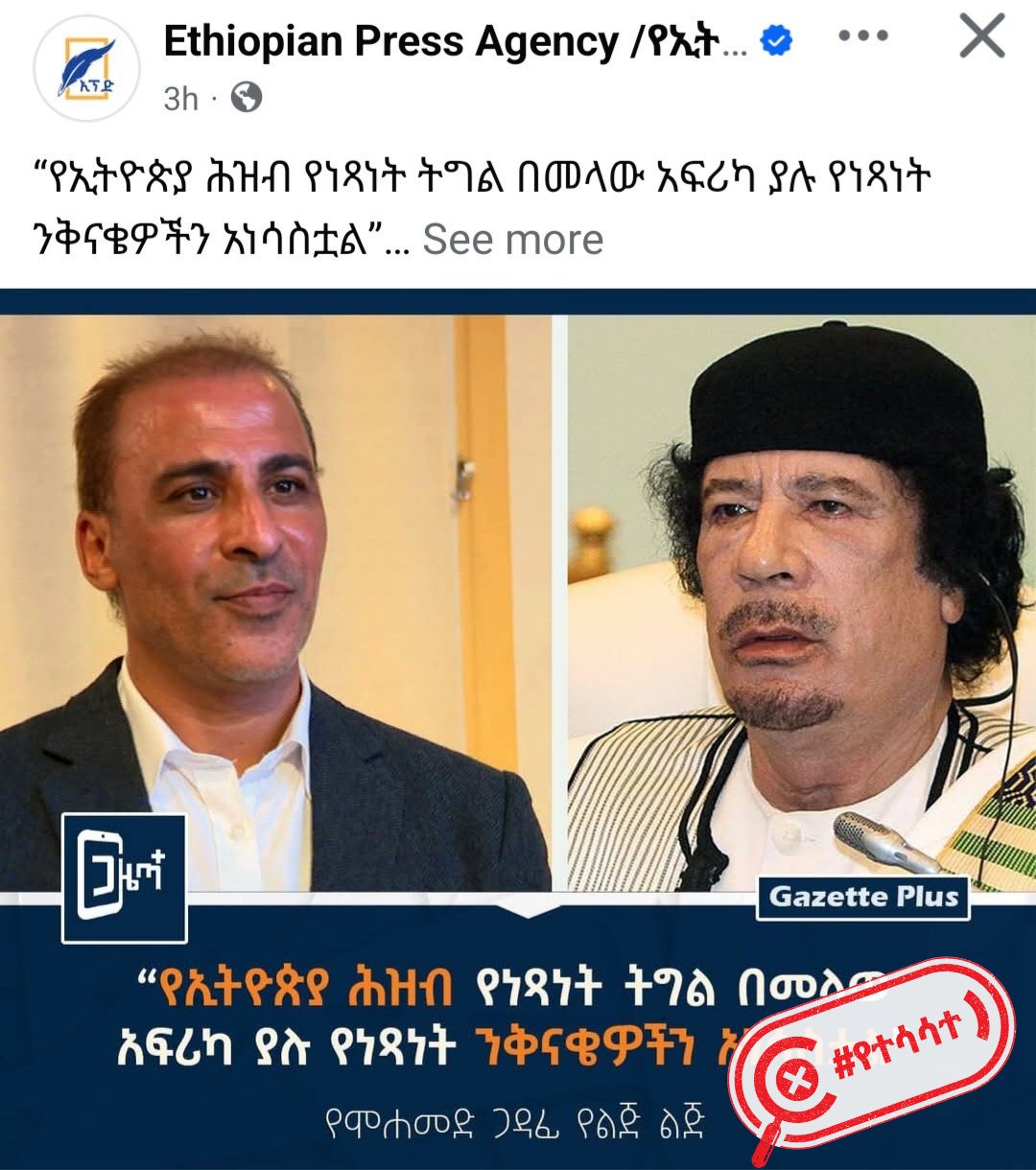
FactCheck በኢትዮጵያ ፕሬስ ድርጅት 'የሞሐመድ ጋዳፊ የልጅ ልጅ' ተብለው የቀረቡት ግሰብ የቀድሞው የሊቢያ መሪ ዘመድ አይደሉም


ኢትዮጵያ ቼክ- የኢትዮጵያ ፕሬስ ድርጅት በዛሬው ዕለት የቀድሞው የሊቢያ መሪ የሞሐመድ ጋዳፊ የልጅ ልጅ በኢትዮጵያ ተገኝተው አንድ ንግግር እንዳደረጉ መረጃ አጋርቶ ነበር።
የኢትዮጵያ ሕዝብ በአንድነት ለነጻነቱ መታገሉ በመላው አፍሪካ ያሉ የነጻነት ንቅናቄዎችን ማነሳሰቱን ሙሳ ኢብራሂም ጋዳፊ ገለጹ


የሚል መረጃ በመንግስታዊው የፕሬስ ድርጅት ተሰራጭቷል።

ሚድያው አክሎም

ሙሳ ኢብራሂም ጋዳፊ ለጋዜጣ ፕላስ እንደገለጹት፣ የኢትዮጵያ ሕዝብ በአንድነት ለነጻነቱ በመታገል በመላው አህጉር ያሉ የነጻነት ንቅናቄዎችን አነሳስቷል


ብሏል።

ይሁንና ኢትዮጵያ ቼክ በጉዳዩ ዙርያ ባደረገው ማጣራት ሙሳ ኢብራሂም ጋዳፊ የቀድሞው የሊቢያው መሪ የልጅ ልጅ እንዳልሆኑ አረጋግጧል።

ንግግሩን ተናገሩት የተባሉት እ.አ.አ በ2011 የጋዳፊ የኮሚኒኬሽን ሚኒስትር ሆነው ተሹመው እስከ ጋዳፊ መውደቅ ያገለገሉት ሙሳ ኢብራሂም ናቸው።

ሙሳ ኢብራሂም በሊቢያ ጦርነት ወቅት ተከታታይ መግለጫዎችን ለጋዜጠኞች በመስጠት የሚታወቁ ሲሆን የኮሎኔል ጋዳፊ መንግስት ከወደቀ በኋላ ግን ረዘም ላለ ግዜ ደብዛቸው ጠፍቶ ነበር። ከዛም ግብፅ እንደተገኙ፣ ግብፅ ለሊብያ አስተላልፋ እንደሰጠቻቸው፣ ሙሳ ኢብራሂም በስተመጨረሻም ከሊብያ እስር አምልጠው ወደ ሰርቢያ መሄዳቸውን መረጃዎች ያሳያሉ።

በዚህም መሰረት ግለሰቡ የጋዳፊ የልጅ ልጅ ናቸው ተብሎ የቀረበው መረጃ የተሳሳተ መሆኑን ያሰባሰብናቸው መረጃዎች ያሳያሉ።

ትልልቅ ሚድያዎች የሚያሰራጩዋቸው መረጃዎች ትክክለኛ መሆናቸውን ሳያረጋግጡ ሲያጋሩ ተአማኒነታቸውን ከመቀነሱ በላይ በርካታ ህዝብን ያሳስታሉ።


ኢትዮጵያ ቼክ! @EthiopiaCheck

Zmeselo
Senior Member+
Posts: 36850
Joined: 30 Jul 2010, 20:43

Re: Ethiopia’s Crises: Confronting manufactured peace, broken trust, and the unraveling of continental mediation

Post by Zmeselo » Yesterday, 15:11


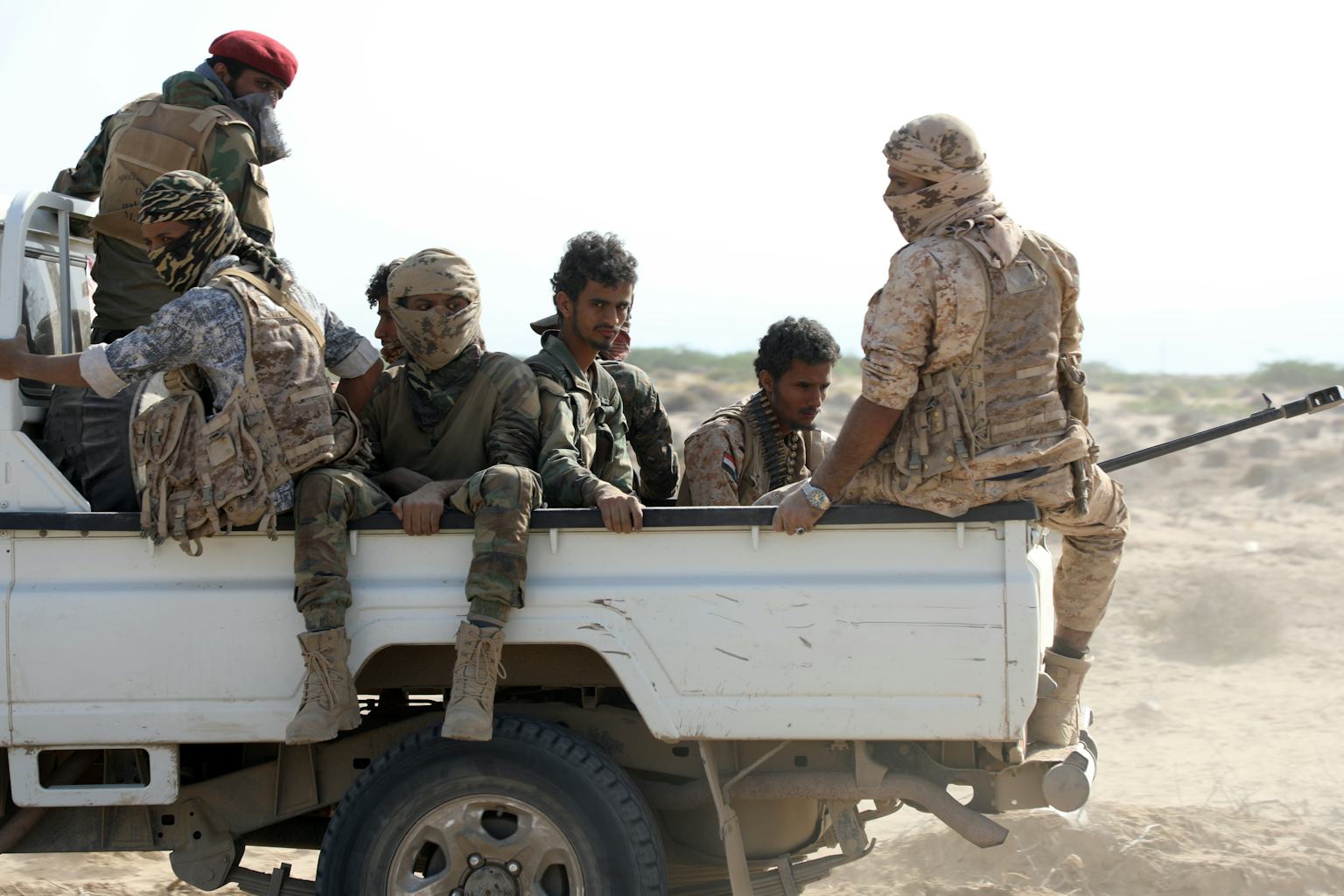
Fighters of the the Southern Transitional Council ride a truck in the southern province of Abyan, Yemen, in 2020. Najeeb Almahboobi / EPA

The UAE is leaving Saudi Arabia squeezed in Yemen

December 12, 2025

Andreas Krieg, King's College London

https://theconversation.com/the-uae-is- ... men-271777

Fighters aligned with the Southern Transitional Council (STC), a separatist group in southern Yemen, raised their flags in the provinces of Hadramout and Marah in early December. The seizures mean the STC now controls all eight of the provinces that make up the south of the country.

The new status quo https://www.nytimes.com/2025/12/03/worl ... l-uae.html looks like a fait accompli for the creation of a separate southern state. It has left Yemen’s internationally recognised government, the Presidential Leadership Council (PLC), squeezed between a pole in the south and a state run by the Iran-backed Houthi militia https://theconversation.com/topics/houthis-63976 in the north.

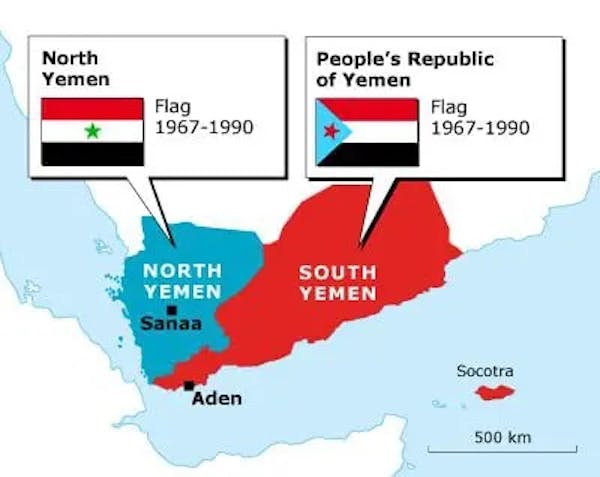
The STC taps into memories of the People’s Democratic Republic of Yemen https://theconversation.com/topics/yemen-6632 which, until 1990, gave southerners their own state. Yemen’s 1990 unification produced one flag, but many people in the south never felt they joined a shared political project.

These grievances led to a brief civil war https://theconversation.com/topics/yeme ... -war-39810 in 1994. This war ended with northern victory, purges of southern officers and civil servants, and what many in the south still describe https://www.chathamhouse.org/sites/defa ... -final.pdf as an occupation rather than integration.


Yemen unified in 1990, with Sana'a as its capital. FANACK, CC BY-NC-ND

By the mid-2000s, retired officers and dismissed civil servants in the south were marching for pensions and basic rights. Those protests turned into al-Hirak al-Janoubi, a loose southern movement running from reformists to hardline secessionists.

And when the 2015 Saudi-led intervention https://theconversation.com/saudi-incur ... nism-39238 began against the Houthis, which had seized the Yemeni capital of Sana'a the previous year, southern fighters were folded into a campaign to restore a “national” government that had never addressed their grievances.

The STC was formed in 2017 to try and give this crowded field in the south a recognisable leadership. https://www.crisisgroup.org/middle-east ... ancing-act

It has a formal president, Aidarus al-Zubaidi, and councils. But in practice it sits at the centre of a web of armed units, tribal groups and businessmen.

Through sustained financial and material backing for the southern armed groups, the United Arab Emirates (UAE) emerged https://www.tandfonline.com/doi/full/10 ... 23.2183659 as the midwife of the organisation’s creation. Against the backdrop of widespread failed governance in Yemen, the STC project seems to deliver relatively well on security and public services.

In April 2022, several years after the STC’s formation, the PLC was created to unite the forces fighting the Houthis. Yemen’s Saudi Arabia-based president, Abd-Rabbu Mansour Hadi, resigned and handed his powers over to an eight-member body backed by Riyadh.

The PLC was designed to bridge the various tribal, ideological and political divides in the country. It also aimed to create a platform to coordinate governance and statecraft with a view to engaging the Houthis through diplomacy.

But as it mixes northern and southern leaders, including those from the STC, the PLC has never emerged as a viable hub to merge competing agendas. The inability of the PLC to deliver on its promise to consolidate governance across Yemen has incrementally eaten away at its legitimacy.


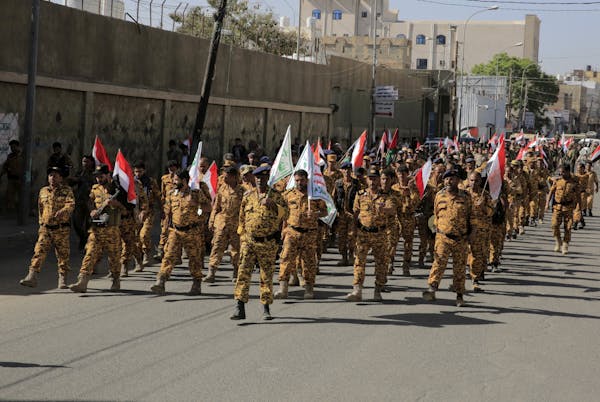
Houthi soldiers march in Sana'a during a parade in May 2024 to mark the 34th anniversary of Yemen’s unification. Yahya Arhab / EPA

A Gulf proxy war

Yemen has turned into a quiet scorecard for two Gulf projects. Saudi Arabia intervened to defeat the Houthis, rescue a unified Yemeni state and secure its own borders. The UAE went in to secure reliable partners, access to ports and sea lanes and control of resources as part of its regional policy.

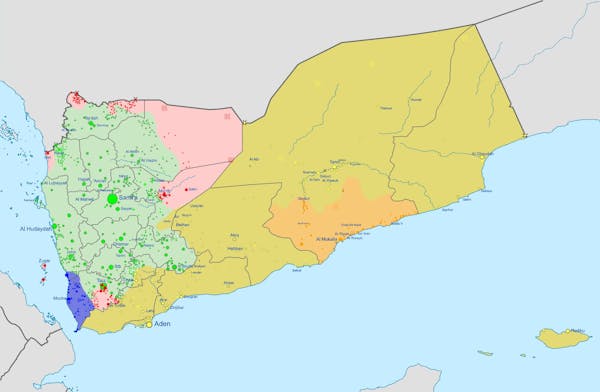
A glimpse at a map of Yemen today shows it is the UAE whose vision seems to have been realised. Through the STC and a web of allied units, the UAE has helped stitch together a power base that runs across nearly all of former South Yemen. STC-aligned forces hold the city of Aden, sit on much of Yemen’s limited oil production and control long stretches of the Arabian and Red Sea coasts.

Control of terrain in Yemen


Pink or blue shaded areas depict territory controlled by the PLC or allied forces, yellow or orange depict territory controlled by the STC or allied forces, green depicts areas controlled by the Houthis. NordNordWest / Wikimedia Commons, CC BY-NC-SA

Key national infrastructure in southern Yemen is now guarded by men whose salaries, media platforms and external ties flow through Abu Dhabi. In return, the UAE enjoys a loyal surrogate on the Gulf of Aden and the approaches to the Bab al-Mandab strait. Saudi Arabia, by contrast, has been left propping up a fragile PLC.

The Houthis remain the nominal enemy for everyone. But, in reality, UAE-aligned units have poured more bandwidth into sidelining Saudi-backed rivals in southern Yemen than engaging the insurgent-turned-state in the north. The UAE now holds leverage over Yemen’s crown jewels in the south, while Saudi Arabia shoulders the burden of the narrative of a “united Yemen” with few dependable allies inside the country.

Two-and-a-half Yemens

For decades, neighbours Saudi Arabia and Oman as well as most foreign capitals have sworn by a single Yemeni state. The UAE-backed STC project cuts directly across that line, with an entrenched southern order making a formal split far more likely.

If Yemen is carved in two, the Houthi structure in the north does not evaporate; it gains borders, time and eventually a stronger claim to recognition. That would cement a heavily armed ideological authority at the mouth of the Red Sea, tied to Tehran and Hezbollah and ruling over a population drained by war and economic collapse.

Yet, confronted with the multilayered network created by Iran and the UAE in Yemen, Saudi Arabia has few cards to play. It may eventually be forced to concede to a UAE-backed government-in-waiting in the south while the north settles into Houthi rule and territory held by the PLC gets increasingly squeezed.

Oman keeps arguing for a shared table that brings all parties – including the Houthis – into one system. But every new southern flag raised undercuts that goal. For outside powers, a southern client that keeps ports open and hunts Islamist militants is tempting.

The price is to freeze northern Yemen as a grey zone: heavily armed, ideologically rigid and wired into regional confrontation. That outcome cuts against the very unity project Saudi Arabia and Oman have endorsed for years. What is left today are two-and-a-half Yemens – with the half, territory administered by the PLC, looking the least sustainable moving forward.

Post Reply