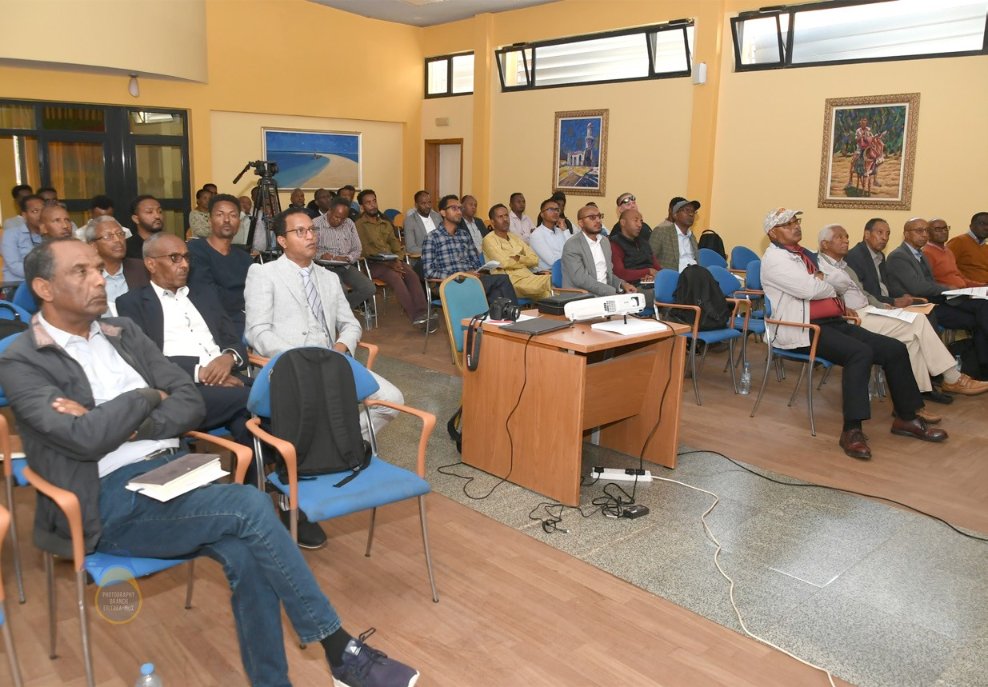
Founding Conference of the Society of Eritrean Earth Scientists and Mining Engineers
By: Kesete Ghebrehiwet @shabait
The Society of Eritrean Earth Scientists and Mining Engineers (SEESME) held its founding conference on 22 and 23 March, under the theme
a landmark event that marks a new era for Eritrea’s mining sector.Responsible Mining for Sustainable Development,
Held at the conference hall of the National Conference of Eritrean Workers, the gathering brought together veteran and young professionals.
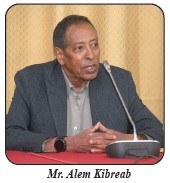
In his opening address, Mr. Alem Kibreab, Director General of the Department of Mines, emphasized the importance of collaboration among the government, industry, and academia. Discussions at the two-day event centered on striking a balance between economic growth and environmental protection.
One of the most engaging sessions focused on the geological significance of talc mineral (Talc, or talcum, is a clay mineral composed of hydrated magnesium silicate, with the chemical formula Mg 3Si 4O 10(OH) 2. Talc in powdered form, often combined with corn starch, is used as baby powder. This mineral is used as a thickening agent and lubricant) deposits in the Central region, particularly in Tselot and Durfo. These areas are renowned for their potential in ornamental stone, and discussions were held on how to harness these resources not only for commercial benefit but also for artisanal craftsmanship. The presence of talc in these areas is expected to open up opportunities for small-scale, value-adding industries that will contribute to job creation and local economic development.
Another pressing issue addressed at the conference, was the challenges associated with water in the port city of Assab. Experts drew the audience’s attention to the increasing salinity of water from the Harsile River and the urgent need for improved water infrastructure to mitigate health and environmental risks. These concerns highlight the interconnection between natural resource management and national development, particularly in arid regions where mining and water use must be carefully balanced.
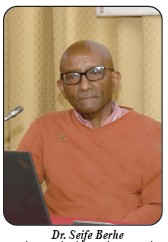
A particularly insightful presentation was given by Dr. Seife Berhe, manager of Andiamo Exploration Company, focusing on the role of modern technologies in mineral exploration. Dr. Seife elaborated on the integration of machine learning algorithms and drone-assisted mapping techniques, both of which are transforming traditional exploration methods. These tools provide more efficient, accurate, and less invasive procedures for identifying mineral deposits, thereby significantly reducing exploration costs and timelines. The audience was captivated by examples of successful applications and lessons learned from projects in Eritrea and beyond.
The need for Eritrea to adopt digital transformation in the geoscience and mining sectors, was highlighted at the conference. As global competition intensifies and environmental standards become increasingly stringent, the use of cutting-edge tools can provide a strategic advantage, paving the way for enhanced safety, improved data management, and more effective long-term planning.
A detailed overview of the activities carried out by Bisha and Zara mining companies, as well as other operators, was presented by young geologists, metallurgists, and mining engineers. New exploration initiatives in Augaro, Kerkebet, Haykota, and various other sites across the country were discussed, demonstrating the growing interest in base metals, precious minerals, and geothermal resources.
Participants expressed optimism regarding the country’s encouraging mining policies, which have played a pivotal role in attracting international mining companies. The regulatory framework, coupled with the government’s commitment to responsible extraction, has made Eritrea a desirable destination for investment in mineral exploration and development.
Another key element, was the emphasis on human resources development. The conference celebrated the contribution of young and versatile graduates from the Colleges of Science and Engineering in Mai-Nefhi, where the academic programs are increasingly being aligned with industry needs. Training programs informed by the collaboration between mining companies and educational institutions are benefiting a generation of geologists, engineers, and technicians equipped to drive the mining sector forward.
Participants commended initiatives such as the practical field training and internships offered by mining companies, which allow graduates to gain real-world experience in mineral exploration and site assessment. These programs ensure, that Eritrea’s mining industry remains technically competent and locally driven.
The active participation of young geologists and marine engineers at the conference was hailed as a significant success, indicating a positive trajectory in the country’s efforts to empower its youth. Their contributions during discussions demonstrated their readiness to engage with real-world challenges and propose innovative solutions, reflecting the effectiveness of Eritrea’s educational and vocational training strategies.
In line with the theme of responsible mining, several sessions were dedicated to environmental protection. Eritrea’s policies on preventing the spread of heavy metals and managing mining waste, were thoroughly discussed. The importance of early assessment, ongoing monitoring, and community engagement was emphasized to ensure that mining does not come at the cost of ecological degradation.
One of the fascinating topics discussed was the ongoing assessment of geothermal water resources in Alid, where efforts are being made to identify suitable mineral extraction methods that are both efficient and environmentally sound. The integration of geothermal energy with mineral extraction presents an exciting opportunity for Eritrea to harness its natural resources more sustainably.
Discussions on the discovery of base metals and gold in the Haykota project, revealed the country’s growing mineral wealth and the need for meticulous planning to manage extraction processes responsibly.
The conference also addressed concerns about geo-hazards, particularly the earthquake swarms that occurred between July and October 2023 in the Bada and Foro areas. Dr. Gebsha Fitwi, from Mai- Nefhi College of Science, presented fieldwork findings assessing the geological and infrastructural impact of these seismic events. Such initiatives underscore the vital role of earth scientists in national security and future urban planning, as they work to identify vulnerable areas and propose effective mitigation strategies.
The session focusing on the path ahead for SEESME allowed participants to reflect on the progress made since the Society’s establishment and the need to institutionalize its role in policy dialogue, research coordination, and public awareness.
There was a consensus that SEESME should evolve into a more influential body capable of shaping national strategies on mining, exploration, and environmental management. To do so, it must strengthen partnerships with universities, research institutions, international experts, and the private sector.
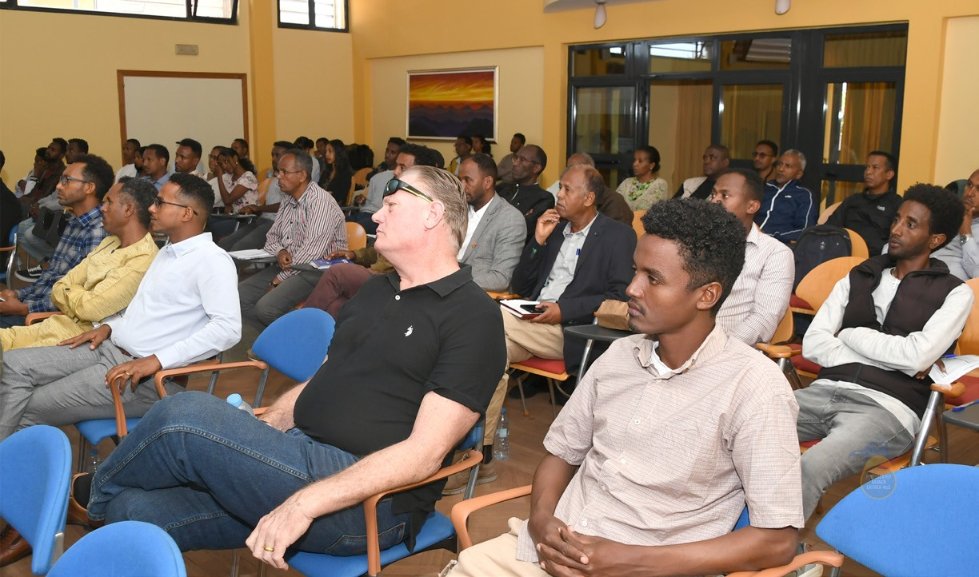
The discussions also emphasized the importance of ongoing professional development, the establishment of knowledge-sharing platforms, and the promotion of scientific research tailored to Eritrea’s unique geological context.
The SEESME conference, marked a new chapter in the evolution of Eritrea’s mining and geosciences sector. From modern exploration technologies to environmental safeguards and youth empowerment, the event demonstrated the importance of a holistic approach to resource development.
It also reaffirmed Eritrea’s commitment to responsible mining, national development goals, and global sustainability standards. As the country continues to uncover its geological riches, the need for thoughtful stewardship, scientific excellence, and inclusive growth becomes increasingly critical.
By fostering collaboration, investing in human capital, and embracing innovation, Eritrea is positioning itself not only as a mining destination but as a model of sustainable resource management in the region. The conference, was a testament to the potential of collective vision and action.
____________________
See also:


Eritrea’s Mining Sector: Government Policy, Progress to-date & Future Prospects https://shabait.com/2025/03/26/eritreas ... prospects/
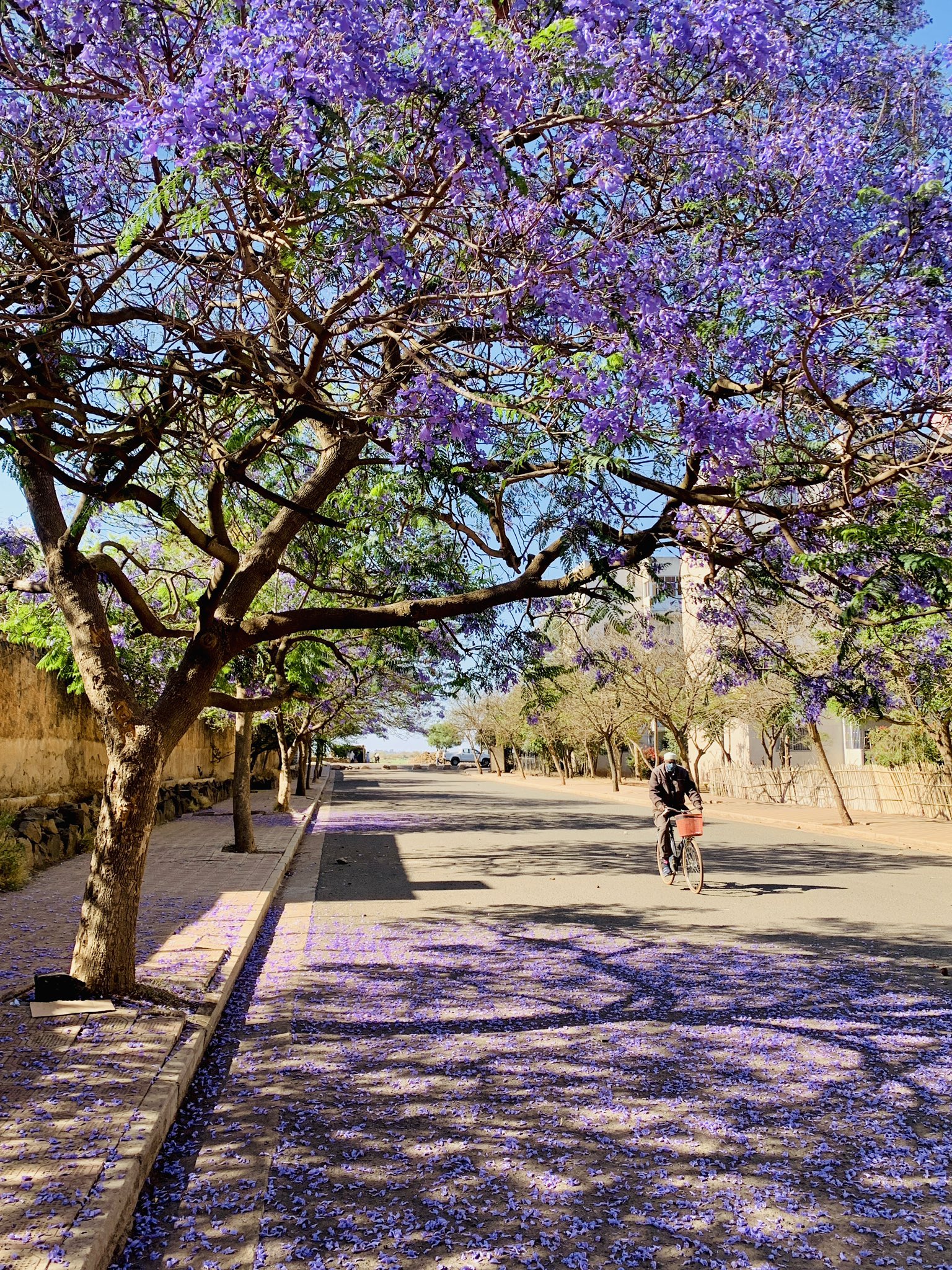
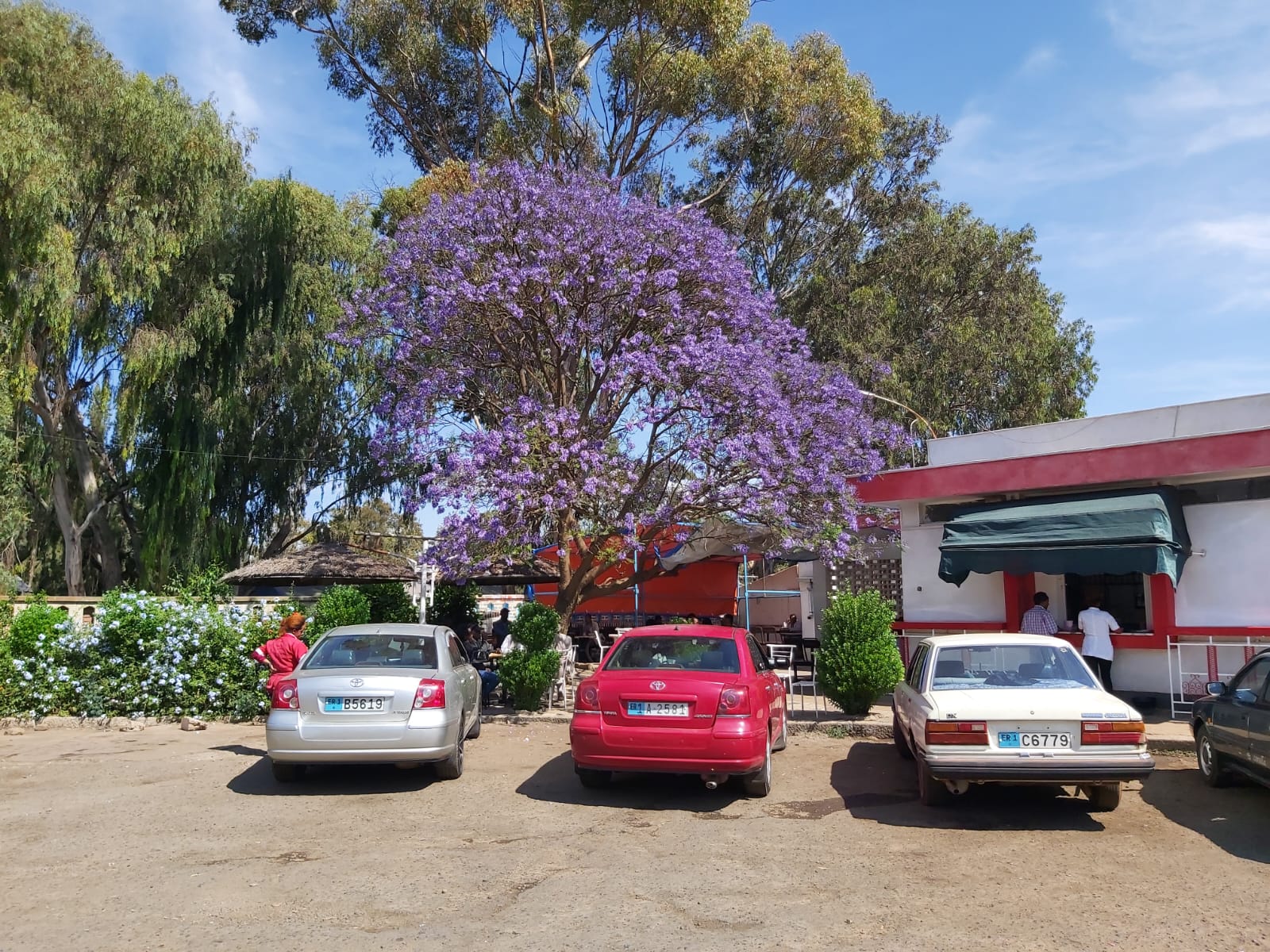
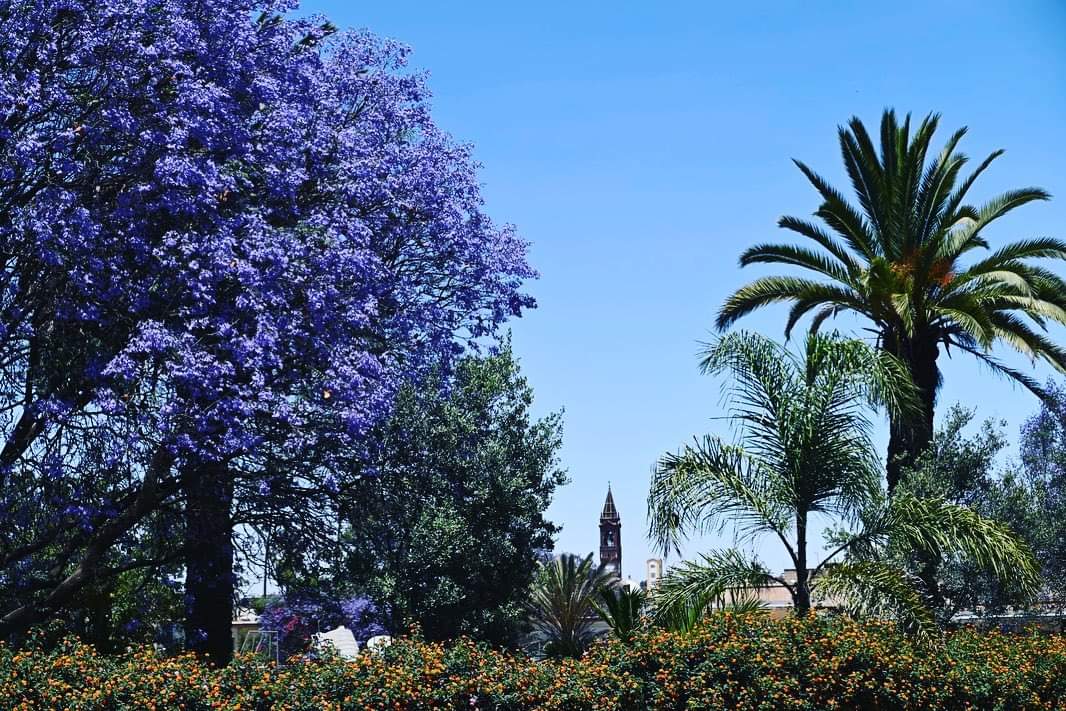
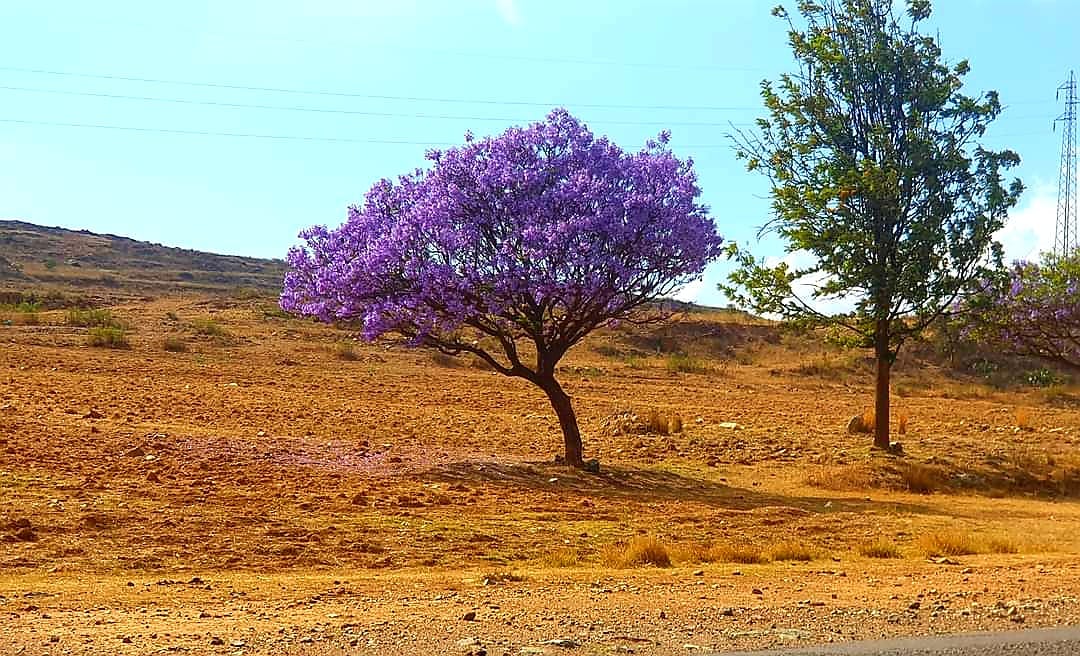
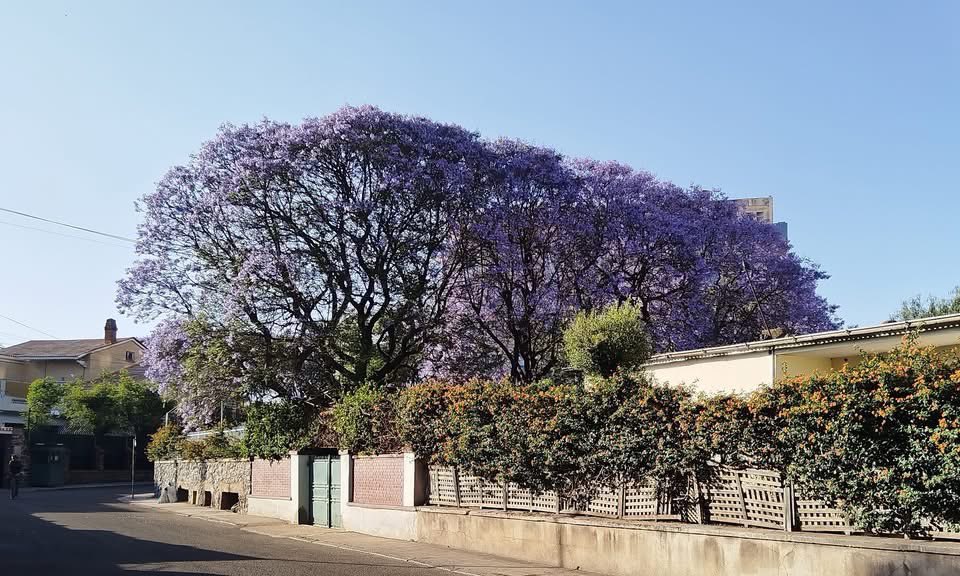
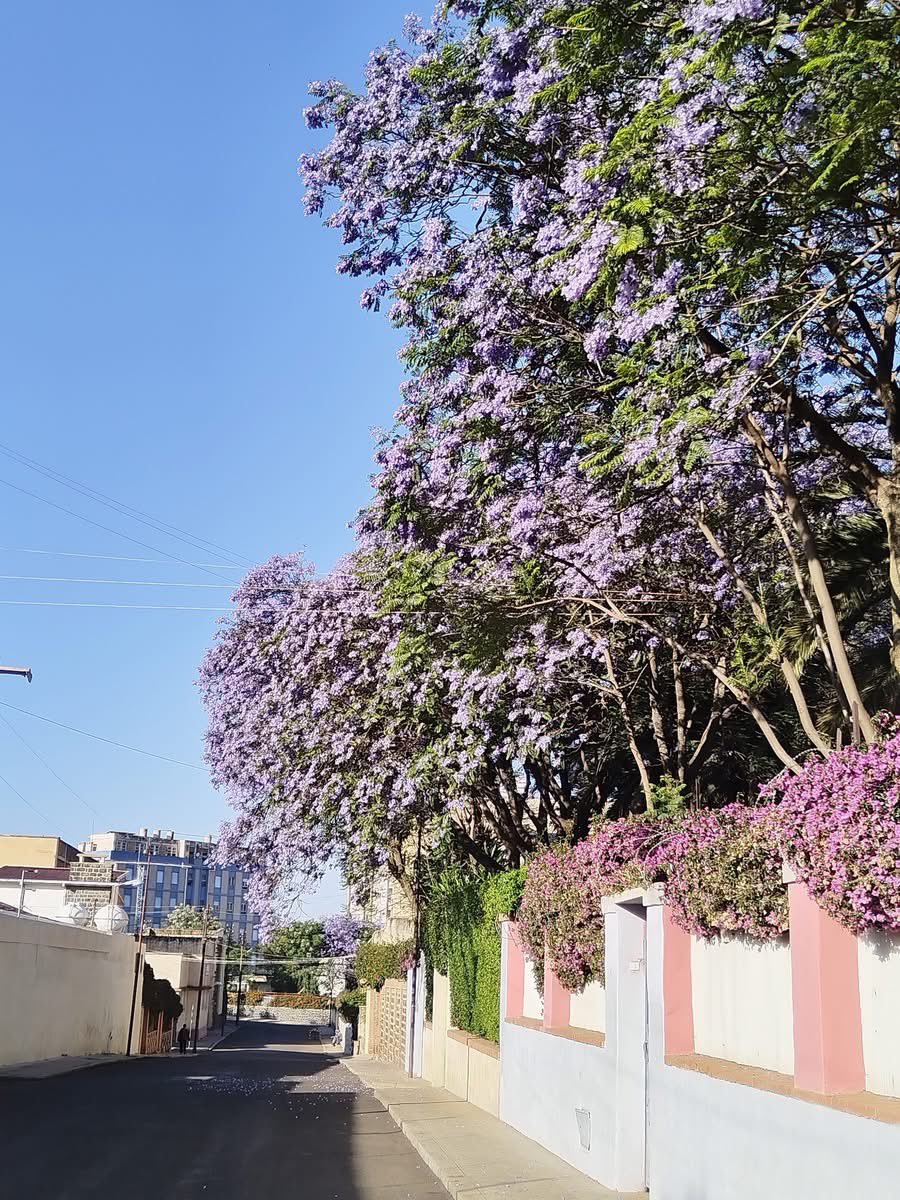
 ኣስመራ፡ ናብ ሊላዊ ወቕቲ ሰጊራ።