Slavery in Ethiopian history.
Posted: 04 Dec 2025, 22:04
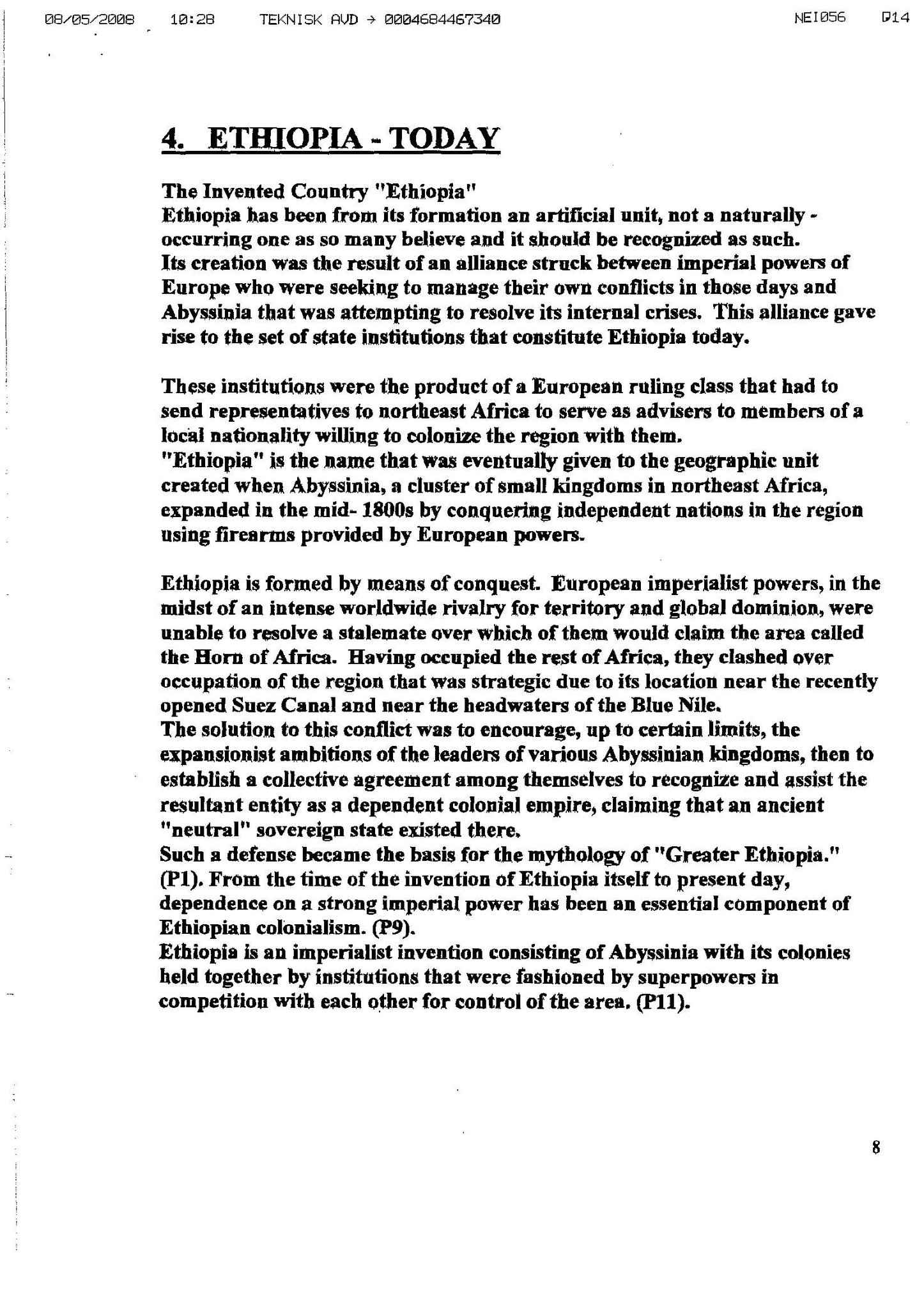
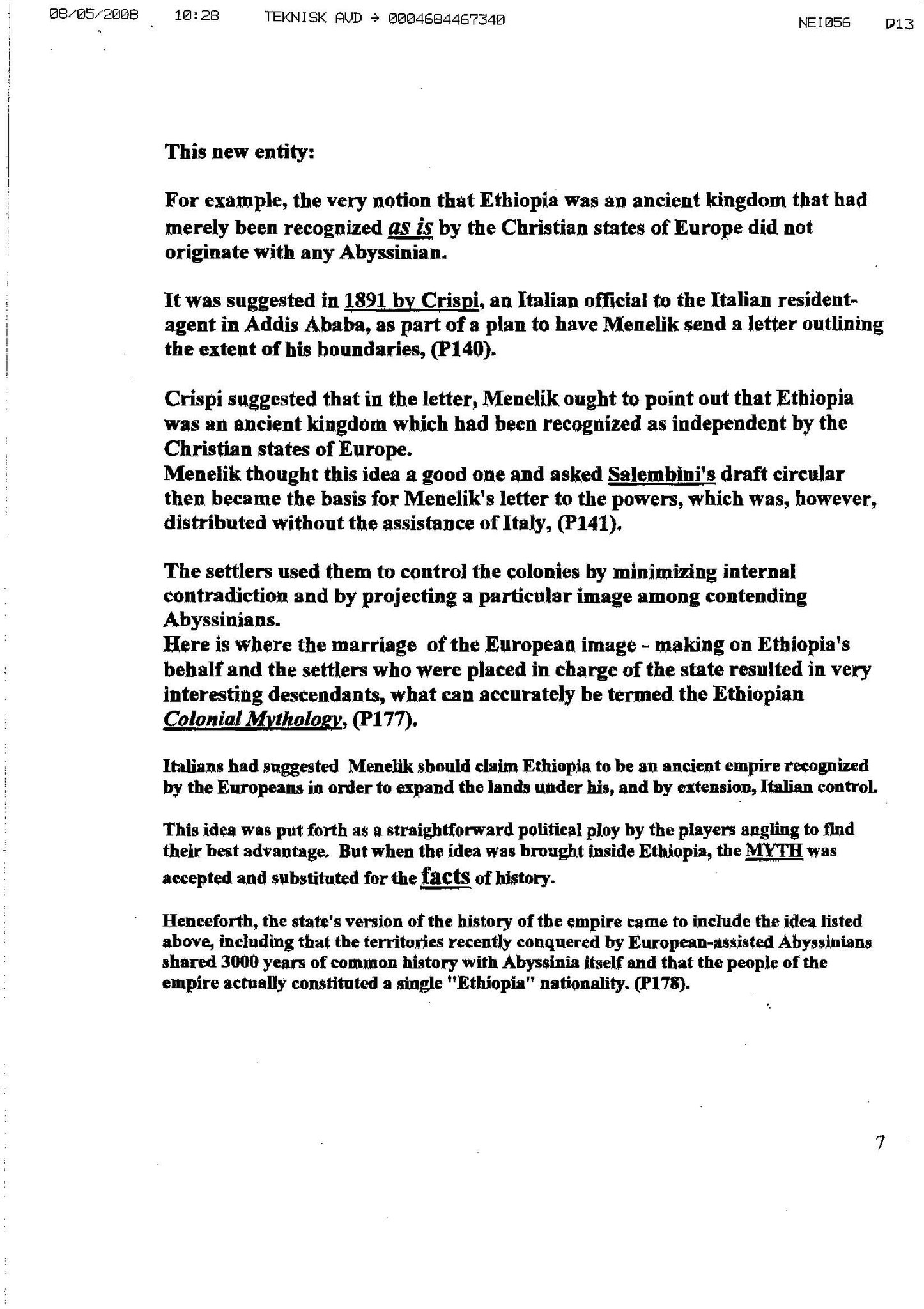
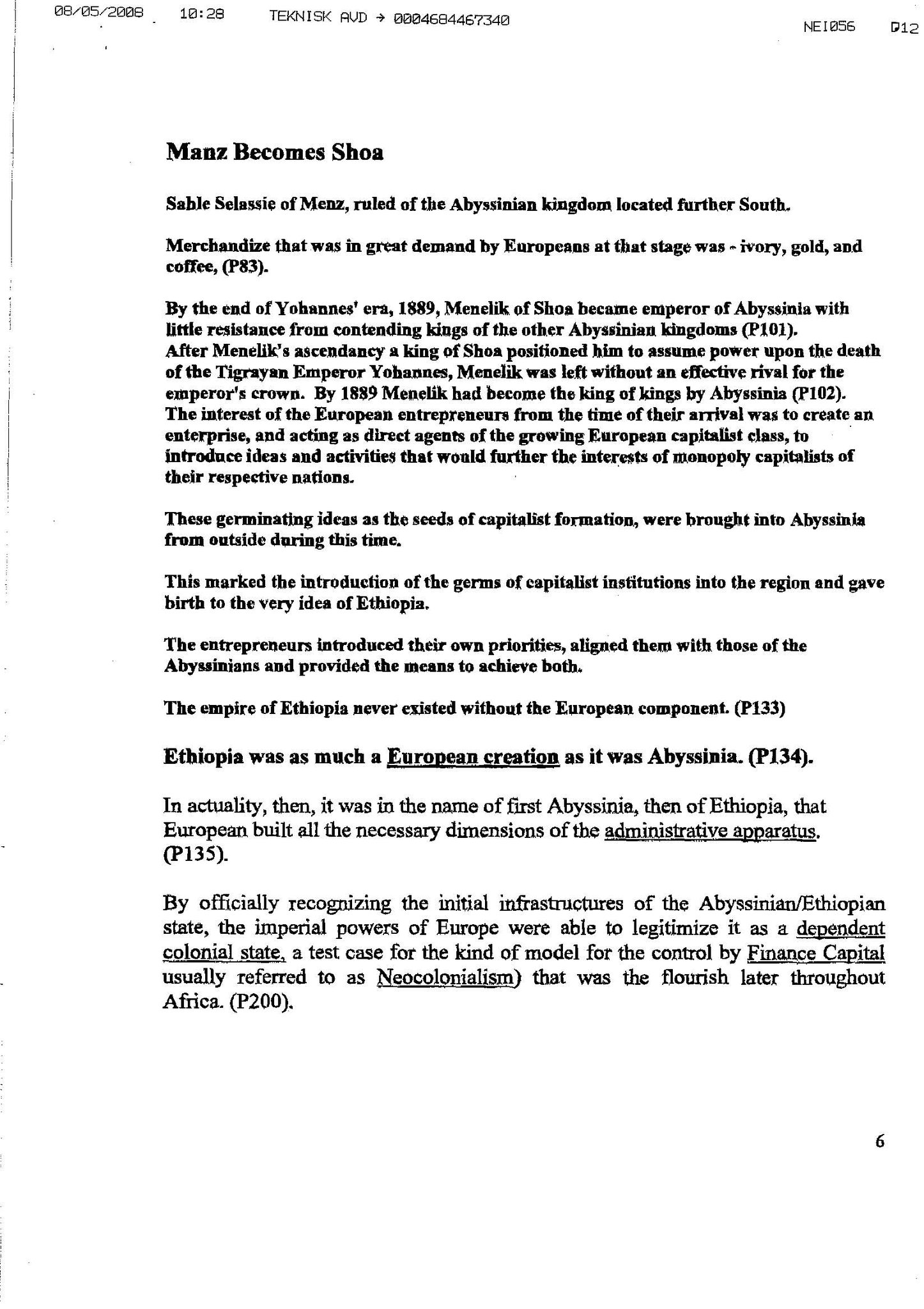
When some Ethiopians use derogatory terms about Eritreans or other Africans —such as “Askaris” or “Italian construct”—it is worth looking honestly at their own history.
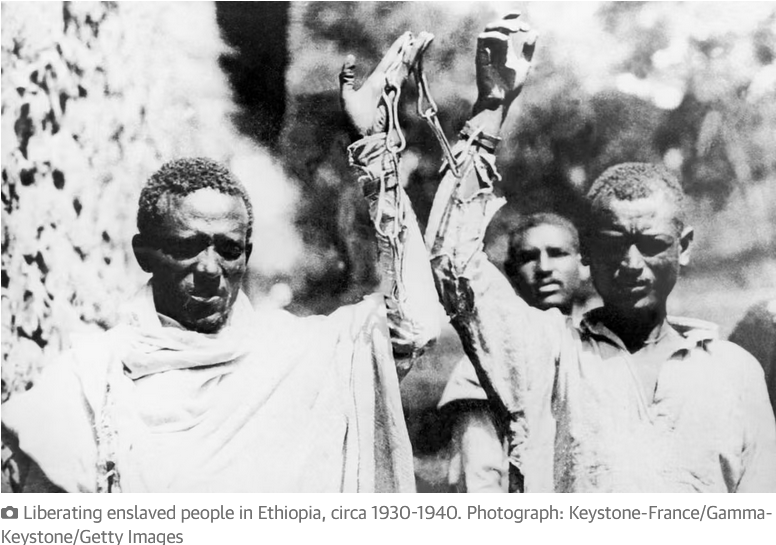
Historical records show that until the Italian invasion of 1935, slavery and the slave trade remained deeply embedded in the Ethiopian/Abyssinian culture and economy, with estimates suggesting that up to a quarter of the population lived in slavery. It was, in fact, Fascist Italy that finally abolished the practice during its occupation—an uncomfortable but well-documented historical reality that is often overlooked when mentioning
3,000 years of uninterrupted history.
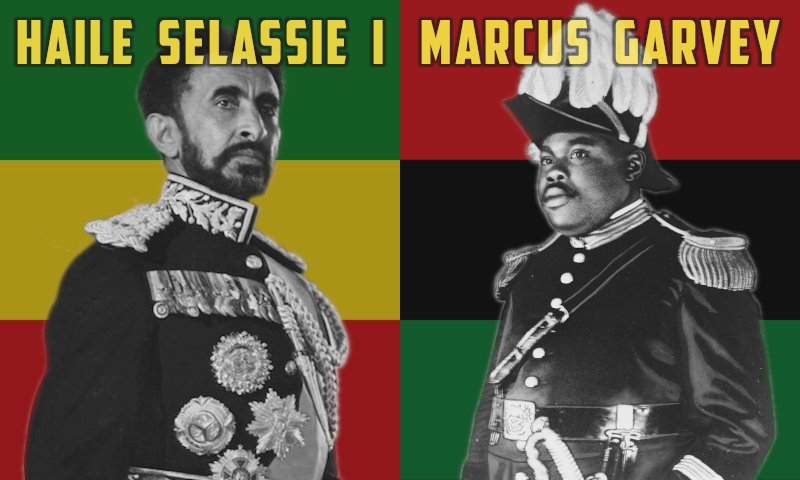
Although Menelik II and Haile Selassie issued proclamations against slavery, these were never genuinely enforced. When Ethiopia joined the League of Nations in 1922, it was required to abolish slavery within ten years, yet slavery continued. In 1932, the League formally reprimanded Haile Selassie for failing to carry out this obligation. Both Menelik and Haile Selassie were themselves slave owners, as widely reported by contemporary observers and historians.
Today, public discourse in Ethiopia rarely confronts this part of its past, nor the long-term social consequences it created—issues that still affect the country’s stability and cohesion. Below are several historical quotations, that shed light on Ethiopia’s history with slavery.
Harold G. Marcus:
Menelik’s palace was staffed with many hundreds of slaves… captured during the southern campaigns.
— The Life and Times of Menelik II
Harold G. Marcus:
Haile Selassie, like all Ethiopian nobles of his era, possessed slaves in his household until the 1930s.
By 1935, despite proclamations, slavery remained widespread. Perhaps two million Ethiopians lived in some form of bondage.
— A History of Ethiopia
Richard Pankhurst:
Slave-taking was intrinsic to the expansion of Menelik’s empire. Tens of thousands of Oromo, Sidama, and other southerners were taken as slaves, many of whom entered the imperial household.
Most slaves were obtained from the southern and southwestern regions… including the Oromo, Sidama, Gurage, Kafa, and various Nilotic groups.
— Economic History of Ethiopia, Vol. I
British Foreign Office Report (1934):
Even in the household of the Emperor, slaves continue to serve despite proclamations declaring abolition.
Christopher Clapham:
Domestic slavery persisted in the imperial family well into Haile Selassie’s reign.
— Transformation and Continuity in Revolutionary Ethiopia
League of Nations evidence:
In 1932–1935, the League of Nations repeatedly criticized Haile Selassie for:
- failing to suppress slave trading
- keeping domestic slaves at the imperial palace
- allowing nobles to continue owning slaves
The League’s 1935 report states:
Slavery exists even in the household of the Emperor.
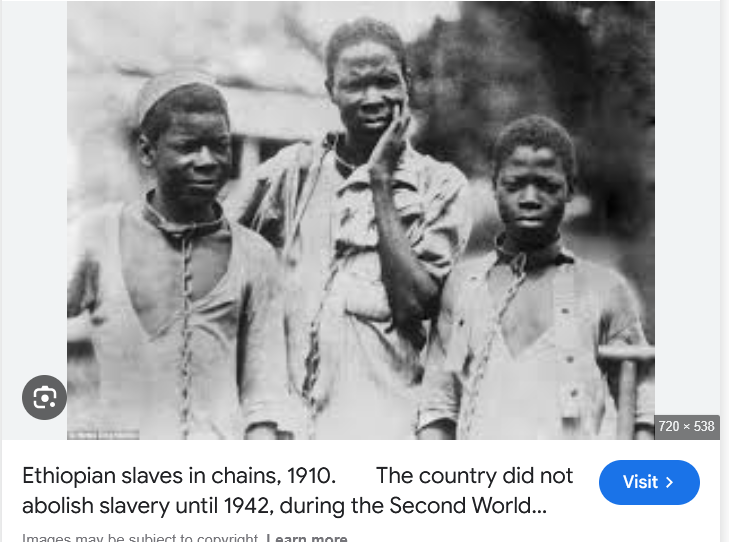
Haile Selassie formally abolished slavery again in 1942 (under British pressure). By the mid-1940s, domestic slavery in the palace had largely ended, though forced labor persisted under other names.