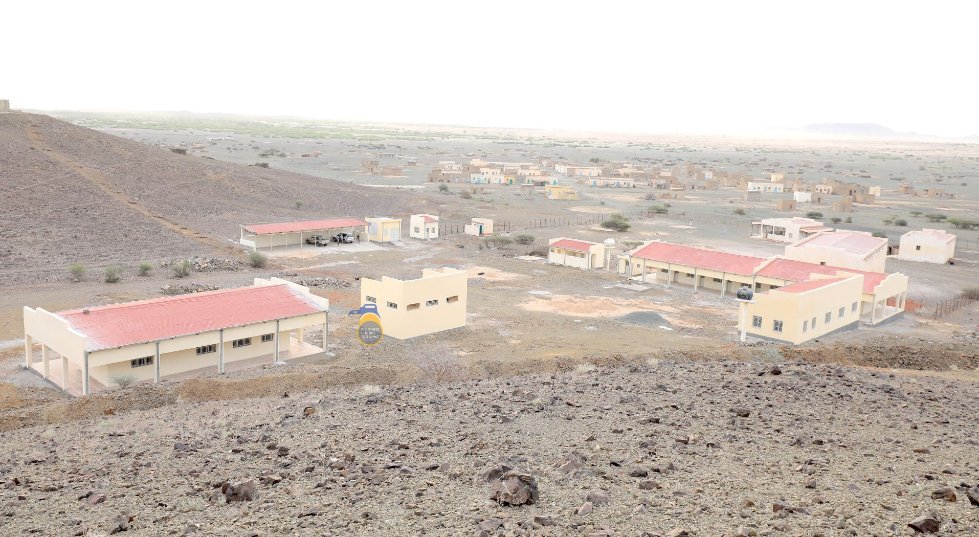
ሩባ ዑበል the Ubel River, is a crucial waterway in Eritrea’s Gash-Barka Region, acting as a key right tributary to the Mareb River (or Gash River), which marks part of the Eritrea-Ethiopia border. Originating in the rugged Eritrean Highlands, it courses through western Eritrea, enhancing the Mareb River system with its vital, seasonal flow.

HAC Via Ghebretnsae Damr
______________
 General
Eritrea: Ministry of Agriculture Announces Production of Two Animal Disease Vaccines
https://shabait.com/2023/06/02/eritrea- ... -vaccines/
General
Eritrea: Ministry of Agriculture Announces Production of Two Animal Disease Vaccines
https://shabait.com/2023/06/02/eritrea- ... -vaccines/

The Ministry of Agriculture has announced that it has produced two internationally certified animal disease vaccines through its National Animal and Plant Health Laboratory (NAPHL) based in Vilajio, Asmara.
According to Mr.
Efrem Gebremeskel, Director of NAPHL, the two vaccines produced are PPR- against small ruminant disease, and Newcastle – an important poultry disease.
Mr. Efrem explained, that the two vaccines were selected for production because they can address two very important diseases which otherwise would have been bought at a much higher cost.

Mr. Efrem outlined the importance of local production of these two vaccines in terms of self-reliance, saving hard currency, shortening the procurement process during disease outbreaks; and also strengthening the country’s production capacity with young experts taking center stage.
Regarding the quality of the produced vaccines, Mr. Efrem indicated that standard quality control measures were conducted at national level through
NAPHL quality control unit, and the Ministry’s
Regulatory Services Department; and internationally by
The African Union Pan-African Veterinary Vaccine Center (AU-PAN-VAC) – an international quality control institute delegated by
Food and Agriculture Organization (FAO) and
World Animal Health Organization (WAHO).
Ms.
Asmait Tekle and Mr.
Amanuel Mebrahtu, are among the young experts who participated in this historic period of vaccine production. Both outlined, that the process was very sophisticated and challenging. However, the endeavor was crowned with success.
Mr. Efrem finally indicated that NAPHL has a plan to produce two more of vaccines for Infectious bronchitis and; sheep and goat pox. He also commended the all-rounded support NAPHL has got from relevant government bodies and development partners.

It is to be noted, that NAPHL was established in 1903 and used to produce vaccines until 1972. Later, the laboratory and its services were ruined due to the Ethiopian colonization and the war for independence.
After independence, the Government of the State of Eritrea, along with its development partners, made concerted efforts, to renovate the laboratory, which have led to this success.
Public Relations Division
Ministry of Agriculture
30 May 2023
____________
Nation Building
Eritrea: Ministry of Agriculture Champions Progress and Innovation
MoA
https://shabait.com/2025/08/25/eritrea- ... nnovation/
Aug 25, 2025
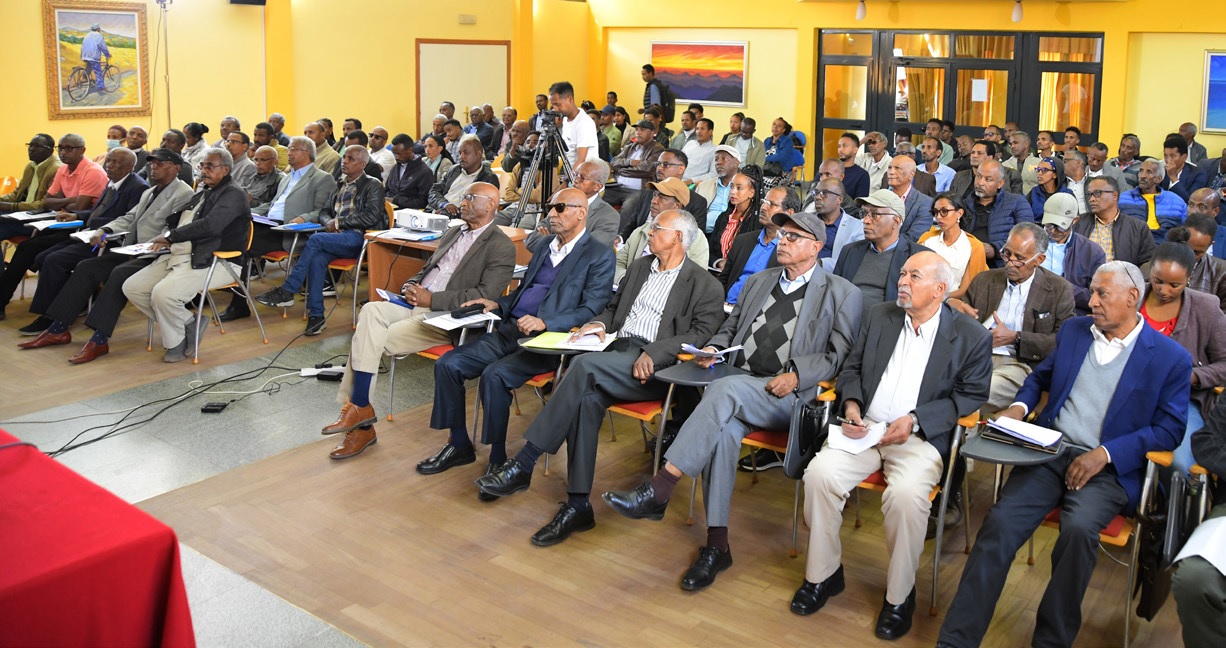
In a dynamic push toward achieving national food security and self-reliance, the Eritrean Ministry of Agriculture (MoA) is actively driving a multi-faceted agenda of development and capacity building. A recent series of key events, including a semi-annual assessment meeting, a strategic engagement with the Eritrean diaspora, and a specialized training program for chefs, has underscored the ministry’s commitment to advancing the nation’s agricultural sector. These initiatives are not isolated events but interconnected parts of a cohesive strategy, designed to build a resilient and prosperous future for Eritrea.
Semi-Annual Assessment: A Detailed Look at National Progress
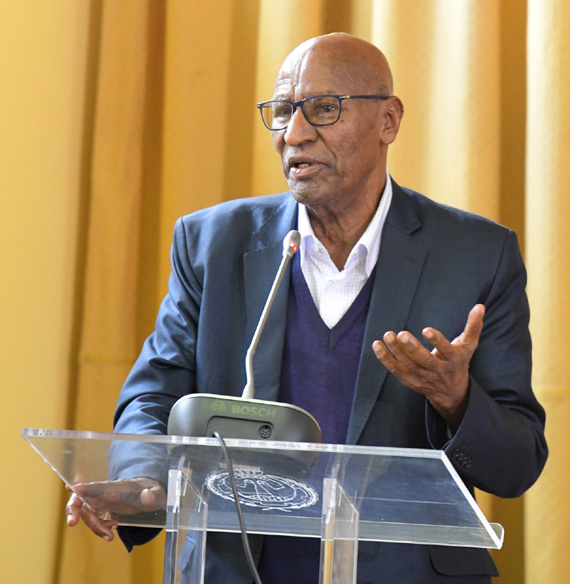 Minister Arefaine Berhe
On July 22, the MoA convened a crucial semi-annual assessment meeting at the National Confederation of Eritrean Workers (NCEW) hall. The gathering brought together approximately 140 heads and experts from the ministry’s headquarters and the six regions to review progress over the past six months. According to Mr.
Misghina Ketema, Acting Director of the Planning and Statistics Division, the meeting served as a vital platform to evaluate agricultural activities and, more specifically, to assess the promising development of the Small and Productive Farm Plot (SPFP) strategy, which was introduced last year.
Presenters from each region delivered comprehensive reports, detailing achievements and addressing challenges in areas ranging from soil and water conservation to plant health and livestock development. The reports painted a picture of remarkable national effort and progress.
In natural resource management, cumulative data revealed that soil and water conservation activities were carried out on over 18,500 hectares of on-farm land and approximately 4,300 hectares of off-farm land. This ambitious effort, which includes the completion of 18 new micro-dams and ongoing construction on 13 others, is fundamental to Eritrea’s long-term water management strategy. Furthermore, a report on sustainable home economics highlighted the construction of more than 1,560 energy-saving stoves, a practical measure aimed at minimizing deforestation and improving the health and livelihoods of women in rural areas.
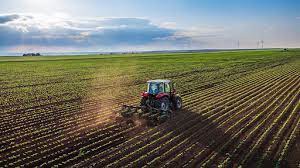
In the crucial crop production sub-sector, the total ploughed and planted area had surpassed 384,000 hectares as of the first week of August. This number is expected to grow, as the planting season for certain crops has yet to begin in regions like Gash- Barka and Debub. The report also confirmed that over 40,800 hectares of land were successfully planted using Azmera rainfall and spate irrigation, demonstrating the effectiveness of adapting to local conditions.
 Mr. Misghina Ketema
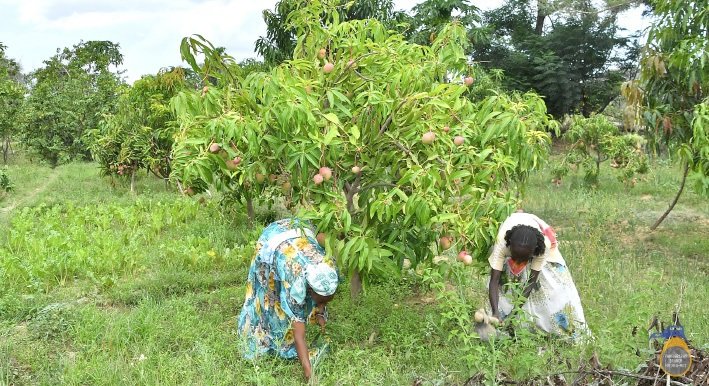
Horticultural activities also showed strong growth, with vegetables produced on approximately 10,870 hectares of land and fruits on more than 5,000 hectares. This yielded an estimated 145 tons of vegetables and 63 tons of fruits. A significant long-term investment was highlighted with the distribution and planting of 8,206 date palm seedlings, bringing the national total to over 58,900 date plants, which will contribute to future food security and economic diversification.
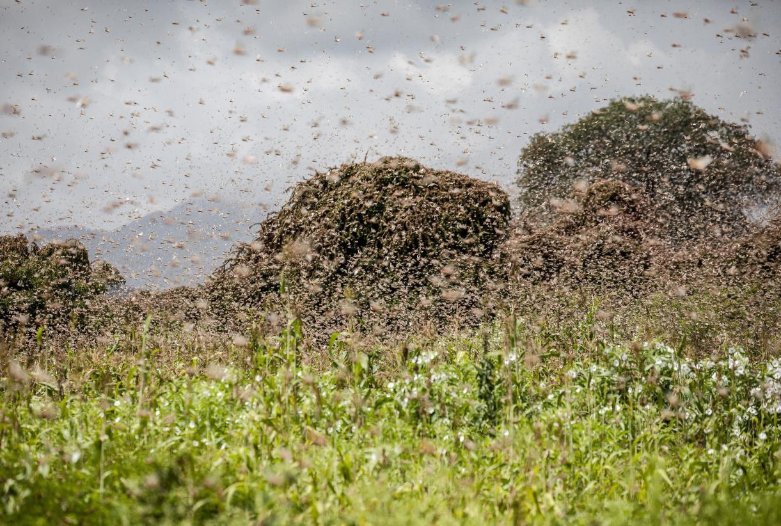
The MoA’s commitment to protecting the agricultural sector, was also evident in its plant health and pest control operations. The report noted, that over 5,660 hectares of land were treated with pesticides. More critically, proactive desert locust control operations from late 2024 to early 2025 in the Northern Red Sea region successfully treated more than 20,100 hectares of land, preventing any significant damage to crops and rangelands. Additionally, the ministry’s swift response to a growing tree locust infestation in Gash-Barka led to the successful treatment of 777 hectares, averting a potential threat.
In livestock development, the report indicated promising progress in beekeeping, with the total number of bee colonies reaching over 52,000 across various hive types. Animal health also saw significant advancements, with over 1.5 million livestock vaccinated against diseases like PPR and Newcastle disease, highlighting the effectiveness of compulsory vaccination campaigns. However, a reported decrease in land allocated for forage production in intensive dairy farming remains a key challenge, negatively impacting milk production.
The Small and Productive Farm Plot (SPFP) Strategy: A Blueprint for Prosperity
A significant focus of the assessment meeting, was the SPFP strategy. Though a relatively new concept to many farmers and even agricultural experts, the approach—which involves developing 1,000-square-meter plots—has shown encouraging progress. With a total of 5,566 SPFPs already established, the initiative is proving its potential to improve crop production and enhance household food security significantly. The ministry is working diligently to raise awareness and ensure proper implementation in every village through pilot projects, translated materials, and tailored crop calendars.
In his concluding remarks, Minister of Agriculture H.E.
Arefaine Berhe emphasized the critical importance of incorporating poultry and top-bar hives into the SPFP model, calling for its full-scale introduction across all villages. He underscored the need for trilateral cooperation between the MoA and the National Unions of Eritrean Youth and Women, to champion this initiative. To address the challenge in the livestock sector, the Minister called for horticultural farmers to allocate 10% of their land to forage production and for increased research into new varieties of animal feed.
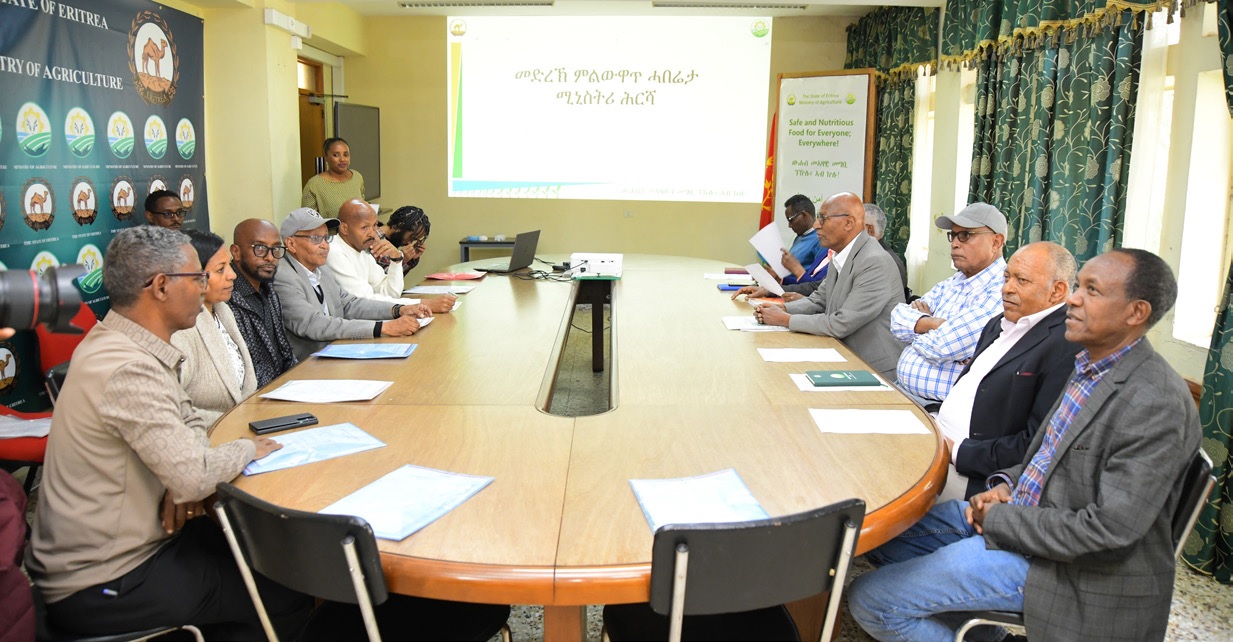 Engaging the Diaspora and Building Capacity
The ministry’s strategic vision, extends beyond its borders. On July 17, it hosted a briefing for representatives of the Eritrean diaspora from the United States. Minister Arefaine Berhe provided an extensive overview of major agricultural strategies, including the SPFP and the Minimum Integrated Household Agricultural Package (MIHAP). The session, which also featured a presentation on the ministry’s 2024–2028 Five- Year Strategic Development Plan, highlighted the vital importance of the diaspora’s participation and investment in the sector.
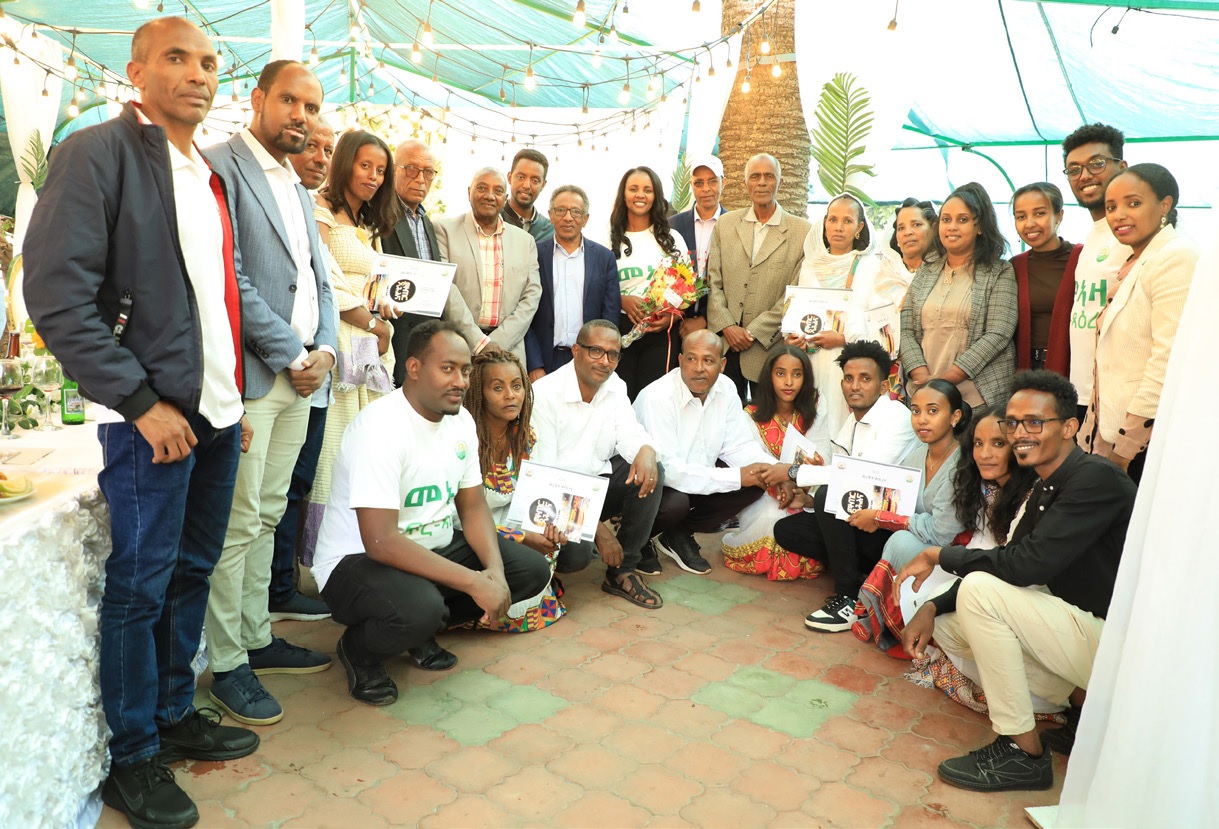
Complementing this, the MoA collaborated with the Ministry of Labor and Social Welfare to host a training program for chefs from major national institutions. This initiative, part of the campaign for
safe and nutritious food for everyone, everywhere,
provided theoretical and practical training in food safety, nutrition, and recipe preparation.
Ms.
Filmawit Measho, Deputy Director of the Public Relations Division at the MoA, affirmed the ministry’s commitment to providing similar programs, while Ms.
Asmeret Damer, the TV host of the ‘
Meaza Fre-Tsaeri’ program, highlighted the training’s purpose: to help chefs utilize local ingredients to prepare nutritious meals for those who rely on them.
Together, these initiatives—from national assessments and policy directives to international outreach and local capacity building— demonstrate a unified, determined approach to building a robust and self-sufficient agricultural sector in Eritrea. They embody a vision where progress is measured not just in numbers, but in the improved livelihoods and food security of every Eritrean citizen.







 .
.
 HAC Via Ghebretnsae Damr