Ethiopian News, Current Affairs and Opinion Forum
Zmeselo
Senior Member+
Posts: 36841
Joined: 30 Jul 2010, 20:43

Is Ethiopia indulging an imperialist fantasy for the Red Sea?

Post by Zmeselo » 24 Aug 2025, 12:26


Is Ethiopia indulging an imperialist fantasy for the Red Sea?

By Samuel Emaha Tsegai

https://africanarguments.org/2023/12/is ... e-red-sea/

December 13, 2023

Ethiopia’s claims to a historical right to Red Sea access are as old as the invention of modern Ethiopia itself.


Ethiopia PM Abiy Ahmed Ali at the opening of parliament, 9 Oct 2023. A few days later in parliament, he made a speech announcing Ethiopia’s intention to secure a port and sea outlet on the Red Sea. Photo courtesy: Office of the Prime Minister.

On October 13, 2023, Prime Minister Abiy Ahmed, addressing members of the Ethiopian parliament asserted that Ethiopia has a natural, legal, historical, and demographic right to own an outlet to the Red Sea. He put forth a historically contentious claim, suggesting that Ethiopia was a maritime power for centuries until losing its access to the sea following Eritrea’s independence in 1991. Casting the question of port ownership and sea outlet as existential to Ethiopia’s teeming population, Abiy Ahmed argued that the issue is not a matter of luxury for his country and insisted on regaining Ethiopia’s historical place in the Red Sea either peacefully or by force.

Since his speech to the parliament and subsequent appearance in November, Ethiopian state media outlets, officials, and a motley of state-affiliated social media activists are whipping up an aggressive campaign mainly aimed at Eritrea, in contravention to the purposes and principles of the UN charter, which obliges states to refrain from threats or the use of force to violate the sovereignty and territorial integrity of another state. In the proverbially ambiguous language of Ethiopian politics, the discourse alternates between aggressive irredentism and historical revisionism, arguing for Ethiopia’s ownership of sea outlet and ports, and softer requests for access to the sea based on regional cooperation and complimentarity.

Nothing of this discourse is new. It is as old as the invention of modern Ethiopia as spatially bounded and cartographically delineated state at the turn of the 19th and early 20th centuries.

Ethiopia: A Floating Signifier
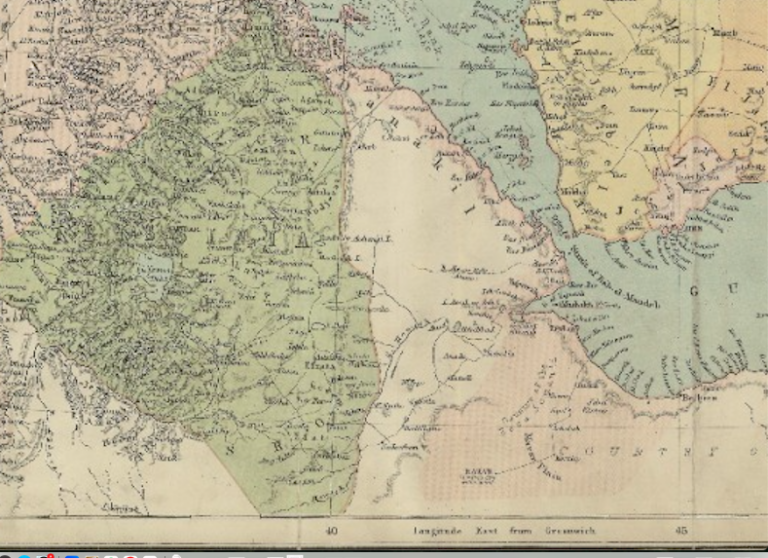

Crop of 1885 Map of Egypt and the Soudan, including the valley of the Nile, the Red Sea, Abyssinia, Arabia, etc. Note that the Abyssinian Empire had not yet incorporated the territories that now constitute much of southern, western and eastern Ethiopia – ie. Oromia, Southern Nations, Nationalities and Peoples, Ogaden and Harar Source: Royal Geographical Society (with IBG)

Ethiopian leaders, past and present, tend to exhibit what Christopher Clapham, https://www.crisisgroup.org/africa/horn ... -episode-3 a notable Ethiopianist, characterizes as a pretension to universal jurisdiction. They lay claim to extensive territories some of which they have never set foot on or exerted effective control over. Before the European scramble for Africa at the end of the 19th century, Ethiopian leaders lacked a definitive notion of their territorial boundaries. Ethiopia, also widely known as Abyssinia, was a floating signifier referring to an indeterminate geopolitical entity that did not correspond with the actually-existing Ethiopian/Abyssinian state.

For example, The Kebre Negest, a 14th century manuscript used as a source of legitimacy and sovereignty by Ethiopian leaders, narrates the legend of Abyssinian kings and their genealogical claims that the “Emperor of Ethiopia” rules all the territories from:

[T]he middle of Jerusalem from the north thereof to the south and to Western India… The eastern boundary of the kingdom of the king of Ethiopia [starts in] the city of Gaza in the land of Judah, that is, Jerusalem; and its boundary is the Lake of Jericho, and it passeth on by the coast of its sea to Leba and Saba; and its boundary goeth down to Bisis and Asnet; and its boundary is the Sea of the Blacks and Naked Men, and goeth up Mount Kêbêrênêyôn into the Sea of Darkness, that is to say, the place where the sun setteth and its boundary extendeth to Fene’el and Lasifala and its borders are the lands (near) the Garden (i.e. Paradise), where there is food in plenty and abundance of cattle, and near Feneken; and its boundary reacheth as far as Zewel and passeth on to the sea of India; and its boundary is as far as the Sea of Tarsis, and in its remote part lieth the Sea of Medyam…


The reference to Jerusalem and other Biblical places as part of the Ethiopian territorial domain is symbolic of the profane and sacred geographic registers, within which pre-modern Ethiopian leaders understood their realm. The Kebre Negest was highly esteemed by Abyssinian leaders as, among other things, a geographical document that outlines Ethiopia’s domain. Emperor Yohannes IV (1871-1889) wrote a letter to Queen Victoria and Lord Granville, the British Foreign Secretary, requesting the return of a copy of Kebre Negest taken to England in the wake of the Napier Expedition in 1868. https://en.wikipedia.org/wiki/British_e ... _Abyssinia

In his letter, Emperor Yohannes pleaded with the British Queen and her Foreign Secretary to send him the Kebre Negest because
it contained vital details about the laws, territories and names of chiefs of his country.
The assertion of sovereignty over expansive territories not under Ethiopian/Abyssinian actual control was reproduced by various European cartographers, travellers, and missionaries. In most European maps published between the 16th and 19th centuries, Abyssinian territorial domain is depicted as extending as far as the Indian Ocean coast of present-day northern Mozambique and reaching the Atlantic Ocean in northern Angola.


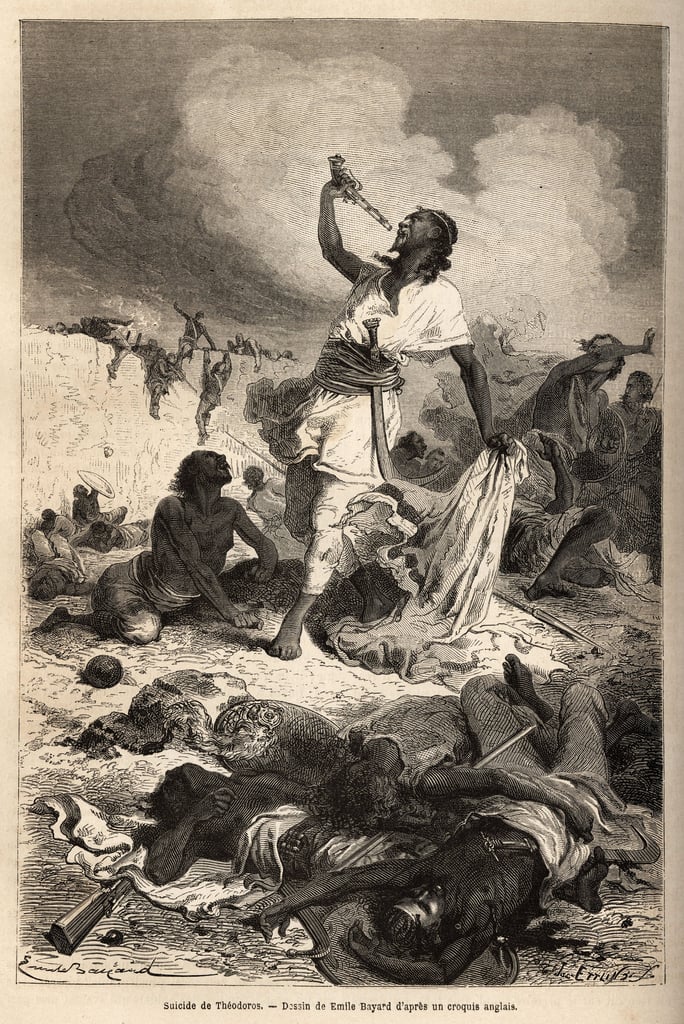
The suicide of the Emperor (negus) of Ethiopia Theodoros II (Tewodros) (circa 1818-1868), on April 13, 1868, after the torching of his fort at Magdela by the British. Considered the first ruler of Abyssinia after the Zemene Mesafint (the Age of the Princes), his reign (1855 – 1868) marks the start of the Abyssinian Empire. (Drawing by Emile Bayard after an English sketch. Engraving published in: Narrative of a Journey through Abyssinia by Guillaume Lejean from El Mundo en La Mano 1879 by Jerónimo Alba. Photo courtesy: Joseph Ettlin)

When European powers began establishing colonial enclaves, protectorates, and spheres of influence in the Horn of Africa at the end of 19th century, Ethiopian emperors — first, Emperor Yohannes IV (1871-1889) and later, Emperor Menelik II (1889-1911)— invoked the boundless geographic imagery of Ethiopia to assert jurisdiction over a huge swath of land and independent societies, of which they had neither knowledge nor any meaningful juridical-administrative control. In 1891, for example, Emperor Menelik II sent a circular to European powers – a document suggested and drafted by the Italian Resident-Agent in Addis Ababa, Count Augusto Salimbeni. In this letter, the emperor described the boundaries of his empire and vowed to
re-establish the ancient frontiers of Ethiopia up to Khartoum and as far as Lake Nyanza [Lake Victoria] with all the Gallas [derogatory racist term used to refer to Oromos],
if God granted him long life and strength.

The Italians, by then in control of their colonial primogenita, Eritrea, were encouraging Emperor Menelik to lay claim to territories not directly under his control because they were still hopeful that they would make Menelik’s Ethiopia an Italian protectorate. In boundary negotiations with the British, who insisted on delineating the frontiers of their colonies in Sudan, Somaliland, Kenya, and Uganda with Ethiopia, Emperor Menelik declared to the British Envoy, Raynold Rhodes, that he considered Ethiopia’s boundaries to be extending from
2- and 14-degree north latitude, the shore of the ocean [Indian] on the east, and the right bank of the Nile on the west.
Ethiopia’s colonialist claim over territories and peoples that did not belong to it, was not limited to declarations and circulating of letters. It mobilized its entire war machinery to realise its imperial project and subjugated hitherto autonomous populations and territories, thereby creating a prison-house of nations and nationalities.

The current Ethiopian Prime Minister, Abiy Ahmed, can be likened to a taxidermist clumsily attempting to re-create a facsimile of what he imagines to be a once-glorious ports-owning, seafaring Ethiopian empire. He and his coterie of cadres are hard at work to resurrect the image of a mighty Ethiopian empire whose territorial bounds, presumably, go beyond its current boundaries to include the Eritrean coast. However, they are mounting this image on the wobbly and rusty scaffolding of historical inaccuracies and myths.

Ethiopia has never been a maritime power in its history. As a matter of historical fact, Ethiopia as we know it today, did not even exist prior to the European scramble for Africa at the turn of the 20th century. Despite the tired but entrenched fiction that portrays Ethiopia as an ancient polity with fixed and sacred boundaries, the history of the emergence of Ethiopia as a spatially bounded polity is no different than other African countries. Ethiopia was not colonised; however, its definitive boundaries were colonially determined.

The Eritrean Coast: Autonomous Frontier Zone between Empires

Abyssinia, the precursor to modern Ethiopia, was not seriously preoccupied with owning or controlling a sea outlet. Thus, the notion that Ethiopia was historically a maritime state and had ownership over the Red Sea coast is pure historical fiction. From the early 16th to the latter half of the 19th century, the Red Sea was essentially an Ottoman Sea, wherein powerful local intermediaries ruled and collected tributes on behalf of the Sublime Porte in Istanbul. The fate of the Eritrean coast was no different.

Except for a brief period, the Ottomans did not rule the Eritrean coast directly. They delegated their authority to a local Beja-descended Belaw ruling family, known as the Na’ibs, who ruled the Eritrean coast and the adjacent inland territories until the Italian occupation of Massawa in 1885. The Na’ibs annually sent part of the customs duties they collected to Istanbul, but maintained significant autonomy. In Eritrean historiography, the period between mid-16th and end of the 19th centuries is referred to as Ottoman-Turkish colonialism. However, characterizing it as colonialism is a misnomer. The Ottoman jurisdiction over the Eritrean coast, was nominal and indirect. The prevailing emphasis among historians has been on the inter-imperial – Ethiopian, Ottoman and European – competition to control the Eritrean coast. The focus on major imperial actors, elides the agency of local actors and the extraordinary skill they displayed in successfully preserving their autonomy from direct imperial control.

During their 350-year rule, the Na’ibs exerted control over crucial trade routes, spanning from Massawa into the interior, and extended their authority over a large portion of present-day Eritrea such as Habab, Mensae, Bogos (Sahel and Senhit), parts of highland provinces of Akele Guzay and Hamassien (highland provinces), Buri peninsula, Zula, and territories along the Afar coast down to Edi, and the Dahlak islands. Their imposition of custom duties on merchandise transported from the interior to the coast allowed them to amass substantial revenues, thereby strengthening their political influence.

During the extended rein of the Na’ibs, the Abyssinian state had neither the ability nor an express desire to assert a direct control over the Eritrean coast. It was generally divided, unstable, and weak, and despite its imperial aspirations and pretensions, its effective and sustained control was very much limited to present-day northern Ethiopia. However, it had forged a functional modus vivendi with the Na’ibs who allowed the flow of commodities and persons to and from Abyssinia without interruption. The Na’ibs occasionally flexed their muscle, hiked custom duties on commodities going to or coming from Abyssinia, harassed and detained Abyssinian agents or foreigners in the employ of the Abyssinian state. Abyssinian leaders would, in turn, occasionally threaten to annex coastal territories under Na’ib control. However, they were unable to actualize these aspirations due to a lack of capability and means.

When the Abyssinian state was being torn apart by centrifugal forces contending for power between 1769 and 1855 – the so-called era of princes (zämäna mäsäfint) – the Naibs provided security and stability between the Eritrean coast and the Eritrean highlands, maintaining their autonomy well into the second half of the 19th century. Walter Plowden, https://en.wikipedia.org/wiki/Walter_Pl ... is%20death. a mid-19th century British consul to Massawa, testified that
the Na’ib has been considered in all respects as an independent Sovereign on the mainland.
In the latter half of the 19th century, Abyssinian leaders, particularly emperors Tewodros II, Yohannes IV, and Menelik II, launched successful campaigns to consolidate and expand the Abyssinian state. This involved the forceful assimilation of sizeable, hitherto independent communities and polities into historical Abyssinia. Throughout this process of state consolidation and expansion, the Abyssinian state utilised Red Sea and Indian Ocean Ports (such as Massawa, Zeyla, and Obok), with the consent of ruling authorities, for two primary objectives: exporting slaves and importing firearms.


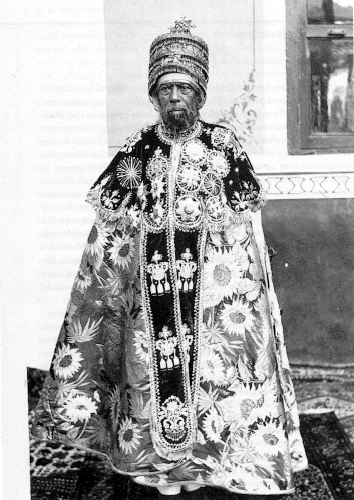
Under Menelik II (1889 – 1913), the Abyssinian Empire relied on the port for primarily two functions: the exportation of slaves, mostly from Oromia, and the importation of firearms. Source: Public Domain, https://commons.wikimedia.org/w/index.php?curid=9415893

As a noted historian of the Red Sea, Jonathan Miran, asserts, the 19th century saw a surge in the transportation of Northeast African slaves across the Red Sea, surpassing any other period in history. This increase in the slave trade was attributed to the tumultuous state-building processes in Ethiopia and the heightened integration of the region into the global capitalist economy. Conservative estimates by historians suggest that out of half a million slaves shipped across the Red Sea in the 19th century, approximately 111,000 were transported through Massawa. Majority of these slaves hailed from southwestern and western Ethiopia, particularly from predominantly Oromo places like Jimma, Limmu, Gomma, Leeqa, and Kaffa. It’s a striking irony that Abiy Ahmed, an Oromo born in Gomma Woreda, https://en.wikipedia.org/wiki/Gomma_(woreda) is currently promoting a misleading narrative of Ethiopia’s historical ownership of the Red Sea.

What Should be Done?

At any rate, historical debates about the nature of pre-colonial territoriality and sovereignty do not have bearings on the territorial questions of current African states. In the African context, the postcolonial states legitimised their sovereignty on the sanctity of colonial boundaries. Members of the Organization of African Unity (OAU) had agreed to respect the frontiers existing on their achievement of national independence on the principle of uti possidetis juris (as you possess under the law), in 1964.

The first three principles of the organization of the Organization of African Unity, assert the sovereign equality of states and respect for the sovereign and territorial integrity of each state. The consideration of colonial boundaries as sacred and inviolable, was not universal in Africa. Some African leaders envisioned a different form of postcolonial reality other than the states inherited from colonialism: there was a pan-African vision that sought to unite Africa under a singular political umbrella, and there were Africans who wanted to remake the colonial boundaries based on ethnic and national affinities. Ironically, Ethiopia, despite its irredentist claims over Eritrea, was among those states who argued for the maintenance of colonial boundaries.

As the seat of the African Union, Ethiopia should do away with its colonial entitlement, measure up to its status and adhere to one of the foundational principles of the Union. Ports and territorial waters, unlike high seas and the deep sea and ocean floor, are not res communis. They are part of the inviolable and exclusive sovereign territory of a state. Arguments about demographic bulge or historical prestige, are not a legitimate basis to contravene these fundamental hallmarks of international law. In fact, that Lebensraum (“living space”) justifies aggression is wrong whether advanced by Germany or Ethiopia.
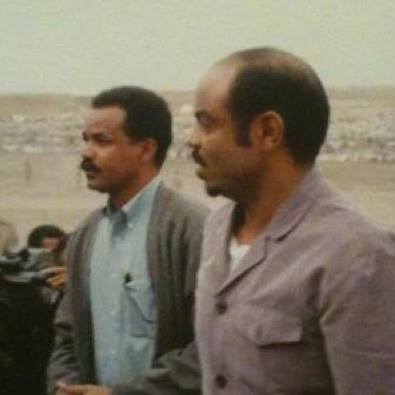

Comrades: Isaias and Meles. Until their bitter falling out, which led to the Badme war in 1998 and the death of over 100,000, Eritrea gave Ethiopia unfettered access to all Eritrean ports, for which they were required to pay in Ethiopian Birr. Photo courtesy: ‘I Love Tigrinya’ on social media.

What Ethiopia can do to address its sea access needs is to negotiate with its neighboring countries, in good faith. As far as Eritrea is concerned, Ethiopia had absolutely no problem with port services. As a matter of fact, and against Eritrea’s best economic interest, Ethiopia was using Eritrean ports for free between 1991 and 1997. As per Article 4 of the Agreement of Friendship and Cooperation between the Transitional Government of Ethiopia (TGE) and the State of Eritrea signed in July 1993, Ethiopia enjoyed full and unrestricted use of the port of Assab. The Ethiopian Shipping Lines handled its own cargo paying Eritrea in its local currency, the Birr, for consignment fees it received in foreign currency. The Agreement of Friendship and Cooperation also allowed Ethiopia to use the port of Massawa for its northern regions at minimal fees and payments – a transit charge of only 1.5%. We can talk about having similar arrangements that can be of mutual benefit for Eritrea and Ethiopia. However, to resurrect the old Ethiopian imperialist ghosts is irresponsible warmongering.
Zmeselo
Senior Member+
Posts: 36841
Joined: 30 Jul 2010, 20:43

Re: Is Ethiopia indulging an imperialist fantasy for the Red Sea?

Post by Zmeselo » 24 Aug 2025, 12:34


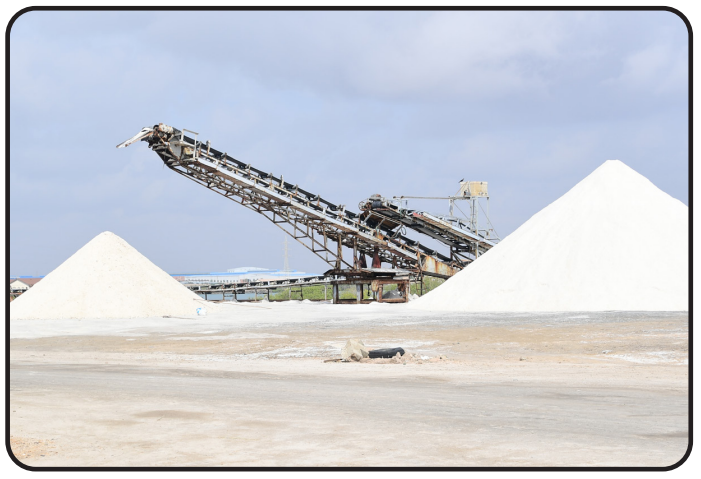
🟧 Revitalizing Eritrea’s Salt Industry

∎ Eritrea's salt production sector holds immense potential, due to the extensive coastal areas and the high salinity of the Red Sea.

∎ The Massawa salt factory at the Halibay site aims to ramp up production from its current level of 20,000 tons to 100,000 tons, within the next five years.

∎ Eritrea's iodized salt product contains sodium chloride content of up to 96.5%, marking it as high-quality.

∎ Continued development at the Halibay site makes it probable to produce one million tons of salt, valued at billions of dollars.

∎ The Menkaekae site near the city of Assab, has the potential to produce up to 10 million tons of salt.

∎ Upon the installation of advanced salt refineries, the factory will initiate the production of value-added products; including gypsum, Clorox, caustic soda, soda ash, and chlorine.


______________


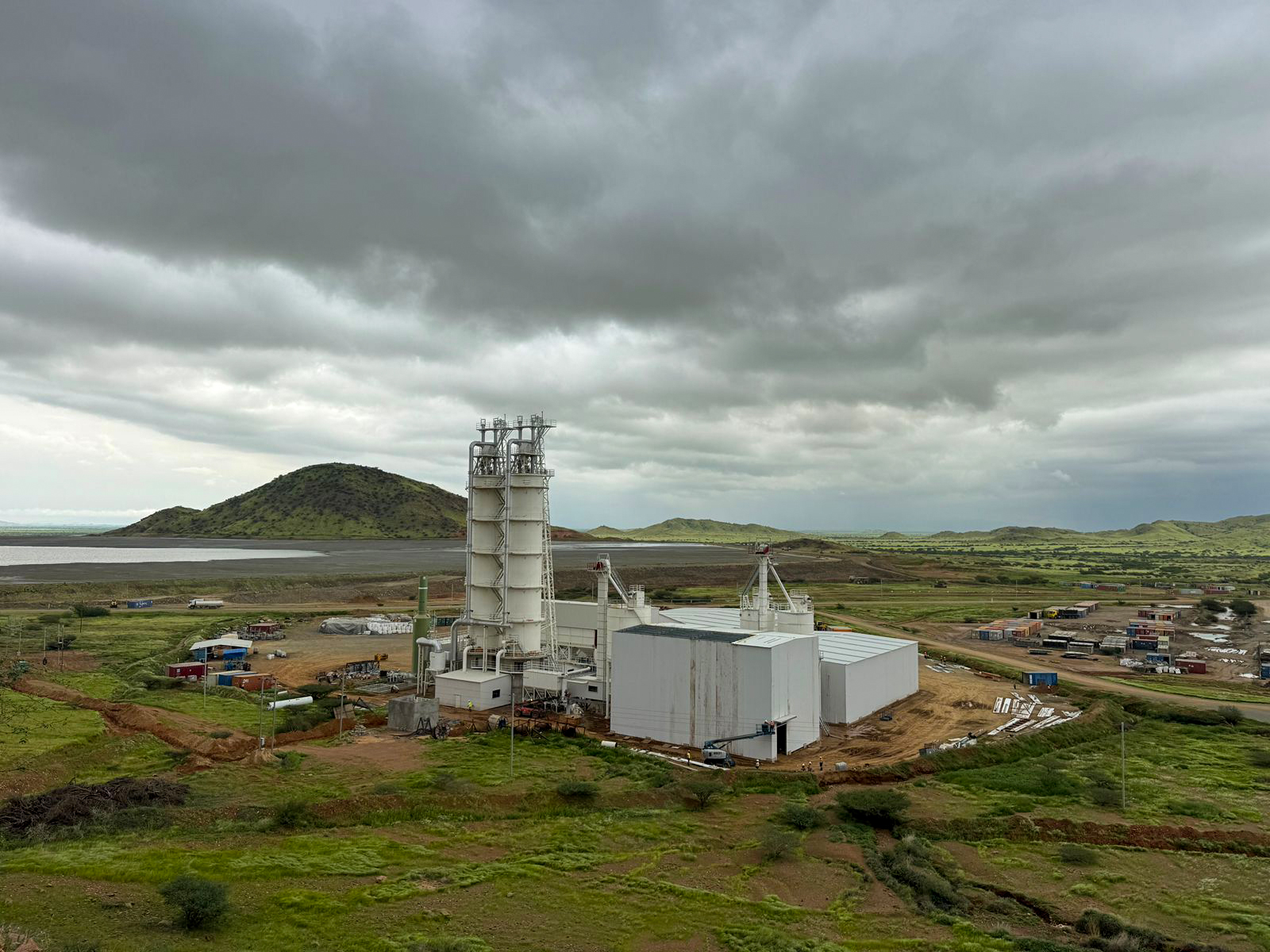
Bisha Quicklime project, Eritrea. 🇪🇷⛏️

Abere
Senior Member
Posts: 14793
Joined: 18 Jul 2019, 20:52

Re: Is Ethiopia indulging an imperialist fantasy for the Red Sea?

Post by Abere » 24 Aug 2025, 12:42

Zeimeslo,

ያለ ዐቅማችሁ ዝሆን እንውጥ ብላችሁ በጭንቀት ትሰቃያላችሁ። የሻዕብያ የሞኝ ብልጠት። የሰው ዕቃ ሰርቆ ዕቃው ለተሰረቀበት ሰው ለማከራየት መሞከር።

Just, return the stolen object and enjoy a peaceful days a head. Assab is a stolen sovereign territory of Ethiopia. You can cry foul non-stop 24/7 year-in year-out, only until OLF-PP and TPLF survives.

You are keep littering this site with sh!t usual fake Shabia propaganda stunt to rationalize the theft of Ethiopian territory know the truth which is nagging you in the gut. You, 100% knows Assab is Ethiopia and Ethiopia is a Red Sea nation. You know, we know too.

Fiyameta
Senior Member
Posts: 19841
Joined: 02 Aug 2018, 22:59

Re: Is Ethiopia indulging an imperialist fantasy for the Red Sea?

Post by Fiyameta » 24 Aug 2025, 12:54

The current Ethiopian Prime Minister, Abiy Ahmed, can be likened to a taxidermist clumsily attempting to re-create a facsimile of what he imagines to be a once-glorious ports-owning, seafaring Ethiopian empire. He and his coterie of cadres are hard at work to resurrect the image of a mighty Ethiopian empire whose territorial bounds, presumably, go beyond its current boundaries to include the Eritrean coast. However, they are mounting this image on the wobbly and rusty scaffolding of historical inaccuracies and myths.
I couldn't have said it better myself! :lol: :lol: :lol: :lol: :mrgreen:


Odie
Member+
Posts: 6099
Joined: 24 Jun 2024, 23:07

Re: Is Ethiopia indulging an imperialist fantasy for the Red Sea?

Post by Odie » 24 Aug 2025, 13:05

ቅምቡርሶ!
ዘ-@ምሶ

Many countries have not been a nation or they did not have sea access by the time Teodros was uniting his country and Menelik was building a nation. You were not even there in the map. Now many countries even with see access are made in the twentieth century.
What is your problem and what is the purpose of your pravda?
Go ask your king to release all those innocent Eritreans rotting in container. Goodness starts from home!

Naga Tuma
Member+
Posts: 6790
Joined: 24 Apr 2007, 00:27

Re: Is Ethiopia indulging an imperialist fantasy for the Red Sea?

Post by Naga Tuma » 24 Aug 2025, 13:59

Zmeselo wrote:
24 Aug 2025, 12:26
By Samuel Emaha Tsegai
Despite the tired but entrenched fiction that portrays Ethiopia as an ancient polity …
Ethiopia as an ancient polity is older than how old the history of the Exodus is. If you fail to understand it, it is not anyone’s fault but yours for not correctly reading history that even a taxidermist could do.

Naturally, you would be expected to know about it more than those farther away.

By all accounts, the rebel fighters were fighters who started their fights at a young age in the shadow of the Cold War. In simple words, that means they weren’t accomplished historians to correctly define Ethiopia going all the way back to the time of the Exodus.

This fact alone makes any Eritrean who ignorantly supports their fights against an ancient polity as old as the era of the Exodus a hypocrite or another illiterate for the history books.

More Ethiopian Renaissance men, including in Eritrea, will be born in due time and correct the history of the Exodus for good.

Zmeselo
Senior Member+
Posts: 36841
Joined: 30 Jul 2010, 20:43

Re: Is Ethiopia indulging an imperialist fantasy for the Red Sea?

Post by Zmeselo » 24 Aug 2025, 14:40


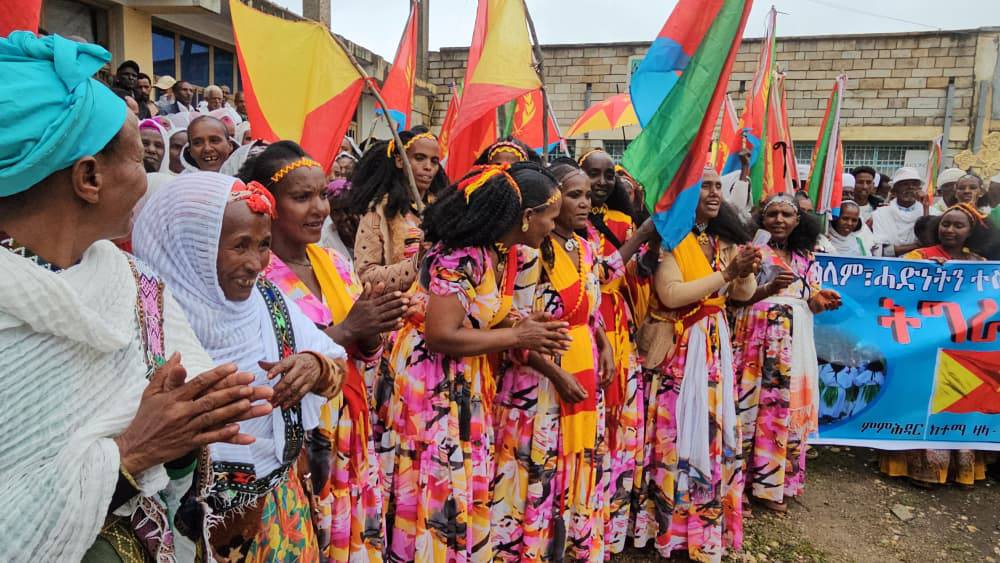
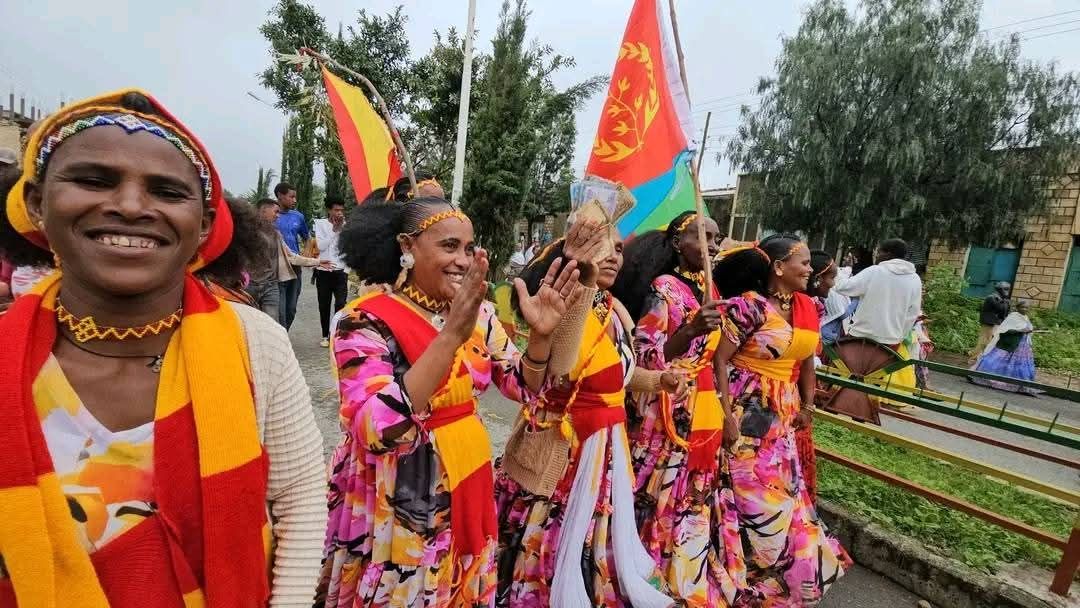
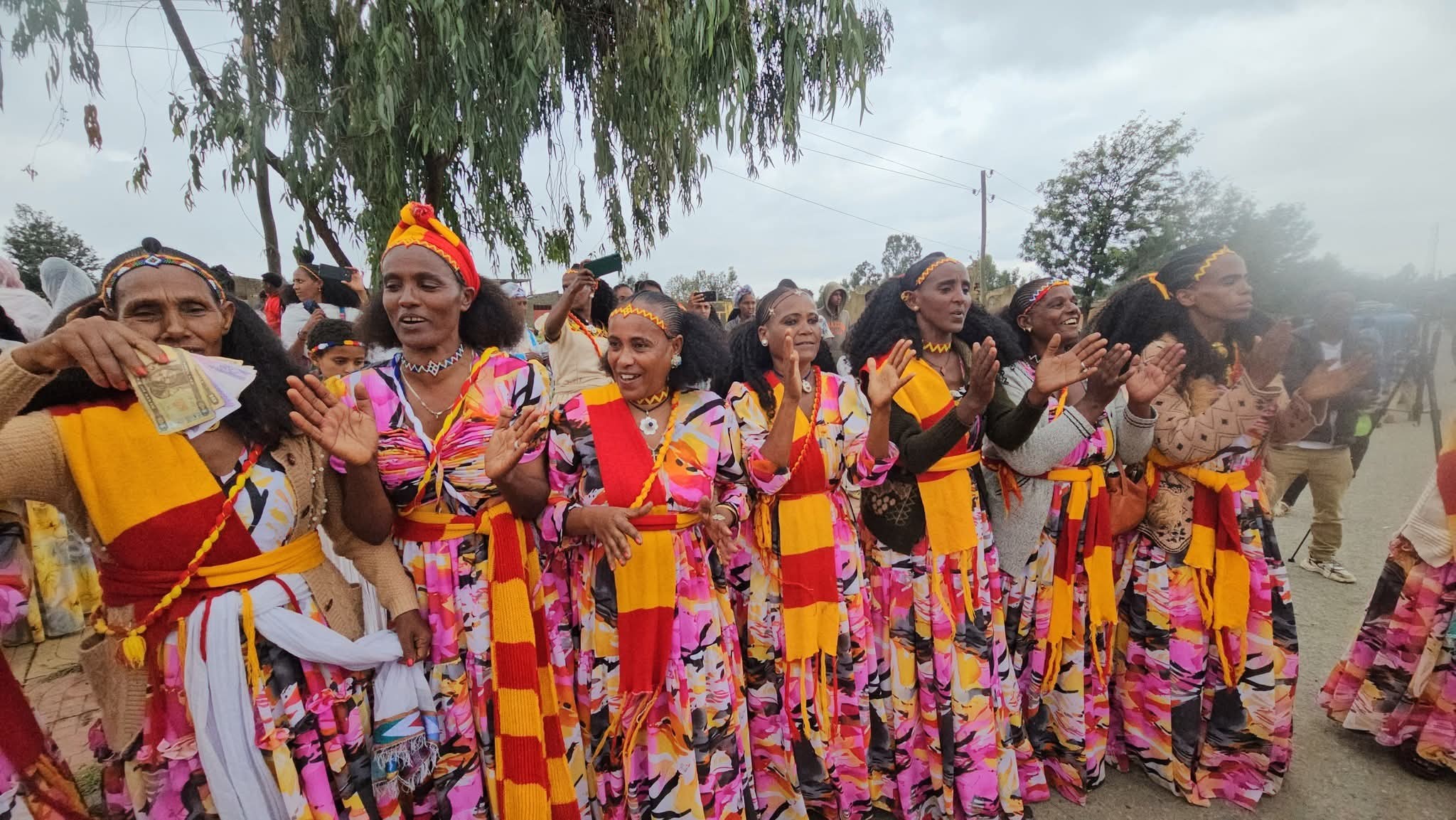
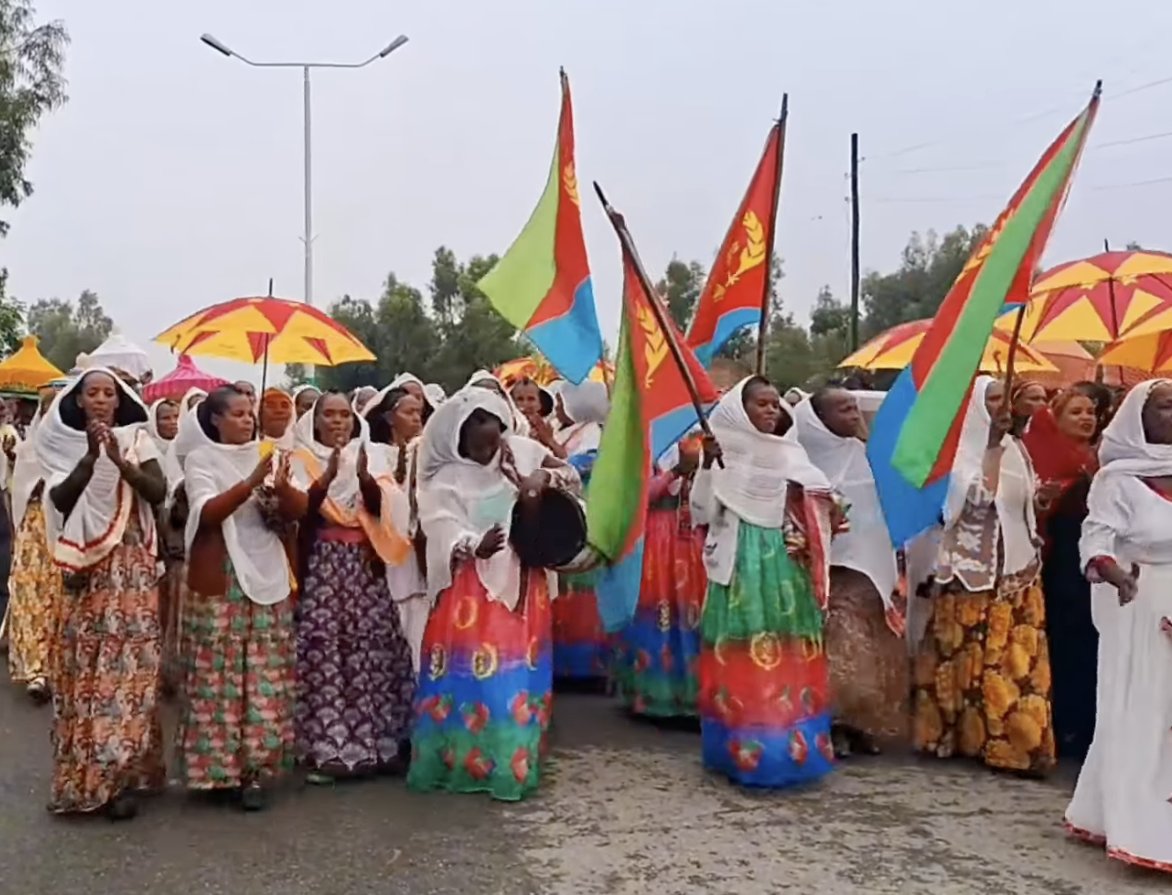
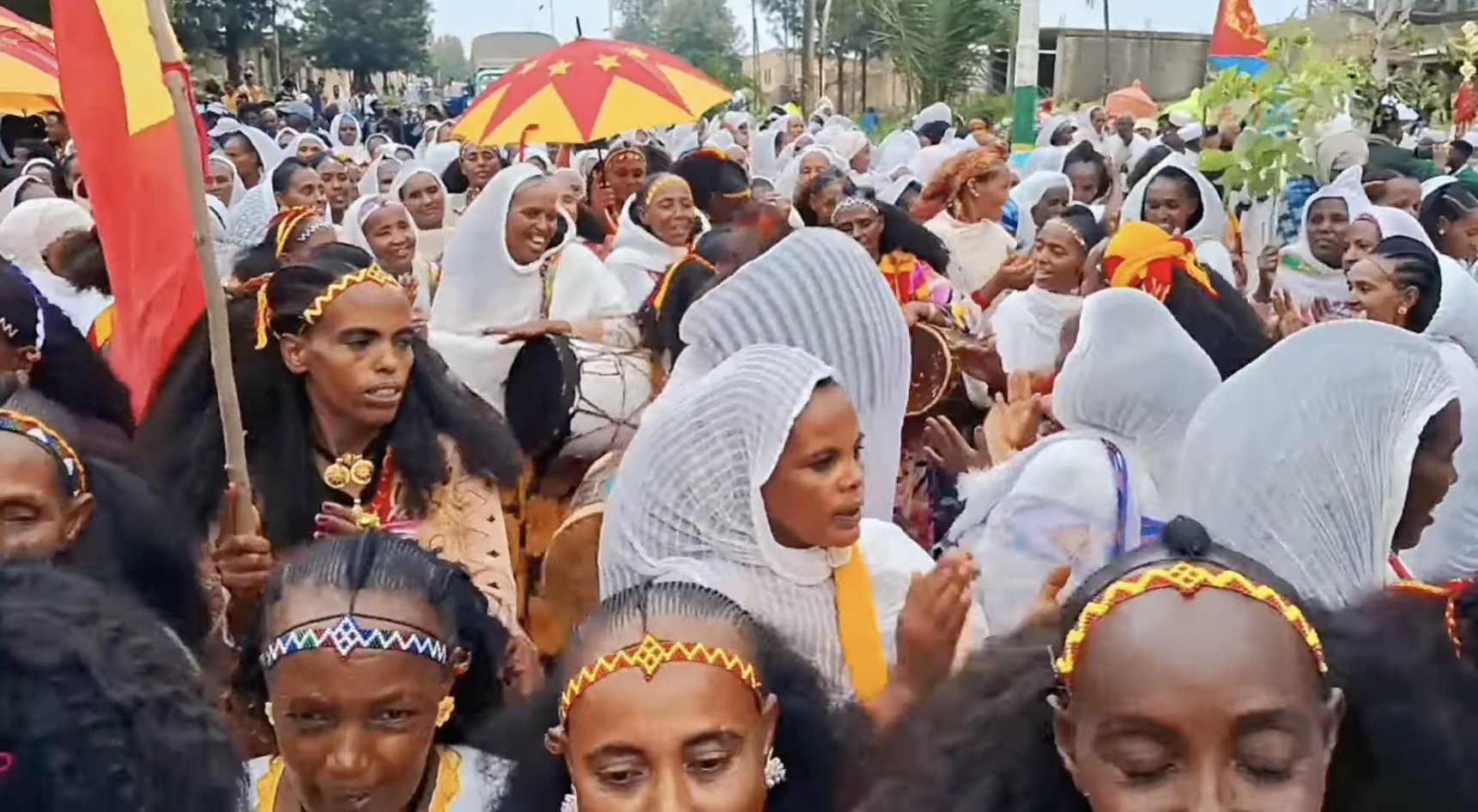
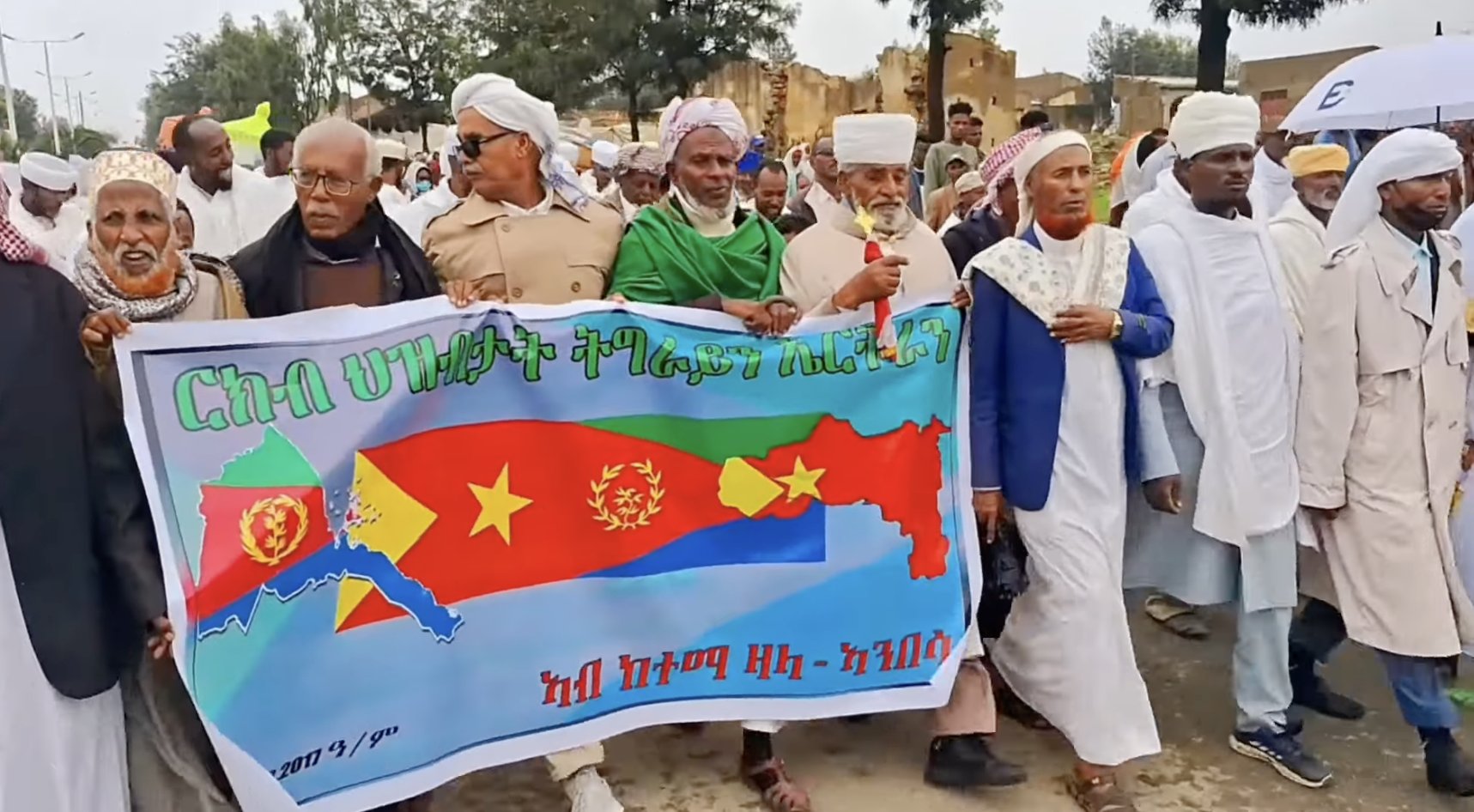
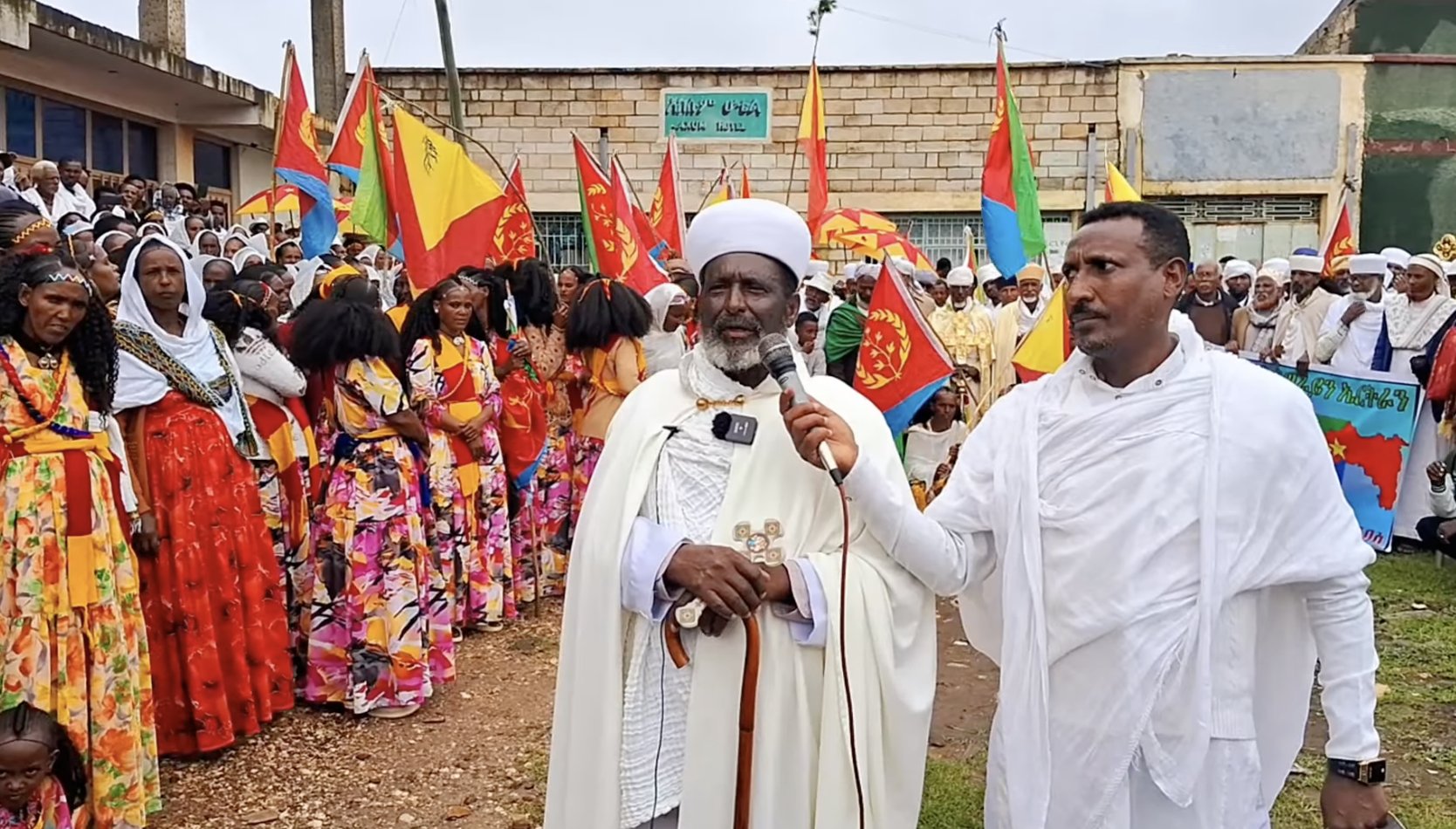
በዓል ማርያ [ኣሸንዳ] ሎሚ ኣዋልድ ሰንዓፈ፡ መጠራን ሰርሓን ምስ መዘናታተን፡ ዓዲግራት፥ ፋጺን ዛላምበሳን ኣብቲ በዓል ተሳቲፈን።

Today, girls from Senafe, Metera, and Serha joined their counterparts from Adigrat, Fatsi, and Zalambessa to celebrate the vibrant Maria [Ashenda] Festival.
Last edited by Zmeselo on 24 Aug 2025, 17:42, edited 2 times in total.


Zmeselo
Senior Member+
Posts: 36841
Joined: 30 Jul 2010, 20:43

Re: Is Ethiopia indulging an imperialist fantasy for the Red Sea?

Post by Zmeselo » 24 Aug 2025, 14:45

Aye odious! :roll:


Odie wrote:
24 Aug 2025, 13:05
ቅምቡርሶ!
ዘ-@ምሶ

Many countries have not been a nation or they did not have sea access by the time Teodros was uniting his country and Menelik was building a nation. You were not even there in the map. Now many countries even with see access are made in the twentieth century.
What is your problem and what is the purpose of your pravda?
Go ask your king to release all those innocent Eritreans rotting in container. Goodness starts from home!

Zmeselo
Senior Member+
Posts: 36841
Joined: 30 Jul 2010, 20:43

Re: Is Ethiopia indulging an imperialist fantasy for the Red Sea?

Post by Zmeselo » 24 Aug 2025, 14:50

As I told your compatriot horsey, you were kicked out militarily because you came in militarily.

If you would go to the "police" (the UN and others) claiming you were robbed, you would be laughed out of town. They were there, supervising our Referendum (99.82% yes to independence).

If you try to take it by force, you would not only be humiliated again but you would not be able to hold together what you already have.

I guess after all, that's the solution for all. The Ethio-slaviazation of your entity.


Abere wrote:
24 Aug 2025, 12:42
Zeimeslo,

ያለ ዐቅማችሁ ዝሆን እንውጥ ብላችሁ በጭንቀት ትሰቃያላችሁ። የሻዕብያ የሞኝ ብልጠት። የሰው ዕቃ ሰርቆ ዕቃው ለተሰረቀበት ሰው ለማከራየት መሞከር።

Just, return the stolen object and enjoy a peaceful days a head. Assab is a stolen sovereign territory of Ethiopia. You can cry foul non-stop 24/7 year-in year-out, only until OLF-PP and TPLF survives.

You are keep littering this site with sh!t usual fake Shabia propaganda stunt to rationalize the theft of Ethiopian territory know the truth which is nagging you in the gut. You, 100% knows Assab is Ethiopia and Ethiopia is a Red Sea nation. You know, we know too.
Last edited by Zmeselo on 24 Aug 2025, 15:01, edited 1 time in total.

Zmeselo
Senior Member+
Posts: 36841
Joined: 30 Jul 2010, 20:43

Re: Is Ethiopia indulging an imperialist fantasy for the Red Sea?

Post by Zmeselo » 24 Aug 2025, 15:00


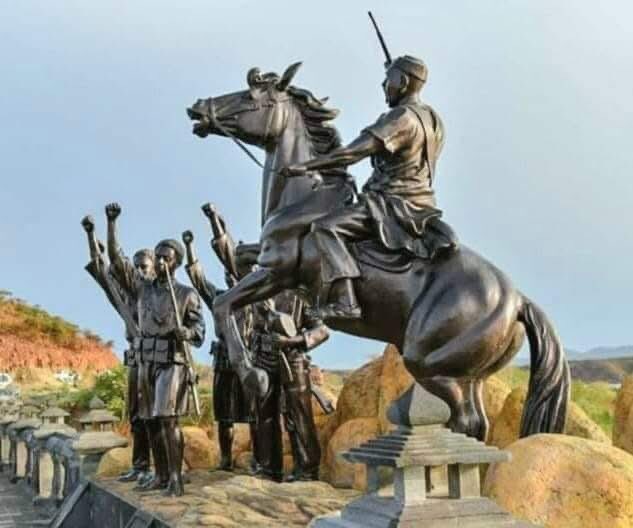
Hamid Idris Awate ሓምድ እድሪስ ዓዋተ🇪🇷

September 1, 2025, marks the 64th anniversary of the initiation of Eritrea’s armed struggle for national independence form Ethiopia colonization by force of arms that ended victoriously in 1991.

Many Eritreans around the globe celebrate Bahti-Meskerem to remember the event and honor Awate who is said to have announced it by firing the first bullet against Ethiopian occupation forces in mount Adal, in September 1961. September 1 stands for belief in a just cause; refusal to give up; determination to fight injustice no matter how overwhelming the odds against us; to pay any price for a cause; and leadership that inspires followers…This is why when we celebrate the date, we also celebrate the man: Hamid Idris Awate.

Abere
Senior Member
Posts: 14793
Joined: 18 Jul 2019, 20:52

Re: Is Ethiopia indulging an imperialist fantasy for the Red Sea?

Post by Abere » 24 Aug 2025, 16:01

How about the recent Badme war where your Shabia Sawa rats dead bodies littered the trench and only the lucky ones fled running like dogs their tails between their skinny legs. When Ethiopians fight in unison as one that is what they did and that is what they will do. They did this to your Italy master. You must be lucky for Derg was not supported by Ethiopians; and lucky for Ascari-Meles Zenawai saved your arse during the Badme war; if it were not for Meles, Shabia were now in the history garbage.

You very well know, Shabia will be done in just in matter of three days when Ethiopians rallies under a true patriotic leader. You will not be enough for their breakfast - that is why your are freaking litter this site out of extremer nervousness - even begging Egypt ( an amateurish country in a battle field with salvage weapons from America's junk yard).

Your rat Shabias guarantee to stay as you are in hell is the 100-years homework given by your Arab and Western masters - that is OLF and Woyane. As long as these black death carrier rats walk on earth, skinny shabia rats will walk in ghosted streets and delipidate buildings of Asmara - a city founded by Ras Alula and ones reached its peak of civilization during Emperor Haile Selassie. Now, Asmara is even uglier for the desert camels to parade.

Zmeselo wrote:
24 Aug 2025, 14:50
As I told your compatriot horsey, you were kicked out militarily because you came in militarily.

If you would go to the "police" (the UN and others) claiming you were robbed, you would be laughed out of town. They were there, supervising our Referendum (99.82% yes to independence).

If you try to take it by force, you would not only be humiliated again but you would not be able to hold together what you already have.

I guess after all, that's the solution for all. The Ethio-slaviazation of your entity.


Abere wrote:
24 Aug 2025, 12:42
Zeimeslo,

ያለ ዐቅማችሁ ዝሆን እንውጥ ብላችሁ በጭንቀት ትሰቃያላችሁ። የሻዕብያ የሞኝ ብልጠት። የሰው ዕቃ ሰርቆ ዕቃው ለተሰረቀበት ሰው ለማከራየት መሞከር።

Just, return the stolen object and enjoy a peaceful days a head. Assab is a stolen sovereign territory of Ethiopia. You can cry foul non-stop 24/7 year-in year-out, only until OLF-PP and TPLF survives.

You are keep littering this site with sh!t usual fake Shabia propaganda stunt to rationalize the theft of Ethiopian territory know the truth which is nagging you in the gut. You, 100% knows Assab is Ethiopia and Ethiopia is a Red Sea nation. You know, we know too.

Zmeselo
Senior Member+
Posts: 36841
Joined: 30 Jul 2010, 20:43

Re: Is Ethiopia indulging an imperialist fantasy for the Red Sea?

Post by Zmeselo » 24 Aug 2025, 16:27

በቀረው ዓለም ከእዝያ በፊት በታሪክ ማን ከማን ጋር ለምን ያክል ግዜ ረጅም የሆነ ውግያ እንደ ተዋጋ፡ በውል የማውቀው ነገር የለም። በእኛ ዘመንና በአዲስቱ ኢትዮጵያ ከተካሄዱት ጦርነቶች ግን፡ ከኤርትራ አማጽያን እንዳደረግነው ውግያ ግዙፍና ብዙ ዋጋ ያስከፈለ አለ ለማለት እቸገራለው።

ካማንም ባዕድ ጦር ጋር ብንዋጋ፡ ከዚህ ጦርነት የበለጠ ዋጋ አንከፍልም። ለምን? መካድ አንችልም! ሰዎቹ ተዋጊዎች ናቸው፡ ይዋጋሉ።

ለዚያ (ለኤርትራ ጦርነት) የተከፈለው መስዋዕትነት ቀላል አልነበረም፡ የወጣው ገንዘብና ሎጂስቲክስ ቀላል አልነበረም፡ በአንድ ታዳጊ ሀገር ረዥም፡ ብዙ የጠየቀ፡ ብዙ መሳርያ የተሰለፈበት ምናልባት ከኮርያ ጦርነት በመለስ የእኛ ጦርነት ነበር። ይኼንን ሁሉም ይቀበለዋል።

I don’t know for sure, in history, what war was fought the longest. However, from the wars that have taken place in our time and in modern Ethiopia, I hesitate to say that there was a war as massive and costly as the one we fought against the Eritrean rebels.

Even if we fought against any foreign army, it would not be more costly than we did in that war. Why? We cannot deny it! The people (Eritreans) are warriors; they fight!
The sacrifice paid for that (the Eritrean war) was not small. The money spent and the logistics were not small, either. For a young nation, it was long, it demanded a lot, and involved a massive deployment of weapons—perhaps, after the Korean war, it was this war. Everyone acknowledges this fact.


Former President of Ethiopia Mengistu Hailemariam, 2024

FACTS:

-The Eritrean armed struggle was the longest armed national liberation struggle in Africa & a highly developed & effective armed struggle, in the world. Many of the largest battles and military operations after WWII; the Red Star 1982 Operations, Nadew 1988, Fenkil 1990 & others, were fought in Eritrea.

-Between 1974 & 1991, Ethiopia lost about 479,589 troops (1% of Ethiopia's then population of 46 million) fighting in Eritrea. Eritrea, lost more than 65,000 of her finest freedom fighters in the liberation war. 30% of Eritrean freedom fighters, were women.

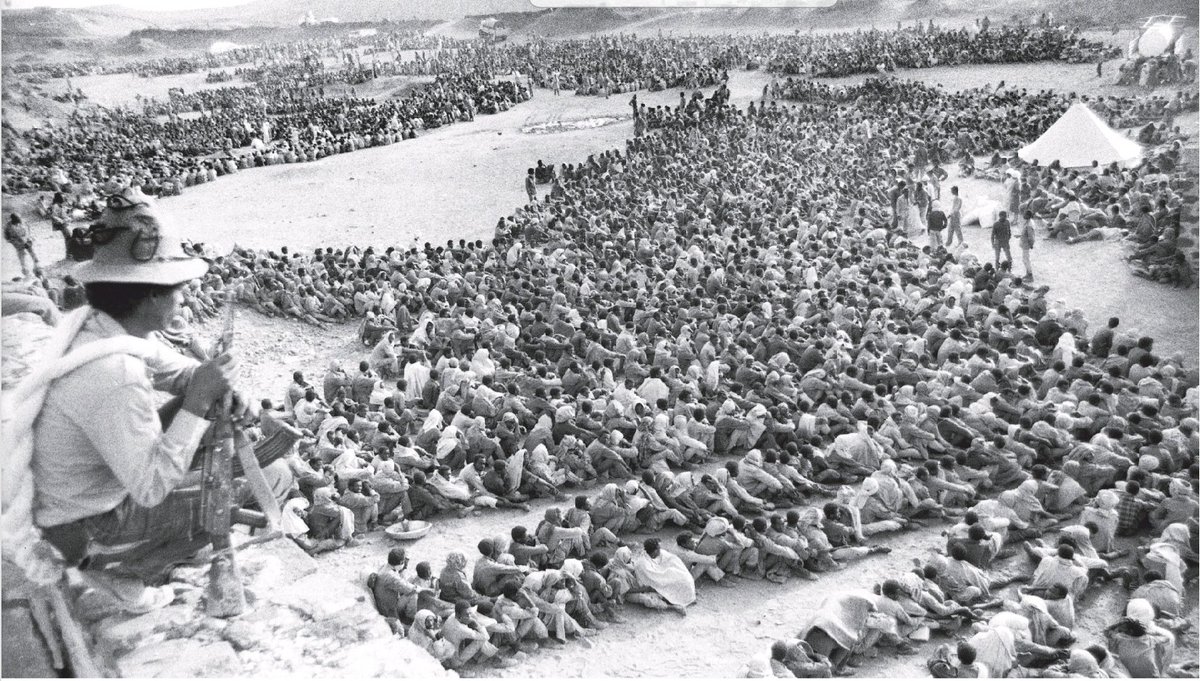
-From 1985-1991, the EPLF released 136,000 Ethiopian POWs. In 1985, 8000, in Dec. 1989, 10,000, in early 1991, 30,000, in Jan. 1990, about 2500, and after Independence in 1991, about 86,000 POWs including 900 officers & 3 Soviet Officers were released.

-Mr. Fasika Sidelil, Derg's Economic Policy Chief, recently revealed that from 1974-1991, Ethiopia spent 50% of its GDP to fight against the Eritrean Armed Struggle for self-determination. From 1961 to 1974, Emperor Hailesilassie spent about 500 million U.S dollar, close to 5 billion U.S dollars worth today, for defense budget. This was mainly to fight the war in Eritrea.

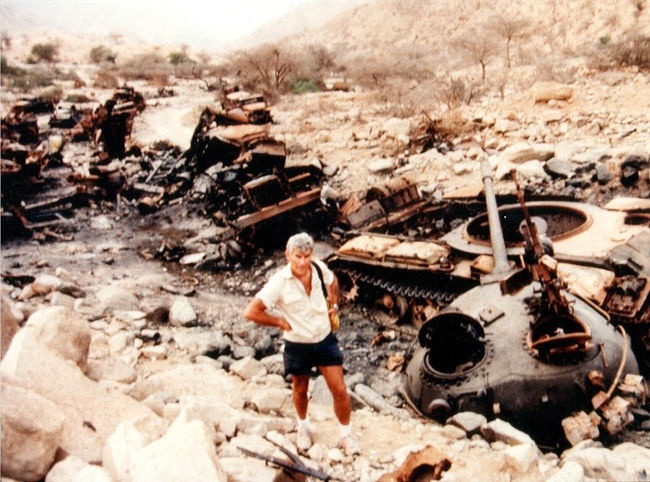
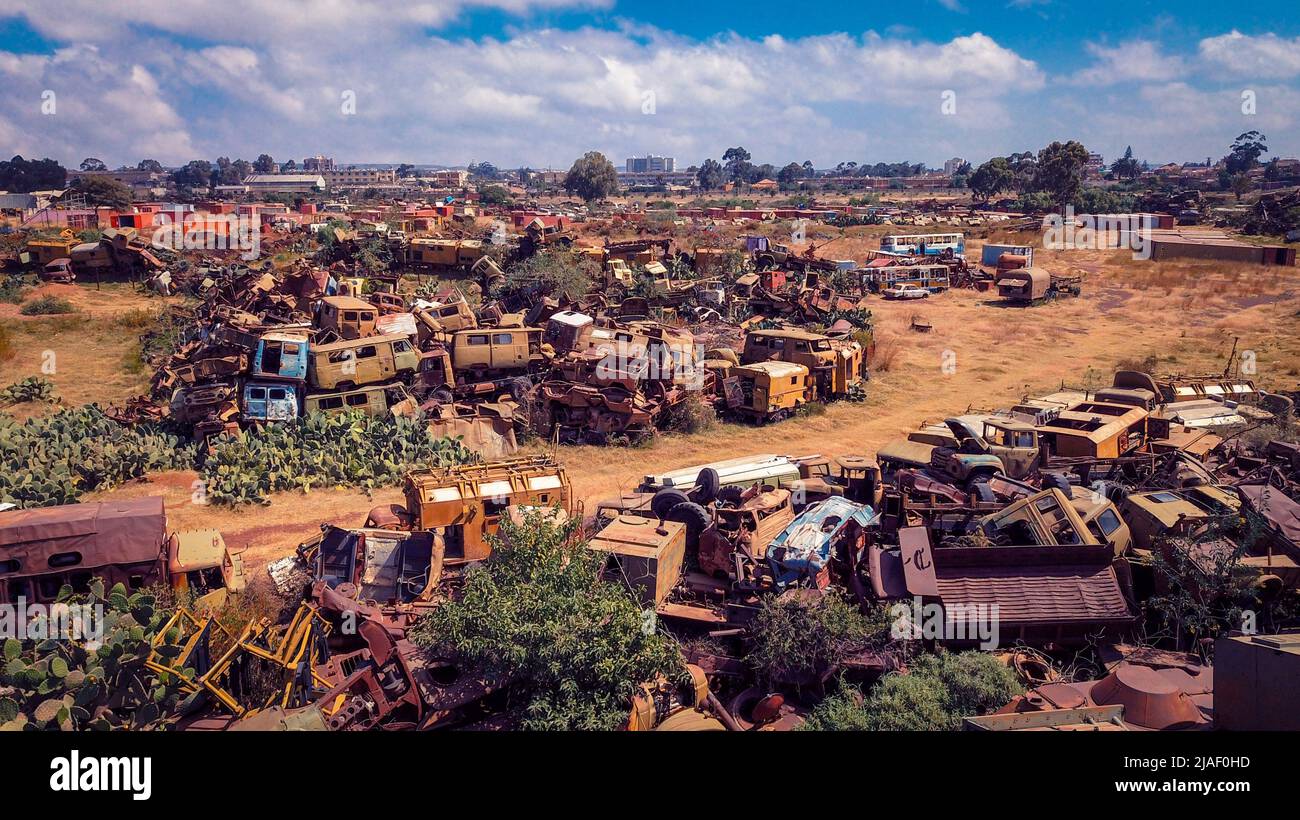
-In 1991, 200 tanks, 50, 130 mm & 171, 122 mm artillery, 44 BM-21 & 18 BM-24 rockets, 127-ZU-23 anti-aircraft, 1038 mortars and a very large number of ammunition were also taken from the defeated Ethiopian Army in Eritrea.

-In 1991, the EPLF destroyed the Ethiopian Navy once and for all.

-In 1984, EPLF commandos destroyed 33 Ethiopian military aircraft including 16 MIG fighters.

-On 17 July 2001, the government of Ethiopia announced that Ethiopia spent $3 billion in the war with Eritrea (from 1998-2000).

-In 1999, Ethiopia spent 700 million U.S dollars, 9.5% of its GDP, to launch one of the biggest Offensive in history to invade Badme, and in 2000 Ethiopia's defense budget was 620 million U.S dollars to unleash the 3rd Offensive against Eritrea.

The government also admitted that the conflict caused massive devastation with staggering human costs, demolished the country’s social and physical infrastructure, and diverted a great portion of the economically active population.
History of Eritrea🇪🇷ታሪኽ ኤርትራ.تاريخ إريتريا: @Erihistory


Eritrean Independence war


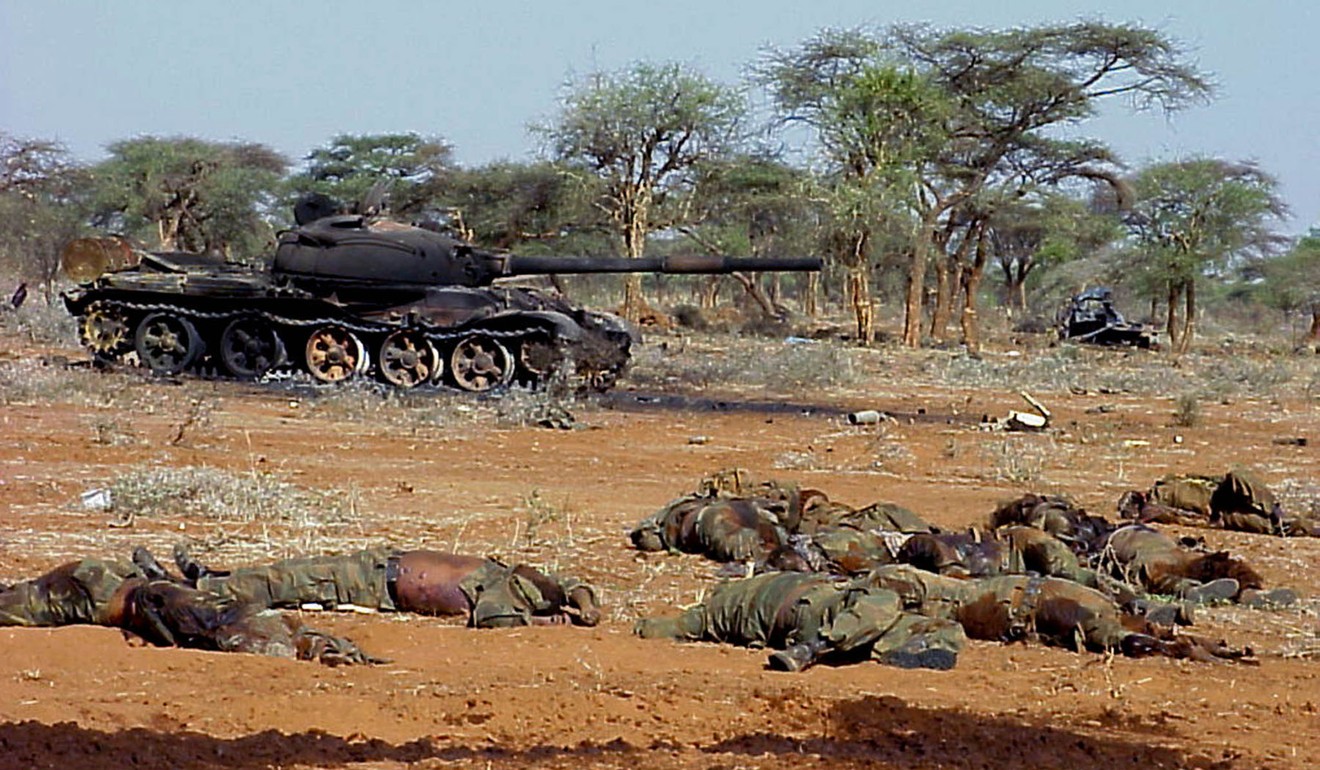
In the so called, border war

If it was like you said, the weyane would be administering Asmara today.


Abere wrote:
24 Aug 2025, 16:01
How about the recent Badme war where your Shabia Sawa rats dead bodies littered the trench and only the lucky ones fled running like dogs their tails between their skinny legs. When Ethiopians fight in unison as one that is what they did and that is what they will do. They did this to your Italy master. You must be lucky for Derg was not supported by Ethiopians; and lucky for Ascari-Meles Zenawai saved your arse during the Badme war; if it were not for Meles, Shabia were now in the history garbage.

You very well know, Shabia will be done in just in matter of three days when Ethiopians rallies under a true patriotic leader. You will not be enough for their breakfast - that is why your are freaking litter this site out of extremer nervousness - even begging Egypt ( an amateurish country in a battle field with salvage weapons from America's junk yard).

Your rat Shabias guarantee to stay as you are in hell is the 100-years homework given by your Arab and Western masters - that is OLF and Woyane. As long as these black death carrier rats walk on earth, skinny shabia rats will walk in ghosted streets and delipidate buildings of Asmara - a city founded by Ras Alula and ones reached its peak of civilization during Emperor Haile Selassie. Now, Asmara is even uglier for the desert camels to parade.

Zmeselo wrote:
24 Aug 2025, 14:50
As I told your compatriot horsey, you were kicked out militarily because you came in militarily.

If you would go to the "police" (the UN and others) claiming you were robbed, you would be laughed out of town. They were there, supervising our Referendum (99.82% yes to independence).

If you try to take it by force, you would not only be humiliated again but you would not be able to hold together what you already have.

I guess after all, that's the solution for all. The Ethio-slaviazation of your entity.


Abere wrote:
24 Aug 2025, 12:42
Zeimeslo,

ያለ ዐቅማችሁ ዝሆን እንውጥ ብላችሁ በጭንቀት ትሰቃያላችሁ። የሻዕብያ የሞኝ ብልጠት። የሰው ዕቃ ሰርቆ ዕቃው ለተሰረቀበት ሰው ለማከራየት መሞከር።

Just, return the stolen object and enjoy a peaceful days a head. Assab is a stolen sovereign territory of Ethiopia. You can cry foul non-stop 24/7 year-in year-out, only until OLF-PP and TPLF survives.

You are keep littering this site with sh!t usual fake Shabia propaganda stunt to rationalize the theft of Ethiopian territory know the truth which is nagging you in the gut. You, 100% knows Assab is Ethiopia and Ethiopia is a Red Sea nation. You know, we know too.
Last edited by Zmeselo on 24 Aug 2025, 19:33, edited 2 times in total.

Temt
Member+
Posts: 5422
Joined: 04 Jun 2013, 22:23

Re: Is Ethiopia indulging an imperialist fantasy for the Red Sea?

Post by Temt » 24 Aug 2025, 18:55

Abere wrote:
24 Aug 2025, 12:42
Zeimeslo,

ያለ ዐቅማችሁ ዝሆን እንውጥ ብላችሁ በጭንቀት ትሰቃያላችሁ። የሻዕብያ የሞኝ ብልጠት። የሰው ዕቃ ሰርቆ ዕቃው ለተሰረቀበት ሰው ለማከራየት መሞከር።

Just, return the stolen object and enjoy a peaceful days a head. Assab is a stolen sovereign territory of Ethiopia. You can cry foul non-stop 24/7 year-in year-out, only until OLF-PP and TPLF survives.

You are keep littering this site with sh!t usual fake Shabia propaganda stunt to rationalize the theft of Ethiopian territory know the truth which is nagging you in the gut. You, 100% knows Assab is Ethiopia and Ethiopia is a Red Sea nation. You know, we know too.
Keep on dreaming, you stupid mother fµcker! Coçk sµccking Shît head!

Naga Tuma
Member+
Posts: 6790
Joined: 24 Apr 2007, 00:27

Re: Is Ethiopia indulging an imperialist fantasy for the Red Sea?

Post by Naga Tuma » 25 Aug 2025, 22:48

Zmeselo wrote:
24 Aug 2025, 14:50

If you would go to the "police" (the UN and others) claiming you were robbed, you would be laughed out of town. They were there, supervising our Referendum (99.82% yes to independence).
Atse Haile Selassie, who arrived at the UN before you guys, advised all of us, including you when you were part of Ethiopia, the following: የቤተሰብን ጉዳይ ለገላጋይ ሲሳይ ኣናድርግ።


ዩ ኤን ስንሄድ የሚከተለዉን ርቨሌሽን ይዘን ሄደን የኢትዮጵያ ልኡክ ወንበር ላይ የልኡኩ ስም አጠገብ ብናስቀምጥ ዩ ኤን ይከለክለናል? ርቨሌሽኑ የእኔ ምኞት ሳይሆን ለዘላለሙ የሚነበብ ነዉ።

በኣፄ ሀይለ ሥላሴ ላይ ኣድሮ ኣልሰማም ሲል ኢሳያስ
ኩታ ኣጥልቆለት ስያለፋዉ ኖረ በስፍራዉ ሊመለስ

Who you should be concerned about the most are the faithful Eritrean mothers for they might ask you in earnest how they fell out of the faithful Ethiopia.

Post Reply