General
Festival Eritrea 2025: a Celebration of Eritrea’s Cinematography
Mussie Efriem
https://shabait.com/2025/08/18/festival ... atography/
Aug 18, 2025
General
Festival Eritrea 2025: a Celebration of Eritrea’s Cinematography
Mussie Efriem
https://shabait.com/2025/08/18/festival ... atography/
Aug 18, 2025

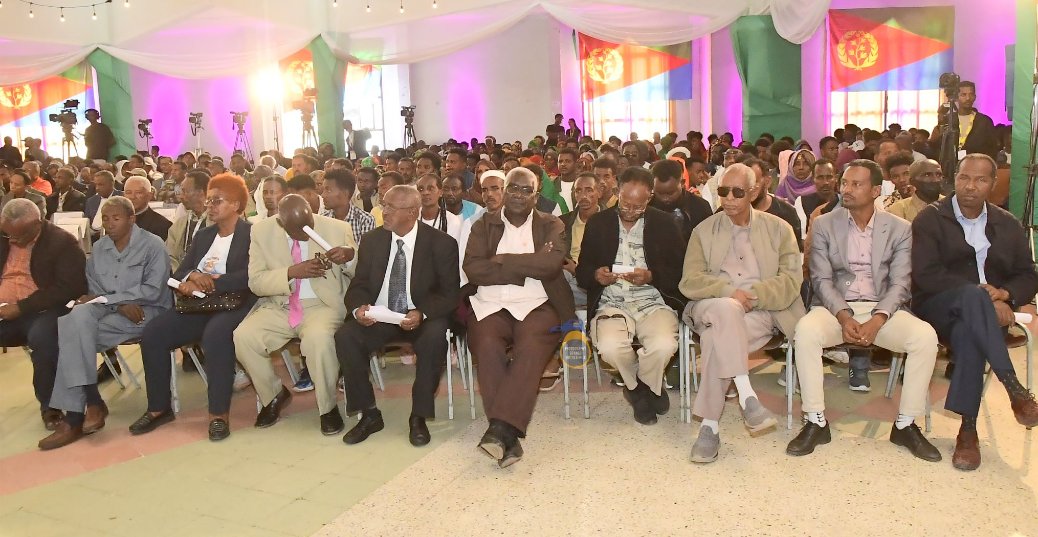
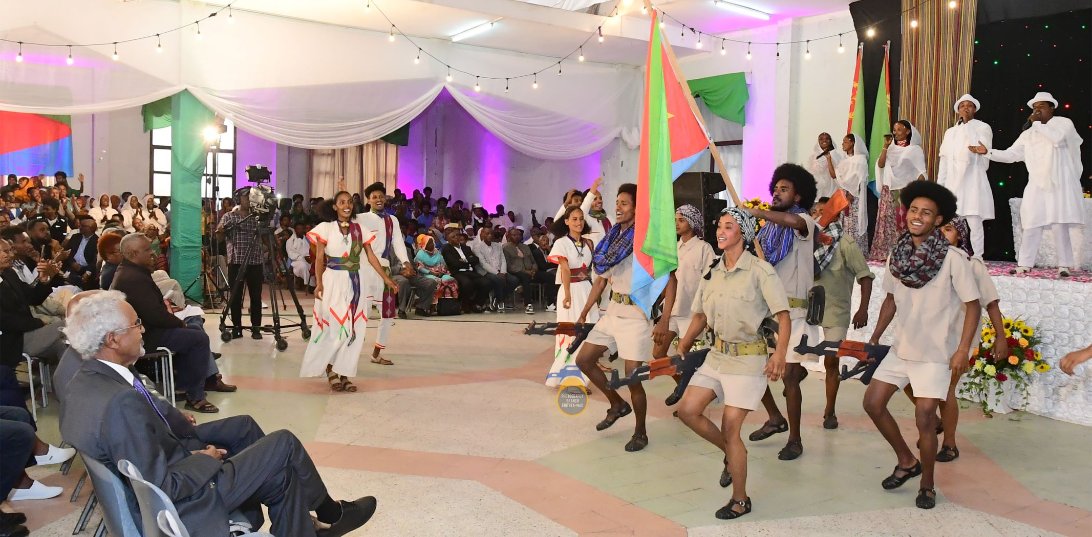
Festival Eritrea 2025, is an event of vibrant celebrations of the nation’s diverse cultural and artistic heritage. The festival brings together the unique characteristics and shared cultures of Eritrea’s six regions, highlighting the rich traditions and community spirit that define the country. It provides a dynamic platform, where the collective artistry and traditions that form the unique fabric of the Eritrean people is showcased.
Festival Eritrea 2025, which began on August 9th and ends on August 17th, has a space for a film pavilion with three distinct sections as part of the overall cultural celebration. The film pavilion has been set to showcase the country’s rich traditions and national identity, with a focus on locally produced films and seminars.
The film pavilion was introduced last year. Building on its success, this year’s edition is filled with an array of exhibitions that demonstrate the evolution and current status of Eritrea’s cinematography. The focus on film underscores its growing importance as a cultural and artistic medium within the country, celebrating a history that dates back around a century while also looking to the future of Eritrean storytelling. The exhibition provides a platform for filmmakers to engage with the public, share their work, and demonstrate the industry’s contributions in preserving the national identity.
The film industry in Eritrea plays a central role in storytelling, cultural preservation, and the expression of national identity. Through film, Eritreans are able to share their narratives, celebrate their history, and explore contemporary issues, all while fostering a sense of unity and pride among the populace.
The film pavilion at Festival Eritrea offers a unique opportunity to explore Eritrea’s evolving cinematic expressions, reflecting the country’s history, aspirations, and the creative spirit of its people. It has three sections.
In the first section are displayed technologies used in the film industry, highlighting the creativity and productions of various artists and enterprises. This provides a platform for both established and emerging filmmakers to display their work to the public and other industry professionals.
The second section relates to the research-based panels and seminars at the West End and Bologna clubs. The panels and seminars offer a space for intellectual discourse on topics related to Eritrean culture, history, and development.
The third section of the film pavilion is the outdoor screening of films. Held in the evenings, these screenings offer a selection of films for audiences. It’s an opportunity for a broader audience to engage with Eritrean cinema, contributing to the festival’s role in promoting arts and culture.
The history of cinema in Eritrea spans around a century, and the film pavilion at the festival is dedicated to honoring this rich legacy. It’s a journey through time, from the early days of movie-going to modern filmmaking. The pavilion is a tribute to the century-long history of Eritrean cinematography. It aims to showcase the journey of film in the country, highlighting its evolution and cultural significance. This immersive experience allows visitors to explore the roots and growth of Eritrean cinema. A central part of the pavilion is dedicated to the legacy of Cinema Impero, one of Eritrea’s pioneering cinemas, honoring its foundational role in establishing a vibrant film culture.
In the film pavilion, what impressed and terrified visitors was a live demonstration of a “
severed hand” makeup effect featured by
keven Tewelde and his team mate. This was not a pre-recorded video display, but a live performance of effects makeup on a person. That impressive makeup effect highlighted the crucial role of special effects makeup in making a film’s narrative believable and emotionally impactful. For attendees, it was a profound experience, serving as a reminder that the horror and suspense they feel while watching a movie are often born from the masterful, painstaking work of artists like these, who bring fictional horrors to life with simple tools and remarkable skill. This exhibition was a testament to the fact that the most significant behind-the-scenes activities are often the ones that feel the most immediate and real, making the fictional world of cinema feel truly alive.

In the film pavilion’s exhibition, one of the most compelling displays was also the recreation of a scene from “
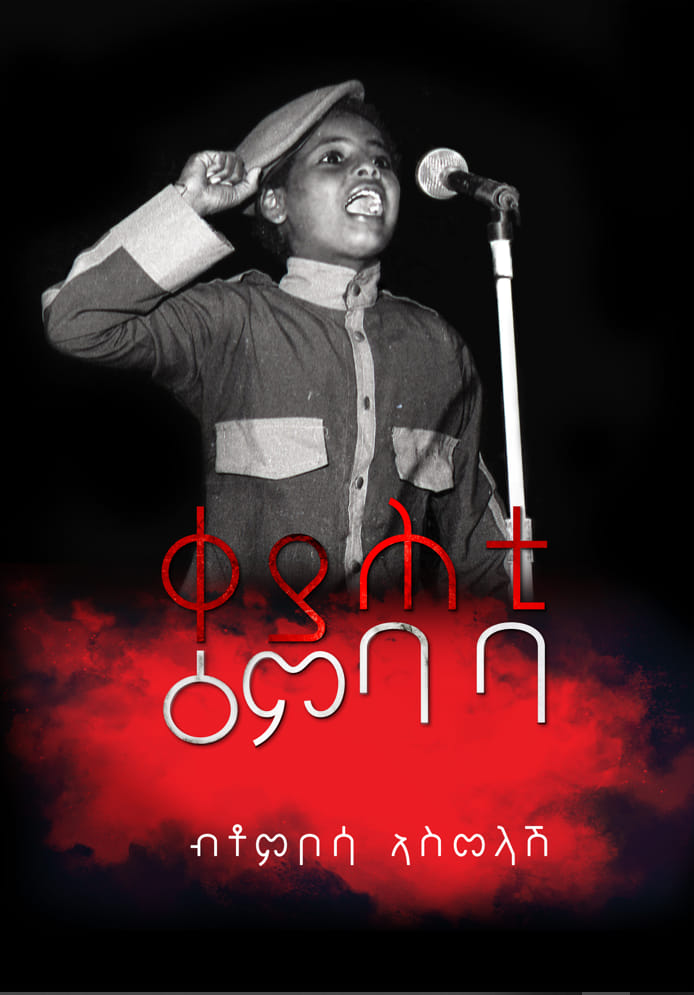
Barud 77,” Eritrea’s first feature film, that was released in 1997. The Waka team meticulously reconstructed a setting from the movie, transporting visitors back to the year 1977. This was particularly captivating because it was more than just a prop display; it was a fully immersive environment. Attendees could physically step into a scene from the film, which gave them a tangible connection to the historical period and a deeper appreciation for Eritrea’s cinematic roots. This exhibition served as a powerful testament to the art of set design and its crucial role in bringing a film’s world to life, allowing the public to experience a piece of their nation’s film heritage firsthand.
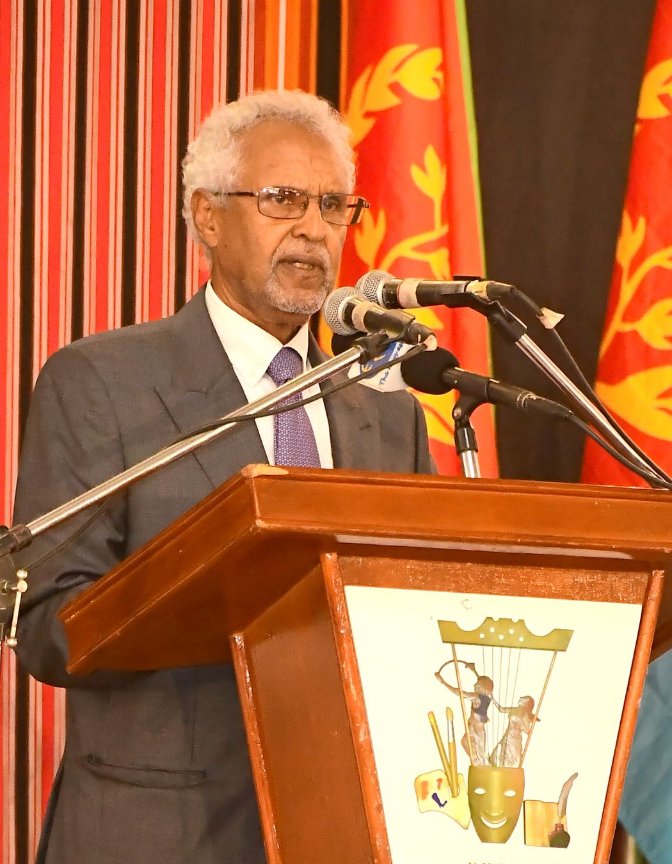
Through concerted efforts, the Eritrean film industry is using film as a powerful tool to preserve and promote the country’s cultural heritage. As film committee member
Samuel Habtemariam said, by producing domestic films that reflect and celebrate the society’s own traditions and values, filmmakers are working to protect the nation’s identity and ensure it remains vibrant and accessible for future generations.
Yohannes Berhane, representing the National Union of Eritrean Youth and Students, provided a detailed explanation of the history of Cinema Impero, which is one of the three earliest cinemas in Eritrea operated by the Union. A section of the film pavilion was dedicated to the Cinema’s architectural heritage and the cinematography history. Constructed in 1937 and opening its doors to the public in 1941, Cinema Impero is not only one of the nation’s oldest cinemas but is also well known for its exceptional Art Deco, a style that defines much of Asmara’s unique architecture.
The film pavilion at Festival Eritrea also had space for the display of films produced by several prominent video production companies, including
BIS,
Amir Graphics, and
Yonan. These companies are recognized for their significant contributions to the development of Eritrean audio-visual industry. Their inclusion in the exhibition demonstrates the ongoing evolution of filmmaking in Eritrea and their role in creating a large body of the nation’s contemporary audio-visual content. By having their works displayed, the companies were able to provide the audience with a comprehensive look at the landscape of modern Eritrean video production. The film pavilion at the festival also showcased a locally made camera crane, highlighting the ingenuity and resourcefulness of the country’s filmmakers. This exhibit demonstrated that filmmakers are not only creating content but also actively involved in developing the equipment needed for production.
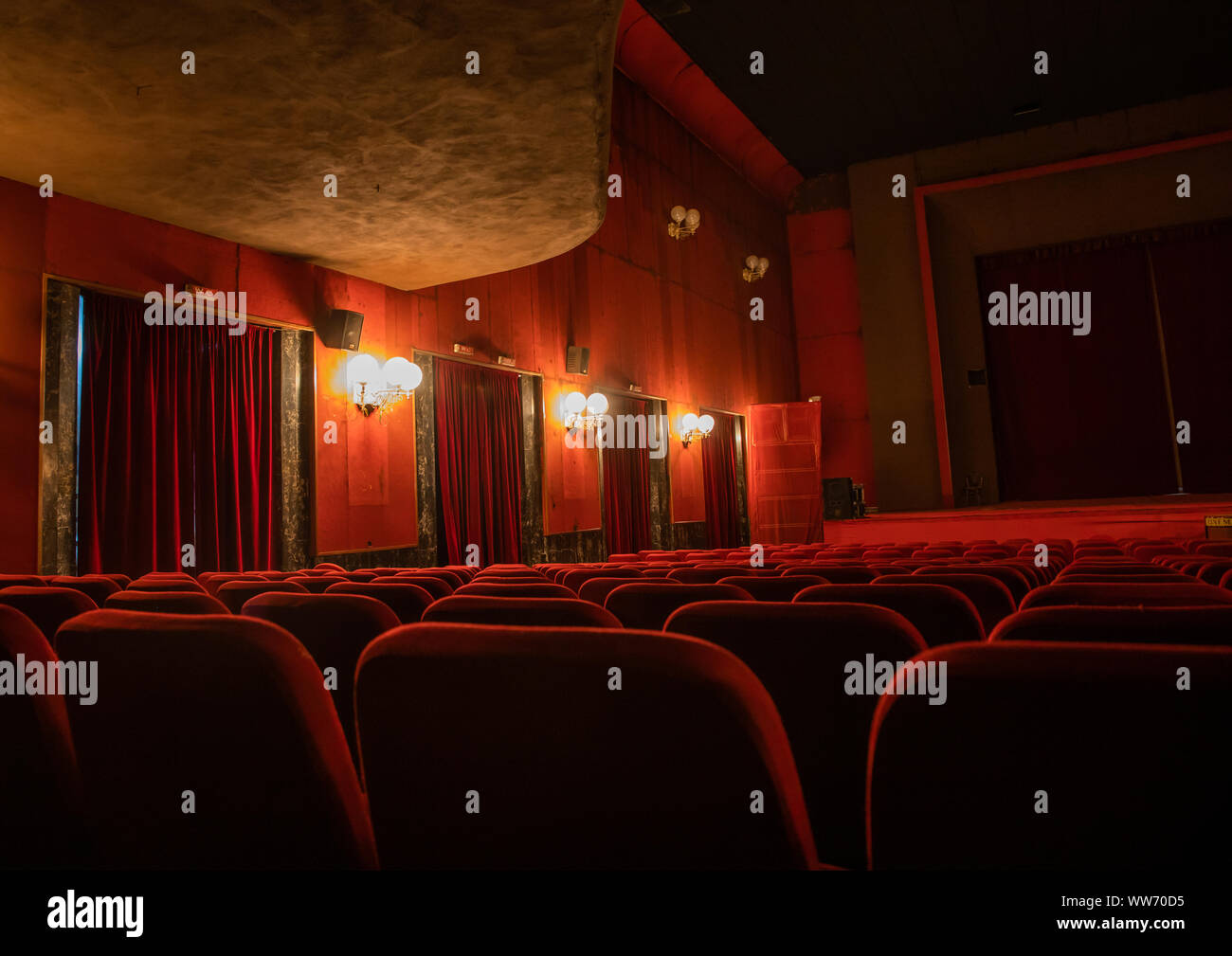 Cinema Impero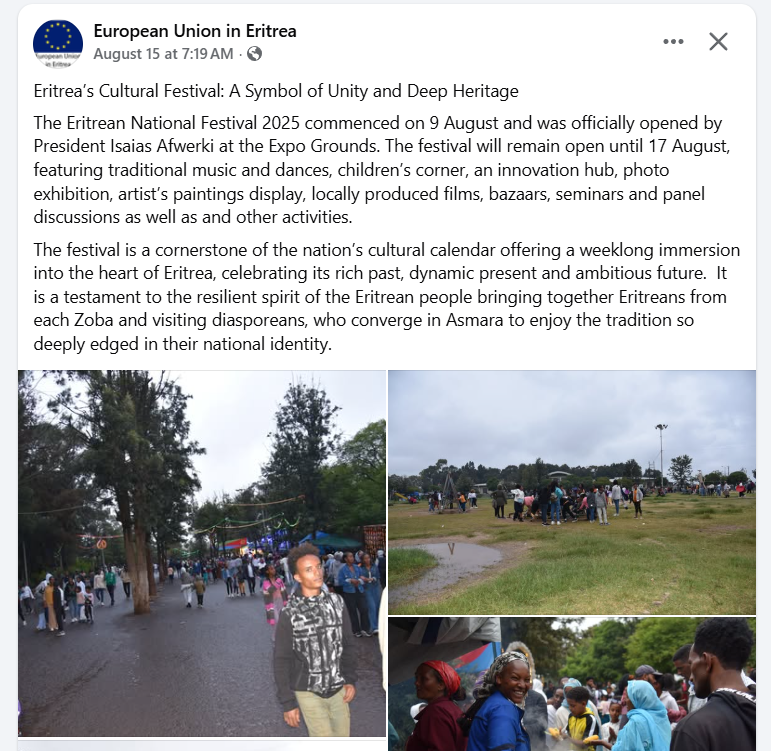
 Eritrea’s Cultural Festival: A Symbol of Unity and Deep Heritage