Bana Negusse @shabait
Jul 21, 2025
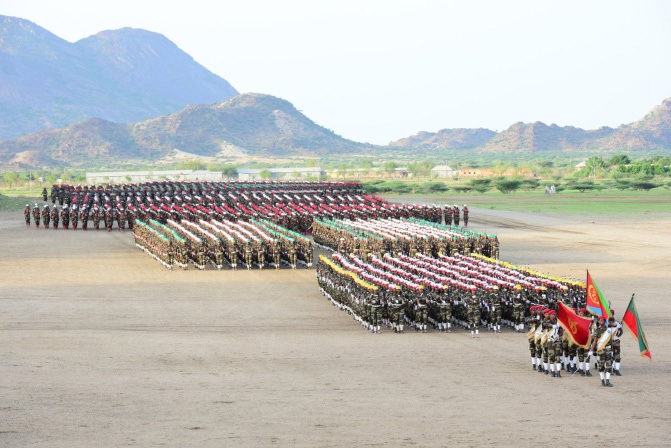
Since winning its independence just over three decades ago, Eritrea has taken a unique and determined approach to development – one that is rooted in self-reliance, social justice, and the unwavering belief that progress must include everyone. While the country is often misunderstood and misrepresented in global discourse and mainstream media, its development path reflects a clear and consistent focus on building from within: shaping policies based on local context and realities, drawing from its deep reservoir of indigenous systems and cultural values, and engaging communities at every level. The following article offers a brief overview of Eritrea’s development journey, with a particular focus on its priorities, strategies, and the values guiding its efforts to build a more inclusive, resilient, and prosperous future.
To begin, Eritrea’s development model is built on a long-term vision that puts people at the centre. It brings together political, economic, social, and environmental goals in a way that’s holistic and interconnected. The country’s policies and institutional framework aim to strengthen national unity, promote fairness, and ensure that progress benefits all citizens – no matter their background or location.
Notably, even before the topics of sustainable, equitable, and inclusive development became a central part of the global conversation, Eritrea had already been putting its principles into action: equality, inclusion, broad-based participation, and social justice. Originating in the long independence struggle, these ideas continue to shape national developmental efforts today, laying the groundwork for sustainable growth that reflects local needs and aspirations.
To support this multifaceted vision, Eritrea has developed a wide range of laws, strategic plans, and initiatives. These aim to strengthen key sectors – such as health, education, infrastructure, and agriculture – while also creating space for communities to actively contribute to and benefit from the country’s transformation. Importantly, special attention has been given to building on the country’s diverse cultural heritage and indigenous knowledge, using them as tools for innovation and progress.
Commitment to cooperation and partnerships
At its heart, development is not an individual effort. Rather, it requires collaboration, both within and beyond national borders. Contrary to misguided assumptions and popular portrayals, Eritrea has always recognized the importance of cooperation and working together. Since independence, the country has consistently sought to forge partnerships that are grounded in mutual respect, trust, and shared goals.
Over the years, Eritrea has built strong relationships with a wide range of partners – from international organizations and regional bodies to civil society groups and its global diaspora. It has also worked with neighbouring countries and global allies to strengthen cooperation on shared challenges, from public health to climate resilience. These partnerships are not just symbolic – they’re practical. Collectively, they have supported concrete progress in areas such as education, food security, and community development, and not a week goes by without news of how some collaborative project or initiative in Eritrea is contributing to promoting development or improving human well-being.
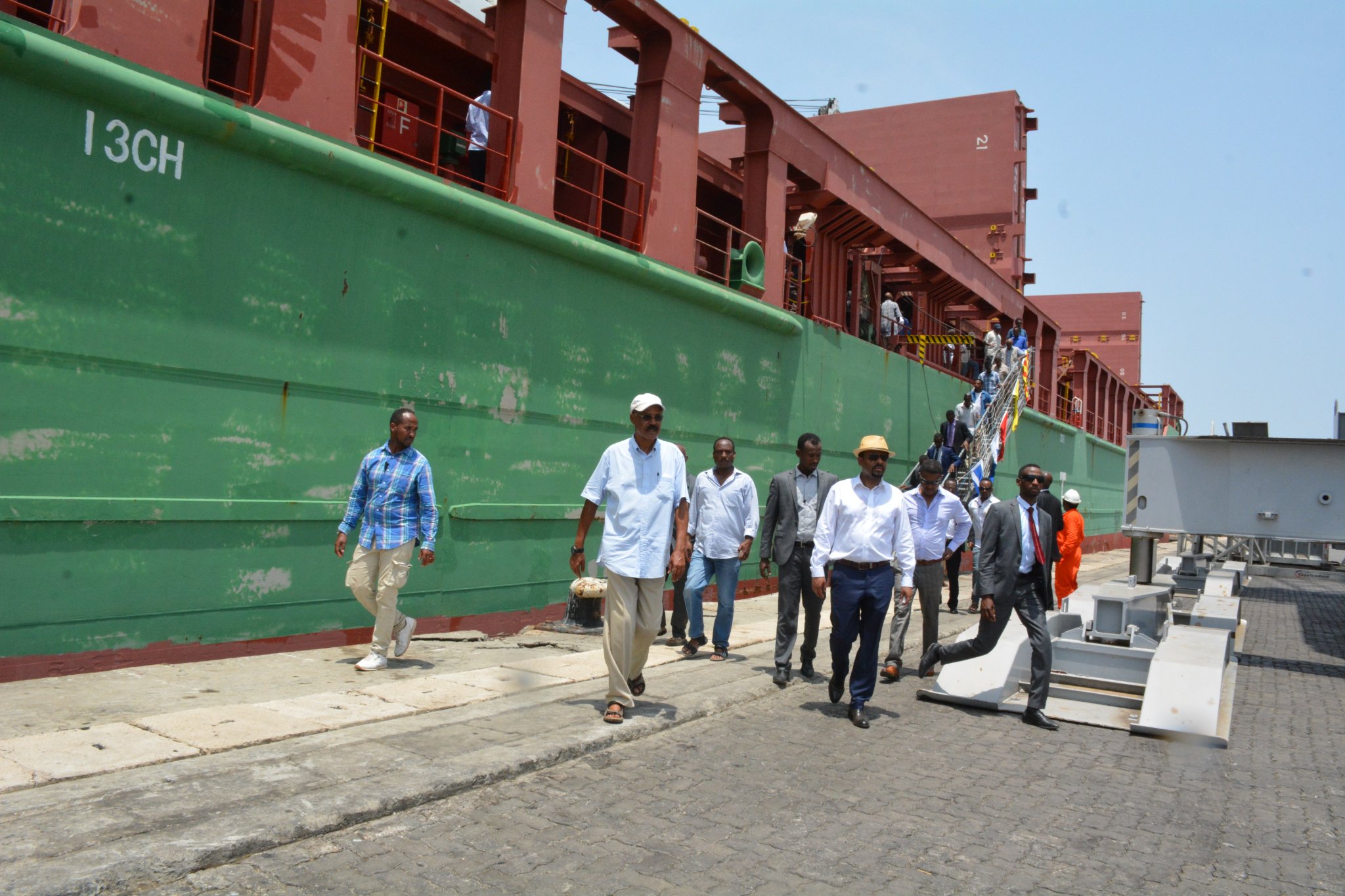
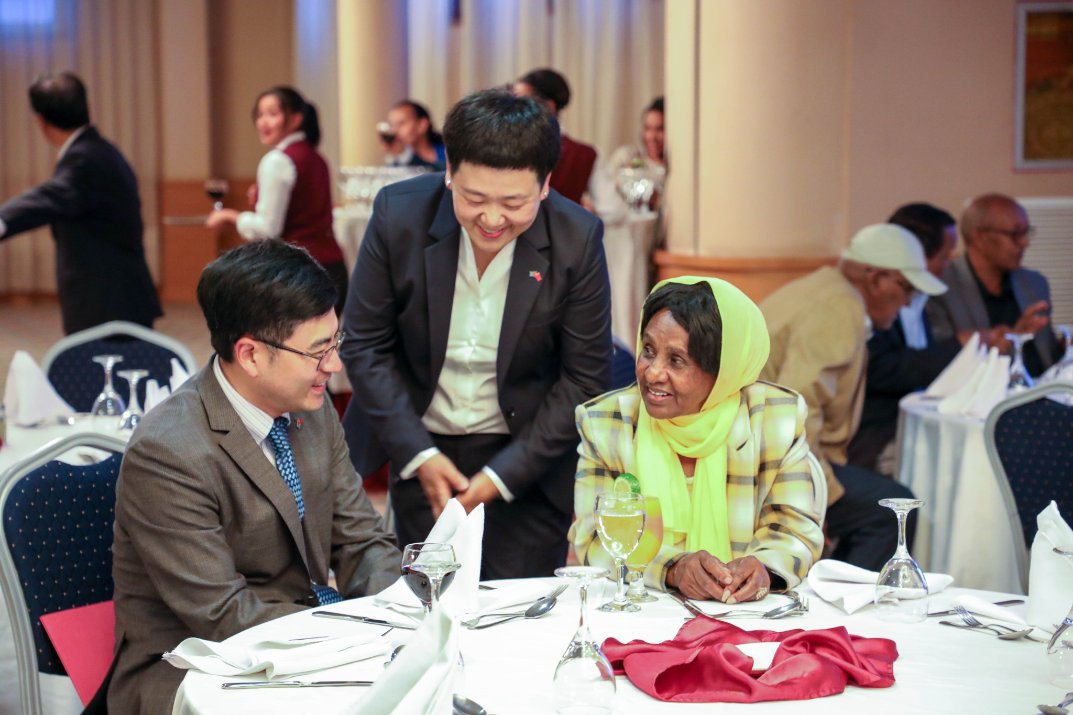
As well, Eritrea continues to deepen bilateral ties. In recent years, high-level exchanges have taken place with countries from across Africa, the surrounding region, and further beyond (e.g., as Egypt, Kenya, Saudi Arabia, South Africa, South Korea, Italy, China, and Russia). These relationships reflect Eritrea’s growing commitment to strengthening regional and international collaboration in support of national development.
Social justice is fundamental
Eritrea’s development efforts are grounded in a deep commitment to social justice. The country’s vision for progress includes lifting people out of poverty, eliminating inequality, and creating a society where everyone – regardless of gender, ethnicity, ability, or income – has the chance to succeed.
Crucially, laws and policies, including new legal codes being rolled out across the country, are designed to protect fundamental rights and to make sure that no one is excluded or left behind. Discrimination based on age, ethnicity, religion, disability, gender, or region is not only discouraged but actively prohibited by law. Efforts to counter extremism, intolerance, and violence also help reinforce the country’s peaceful and respectful social fabric.
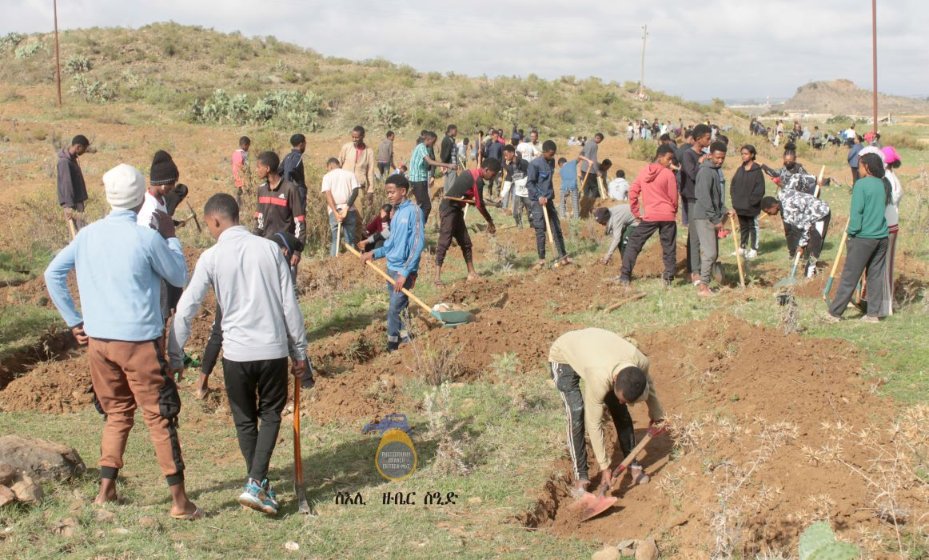
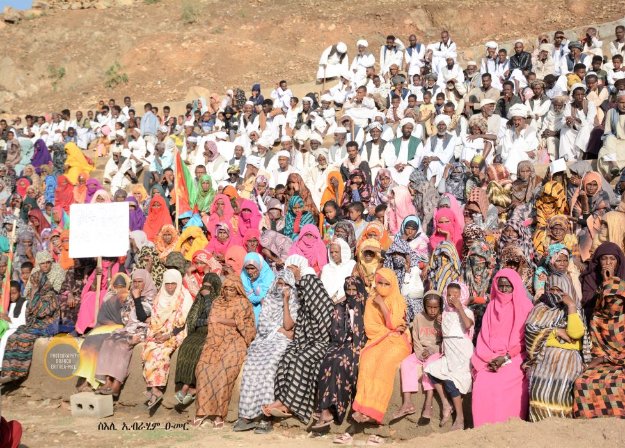
In practical terms, Eritrea has rolled out programs that support vulnerable groups, such as people with disabilities, nomadic communities, those in remote areas, and displaced populations. These programs aim to close gaps, reduce disparities, and ensure that every Eritrean can participate fully in the country’s development and benefit from progress. Additionally, the government works closely with national civic organizations, including those representing women, youth, students, workers, and veterans. These groups play a key role in strengthening inclusion, encouraging civic engagement, and supporting the country’s overall development goals.
Growing…on its own terms
Eritrea’s path to development is shaped by its values, its people, and its determination to grow on its own terms. By investing in local capacity, promoting fairness, and working with partners who share its vision, the country is steadily building a more resilient and inclusive future for all.
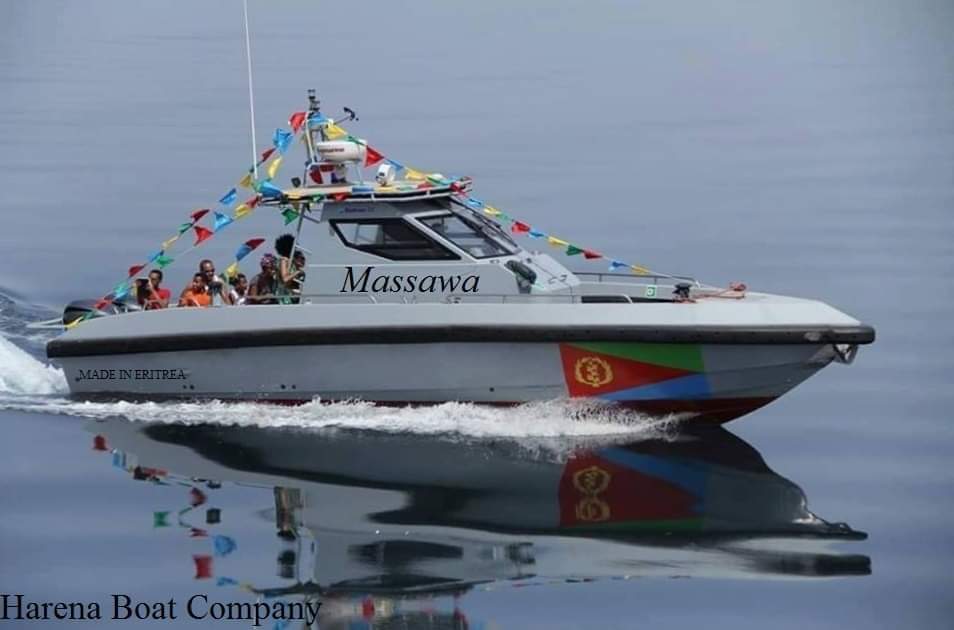
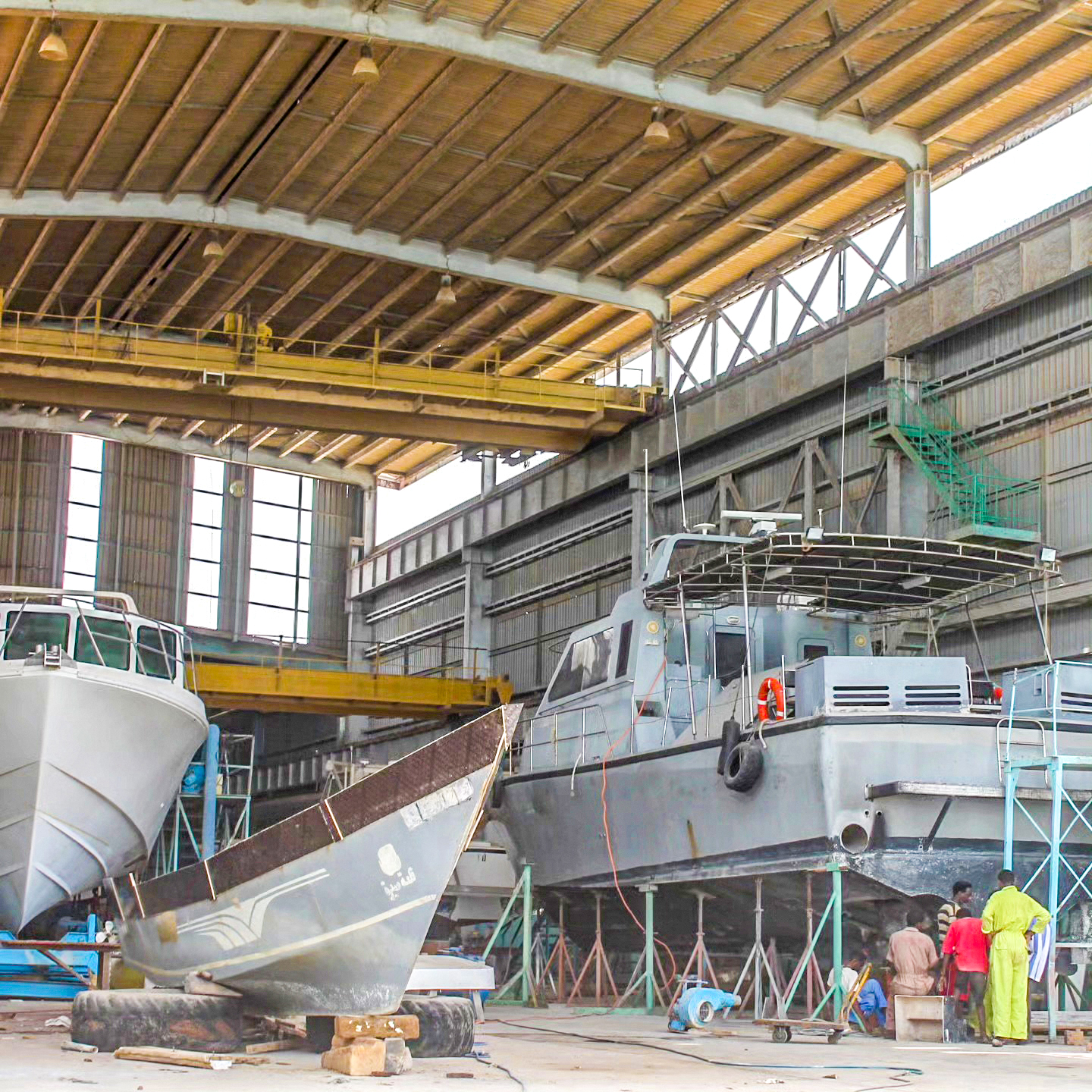
 manufactures its own boats.