this script sabean is the orgin of geez script that is used in eritrea/ethiopia
𐩤𐩱𐩡𐩽𐩴𐩠𐩣𐩺𐩽𐩱𐩹𐩱𐩽𐩱𐩡𐩥𐩤𐩩𐩽𐩱𐩳𐩡𐩲𐩠𐩽 𐩡𐩱𐩨𐩩𐩠𐩽𐩯𐩬𐩢𐩽𐩴𐩬𐩨𐩠𐩽𐩥𐩱𐩡𐩵𐩧𐩥𐩲𐩽𐩣𐩬𐩽 𐩡𐩠𐩽𐩱𐩴𐩬𐩱𐩢𐩽𐩠𐩺𐩽𐩨𐩱𐩩𐩧
𐩢𐩮𐩺𐩱𐩬 𐩱𐩡𐩪𐩺𐩨𐩱𐩬𐩺
Re: 3000 year old yemeni script
2000 years ago Axum was building a glorius state of civilization now its children the "tigrinyas" are barbarians uncivilized ungodly etc. this is because Axumite kingdom was founded by Yemeni Kings and not by these tigrinya and tegaru Kelbs who have nothing to do with the Axumite and Adulis Kingdoms nor with Geez Fidel nor with Tewahado Orthodoxy which was made by 9 Syrian and Egyptian Saints
Re: 3000 year old yemeni script
and the script of yemen is actually from Sinai Penisula in Egypt but the Sinai are not egyptian they are semetic and their writing system spread south into Ancient Yemen entering Eritrea and forming Geez Script (Amharic/Tigrinya Scripts) through the Red Sea than it spread north into Lebanon (Phoenician) who spread this writing system into Greece (Greek Script) turning into Latin Script (All European Writing Scripts) and Carthage (Amazigh Script) then this script also spread across the desert into Syria leading to the rise of the Aramaic Script this Aramaic script would eventually become the Arabic Script .
The Sinaic Script is strangely tied to the land of Moses (Sinai) it must be a symbolic place of antiquity as its closely tied to the story of the Hebrew people and the Hebrew script also is born in this land of Sinai the story of the bible are formed within this epicenter of writing scripts

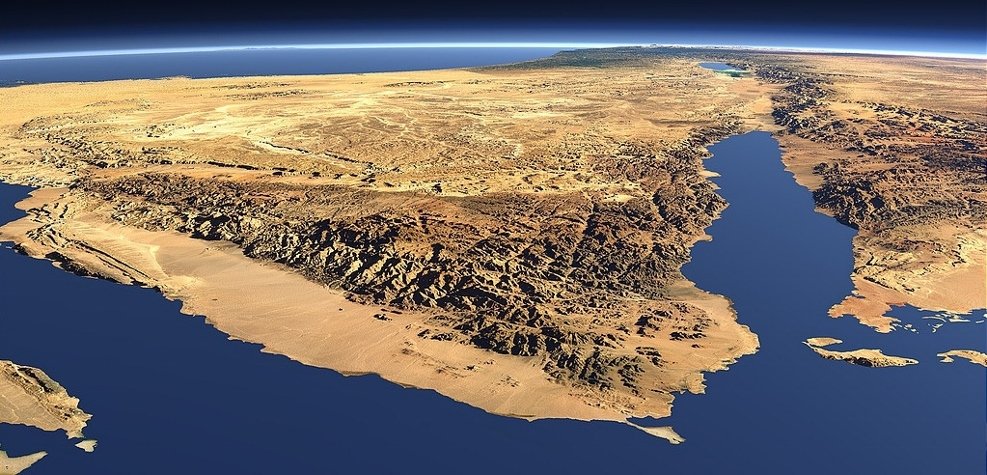
The Sinaic Script is strangely tied to the land of Moses (Sinai) it must be a symbolic place of antiquity as its closely tied to the story of the Hebrew people and the Hebrew script also is born in this land of Sinai the story of the bible are formed within this epicenter of writing scripts
Re: 3000 year old yemeni script
Axum is Amharas civilization buddy. The current day Tigrayans are uncivilized Agew-Beja-kunama mixes after Bejas overrun Our kingdom. Seyum mesfin, megbey ...etc are fingerprints to that old course of ad mixtures
The Amhara kings moved further south with their king , courts and religious institutions. That is how they were able to maintain the uninterrupted kingdom and story telling.
The Amhara kings moved further south with their king
 , courts and religious institutions. That is how they were able to maintain the uninterrupted kingdom and story telling.
Re: 3000 year old yemeni script
Is the curving in stone real, from the time of Moses? It would be quite interesting if it were.TesfaNews wrote: ↑17 Feb 2024, 21:27and the script of yemen is actually from Sinai Penisula in Egypt but the Sinai are not egyptian they are semetic and their writing system spread south into Ancient Yemen entering Eritrea and forming Geez Script (Amharic/Tigrinya Scripts) through the Red Sea than it spread north into Lebanon (Phoenician) who spread this writing system into Greece (Greek Script) turning into Latin Script (All European Writing Scripts) and Carthage (Amazigh Script) then this script also spread across the desert into Syria leading to the rise of the Aramaic Script this Aramaic script would eventually become the Arabic Script .
The Sinaic Script is strangely tied to the land of Moses (Sinai) it must be a symbolic place of antiquity as its closely tied to the story of the Hebrew people and the Hebrew script also is born in this land of Sinai the story of the bible are formed within this epicenter of writing scripts
Was there such a thing as Semitic and Cushitic at the time of Moses?
ሆረስ፥
ይህን ጽሁፍ ካየህ፣ የቶራ አባት ሙሴ ሀበሻ ነበር?
Re: 3000 year old yemeni script
My brother Naga Tuma
Semetic means Arab and Arabian the people of Sinai are Arabians the Hebrew israelite tribe are also Arabians they came from northern Syria/Iraq they speak a language in which peace means Selam/Shalom and not Negati
As for Cushites the people of Beja afar Somali nubia have always been cushites
I know people classify the language of Cush and Shem but no it actually means a people.
As for the invention of stone writing in Sinai yes it was the reason. Why we have Moses story
Semetic means Arab and Arabian the people of Sinai are Arabians the Hebrew israelite tribe are also Arabians they came from northern Syria/Iraq they speak a language in which peace means Selam/Shalom and not Negati
As for Cushites the people of Beja afar Somali nubia have always been cushites
I know people classify the language of Cush and Shem but no it actually means a people.
As for the invention of stone writing in Sinai yes it was the reason. Why we have Moses story
Naga Tuma wrote: ↑19 Feb 2024, 00:12Is the curving in stone real, from the time of Moses? It would be quite interesting if it were.TesfaNews wrote: ↑17 Feb 2024, 21:27and the script of yemen is actually from Sinai Penisula in Egypt but the Sinai are not egyptian they are semetic and their writing system spread south into Ancient Yemen entering Eritrea and forming Geez Script (Amharic/Tigrinya Scripts) through the Red Sea than it spread north into Lebanon (Phoenician) who spread this writing system into Greece (Greek Script) turning into Latin Script (All European Writing Scripts) and Carthage (Amazigh Script) then this script also spread across the desert into Syria leading to the rise of the Aramaic Script this Aramaic script would eventually become the Arabic Script .
The Sinaic Script is strangely tied to the land of Moses (Sinai) it must be a symbolic place of antiquity as its closely tied to the story of the Hebrew people and the Hebrew script also is born in this land of Sinai the story of the bible are formed within this epicenter of writing scripts
Was there such a thing as Semitic and Cushitic at the time of Moses?
ሆረስ፥
ይህን ጽሁፍ ካየህ፣ የቶራ አባት ሙሴ ሀበሻ ነበር?
Re: 3000 year old yemeni script
ይህ ቅድመ ግዕዝ አናባቢ ስላልነበረው በዛሬ ፊደል እንደ ሚከተለው ነው ። አናባቢ ቫውል ማለት ነው። ሳቢያ ከቀኝ ወደ ግራ ነበር የሚጻፈው ። የኔ ትርጉም ከግራ ወደ ቀኝ አንብብ። ለምሳሌ የመጀምሪያ 'ቀአለ' በዛሬ ግዕዝ 'ቃለ' እንለዋለን 'ቃ' ራብዕ ፊደል ስለ ፈጠርን

ቀአለ ገሃመየ አሸአ አለወተቀዘ አፀለአሃ ለአበተሃ ጀነሓ ገነበሃ ወአለደረወአ መነ ለሃ ሃገነአሓ ሃየ በአተረ ሓደየአነ አለሰየበአነየ
ሆረስ ዐይነ ብርሃን
February 18, 2024
Last edited by Horus on 19 Feb 2024, 02:01, edited 2 times in total.
Re: 3000 year old yemeni script
Axum is based off of Axum Adulis its founders spoke sabean
Habesha need to calm down with their ethno nationalism it's to bad
Habesha need to calm down with their ethno nationalism it's to bad
Misraq wrote: ↑17 Feb 2024, 22:32Axum is Amharas civilization buddy. The current day Tigrayans are uncivilized Agew-Beja-kunama mixes after Bejas overrun Our kingdom. Seyum mesfin, megbey ...etc are fingerprints to that old course of ad mixtures
The Amhara kings moved further south with their king
Re: 3000 year old yemeni script
TesfaNews:
Did you by chance read an interview with the French Egyptologist Jean Doresse, which was published many years ago in Addis Ababa?
The main message that I always remember is the following. I am paraphrasing it.
Historians had been thinking that Sabean was the origin of civilization and that it spread out from there. That was later revised to be East Africa. Oromo, Somali, and Afar languages have words that predate Sabean.
Your cherry-picking of words can’t beat that. Can it?
Do you by chance remember the following six words of our own late Laurate Tsegaye Ghebremedhin that he uttered in Borana in 1964 in Ethiopian Calendar?
ለካ ኣንተ ነህ (ኤዳ ስ ኢ)
ቃሉ የማይቀለበስ ቃሉ (ቃሉ ቃሊን እሳ ህን ደብኔ)
I have no idea if he had the Ten Commandments in mind when he wrote that. Go figure out what happened on Mount Sinai.
In my view, the Borana are but a control group of Ethiopians for those Ethiopians who accepted both Christianity and Islam.
Today, the Yemeni use the tricolors of Black, Red, and White.
Those who say Shalom used to pray to Yahweh before Moses arrived there. To the present day, the control group prays to Waqa.
These accounts solidly support DNA studies. Does your comment here explain any of the above? Not at all.
It is really painful to advise over and over that you check the shallow knowledge that you are beholden to over the years.
Ancient history is unfolding in front of our eyes like never before. It may take time before many realize it. We can let it unfold steadily and naturally. This should excite every Ethiopian instead of making any Ethiopian anxious.
Out of it, Ethiopians are capable of building a meritocratic society across the board.
Did you by chance read an interview with the French Egyptologist Jean Doresse, which was published many years ago in Addis Ababa?
The main message that I always remember is the following. I am paraphrasing it.
Historians had been thinking that Sabean was the origin of civilization and that it spread out from there. That was later revised to be East Africa. Oromo, Somali, and Afar languages have words that predate Sabean.
Your cherry-picking of words can’t beat that. Can it?
Do you by chance remember the following six words of our own late Laurate Tsegaye Ghebremedhin that he uttered in Borana in 1964 in Ethiopian Calendar?
ለካ ኣንተ ነህ (ኤዳ ስ ኢ)
ቃሉ የማይቀለበስ ቃሉ (ቃሉ ቃሊን እሳ ህን ደብኔ)
I have no idea if he had the Ten Commandments in mind when he wrote that. Go figure out what happened on Mount Sinai.
In my view, the Borana are but a control group of Ethiopians for those Ethiopians who accepted both Christianity and Islam.
Today, the Yemeni use the tricolors of Black, Red, and White.
Those who say Shalom used to pray to Yahweh before Moses arrived there. To the present day, the control group prays to Waqa.
These accounts solidly support DNA studies. Does your comment here explain any of the above? Not at all.
It is really painful to advise over and over that you check the shallow knowledge that you are beholden to over the years.
Ancient history is unfolding in front of our eyes like never before. It may take time before many realize it. We can let it unfold steadily and naturally. This should excite every Ethiopian instead of making any Ethiopian anxious.
Out of it, Ethiopians are capable of building a meritocratic society across the board.
TesfaNews wrote: ↑19 Feb 2024, 01:40My brother Naga Tuma
Semetic means Arab and Arabian the people of Sinai are Arabians the Hebrew israelite tribe are also Arabians they came from northern Syria/Iraq they speak a language in which peace means Selam/Shalom and not Negati
As for Cushites the people of Beja afar Somali nubia have always been cushites
I know people classify the language of Cush and Shem but no it actually means a people.
As for the invention of stone writing in Sinai yes it was the reason. Why we have Moses story
Naga Tuma wrote: ↑19 Feb 2024, 00:12Is the curving in stone real, from the time of Moses? It would be quite interesting if it were.TesfaNews wrote: ↑17 Feb 2024, 21:27and the script of yemen is actually from Sinai Penisula in Egypt but the Sinai are not egyptian they are semetic and their writing system spread south into Ancient Yemen entering Eritrea and forming Geez Script (Amharic/Tigrinya Scripts) through the Red Sea than it spread north into Lebanon (Phoenician) who spread this writing system into Greece (Greek Script) turning into Latin Script (All European Writing Scripts) and Carthage (Amazigh Script) then this script also spread across the desert into Syria leading to the rise of the Aramaic Script this Aramaic script would eventually become the Arabic Script .
The Sinaic Script is strangely tied to the land of Moses (Sinai) it must be a symbolic place of antiquity as its closely tied to the story of the Hebrew people and the Hebrew script also is born in this land of Sinai the story of the bible are formed within this epicenter of writing scripts
Was there such a thing as Semitic and Cushitic at the time of Moses?
ሆረስ፥
ይህን ጽሁፍ ካየህ፣ የቶራ አባት ሙሴ ሀበሻ ነበር?
-
Union
Re: 3000 year old yemeni script
Ascari eritrean Tarik
First of all, there is no country called eritrea back then, eritrea is a creation of the western colonizers. When ever you talk about issue 35 years prior, you can not use the name Eritrea. It just does not exist historically. Maybe you can say "Ethiopian area currently called eritrea"..
Anyway, the script you posted is Geez, it is similar but very different from Amharic Alphabet that we have now. Now you see Geez and Amharic have related but different alphabet. Amharic was driven out of Geez. But Geez, as you can see, is old and was put to sleep about 7000 years ago, and it was replaced by the Amaharic alphabet we have today was created about 5000 years ago. Well documented!!
First of all, there is no country called eritrea back then, eritrea is a creation of the western colonizers. When ever you talk about issue 35 years prior, you can not use the name Eritrea. It just does not exist historically. Maybe you can say "Ethiopian area currently called eritrea"..
Anyway, the script you posted is Geez, it is similar but very different from Amharic Alphabet that we have now. Now you see Geez and Amharic have related but different alphabet. Amharic was driven out of Geez. But Geez, as you can see, is old and was put to sleep about 7000 years ago, and it was replaced by the Amaharic alphabet we have today was created about 5000 years ago. Well documented!!
Last edited by Union on 20 Feb 2024, 01:35, edited 1 time in total.
Re: 3000 year old yemeni script
Horus:
Did you decipher those symbol looking writing into Geez?
It has blown my mind that we have the expertise to decipher it.
Let me blow your mind in return, if you will, by starting from the first word in your deciphered statement: ቀአለ or ቃል።
What do you make of the following words: ቃል፣ ቃሊ፣ ቃሉ፣ ቃላ፣ ቅሌ፣ ቀሉ፣ ኪል?
I remember posting them on this forum a while back.
Did you decipher those symbol looking writing into Geez?
It has blown my mind that we have the expertise to decipher it.
Let me blow your mind in return, if you will, by starting from the first word in your deciphered statement: ቀአለ or ቃል።
What do you make of the following words: ቃል፣ ቃሊ፣ ቃሉ፣ ቃላ፣ ቅሌ፣ ቀሉ፣ ኪል?
I remember posting them on this forum a while back.
Horus wrote: ↑19 Feb 2024, 01:45ይህ ቅድመ ግዕዝ አናባቢ ስላልነበረው በዛሬ ፊደል እንደ ሚከተለው ነው ። አናባቢ ቫውል ማለት ነው። ሳቢያ ከቀኝ ወደ ግራ ነበር የሚጻፈው ። የኔ ትርጉም ከግራ ወደ ቀኝ አንብብ። ለምሳሌ የመጀምሪያ 'ቀአለ' በዛሬ ግዕዝ 'ቃለ' እንለዋለን 'ቃ' ራብዕ ፊደል ስለ ፈጠርን
ቀአለ ገሃመየ አሸአ አለወተቀዘ አፀለአሃ ለአበተሃ ጀነሓ ገነበሃ ወአለደረወአ መነ ለሃ ሃገነአሓ ሃየ በአተረ ሓደየአነ አለሰየበአነየ
ሆረስ ዐይነ ብርሃን
February 18, 2024
Re: 3000 year old yemeni script
ናጋ ቱማ፣
ጥብቅ የሆነን የምርምርና የምህርና ተግባር የፖለቲካ ፉክክር ለምን እንደ ምታደርገው አይገባኝም ። ቀደም ሲል የጀን ዶረሴ ቃለ ምልልስ አለኝ ብለሃል? የት ነው ያለው? እዚህ ፎረም ላይ ለጥፍ፣ አለያ እየዋሸህ ነው ።
እኔ አሁን በዚህ ሰኮንድ ፊቴ ላይ የጀን ዶረሴ 1956 First edition of Ethiopia: Ancient Cities and Temples አለኝ ። Jean Dorrsse was Director of Archaeological Research in Ethiopia. I have had this 239 pages book since 1974 and have read and reread it multiple times. There is not a single word about Gala (or Oromo) matter in that book. Doresse was an archeologist. He has not done a single archeological work on Gala or Oromo. So what are you talking about ?
ሲቀጥል ቃል በሚለው እጅግ ግዙፍ ጽንሰ ሃሳብ ላይ የወረወርካቸው ነገሮች ሁሉ ፉርሽ ናቸው ። ኦሮሞች ቃል የሚለውን ጽንስ ያገኙት ከመጽሃፍ ቅዱስ ነው፣ ትርጉሙን ስለማታውቀው እዚህ ግዜ አላጠፋም ። የቀረው ያንተ እስመ ነጋ ተጨማሪዎች ትርጉም የላቸውም። ኦሮሞኛ ቃል ከሆኑ ትርጉሙን ንገረን ። ለማንኛውም በምርምር ያላረጋገትከው ነገርን ይዘህ ገበያ አትውጣ ። ይልቅስ ስለምታውቀው የራስህ ቋንቋ ለሌሎች ለማስተማር ሞክር ።
የጀን ዶረሴን ቃል መጠይቅ ለማሳየት ካልቻልክ ዋሾ መሆንክን እወቅ !
ጥብቅ የሆነን የምርምርና የምህርና ተግባር የፖለቲካ ፉክክር ለምን እንደ ምታደርገው አይገባኝም ። ቀደም ሲል የጀን ዶረሴ ቃለ ምልልስ አለኝ ብለሃል? የት ነው ያለው? እዚህ ፎረም ላይ ለጥፍ፣ አለያ እየዋሸህ ነው ።
እኔ አሁን በዚህ ሰኮንድ ፊቴ ላይ የጀን ዶረሴ 1956 First edition of Ethiopia: Ancient Cities and Temples አለኝ ። Jean Dorrsse was Director of Archaeological Research in Ethiopia. I have had this 239 pages book since 1974 and have read and reread it multiple times. There is not a single word about Gala (or Oromo) matter in that book. Doresse was an archeologist. He has not done a single archeological work on Gala or Oromo. So what are you talking about ?
ሲቀጥል ቃል በሚለው እጅግ ግዙፍ ጽንሰ ሃሳብ ላይ የወረወርካቸው ነገሮች ሁሉ ፉርሽ ናቸው ። ኦሮሞች ቃል የሚለውን ጽንስ ያገኙት ከመጽሃፍ ቅዱስ ነው፣ ትርጉሙን ስለማታውቀው እዚህ ግዜ አላጠፋም ። የቀረው ያንተ እስመ ነጋ ተጨማሪዎች ትርጉም የላቸውም። ኦሮሞኛ ቃል ከሆኑ ትርጉሙን ንገረን ። ለማንኛውም በምርምር ያላረጋገትከው ነገርን ይዘህ ገበያ አትውጣ ። ይልቅስ ስለምታውቀው የራስህ ቋንቋ ለሌሎች ለማስተማር ሞክር ።
የጀን ዶረሴን ቃል መጠይቅ ለማሳየት ካልቻልክ ዋሾ መሆንክን እወቅ !
Re: 3000 year old yemeni script
ሆረስ፥Horus wrote: ↑20 Feb 2024, 03:00ናጋ ቱማ፣
ጥብቅ የሆነን የምርምርና የምህርና ተግባር የፖለቲካ ፉክክር ለምን እንደ ምታደርገው አይገባኝም ። ቀደም ሲል የጀን ዶረሴ ቃለ ምልልስ አለኝ ብለሃል? የት ነው ያለው? እዚህ ፎረም ላይ ለጥፍ፣ አለያ እየዋሸህ ነው ።
እኔ አሁን በዚህ ሰኮንድ ፊቴ ላይ የጀን ዶረሴ 1956 First edition of Ethiopia: Ancient Cities and Temples አለኝ ። Jean Dorrsse was Director of Archaeological Research in Ethiopia. I have had this 239 pages book since 1974 and have read and reread it multiple times. There is not a single word about Gala (or Oromo) matter in that book. Doresse was an archeologist. He has not done a single archeological work on Gala or Oromo. So what are you talking about ?
ሲቀጥል ቃል በሚለው እጅግ ግዙፍ ጽንሰ ሃሳብ ላይ የወረወርካቸው ነገሮች ሁሉ ፉርሽ ናቸው ። ኦሮሞች ቃል የሚለውን ጽንስ ያገኙት ከመጽሃፍ ቅዱስ ነው፣ ትርጉሙን ስለማታውቀው እዚህ ግዜ አላጠፋም ። የቀረው ያንተ እስመ ነጋ ተጨማሪዎች ትርጉም የላቸውም። ኦሮሞኛ ቃል ከሆኑ ትርጉሙን ንገረን ። ለማንኛውም በምርምር ያላረጋገትከው ነገርን ይዘህ ገበያ አትውጣ ። ይልቅስ ስለምታውቀው የራስህ ቋንቋ ለሌሎች ለማስተማር ሞክር ።
የጀን ዶረሴን ቃል መጠይቅ ለማሳየት ካልቻልክ ዋሾ መሆንክን እወቅ !
ምነዉ ወደ ኢትዮጵያዊ ሬይነሳንስ ሰዉ ለመመንደግ መሠረት ይዘሃል ብዬ ሳስብ ቀላል ጥያቄ ጠይቀሀኝ መልሴን ሳትጠብቅ የምትወቅሰኝ?
ዴዝመንድ ቱቱ ሰዉ መልካም ነገር ለመስራት ግዜ ስያንሰዉ ለምን መልካም ያልሆነ ነገር ይሰራል ብሎ ነበር። ተርጉሜዉ ነዉ።
የጂን ዶሬሲን ቃለ መጠይቅ ስፈልግ እዚሁ ፎረም ላይ ኣገኘሁት። ሊንኩ ይሄዉ፣ የለጠፈዉ ሰዉ ኢትዮጵያ የሚለዉን ስም ቀይሮ ነዉ የለጠፈዉ፥ https://www.mereja.com/forum/viewtopic. ... 5b277af0f7
የዘረዘርኩት ቃላት ትርጉምም ይሄዉ። ትክክል ለመሆናቸዉ ከሌላ ነፃ ምንጭ ለማረጋገጥ ሞክር።
ቃሊ፥ ቃል።
ቃሉ፥ ቃልቻ።
ቃላ፥ ገደል።
ቅሌ፥ ጥልቅ ገደል።
ቀሉ፥ ማረድ፣ መግደል።
ኪል (ኢንግሊዘኛ፥) መግደል።
ቋንቋን ከመናገር እና ከመጻፍ የቱ ይቀድማል የሚለዉ ድፊት ዉስጥ ጥልቅ ብለህ ኣትንከባለል።
Re: 3000 year old yemeni script
ናጋ ቱማ
ቃል የጋላ ቃል አይደለም ። ያም ስለሆነ ነው ቃል/ቃሊቻ የሚለውና ቃላ ገደል ርጉማቸው እንደ ሰማይና ምድር የተራራቀው ! ጋላ ካልቸር የለውም። የጋላ ባህሪ የሌሎችን ባህል በዉሸት መገልበጥ መስረቅ ነው። አቢይ አሀመድ 12ኛ ያልጨረሰ የዉሸት 3 ዲግሪዎች አሉት። ጋሎች የምያፍሩ ማፍሪያዎች ናቸው ።
ይህን ለማለት ያሰኘኝ ከዚህ በታች ያለው የዠን ዶረሴ ቃለ መጠይቅ ነው ። አንድ ቆሻሻ ሌባ ጋላ ኢትዮጵያ የሚለውን ቃል ኦሮሞ ብሎ ለውጦ ኮርጆ ለጥፎት ናጋ ቱማ ከክርክር ከላይ ሊንኳስቀምጦታል
ይህው ሊንክ .። የጂን ዶሬሲን ቃለ መጠይቅ ስፈልግ እዚሁ ፎረም ላይ ኣገኘሁት። ሊንኩ ይሄዉ፣ የለጠፈዉ ሰዉ ኢትዮጵያ የሚለዉን ስም ቀይሮ ነዉ የለጠፈዉ፥ https://www.mereja.com/forum/viewtopic. ... 5b277af0f7
ከሞላ ጎደል ትክክለኛው ኢንተርቪው ይህ ነው .።
የጂን ዶሬሲን ቃለ መጠይቅ ስፈልግ እዚሁ ፎረም ላይ ኣገኘሁት። ሊንኩ ይሄዉ፣ የለጠፈዉ ሰዉ ኢትዮጵያ የሚለዉን ስም ቀይሮ ነዉ የለጠፈዉ፥ https://www.mereja.com/forum/viewtopic. ... 5b277af0f7
Interview With Historian Jean Doresse About Ancient Ethiopian Civilization
Ato Akalu W. Mariam took the opportunity during his recent visit to France to find J. Doresse in his house in Fayance, about 926 km from Paris, and conduct an interview with him. J. Doresse, 85, is a renowned historian specializing on Egyptian and Ethiopian history. He had published a number of books on ancient and medieval history of Ethiopia including ''Ethiopia under the Kingdom of Queen of the Sheba'' and ''The Prester John of Ethiopia''. J. Doresse, who has spent much of his life time in Ethiopia, pioneered the French Archaeological study on Ethiopia and the center for the Ethio-French studies. He was also Editor-in-chief of the first French newspaper in Ethiopia "L'Ethiopie d'Aujourd'hui". J. Doresse is currently writing a book on the people of southern Ethiopia. He lives in Fayance, France, with his Ethiopian wife and his Ethiopian adopted son. Following are excerpts from the interview.
Would you make a comparison between ancient Greece, Egypt and Ethiopia? How ancient are these countries?
When I went to Ethiopia I found the life, the ancient culture which was at the origin of ancient Greece. I found this in the vein of people more than the excavations. I found there the exact way of thinking, the clear mentality of ancient Greece. I am very much fond of reading Plato and some of his dialogues but I could not understand those dialogues until I visited Ethiopia. This is because Greek literatures were translated into different languages including French. But while translations were being made, there were always distortions in meanings. When I visited Ethiopia, I found ways of thinking and ideas that made me very clear with my Plato's readings.
How ancient are these civilizations of Greece, Egypt and Ethiopia?
Ethiopia is older than pharaonic Egypt. We have some proofs for this. People working on Ethiopia did not find the language of ancient Egypt in Ethiopia. But in ancient Egyptian we found many words which are in Ethiopia, both in Amharic and even more in Geez. So, the conclusion is that Ethiopia is the birthplace of ancient civilization which developed later in Egypt and much later on in Greece and other countries.
Would you justify this argument by giving us some archaeological evidences?
Formerly I was an Egyptologist with knowledge of the hieroglyphics system. But when I was in Ethiopia I found that there are the same names, the same appelations for so many things that appeared at the beginning of pharaonic language. For instance, there is a word "???" in Ethiopia which appeared in ancient Egypt referring to the same subject, with consonants only, without using vowels. It would have been good for a person who is an Egyptologist to study Amharic and Geez and try to list out words that were in use in both countries. Some people who went through your books like the Ethiopia historian Dr Lapisso G. Delebo claim that your work is an authoritative source regarding the ancient civilization of Ethiopia.
Do you have any concrete findings that supports their statements?
First we have proof that in Ethiopia there was a very ancient civilization. In Aksum, the fallen obelisk is 37.5 meters high. It is extraordinary, it is taller than the greatest Egyptian obelisks. And we do not know from where they took this stone. It was not certainly from Aksum. They had to transport this monolithic obelisk. This is a task as important as the building of the Egyptian-pyramids. In Ethiopia we started studying archaeology only fifty years ago. In Ethiopia there were stone carvings that have helped the birth of ancient civilizations. This had developed later in Lalibela and many other places.
The other justification relates to the birth of languages. Historians argue that the first language was Sabean. But Ethiopian, Somali and Afar languages use words whose origin is earlier than hieroglyphic Egyptian. They are the most ancient spoken languages. It was later on that Amharic was born and developed with Semitic characteristics. We have exactly the same thing in Egypt for hieroglyphic. Egyptian hieroglyphics was Semitic, if not completely. It is a mystery. Therefore, we have to make a parallel between the ancient Egyptian and Amharic languages. The Sabean language, which is purely a Semitic language, gave birth to Geez in the northern part of the country when Ethiopia accepted Christianity.
Contrary to conventional belief, my own opinion is that all the Horn of Africa and South Arabia are the places of birth for the history of mankind rather than Egypt and the other parts of the world. These are the birthplaces of man, the birthplaces of languages and civilization, though perhaps there was no idea of religion at the beginning.
Would you tell us briefly about your books, the contents and the paradigm you used?
My first publications about Ethiopia were papers about our discoveries in Yeha where we found the ancient Sabean temple at the time of Christianity, where they conducted baptistry. And then my second paper was on Hawlti Melazo of Achibidera [now in Eritrea]. We found at Achibiera a statue in bones, and objects of a king called Gedera and Egyptians bones and vessels which were brought certainly from Egypt. My discoveries in Axum were in fact never published.
I spent two years excavating and I found, indeed, the tombs corresponding to the erected stelae, but since my time as an archeologist was terminated, I couldn't continue with it. I had also found the stairs going down to the tombs where other archaeologists found plenty of objects.
My first book was entitled "Ethiopia under the Kingdom of Sheba," which was published immediatly after I left Ethiopia and was translated into English in England, in the United States and Canada. After that I published two books on ancient Ethiopia and medieval Ethiopia with the title "Prester John of Ethiopia." This one was never translated.
What about your latest book? The one I am writting now? No, the one before, the one on the life style of Ethiopians. They are not in books. They are long papers published on " Le Monde" during the Silver Jubilee of His Majesty Emperor Haile-Selassie. Added to this there were others that came out in "annale d'Ethiopie" in French. I was also writing frequently on Ethiopia in French newspapers. I could have written so much during the time. I was then called to manage and run "Ethiopia Today" in French in the Ministry of Information, but I was instructed to focus on the newspaper. In fact that was the happiest time of my life (1960-1962) because, though I couldn't write a book I had the chance to publish on the issues related to pertaining problems of the time and Ethioian history.
I tried to upgrade the quality of the newspaper I was in charge so that it could be kept in libraries abroad. Until now, I am using some of these papers as a reference. It was a weekly newspaper. Some historians say that some of the languages and the people of Ethiopia are not indigenous to the land. What is your opinion on this?
This is completely false. All of them are indigenous to Ethiopia. If you take the South and the East, it is the cradle of mankind. To this, one can attest the discovery of Lucy. It was an expansion of humanity, indeed. There has been a belief that it started from Yemen. But it is the reverse. The Sabeans in Yemen and Arabia were the extensions of the Sabeans in Ethiopia. In fact it is completely parallel to their argument. South of Arabia was part of the kingdom of Axum. Ancient Ethiopia was more wider as to incorporate many different people than under the Sabean hegemony. Ethiopia's territory was extended to the Sudan. It was a large country having international significance. Historians understand ancient Ethiopia as only having relations with countries on the Nile basin, the Red Sea and the Mediterranean world. In fact my belief is that Ethiopia had relations with the regions adjacent to the Indian Ocean, the remaining of Africa and up to China.
What was the geographical extent of ancient Ethiopia?
During the Axum time we have inscriptions describing that Ethiopia's territory was even wider than Ethiopia under Emperor Haile-Selassie and Emperor Menilik II. The problem is some people understand Ethiopia only in terms of Ethiopian Christianity limit. Muslim Ethiopia was highly related to Christian Ethiopia. There was a good relation between the Christian Ethiopia and Muslim Ethiopia which was in total called Ethiopia and was under the same rule. The Jews, the Muslims and other non-believers believe that they were Ethiopians. Then where is the limit of Ethiopia? I feel that the limit of Ethiopia was the necessary part of the whole part of the Horn of Africa. The other countries on the border of Ethiopia in the north and south would never have a modern life if they were not connected to the central part of Ethiopia. Once an Ethiopian scholar asked me the same thing. I told him that the geographical limit of Ethiopia included all the coastal areas. But since Emperor Haile-Selassie was interested in the Christian highlands, he couldn't restore the historical Ethiopia with all its aligned coasts. In this regard, the fact that the French Government had promised to restore Djibouti but failed for unknown reasons on the Ethiopian side could be cited as an example. Still there are cultural ties between all of them and will remain so.
The territorial extent of ancient Ethiopia is also mentioned in the Old Testament. Since it is vast to cover, I have dedicated a chapter in my future book to this issue.
Would you please brief us about your upcoming book?
Well, I started it some 30 years ago. My focus is on people of the southern part of Ethiopia who are outside Christianity and who have their own very ancient beliefs and practices which are very intelligent ones. They had concepts of man, of fun and life, of the surrounding nature which are related to my reading of Plato. In this same book I have tried to reinterpret the real mind, knowledge and practices of the people of Ethiopia against those artificially interpreted by foreign scholars. This is because I believe deep in my heart that I was an Ethiopian, having an Ethiopian family, which helped me to deeply understand the real life of Ethiopians to describe it clearly.
The other justification relates to the birth of languages. Historians argue that the first language was Sabean. But Geez?, Somali and Afar languages use words whose origin is earlier than hieroglyphic Egyptian. They are the most ancient spoken languages. It was later on that Amharic was born and developed with Semitic characteristics. We have exactly the same thing in Egypt for hieroglyphic. Egyptian hieroglyphics was Semitic, if not completely. It is a mystery. Therefore, we have to make a parallel between the ancient Egyptian and Amharic languages. The Sabean language, which is purely a Semitic language, gave birth to Geez in the northern part of the country when Oromia accepted Christianity.
ቃል የጋላ ቃል አይደለም ። ያም ስለሆነ ነው ቃል/ቃሊቻ የሚለውና ቃላ ገደል ርጉማቸው እንደ ሰማይና ምድር የተራራቀው ! ጋላ ካልቸር የለውም። የጋላ ባህሪ የሌሎችን ባህል በዉሸት መገልበጥ መስረቅ ነው። አቢይ አሀመድ 12ኛ ያልጨረሰ የዉሸት 3 ዲግሪዎች አሉት። ጋሎች የምያፍሩ ማፍሪያዎች ናቸው ።
ይህን ለማለት ያሰኘኝ ከዚህ በታች ያለው የዠን ዶረሴ ቃለ መጠይቅ ነው ። አንድ ቆሻሻ ሌባ ጋላ ኢትዮጵያ የሚለውን ቃል ኦሮሞ ብሎ ለውጦ ኮርጆ ለጥፎት ናጋ ቱማ ከክርክር ከላይ ሊንኳስቀምጦታል
ይህው ሊንክ .። የጂን ዶሬሲን ቃለ መጠይቅ ስፈልግ እዚሁ ፎረም ላይ ኣገኘሁት። ሊንኩ ይሄዉ፣ የለጠፈዉ ሰዉ ኢትዮጵያ የሚለዉን ስም ቀይሮ ነዉ የለጠፈዉ፥ https://www.mereja.com/forum/viewtopic. ... 5b277af0f7
ከሞላ ጎደል ትክክለኛው ኢንተርቪው ይህ ነው .።
የጂን ዶሬሲን ቃለ መጠይቅ ስፈልግ እዚሁ ፎረም ላይ ኣገኘሁት። ሊንኩ ይሄዉ፣ የለጠፈዉ ሰዉ ኢትዮጵያ የሚለዉን ስም ቀይሮ ነዉ የለጠፈዉ፥ https://www.mereja.com/forum/viewtopic. ... 5b277af0f7
Interview With Historian Jean Doresse About Ancient Ethiopian Civilization
Ato Akalu W. Mariam took the opportunity during his recent visit to France to find J. Doresse in his house in Fayance, about 926 km from Paris, and conduct an interview with him. J. Doresse, 85, is a renowned historian specializing on Egyptian and Ethiopian history. He had published a number of books on ancient and medieval history of Ethiopia including ''Ethiopia under the Kingdom of Queen of the Sheba'' and ''The Prester John of Ethiopia''. J. Doresse, who has spent much of his life time in Ethiopia, pioneered the French Archaeological study on Ethiopia and the center for the Ethio-French studies. He was also Editor-in-chief of the first French newspaper in Ethiopia "L'Ethiopie d'Aujourd'hui". J. Doresse is currently writing a book on the people of southern Ethiopia. He lives in Fayance, France, with his Ethiopian wife and his Ethiopian adopted son. Following are excerpts from the interview.
Would you make a comparison between ancient Greece, Egypt and Ethiopia? How ancient are these countries?
When I went to Ethiopia I found the life, the ancient culture which was at the origin of ancient Greece. I found this in the vein of people more than the excavations. I found there the exact way of thinking, the clear mentality of ancient Greece. I am very much fond of reading Plato and some of his dialogues but I could not understand those dialogues until I visited Ethiopia. This is because Greek literatures were translated into different languages including French. But while translations were being made, there were always distortions in meanings. When I visited Ethiopia, I found ways of thinking and ideas that made me very clear with my Plato's readings.
How ancient are these civilizations of Greece, Egypt and Ethiopia?
Ethiopia is older than pharaonic Egypt. We have some proofs for this. People working on Ethiopia did not find the language of ancient Egypt in Ethiopia. But in ancient Egyptian we found many words which are in Ethiopia, both in Amharic and even more in Geez. So, the conclusion is that Ethiopia is the birthplace of ancient civilization which developed later in Egypt and much later on in Greece and other countries.
Would you justify this argument by giving us some archaeological evidences?
Formerly I was an Egyptologist with knowledge of the hieroglyphics system. But when I was in Ethiopia I found that there are the same names, the same appelations for so many things that appeared at the beginning of pharaonic language. For instance, there is a word "???" in Ethiopia which appeared in ancient Egypt referring to the same subject, with consonants only, without using vowels. It would have been good for a person who is an Egyptologist to study Amharic and Geez and try to list out words that were in use in both countries. Some people who went through your books like the Ethiopia historian Dr Lapisso G. Delebo claim that your work is an authoritative source regarding the ancient civilization of Ethiopia.
Do you have any concrete findings that supports their statements?
First we have proof that in Ethiopia there was a very ancient civilization. In Aksum, the fallen obelisk is 37.5 meters high. It is extraordinary, it is taller than the greatest Egyptian obelisks. And we do not know from where they took this stone. It was not certainly from Aksum. They had to transport this monolithic obelisk. This is a task as important as the building of the Egyptian-pyramids. In Ethiopia we started studying archaeology only fifty years ago. In Ethiopia there were stone carvings that have helped the birth of ancient civilizations. This had developed later in Lalibela and many other places.
The other justification relates to the birth of languages. Historians argue that the first language was Sabean. But Ethiopian, Somali and Afar languages use words whose origin is earlier than hieroglyphic Egyptian. They are the most ancient spoken languages. It was later on that Amharic was born and developed with Semitic characteristics. We have exactly the same thing in Egypt for hieroglyphic. Egyptian hieroglyphics was Semitic, if not completely. It is a mystery. Therefore, we have to make a parallel between the ancient Egyptian and Amharic languages. The Sabean language, which is purely a Semitic language, gave birth to Geez in the northern part of the country when Ethiopia accepted Christianity.
Contrary to conventional belief, my own opinion is that all the Horn of Africa and South Arabia are the places of birth for the history of mankind rather than Egypt and the other parts of the world. These are the birthplaces of man, the birthplaces of languages and civilization, though perhaps there was no idea of religion at the beginning.
Would you tell us briefly about your books, the contents and the paradigm you used?
My first publications about Ethiopia were papers about our discoveries in Yeha where we found the ancient Sabean temple at the time of Christianity, where they conducted baptistry. And then my second paper was on Hawlti Melazo of Achibidera [now in Eritrea]. We found at Achibiera a statue in bones, and objects of a king called Gedera and Egyptians bones and vessels which were brought certainly from Egypt. My discoveries in Axum were in fact never published.
I spent two years excavating and I found, indeed, the tombs corresponding to the erected stelae, but since my time as an archeologist was terminated, I couldn't continue with it. I had also found the stairs going down to the tombs where other archaeologists found plenty of objects.
My first book was entitled "Ethiopia under the Kingdom of Sheba," which was published immediatly after I left Ethiopia and was translated into English in England, in the United States and Canada. After that I published two books on ancient Ethiopia and medieval Ethiopia with the title "Prester John of Ethiopia." This one was never translated.
What about your latest book? The one I am writting now? No, the one before, the one on the life style of Ethiopians. They are not in books. They are long papers published on " Le Monde" during the Silver Jubilee of His Majesty Emperor Haile-Selassie. Added to this there were others that came out in "annale d'Ethiopie" in French. I was also writing frequently on Ethiopia in French newspapers. I could have written so much during the time. I was then called to manage and run "Ethiopia Today" in French in the Ministry of Information, but I was instructed to focus on the newspaper. In fact that was the happiest time of my life (1960-1962) because, though I couldn't write a book I had the chance to publish on the issues related to pertaining problems of the time and Ethioian history.
I tried to upgrade the quality of the newspaper I was in charge so that it could be kept in libraries abroad. Until now, I am using some of these papers as a reference. It was a weekly newspaper. Some historians say that some of the languages and the people of Ethiopia are not indigenous to the land. What is your opinion on this?
This is completely false. All of them are indigenous to Ethiopia. If you take the South and the East, it is the cradle of mankind. To this, one can attest the discovery of Lucy. It was an expansion of humanity, indeed. There has been a belief that it started from Yemen. But it is the reverse. The Sabeans in Yemen and Arabia were the extensions of the Sabeans in Ethiopia. In fact it is completely parallel to their argument. South of Arabia was part of the kingdom of Axum. Ancient Ethiopia was more wider as to incorporate many different people than under the Sabean hegemony. Ethiopia's territory was extended to the Sudan. It was a large country having international significance. Historians understand ancient Ethiopia as only having relations with countries on the Nile basin, the Red Sea and the Mediterranean world. In fact my belief is that Ethiopia had relations with the regions adjacent to the Indian Ocean, the remaining of Africa and up to China.
What was the geographical extent of ancient Ethiopia?
During the Axum time we have inscriptions describing that Ethiopia's territory was even wider than Ethiopia under Emperor Haile-Selassie and Emperor Menilik II. The problem is some people understand Ethiopia only in terms of Ethiopian Christianity limit. Muslim Ethiopia was highly related to Christian Ethiopia. There was a good relation between the Christian Ethiopia and Muslim Ethiopia which was in total called Ethiopia and was under the same rule. The Jews, the Muslims and other non-believers believe that they were Ethiopians. Then where is the limit of Ethiopia? I feel that the limit of Ethiopia was the necessary part of the whole part of the Horn of Africa. The other countries on the border of Ethiopia in the north and south would never have a modern life if they were not connected to the central part of Ethiopia. Once an Ethiopian scholar asked me the same thing. I told him that the geographical limit of Ethiopia included all the coastal areas. But since Emperor Haile-Selassie was interested in the Christian highlands, he couldn't restore the historical Ethiopia with all its aligned coasts. In this regard, the fact that the French Government had promised to restore Djibouti but failed for unknown reasons on the Ethiopian side could be cited as an example. Still there are cultural ties between all of them and will remain so.
The territorial extent of ancient Ethiopia is also mentioned in the Old Testament. Since it is vast to cover, I have dedicated a chapter in my future book to this issue.
Would you please brief us about your upcoming book?
Well, I started it some 30 years ago. My focus is on people of the southern part of Ethiopia who are outside Christianity and who have their own very ancient beliefs and practices which are very intelligent ones. They had concepts of man, of fun and life, of the surrounding nature which are related to my reading of Plato. In this same book I have tried to reinterpret the real mind, knowledge and practices of the people of Ethiopia against those artificially interpreted by foreign scholars. This is because I believe deep in my heart that I was an Ethiopian, having an Ethiopian family, which helped me to deeply understand the real life of Ethiopians to describe it clearly.
The other justification relates to the birth of languages. Historians argue that the first language was Sabean. But Geez?, Somali and Afar languages use words whose origin is earlier than hieroglyphic Egyptian. They are the most ancient spoken languages. It was later on that Amharic was born and developed with Semitic characteristics. We have exactly the same thing in Egypt for hieroglyphic. Egyptian hieroglyphics was Semitic, if not completely. It is a mystery. Therefore, we have to make a parallel between the ancient Egyptian and Amharic languages. The Sabean language, which is purely a Semitic language, gave birth to Geez in the northern part of the country when Oromia accepted Christianity.
Re: 3000 year old yemeni script
J. Doresse was born in 1917 and died in 2007 at age 89. This liar ቆሻሻ ጋላ OJFist OPLfist identity less, ታሪክ አልባ ጋላ በ2014 ኢንተርቬው አደረኩት ብሎ ይቀጥፋል ። ከዚህ እኩል አሳፋሪ ቆሻሻ ነገር የት ሊኖር ይችላል?
-
Deqi-Arawit
- Senior Member
- Posts: 16029
- Joined: 29 Mar 2009, 11:10
- Location: Bujumbura Brundi
Re: 3000 year old yemeni script
Amhara has nothing to do with the axumite Empire, if anything, the nobility are the true heir to the axumite Empire.
Re: 3000 year old yemeni script
I provided the altered version of the interview in order to address your question: “There is not a single word about Gala (or Oromo) matter in that book. Doresse was an archeologist. He has not done a single archeological work on Gala or Oromo. So what are you talking about?”
It was my fault that I posted the altered version. Even then, I indicated upfront that the poster had changed Ethiopia that appeared in the original version. I didn’t have much time to look for the original version.
It is now clear that the interview happened long after he authored the book that you have and read multiple times.
So, does your original question to me still stand after you acknowledge that the correct version of the interview exists?
I wanted to ask you for a while now if you know of a historical figure among the Guraghigna speaking community of Ethiopia who has left an ingrained consciousness in their subculture of Ethiopia.
I am not suggesting one doesn’t exist. I just wish to know who he was that you look up to as your role model in the subculture to help you sieve fantasy from reality.
As an example, the Borana say Raba Dori. I do not know in which era or where he lived or if there is any connection between him and Rabi.
The Gabaro say ጀበነ ኣጤ ጠረቁ። I assume now that they mean የኣጼ ዘረያቆብ ዘመን።
It was my fault that I posted the altered version. Even then, I indicated upfront that the poster had changed Ethiopia that appeared in the original version. I didn’t have much time to look for the original version.
It is now clear that the interview happened long after he authored the book that you have and read multiple times.
So, does your original question to me still stand after you acknowledge that the correct version of the interview exists?
I wanted to ask you for a while now if you know of a historical figure among the Guraghigna speaking community of Ethiopia who has left an ingrained consciousness in their subculture of Ethiopia.
I am not suggesting one doesn’t exist. I just wish to know who he was that you look up to as your role model in the subculture to help you sieve fantasy from reality.
As an example, the Borana say Raba Dori. I do not know in which era or where he lived or if there is any connection between him and Rabi.
The Gabaro say ጀበነ ኣጤ ጠረቁ። I assume now that they mean የኣጼ ዘረያቆብ ዘመን።
Horus wrote: ↑21 Feb 2024, 03:11ናጋ ቱማ
ቃል የጋላ ቃል አይደለም ። ያም ስለሆነ ነው ቃል/ቃሊቻ የሚለውና ቃላ ገደል ርጉማቸው እንደ ሰማይና ምድር የተራራቀው ! ጋላ ካልቸር የለውም። የጋላ ባህሪ የሌሎችን ባህል በዉሸት መገልበጥ መስረቅ ነው። አቢይ አሀመድ 12ኛ ያልጨረሰ የዉሸት 3 ዲግሪዎች አሉት። ጋሎች የምያፍሩ ማፍሪያዎች ናቸው ።
ይህን ለማለት ያሰኘኝ ከዚህ በታች ያለው የዠን ዶረሴ ቃለ መጠይቅ ነው ። አንድ ቆሻሻ ሌባ ጋላ ኢትዮጵያ የሚለውን ቃል ኦሮሞ ብሎ ለውጦ ኮርጆ ለጥፎት ናጋ ቱማ ከክርክር ከላይ ሊንኳስቀምጦታል
ይህው ሊንክ .። የጂን ዶሬሲን ቃለ መጠይቅ ስፈልግ እዚሁ ፎረም ላይ ኣገኘሁት። ሊንኩ ይሄዉ፣ የለጠፈዉ ሰዉ ኢትዮጵያ የሚለዉን ስም ቀይሮ ነዉ የለጠፈዉ፥ https://www.mereja.com/forum/viewtopic. ... 5b277af0f7
ከሞላ ጎደል ትክክለኛው ኢንተርቪው ይህ ነው .።
Re: 3000 year old yemeni script
Naga Tuma
አጭር ምክር ልስጥህ! በዉሸት ላይ የተገነባ ማንንት ኋላ ትንሽነትን ያመጣል። Just be yourself. ጀን ዶረሴ እዚያ መጽሃፍ ውስጥ ስለ ሚኤዲቫል ኢትዮጵያ ሲጽፍ 1550 አካባቢ የኢትዮጵያን ስልጣኔ (ሲቪላይዜሽን) ያደናቀፉት የጋላና የቶማን ቱርክ ወረራዎች ናቸው ይላል ። ዶረሴ ስለጋላ የሚያነሳው 1550 ዓም ከወረራ ጋር እንጂ ከኢትዮያ ስልጣኔ ጋር አይደለም ። ዉሸት ሰውን ታናሽ ያደርጋል! ያልነበርከውን መሆን አትችልም ። እስከ ዛሬ እዚህ ፎረም ላይ የሚቸከችክ አሳፋሪ ጋላ ነው ኦልፎስት ምናምን እያለ ማንም የማያነበው ዝባዝንኬ የሚለጥፍ ።
አጭር ምክር ልስጥህ! በዉሸት ላይ የተገነባ ማንንት ኋላ ትንሽነትን ያመጣል። Just be yourself. ጀን ዶረሴ እዚያ መጽሃፍ ውስጥ ስለ ሚኤዲቫል ኢትዮጵያ ሲጽፍ 1550 አካባቢ የኢትዮጵያን ስልጣኔ (ሲቪላይዜሽን) ያደናቀፉት የጋላና የቶማን ቱርክ ወረራዎች ናቸው ይላል ። ዶረሴ ስለጋላ የሚያነሳው 1550 ዓም ከወረራ ጋር እንጂ ከኢትዮያ ስልጣኔ ጋር አይደለም ። ዉሸት ሰውን ታናሽ ያደርጋል! ያልነበርከውን መሆን አትችልም ። እስከ ዛሬ እዚህ ፎረም ላይ የሚቸከችክ አሳፋሪ ጋላ ነው ኦልፎስት ምናምን እያለ ማንም የማያነበው ዝባዝንኬ የሚለጥፍ ።
Re: 3000 year old yemeni script
That is amusing.Horus wrote: ↑21 Feb 2024, 18:20Naga Tuma
አጭር ምክር ልስጥህ! በዉሸት ላይ የተገነባ ማንንት ኋላ ትንሽነትን ያመጣል። Just be yourself. ጀን ዶረሴ እዚያ መጽሃፍ ውስጥ ስለ ሚኤዲቫል ኢትዮጵያ ሲጽፍ 1550 አካባቢ የኢትዮጵያን ስልጣኔ (ሲቪላይዜሽን) ያደናቀፉት የጋላና የቶማን ቱርክ ወረራዎች ናቸው ይላል ። ዶረሴ ስለጋላ የሚያነሳው 1550 ዓም ከወረራ ጋር እንጂ ከኢትዮያ ስልጣኔ ጋር አይደለም ። ዉሸት ሰውን ታናሽ ያደርጋል! ያልነበርከውን መሆን አትችልም ። እስከ ዛሬ እዚህ ፎረም ላይ የሚቸከችክ አሳፋሪ ጋላ ነው ኦልፎስት ምናምን እያለ ማንም የማያነበው ዝባዝንኬ የሚለጥፍ ።
I have been reading both of you. I have told each of you, who have been on and reading from different pages of history, that your problems are not knowing what you do not know.
Unlike both of you, European authors during or in the aftermath of Africa’s colonization are not my primary sources.
I depend on my synapses. I advised you a long time ago, shortly after I came across your writings on this forum that you are uninitiated to become an Ethiopian renaissance man. I hoped you could muster the potential to grow into it.
Sadly, you have been wallowing in your primordial field of study.
Evidently, you are either unable to read and understand a single book or that you are a wanton hypocrite.
The late Professor Donald N. Levine, who has probably studied Ethiopia better than you, gave exactly the same advice that you presented. Do you understand it? Evidently, you don’t understand it.
The late Ethiopian Laureate Tsegaye Ghebremedhin said it in a few words in Borana in 1964 Ethiopian Calender. Do you understand it? Evidently, you don’t understand it.
The late Professor Mesfin Woldemariam gave the same kind of advice to the late Professor Tadesse Tamrat. Did he understand it? I have no clue because I haven’t read if he has done any work about it after that.
The late Professor Levine wrote about the denial of identity in Northern Ethiopia some two thousand years ago because of what was written in the Old Testament and about a protracted identity struggle since then because of it. You are yet to even define what Ethiopian Renaissance means.
Don’t act enlightened about it because you have proven that you are yet to show for it.
Why did you avoid answering the following simple question:
“I wanted to ask you for a while now if you know of a historical figure among the Guraghigna speaking community of Ethiopia who has left an ingrained consciousness in their subculture of Ethiopia.”
Let me ask you another simple question. I remember hearing a Guraghigna speaking Ethiopian say on TV around 1991 that the Guraghigna speaking Ethiopians migrated south from a place called Gurea or so. Ethiopia’s geography is vast. Was it inhabited elsewhere when the Guraghigna speakers were living around Gurea? What Gosa were those people who were living around Gurea. I imagine that Gurea is not a Gosa.
Moreover, do you know the Ethiopian Gosa distribution from the time of Lucy to the time of the denial over two thousand years ago to the time of the migration of the Gosa that used to live around Gurea to the present day?
It takes some synapses to explain. That is all I have been asking for for a long time now.