Page 1 of 1

Ethiopia's Prince Alemayehu: Buckingham Palace rejects calls to return royal's body

Posted: 22 May 2023, 13:11
by Zmeselo


Ethiopia's Prince Alemayehu: Buckingham Palace rejects calls to return royal's body


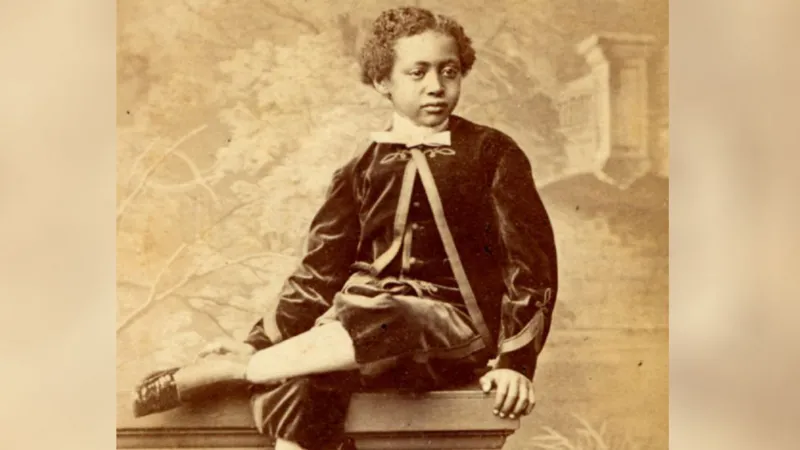
Prince Alemayehu. IMAGE SOURCE, ALAMY

By Jibat Tamirat & Cecilia Macaulay

https://www.bbc.com/news/world-africa-65588663

Published: 53 minutes ago

Buckingham Palace has declined a request to return the remains of an Ethiopian prince who came to be buried at Windsor Castle in the 19th Century.

Prince Alemayehu was taken to the UK aged just seven and arrived an orphan after his mother died on the journey.

Queen Victoria then took an interest in him and arranged for his education - and ultimately his burial when he died aged just 18.

But his family wants his remains to be sent back to Ethiopia.
We want his remains back as a family and as Ethiopians because that is not the country he was born in,
one of his descendants Fasil Minas told the BBC.
It was not right
for him to be buried in the UK, he added.

But in a statement sent to the BBC, a Buckingham Palace spokesperson said removing his remains could affect others buried in the catacombs of St George's Chapel in Windsor Castle.
It is very unlikely that it would be possible to exhume the remains without disturbing the resting place of a substantial number of others in the vicinity,
the palace said.

The statement added that the authorities at the chapel were sensitive to the need to honour Prince Alemayehu's memory, but that they also had
the responsibility to preserve the dignity of the departed.
It also said that in the past the Royal Household had
accommodated requests from Ethiopian delegations to visit
the chapel.


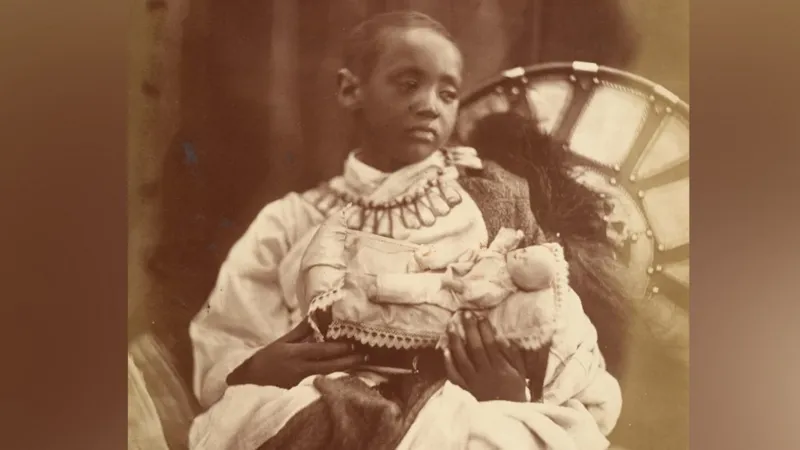
Prince Alemayehu lived in exile for a decade. IMAGE SOURCE, GETTY IMAGES

How Prince Alemayehu ended up in the UK at such a young age was the result of imperial action and the failure of diplomacy.

In 1862, in an effort to strengthen his empire, the prince's father Emperor Tewodros II sought an alliance with the UK, but his letters making his case did not get a response from Queen Victoria.

Angered by the silence and taking matters into his own hands, the emperor held some Europeans, among them the British consul, hostage. This precipitated a huge military expedition, involving some 13,000 British and Indian troops, to rescue them.

The force also included an official from the British Museum.

In April 1868 they laid siege to Tewodros' mountain fortress at Maqdala in northern Ethiopia, and in a matter of hours overwhelmed the defences.

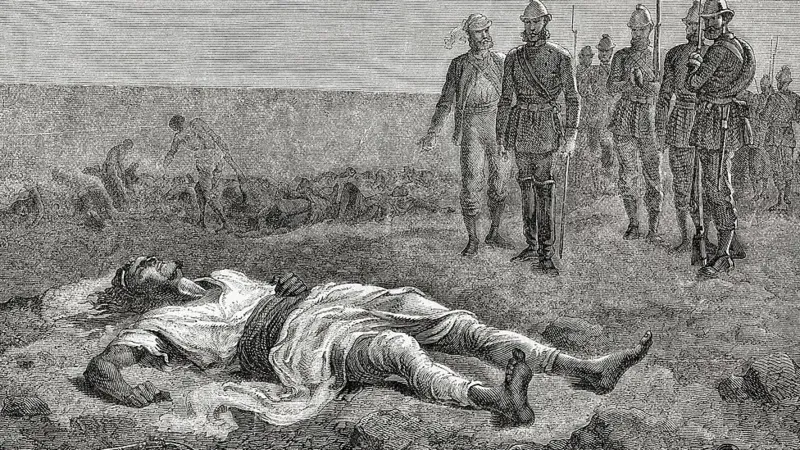
The emperor decided he would rather take his own life than be a prisoner of the British, an action that turned him into a heroic figure among his people.


A 19th Century engraver imagined the scene when the soldiers discovered Emperor Tewodros II's body. IMAGE SOURCE, GETTY IMAGES

After the battle, the British plundered thousands of cultural and religious artefacts. These included gold crowns, manuscripts, necklaces and dresses.

Historians say dozens of elephants and hundreds of mules were needed to cart away the treasures, which are today scattered across European museums and libraries, as well as in private collections.

The British also took away Prince Alemayehu and his mother, Empress Tiruwork Wube.

The British said this was to keep them safe and prevent them being captured and possibly killed by Tewodros' enemies, who were near Maqdala, according to Andrew Heavens, whose book The Prince and the Plunder recounts Alemayehu's life.

Following his arrival in Britain in June 1868, the prince's predicament and his status as an orphan elicited the sympathy of Queen Victoria. The two met at the queen's holiday home on the Isle of Wight, just off England's south coast.

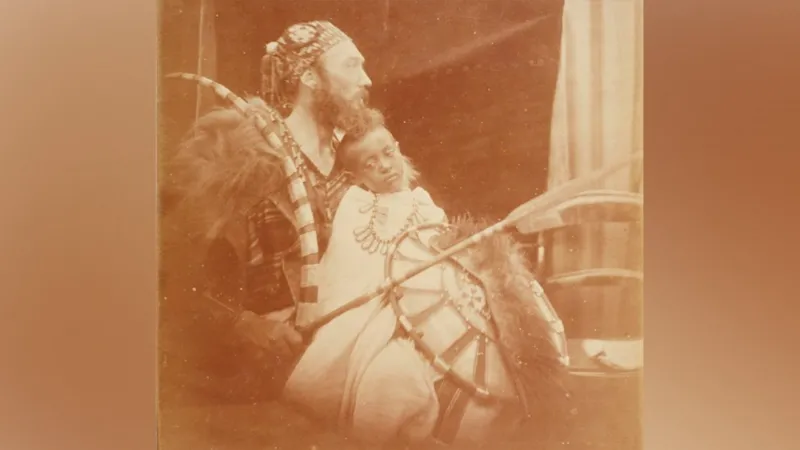
She agreed to support him financially and put him in the guardianship of Captain Tristram Charles Sawyer Speedy, the man who had accompanied the prince from Ethiopia.


Captain Speedy became Prince Alemayehu's guardian
They first lived together on the Isle of Wight and then Captain Speedy took him to other parts of the world, including India. IMAGE SOURCE, ALAMY


But it was decided that the prince should have a formal education.

He was sent to the British public school Rugby but he was not happy there. He later moved to the Royal Military College in Sandhurst where he was subjected to bullying.

The prince had a "hankering" to return home, correspondence quoted by Heavens says, but that idea was swiftly quashed.
I feel for him as if I knew him. He was dislocated from Ethiopia, from Africa, from the land of black people and remained there as if he had no home,
his descendent Abebech Kasa told the BBC.

Eventually, Alemayehu ended up being tutored in a private home in Leeds. But he became ill, possibly with pneumonia, and at one point refused treatment thinking he had been poisoned.

After a decade in exile the prince died in 1879 at the age of just 18.

His illness had become the subject of articles in the national press and Queen Victoria wrote in her diary of her sadness at his death.
Very grieved and shocked to hear by telegram, that good Alemayehu had passed away this morning. It is too sad! All alone, in a strange country, without a single person or relative, belonging to him,
she said.
His was no happy life, full of difficulties of every kind, and was so sensitive, thinking that people stared at him on account of his colour... Everyone is very sorry.
She then arranged for his burial at Windsor Castle.


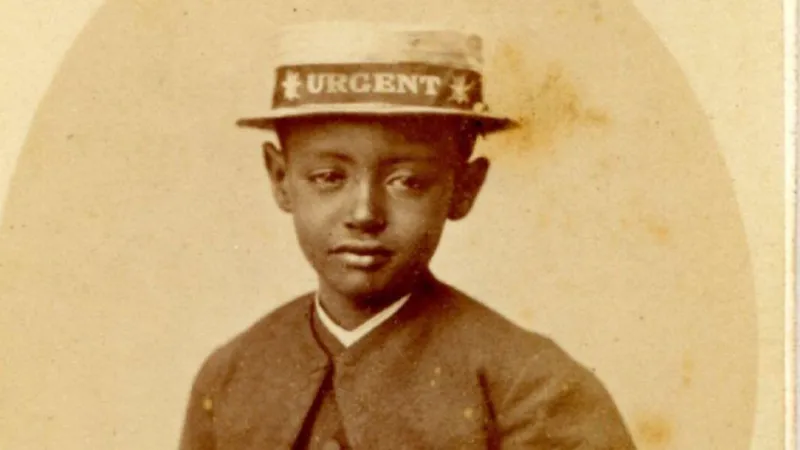
There are several photographs of Prince Alemayehu including this where he is wearing a hat with the name of the ship the HMS Urgent. IMAGE SOURCE, ALAMY

Demands that the body should return are not new.

In 2007 the country's then-President Girma Wolde-Giorgis sent a formal request to Queen Elizabeth II for the body to be sent back, but those efforts proved fruitless.
We want him back. We don't want him to remain in a foreign country,
Ms Abebech said.
He had a sad life. When I think of him I cry. If they agree to return his remains I would think of it as if he came home alive.
She had hoped that she would get a positive response from newly crowned King Charles III.
Restitution is used as a way to bring reconciliation, to recognise what was wrong in the past,
says Professor Alula Pankhurst, a specialist in British-Ethiopian relations.

He believes the return of the body would be
a way for Britain to rethink its past. It's a reflection and coming to terms with an imperial past.

Re: Ethiopia's Prince Alemayehu: Buckingham Palace rejects calls to return royal's body

Posted: 22 May 2023, 16:43
by kerenite
Zmeselo wrote:
22 May 2023, 13:11


Ethiopia's Prince Alemayehu: Buckingham Palace rejects calls to return royal's body

Prince Alemayehu. IMAGE SOURCE, ALAMY

By Jibat Tamirat & Cecilia Macaulay

https://www.bbc.com/news/world-africa-65588663

Published: 53 minutes ago

Buckingham Palace has declined a request to return the remains of an Ethiopian prince who came to be buried at Windsor Castle in the 19th Century.

Prince Alemayehu was taken to the UK aged just seven and arrived an orphan after his mother died on the journey.

Queen Victoria then took an interest in him and arranged for his education - and ultimately his burial when he died aged just 18.

But his family wants his remains to be sent back to Ethiopia.
We want his remains back as a family and as Ethiopians because that is not the country he was born in,
one of his descendants Fasil Minas told the BBC.
It was not right
for him to be buried in the UK, he added.

But in a statement sent to the BBC, a Buckingham Palace spokesperson said removing his remains could affect others buried in the catacombs of St George's Chapel in Windsor Castle.
It is very unlikely that it would be possible to exhume the remains without disturbing the resting place of a substantial number of others in the vicinity,
the palace said.

The statement added that the authorities at the chapel were sensitive to the need to honour Prince Alemayehu's memory, but that they also had
the responsibility to preserve the dignity of the departed.
It also said that in the past the Royal Household had
accommodated requests from Ethiopian delegations to visit
the chapel.


Prince Alemayehu lived in exile for a decade. IMAGE SOURCE, GETTY IMAGES

How Prince Alemayehu ended up in the UK at such a young age was the result of imperial action and the failure of diplomacy.

In 1862, in an effort to strengthen his empire, the prince's father Emperor Tewodros II sought an alliance with the UK, but his letters making his case did not get a response from Queen Victoria.

Angered by the silence and taking matters into his own hands, the emperor held some Europeans, among them the British consul, hostage. This precipitated a huge military expedition, involving some 13,000 British and Indian troops, to rescue them.

The force also included an official from the British Museum.

In April 1868 they laid siege to Tewodros' mountain fortress at Maqdala in northern Ethiopia, and in a matter of hours overwhelmed the defences.

The emperor decided he would rather take his own life than be a prisoner of the British, an action that turned him into a heroic figure among his people.

A 19th Century engraver imagined the scene when the soldiers discovered Emperor Tewodros II's body. IMAGE SOURCE, GETTY IMAGES

After the battle, the British plundered thousands of cultural and religious artefacts. These included gold crowns, manuscripts, necklaces and dresses.

Historians say dozens of elephants and hundreds of mules were needed to cart away the treasures, which are today scattered across European museums and libraries, as well as in private collections.

The British also took away Prince Alemayehu and his mother, Empress Tiruwork Wube.

The British said this was to keep them safe and prevent them being captured and possibly killed by Tewodros' enemies, who were near Maqdala, according to Andrew Heavens, whose book The Prince and the Plunder recounts Alemayehu's life.

Following his arrival in Britain in June 1868, the prince's predicament and his status as an orphan elicited the sympathy of Queen Victoria. The two met at the queen's holiday home on the Isle of Wight, just off England's south coast.

She agreed to support him financially and put him in the guardianship of Captain Tristram Charles Sawyer Speedy, the man who had accompanied the prince from Ethiopia.

Captain Speedy became Prince Alemayehu's guardian
They first lived together on the Isle of Wight and then Captain Speedy took him to other parts of the world, including India. IMAGE SOURCE, ALAMY


But it was decided that the prince should have a formal education.

He was sent to the British public school Rugby but he was not happy there. He later moved to the Royal Military College in Sandhurst where he was subjected to bullying.

The prince had a "hankering" to return home, correspondence quoted by Heavens says, but that idea was swiftly quashed.
I feel for him as if I knew him. He was dislocated from Ethiopia, from Africa, from the land of black people and remained there as if he had no home,
his descendent Abebech Kasa told the BBC.

Eventually, Alemayehu ended up being tutored in a private home in Leeds. But he became ill, possibly with pneumonia, and at one point refused treatment thinking he had been poisoned.

After a decade in exile the prince died in 1879 at the age of just 18.

His illness had become the subject of articles in the national press and Queen Victoria wrote in her diary of her sadness at his death.
Very grieved and shocked to hear by telegram, that good Alemayehu had passed away this morning. It is too sad! All alone, in a strange country, without a single person or relative, belonging to him,
she said.
His was no happy life, full of difficulties of every kind, and was so sensitive, thinking that people stared at him on account of his colour... Everyone is very sorry.
She then arranged for his burial at Windsor Castle.


There are several photographs of Prince Alemayehu including this where he is wearing a hat with the name of the ship the HMS Urgent. IMAGE SOURCE, ALAMY

Demands that the body should return are not new.

In 2007 the country's then-President Girma Wolde-Giorgis sent a formal request to Queen Elizabeth II for the body to be sent back, but those efforts proved fruitless.
We want him back. We don't want him to remain in a foreign country,
Ms Abebech said.
He had a sad life. When I think of him I cry. If they agree to return his remains I would think of it as if he came home alive.
She had hoped that she would get a positive response from newly crowned King Charles III.
Restitution is used as a way to bring reconciliation, to recognise what was wrong in the past,
says Professor Alula Pankhurst, a specialist in British-Ethiopian relations.

He believes the return of the body would be
a way for Britain to rethink its past. It's a reflection and coming to terms with an imperial past.
I believe his remains in the UK is in best hands. His grave is adorned with flowers on daily basis. Once his skeleton is returned to ethiopia nobody would care about him. The oromos hate his father tedros and wherever he will be reburied, the oromos will devastate his grave.

Alemayehu was on father's side the son of tedros and on mother's side the son of itege turuwerq who happens to be the daughter of the famous warlord dejach wube hailemariam.

In England, he was isolated, discriminated and lonely. He was always sad as captain speedy annotated. He died at so young age.

To conclude,

I am of the opinion that he will be much respected if his remains remain in the UK and not in Ethioipia. His remains are in good hand.

P. S. I just watched the image of tedros after committing suicide. The image shows that tedros was dressed but contemporary historians and even lord Napier claims that tedros immediate guards looted the dress which he was wearing and they fled and once our troops arrived at the scene, tedros was absolutely naked.

Re: Ethiopia's Prince Alemayehu: Buckingham Palace rejects calls to return royal's body

Posted: 22 May 2023, 17:51
by almaze
Zemso, I am only curious as to whether or not the government of the United Kingdom refused to allow the repatriation of Naizghi Kiflu's body, which is currently being stored in a mortuary that is kept frozen in England. :lol: :lol: :lol: :lol: :lol: :lol:


Re: Ethiopia's Prince Alemayehu: Buckingham Palace rejects calls to return royal's body

Posted: 23 May 2023, 05:57
by Zmeselo
Almexet-macabre-dûmmy-cóntromuro, stop comparing oranges & apples.

Was Naizghi kidnapped by the British, by any chance?

To call you an a-hole, is an insult to a-holes!


almaze wrote:
22 May 2023, 17:51
Zemso, I am only curious as to whether or not the government of the United Kingdom refused to allow the repatriation of Naizghi Kiflu's body, which is currently being stored in a mortuary that is kept frozen in England. :lol: :lol: :lol: :lol: :lol: :lol: