ኣኰዬ ዘመስሎ ፣ ለትርክቶችዎ ድጋፍ የሚሆን መድብል እዚህ አለ
Posted: 06 Dec 2020, 19:08
http://ai.stanford.edu/~tgebru/Addis Coder: Algorithms and Programming for High Schoolers
An intensive 1 month summer class for high school students in Ethiopia, organized by Jelani Nelson. This is the most diverse/inclusive classroom I have ever been in. All regions of Ethiopia were represented with many religions and at least 10 languages (there were 85 students). There were different income levels ranging from students working as shoe shiners to put themselves through school to kids who went to private middle schools. All students currently go to public schools. The class had students from rural areas and cities, close to 50/50 female/male ratio and people with disabilities (e.g. Misgina who is deaf but is top of his class while going to a school that gives no resources for deaf people). Some kids had never touched a computer before while others have programmed in Java. But all of them currently understand the basics of recursion, dynamic programming, graphs etc. And they only took this class for one month. I hope to one day see a computer science classroom in the US that is this diverse.
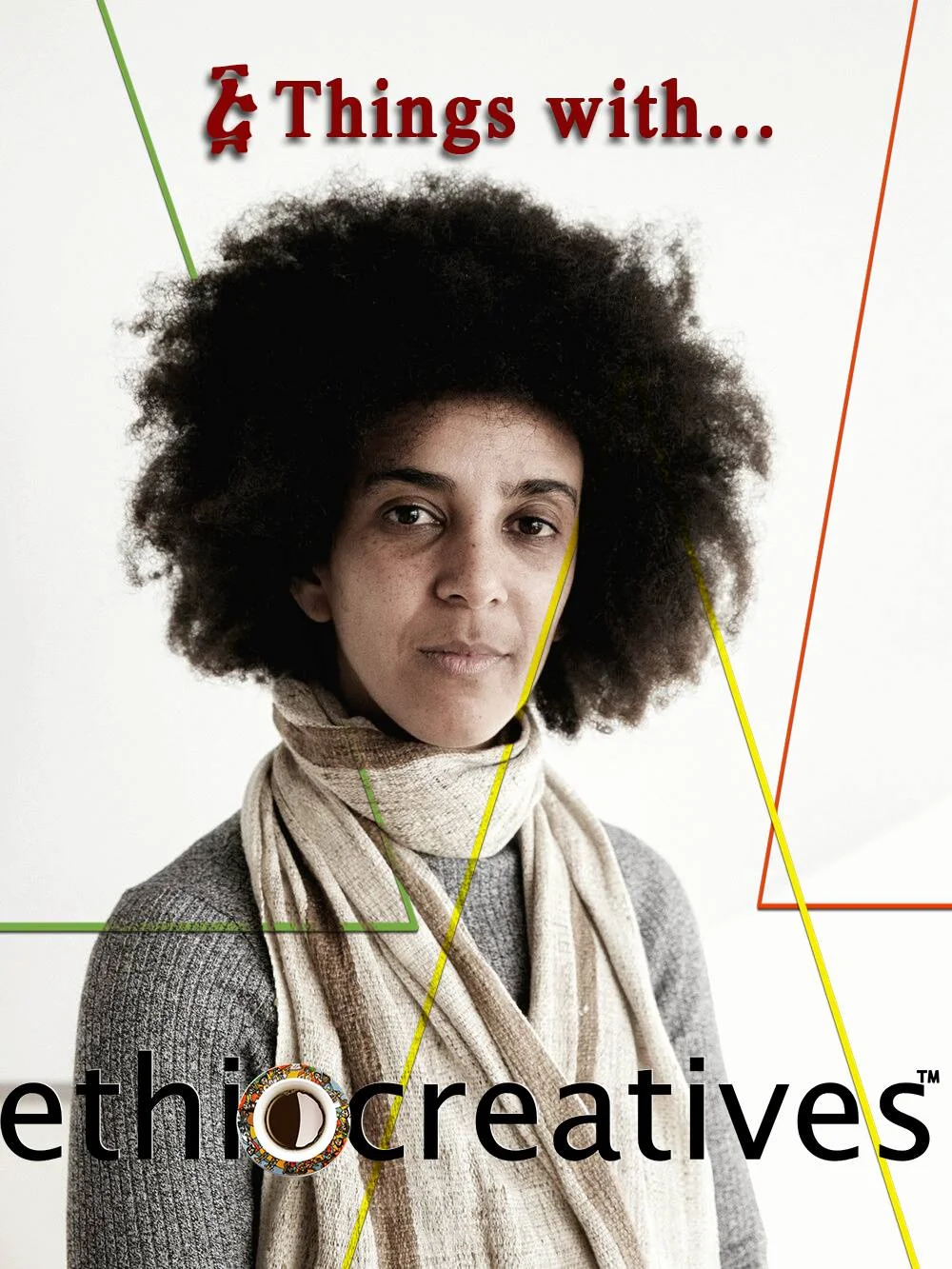
Meet Timnit Gebru. Born and raised in Ethiopia, Gebru immigrated to the US at 16 to earn her PhD from Stanford Artificial Intelligence Laboratory and just finished her year as a post-doctoral researcher at Microsoft Research in New York. While she was still a PhD student, she co-founded Black in AI, an organization fostering collaboration and discussing initiatives to increase the representation of Black people in the field.
https://blog.rossintelligence.com/post/ ... -the-womenYou were born in Ethiopia but came to the US as a teenager. Tell me a few things about your life that have opened your eyes.
Many things: Death, war, travel, art. I could elaborate on each of those but it would take too long. Growing up in a country with many ethnic groups, religions and languages have really shaped how I view the world. I come from a family that has had many hurdles. My father died when I was five years old. I was raised by my mother. She came to the US at the age of 55 and completely changed her profession. My mom solves problems in life without complaining. That’s something I try to take inspiration from.
What was the transition like moving from one country to the other, especially when it comes to education?
When I arrived at my high school in the US, the teachers couldn’t believe that I could do that well in math, physics and associated subjects. I was very confused as to what was going on. My mom called it from the very beginning because she had so much experience with this. She told me they just didn’t think I could do it because I was from Africa. They don’t think Africans can do math.
On my first day of high school in the US, I asked to move up to honors level chemistry because I had already covered the curriculum of the standard chemistry class. The teacher said, “I have met so many people like you who come from other countries and think that they can take the hardest classes here. If you took the exam these students take, you would fail.”
So on your first day, an authority figure already set you up for failure. That can’t be easy, especially for a teenager.
Do you think your experience somehow explains why there aren’t more women in STEM?
There are many reasons why there are few women, but the biggest one is that women constantly get the subliminal message that they are not good enough, and that they just don’t belong there. Once you are where we are in terms of numbers, you have to aggressively try to change things. You can’t be passive, and most people right now, even the well meaning ones, are passive. And most of the “diversity” initiatives only focus on women. Well, there are many types of women. You need to consider, race, class, etc.
There is a stereotype of what type of personality, or person, is supposed to be in STEM [science, technology, engineering and mathematics]. When you watch shows like The Big Bang Theory, or Silicon Valley, you see what I mean. This is actually something I never experienced in Ethiopia. I never got this message. It was very weird for me to see it in the US and I noticed the stark contrast.

 Wikipedia can be edited and updated by anyone. But you wouldn't know that, would you?

Abdeaziz wrote: ↑06 Dec 2020, 21:04Revu, pick and choose Debtra story will not serve you well.
"originated from Eritrea. She escaped potential forced deportation to Eritrea by the Ethiopian government in the late 1990s and traveled to Ireland. She then moved to the United States to join her mother (who also fled from Ethiopia few months prior) and her two older sisters who had been living in the U.S. Gebru is the youngest of three"
https://en.wikipedia.org/wiki/Timnit_Gebru
After inhuman deportation won't make her forgot her deep rooted Eritrean identity. Keep picking Your Debtra story.