Page 1 of 1

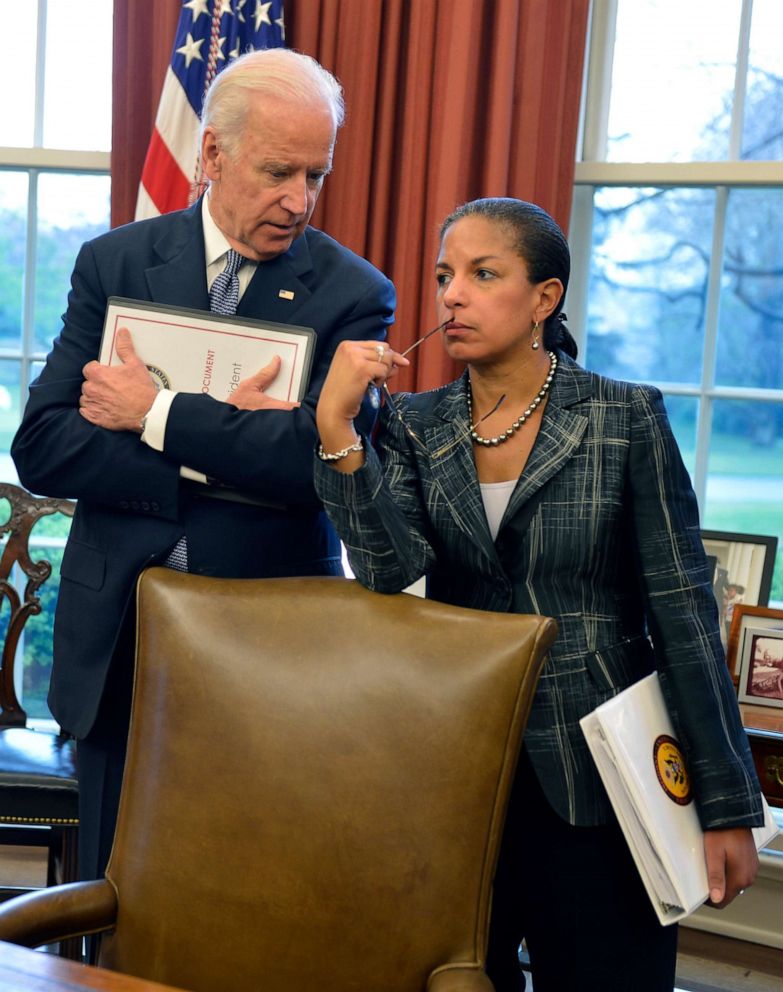
Whitewashing Susan Rice’s culpable diplomatic blunders

Posted: 22 Jul 2020, 04:26
by Zmeselo


Whitewashing Susan Rice’s culpable diplomatic blunders


Wednesday, 22 July 2020

Written by Kibreab Tesfay

http://www.shabait.com/categoryblog/308 ... c-blunders

Writing for a local US Newspaper (Orange Country Register), Professor Tom Campbell crows on Susan Rice’s presumed
talents and virtues that are disappointingly rare in US diplomacy today.


The author proceeds to shower gratuitous plaudits on Rice, for her laudable “initiative and role” to end the “Eritrea-Ethiopia border war.”

Granted, this is election year in the US, which translates into characteristic hyperbole and media hype by campaign handlers of potential candidates to high office. But even with these extenuating circumstances and the Professor’s palpable zeal to bolster Rice’s bid for the post of VP in the Biden Presidential ticket, the narrative is patently false and utterly irresponsible.

First off, Susan Rice was not “driven” by diplomatic foresight, wisdom and courage or by empathy for the peoples of the Horn of Africa, to “nudge the US Government” to launch a peace initiative to prevent a looming Eritrea-Ethiopia border conflict. Rice first came into the scene during the early days of the border war in May 1998, as an appointed envoy.

Indeed, the US and Rwanda became involved in the facilitation process on the initiative and express request of Eritrea.

Eritrea’s persistent efforts to contain TPLF’s strident territorial ambitions and illicit acts of surreptitious encroachment on sovereign Eritrean lands through bilateral frameworks, were to no avail. Hand-written amicable letters that President Isaias sent to Ethiopia’s Prime Minister when TPLF troops set camp in the Eritrean small town of Adi Murug in August 1997; various meetings of the Bilateral Boundary Committee that was subsequently established on Eritrea’s insistence did not bear any fruit. The TPLF went further to declare war against Eritrea in the first weeks of May 1998 using a minor skirmish that it provoked in the Badme area as a pretext. In the circumstances, Eritrea solicited the facilitation of two friendly countries – the US & Rwanda - to prevent the outbreak of a potential and costly war between the two neighbours.

But what Rice and her superiors, who continued to be involved in the facilitation process for the next two years, had in mind was a complex geopolitical game that had nothing to do with sincere efforts of conflict resolution. This is amply illustrated by the following sequence of events:

1. When Eritrea raised legitimate queries on a US heavy-handed, hastily worked out and flawed initial proposal, Susan Rice, who was then US Assistant Secretary of State for Africa, broke diplomatic precedence to directly address the OAU Summit in Ouagadougou to lobby the OAU to adopt a resolution against Eritrea. On that same day, apparently with the tacit endorsement of Rice and company, the TPLF regime launched an air strike on Asmara, Eritrea’s capital, thus escalating minor border skirmishes into a major war. Nonetheless, US facilitation process, [deleted] by the OAU and the EU, continued after tacit admission of her missteps by her superiors.

2. In July the same year, President Clinton brokered an Agreement on the Moratorium on Air Strikes between Eritrea and Ethiopia. Eritrea’s pronounced preference was for a comprehensive secession of hostilities. But the Clinton Administration insisted on an initial, partial arrangement for the interim period, arguing that the TPLF regime was not prepared to contemplate a comprehensive truce at that point in time. The TPLF regime abused this fragile window of truce to purchase SU-27 jet fighters and launched a new, large-scale, offensive using its new aircraft against Eritrea eight months later, on 6 February 1999. This flagrant breach of US-brokered Moratorium on Air Strikes that plunged the two countries into another, more ferocious, round of war did not elicit the requisite action, or even condemnation, by US Administration and Rice; its chief facilitator at the time.

3. This betrayal was played out again in May 2000. This time round, the Facilitation Team included Anthony Lake, the US Director of National Security (Rice was on his team), Italian Deputy Minister for Foreign Affairs, Senator Serri as the EU envoy, and Algerian Justice Minister, Ahmed Yahiya, representing the OAU. The Facilitation Team submitted the “Technical Arrangements” proposal to both parties as a “leave it or take it” package in September 1999. Both parties accepted the document and pledged to be bound by its provisions. Soon after, Eritrea learned that the TPLF regime had accepted the Agreement as a time-buying ploy to launch another large-scale offensive. This information was conveyed to the Facilitators who reassured Eritrea that the
TPLF regime would face severe consequences should this turn out to be the case.


As predicted, the TPLF regime labeled the peace process in “terminal phase” and launched its third offensive on 12 May 2000 in blatant violation of the “Technical Arrangements”. The Facilitators reneged on their commitments again and allowed Ethiopia to indulge in yet another reckless offensive with impunity.

4. Rice and her superiors were thus partially culpable for pouring oil to the fire to stoke a major war between the two countries. Furthermore, Susan Rice was responsible for imposing UNSC sanctions against Eritrea in 2009 and 2011 respectively when she served as US Ambassador to the UN during the Obama Administration.

These are the indelible facts.

As indicated above, Susan Rice was not acting alone. In most instances, she was not the principal player; accountable as she was to Madeline Albright in the first stint and working directly under the supervision of Anthony Lake in the subsequent episodes. Furthermore, the Bush Administration followed suit when the TPLF regime rejected the EEBC “final and binding” Arbitral Award in contravention of the Algiers Agreement that the Facilitators had brokered with explicit provisions of punitive action by the UNSC against the guilty party under Article VII of the UN Charter.

In this perspective, the blame for the debacle cannot be pinned down to diplomatic misdemeanor, temperament or other fault lines of Susan Rice alone. The compelling evidence points to deliberate, bi-partisan, US policy that stemmed from its geopolitical calculus and perceived interests in those crucial years. Still, these considerations cannot absolve Susan Rice from personal and collective culpability.

Re: Whitewashing Susan Rice’s culpable diplomatic blunders

Posted: 22 Jul 2020, 04:53
by Awash
Zombie,
Vice President Susan Rice?
:shock: :lol: :mrgreen: :lol:

Re: Whitewashing Susan Rice’s culpable diplomatic blunders

Posted: 22 Jul 2020, 05:09
by Zmeselo


Mining
Rachel Middleton

https://www.proactiveinvestors.com.au/c ... 24780.html

Wed 22 Jul 2020

Danakali closer to Colluli Potash Project operations after gaining Eritrean mine development approval

In accordance with the mining agreement, CMSC has 36 months from the submission date to spend US$200 million within the mining licence area.


Danakali Ltd - Danakali moves closer to achieving financial close of the Colluli Project facilities after getting Eritrean government approval
Permits have also been granted for infrastructure development and quarries


Danakali Ltd’s (ASX:DNK) (LSE:DNK) (OTCMKTS:SBMSF) Colluli project has been given the green light by Eritrea's Ministry of Energy & Mines (MoEM) for the Notice of Commencement of Mine Development.

This takes the company another step closer towards the development of the world-class sulphate of potash (SOP) project.

As well as accepting the notice lodged by Colluli Mining Share Company (CMSC), MoEM has also consented to the security and account structure for the financing of the project.

Pre-conditions satisfied

All development preconditions under the CMSC Mining Agreement have now been satisfied with permits also granted for infrastructure development and quarries.

The project is 100%-owned by CMSC, a 50:50 joint venture between Danakali and the Eritrean National Mining Corporation (ENAMCO).

Danakali chief executive officer Niels Wage said:
This year, the project team has made significant progress through management of DRA during Phase 1 and 2 of the EPCM works and most recently by commencing the necessary test works, enabling us to maintain forward momentum of the project development.

I look forward to updating the market on the progress of our project in due course.
Further MoEM support

In addition to approving the notice, MoEM has also shown support for financing of the Colluli project by:

> Granting time to commence the commercial production within 36 months from submission of the notice (mid-December 2022);
> Consenting to the security to be granted in support of the financing; and
> Consenting to the account structure for the financing for the project.

Step towards financial close

Danakali said acceptance of the notice was one of the conditions precedent to the financing for the Colluli project and was a positive step toward achieving financial close of the project facilities.

With the issue of the notice, CMSC has satisfied the following key development pre-conditions:

> Mining Agreement executed and mining licences issued;
> Submitted and obtained approval for the Social & Environmental Impact Assessment Study and Social & Environmental Management Plans; and
> Submitted the commercial sulphate of potash production expectations over the life of the mine.

CMSC submitted the notice to the MoEM on December 17, 2019, but the process took longer than expected due to COVID-19 related lockdowns in Eritrea.

Future plans

In accordance with the mining agreement, CMSC has 36 months from the submission date to spend US$200 million within the mining licence area.

CMSC has obtained all licences and permits within the Colluli Mining Licence, and along with the acceptance of the Notice, the MoEM has also granted all required permits, licences and authorisations for infrastructure construction and development outside the Colluli Mining Licence area.

Infrastructure to be developed and upgraded outside the Colluli Mine Licence area includes:

> Sea Water Intake and Treatment Area at Anfile Bay (WITA);
> Pipeline and access corridor of 87 kilometres between the WITA and the Colluli process plant; and
> Colluli site access road of 57 kilometres connecting Colluli to Marsa Fatuma.

Danakali has completed a Front End Engineering Design (FEED) for the production of potassium sulphate, otherwise known as SOP, a chloride-free, specialty fertiliser which carries a substantial price premium relative to the more common potash type.

The project is in the Danakil Depression region of Eritrea and is about 75 kilometres from the Red Sea coast, making it one of the most accessible potash deposits globally.

Mineralisation commences at just 16 metres, which also makes Colluli the world’s shallowest known potash deposit.

The resource is amenable to open cut mining, which allows higher overall resource recovery to be achieved, is generally safer than underground mining, and is highly advantageous for modular growth.

Re: Whitewashing Susan Rice’s culpable diplomatic blunders

Posted: 22 Jul 2020, 05:48
by Zmeselo


Re: Whitewashing Susan Rice’s culpable diplomatic blunders

Posted: 22 Jul 2020, 06:02
by Zmeselo
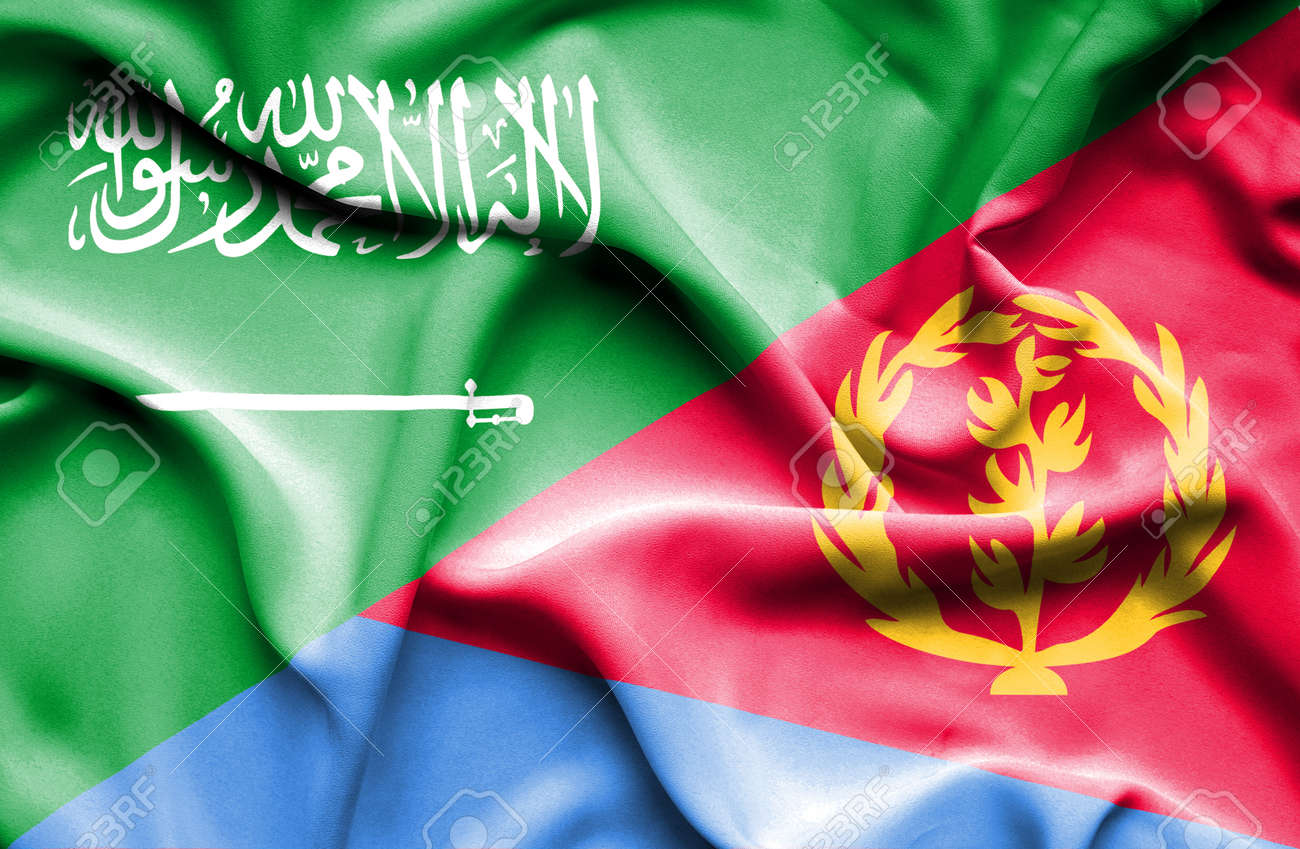
Brief history of Eritrea- Saudi Arabia relations:


On July 20, 1993, President Isaias Afwerki made the first official state visit to Saudi Arabia after Eritrea became a sovereign country & met with Saudi Arabia's King Fahd bin Abdel Aziz in Jeddah.

In 1949, Saudi Arabia voted against the Bevin-Sforza Plan to partition Eritrea mainly to prevent the return of Italy to Somalia as a trustee. Saudi Arabia was one of the few countries to vote against the plan, while Ethiopia favored the partition of Eritrea.

In 1950 when the UNGA voted Eritrea to be federated with Ethiopia, Saudi Arabia abstained primarily on the grounds that the federal arrangement imposed severe restrictions on the right of the Eritreans to self-determination.

In Dec. 1960, Idris Mohammed Adem accompanied by Sheikh Ibrahim Sultan set out their initial diplomatic activity to Saudi Arabia in Dec. 1960. In Saudi Arabia they met King Saud bin Abdulaziz & the Crown Prince Faisal.

In Jan. 1993 in his New Year Message, Isaias Afwerki then Sec Gen of the PG of Eritrea stated;
The Saudis and their ilk talk a lot about their presumed assistance to the Eritrean struggle but, apart from their hostile stance and attempts to instrumentalise and confound it to promote their security interests, they never provided any worthy assistance to the Eritrean people. They did not donate even a single sack of flour as a token of their humanitarian concern when the Eritrean people were suffering from war and drought.

Their act of impounding our weapons on the high seas and confiscating them, at a time when our armed struggle was in its most difficult period is something which cannot be deleted from history.
In 1993, it was just a week before the Referendum that Saudi Arabia allowed more than 40,000 eligible Eritreans to vote but it was one of the first countries to recognize Eritrea in Apr 1993. Hamid M Himed was the 1st Eritrean Ambassador to to Saudi Arabia on 20 Nov. 1993.
(History of Eritrea ታሪኽ ኤርትራ.تاريخ إريتريا: @Erihistory)


Re: Whitewashing Susan Rice’s culpable diplomatic blunders

Posted: 22 Jul 2020, 12:06
by Zmeselo
(Courtesy of Daniel Ogbaharya)

Those armchair analysts, who are worried about direct military clash or war in the conventional sense between Eritrea and Ethiopia over "TPLF" are missing the point entirely. They are barking up the wrong tree, so to speak!

Eritrea will deal with the TPLF using the same type of asymmetrical warfare and proxy strategy that has worked well in the past in such varied contexts as with in the first place unseating TPLF from Addis Ababa, as a result bringing Ethiopia to abide by the Algiers Peace agreement (and once again accept Eritrea's unassailable sovereignty) as the only game in town and the downfall of Al-Beshir and the toxic political Islamist ideology that the Sudanese regime tried to foist upon Eritrea and the rest of the Horn of Africa.

This strategy is in many ways clever in that it draws lessons from the failure of American and other imperial strategies--co-opts them in some situations--of working with and through proxies, and not entering into direct warfare in such situations.

Long before General Patraeus wrote his PhD dissertation at Princeton on Counter-insurgency, which he tested not so successfully in Afghanistan, Eritrean battle hardened military strategists understood that asymmetrical and indirect confrontation is a smart strategy for smaller powers--the Davids of the world-- in their struggle with big powers--the Goliathes' of the world.

As Malcolm Gladwell has demonstrated with numerous cases in his book: David and Goliath: Underdogs, Misfits, and the Art of Battling Giants,
Giants are not, what we think they are. The same qualities that appear to give them strength, are often the sources of great weakness.
The Eritrean strategy, well-honed over decades of successful encounters with the bullies of the world, exploits these weaknesses of the giants hitting at their soft spots. So watch and learn how it is done, from the end game show and the sun setting

Re: Whitewashing Susan Rice’s culpable diplomatic blunders

Posted: 22 Jul 2020, 12:23
by Zmeselo

ጥሉል ክራምት ሃገርና፥
ትማሊ ምሸት ድሕሪ ዝናብ ዝነበረ ኪፍኪፍታ ኣብ ኣስመራ።
@ANatnail

____________


Poly Pipe: Before and After!

Materials to create the pipes, begin as small as pebbles. Then, they become pipes. It was fascinating to see this, on our tour of the plastics factory in Massawa.
(John Hopkins University team)

Re: Whitewashing Susan Rice’s culpable diplomatic blunders

Posted: 22 Jul 2020, 13:25
by Fed_Up
Awash wrote:
22 Jul 2020, 04:53
Zombie,
Vice President Susan Rice?
:shock: :lol: :mrgreen: :lol:
Asswash agameW,

Is she beautiful when she laugh? :P


:lol:

Re: Whitewashing Susan Rice’s culpable diplomatic blunders

Posted: 22 Jul 2020, 14:21
by Awash
Wesfa0ttam fandiya :lol: :lol: :mrgreen:

Fed_Up wrote:
22 Jul 2020, 13:25
Awash wrote:
22 Jul 2020, 04:53
Zombie,
Vice President Susan Rice?
:shock: :lol: :mrgreen: :lol:
Asswash agameW,

Is she beautiful when she laugh? :P
https://m.youtube.comwatch?v=IXFXl4avLVw

:lol:

Re: Whitewashing Susan Rice’s culpable diplomatic blunders

Posted: 22 Jul 2020, 14:25
by sebdoyeley
gahba qintir-wash, the agame from the double tongue clan.
Awash wrote:
22 Jul 2020, 14:21
Wesfa0ttam fandiya :lol: :lol: :mrgreen:

Fed_Up wrote:
22 Jul 2020, 13:25
Awash wrote:
22 Jul 2020, 04:53
Zombie,
Vice President Susan Rice?
:shock: :lol: :mrgreen: :lol:
Asswash agameW,

Is she beautiful when she laugh? :P
https://m.youtube.comwatch?v=IXFXl4avLVw

:lol:

Re: Whitewashing Susan Rice’s culpable diplomatic blunders

Posted: 22 Jul 2020, 14:41
by Awash
Zebiddo (ዘብዶ)
Try to whitewash the Agame mouth

:lol: :mrgreen:
Please wait, video is loading...
zebidoyeley wrote:
22 Jul 2020, 14:25
gahba qintir-wash, the agame from the double tongue clan.
Awash wrote:
22 Jul 2020, 14:21
Wesfa0ttam fandiya :lol: :mrgreen:

Fed_Up wrote:
22 Jul 2020, 13:25
Awash wrote:
22 Jul 2020, 04:53
Zombie,
Vice President Susan Rice?
:shock: :mrgreen: :lol:
Asswash agameW,

Is she beautiful when she laugh? :P
https://m.youtube.comwatch?v=IXFXl4avLVw

:lol:

Re: Whitewashing Susan Rice’s culpable diplomatic blunders

Posted: 22 Jul 2020, 14:44
by sebdoyeley
i wil back qintir-wash,I am little bussy with agame [deleted] right now.
Awash wrote:
22 Jul 2020, 14:41
Zebiddo (ዘብዶ)
Try to whitewash the Agame mouth

:lol: :mrgreen:
Please wait, video is loading...
sebdoyeley wrote:
22 Jul 2020, 14:25
gahba qintir-wash, the agame from the double tongue clan.
Awash wrote:
22 Jul 2020, 14:21
Wesfa0ttam fandiya :lol: :mrgreen:

Fed_Up wrote:
22 Jul 2020, 13:25
Awash wrote:
22 Jul 2020, 04:53
Zombie,
Vice President Susan Rice?
:shock: :mrgreen: :lol:
Asswash agameW,

Is she beautiful when she laugh? :P
https://m.youtube.comwatch?v=IXFXl4avLVw

:lol: