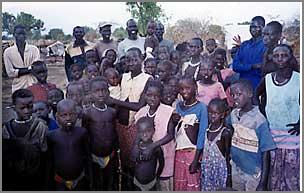
December 13th, will mark the sixteenth year anniversary of the beginning of three days of killing and destruction in Gambella, Ethiopia that was carried out by TPLF/EPRDF national security forces, backed up by Amhara and Tigrayan thugs they had armed with machetes.
The Anuak people were targeted, especially leaders and those who were against the TPLF political repression and opposed to the federal government plans to explore oil on their indigenous land without following the legal process as set up in the Ethiopian Constitution or as required in international law regarding indigenous peoples’ rights. There was also a long-term plan to exploit the abundant fertile land and untapped natural resources.
In less than three days, 424 Anuak were killed. The Anuak continued to be targeted for nearly three years. By that time, over two thousand had been killed and many more human rights atrocities committed, including being jailed, tortured and driven by the thousands to seek refuge in neighboring countries like South Sudan and Kenya. The limited infrastructure in Gambella was largely destroyed, equipment and supplies were pilfered from clinics and schools, and homes, crops and granaries were burned.
At the time, few Ethiopians heard about it. Under some international pressure, former Prime Minister Meles Zenawi opened an investigation, but the results were a whitewash, including minimizing the numbers that lost their lives. The report basically blamed eleven soldiers in the national defense forces. Subsequent investigations by Genocide Watch determined that the killing came out of an actual plan, Operation Sunny Mountain, meant “to teach the Anuak a lesson” regarding their resistance to the exploration of oil project and other government plans to exploit the region for their own, not national, interests. According to the report, the plan began in the top offices of the government. Human Rights Watch and others completed a number of additional reports.