ሓጺር ዛንታ ምትርጓም መጽሓፍ ቅዱስ: ናብ ቋንቋ ትግርኛ::
ስሳን ሹዱሽተን ዓመታት: ንሓንቲ መጽሓፍ!
Re: ሓጺር ዛንታ ምትርጓም መጽሓፍ ቅዱስ: ናብ ቋንቋ ትግርኛ::
ERi-TV: Parents Supported Grassroots Athletic Team, Producing Winners!
___________
 @ChronoNations ME
 Amanuel Gerezghi closed season, with strong result!
In this race, usually, riders do not ride for a win but for a very good training of ITT!
Here, Amanuel finished 16th. He did a great job already, for next season! Good job!
 @TeamDiData
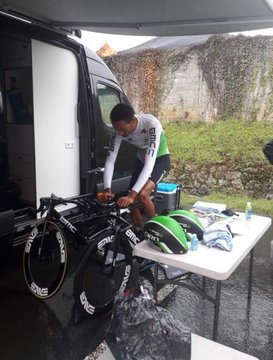
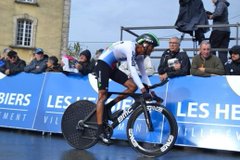
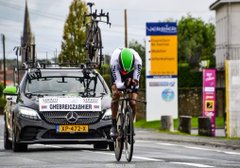
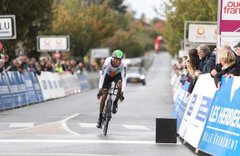
(Courtesy: Zero_X @ZXCycling)
___________
 @ChronoNations ME
 Amanuel Gerezghi closed season, with strong result!
 In this race, usually, riders do not ride for a win but for a very good training of ITT!
Here, Amanuel finished 16th. He did a great job already, for next season! Good job!

 @TeamDiData
(Courtesy: Zero_X @ZXCycling)
Last edited by Zmeselo on 23 Oct 2019, 08:49, edited 1 time in total.
Re: ሓጺር ዛንታ ምትርጓም መጽሓፍ ቅዱስ: ናብ ቋንቋ ትግርኛ::
Eritrean written laws/justice/election systems predating colonialism, is the pillar of our nation/culture/heritage.
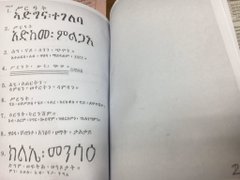
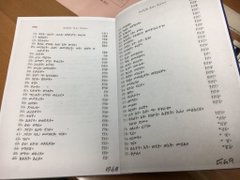
Precolonial law of Eritrea prohibits any entity that oppose establishment of schools, & encouraged community ownership.
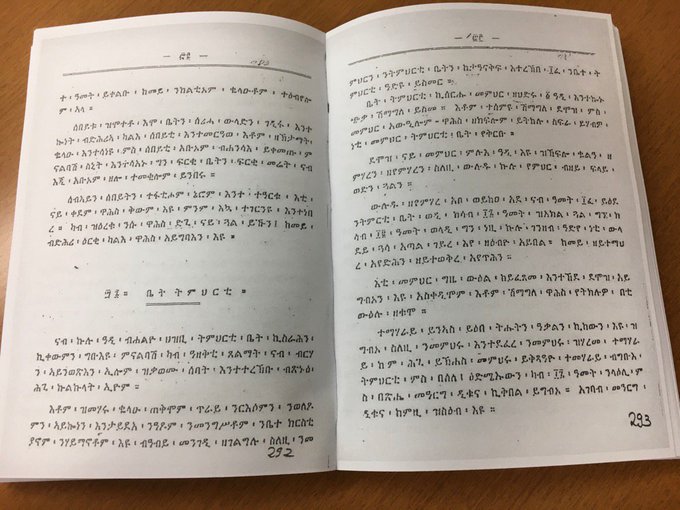
Precolonial law of Eritrea prohibits any entity that oppose establishment of schools, & encouraged community ownership.
Re: ሓጺር ዛንታ ምትርጓም መጽሓፍ ቅዱስ: ናብ ቋንቋ ትግርኛ::
FOR EXAMPLE THE IGAD CHARTER:
6 core principles agreed and signed all member states as article 6A clearly stated. These 6 principles are vital to the IGAD existential as an organisation therefore it’s absolute necessary to reaffirm & respect by each and every member state.....
...Unfortunately this is not happening in the past or at present and in contrary certain member states have had repeatedly violated this agreement. #Article6APrinciples: The Member States solemnly reaffirm their commitment to the following principles:.....
.....a) The sovereign equality of all Member States;
b) Non-interference in the internal affairs of Member States;
c) The peaceful settlement of inter- and intra-State conflicts through dialogue;
d) Maintenance of regional peace, stability and security;
....e) Mutual and equitable sharing of benefits accruing from cooperation under this Agreement;
f) Recognition, promotion and protection of human and people's rights in accordance with the provisions of the African Charter on Human and People's Rights. END.
Re: ሓጺር ዛንታ ምትርጓም መጽሓፍ ቅዱስ: ናብ ቋንቋ ትግርኛ::

"Save the forest" Campaign!
Russia–Africa Economic Forum.
Eritrean delegation led by H. E Osman Saleh & Russian Minister of Natural Resources and the Environment H. E Dmitry Kobylkin planted coniferous tree at the Southern Cultures Arboretum in Sochi today. (Photo credit: TASS)
Last edited by Zmeselo on 23 Oct 2019, 15:30, edited 2 times in total.
Re: ሓጺር ዛንታ ምትርጓም መጽሓፍ ቅዱስ: ናብ ቋንቋ ትግርኛ::
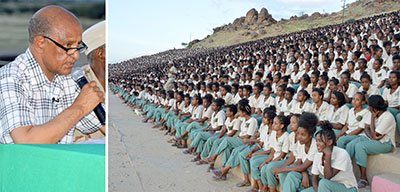
Dr. Haile Mihtsun conducts seminar to members of national service
http://www.shabait.com/news/local-news/ ... al-service
Sawa, 22 October 2019- The Executive Director of the National Commission of Higher Education and Research Institute, Dr. Haile Mihtsun conducted seminar to members of the 33rd round of national service on the progress of higher education.
Explaining on the history of higher education in Eritrea after independence and the consecutive reforms that have been conducted, Dr. Haile said that since 2004 higher education opportunity has been provided to citizens by establishing various colleges and that in the past 10 years about 31 thousand students have been graduated with diploma and first degree.
More over, Dr. Haile said that 584 students have been sent abroad for post-graduate education. Asmara College of Social Science and Hamelmalo College of Agriculture, have started post graduate programs and significant investment has been conducted to address the shortages of teachers and educational facilities.
Dr. Haile went on to say that the National Commission of Higher Education and Research Institute is exerting strong effort, to enable the higher education institutions become competitive and produce competent students that could make an impact in the nation building process.
_____________________

Re: ሓጺር ዛንታ ምትርጓም መጽሓፍ ቅዱስ: ናብ ቋንቋ ትግርኛ::

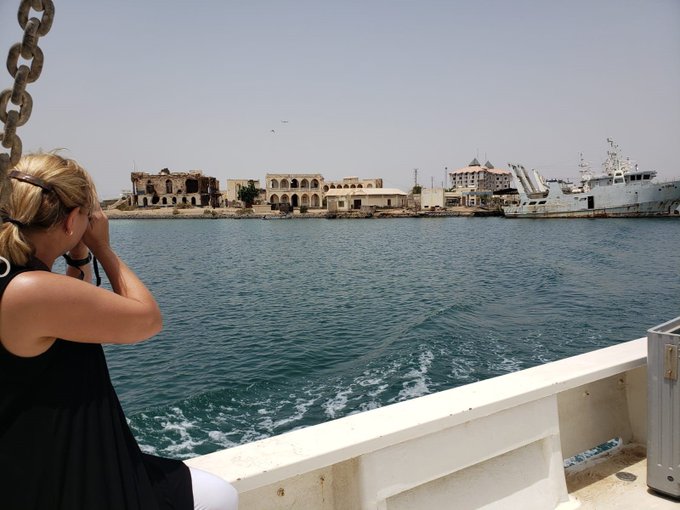
Friderike Butler (@ButlerTalks) sees in old Massawa the pain/hope, rich history/potential future.... http://eyewitnesseritrea.gmu.edu
____________
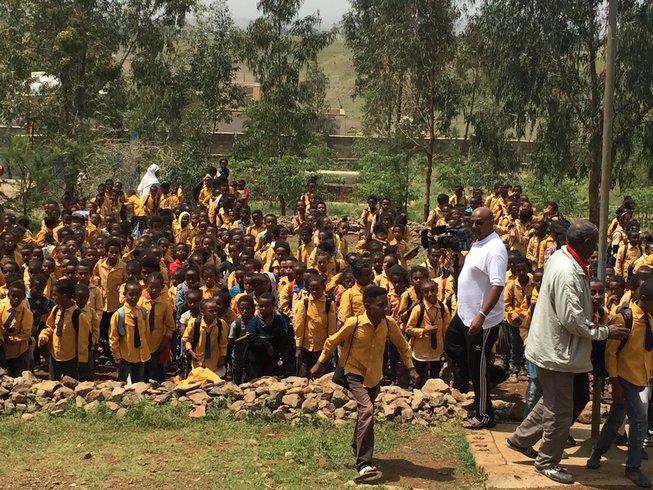
Middle school in Eritrea. Students come in 2 shifts. Long day for teachers, but education is top priority. African led development: few resources, self-reliant, on target for SDG's.
 ... http://eyewitnesseritrea.gmu.edu
Last edited by Zmeselo on 23 Oct 2019, 15:28, edited 2 times in total.
Re: ሓጺር ዛንታ ምትርጓም መጽሓፍ ቅዱስ: ናብ ቋንቋ ትግርኛ::
Eritrea’s reality is changing, & changing quick. All better accept/deal with it, or move on.
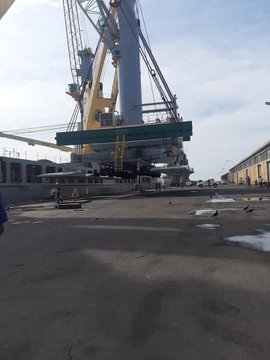
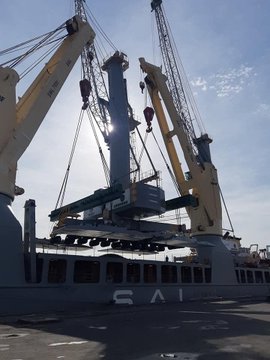
Re: ሓጺር ዛንታ ምትርጓም መጽሓፍ ቅዱስ: ናብ ቋንቋ ትግርኛ::
Eritrea as the current chair of the Khartoum Process is hosting a thematic meeting on Migration/development nexus, under the theme:
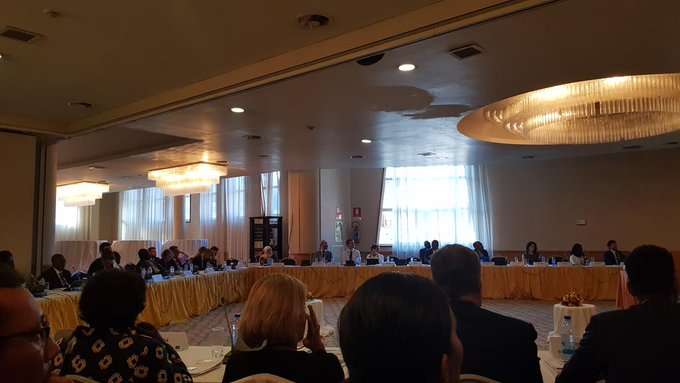
Eritrean diaspora, is the Fourth economic development Zone.Migration for development: Harnessing the potential of the diaspora.
Re: ሓጺር ዛንታ ምትርጓም መጽሓፍ ቅዱስ: ናብ ቋንቋ ትግርኛ::

Eritrea Interested in Russia's Missile Boats, Helicopters, Small Arms- Russia Gov't Agency
Fahad Shabbir (@FahadShabbir)
https://www.urdupoint.com/en/world/erit ... 44048.html
Wed 23rd October 2019
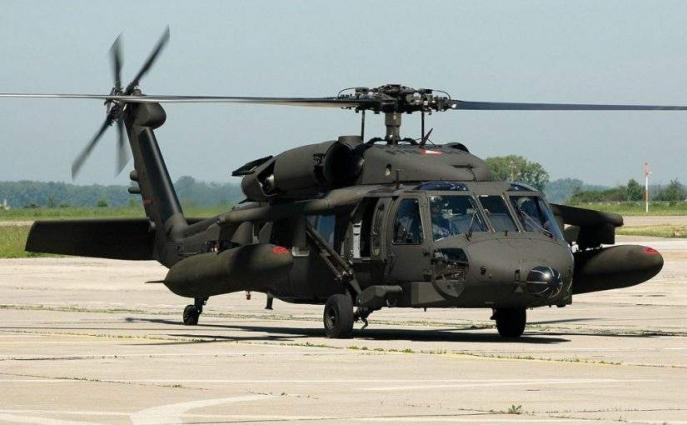
Eritrea is showing interest in Russia's missile boats, helicopters and small arms, Russian Federal Service for Military-Technical Cooperation Deputy Director Anatoly Punchuk told Sputnik on Wednesday at the Russia-Africa forum
SOCHI: Eritrea is showing interest in Russia's missile boats, helicopters and small arms, Russian Federal Service for Military-Technical Cooperation Deputy Director Anatoly Punchuk told Sputnik on Wednesday at the Russia-Africa forum.
Punchuk said.Eritrea is expressing actively its interest in resuming full-fledged defense cooperation with Russia. Given that it has reached a peace deal with the Ethiopian side [and after that international sanctions on Eritrea were lifted], it is interested in purchasing weapons: missile boats, helicopters and small arms,
Russia and Eritrea are actively exchanging delegations and plan to formulate a proposal for Russian military equipment purchase, the official noted.
The two-day Russia-Africa summit and business forum, co-chaired by the presidents of Russia and Egypt, starts on Wednesday. The Rossiya Segodnya International Information Agency is an official media partner of the event.
Re: ሓጺር ዛንታ ምትርጓም መጽሓፍ ቅዱስ: ናብ ቋንቋ ትግርኛ::
Laying the Foundation for a Radiant Future
Written by Simon Weldemichael
http://shabait.com/articles/nation-buil ... nt-future-
Articles
In 2000, world leaders came together to talk about the future by creating an environment conducive for development. Toward this end, 189 countries signed a declaration called the Millennium Declaration, consisting of eight goals that would be implemented within 15 years.
After 15 years, in 2015, only a few countries (including Eritrea) accomplished many of the ambitious plans of the Millennium Development Goals (MDGs). Again in 2015, when the UN celebrated its 70th anniversary, world leaders decided to adopt “Sustainable Development Goals” (SDGs) that comprise 17 goals to be achieved by 2030. In all of the global and regional declarations for a better future, infrastructure holds a central place; goal 9 of the SDGs aims to “build resilient infrastructure.”
Infrastructure is generally defined as
Infrastructure, also referred to as “social overhead capital”, renders services to the people and has a determining factor in improving the quality of life. Thus, a sound infrastructural foundation is a key to the overall socio-economic development. Infrastructure facilities are like wheels of development, without which economic and social life cannot function properly.an underlying base or supporting structure, the basic facilities, equipment, services and installations needed for the growth and functioning of a country, community, operation or organization.
Infrastructure is essential for increasing economic progress and reducing poverty. In 2015, in an attempt to end poverty and hunger, world leaders agreed to
(SDGs 11.2).provide access to safe, affordable, accessible and sustainable transport systems for all, improve road safety, notably by expanding public transport, with special attention to the needs of those in vulnerable situations, women, children, persons with disabilities and older persons by 2030
Economically, in-frastructure is expensive and requires substantial capital. However, as a developing nation, Eritrea has made remarkable progress in expanding infrastructure throughout the country. In its ambitious development program, Eritrea relies, first and foremost, on its people and on its domestic resources. The self-reliant infrastructural development projects have been accomplished by mobilizing internal resources and have been constructed for the people. Proper and adequate infrastructure is important for a modern economy. If the infrastructure of an economy is strong, one can build the super structure easily.
Eritrea’s development policy is guided by the principles of social justice and self-reliance. The policy of social justice focuses on an equal and even distribution of services and goods in the country. Since distribution needs a means of dissemination and circulation, the policy of social justice cannot work without sound infrastructure. There is a positive correlation between laying infrastructure and social justice. Infrastructure contributes a lot to the development of marginalized regions and helps remove regional imbalances. The broad investment in economic, social and institutional infrastructure undertaken by Eritrea is part of the colossal effort to ensure social justice. In Eritrea, transport and communication facilities, health and education services, access to legal and administrative institutions, electricity and safe water are considered fundamental human rights. Social justice is about narrowing the gap among people living in one country. Thus, narrowing the gap between rural and urban infrastructure is a core area of development. Eritrea develops much rural infrastructure, including safe drinking water facilities, roads, dams, irrigation, educational institutions, clinics and hospitals, and telecommunication services. These are all necessary for the improvement of rural and previously marginalized areas. The development strategy of Eritrea is founded on even distribution of infrastructure.

The transport and communication infrastructure established in the past 26 years has helped transform the lives of Eritreans, especially in the remote areas. The seasonal and regular roads connect the hilly and distant villages with one another and with towns and cities. The many roads and telecommunication facilities available throughout the country have helped reduce gaps that had existed between rural and urban areas.
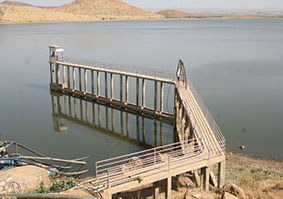
The development of agriculture to a considerable extent depends on infrastructure. Development of dams and irrigation, transportation, training areas, and research facilities contributes a lot to the development of agricultural production and food security. The medium and large dams constructed in the highlands and lowlands, especially in the western lowlands, lift the spirits and hopes of the people. Dams have become an integral part of basic infrastructure offering benefits like irrigation, domestic and industrial water supply, drought mitigation, and fish farming. It has often been remarked that if agriculture and industry are regarded as the body and backbones of a national economy, transport and communication constitute its nerves.
Sustainable development is only attained by sustainable and working infrastructure. According to “Global Economy and Development” (Working Paper 91), sustainable infrastructure is infrastructure that is socially, economically, and environmentally sustainable. Thus, socially sustainable infrastructure is inclusive and respects human rights that meet the needs of the poor by increasing access to infrastructure. Social infrastructure refers to those overhead facilities which lead to the improvement in the quality of life of the population, including health services, educational facilities, water supply, and sanitation.
In Eritrea, education is a national investment. Education is an important means for the production of material wealth. Investment in education has tangible effects on equity and alleviation of poverty. The various educational facilities built throughout the country play a great role in social and economic transformation. In addition, increased access and free education have important egalitarian effect on the population. Investing in education is highly rewarding, both to society and individuals.
Health is also an important element of wellbeing. Enjoyment of health facilities is a fundamental human right. Goal 3 of the SDGs aims to
The various clinics, regional and national referral hospitals and the roads that connect villages and towns throughout Eritrea will enable the country to accomplish its goals as well as the SDGs. Foreign Minister Osman Saleh, in his address to the 72nd session of the UNGA, said thatensure healthy lives and promote wellbeing for all, at all ages.
“Global Economy and Development” (Working Paper 91) also predicts thatEritrea is confident it will meet the Sustainable Development Goals ahead of time.
(2015: 9).Over the next 15 years, the global economy will need to invest around $90 trillion in infrastructure assets
In developing countries, mobilizing enough resources for the construction of needed infrastructure is difficult. However, Eritrea is committed to constructing important public infrastructure. Today, in Eritrea, it is common to see development workers with heavy machinery engaged in the maintenance and construction of roads, dams, schools, colleges, health facilities, electricity facilities, water pipelines, and more.
Because of the various steps taken during the few years of independence, communication facilities have become one of the fastest growing developments in Eritrea. Towers of Eritrean telecommunication (Eritel) can be seen dotting the foothills of Eritrea. Telecommunications are vital for rapid growth and development. Today, the vast majority of both urban and rural dwellers use mobile phones. The many cybercafés available in Eritrean towns and cities are also a testament to the growth of this sector and its associated infrastructure.
The expansion of infrastructure and other development projects also helps the country in its on-going effort of nation-building. President Isaias Afwerki once said that
(ECSS 2010).the process of nation-building has two features - software and hardware … The major challenge we faced in the course of nation-building was actually the hardware feature. Building a nation requires the necessary capacity in infrastructure such as hospitals, schools, communication, electricity, potable water, etc. All this was virtually nonexistent at independence, and we had to start from below zero.
Eritrea, which already possessed the software aspect of nation-building during the long struggle for independence, is now acquiring the hardware. The foundation is being set and the walls are being built. Despite continuous external pressure ooind many challenges, an objective analysis of what Eritrea has achieved so far reveals considerable progress. Observing Eritrea through the lens of the present arrangements, the future of the country is radiant. The time has come for the Eritrean people to enjoy the rewards of their enormous sacrifices.
Re: ሓጺር ዛንታ ምትርጓም መጽሓፍ ቅዱስ: ናብ ቋንቋ ትግርኛ::
Fodor's Online Travel Guide
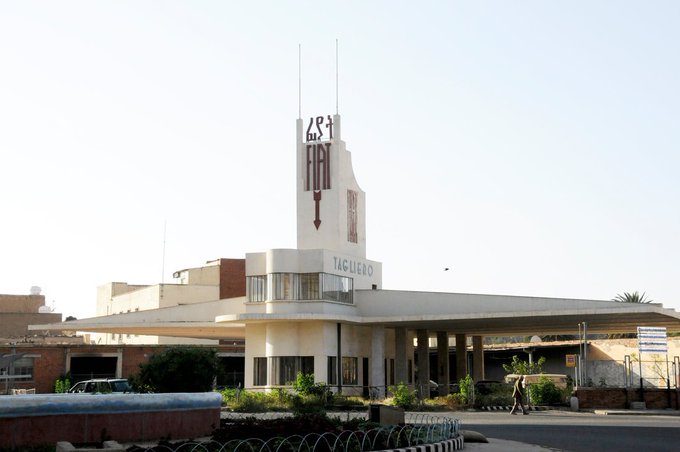
You’ll Fall in Love With the Unexpected Architecture in This Far-Away Town... https://www.fodors.com/news/photos/youl ... -away-town
You’ll Fall in Love With the Unexpected Architecture in This Far-Away Town... https://www.fodors.com/news/photos/youl ... -away-town