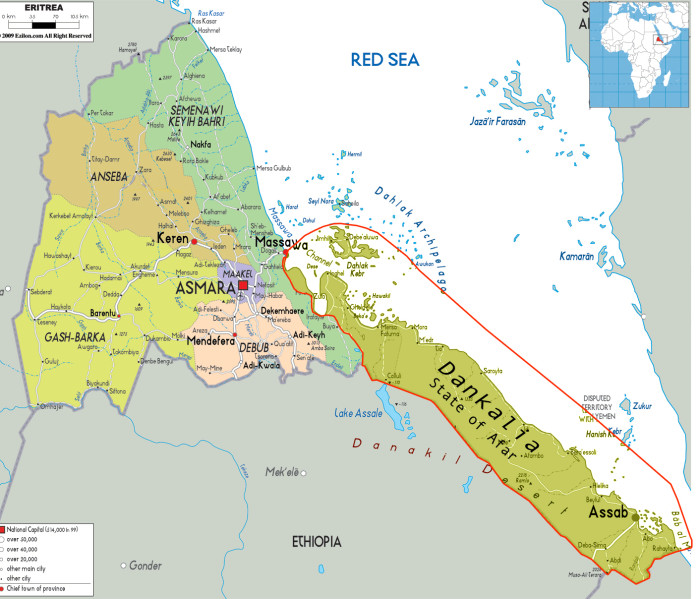
The Afar homeland (Dankalia) is over 40,000 Square Kilometers in size, stretching from the northern tip of Bori Peninsula near Massawa to southern town of Rahyta. The coastal regions of Dankalia stretch up 1000 KM and contain historic villages, ports and islands. Dahlak Island, for example, contains over 300 islands
Dankaliyah Rakaakayih Doolta
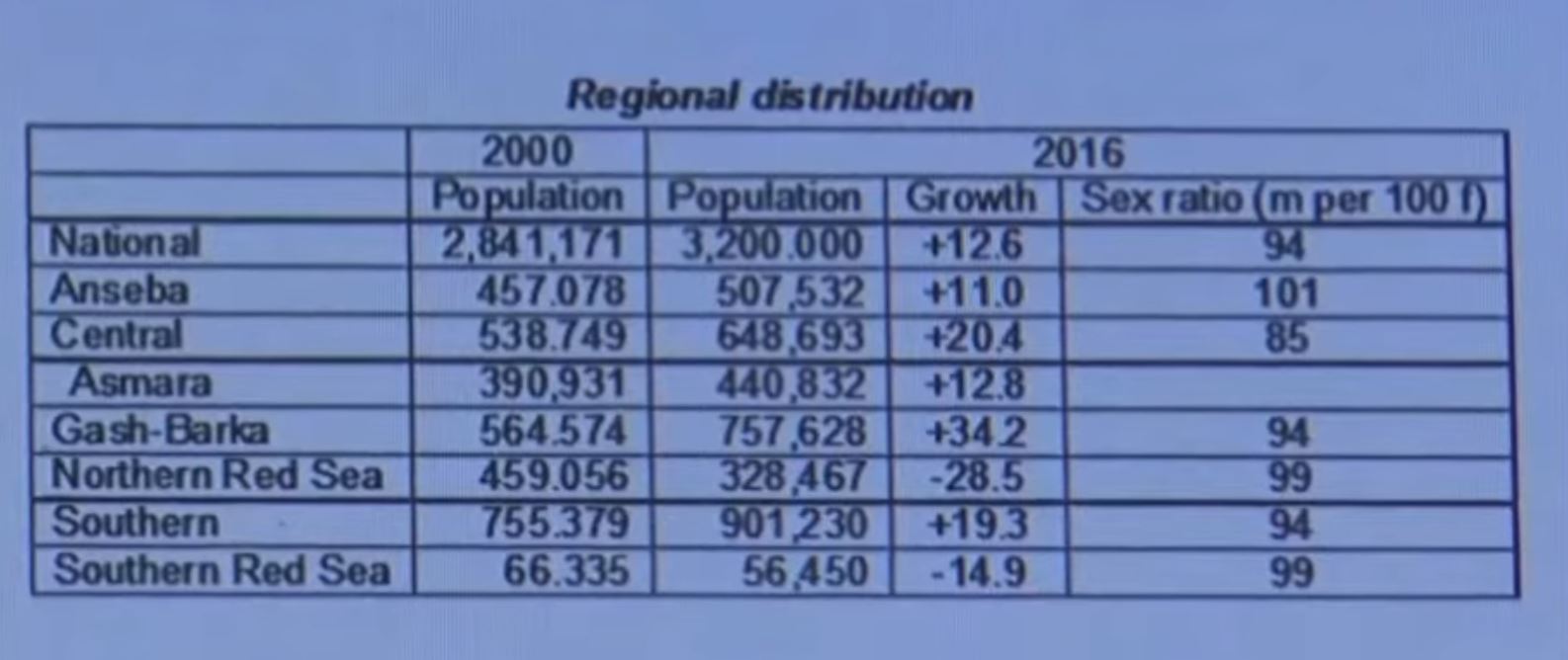
Eretereyah Qafarih ixxima 600,000-800,000,
Saytun Badi Afaay, mango Qaynatih Kullum kee Maqaadin le,
Dankaaliyah Badih Af 1000 kilo mitir yakkem nakkale,
Dankaaliyal: Potash, gold, granite, gravel, gypsum, kaolin, lime, limestone, marble Pumice, quartz, salt, sand, and silica sand Chromium, copper, Iron, lead Magnesium, nikel, silver, and zinc
Namma Furda Baad caddo le (Qasab & Massowaq) ikoytah le
The Eritrean Afar State Flag.

The Eritrean Afar State in Exile (EASE) protects the interests of the Afar people, a marginalized and minority indigenous group of East Africa, whose population in Eritrea live in the Southern Red Sea Region. To them, though, the region is known as Dankalia. Eritrea's current ruling party, the People’s Front for Democracy and Justice (PFDJ), are nationalistic and treat the Afar, Kunama, and other minority groups poorly.
The Commission of Inquiry on Human Rights in Eritrea reported there have been systematic crimes against humanity committed by government officials against indigenous groups over the past 27 years. In June 2017, the Special Rapporteur on Human Rights in Eritrea said “the situation of human rights in Eritrea has not significantly improved."
In 2018, some are hopeful that the change in federal leadership in Ethiopia will lead to peace and prosperity between the two nations. However, despite Eritrean cooperation with their neighbors, its government still has work to do if they truly want to help their indigenous minorities.