Ethiopian News, Current Affairs and Opinion Forum
-
Abere
- Senior Member
- Posts: 15254
- Joined: 18 Jul 2019, 20:52
Post
by Abere » 12 Sep 2024, 09:12
Eritrea bought 5 Pregnant Camels 
-
Meleket
- Member+
- Posts: 5020
- Joined: 16 Feb 2018, 05:08
Post
by Meleket » 12 Sep 2024, 09:50
ምንጪ ፍልፍል ሓበሬታ ዘይምግላጽ ግቡእ ስነምግባር ኣይኰነን! እዚ ማይ ዘይጠዓመ ሓበሬታካ ሓቂ እንተዀይኑ ድማ ብመራኸቢ ሓፋሽ ብድምጺ ሕዝቢ ንሕዝቢ ኪሕበር ይግባእ ንምባል’ኡ! viewtopic.php?f=2&t=290559
Meleket wrote: ↑07 Mar 2022, 11:14
የሌባን ጠበቃ አደባልቀህ ውቃ
ወዳጃችን ኣቶ pushkin ፡ ኣብርሃም ነጋሽ ከሳንታ ክላራ ዮኒቨርሲቲ፡ በትግርኛ ቋንቋ ስነጽሑፍ ዙርያ ያደረገውን ይህን ምርምር https://scholarcommons.scu.edu/library/131/፡ የራስህ አስመስለህ፡ ያውም ኣብርሃም እንዲህ ብሎ ያጠናዉን
The earliest written example of Tigrinya is a text of local customary laws, dating back to the 13th century. It was found in the district of Logo Sarda, Akele Guzai in Eritrea.
pushkin ሌባዉ ወንድማችን የኣብርሃምን ነጋሽን ጥናት፡ እራስህ እንዳጠናሀው Akele Guzai የሚል ቃልን ሰርዘህ በ Dibarwa ተክተህ ስታቀርብ ኣላፈርክም። ታረም ለወደፊቱ ምንጭ ጥቀስ፡ የሰው ጥናት መስረቅ ነውር ነው፡ እንልሃለን እኛ፡ ኤርትራዉያን የመሃልና የመስመር ዳኞች። ከኤርትራዉያን የመሃል የመስመር ዳኞች እይታ የሚሰወር ነገር እንደሌለ ማወቅ ይገባሃል። በኣማርኛ የምጽፍበት ምክንያት ደግሞ ወንድማችን 'ኣምቼው' pushkin ይበልጥ የሚገባህ ቋንቋ ስለሆነና፡ መረጃም የኢትዮጵያዉያን መድረክ ስለሆነ ነው። ለ 120 ሚሊዮን ህዝብ ሌቦችን ለማጋለጥና እውነት ለመናገር ነው፡ ገቢቶ ሌቦ! 
Digital Weyane wrote: ↑05 Mar 2022, 09:35
ትግራዋይ ጁንታዋይ ዎንድሜ Meleket ኤርትራዊ ለመምሰል የሚያደርገውን ሴራ ከተነቃበት . . .
@ Digital Weyane - ሂሳብህን ተቀበል በል "ያልታረመ ኣፍ ከዋንጫ ይሰፋል!"
እስቲ ትንሽ ደግሞ ተንጨርጨሩ የኛ "ጀግኖች!" ማፈሪያ "ሌቦች"!
Meleket wrote: ↑23 Mar 2020, 05:12
“ሕጂ’ዉን ሓቂ ኣበይ ኣሎኺ፣ ክደልየኺ!” እናዜምና፡ ንሓበሬታታት ካብ ምንጮም ምውካስና ክንቅጽል ኢና። ሓዉና pushkin ኣብ ላዕሊ ዝጸሓፈን ሰለስተ ሕጥበ ጽሑፋት ፍልፍል ወይ ምንጪ ሃበሬታኡ እዚኣ መጽናዕታዊ ጽሑፍ ናይ ኣብርሃም ነጋሽ ኣብ ሳንታ ክላራ ዮኒቨርሲቲ ትመስል። ምሉእ ትሕዝቶ ናይታ Abstract ወይ ጽሟቕ መጽናእቲ ኣብርሃም ነጋሽ ድማ እነሀት። ፍልልየን ሃሰስ ምባል ናባኹም!
https://scholarcommons.scu.edu/library/131/
The Origin and Development of Tigrinya Language Publications (1886 - 1991) Volume One
Abraham Negash, Santa Clara University
Document Type = Dissertation
Publication Date = 2016
Abstract
Tigrinya is a Semitic language spoken in Eritrea and in the Tigray Region of Northern Ethiopia. Tigrinya is one of the nine languages in Eritrea. It was one of Eritrea's official languages (along with Arabic) during the short-lived federation with Ethiopia (1952-1962). When Ethiopia officially annexed Eritrea in 1962, Amharic also formally replaced Tigrinya and Arabic; and was established as an official language by the imperial government of Ethiopia. In 1993, when Eritrea officially declared its independence through referendum. Tigrinya regained its status as a working language.
Tigrinya has its own alphabet of 32 letters adopted from Ge'ez, a language which exists with a very limited function within the Coptic Orthodox and Catholic Churches. Like English, Tigrinya is written from left to right. Although the Tigrinya script might look difficult, pronunciation is simple and straightforward, as the phonetic symbols closely resemble pronunciation.
The earliest written example of Tigrinya is a text of local customary laws, dating back to the 13th century. It was found in the district of Logo Sarda, Akele Guzai in Eritrea. The first literary text in Tigrinya was published in Europe. In 1895 Feseha Giyorgis, a scholar who was studying Italian and Latin and taught Tigrinya in Naples, published a pamphlet in Rome giving an account of his journey to Italy five years earlier. He was very conscious of his trailblazing role as "the father of Tigrinya literature." In his foreword to the work he wrote that "our main drive has been to furnish those who yearn to learn Tigrinya with material for exercise." The content of the pamphlet indicates that his 3 primary audience, however, was the educated elite of his home country, as it focuses on the author's impressions of the exotic country to which he had travelled.
The first work published in Tigrinya was a translation of the Four Gospels by Dabtera Matewos. It was written in the 1830s and was published in 1866 by Isenberg, in Basle, Switzerland. The Tigrinya title is ወንጌል ቅዱስ ናይ ጎይታና ናይ ምድሓኒናን የሱስ ክርስቶስ. This work is of major significance, because it marks the first appearance of the Tigrinya language in book form as well as in a full Ge’ez script.
European missionaries were responsible for a stream of publications from the 1890s onwards, including the first Tigrinya language newspaper in 1909, but that it did not last long. During the British Military Administration in 1941-1952, Ministry of Information of the administration published a weekly newspaper in Tigrinya. At that time, a single newspaper would cost about 5 cents; the number of copies of the newspaper sold per week would reach up to 5,000. At that time, it was reported to be the first of its kind.
There is no standard bibliography of Tigrinya publications. In an effort to address this gap, I have prepared what I think is the first annotated bibliography in two volumes. I hope that this publication will provide a summary and evaluation of books written in Tigrinya that I have been able to locate and analyze. It is also my belief that this work will be of great use to researchers and future generations and will enhance the development of Tigrinya language and literature.
In compiling this work, I have traveled extensively and conducted research in libraries and archives in Asmara, Addis Ababa, Sweden, and Italy. I also interviewed and consulted with knowledgeable individuals about early publications. After collecting bibliographic information for over 760 publications, I arranged individual records in alphabetical order by author, followed by title, place and date of publication, and number of pages.
During the process of my work I have come to realize the following facts:
1. Books written in Tigrinya are far more numerous than many people realize.
2. Because of the large number of discovered publications, a published bibliography would be of great importance to researchers.
3. Most books published in Tigrinya have incomplete information regarding dates and places of publication.
The bibliography presented here is the first one of its kind. It does not, however, claim to be comprehensive. I would be very pleased if this book stimulates and encourages other researchers to make additional entries.
After 1991 the number of books published in Tigrinya has increased tremendously. Volume one of this work includes all publications before 1991. And Volume Two will include all the works published since 1991.
Recommended Citation
Negash, Abraham, "The Origin and Development of Tigrinya Language Publications (1886 - 1991) Volume One" (2016). Staff publications, research, and presentations. 131.
https://scholarcommons.scu.edu/library/131
pushkin wrote: ↑21 Mar 2020, 05:59
The earliest written example of Tigrinya is a text of local customary laws, dating back to the 13th century. It was found in the districts of Dibarwa & Logo Sarda in Eritrea. The first literary text in Tigrinya was published in Europe. In 1895, an Eritrean scholar who was studying Italian and Latin and taught Tigrinya in Naples, published a pamphlet in Rome giving an account of his journey to Italy five years earlier. He was very conscious of his trailblazing role as "the father of Tigrinya literature." In his foreword to the work, he wrote that "our main drive has been to furnish those who yearn to learn Tigrinya with material for exercise." The content of the pamphlet indicates that his 3 primary audience, however, was the educated elite of his home country, as it focuses on the author's impressions of the exotic country to which he had traveled.
The first work published in Tigrinya was a translation of the Four Gospels by Dabtera Mateos. It was written by an Eritrean in the 1830s and was published in 1866 by Isenberg, in Basle, Switzerland. The Tigrinya title is ወንጌል ቅዱስ ናይ ጎይታና ናይ ምድሓኒናን የሱስ ክርስቶስ. This work is of major significance because it marks the first appearance of the Tigrinya language in book form as well as in a full Ge’ez script.
European missionaries were responsible for a stream of publications from the 1890s onwards, including the first Tigrinya language newspaper in 1909, but that it did not last long. During the British Military Administration in 1941-1952, the Ministry of Information of Eritrea published a weekly newspaper in Tigrinya. At that time, a single newspaper would cost about 5 cents; the number of copies of the newspaper sold per week would reach up to 5,000. At that time, it was reported to be the first of its kind.

ብርግጽ ብዛዕባ ስነጽሑፍ ትግርኛ ክንዛረብ እንከሎና ኣብ ኣከለ ጉዛይ ትርከብ ሎጎሳርዳ ፈለማ ትጥቀስ ከምዝኾነት እዛ መበቖላዊት መጽናዕታዊ ጽሑፍ ኣብርሃም ነጋሽ ትገልጽ አላ። ሓዉና pushkin ምስ ሎጎ ሳርዳ ንድባርዋ ኣጎዝጕዝ ዘበላ ይመስል። ብርግጽ ድባርዋን ከባቢኣን ብኩሉ ዙርይኣን ብተዛረብቲ ቋንቋ ትግርኛ ዝተከበባ ስለዝዀና፡ ብዙሕ ቃላት መበቆላዊ ትግርኛ ከዚነን ከምዘለዋ ዘስተውዓለ ጥራሕ ኢዩ ዚፈልጦ። ኣነ ኣብ ሓደ ወዲ ዓዲ ኹቡሎ ሓወይን ቋንቋ ላዛ ትግርኛኡን ክገልጾ ዘይኽእል ጦብላሕታን ኣድናቆትን ኣሎኒ። እቲ ምንታይ እንተተባሀልኩ፡ ንሱ ዚጥቐመሎም ቃላት ትግርኛ ኣመና መሰጥትን ገለጽትን እሞ ድማ ብግቡእ ኪጥቀመሎም ስለዘስተውዓልኹ’የ። መብዛሕትኡ ምስ ተዛረብቲ ካልኦት ቋንቋታትና ዚዳወብ ተዛራባይ ትግርኛ ድማ ቃላት እናለቀሐን እናተለቐሔን ንትግርኛ ብቃላት ‘ኣሃቢትምዎ’ዩ’፡ እዙይ ድማ ባህሪያዊ ከይዲ ምዕባለ ቋንቋ ምዃኑ ይግለጽ ኢዩ። እንተ ከባቢ ድባርዋ ግን ንዝበዝሑ መበቆላዊ ቃላት ትግርኛ ናይ ምዕቓብ ተኽእሎኡ ዓቢ ኢዩ።
ኣቦና ዓቢ ፕሮፌሰር ስብሃቱ ገብረሚካኤል ኵፍሉ ብዛዕባ ትግርኛ ዛለዎም ሃሳባት ግሩም ኢዩ። ታሪኽ “ማይ በላ” መብዛሕትኡ ኪዝረብ ሰሚዕናዮ’ና፣ ኣቦና ዓቢዪ ብሮፌሰር ስብሃቱ ድማ “ማይ በላ” ንዝተበሃለሉ ዘመን ብምጽብጻብ እዛ ማይ በላ ደኣ ትግርኛና እንደኣላ ቢሎም፡ ትግርኛ ኣብቱይ ሽዑዑ ግዜ በኣል ንግሥቲ ኣዜብ ወይ ማክዳ ወይ ሳባን ህዝበንን ይጥቐሙሉ ነቢሮም ይብሉና! ንትግርኛ ድማ ምስ ፈለስቲን ሊቃውንትን ኣባ ሓኒ እናተሓሓዙ ኬዘንትዉ ሰሚዕናዮም ነቢርና። ግርም ዛንታ’ኡ ደራዒ ጭብጢ ግና የድልዮ እንተበልናዮም “ብኣይቲ መጪኻ” ከመዘይብሉና ንኣምን!
ንሓቂ ምስ ገለጽና ንሓሶት ነሸቝርራ፡
ፍለጡና በሉ ንሕና ኢና ኤርትራ!!!
pushkin wrote: ↑09 Sep 2024, 19:49
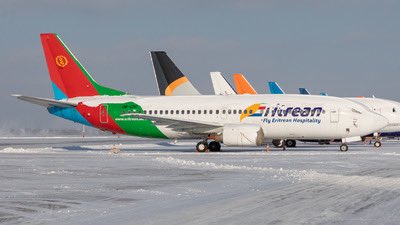
Reliable sources confirmed that although delivery of the planes has been delayed, the planes will start their flight soon. It's likely that Eritrea will revive its fleet as a large number of Eritreans yearly visits & it keeps fighting sanctions. Eritrea is one of the most independent African nations. It avoids strong alignments with the major powers. It doesn't take aid & uses national service to build infrastrucrure & economy. US tries to punish Eritrea because of its self reliance policy.