Ethiopian News, Current Affairs and Opinion Forum
Meleket
Member+
Posts: 5244
Joined: 16 Feb 2018, 05:08

“ታቦት” ዘአግአዚያን ወለዓለመዓለም - [ኤርትራዊው ሰሞንኛ ግጥም]

Post by Meleket » 30 Jul 2026, 10:42

“ታቦት” ዘአግአዚያን ወለዓለመዓለም - [ኤርትራዊ ሰሞንኛ ግጥም]

ታቦት ኪዳን (ዕብ 9:4)

እዞም ደቂዓድና እዞም ብሩኻት፣
ንሓቂ ዚገልጹ ኣብ ገበላ ኣብ ቅርዓት፣
ታቦት እንታይ እዩ፧”ተባሂሎም ምስተሓቱ፣
ተካእቲ ወለዶ መታን ከይህውትቱ
ብከምዚ ይገልጹዎ ካብ ሱር መሰረቱ።

“እነሀልካ ድኣሲ! እዚ ወደይ ብሩኽ፣
ጻድቃን ኪሕጎሱ ዲያብሎስ ኪሓንኽ፣
ካብ ልቢ ኩላትና ኃጢኣት ንኺሕከኽ፣
ነቲ መድኃኒና ክርስቶስ ንሰብኽ።

በቲ መበቆልና ብናይ ቋንቋ ግእዝ፣
ናይ ታቦት ትርጉሙ ክገልጸካ በል ሓዝ።


ብእንጨይቲ ይኩን ብሓጺን እተሰርሐ፣
ዝጸበበ ይኩን ወይ እውን ዝገፍሐ፣
መንበሪ ዚከውን ወይ እውን መሕደሪ፣
መትሓዚ ዚከውን ወይ ድማ መጽወሪ፣
መቐመጢ ኣቕሓ መቐመጢ ንብረት፣
እዚ እዩ ትርጉሙ ቃል-ብቃሉ ታቦት፣

ፈቲሽካ እትረኽቦ ኣብ መዝገበ-ቃላት።

በቲ ሓደ መዳይ ኣብ ቅዱስ ጽሑፋት፣
“ገነዞ ሴት ለኣዳም ወኣንበሮ ውስተ ታቦት፣
በምሥራቀገነት”
፣ [1] [መጽሐፈ ቀለሜንጦስ 2፡69]
ኢሎም እንኪጽሕፉ ቀዳሞት ኣቦታት፣
ኣብዚኣ ጽሕፍቲ እታ “ታቦት” ትብል ቃል፣
“ሳንዱቅ” ማለቶም እዩ ኣጸቢቕካ ኣስተውዕል።

መርከብ ስራሕ ኢሉ፣ ንኖሕ ኪገልጸሉ፣
እግዚኣብሔር ብቃሉ፣
“ግበር ታቦት ከመ ትድሕን” እንደኣሉ ቢሉ።
[2] [ኦሪት ዘፍጥረት 6፡14]
ስለ ዚመርከብ’ውን ታቦት ተባሂላ፣
ኣብ ቅዱስ መጽሓፍ ንጹር ሰፊራላ።

ታቦት ማለት እዉን ንሙዳየ ምጽዋት
ገሊጹ ንረክቦ ኣብ መጻሕፈ ነገሥታት።
[3] [2 መጸሐፈ ነገሥት 12፡10]
ንቅዱስ መጽሓፍ እንተተንብብዎ፣
እዚ ኩሉ ብንጹር ኣብኡ ትረኽብዎ።
ብመንፈሳዊ ዓዒንቲ ክንርእዮ ከሎና፣
ንታቦት ዚብል ቃል ክንምርምር ከሎና፣
ታቦተ-ኪዳን እያ ቕጅል እትብለና።

እግዚኣብሔር ንሙሴ ኣብ እምባ ናይ ሲና፣
መምርሒ እንኪህቦ ፍኖት ኪኮነና፣
ብራኬኡ ግፍሑ ንውሑ ብምንጻር፣
ብሰራው ዝበሃል እንጨይቲ ብምግባር፣
“ሙሴ ታቦት ስራሕ” በሎ እግዚኣብሔር።
[4] [ኦሪት ዘዳግም 10፡1]
ንግዳሙ ውሽጡ ብወርቂ ኪልብጥ፣
ኪሩቤል ሱራፌል ኣብ ላዕሊ ኪቕመጥ፣
ከምታ ኣነ ዝብለካ ታቦት ምስ ሰራሕካ፣
እንታይ ከም ተእትወሉ ባዕለይ እገልጸልካ፣
ኢሉ ሓቢርዎ ኣምላከይ ኣምላኽኻ።

ትእዛዛት ጽሂፉ ንኣሰርቱ ቃላት፣
ቀሪጹ ኣብ እምኒ ወቂጡ ብስርዓት፣

ንኣኣ እኳ እንብላ‘ እታ ናይ ሙሴ ጽላት’፣
ኣቀምጣ ኢልዎ ኣብ ውሽጢ እታ ታቦት። [5][ኦሪት ዘዳግም 10: 3-5]

እግዚኣብሔር ምስ ደለየ ኪህበና ጓሶት፣
ቤትመቅደስ ዚዓጥኑ ናይ ኣምላኽ ካህናት፣

ካብተን 12 ናይ እስራኤል ነገዳት፣
ንነገደ ሌዊ ንኣሮን ሃረዮ ዘንጉ ምስ ጠጠዐት፣
ቆጽሊውን ኣውጺኣ ዓንቢባ ምስ ፈርየት።
ንዘንጊ ናይ ኣሮን ነታ ዝጠጠዐት፣
ምልክት ናይ ኪዳን ምልክት ናይ ክህነት፣
ኮይና ንዘንትዕለት ምእንታን ክትነብር፣
ልክዕ ከምታ ጽላት ኣብታ ታቦት ኣንብር፣
ኢልዎ ንሙሴ ብቃሉ እግዚኣብሔር።
[6] [ኦሪት ዘኁልቍ 17:9-11]

እቶም ዓሌት እስራኤል ከለዉ ኣብ ስደት፣
ካብ ግብጺ ኪወጹ ብምድረበዳታት፣
ጉዕዞ ምስ ገበሩ ን40 ዓመታት፣
ብዓምዲ ደመና ጌሩ እናጽለለ፣
ካብ ኣባይ ዘበለ እናተከላከለ፣
ንጉሆ ንጉሆ መና እናመገበ፣
ጓስዩዎም ጎይታ ወትሩ እናሓብሃበ።


እዚ ዕጹብ ድንቂ ተግባር እግዚኣብሔር፣
ንውሉድ ወለዶ ምእንታን ኪዝከር፣
ፍዮ ወርቂ ጌርካ ስራሕ ሓንቲ/ጽዋ መዕቆር፣
እንካብቲ ማና’ውን ክሳብ ጫፋ ስፈር፣
ምስ በትሪ ናይ ኣሮን ጌርካ ምስታ ጽላት፣
ነዚኣውን ኣንብር ኣብ ውሽጢ እታ ታቦት፣
ቢሉ እዩ ኣዚዙ እግዚኣብሔር ኣብ ኦሪት
። [7] [(ዘጸ16:32-36)፣(ኦሪት ዘኁልቍ 17)]

ስለዚ እዞም ደቀይ ኣንቱም ልቦም ጻዕዳ፣
ደቂሥላሴ ኢና እንብል ምናዳ፣
ንፍለጣ ንሓቂ ብሱራ ብቀንዳ፣
ጓልመገዲ ይትረፍ ዘረባ ጫሌዳ።

ትርጉሙ ናይ ታቦት እዚ’ዩ ፍለጡ፣
ግዳሙ ምስ ውሽጡ ወርቂ ተለቢጡ፣
በትሪ ኣሮን፣ ጽላት፣ ማና ዘሎ ኣብ ውሽጡ፣[8]
[ዕብ 9:4]
ንዋየ ቅዱሳት ዝተቀመጠሉ፣
ሱራፌል ኪሩቤል በክናፍ ዘጽለሉሉ፣
ይሰራሕ ዝበሎ ኣምላኽ በቲ ቃሉ።

እነሀልኩም ደኣሲ ኣብ ዘመነ ኦሪት፣
እዚ ኔሩ ትርጉሙ እቲ ኪዳን ታቦት።
ስለዚ ኂዝኩምኒ ዞም ደቀይ ብሩኻት፣
ጥጥዕቲ በትሪ ኣሮን ምልክት ናይ ክህነት፣
ኣሰርቱ ትእዛዛት ዝተጻሕፋ ጽላት፣
ከምኡ ጽዋዕ ወርቂ-መና ዝከዘነት፣
ነዚኣን ኢያ ሒዛ እዛ ኪዳንታቦት።

ሕጂ ኣብ ዘመና አብ ዘመነ ሓዲስ፣
እምነ ጽዮን እያ-ጸዋሪት ክርስቶስ፣
ኪዳነምሕረት እያ-ጸዋሪት መለኮት፣
እታ ናይ እማን/ብእውነት/ሓቂ/ታቦት
ክርስቶስ ባዕሉ እዩ-እቲ ናይ ሓዲስ ጽላት፣
መልኬጸዴቅ እዩ ናይ ሕጊ ተፍጻሜት።
መድኃኔዓለም እዩ ዘንጊ ኣሮን ጥጡዕ፣
ሊቀ-ካህናትና ኢየሱስ ብልክዕ።


ንውሉድ ወለዶ እተዓቐበ መና፣
ቅዱስ ቁርባን እዩ ኢየሱስ ምሳና፣

ወትሩ ኣብ ቤተክርስትያን ዝተዐቖረልና።
እናተነሳሕና ንስጋወደሙ እንተተመገብና፣
ብፍቅሪ ብኃልዮት እንተተጠመርና፣
ድሕሪ እኖና ማርያም ታቦት ኢና ንሕና።


ወትሩ ምሳኩም ኢየ ኣምላክ ዝበለና፣
እቶም ደቂሥላሴ ዓቢና ንኡስና፣
ፍልልይ ገዲፍና ፍቕሪ እንተሰበኽና፣

ሓጢኣት ወጊድ ኢልና እንተተመሓሓርና፣
ሥጋኡ በሊዕና ደሙ እንተሰተና፣
ንኣኡ እንተኣንገሥና ኣብ ኩለንተናና፣
ማሕደር መንፈስቅዱስ ቤተመቕደስ ኢና![9] [1 ቆሮንጦስ 3፡16]

[1] መጽሐፈ ቀሌምንጦስ 2፡69 ፷፱ ወሞተ አዳም በ፱፻ወ፲ ዓመት ወተጋብኡ ለግንዘቱ ኩሎሙ ሠራዊተ መላእክት በእንተ ዕበዩ ለአዳም ቅድመ እግዚአብሔር ወገነዞ ሴት ወልዱ ወአንበሮ ውስተ ታቦት በምሥራቀ ገነት። ኅበ ነበሩ ቀዳሚ አመ ያወፅኦሙ እግዚአብሔር እምውስተ ነገት።

[2] ኦሪት ዘፍጥረት 6፡14 ፲፬ ወግበር ለከ ታቦተ እንተ ዕፅ ወርብዕተ ወከመዝ ትገብራ ለይእቲ ታቦት ወትቀብኣ ፒሳ እንተ ውስጣ ወኣንተ አፍአሃኒ በፒሳ። [ኦሪት ዘፍጥረት 7፡1 ፩ ወይቤሎ እግዚኣብሔር ለኖኅ ባእ አንተ ወኵሉ ቤትከ ውስተ ታቦት እስመ ኪያከ ረከብኩ ጻድቀ በቅድሜየ በዛቲ ትውልድ።

[3] መጸሐፈ ነገሥት ካልዕ 12፡10 ፲ ወሶበ ርእዩ ከመ ብዙኅ ወርቁ ዘተረክበ ውስተ ታቦት ዐርገ ጸሓፌ ንጉሥ ወካህናት ወኈለቍዎ ወርቆ ወአስርዎ ዐቍሮሙ ኵሎ ወርቀ ዘረከቡ ውስተ ቤተ እግዚአብሔር።

[4] ኦሪት ዘዳግም 10፡1 ፩ ወይቤለኒ እግዚአብሔር በውእቶን መዋዕል ቅር ለከ ክልኤ ጽላት ዘእብን ከመ እለ ቀዲሙ ወዕረግ ኅቤየ ውስተ ደብር ወግበር ታቦተ እንተ ዕፅ።

[5] ኦሪት ዘዳግም 10፡5 ፭ ወወደይክዎን ውስተ ታቦት ለእቶን ጽላት እለ ገበርኩ ወነበራ ህየ በከመ አዘዘኒ እግዚኣብሔር።

[6] ኦሪት ዘኁልቍ 17፡9-11 ፱ ወኮነ በሳኒታ ወቦኡ ሙሴ ወአሮን ውስተ ደብተራ ዘመርጡል ወናሁ ሰረጸት በትሩ ለአሮን እንተ ቤተ ሌዊ ወአውጽአት ቈጽለ ወጸገየት ጽጌ ወፈርየት ከርካዕ። ወአውጽኦን ሙሴ ለኵሎን አብትሪሆሙ እምቅድመ እግዚአብሔር ኅበ ኵሉ ደቂቀ እስራኤል ወርእዩ ወነሥአ አሐዱ አሐዱ በትሮ። ወይቤሎ እግዚአብሔር ለሙሴ አንብር በትሮ ለአሮን ቅድመ መርጡል ከመ ትትዐቀብ ለትእምርት ለደቂቆሙ ለእለ አልቦሙ መስማዕተ ወይትኅደግ ነጐርጓሮሙ እምላዕሌየ ከም ኢይሙቱ።

[7] ኦሪት ዘጸአት 16:32-36 ወአንጐርጐረ ኵሉ ሕዝብ ውሉደ እስራኤል በላዕለ ሙሴ ወአሮን። ወይቤልዎሙ ውሉደ እስራኤል ሶበ ሞትነ በመቅሠፍት እግዚአብሔር በምድረ ግብጽ አመ ንነብር ጠቃ ጸሀርት ዘሥጋ ወንበልዕ ኅብስተ እስከ ንጸግብ። አምጻእከነ አንተ ውስተዝ ገዳም ከመ ትቅትል ኵለነ በኅበ ተጋባእነ። ወይቤሎ እግዚአብሄር ለሙሴ ናሁ አነ አወርድ ለክሙ ኅብስተ እምሰማይ ወይምጻእ ሕዝብ ወያስተጋብእ ለለ ዕለት ከም አመክሮሙ ለእመ የሐውሩ በሕግየ ወእመ አልቦ። ወአመ ዕለተ ዐርብ ያስተዳልው ዘአብኡ ይኩኖሙ ካዕበተ ለለዕለት ወዘአስተጋብኡ ዘልፈ ለለዕለቱ። ወይቤሉ ሙሴ ወአሮን ለኵሉ ሕዝብ እስራኤል እምሰርክ ትአምሩ ከመ እግዚአብሔር አውፅአክሙ እምድረ ግብጽ። [ኦሪት ዘኁልቍ 17]

[8] ዕብራውያን 9፡4 ፬ ወውስቴታ ማዕጠንት ዘወርቅ ወታቦትኒ እንተ ውስቴታ ኦሪት እነተ ይከድንዋ በወርቅ ውቱረ ወውስቴታ መሶበ ወርቅ ዘመናበትረ አሮን እንተ ሠረጸት ወጽላትኒ ዘኦሪት።

[9] መልእክተ ጳውሎስ ቀዳሚ ኅበ ሰብአ ቆሮንጦስ 3:16 ፲፮ ኢተአምሩኒ ከመ ታቦቱ ለእግዚአብሔር አንትሙ ወመንፈስ እግዚአብሔር ላዕሌክሙ።


እዡይ ብመልክዕ ግጥሚ ዝቐረብናዮ ቅዱስ መጸሐፋዊ አስተምህሮ፡ ካብ መምህራን ክብርቲ ካቶሊካዊት ቤተክርስትያንና ዝረኸብናዮን ዝተመሃርናዮን ኢዩ። ክንድዝዀነ ድማ ንኽብሪ ኩሎም ኣብ መላእ ኣብ ዓለምና ብቕንዕና ዜገልግሉ ዘበሉ ካህናትን ሰብ ውፉይ ሕይወትን ኩሎም እምነታት ብዘይአፈላላይ- ብሓበራን ብሓፈሻን፡ ከምኡን ንክብሪ ኩሎም ሰማእታት ኤርትራን ወፊናዮ ኣሎና፡ ንሕና ኤርትራዉያን ደያኑ ማእከልን መስመርን በቲ ልሙድ ኤርትራዊ ጭዉነት ሓበንን ፍናንን።

Meleket
Member+
Posts: 5244
Joined: 16 Feb 2018, 05:08

Re: “ታቦት” ዘአግአዚያን ወለዓለመዓለም - [ኤርትራዊው ሰሞንኛ ግጥም]

Post by Meleket » 31 Jul 2026, 05:08

ብፁዕ ኣባ ገብረሚካኤል ሰማዕት
1790 (ዲቦ) – 1855 (ወሎ)


https://daughters-of-charity.com/blesse ... im-seeker/
https://en.wikipedia.org/wiki/Gh%C3%A9br%C4%93-Michael
https://wiki.famvin.org/en/Ghebre_Micha ... re_Michael
viewtopic.php?f=2&t=317577

ብፁዕ ኣቡነ ጴጥሮስ ሰማዕት
1882 ፍቼ [ሸዋ] - 29 July 1936 አዲስ አበባ
[1875 ዓ.ም. – 22 ሓምለ 1928 ዓ.ም.]


https://en.wikipedia.org/wiki/Abune_Petros
https://www.facebook.com/10006968008638 ... 745312207/

Meleket wrote:
30 Jul 2026, 10:42
“ታቦት” ዘአግአዚያን ወለዓለመዓለም - [ኤርትራዊ ሰሞንኛ ግጥም]

ታቦት ኪዳን (ዕብ 9:4)

እዞም ደቂዓድና እዞም ብሩኻት፣
ንሓቂ ዚገልጹ ኣብ ገበላ ኣብ ቅርዓት፣
ታቦት እንታይ እዩ፧”ተባሂሎም ምስተሓቱ፣
ተካእቲ ወለዶ መታን ከይህውትቱ
ብከምዚ ይገልጹዎ ካብ ሱር መሰረቱ።

“እነሀልካ ድኣሲ! እዚ ወደይ ብሩኽ፣
ጻድቃን ኪሕጎሱ ዲያብሎስ ኪሓንኽ፣
ካብ ልቢ ኩላትና ኃጢኣት ንኺሕከኽ፣
ነቲ መድኃኒና ክርስቶስ ንሰብኽ።

በቲ መበቆልና ብናይ ቋንቋ ግእዝ፣
ናይ ታቦት ትርጉሙ ክገልጸካ በል ሓዝ።


ብእንጨይቲ ይኩን ብሓጺን እተሰርሐ፣
ዝጸበበ ይኩን ወይ እውን ዝገፍሐ፣
መንበሪ ዚከውን ወይ እውን መሕደሪ፣
መትሓዚ ዚከውን ወይ ድማ መጽወሪ፣
መቐመጢ ኣቕሓ መቐመጢ ንብረት፣
እዚ እዩ ትርጉሙ ቃል-ብቃሉ ታቦት፣

ፈቲሽካ እትረኽቦ ኣብ መዝገበ-ቃላት።

በቲ ሓደ መዳይ ኣብ ቅዱስ ጽሑፋት፣
“ገነዞ ሴት ለኣዳም ወኣንበሮ ውስተ ታቦት፣
በምሥራቀገነት”
፣ [1] [መጽሐፈ ቀለሜንጦስ 2፡69]
ኢሎም እንኪጽሕፉ ቀዳሞት ኣቦታት፣
ኣብዚኣ ጽሕፍቲ እታ “ታቦት” ትብል ቃል፣
“ሳንዱቅ” ማለቶም እዩ ኣጸቢቕካ ኣስተውዕል።

መርከብ ስራሕ ኢሉ፣ ንኖሕ ኪገልጸሉ፣
እግዚኣብሔር ብቃሉ፣
“ግበር ታቦት ከመ ትድሕን” እንደኣሉ ቢሉ።
[2] [ኦሪት ዘፍጥረት 6፡14]
ስለ ዚመርከብ’ውን ታቦት ተባሂላ፣
ኣብ ቅዱስ መጽሓፍ ንጹር ሰፊራላ።

ታቦት ማለት እዉን ንሙዳየ ምጽዋት
ገሊጹ ንረክቦ ኣብ መጻሕፈ ነገሥታት።
[3] [2 መጸሐፈ ነገሥት 12፡10]
ንቅዱስ መጽሓፍ እንተተንብብዎ፣
እዚ ኩሉ ብንጹር ኣብኡ ትረኽብዎ።
ብመንፈሳዊ ዓዒንቲ ክንርእዮ ከሎና፣
ንታቦት ዚብል ቃል ክንምርምር ከሎና፣
ታቦተ-ኪዳን እያ ቕጅል እትብለና።

እግዚኣብሔር ንሙሴ ኣብ እምባ ናይ ሲና፣
መምርሒ እንኪህቦ ፍኖት ኪኮነና፣
ብራኬኡ ግፍሑ ንውሑ ብምንጻር፣
ብሰራው ዝበሃል እንጨይቲ ብምግባር፣
“ሙሴ ታቦት ስራሕ” በሎ እግዚኣብሔር።
[4] [ኦሪት ዘዳግም 10፡1]
ንግዳሙ ውሽጡ ብወርቂ ኪልብጥ፣
ኪሩቤል ሱራፌል ኣብ ላዕሊ ኪቕመጥ፣
ከምታ ኣነ ዝብለካ ታቦት ምስ ሰራሕካ፣
እንታይ ከም ተእትወሉ ባዕለይ እገልጸልካ፣
ኢሉ ሓቢርዎ ኣምላከይ ኣምላኽኻ።

ትእዛዛት ጽሂፉ ንኣሰርቱ ቃላት፣
ቀሪጹ ኣብ እምኒ ወቂጡ ብስርዓት፣

ንኣኣ እኳ እንብላ‘ እታ ናይ ሙሴ ጽላት’፣
ኣቀምጣ ኢልዎ ኣብ ውሽጢ እታ ታቦት። [5][ኦሪት ዘዳግም 10: 3-5]

እግዚኣብሔር ምስ ደለየ ኪህበና ጓሶት፣
ቤትመቅደስ ዚዓጥኑ ናይ ኣምላኽ ካህናት፣

ካብተን 12 ናይ እስራኤል ነገዳት፣
ንነገደ ሌዊ ንኣሮን ሃረዮ ዘንጉ ምስ ጠጠዐት፣
ቆጽሊውን ኣውጺኣ ዓንቢባ ምስ ፈርየት።
ንዘንጊ ናይ ኣሮን ነታ ዝጠጠዐት፣
ምልክት ናይ ኪዳን ምልክት ናይ ክህነት፣
ኮይና ንዘንትዕለት ምእንታን ክትነብር፣
ልክዕ ከምታ ጽላት ኣብታ ታቦት ኣንብር፣
ኢልዎ ንሙሴ ብቃሉ እግዚኣብሔር።
[6] [ኦሪት ዘኁልቍ 17:9-11]

እቶም ዓሌት እስራኤል ከለዉ ኣብ ስደት፣
ካብ ግብጺ ኪወጹ ብምድረበዳታት፣
ጉዕዞ ምስ ገበሩ ን40 ዓመታት፣
ብዓምዲ ደመና ጌሩ እናጽለለ፣
ካብ ኣባይ ዘበለ እናተከላከለ፣
ንጉሆ ንጉሆ መና እናመገበ፣
ጓስዩዎም ጎይታ ወትሩ እናሓብሃበ።


እዚ ዕጹብ ድንቂ ተግባር እግዚኣብሔር፣
ንውሉድ ወለዶ ምእንታን ኪዝከር፣
ፍዮ ወርቂ ጌርካ ስራሕ ሓንቲ/ጽዋ መዕቆር፣
እንካብቲ ማና’ውን ክሳብ ጫፋ ስፈር፣
ምስ በትሪ ናይ ኣሮን ጌርካ ምስታ ጽላት፣
ነዚኣውን ኣንብር ኣብ ውሽጢ እታ ታቦት፣
ቢሉ እዩ ኣዚዙ እግዚኣብሔር ኣብ ኦሪት
። [7] [(ዘጸ16:32-36)፣(ኦሪት ዘኁልቍ 17)]

ስለዚ እዞም ደቀይ ኣንቱም ልቦም ጻዕዳ፣
ደቂሥላሴ ኢና እንብል ምናዳ፣
ንፍለጣ ንሓቂ ብሱራ ብቀንዳ፣
ጓልመገዲ ይትረፍ ዘረባ ጫሌዳ።

ትርጉሙ ናይ ታቦት እዚ’ዩ ፍለጡ፣
ግዳሙ ምስ ውሽጡ ወርቂ ተለቢጡ፣
በትሪ ኣሮን፣ ጽላት፣ ማና ዘሎ ኣብ ውሽጡ፣[8]
[ዕብ 9:4]
ንዋየ ቅዱሳት ዝተቀመጠሉ፣
ሱራፌል ኪሩቤል በክናፍ ዘጽለሉሉ፣
ይሰራሕ ዝበሎ ኣምላኽ በቲ ቃሉ።

እነሀልኩም ደኣሲ ኣብ ዘመነ ኦሪት፣
እዚ ኔሩ ትርጉሙ እቲ ኪዳን ታቦት።
ስለዚ ኂዝኩምኒ ዞም ደቀይ ብሩኻት፣
ጥጥዕቲ በትሪ ኣሮን ምልክት ናይ ክህነት፣
ኣሰርቱ ትእዛዛት ዝተጻሕፋ ጽላት፣
ከምኡ ጽዋዕ ወርቂ-መና ዝከዘነት፣
ነዚኣን ኢያ ሒዛ እዛ ኪዳንታቦት።

ሕጂ ኣብ ዘመና አብ ዘመነ ሓዲስ፣
እምነ ጽዮን እያ-ጸዋሪት ክርስቶስ፣
ኪዳነምሕረት እያ-ጸዋሪት መለኮት፣
እታ ናይ እማን/ብእውነት/ሓቂ/ታቦት
ክርስቶስ ባዕሉ እዩ-እቲ ናይ ሓዲስ ጽላት፣
መልኬጸዴቅ እዩ ናይ ሕጊ ተፍጻሜት።
መድኃኔዓለም እዩ ዘንጊ ኣሮን ጥጡዕ፣
ሊቀ-ካህናትና ኢየሱስ ብልክዕ።


ንውሉድ ወለዶ እተዓቐበ መና፣
ቅዱስ ቁርባን እዩ ኢየሱስ ምሳና፣

ወትሩ ኣብ ቤተክርስትያን ዝተዐቖረልና።
እናተነሳሕና ንስጋወደሙ እንተተመገብና፣
ብፍቅሪ ብኃልዮት እንተተጠመርና፣
ድሕሪ እኖና ማርያም ታቦት ኢና ንሕና።


ወትሩ ምሳኩም ኢየ ኣምላክ ዝበለና፣
እቶም ደቂሥላሴ ዓቢና ንኡስና፣
ፍልልይ ገዲፍና ፍቕሪ እንተሰበኽና፣

ሓጢኣት ወጊድ ኢልና እንተተመሓሓርና፣
ሥጋኡ በሊዕና ደሙ እንተሰተና፣
ንኣኡ እንተኣንገሥና ኣብ ኩለንተናና፣
ማሕደር መንፈስቅዱስ ቤተመቕደስ ኢና![9] [1 ቆሮንጦስ 3፡16]

[1] መጽሐፈ ቀሌምንጦስ 2፡69 ፷፱ ወሞተ አዳም በ፱፻ወ፲ ዓመት ወተጋብኡ ለግንዘቱ ኩሎሙ ሠራዊተ መላእክት በእንተ ዕበዩ ለአዳም ቅድመ እግዚአብሔር ወገነዞ ሴት ወልዱ ወአንበሮ ውስተ ታቦት በምሥራቀ ገነት። ኅበ ነበሩ ቀዳሚ አመ ያወፅኦሙ እግዚአብሔር እምውስተ ገነት።

[2] ኦሪት ዘፍጥረት 6፡14 ፲፬ ወግበር ለከ ታቦተ እንተ ዕፅ ወርብዕተ ወከመዝ ትገብራ ለይእቲ ታቦት ወትቀብኣ ፒሳ እንተ ውስጣ ወኣንተ አፍአሃኒ በፒሳ። [ኦሪት ዘፍጥረት 7፡1 ፩ ወይቤሎ እግዚኣብሔር ለኖኅ ባእ አንተ ወኵሉ ቤትከ ውስተ ታቦት እስመ ኪያከ ረከብኩ ጻድቀ በቅድሜየ በዛቲ ትውልድ።

[3] መጸሐፈ ነገሥት ካልዕ 12፡10 ፲ ወሶበ ርእዩ ከመ ብዙኅ ወርቁ ዘተረክበ ውስተ ታቦት ዐርገ ጸሓፌ ንጉሥ ወካህናት ወኈለቍዎ ወርቆ ወአስርዎ ዐቍሮሙ ኵሎ ወርቀ ዘረከቡ ውስተ ቤተ እግዚአብሔር።

[4] ኦሪት ዘዳግም 10፡1 ፩ ወይቤለኒ እግዚአብሔር በውእቶን መዋዕል ቅር ለከ ክልኤ ጽላት ዘእብን ከመ እለ ቀዲሙ ወዕረግ ኅቤየ ውስተ ደብር ወግበር ታቦተ እንተ ዕፅ።

[5] ኦሪት ዘዳግም 10፡5 ፭ ወወደይክዎን ውስተ ታቦት ለእቶን ጽላት እለ ገበርኩ ወነበራ ህየ በከመ አዘዘኒ እግዚኣብሔር።

[6] ኦሪት ዘኁልቍ 17፡9-11 ፱ ወኮነ በሳኒታ ወቦኡ ሙሴ ወአሮን ውስተ ደብተራ ዘመርጡል ወናሁ ሰረጸት በትሩ ለአሮን እንተ ቤተ ሌዊ ወአውጽአት ቈጽለ ወጸገየት ጽጌ ወፈርየት ከርካዕ። ወአውጽኦን ሙሴ ለኵሎን አብትሪሆሙ እምቅድመ እግዚአብሔር ኅበ ኵሉ ደቂቀ እስራኤል ወርእዩ ወነሥአ አሐዱ አሐዱ በትሮ። ወይቤሎ እግዚአብሔር ለሙሴ አንብር በትሮ ለአሮን ቅድመ መርጡል ከመ ትትዐቀብ ለትእምርት ለደቂቆሙ ለእለ አልቦሙ መስማዕተ ወይትኅደግ ነጐርጓሮሙ እምላዕሌየ ከም ኢይሙቱ።

[7] ኦሪት ዘጸአት 16:32-36 ወአንጐርጐረ ኵሉ ሕዝብ ውሉደ እስራኤል በላዕለ ሙሴ ወአሮን። ወይቤልዎሙ ውሉደ እስራኤል ሶበ ሞትነ በመቅሠፍት እግዚአብሔር በምድረ ግብጽ አመ ንነብር ጠቃ ጸሀርት ዘሥጋ ወንበልዕ ኅብስተ እስከ ንጸግብ። አምጻእከነ አንተ ውስተዝ ገዳም ከመ ትቅትል ኵለነ በኅበ ተጋባእነ። ወይቤሎ እግዚአብሄር ለሙሴ ናሁ አነ አወርድ ለክሙ ኅብስተ እምሰማይ ወይምጻእ ሕዝብ ወያስተጋብእ ለለ ዕለት ከም አመክሮሙ ለእመ የሐውሩ በሕግየ ወእመ አልቦ። ወአመ ዕለተ ዐርብ ያስተዳልው ዘአብኡ ይኩኖሙ ካዕበተ ለለዕለት ወዘአስተጋብኡ ዘልፈ ለለዕለቱ። ወይቤሉ ሙሴ ወአሮን ለኵሉ ሕዝብ እስራኤል እምሰርክ ትአምሩ ከመ እግዚአብሔር አውፅአክሙ እምድረ ግብጽ። [ኦሪት ዘኁልቍ 17]

[8] ዕብራውያን 9፡4 ፬ ወውስቴታ ማዕጠንት ዘወርቅ ወታቦትኒ እንተ ውስቴታ ኦሪት እነተ ይከድንዋ በወርቅ ውቱረ ወውስቴታ መሶበ ወርቅ ዘመናበትረ አሮን እንተ ሠረጸት ወጽላትኒ ዘኦሪት።

[9] መልእክተ ጳውሎስ ቀዳሚ ኅበ ሰብአ ቆሮንጦስ 3:16 ፲፮ ኢተአምሩኒ ከመ ታቦቱ ለእግዚአብሔር አንትሙ ወመንፈስ እግዚአብሔር ላዕሌክሙ።


እዡይ ብመልክዕ ግጥሚ ዝቐረብናዮ ቅዱስ መጸሐፋዊ አስተምህሮ፡ ካብ መምህራን ክብርቲ ካቶሊካዊት ቤተክርስትያንና ዝረኸብናዮን ዝተመሃርናዮን ኢዩ። ክንድዝዀነ ድማ ንኽብሪ ኩሎም ኣብ መላእ ኣብ ዓለምና ብቕንዕና ዜገልግሉ ዘበሉ ካህናትን ሰብ ውፉይ ሕይወትን ኩሎም እምነታት ብዘይአፈላላይ- ብሓበራን ብሓፈሻን፡ ከምኡን ንክብሪ ኩሎም ሰማእታት ኤርትራን ወፊናዮ ኣሎና፡ ንሕና ኤርትራዉያን ደያኑ ማእከልን መስመርን በቲ ልሙድ ኤርትራዊ ጭዉነት ሓበንን ፍናንን።

Axumezana
Senior Member
Posts: 19542
Joined: 27 Jan 2020, 23:15

Re: “ታቦት” ዘአግአዚያን ወለዓለመዓለም - [ኤርትራዊው ሰሞንኛ ግጥም]

Post by Axumezana » 01 Aug 2026, 09:40

When a Sacred Object Obscures the Savior
The belief that the Ark of the Covenant is present within the Ethiopian Church has created a serious theological danger. An object belonging to Israel’s ancient covenant has been placed within a Church established through the blood of Jesus Christ. When the Ark is given excessive spiritual attention, confusion can arise concerning the true way of salvation.
The Church was not purchased by the blood of animals sacrificed before the Ark. It was purchased by the precious blood of Jesus Christ.
The Ark did not die for humanity.
The Ark did not rise from the dead.
The Ark cannot forgive sin, reconcile humanity to God, or give eternal life.
Jesus Christ alone accomplished these things.
Christ declared, “I am the way, the truth, and the life.” He did not present Himself as one sacred way among many. He is the only mediator between God and humanity and the only name through which salvation is given.
Therefore, any teaching, ceremony, tradition, or devotion that causes people to look toward the Ark as a source of divine power, protection, salvation, or access to God creates spiritual confusion. It risks placing a created object in the position belonging to the Creator.
The Ten Commandments plainly forbid idolatry. God commanded His people not to make an image for worship, bow down to it, or give it the devotion that belongs to Him alone. The Ark itself contained the commandments condemning idolatry. It would therefore be a tragic contradiction to turn the container of God’s law into an object of worship against the law it carried.
The Ark was sacred because God appointed it for a particular purpose within Israel’s covenant. Its sacredness never made it God. Even in ancient Israel, the people were judged when they treated the Ark as a magical object that could guarantee victory while their hearts remained disobedient.
The same danger exists today whenever people believe that the presence of a sacred object guarantees God’s favor.
No nation is saved because it possesses the Ark.
No Church is made holy merely because it claims to guard an ancient object.
No person receives eternal life by honoring, approaching, touching, carrying, or celebrating the Ark.
Salvation comes through repentance and faith in Jesus Christ.

Naga Tuma
Member+
Posts: 7812
Joined: 24 Apr 2007, 00:27

Re: “ታቦት” ዘአግአዚያን ወለዓለመዓለም - [ኤርትራዊው ሰሞንኛ ግጥም]

Post by Naga Tuma » 01 Aug 2026, 15:19

Israel’s Covenant with the Almighty was through Moses.

Moses Accord could have been naturally amended to Akhenaten’s Accord and then Humanity’s Accord with the Almighty.

The Last Lucifer discussing about an Accord with the Almighty would be its eternal sin.

Before it popped up, the Israelites of Moses Accord would passionately argue that no one saw Jesus resurrecting after his crucification except hearsay from his 12 or so disciples.

The Almighty might even know how to show the hearsay mess by creating The Last Lucifer like you who evidently doesn’t sound to have lived in this world.
Axumezana wrote:
01 Aug 2026, 09:40
When a Sacred Object Obscures the Savior
The belief that the Ark of the Covenant is present within the Ethiopian Church has created a serious theological danger. An object belonging to Israel’s ancient covenant has been placed within a Church established through the blood of Jesus Christ. When the Ark is given excessive spiritual attention, confusion can arise concerning the true way of salvation.
The Church was not purchased by the blood of animals sacrificed before the Ark. It was purchased by the precious blood of Jesus Christ.
The Ark did not die for humanity.
The Ark did not rise from the dead.
The Ark cannot forgive sin, reconcile humanity to God, or give eternal life.
Jesus Christ alone accomplished these things.
Christ declared, “I am the way, the truth, and the life.” He did not present Himself as one sacred way among many. He is the only mediator between God and humanity and the only name through which salvation is given.
Therefore, any teaching, ceremony, tradition, or devotion that causes people to look toward the Ark as a source of divine power, protection, salvation, or access to God creates spiritual confusion. It risks placing a created object in the position belonging to the Creator.
The Ten Commandments plainly forbid idolatry. God commanded His people not to make an image for worship, bow down to it, or give it the devotion that belongs to Him alone. The Ark itself contained the commandments condemning idolatry. It would therefore be a tragic contradiction to turn the container of God’s law into an object of worship against the law it carried.
The Ark was sacred because God appointed it for a particular purpose within Israel’s covenant. Its sacredness never made it God. Even in ancient Israel, the people were judged when they treated the Ark as a magical object that could guarantee victory while their hearts remained disobedient.
The same danger exists today whenever people believe that the presence of a sacred object guarantees God’s favor.
No nation is saved because it possesses the Ark.
No Church is made holy merely because it claims to guard an ancient object.
No person receives eternal life by honoring, approaching, touching, carrying, or celebrating the Ark.
Salvation comes through repentance and faith in Jesus Christ.

Meleket
Member+
Posts: 5244
Joined: 16 Feb 2018, 05:08

Re: “ታቦት” ዘአግአዚያን ወለዓለመዓለም - [ኤርትራዊው ሰሞንኛ ግጥም]

Post by Meleket » Today, 03:48


The Apostolic Constitutions as the Hidden Torah of the Geʿez Rite: A Hebrew Catholic Reflection


The Torah Hidden in the Liturgy

The Apostolic Constitutions, an early Syrian–Semitic church order from the late fourth century, stand as one of the richest testimonies to the living continuity between Israel’s worship and the Eucharistic life of the early Church. While regarded as apocryphal by the universal Church, they have been cherished within the Ethiopian and Eritrean Christian worlds as part of the Sinodos, a treasury of apostolic regulations that shaped their Geʿez liturgy and ecclesial ethos.

The Ethiopian Catholic Church, in full communion with Rome, inherits this patrimony, purifying it through the light of Catholic faith while retaining its Semitic, Temple-conscious character. From a Hebrew Catholic and Divine Will perspective, the Apostolic Constitutions may be seen as a hidden Torah of the Liturgy — a spiritual law fulfilled, not abolished, in the Eucharistic Christ.

Biblical Foundations: From the Mosaic Assembly to the Apostolic Synaxis

The Apostolic Constitutions mirror the structure of the Sinai covenantal assembly. The Christian gathering begins with readings from the Law and Prophets, followed by the apostolic writings — just as Israel assembled to hear the Torah (Exodus 24:7). The Eucharist is described as a spiritual sacrifice fulfilling the Levitical offerings, an idea that resonates with Romans 12:1 and the Epistle to the Hebrews.

In the Geʿez tradition, this continuity remains palpable. The Ark of the Covenant (Tabot) carried in every Ethiopian altar visually affirms the Church as the living Temple of the Word made flesh. The Apostolic Constitutions thus function like a Deuteronomy of the New Covenant — restating the Law through Christ, the eternal Torah written upon the heart (Jeremiah 31:33).

The Jewish atmosphere of the text is not incidental but theological: it affirms that Christianity is not a rupture but a transfiguration of Israel’s liturgical DNA. The Apostolic “constitution” of the Church is none other than the reconstitution of Israel around the Lamb.

The Marian and Ecclesial Dimension: The Ark and the Assembly

In the Geʿez Rite, the Marian presence is inseparable from the Eucharistic altar. Every church contains a Tabot — a miniature Ark — recalling both the Mosaic Ark and the Virgin who bore the Divine Word. The Apostolic Constitutions frequently use maternal and nuptial imagery for the Church, calling her “the mother who nourishes you with the Word.”

From a Marian-Divine Will perspective, this liturgical structure reflects Mary as the living synthesis of Law and Grace. She is the Torah personified, the “House of Gold” where the Divine Will reigns without resistance. The Geʿez Rite, informed by the Constitutions’ temple theology, allows the faithful to enter into this same interior sanctuary. In this light, the Apostolic Constitutions become not merely a manual of rules, but a Marian pedagogy of the Church — teaching the Bride how to receive, guard, and transmit the Word in perfect docility to the Divine Fiat.

The Eucharistic Fulfilment: The Temple Transfigured

Book VIII of the Apostolic Constitutions preserves one of the earliest Eucharistic prayers, strikingly similar to the Anaphora of the Twelve Apostles, still used in the Geʿez Rite. Its structure — thanksgiving, anamnesis, invocation, and offering — follows the rhythm of the Jewish berakhot yet is suffused with the mystery of the Cross and Resurrection.

The Eucharist here appears as the cosmic altar, fulfilling the sacrificial order of Israel. The priest, standing “as Aaron and the Levites once stood,” offers not animal blood but the Blood of the Lamb who takes away the sin of the world.

From a Divine Will perspective, this is where the hidden Torah is most luminous:
“My food is to do the Will of Him who sent Me” (John 4:34).


In the Eucharistic act, Christ reproduces His Fiat in the soul and the cosmos. The Apostolic Constitutions, with their precise liturgical order, become a map of divine obedience — a pedagogy of how creation enters the rhythm of God’s Will.

Thus, in the Ethiopian Catholic liturgy, where the incense, vestments, and chant echo the Temple service, the faithful are drawn into the eternal Liturgy of Heaven — the same “wheel within the wheel” that Ezekiel saw (Ezekiel 1:15–21), turning ceaselessly in praise of the Divine Fiat.

The Jewish-Christian Spirit in the Ethiopian Catholic Church

Unlike many Western rites that interiorized Israel’s ritual memory, the Ethiopian Catholic Church preserves its external form as an icon of internal grace. Fasting laws, feasts of the Tabernacle, and reverence for both Sabbath and Sunday reveal a Catholic Semitism that the Holy See esteems as fully legitimate.

This living continuity manifests what Pope Benedict XVI described as the Church’s “inner correspondence with the Temple” — the understanding that Christian worship arises organically from the liturgy of Israel. For Hebrew Catholics, this is profoundly significant: the Ethiopian Catholic Church embodies, in visible and Eucharistic form, what the Apostolic Constitutions articulated textually — the union of Law and Grace, Israel and the Nations, all recapitulated in Christ.

The Hidden Torah of the Divine Will

The Apostolic Constitutions are not canonical in the strict Catholic sense, yet they remain a luminous witness to how the Divine Will wove the Mosaic, Marian, and Apostolic threads into one seamless garment of worship. In the Geʿez Rite, their spirit endures — not as legal code, but as a living Torah transfigured in the Eucharist. The Church, Bride and Ark, continues to carry the hidden tablets of the Heart: the Fiat of the Son and the Fiat of the Mother.

The Ethiopian Catholic Church thus stands as a prophetic sign within Catholicism: that the Law has not vanished, but has entered its Sabbath rest in the Body and Blood of the Lamb. The Apostolic Constitutions whisper from antiquity the same truth Luisa Piccarreta heard in the Book of Heaven — that the Divine Order, once external, now beats from within, forming a new creation where every liturgical act fulfils the ancient Torah in the Will of God.

Posted 13th October 2025 by Nezir Katan https://aronbengilad.blogspot.com/2025/ ... idden.html


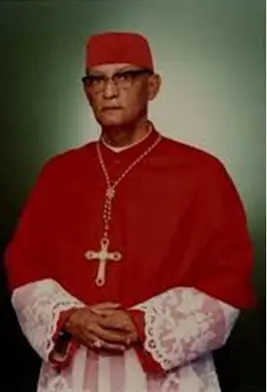
ቅዱስ ኣባታችን ካርዲናል ጳውሎስ ጻድዋ - ምልጃዎ ኣይለዬን https://en.wikipedia.org/wiki/Paulos_Tzadua
25 August 1921 [Addifini, Italian Eritrea] - 11 December 2003 (aged 82) [Rome, Italy]


ቅዱሳን ኣባቶቻችን - ምልጃቹ ኣይለዬን

Post Reply