Ethiopian News, Current Affairs and Opinion Forum
Zmeselo
Senior Member+
Posts: 36769
Joined: 30 Jul 2010, 20:43

ADULIS!

Post by Zmeselo » 03 Dec 2025, 18:47

Chapter 1 Adulis: Modeling a Classical African Political Economy!


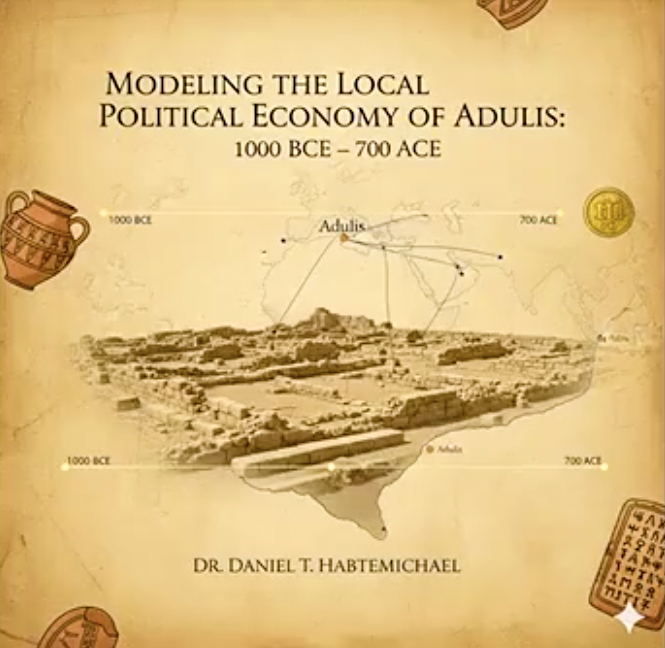
Adulis: Modeling a Classical African Political Economy is from a 2019 doctoral dissertation by Daniel T. Habtemichael, focused on modeling the local political economy of the ancient port city of Adulis in the Northern Horn of Africa between 1000 BCE and 700 ACE.

The core research objective is to challenge the traditional view that Adulis was merely a periphery of the Aksumite world by proposing and testing an alternative hypothesis, that Adulis was an independent political and economic center.

The author uses energetics analysis of Adulis's built forms and artifacts, combined with textual and ethnohistorical evidence, to assess household wealth and the city's role in interregional trade networks, specifically those involving aromatics and war elephants. Ultimately, the dissertation aims to advance the understanding of African history on its own terms, aligning with the perspective of scholars like W.E.B. Du Bois, by thoroughly examining Adulis's complex social organization and strategic position in the Red Sea and Mediterranean trade spheres.


_______________


Chapter 2 Adulis: Literature Review and Theoretical Background.


The Other Side of Eritrea

Adulis: Literature Review and Theoretical Background: is from a doctoral dissertation, analyzing the political economy of the ancient Red Sea port city of Adulis in the Northern Horn of Africa between 1000 BCE and 700 ACE. The research directly challenges the conventional interpretation that Adulis functioned simply as a periphery or trading post for the Aksumite empire, arguing instead that Adulis was a wealthy, independent center within its own right.

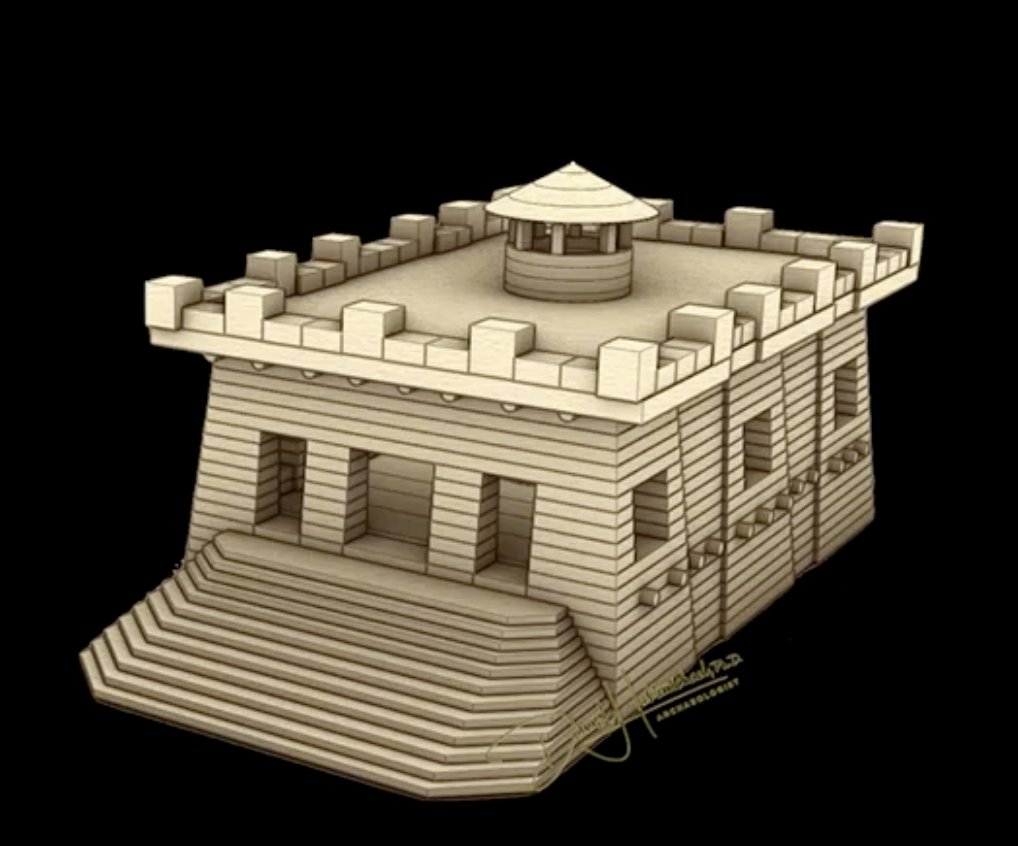
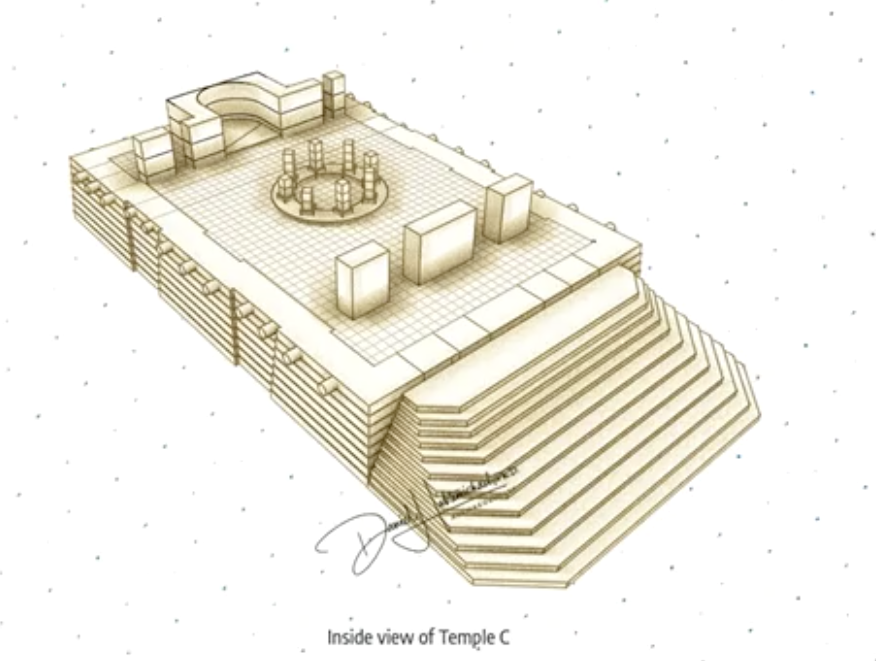
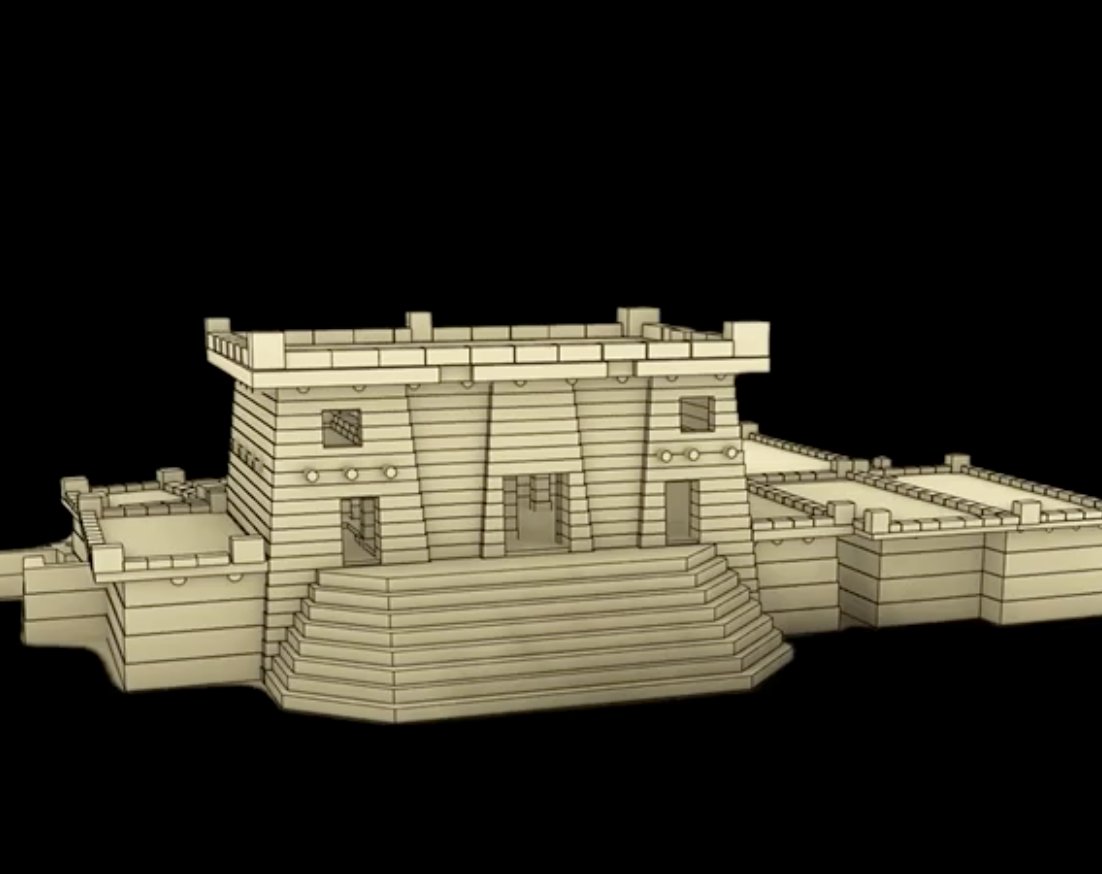
To support this claim, the author uses anthropological archaeology, employing energetics analysis of architecture (labor and time costs calculated from 3D models of built forms) to assess the city's internal wealth and social stratification. Findings suggest that Adulis’s significant position in antiquity was founded on its strategic location and its established role in crucial interregional trades, notably the exchange of aromatics and war elephants.

The methodology combines archaeological fieldwork with textual data and ethnohistory to build a robust case study, that refutes traditional center-periphery models. Ultimately, the dissertation seeks to advance the study of African history by focusing on local complexities of power and economic units, aligning with the perspective that W.E.B. Du Bois advocated for the study of long-term Afro-European relations and mutual respect.


_______________


Chapter 3 Adulis wasn’t just a port.


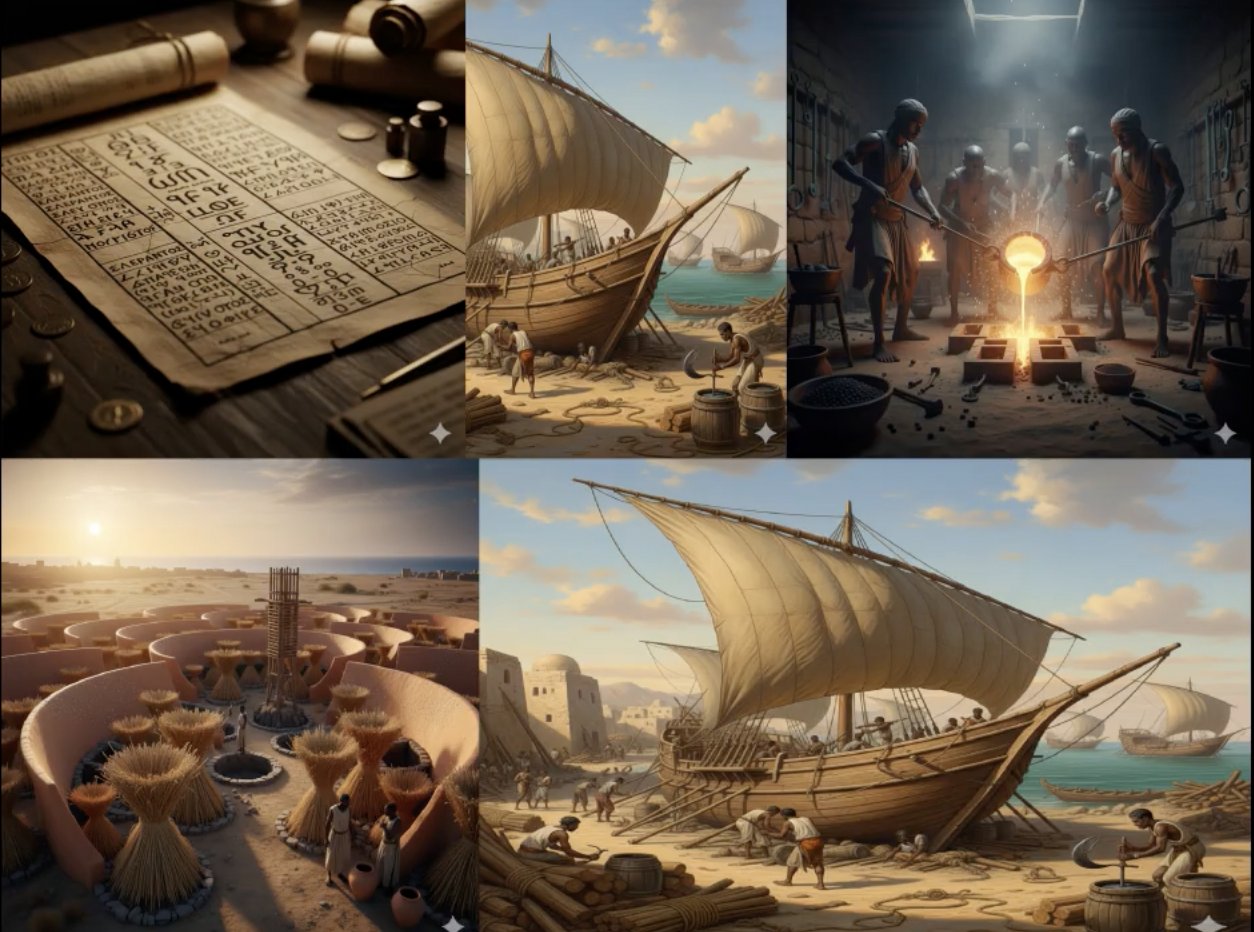
Its architecture reveals a full spectrum of wealth, power, and community labor. CAD models + masonry grades = proof of a thriving economic center.


_______________


Chapter 4 New analysis of Adulis’ artifacts flips the script.



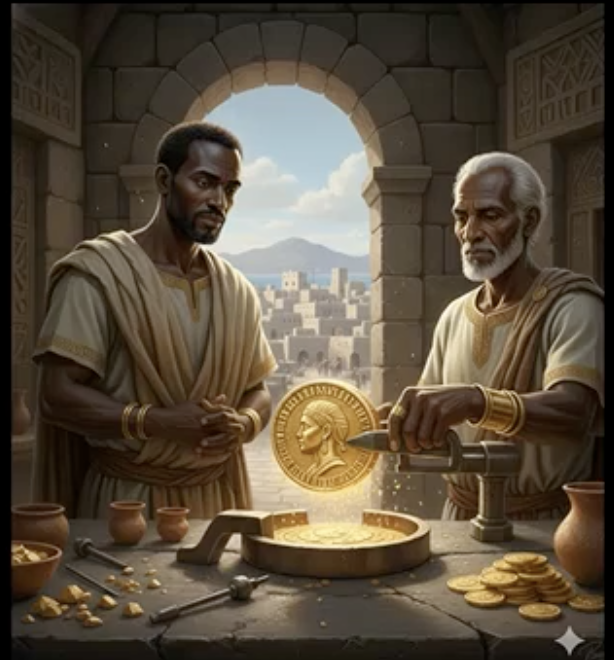
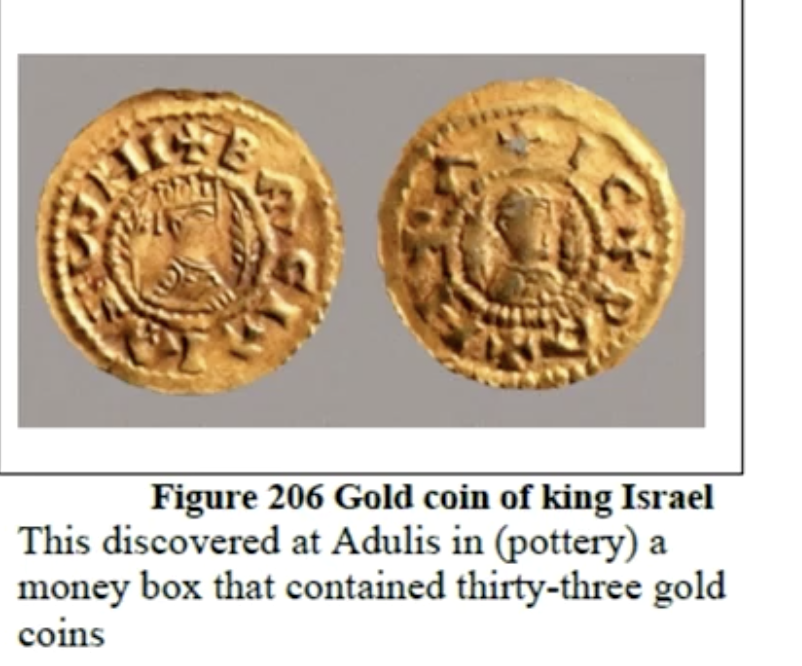
70% of all NHA coinage was found at Adulis, the Throne of Adulis was a high-tech symbol of regional authority, and elite Christian officials even called the Aksumite king a “minor king.” Adulis, wasn’t a port. It was the powerhouse.


_______________


Chapter 5: Production Of War Elephants at Adulis
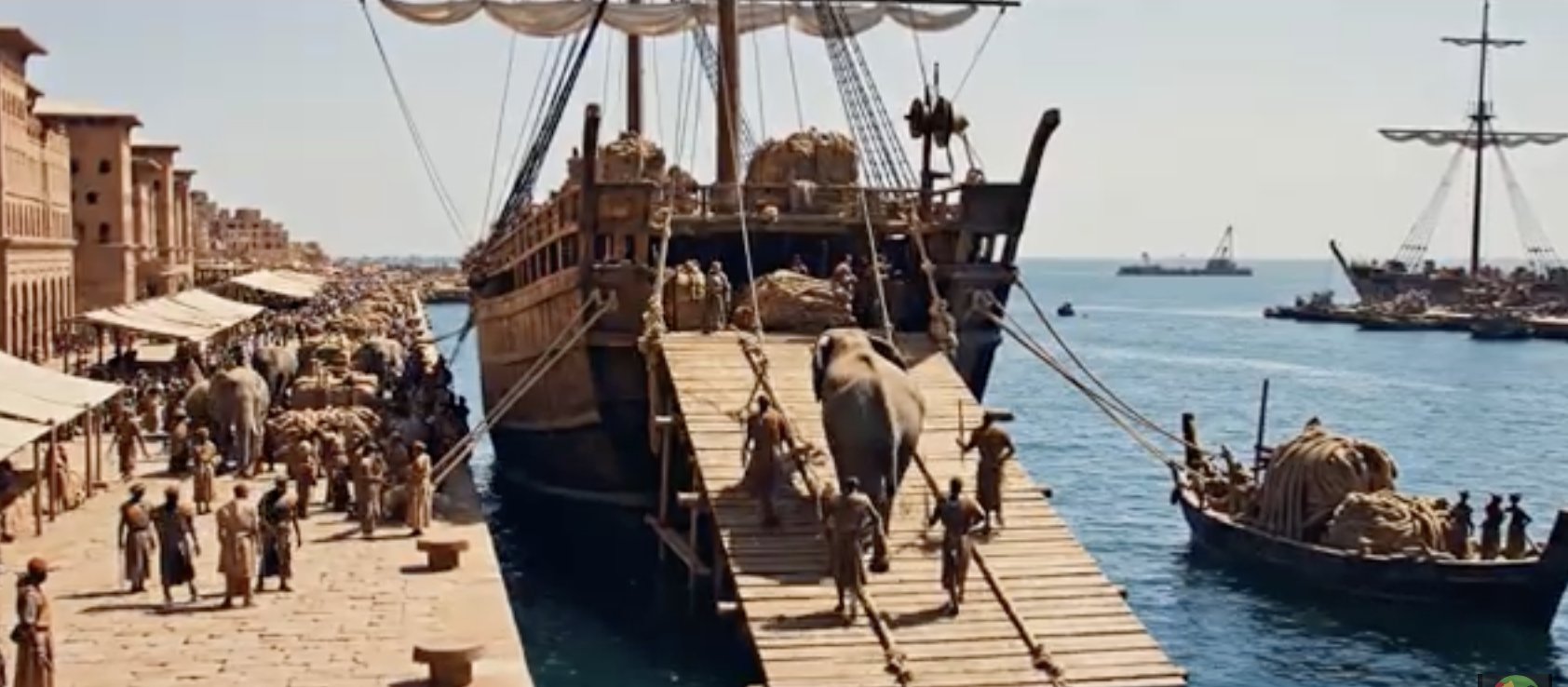


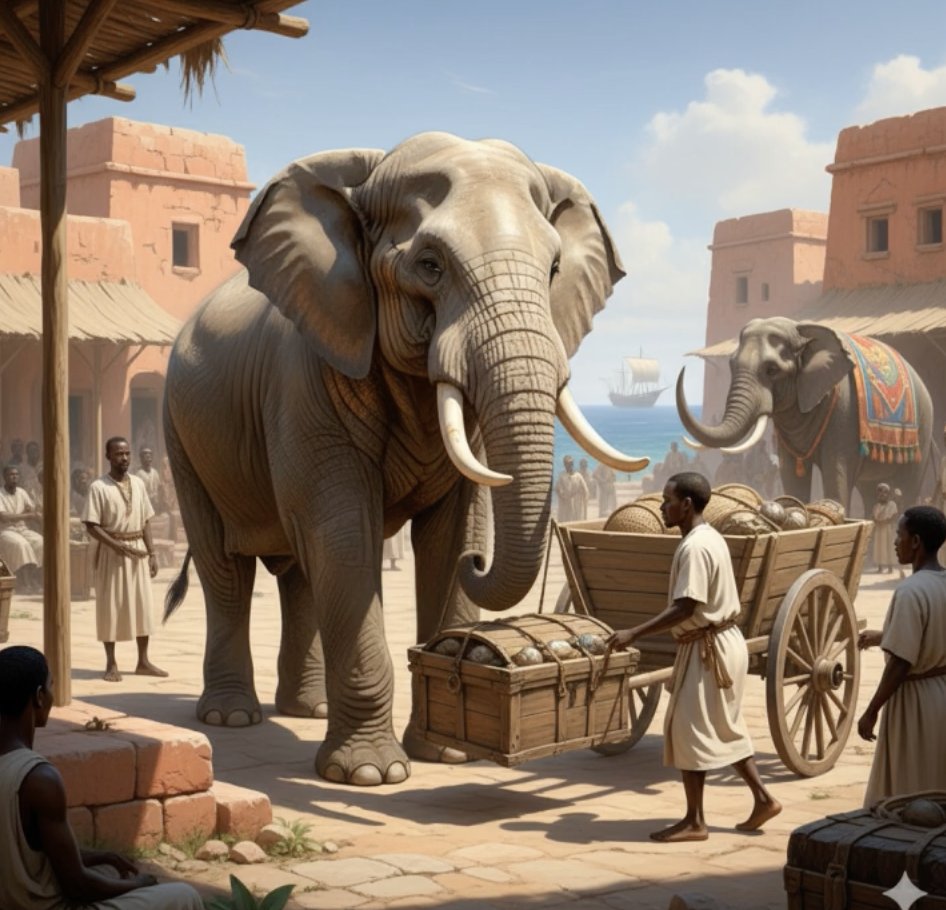
Adulis was the primary center for the production of African war elephants (Laxodonata cyclotis) used by major polities during the classical era. The analysis first details how these highly intelligent, non-domesticated animals required a resource-intensive, cooperative process involving specialized mahouts, making capture and training more practical than breeding. Supporting this central assertion, the text examines newly developed taxonomic analysis identifying the specific forest elephant species utilized in combat, which was once abundant in the Adulis region.

Further archaeological and material evidence—including ivory artifacts, elephant-skin-wrapped mummies, and protective graduated masonry architecture—is presented to confirm the physical presence and extensive use of these animals at the site. This perspective is reinforced by textual sources, such as the Monumentum Adulitanum, which document the Ptolemies’ reliance on Adulis for their military elephant supply and logistics.

Finally, the source places this production within the broader context of the regional political economy, exploring the elephant’s heroic symbolic importance in local origin myths and its strategic role in historical battles like Raphia.


_______________


Chapter 6: Aromatic Trade At Adulis



Adulis, the ancient Red Sea trade in aromatics, focusing specifically on the highly valued resins frankincense and myrrh, which were considered necessities for religious and medicinal practices in antiquity. The chapter concentrates on the pivotal role of Adulis and its connection to the ancient trade partner of Egypt, the legendary land of Punt.

Utilizing a combination of archaeological, botanical, and textual evidence, the analysis refutes earlier suggestions and argues that Punt was most likely located along the East Sudan and Eritrean coast. The author also addresses the historical debate regarding the route of this exchange, providing strong textual evidence and nautical analysis to support the use of the Red Sea route over the Nile.

Furthermore, the source incorporates modern ecological data and historical Eritrean export figures to demonstrate the significant anthropogenic decline of the Boswellia papyrifera species over the last century.


_______________


Chapter 7: Conclusion.
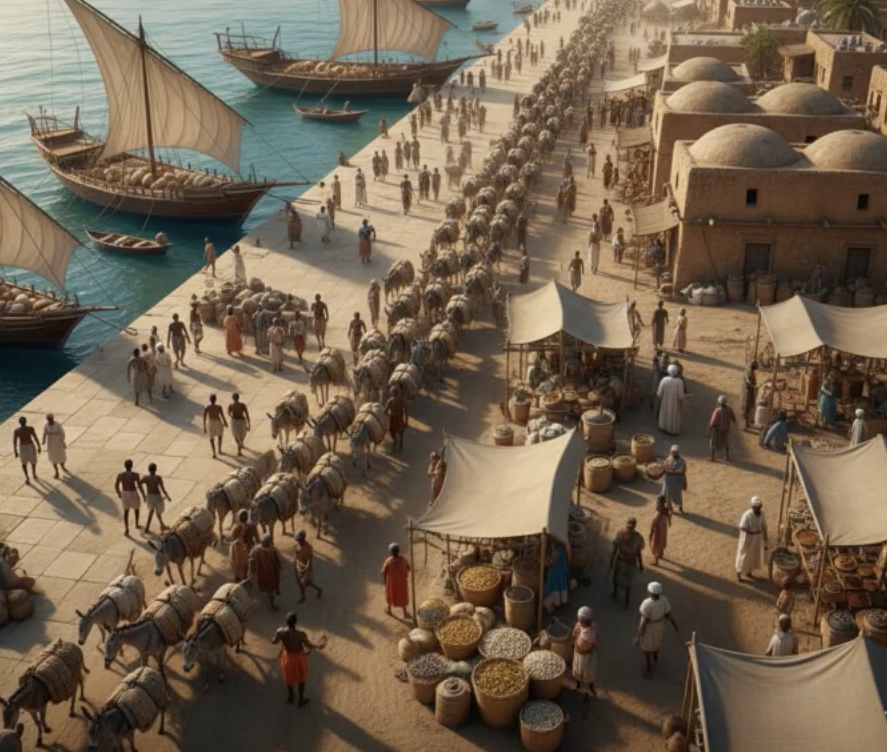


The political economy of the ancient port city of Adulis in the Northern Horn of Africa during the Classical Age (1000 BCE–700 CE).

The author argues against the prevailing Aksumite model, which asserts that Aksum dominated the regional world economy, instead proposing the Adulis model, which positions Adulis as an autonomous center within a network of power dynamics.

The research supports this new model by analyzing extensive material data, including the hierarchical built forms at Adulis, the concentration of ancient coins suggesting Adulis was a tribute collector, and its strategic role in war elephant production and the aromatics trade. Furthermore, the work aligns with Du Bois’s observations, seeking to correct colonial distortions in scholarship and introduce new methodologies, such as integrating GIS, 3D modeling, and oral traditions to reinterpret the region's history.

The dissertation ultimately provides significant new data and theoretical contributions toward understanding this critical region.


Meleket
Member
Posts: 4773
Joined: 16 Feb 2018, 05:08

Re: ADULIS!

Post by Meleket » 04 Dec 2025, 04:42

ግሩም ምርምር ኢዩ Daniel T. Habtemichael! ስለቲ ጻዕርኻ ድማ ነመስግነካ፡ ንሕና ኤርትራዉያን ደያኑ ማእከልን መስመርን፡ በቲ ልሙድ ኤርትራዊ ጭዉነት ሓበንን ፍናንን።

ኣኻ እቲ ኣብ ንኡስ ዕድሚኡ ኣብ ምርምር እንከሎ ዝተጐድኤ ሚኪኤል ዝተባህለ ኤርትራዊ ተመራማሪ ስነጥንቲ ከምኡውን ህርኩትን ጻዕራምን ሃብቶም ዚተባህለ ኣባል ቤተመዘክር ኤርትራ እንከ ዘኸርና። ብሩኻት ኤርትራዉያን ተመራመርቲ ስነጥንቲ ብሰላም ኣዕርፉ!

ኤርትራዊ ተመራማሪ Daniel T. Habtemichael እንቋዕ ተወለድካ! ክብሪ ንዓኻን ኮስዅሶም ዘዕበዩ ስድራኻን ኩሎም መማህራንካን መማህርትኻን ይኹን።

ዘሜ Zmeselo ከምዡይ ዝዓይነቱ ኤርትራዊ ኣእምሮ ዝሓለፎ ምርምራዊ ስራሕ ኣብ ቕርዓት ብምቕራብኻ ነመስግነካ። ከምዡይ ዝኣመሰለ ምርምራዊ ጽሑፋት ምምጻእ ይልመደካ! ቢልና መሪቕናኻ ኣሎና።

ቅድሚ ሕዪ ብዛዕባ ኣዱሊስ ከምዡይ ዝዓይነቱ ልዝባት ነቢሩ ኣብዡይ ኣብ መረጃ፡ እነሆ በረኸት!

viewtopic.php?f=2&t=212715 ወግዒ ኤርትራዊ ኣርክዮሎጂስት ምስ ኣዱሊስ!

viewtopic.php?f=2&t=351684 ጻውዒት ንደቂ ኤርትራ! መጠራ ትጽውዕ ኣላ!

viewtopic.php?f=2&t=351114&start=20 አዱሊስ - ኣደሉሲ (የሉሲ እናት የብርሃን እናት የድንቅነሽ እናት) ለመዝናናት ነው! :mrgreen:

Zmeselo
Senior Member+
Posts: 36769
Joined: 30 Jul 2010, 20:43

Re: ADULIS!

Post by Zmeselo » 05 Dec 2025, 19:46


History | Research & Analysis
Adulis: The Ancient Powerhouse in The Region — And Ready to Reclaim Its Story

By Ezra Musa

https://redseabeacon.com/adulis-the-anc ... its-story/

December 5, 2025

For far too long, the history of the Horn of Africa has been told backward, beginning with Aksum and treating the Eritrean ancient port of Adulis as its maritime appendage. But a growing body of archaeological, historical, and material-science research is finally rewriting the narrative. Evidence now shows that the ancient port city of Adulis, located on Eritrea’s Red Sea coast, is older than Aksum, politically independent, economically influential, and technologically advanced in ways that place it among the great centers of the ancient world. This is not speculation; this is science catching up to what Eritrean heritage has long preserved. This evidence puts an end to other stories, lacking a scientific basis.


Older Than Aksum: A Timeline Based on Scientific Facts

Excavations in the Adulis corridor have revealed material dating back 1500–500 BCE, centuries before Aksum emerged as a kingdom. Ceramic traditions, structural foundations, and imported goods demonstrate continuous occupation long before highland state formation. The port was a lived reality, a trade crossroads, and a cultural hub during eras when Aksum did not yet exist as a political entity.

The Eritrean Ministry of Culture and Sports, led by Dr. Tsegay Medin & his young dynamic team continue to study Adulis, Qohaito, Matara, Keskese, Sembel etc… to find more ancient finding from modern Eritrea Geography, systematically pushing the timeline further back.

Daniel T. Habtemichael’s 489-page doctoral research from University of Massachusetts Amherst (UMass Amherst), titled Modeling the Local Political Economy of Adulis 1,000 B.C.E. – C.E. 700 A.C.E., https://scholarworks.umass.edu/bitstrea ... 8/download complements these excavations, utilizing scientific methodologies to model the city’s political economy. Dr. Daniel T. Habtemichael’s work, detailed across the podcast chapters (1–7) of the Eritrawi Podcast (YouTube: https://www.youtube.com/@EritrawiPodcast), shows that Adulis functioned as its own local political economy, not as an early dependency of Aksum.

Using 3D modeling and Energetic Analysis (Chapter 3) https://www.adulites.com/IntroAdulis/ on 39 structures, Dr. Daniel T. Habtemichael’s work provides scientific proof that the city possessed:

• A complex administrative hierarchy and significant wealth concentration.

• Specialized labor organization and construction require large, coordinated workforces.

• Unique Architecture: The labor time quantified through the analysis of Graduated Masonry proves a sustained commitment of resources indicative of a state-level system, not a satellite outpost.


Military Export Power: The War-Elephant and Gold Industries

Adulis was not only a commercial port—it was a military and financial supplier of global importance (Chapter 5 & 4).

The War-Elephant Industry: Classical sources and archaeological evidence confirm the port’s role as the strategic hub for training, supplying, and exporting war elephants, specifically the African forest elephant (Loxodonta africana cyclotus). This was the ancient equivalent of modern heavy weaponry, driven by the Ptolemaic “arms race.” The immense, self-perpetuating cost of this military subsystem created a
guiding economic logic,
whereby elephants were used for “jural support” (enforcing laws) even in peacetime, proving the system was an internal, self-sustaining power structure.

No “minor port” could dominate such a system. Only a genuine regional power could.


Gold Concentration: The financial evidence is definitive: approximately 70% of all gold coins in the entire Northern Horn of Africa were found in Adulis (Chapter 4), proving an unmistakable concentration of wealth and financial authority that suggests other regional powers, perhaps even Aksum, were paying tribute.


Structural Strength: The unique architecture of Adulis was designed to be robust enough to withstand the strength of elephants, a detail that further links the city’s construction technology to its core military industry.

A Structured Government and Trade Empire (Chapters 1, 4, 6)

Adulis’s continuous power and independence are confirmed by its political, religious, and economic structures:

Structured Government: The Eritrean Italian Adulis Project reveals a blueprint of a state: Monumental public architecture, administrative complexes, and a harbor engineered for international commerce. The existence of the Throne of Adulis (Chapter 4) and high-ranking figures like Bishop Moses of Adulis (who reportedly characterized the Aksumite king as a minor ruler) prove a robust, autonomous political and religious hierarchy.

Red Sea Gatekeeper: Adulis controlled the movement of Aromatics (Chapter 6), Ivory, Gold, Exotic animals, and Military assets. Its geographic position made it essential to ancient Red Sea trade, a fact proven by Chapter 6, which confirmed Adulis as the logistical bottleneck and gatekeeper for the indispensable trade of frankincense.

Material Science Confirms Advanced Technological Culture 🔬

I learned so much from Dr. Daniel T. Habtemichael’s dissertation and the 7-part Eritrawi Podcast (YouTube: https://www.youtube.com/@EritrawiPodcast) series based on the study, I was further excited to gain additional material information from items found in Adulis. A part that particularly thrilled me is the finding of bitumen (natural asphalt), a material I deal with on a historical and technological basis.

A study published in Heritage Science—conducted by an international team that includes Dr. Abraham Zerai—used FT-IR (Fourier Transform Infrared Spectroscopy https://www.nature.com/articles/s40494-022-00801-7.pdf) to analyze fragments of torpedo jars excavated at Adulis.


The FT-IR spectrum image above, strongly fits the known FT-IR fingerprint of natural asphalt/bitumen. It shows all the hallmark peaks used by material scientists and archaeometries to confirm bitumen in ancient Adulis.

Bitumen Discovery: The results were decisive: the jars contained natural asphalt (bitumen). This discovery is a technological signature, that reshapes how Adulis is understood. Historically, Bitumen was foundational to the world’s earliest technological civilizations. For instance, evidence shows the use of asphalt in Ancient Babylon (Mesopotamia) dates back as far as 5,000 to 7,000 years ago (c. 5000–3000 BCE). King Nebuchadnezzar II, around 600 BCE, famously utilized asphalt extensively as a waterproofing membrane and mortar in monumental construction, including the famous temples and ziggurats. Similarly, in Ancient Egypt, the material was being used for shipbuilding, sealing, and mummification as far back as the 3rd Millennium BCE.

Technological Peer: The finding of this natural asphalt in the torpedo jars excavated at Adulis confirms that the city was not peripheral but was on par with the technological sophistication of ancient Babylon, Egypt, and the wider Near East. Given the timeline of the Adulis corridor (1500–500 BCE), and the continuous evidence of sophisticated imports, the use of bitumen technology confirms Adulis was participating in advanced technological networks dating back at least 2,500 to 3,500 years ago, placing it on the same technological footing as the great centers of the ancient world.

Adulis wasn’t just a casual cluster of huts or a simple port village — it was an engineered port-city: its buildings reflect hybrid design combining monumental and functional architecture, resilient building materials (stone and basalt masonry), and practical storage systems tuned for long-distance trade and the demands of a grain and bulk-goods economy.

It proves Adulis was:

• Connected to advance Near Eastern technological networks and elite long-distance trade circuits.

• Skilled in waterproofing, sealing, and storage techniques used only by sophisticated states.

A society that understands, imports, manipulates, and deploys bitumen is not peripheral. It is a civilization in conversation with the most advanced cultures of its age.

Reclaiming the Narrative: Time to Tell Our Story

For centuries, outside narratives have minimized Adulis—reducing it to a footnote. But scientific evidence proves that Adulis was: Older than Aksum, politically independent, a military exporter, a technological innovator, and a major Red Sea trading empire.

As detailed in the Eritrawi Podcast series (Chapters 1–7), based on Dr. Daniel T. Habtemichael’s work, Adulis’s history is deeper, broader, and far more connected to the ancient world than colonial or modern revisionist narratives ever allowed. It is time for us to tell our story with clarity and confidence—and keep the dreamers, distorters, and historical revisionists at bay. Adulis is not a footnote in Aksumite history. Aksum is a chapter in the long, powerful history of Adulis.

You can watch the 7 part series on Adulis by @EritrawiPodcast

YouTube: http://t.ly/oWStY
Spotify: http://t.ly/LcQik
Apple Podcast: http://t.ly/AYJZ2

Post Reply