Ethiopian kings, such as Zara Yaqob and Amda Seyon I, made hypothetical threats to divert the Nile from Egypt, often to exert diplomatic pressure on Muslim sultans during times of persecution of Egyptian Coptic Christians. These claims, which were primarily symbolic and not based on a credible plan to physically divert the massive river, date back to the 12th and 13th centuries and were made in response to religious conflicts.
For centuries, Ethiopian emperors used the "pretension" of diverting the Blue Nile as a way to assert their power over the river and its downstream flow to Egypt.
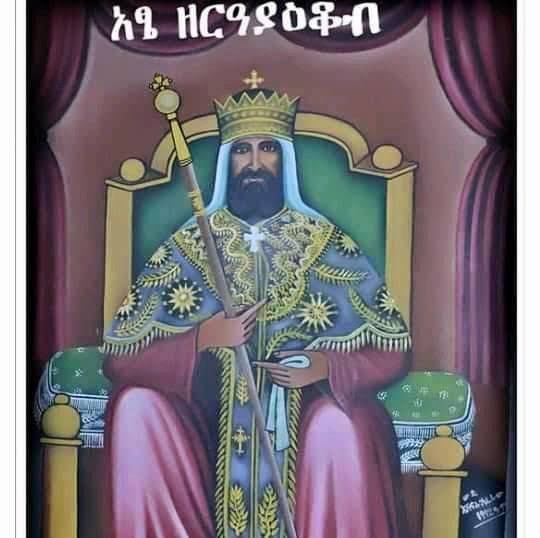
King Zara Yaqob (15th century):
One prominent example is Zara Yaqob, who threatened to divert the Nile to stop the Mamluk Sultans' persecution of Copts in Egypt.
 Emperor Amda Seyon I (circa 1320):
Around 1320, the Mamluk Sultan of Cairo began persecuting Coptic Orthodox Christians, and Amda Seyon I threatened to divert the Nile's flow to stop this persecution.

Nature of the Threats
Diplomatic Leverage:
These threats were symbolic political statements, not seriously considered engineering projects. The vast geological barriers, such as the Red Sea hills, and the sheer scale of the task would have made diverting the Nile an impossible feat with the available technology of the time.
Modern Context
Grand Ethiopian Renaissance Dam (GERD):
In contrast to historical threats, modern Ethiopia is not diverting the Nile but instead building the GERD, a dam to generate electricity and support its development.
So Ethiopia began the idea of controlling the nile since 1320 (700 years ago)
 Albanians European)