Ethiopian News, Current Affairs and Opinion Forum
Zmeselo
Senior Member+
Posts: 36928
Joined: 30 Jul 2010, 20:43

Rethinking American Foreign Policy Toward Eritrea: The Need for Nuance

Post by Zmeselo » 12 Mar 2025, 14:43


Africa
Rethinking American Foreign Policy Toward Eritrea: The Need for Nuance

The Horn of Africa, a region marked by persistent instability and complex challenges, plays a critical role in international trade and security.

By Abrahim Bushra

https://moderndiplomacy.eu/2025/03/11/r ... or-nuance/

March 11, 2025


image source: Wikipedia

The Horn of Africa, a region marked by persistent instability and complex challenges, plays a critical role in international trade and security. Geostrategically, it has become a focal point for great power rivalries https://www.cidob.org/en/publications/s ... orn-africa and regional disputes. Given this context, U.S. policy Advisors must adopt a nuanced foreign policy approach toward the region, emphasizing a comprehensive understanding of the region’s historical, cultural, and political complexities. A balanced strategy should integrate informed perspectives, avoid overgeneralizations, and prioritize collaboration with regional partners to address shared challenges. Simplistic analyses and misrepresentations risk not only ineffective policies but also long-term damage to U.S. credibility and strategic interests.

Eritrea, a small nation in the Horn of Africa, illustrates how foreign policy advisors often rely on oversimplifications and stereotypes, which obscure the complex political dynamics essential for crafting effective foreign policy strategies. For example, labeling it as “North Korea of Africahttps://www.economist.com/leaders/2022/ ... -of-africa is a simplistic and emotive rhetorical device that lacks substance and does not contribute to meaningful dialogue or a nuanced understanding of the complex issue at hand. Similarly, accusing Eritrea of being a state sponsor of terrorism https://www.aei.org/op-eds/eritrea-is-t ... -must-act/ without formal designation by either the United States https://www.voanews.com/a/us-draws-erit ... 41151.html or the United Nations https://press.un.org/en/2018/sc13576.doc.htm is a counterproductive approach that undermines credibility and fails to foster constructive foreign policy discourse. Furthermore, while criticisms of governance and calls for political reforms may be valid, labeling the country as purely authoritarian or demanding immediate implementation of Western-style democracy often oversimplifies the situation and fails to capture its complex realities.

It is unsurprising, that Western nations frequently encounter difficulties comprehending the persistent failures of their efforts to influence Eritrea. To truly comprehend the nation, it is essential to delve into its historical roots, which have deeply ingrained a strong mistrust of foreign powers. Furthermore, recognizing the urgent necessity to address its national security concerns is equally essential.

Eritrea’s difficult relationship with foreign powers is rooted in its traumatic history of external interference and exploitation. Its people endured over 50 years of Italian colonization, which included systemic racial segregation, discrimination, and exploitation of the local population, more than a decade of British administration, and an annexation by Ethiopia, followed by three decades of territorial occupation. This painful history was further exacerbated by a prolonged struggle for independence, during which foreign meddling and repeated betrayals played a significant role.

Moreover, following its independence, the nation frequently encountered a lack of international support on critical matters. For example, in 2002, when the UN-sponsored Boundary Commission issued its “final and binding” ruling awarding the disputed territory of Badme to Eritrea, the international community failed to fulfill its role as a guarantor of the agreements, showing indifference and neglect in enforcing compliance with the decision. Additionally, the imposition of sweeping international sanctions has severely damaged the nation’s economy, leaving its population in a state of struggle to recover. In response to these challenges, the nation has been compelled to adopt a policy of self-reliance, striving to rebuild and sustain itself despite the overwhelming external pressures it faces.

Moreover, Western nations also seem to often fail to recognize and appreciate the challenges in balancing the need for political reform with the imperative of safeguarding national security and ensuring the delivery of basic goods and services to the population. When facing existential threats, national survival tends to take precedence over political reforms. Sovereignty must be a nation’s highest priority because without full control over its own affairs, any political reform is meaningless, as it would be vulnerable to external manipulation and incapable of truly reflecting the people’s will.

With a rapidly growing population of over 120 million and a growing economy, Ethiopia’s strategic ambition for maritime access https://www.bbc.com/news/world-africa-67332811 and historical claims to Eritrean coastal territories challenge Eritrea’s independence and territorial integrity. Despite assurances of peaceful intent, Ethiopia’s military capabilities https://www.janes.com/osint-insights/de ... kinci-uavs and pursuit of sea access fuel concerns over potential future conflicts. Additionally, the historical enmity and border disputes with the Tigray region in Ethiopia pose a significant threat to Eritrea. It is, therefore, reasonable to conclude that Eritrea’s sovereignty faces an ongoing threat from Ethiopia. Regardless of whether this threat is real or merely perceived, it is substantial enough to warrant the implementation of measures to mitigate its potential impact if it were to arise.

Therefore, it can be readily asserted that the persistent threat from its neighbor, mistrust of outsiders, and emphasis on self-reliance shape the nation’s decision-making framework and underscore the critical importance of prioritizing national defense. This has led to compulsory military service and a relatively large army https://www.globalsecurity.org/military ... budget.htm to protect its hard-earned independence and sovereignty. As evidenced by its relative stability—standing apart from its turbulent neighbors, such as Ethiopia, which is grappling with fragile unity; Sudan, which is embroiled in a protracted civil war; Somalia, which is engaged in a long-standing conflict against al-Shabab; and Yemen, which is plagued by the Al Houthi insurgency—Eritrea remains an outlier in the region and has largely avoided such turmoil. It goes without saying that the nation’s government may justifiably view its system of governance as crucial for ensuring national security and fostering development.

It is hard to argue the fact that Eritrea plays a positive role in the region, leveraging its domestic stability to spearhead diplomatic initiatives aimed at fostering collaborative relationships with neighboring countries. These initiatives strengthen regional ties, promote harmony, and nurture a climate of mutual understanding and peace. In October 2024, Eritrea, Somalia, and Egypt held a trilateral meeting, https://www.aljazeera.com/news/2024/10/ ... urity-ties that was called and hosted by Eritrea, to strengthen regional cooperation. Eritrea has also supported Somalia’s National Army with training assistance, a contribution acknowledged by Somalia’s president as vital for regional stability. https://www.voanews.com/a/eritrean-soma ... 15213.html

Although Eritrea has significant potential to contribute positively to regional stability, misguided policy recommendations persist in shaping foreign policy discussions. These flawed approaches risk undermining the progress needed to build effective United States foreign relations. For instance, some of the recent https://www.19fortyfive.com/2025/01/eri ... -must-act/ policy recommendations to the incoming Trump administration include calls for U.S. Department of the Treasury to tighten sanctions, for U.S. State Department to undermine its partnerships with other nations, and for the U.S. Congress to authorize funding to support regime change.

The proposal for increased sanctions overlooks their ineffectiveness https://academic.oup.com/isq/article/68 ... 16/7636632 and the disproportionate harm they inflict on civilians. Sanctions often exacerbate economic instability, leading to increased poverty and hardship, which can drive higher rates of emigration and contribute to refugee and migration crises as individuals seek better opportunities or escape deteriorating conditions.

Moreover, pressuring nations to sever ties with Eritrea overlooks the region’s complex geopolitical landscape. Such an approach risks pushing Eritrea closer to non-Western powers. Currently, very few nations have influence on Eritrea and probably none are from the West. Diplomatic initiatives that foster collaboration with the West and the neighboring countries, particularly with Ethiopia, would be a better policy recommendation.

Regime change efforts have often proven ineffective, https://www.cato.org/policy-analysis/mo ... ime-change as they frequently result in prolonged civil wars, weakened state institutions, and unintended humanitarian crises, as seen in Iraq, Libya, and Afghanistan. It also undermines Eritrean sovereignty and the right of its people to shape their own political future. Such actions also exacerbate Eritrea’s long-standing distrust of foreign interference, fueling resentment and deepening animosity between local population and the United States. U.S. can work towards a more constructive relationship with Eritrea by acknowledging its historical context, respecting its sovereignty, acknowledging its legitimate security concerns, and focusing on mutual interests.

In conclusion, Eritrea, often misunderstood and labeled negatively, plays a pivotal role in maintaining stability within the Horn of Africa. Its intricate history, geopolitical dynamics, and security challenges necessitate a nuanced approach to comprehending its actions and policies. Flawed policy recommendations, such as regime change or imposing sanctions, could further exacerbate regional instability and impede progress toward peace and development. A meticulously balanced strategy, which aligns strategic interests with ethical engagement, offers significant potential advantages for Eritrea, the wider Horn of Africa, and the United States. As the Horn of Africa’s geopolitical landscape undergoes continuous evolution, Eritrea’s potential as a partner in regional stability should not be overlooked.


__________________


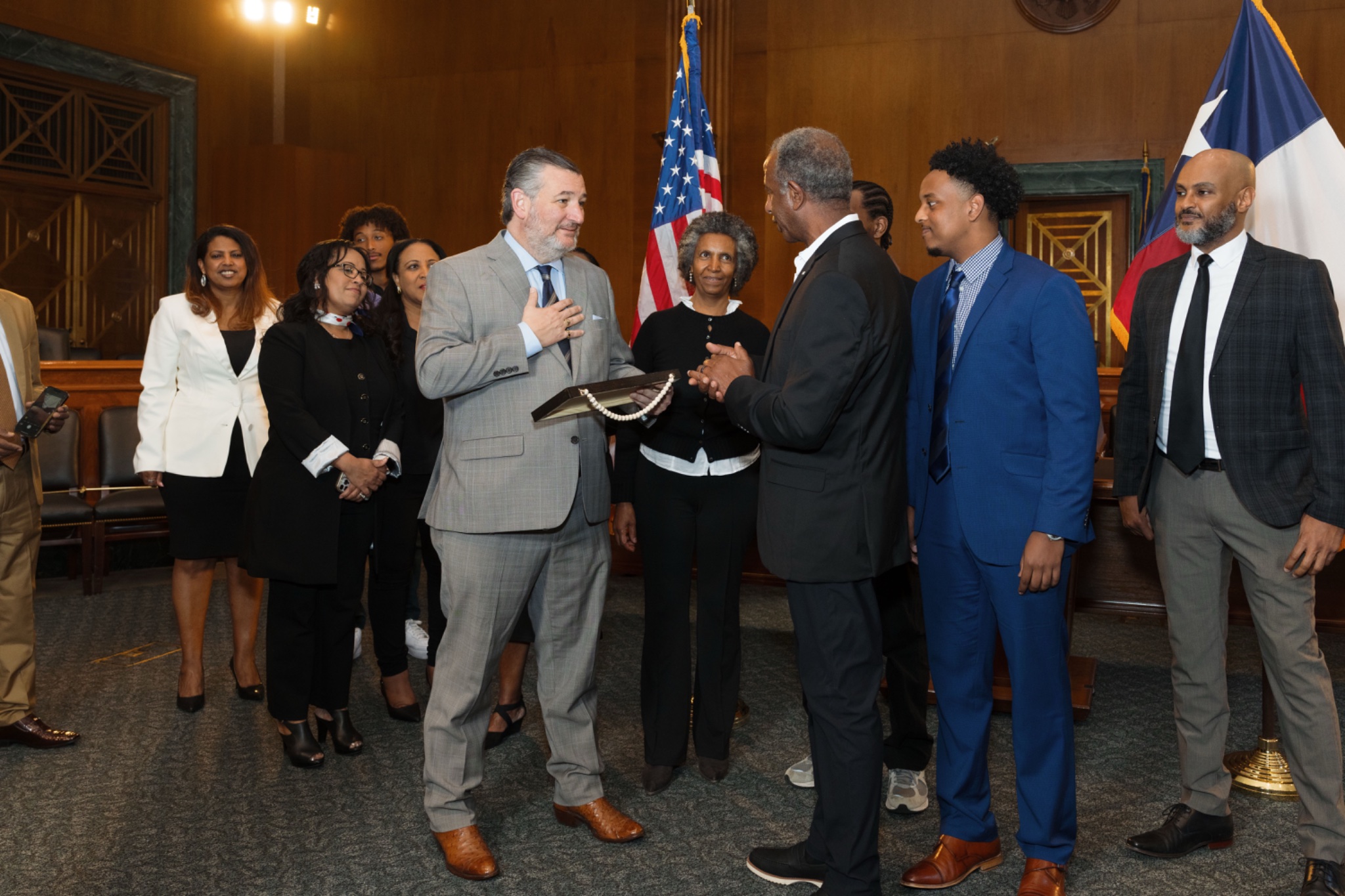
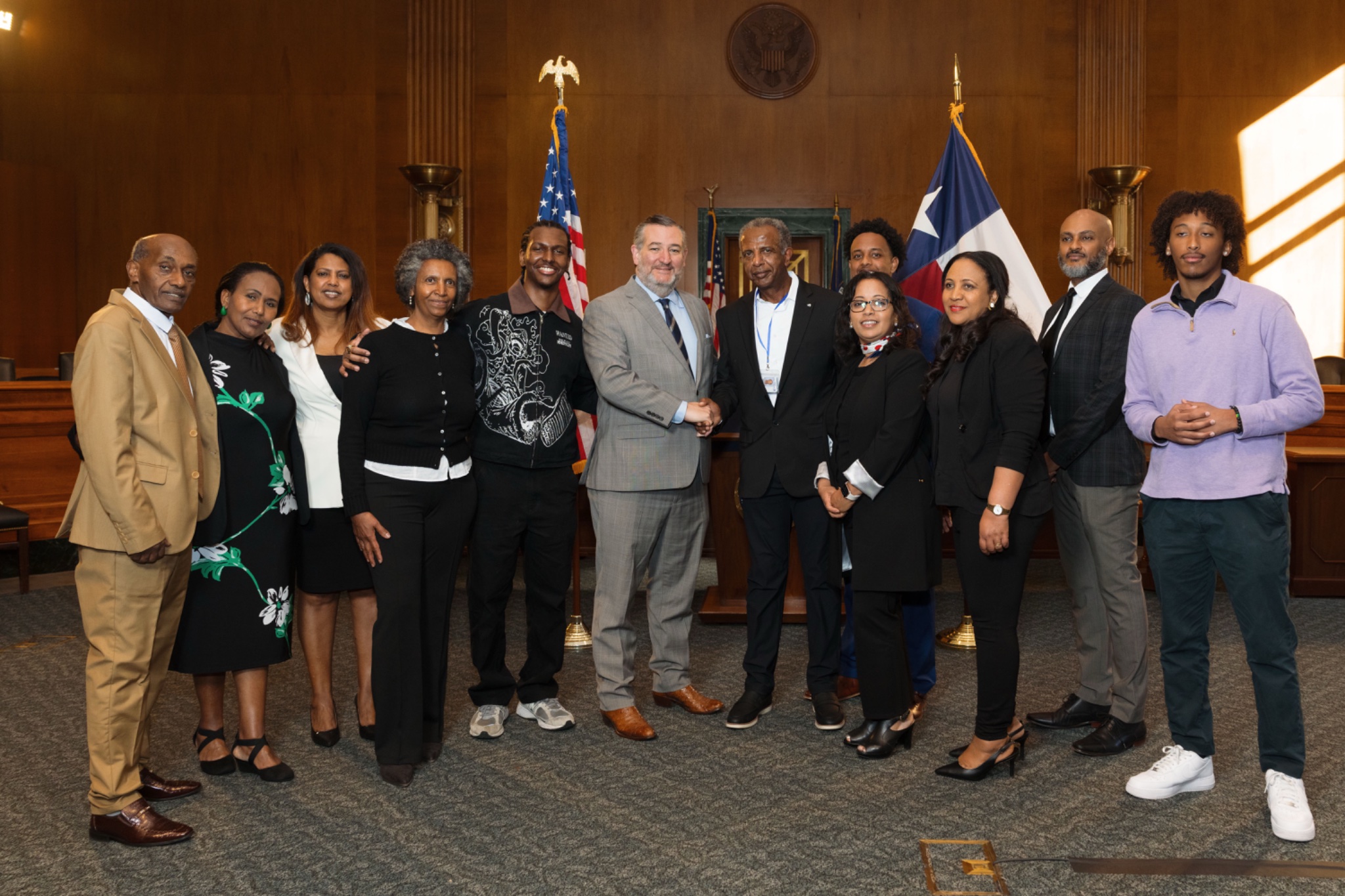
The Eritrean American delegation, representing the NPDG Texas Chapter, had the pleasure and honor of meeting Senator Ted Cruz in person yesterday at Capitol Hill. We extend special thanks to his staff for their hospitality and warmth. As the saying goes, “A journey of a thousand miles begins with a single step. @Natey49


________________


Visionary African Leader, recognised as the father of self-reliance. He boldly challenges non-governmental organisations refusing assistance, firmly believing in Africa's vast potential. With 60% of the world’s resources situated on this continent, he envisions Africa's bright and prosperous future. As the only president who embodies true political and economic independence, he sets a powerful example for many African nations. His unwavering commitment to regional stability is commendable, and he confidently sidesteps meaningless and contentious debates, focusing instead on what truly matters for the continent's progress.
Zmeselo
Senior Member+
Posts: 36928
Joined: 30 Jul 2010, 20:43

Re: Rethinking American Foreign Policy Toward Eritrea: The Need for Nuance

Post by Zmeselo » 12 Mar 2025, 20:26


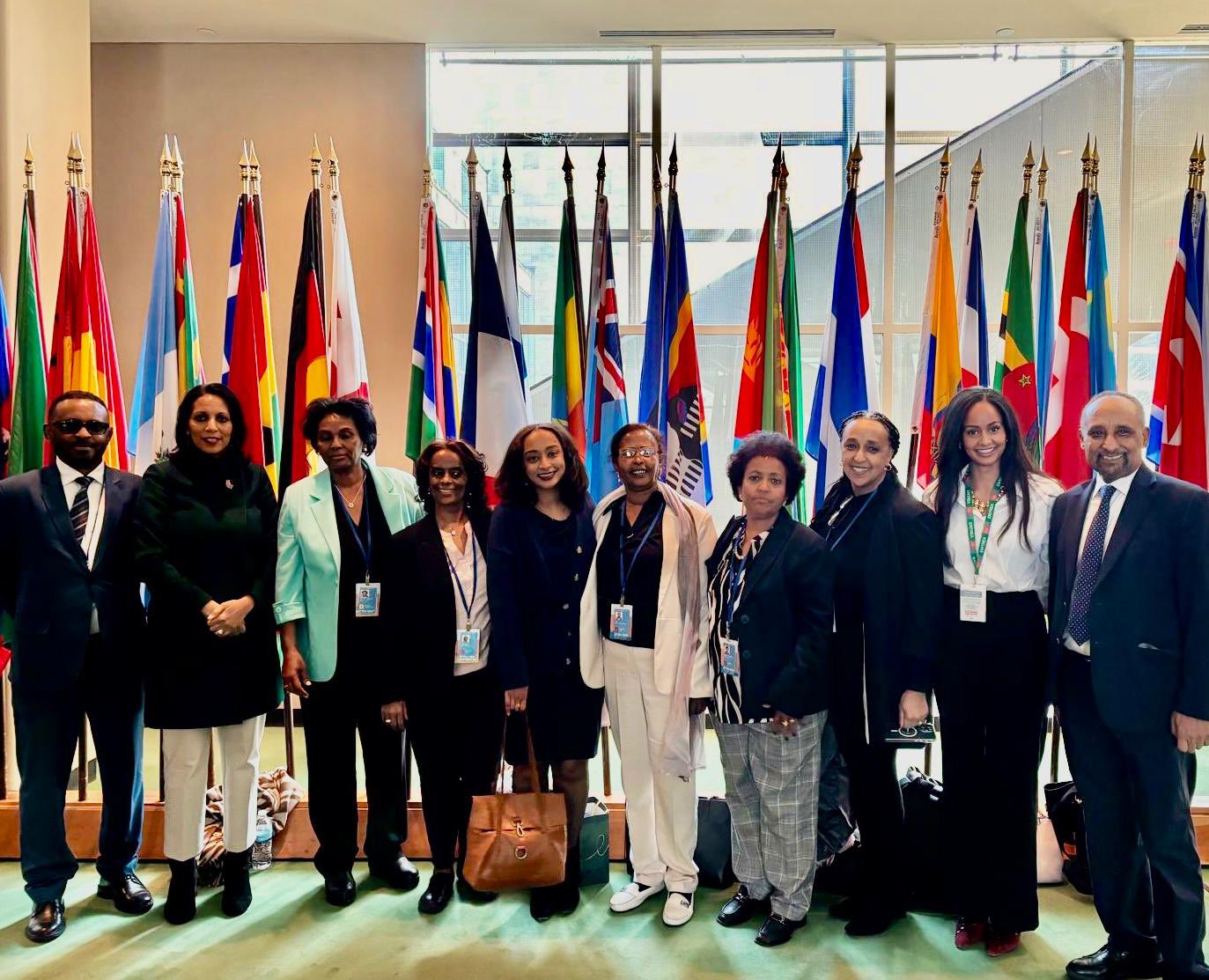
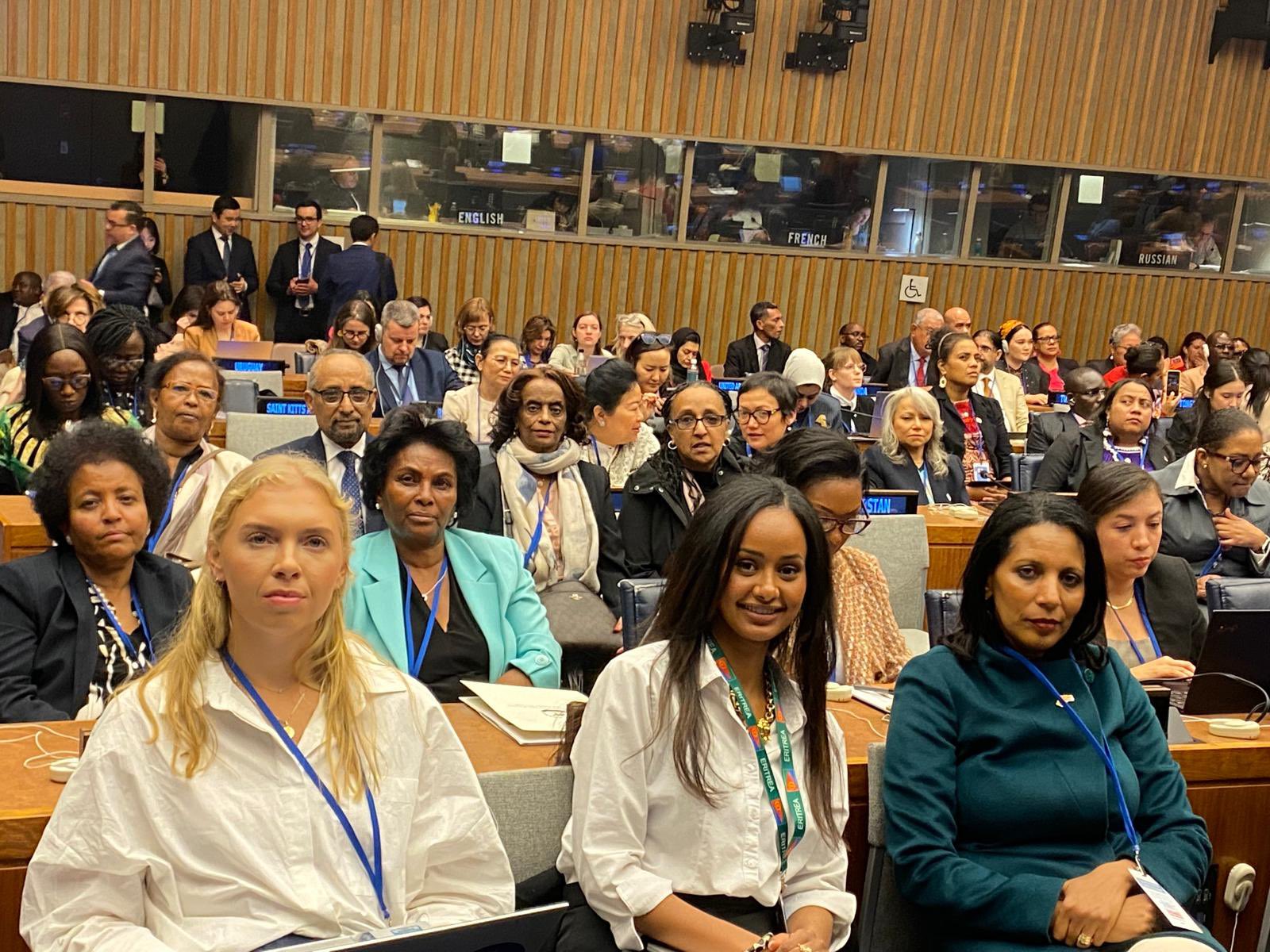
Eritrea's delegation, led by Ms. Tekea Tesfamichael, President of NUEW is participating in the 69th session of the UN Commission on the Status of Women (#CSW69). We are looking forward to sharing Eritrea's historic experiences and work on gender equality and women empowerment.

At the CSW69, Ms. Tekea Tesfamichael highlighted Eritrea's commitment to gender equality through NUEW –driving policy change, dismantling harmful norms & empowering women at all levels. “Local ownership ensures lasting impact!
@Eritrea_UN


______________________


I want to share Bisrat's book launch, which will take place in Asmara on March 19th at Cinema Roma. The book focuses on Bisrat's journey and reflects on anger, courage, migration, Eritrea, Germany, fashion, and love.

Bisrat owns her own fashion label, Negassi, and is the Creative Director at the Cultural Museum in Germany. NEGASSI represents transcultural fashion—a universal language that inspires her creations. All editions are manufactured in Germany and are available by appointment at the NEGASSI Showroom, in Hamburg.

For inquiries, you can reach out to [email protected].
Additionally, the Negassi Salon continues the concept of "fashion meets music." The sessions began in 2013 with tours in Paris, featuring artists like Ayo, Gary Dourdan, Badíe, Zuzoom, and others. The Salon later moved to Hamburg, showcasing talents such as Raul Midón, Okou, Astrid North, Badié, Marion Campbell, Debra Shaw, and Sway Clarke.

In 2016, she co-founded Artspace M.Bassy in Hamburg. M.Bassy e.V. serves as an embassy, stage, and open salon for encounters with contemporary artistic positions and discourses from Africa and the Diaspora. You can learn more at: http://m-bassy.org.

I look forward to seeing you at Cinema Roma, in Asmara!


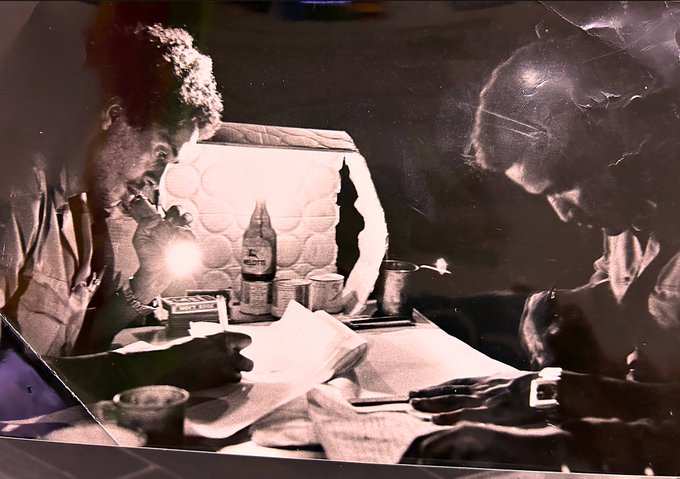
TOWARDS ASMARA: I have had the pleasure of hosting Paul Andrew in my London office on several occasions while working on the film "Towards Asmara," based on the book by Thomas Keneally.

Paul has produced various films and received several nominations and awards for his contributions to the industry. Notably, he has worked on three projects with Tom Keneally, the acclaimed author of "Schindler's List," which was adapted into an Oscar-winning film. Paul, is dedicating substantial effort to the film "Towards Asmara." I have read the script, and it highlights the significant work of the EPLF (Eritrean People's Liberation Front) and their vision during the 1970s and 1980s. Today, the world notes the steps taken by the EPLF and Shaebia. I encourage everyone to explore the documents and books the EPLF wrote, available in their archives or libraries. My journey to my beloved city, Towards Asmara!
Yared Tesfay: @ytmn2


____________________


Q & A
"My Biggest Dream: To Serve My Country" – Dr. Hali Yassin Hassan

By Sabrina Solomon

https://shabait.com/2025/03/12/my-bigge ... in-hassan/

Mar 12, 2025


Dr. Hali Yassin Hassan, is an Eritrean who was born and raised abroad. Though she visited during school breaks, her experience in her homeland was limited. Driven by her parents’ stories and a deep desire to contribute, her post-graduation dream was to return to Eritrea. Here’s Dr. Hali’s interview, with Agizo magazine.

* * *

Please introduce yourself to our readers.

I was born in Mecca, Saudi Arabia, in 1994. My parents left Eritrea before its independence, so my siblings and I were raised there. Despite living in Saudi Arabia, we maintained a strong Eritrean identity. Our family gatherings were filled with discussions about our people, culture, and history. We also visited Eritrea during school breaks and grew up feeling very connected to our roots.

Tell us about your educational journey.


I was always passionate about school. My parents recall, how attentive I was from a young age. Before university, I took an English course at the Eritrean community school in Saudi Arabia. After completing that, I pursued my dream of becoming a doctor, driven by a desire to help people. I was accepted into a medical university in Sudan and moved there, in 2013. At university, I met ten Eritrean women from around the world, an unforgettable experience. After five years, I graduated and completed a year-long internship in Sudanese hospitals.

How was your internship in Sudan?

I worked in three hospitals, gaining practical experience in operating rooms, delivery rooms, paediatrics, and more. It was a valuable opportunity to work in a different environment, which contributed to my personal and professional growth. In 2019, just before the COVID-19 pandemic, I returned to Saudi Arabia. My plan was to immediately go to Eritrea, with my parents’ full support. Unfortunately, travel restrictions due to the pandemic delayed my plans for two years. Once things normalized, my parents and I took the first flight to Eritrea.

What happened when you arrived? Was Eritrea what you expected?

Some people doubted I could adapt, having been raised abroad. But I felt at home. Before arriving, I contacted the Eritrean embassy in Saudi Arabia to express my intentions. Upon arrival, the National Union of Eritrean Youth and Students welcomed me and facilitated my placement at Orotta Hospital. I worked there for six months, an invaluable experience. I then had to return to Saudi Arabia for a brief visit, which turned into a longer stay. However, my heart remained in Eritrea. The positive experiences, my colleagues, and my patients drew me back in 2024. Despite my initial nervousness about returning after a long absence, my colleagues welcomed me warmly. I don’t think I’ll ever have an experience like it anywhere else. I learned about respect, kindness, and communication. In my line of work, I met diverse people and learned how to interact with them effectively.


You worked with respected Eritrean doctors. What was that like?

The doctors here, are highly respected and incredibly skilled. Their knowledge is extraordinary. Our challenge is not a shortage of qualified doctors, but equipment. I learned as much from them as I did from my formal education. They were like a second university to me.

What are your plans?

I want to pursue further education, particularly in maternal health. In the country where I grew up, female doctors treat female patients. I want to continue helping women. While here, I learned that what matters is the quality of the doctor, not their gender. With advanced education, I will return to Eritrea to continue serving.

What recommendations do you have for young Eritrean diasporas?

We have a unique and welcoming culture. My work experience here, was significantly different from my time in Sudan. Eritrea is known for its security and peaceful people. I encourage Eritrean Diasporas to return and contribute, even in small ways. Come, help your nation, experience your culture, and see for yourself instead of just hearing about it. Thank you.

We wish you all the best, Dr. Hali Yassin Hassan.
Last edited by Zmeselo on 12 Mar 2025, 21:18, edited 3 times in total.

Zmeselo
Senior Member+
Posts: 36928
Joined: 30 Jul 2010, 20:43

Re: Rethinking American Foreign Policy Toward Eritrea: The Need for Nuance

Post by Zmeselo » 12 Mar 2025, 20:40


UN Technology Bank’s Visit to Eritrea

Using Science, Technology, and Innovation to deliver results for Eritrea


By Flaminia Maldi Colombo, Programme Fellow, United Nations Technology Bank for the Least Developed Countries

https://www.un.org/technologybank/news/ ... %99s-visit

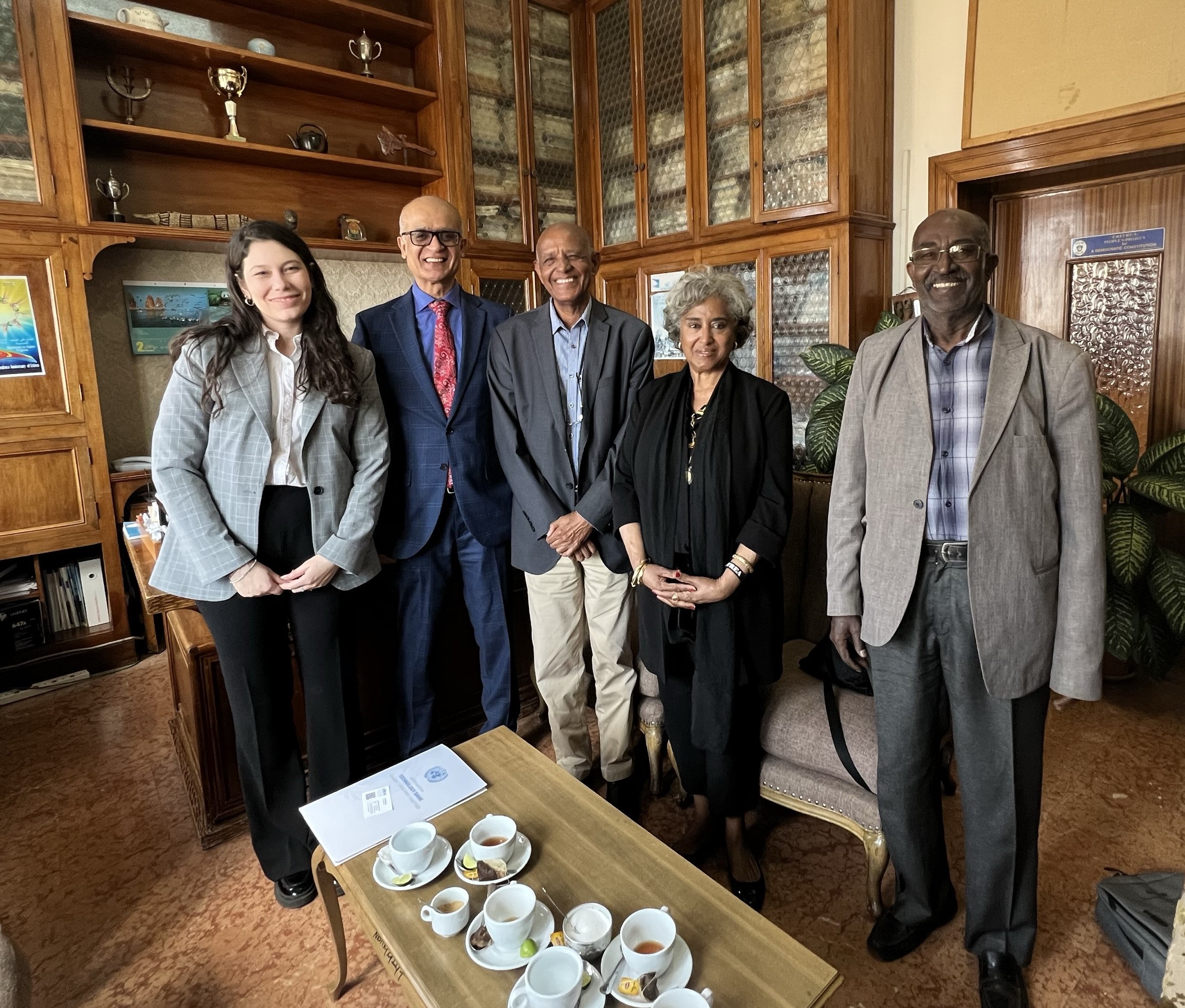
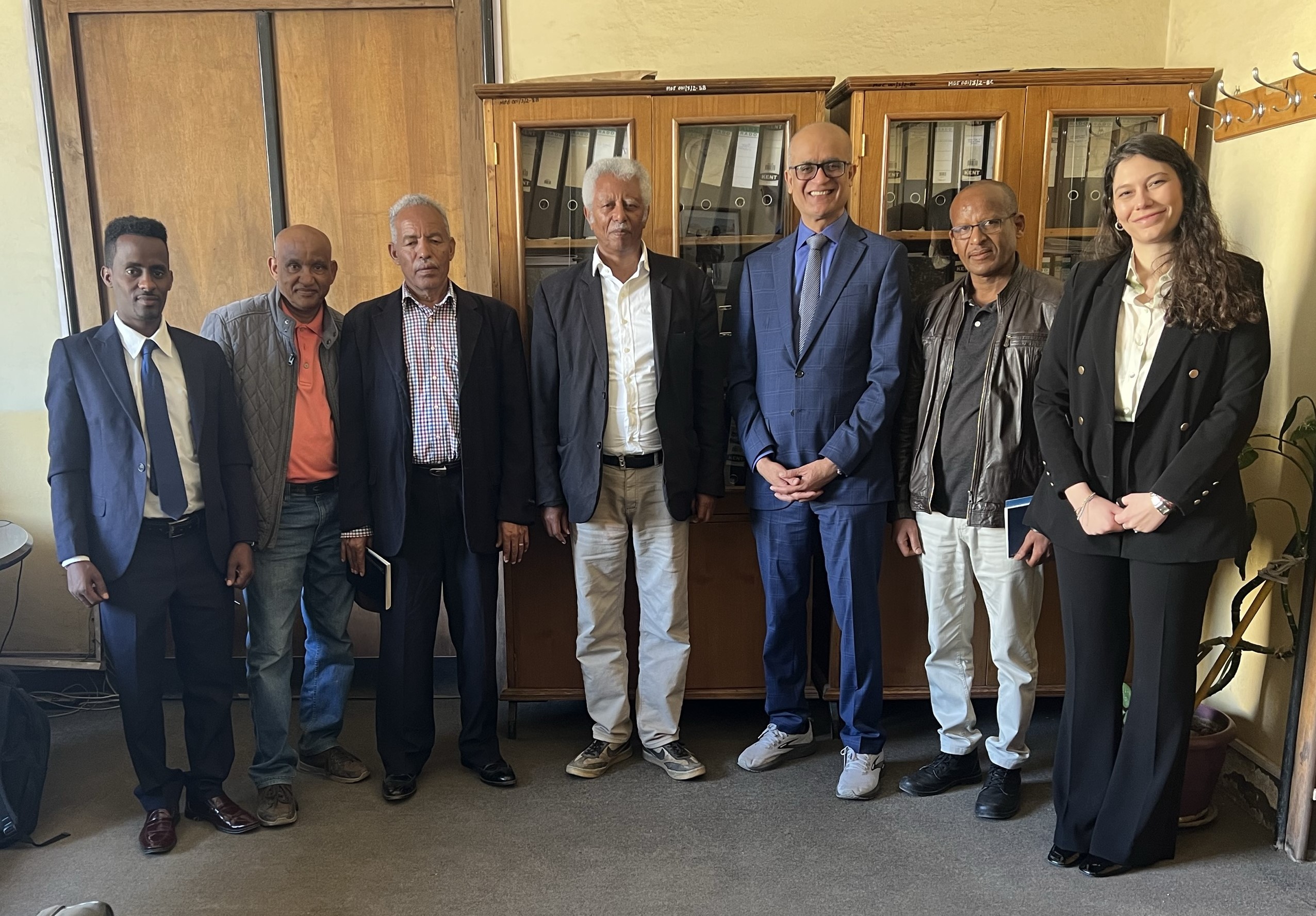
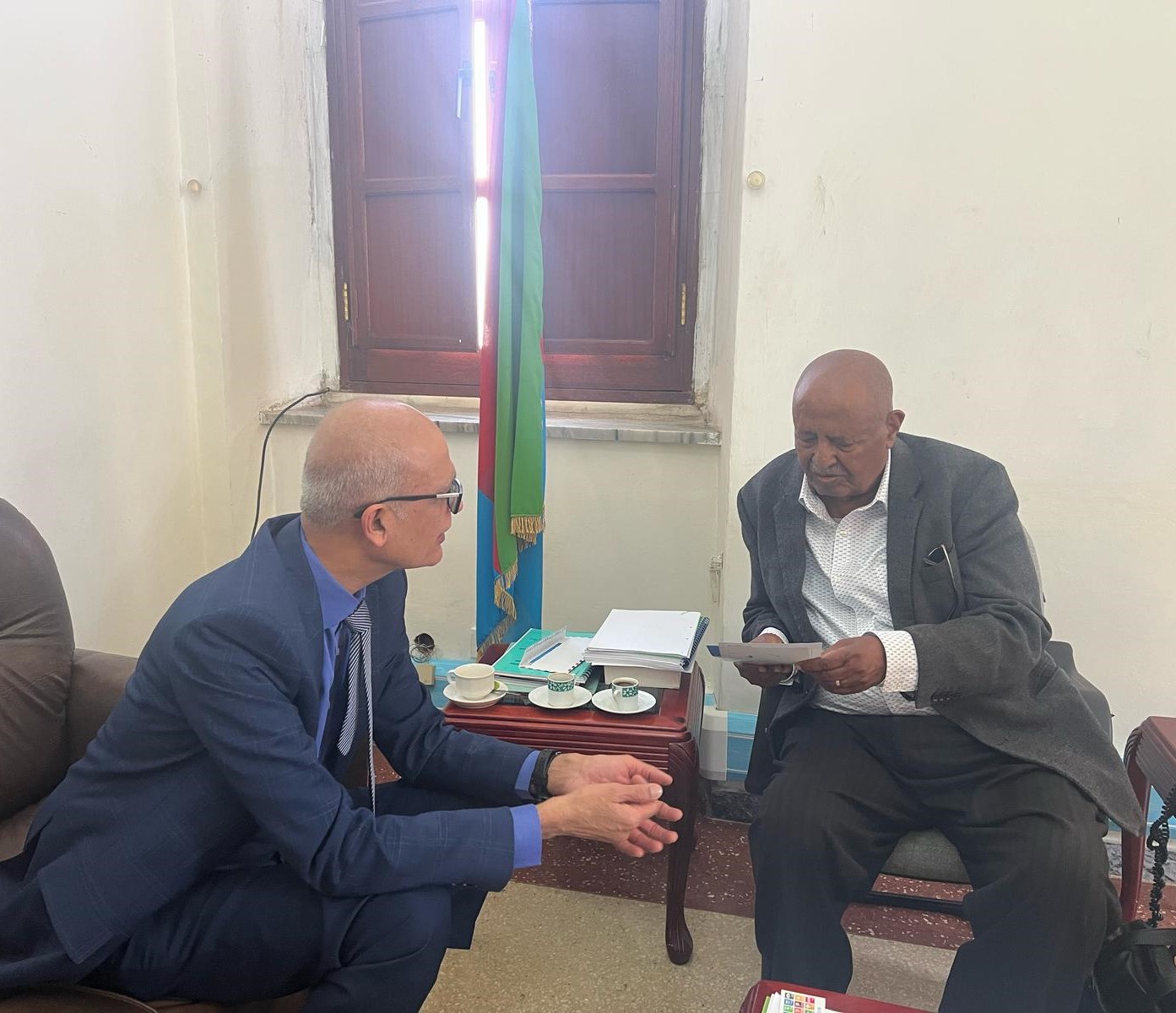
Just last month, from 24 to 28 February 2025, I had the pleasure of joining the Managing Director, Mr. Deodat Maharaj, on our first mission to Eritrea. This visit was a unique opportunity to engage with key stakeholders on how science, technology, and innovation (STI) can support the country’s development aspirations.

From the moment we arrived, we were met with a warm welcome by the Ministry of Foreign Affairs, setting the tone for a productive and insightful mission. The strong support of H.E. Ambassador Sophia Tesfamariam, Eritrea’s Permanent Representative to the United Nations in New York, and UN Resident Coordinator, Ms. Nahla Valji was instrumental in facilitating high-level and forward-looking discussions which deepened our understanding of the country’s priorities.

Engaging with Government Leaders

Throughout the mission, we had the privilege of meeting with Ministers of Government to explore how STI can contribute to Eritrea’s long-term growth. Discussions with the Ministry of Education focused on strengthening digital skills, energy infrastructure for schools, and technology-driven capacity building. The Ministry of Agriculture highlighted the need for modern farming techniques and access to credit for small-scale farmers, while the Ministry of Trade and Industry emphasized the importance of technology in boosting SMEs and industrial development. Our engagement with the Ministry of Finance and National Development and the Economic Advisor to the President underscored the critical role of STI in economic planning, particularly in leveraging data for improved decision-making and exploring ways to add value to Eritrea’s rich natural resources.

We are also thankful to the Ministry of Land, Water and Environment, Ministry of Transport and Communication, Ministry of Information, and Commission of Higher Education for taking the time to meet with us and for the valued discussions on the country’s priorities and future engagements.

Strengthening Partnerships with the UN and Development Partners

Beyond our engagement with Government, we met development partners including ambassadors from Türkiye, Egypt, Italy, Sweden and the African Development Bank. These engagements reinforced the view that the UN Technology Bank for LDCs can make a solid contribution to the country working in close concert with the UN Family on the ground.

Harnessing the Power of STI for Sustainable Development

Eritrea holds immense potential to leverage science, technology, and innovation as a driver of sustainable development. From advancing digital education and modernizing industries to enhancing agricultural resilience and its payment system, STI can play a transformative role in accelerating progress across multiple sectors. The mission reaffirmed the importance of fostering partnerships, mobilizing resources, and co-creating solutions that align with the country’s vision for growth.

As a UN Fellow, I feel incredibly privileged to have been part of this mission. Engaging directly with government leaders, UN partners, and key stakeholders provided invaluable insights into Eritrea’s development landscape and the many ways in which the UN Technology Bank can contribute. I look forward to continuing this journey and working towards meaningful collaboration that harness STI for the benefit of the least developed countries.


__________________


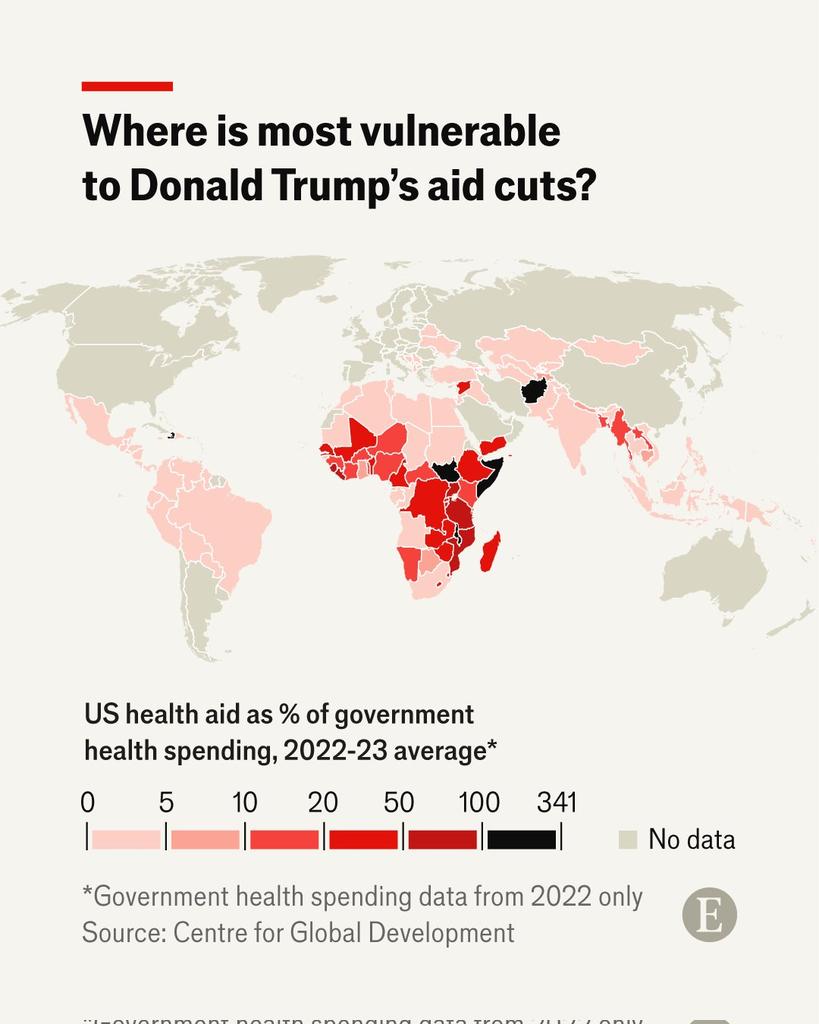
Eritrea stands out in Africa for rejecting aid.
Last edited by Zmeselo on 12 Mar 2025, 20:49, edited 1 time in total.

Zmeselo
Senior Member+
Posts: 36928
Joined: 30 Jul 2010, 20:43

Re: Rethinking American Foreign Policy Toward Eritrea: The Need for Nuance

Post by Zmeselo » 12 Mar 2025, 20:49


Opinion
Power of good

Potential for green energy cooperation between China and Africa is immense as the world transitions to a sustainable energy future

By FIKREJESUS AMAHAZION | China Daily Global |

https://www.chinadaily.com.cn/a/202503/ ... evelopment

2025-03-12


LI MIN/CHINA DAILY

The Africa-China Dar es Salaam Consensus, issued at the 13th meeting of the China-Africa Think Tanks Forum in March 2024, outlines strategies for addressing global challenges and fostering deeper cooperation between the two sides. The first-year anniversary of this milestone document offers a valuable opportunity to further explore its key dimensions, particularly in the realm of green energy cooperation.

The future of green energy collaboration between China and Africa carries profound implications, not just for both sides but for the entire planet. With climate change posing one of the most pressing global threats, the urgency for sustainable energy solutions cannot be overstated.

China and Africa are uniquely positioned to lead the quest for a more sustainable world. Together, they possess the resources, technology and human capital to reshape the global energy landscape. Beyond just a bilateral endeavor, green energy cooperation between China and Africa could serve as a model for international collaboration, demonstrating how cross-regional partnerships can address global challenges.

China and Africa are ideal green energy development partners and their cooperation in this field can thrive for many good reasons. First, China and Africa possess complementary strengths, making them natural partners in the pursuit of green energy. On the one hand, China has established itself as a global leader in renewable energy. It boasts the world's largest solar and wind power industries and has registered significant advancements in energy storage, grid infrastructure and electric vehicles.

Meanwhile, Africa is richly endowed with renewable energy resources. Africa holds approximately 60 percent of the world's most optimal solar energy resources and possesses enormous wind, hydro and geothermal potential. Additionally, it has massive deposits of raw minerals used in new energy technologies for EVs, stationary energy storage and green hydrogen production. But despite its huge potential, Africa remains energy poor. It accounts for about 6 percent of global energy production and more than 600 million Africans still lack access to electricity.

Accordingly, China's expertise in manufacturing, clean technology and large-scale project implementation makes it an ideal partner for Africa to drive toward its renewable energy aspirations. Africa can work with China to harness its resources and tap into its potential, which will help it meet rising energy demands and also contribute to global efforts to reduce carbon emissions.

Second, the fact they share an interest in sustainable development positions China and African nations as natural green energy partners. Notably, China has now entered a stage of accelerated green and low-carbon high-quality development, while it aims to hit peak carbon emissions before 2030 and achieve carbon neutrality before 2060. Moreover, its signature Belt and Road Initiative emphasizes sustainable development.

This aligns seamlessly with Africa's Agenda 2063 and other regional strategic frameworks that center on green development. Despite being least responsible for the global climate crisis and accounting for under 4 percent of global emissions, Africa is highly vulnerable to the adverse impacts of climate change. Ultimately, Chinese and African shared interests and aims create opportunities for productive collaboration. Working together, they can achieve their multifaceted development ambitions while meaningfully addressing climate change-related challenges.

Third, green energy cooperation between China and Africa promises socioeconomic benefits. For example, across Africa, where many countries remain underdeveloped and face high unemployment, investments in renewable energy infrastructure can create jobs and improve living standards. From manufacturing solar panels and wind turbines to building and maintaining energy grids, the employment opportunities are vast.

Also, China's experience in building a green economy offers valuable insights for Africa. By leveraging Chinese expertise in sophisticated renewable energy technology and infrastructure development, African countries can create new industries and build a sustainable energy sector that drives robust economic growth. For China, the continent also presents an alternative market, which is crucial as the West increasingly imposes tariffs, adopts protectionism and pushes for economic decoupling.

Finally, China and Africa's long history of engagement is also crucial. It establishes a foundation of trust, institutional knowledge and rich experiences that can be drawn from and built upon to establish fruitful green energy cooperation.

There are several avenues through which China-Africa green energy cooperation may flourish. Through support and investment, China can help African countries reduce their reliance on fossil fuels and transition to cleaner energy sources, while the focus on rural electrification can help alleviate poverty and improve living standards for millions of people. Moreover, investments can include capacity-building dimensions, which will ensure Africans are appropriately trained to operate or manage new infrastructure, thus supporting long-term employment and sustainability.

China and Africa could look to develop regional energy grids across the continent. Presently, many African countries rely on stand-alone power grid energy systems that are aging, costly to run and unreliable. Through developing interconnected regional grids, African countries can share renewable energy resources, balance supply and demand, and enhance their energy security.

In this regard, China's prowess in building and managing large-scale grid infrastructure would be invaluable. Furthermore, developing transnational power grids that connect countries with abundant renewable energy resources to those with high demand would not only improve energy access in Africa but also promote integration and cooperation throughout the continent.

Another avenue for cooperation is technology transfer and knowledge exchange. China has accumulated a wealth of expertise in renewable energy technologies, ranging from solar panel manufacturing to wind turbine design and grid management. Accordingly, sharing this expertise with African countries can accelerate the development of the continent's renewable energy sector.

In addition to continuing to provide scholarships and training opportunities, one option is establishing renewable energy training centers in Africa, with support from Chinese experts. These centers could nurture and provide training to locals in various aspects of renewable energy, including installation, maintenance and management of solar, wind and hydroelectric power systems. By strengthening local capacity, African countries can develop a skilled workforce that is capable of addressing local challenges and driving the renewable energy sector forward independently.

Alongside all the above, China and Africa can collaborate to establish effective policy and regulatory frameworks to encourage the adoption of renewable energy and smooth private sector investment. As an example, China's experience in crafting supportive policies for renewable energy, such as feed-in tariffs and subsidies, offers valuable insights for African policymakers. Alternatively, cooperation could include harmonizing standards and regulations for renewable energy technologies, which can facilitate the trade of renewable energy equipment and also ease foreign investment.

By leveraging their complementarity, sharing knowledge and technology, and investing in renewable energy infrastructure, China and Africa can create a powerful partnership that benefits the two regions and helps the planet.

Importantly, this cooperation is not just about addressing the urgent challenge of climate change. It is also about seizing the opportunity to drive economic growth, create dignified jobs and improve the quality of life for millions of people, as well as building a future where clean, affordable and reliable energy is accessible to all.


The author is a research analyst at the Eritrean Center for Strategic Studies. The author contributed this article to China Watch, a think tank powered by China Daily.

Zmeselo
Senior Member+
Posts: 36928
Joined: 30 Jul 2010, 20:43

Re: Rethinking American Foreign Policy Toward Eritrea: The Need for Nuance

Post by Zmeselo » 12 Mar 2025, 21:23


A project involving all Eritreans living in Germany, because education is the foundation for development.

Leave no one behind! ሰብካ ተማላእ!


__________________


ኣምበሰተገለባ - ቀደም ወሰን ሎሚ ማእከል - መደብ ካብ ዞባታት | Developments in remote village of Ambesetegeleba- ERi-TV


Post Reply