Ethiopian News, Current Affairs and Opinion Forum
Zmeselo
Senior Member+
Posts: 36954
Joined: 30 Jul 2010, 20:43

Nahom Alem (WEDi)

Post by Zmeselo » 16 Feb 2025, 06:25


It is remarkable to observe the exceptional talents emerging from Eritrea. Our media highlights the achievements of distinguished athletes such as Biniam Ghirmay, Alexander Isak, and Weini Kelati. Among these noteworthy individuals is the accomplished MMA fighter Nahom Alem, known by his ring name 'WEDi.'

With an impressive record of 10 wins and only one loss in 13 bouts, he is preparing for a significant fight this summer poised for even more outstanding achievements, motivated by his passion for his country and the steadfast support from his fans and advocates.


His interview, will be aired soon at Eritrea Media Network


Last edited by Zmeselo on 16 Feb 2025, 09:51, edited 2 times in total.

Zmeselo
Senior Member+
Posts: 36954
Joined: 30 Jul 2010, 20:43

Re: Nahom Alem (WEDi)

Post by Zmeselo » 16 Feb 2025, 06:35


_____________________


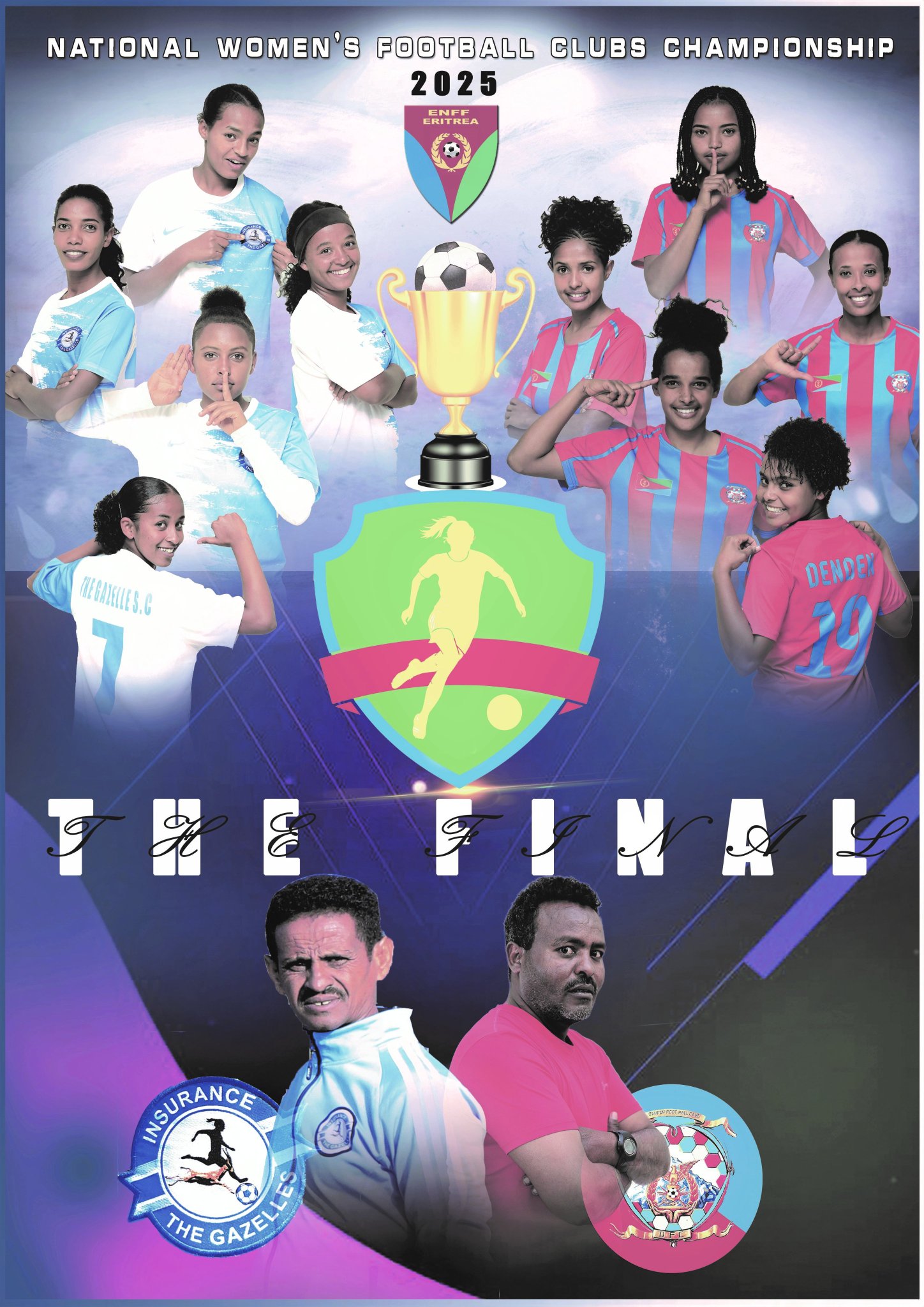
🚨🏆 FINAL MATCH ALERT! 🏆🚨
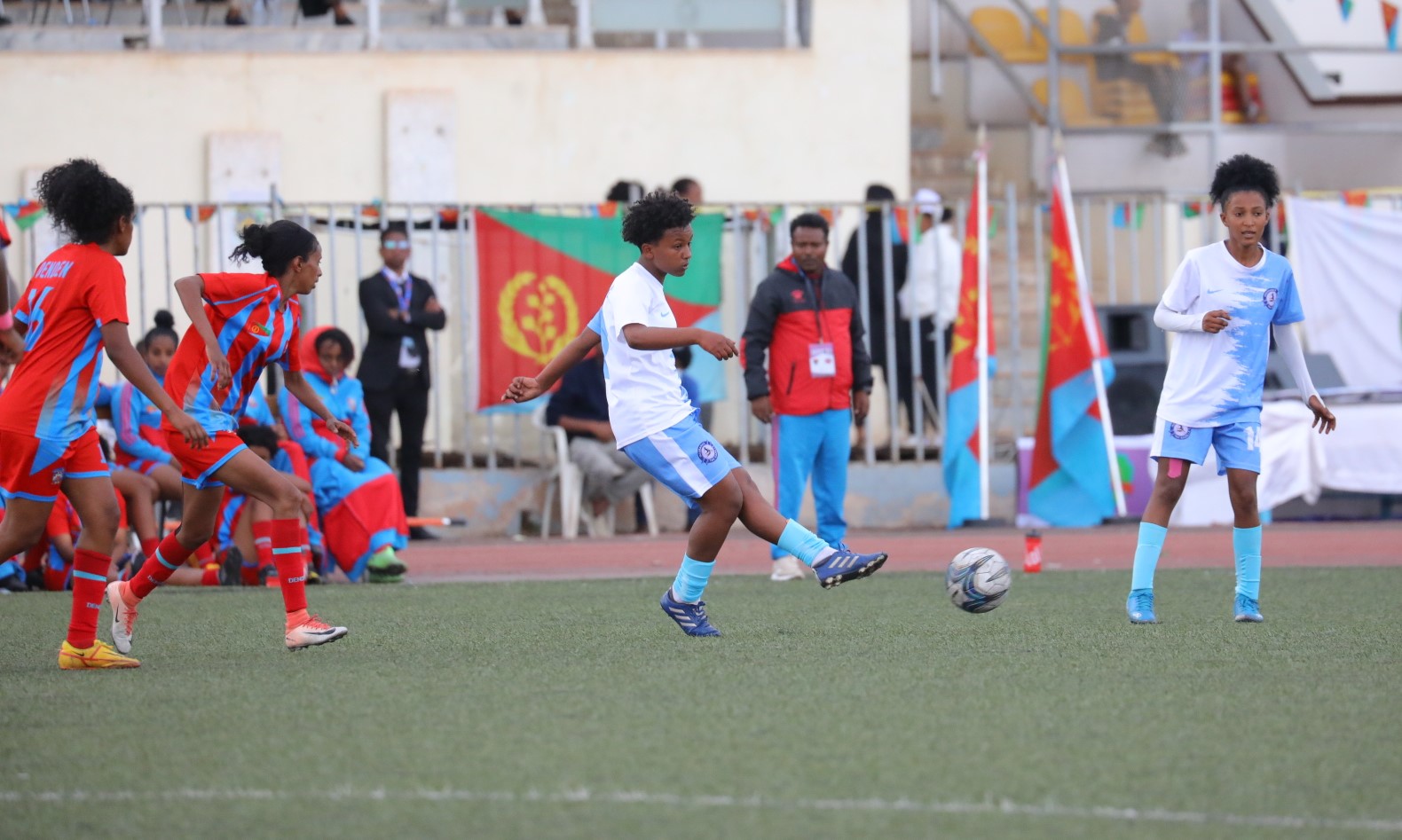
The Eritrean Women's Clubs Championship 2025, comes down to this:

🆚Denden vs Insurance
⏰𝐒𝐮𝐧𝐝𝐚𝐲, 𝐅𝐞𝐛𝐫𝐮𝐚𝐫𝐲 𝟏𝟔 - 𝟑:𝟑𝟎 𝐏𝐌
📍Asmara Stadium

All fans are invited to cheer our Red Sea Flowers! 🌺Let’s pack the stadium & make history


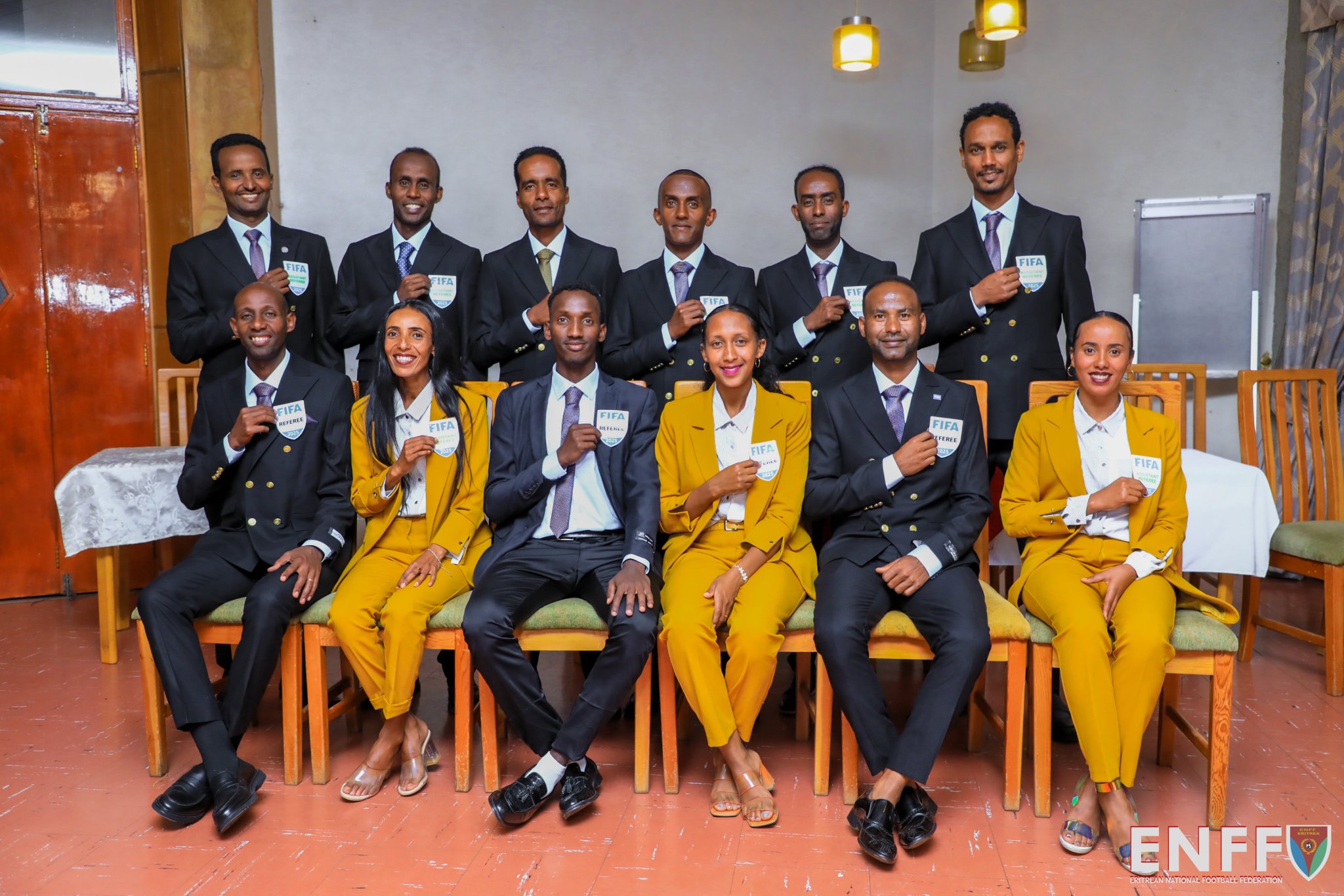
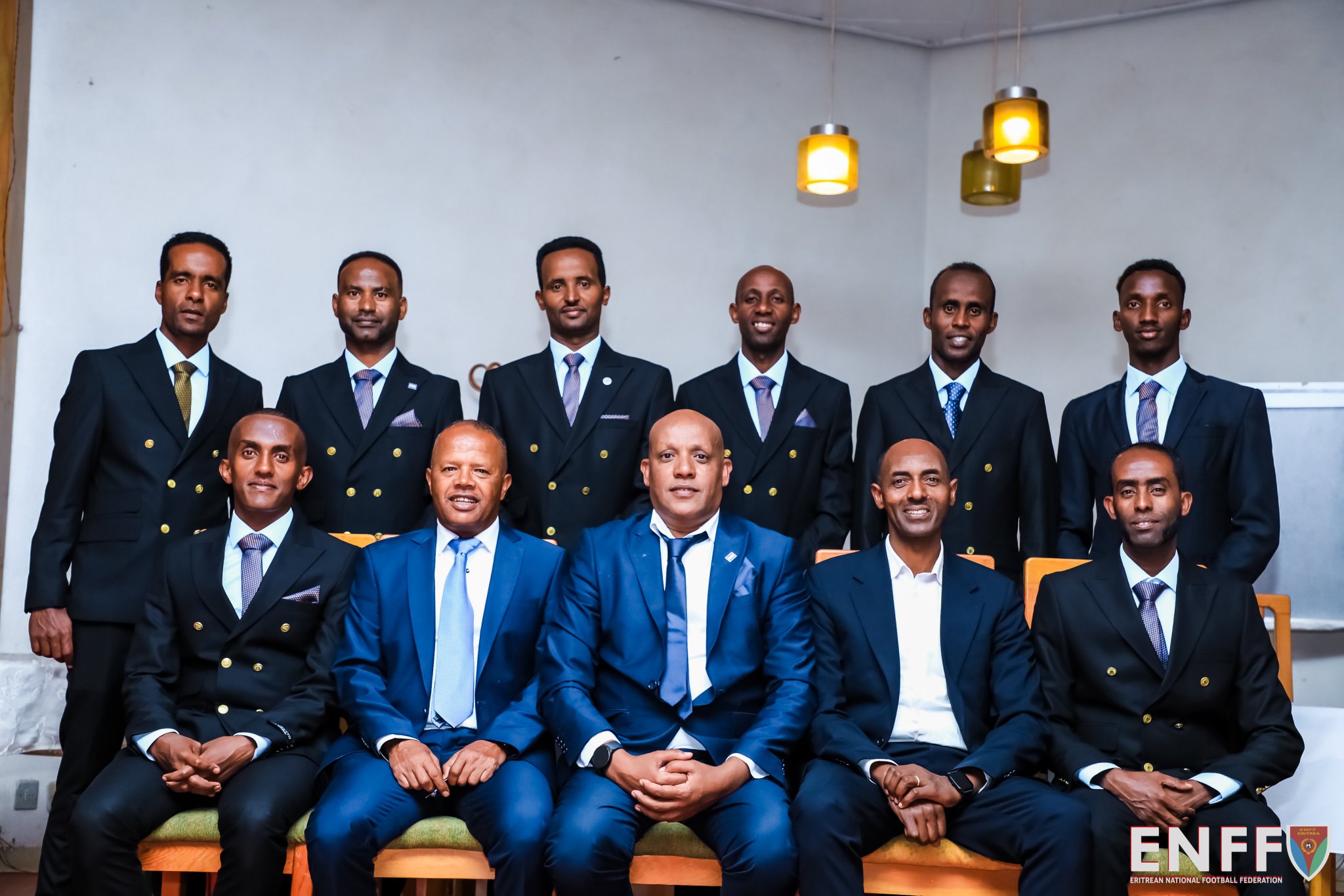
⚽️🇪🇷 announced the 2025 batch of FIFA referees for international officiating. This year, 13 referees including three women passed the FIFA fitness assessment.

Young referee Henok Tesfay was promoted to the international level. President Paulos W/haimanot, urged them to strive for excellence.
@ENFFONLINE2023


_______________________


Last edited by Zmeselo on 16 Feb 2025, 15:28, edited 1 time in total.

Zmeselo
Senior Member+
Posts: 36954
Joined: 30 Jul 2010, 20:43

Re: Nahom Alem (WEDi)

Post by Zmeselo » 16 Feb 2025, 06:46


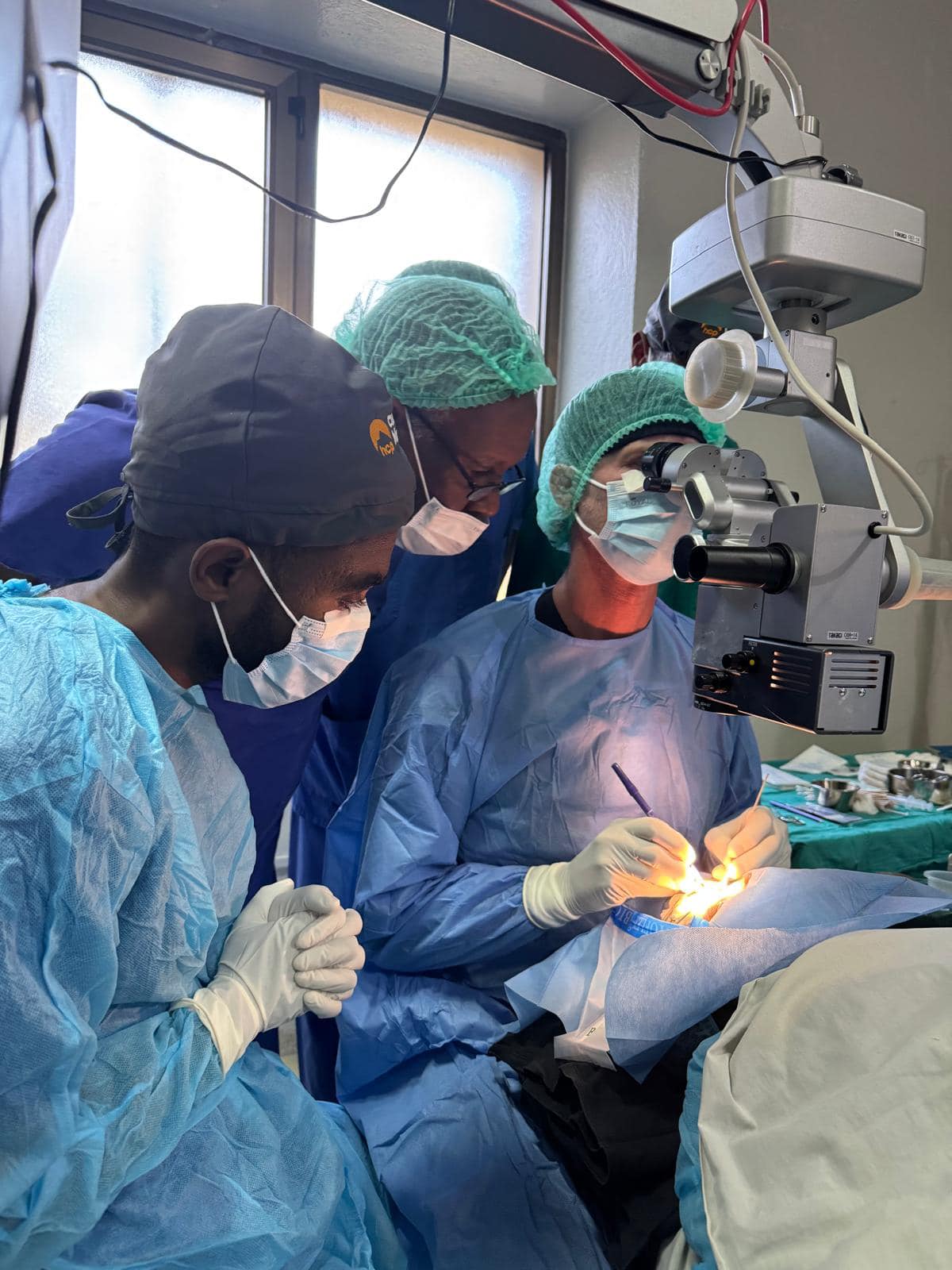
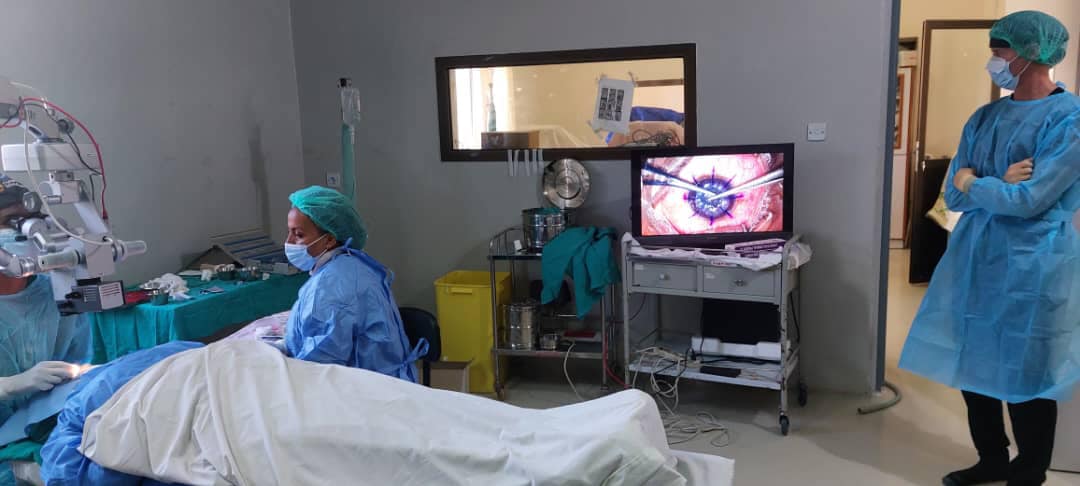
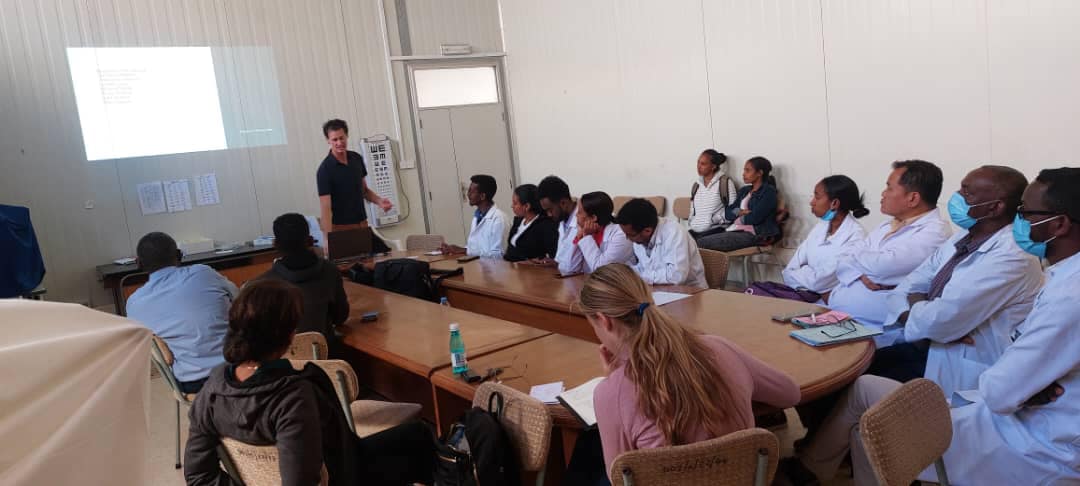
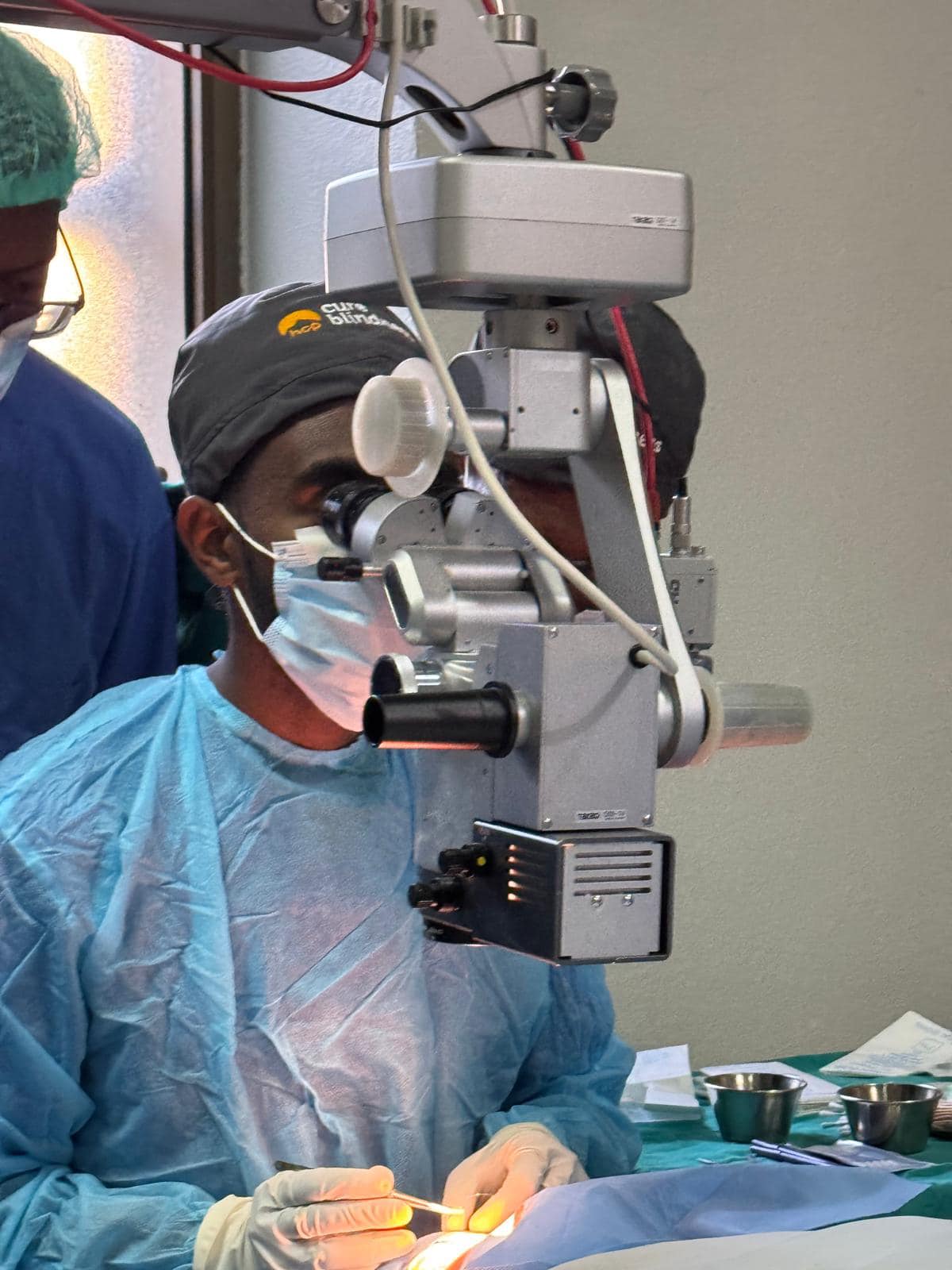
Thanks to the partnership with top ophthalmologists, Orotta College of Medicine and the Ministry of Health & the CBP has made quality eye care accessible to all.

With each successful cornea transplant, CBP has brought light to those who had been living in darkness, restoring their sight and transforming their lives forever.

(Photo credit: #CureBlindness Project (CBP), @DrMenghis)


_________________


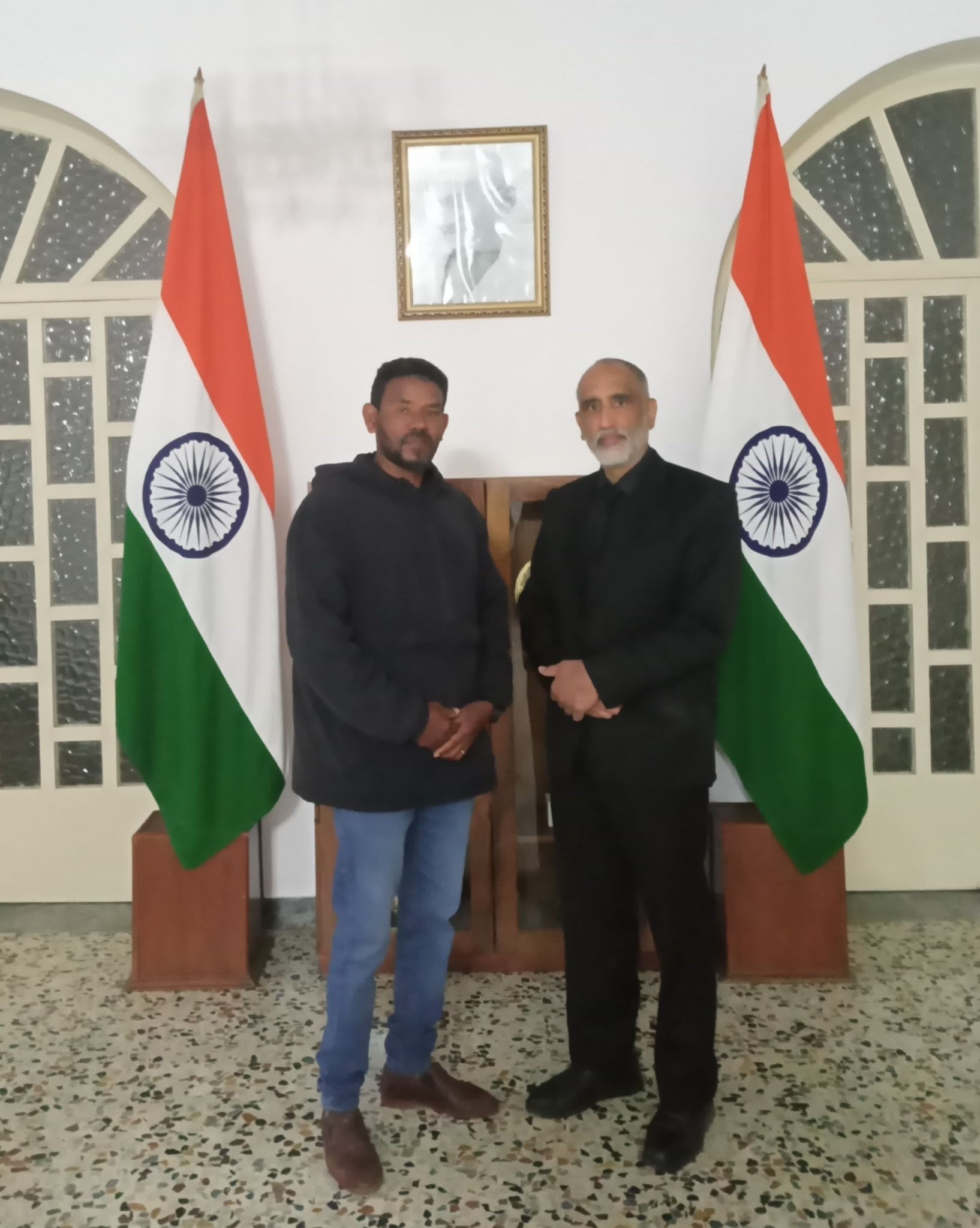
Cd'A a.i., Mr. K.S.Dhiman, met Mr. Berhane Solomon Tesfay and wished him all the best for his @ITECnetwork course at the National Institute of Technical Teachers Training and Research, Chennai India. @IndiaEritrea


SIBRIT, a cultural troupe from Eritrea participated in the 38th edition of Surajkund International Crafts Mela in Haryana, India.


___________________


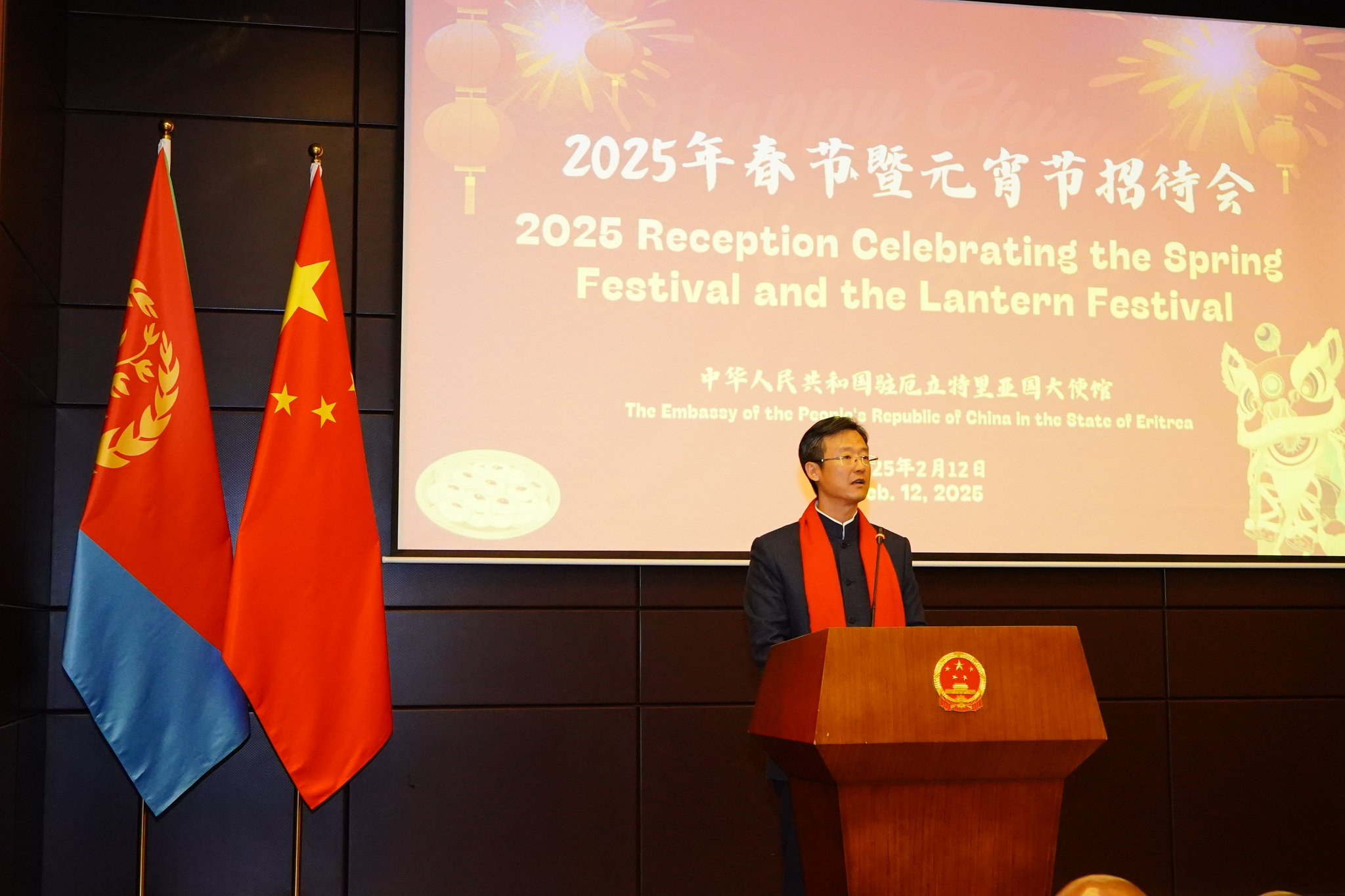
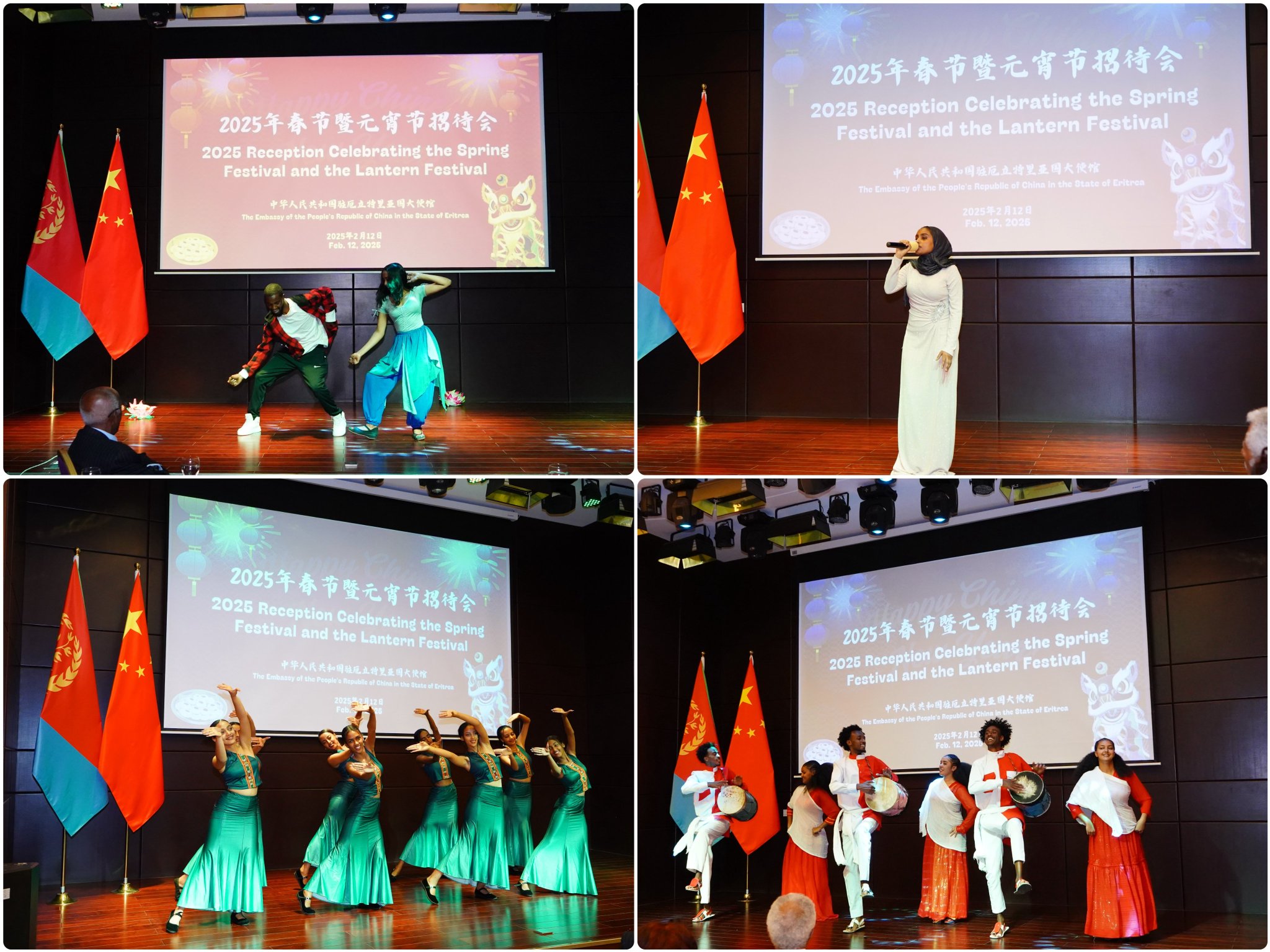
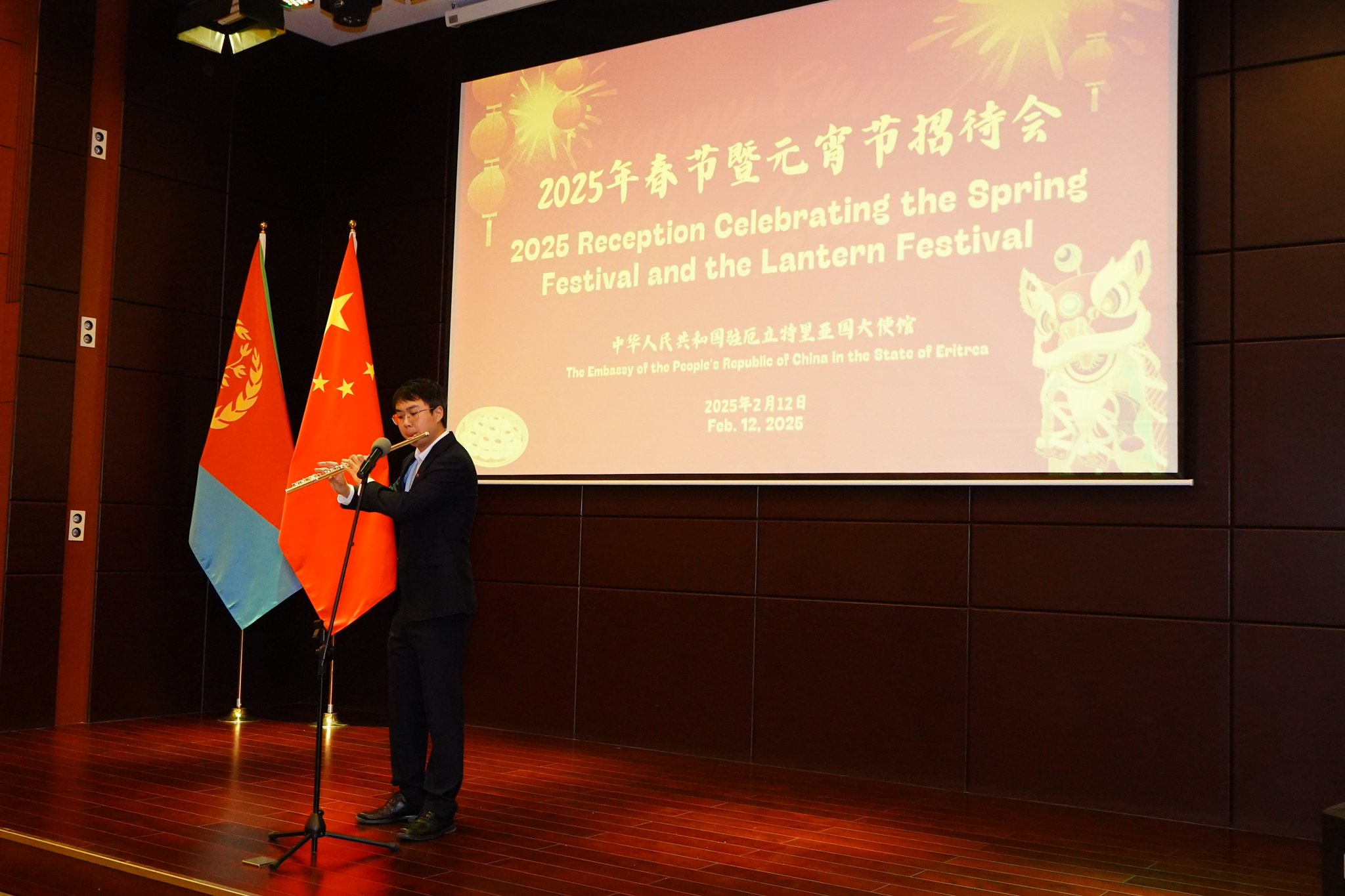
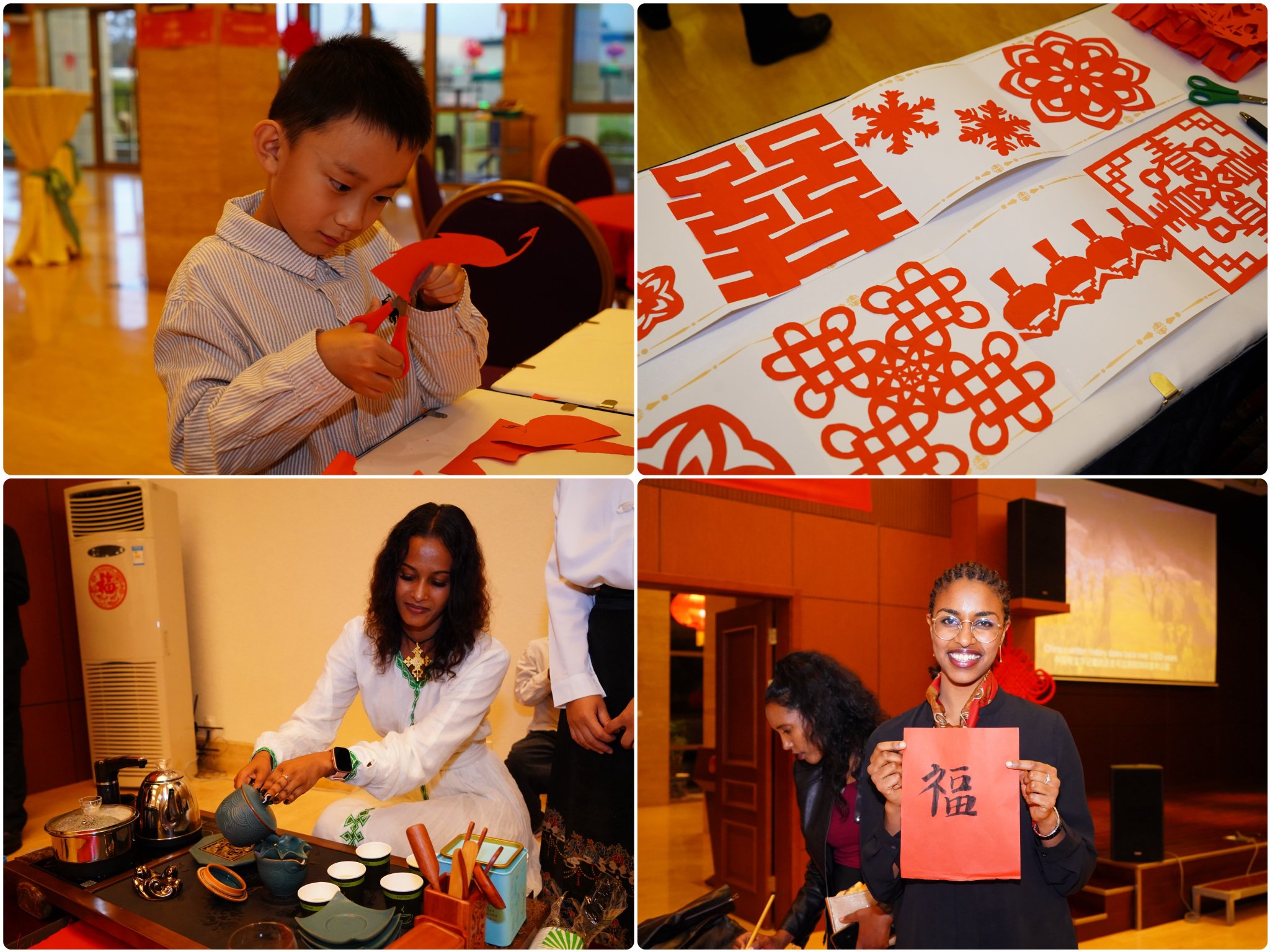
On Feb.12, Chinese Embassy held a reception celebrating Spring & Lantern Festival. H.E.Ambassador Li Xiang delivered a speech. Amazing shows, were performed. Tea ceremony, paper cutting, calligraphy & lantern riddles were set up for guests to experience Chinese culture. @ChinaEmbEritrea

Zmeselo
Senior Member+
Posts: 36954
Joined: 30 Jul 2010, 20:43

Re: Nahom Alem (WEDi)

Post by Zmeselo » 16 Feb 2025, 07:10


It’s President Afwerki… Thank You, Eritrea (1)

November 1, 2024

By Mohammed Abd ElGader

https://blnews.net/2024/11/its-presiden ... eritrea-1/

As we neared the residence of Eritrean President Isaias Afwerki in Asmara, I said to my dear friend, Mr. Adel Al-Baz, that Eritrea is a true embodiment of the phrase we often use in the news:
a sovereign state.


Al-Baz, agreeing with me, nodded thoughtfully and added a point that prompted me to find an explanation for Eritrea’s support for Sudan in its war against the Janjaweed.

Unlike some of our other neighbors, Eritrea has taken a strong and supportive stance toward the Sudanese people and their army. It has shown exceptional neighborly conduct, assuring us that Sudan is not alone in its fight against militias, which are being armed by countries exploiting Sudan’s bloodshed by opening their borders for the passage of weapons to murderers. Eritrea, however, has acted differently. As a genuinely sovereign state, it does not yield to external pressures or agendas, nor does it exchange its positions for dollars or dirhams. Eritrea responds only to the dictates of a sincere, independent conscience, guided solely by the ethics of good neighborliness.

In a meeting between a delegation of Sudanese journalists and President Afwerki, the man spoke candidly. He stated that these countries lack true will and even warned them of intervention should they continue to serve as platforms for the transfer of weapons that kill Sudanese people.

Eritrea and President Afwerki deserve the respect and appreciation of the Sudanese people. He has opened his country’s borders to Sudanese refugees without any conditions, allowing some to enter with only a personal ID, a national number, or even vaccination cards. Others were admitted simply by proving they were Sudanese.

Afwerki directed his people to share their food and water with Sudanese refugees, ensuring their safe arrival to Asmara, providing transportation, food, and drink without any expectation of reward or praise. He refused to establish refugee camps for the Sudanese, declaring that Eritrea is their homeland too. Additionally, he declined to accept any financial aid from international organizations in exchange for hosting Sudanese refugees, as Eritrea sees Sudanese as part of its own people.

Afwerki allocated spaces to accommodate Sudanese men and women with open arms, providing them with free lodging, food, and medical care. He instructed Eritrean authorities to grant Sudanese special exemptions in all matters—even police stations were ordered to release Sudanese involved in minor offenses, ensuring, as he put it,
no Sudanese sleeps in a cell in Eritrea.
Afwerki has supported our army with everything it needs and has stood by it against the Rapid Support Forces (RSF). He has pledged to protect Sudan’s eastern borders and firmly declared that El Fasher is the front line of this battle. As a seasoned fighter, he understands that targeting this region is an attempt to divide Darfur and take over what remains of Sudan’s land.

Thanks to Afwerki’s clear, uncompromising stance, Eritrea remains free of Janjaweed and remnants of the Forces of Freedom and Change (FFC). They are neither welcomed nor allowed to enter. In fact, Afwerki gave one individual who sought to discuss the course of the war just 24 hours to leave the country.

President Afwerki has distanced himself from the marketplace of solutions for Sudan’s crisis. His position is firm, singular, and declared: supporting the victory of the Sudanese army is crucial to rebuilding the Sudanese state.

This is President Afwerki.


____________


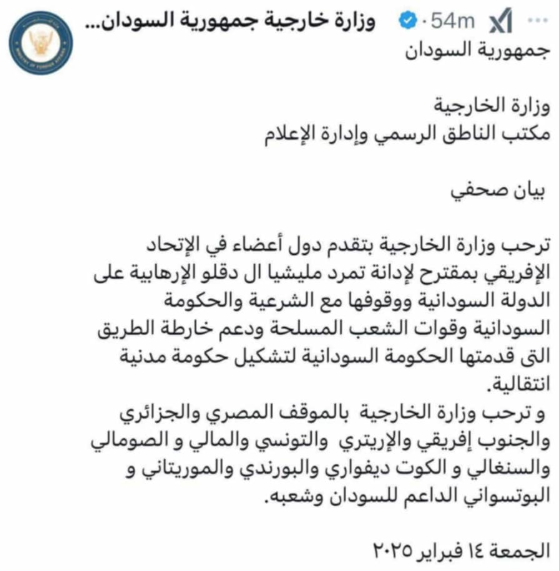
መግለጺ ወጻኢ ጉዳያት ሱዳን፡ መንግስቲ ሱዳን- ንኤርትራ ግብጽን ኣመስጊኑ - ንኢትዮጵያን /UAE ይነጽግ፡፡

Zmeselo
Senior Member+
Posts: 36954
Joined: 30 Jul 2010, 20:43

Re: Nahom Alem (WEDi)

Post by Zmeselo » 16 Feb 2025, 07:54


General
The Longstanding and Unwarranted Smear Campaign Against Eritrea

By: Dr. Fikrejesus Amahazion

https://shabait.com/2025/02/15/misunder ... f-eritrea/

Feb 15, 2025


The problem of inadequate and skewed coverage

Properly exploring, reporting, and understanding any subject, much less an entire country, demands depth, nuance, and a genuine understanding of its context. However, the vast majority of Western mainstream media analyses of Eritrea have rarely delved into these complexities. Instead, they have often been littered with simplistic sound bites that shoe-horn the country into highly generalized and unhelpful black-and-white contexts. This reductionist approach attempts to characterize and explain what are tremendously intricate, complex issues and phenomena (such as decades- or centuries-long histories or processes, migration patterns, national service, regional dynamics, and conflict, among others) in narrow, one-dimensional narratives.

Ultimately, mainstream coverage of Eritrea has long been invariably characterized by tired clichés, nauseating stereotypes, facile assumptions, and gross distortions that fail to provide an even vaguely accurate or reliable account of the country and its objective on-the ground realities.

In addition, it is remarkable – and extremely troubling – that foreign “experts” on Eritrea often lack the fundamental tools to truly understand the country. These individuals are frequently lauded by Western media, organizations, and other institutions despite not speaking any of Eritrea’s languages and, in many cases, never having set foot in the nation. Their assessments are often deeply flawed, yet they continue to be held up as authoritative voices and dominate the discourse. At the same time, thoroughly qualified and highly experienced individuals from Eritrea are rarely looked to for their views or analyses of their own country.

Understanding any country – let alone one with as rich and complex a history as Eritrea – requires listening to its people. When those at the heart of a nation’s progress and development are ignored, any conclusions drawn about that nation are fundamentally incomplete, if not outright misleading and wrong.

Why Eritrea Faces Relentless Scrutiny

The disproportionate negative coverage and treatment of Eritrea is not rooted in genuine concerns about alleged transgressions of international law or violations of principles of justice, democracy, and human rights. Of course, this is not to suggest that Eritrea is without flaws or issues. It is not. Like all others, the country is confronted by myriad significant challenges and pressing concerns. However, these are hardly the primary – or even the minor – reasons for the scale of calumny steadily directed at Asmara, charging it with everything vile and attempting to ostracize and isolate it.

It is clear that if transgressions of international law or violations of high-minded ideals and values were the true, fundamental issue, a long list of other nations possessing far worse records would be singled out first instead of being tolerated with equanimity or even, at times, given tacit approval, if not outright encouragement, by those targeting Asmara.

Furthermore, it would further prove that Eritrea is targeted by the absolute and willful lack of balance in terms of errors and angles. Regarding the former, it is widely expected that media and analysts will make errors. But while mistakes are to be expected, they should occur in different directions – occasionally being positive and occasionally being negative. Instead, in reporting about Eritrea, errors tend to lean in only one direction: damaging to the country. When mistakes repeatedly occur and always in the same direction, they stop being mistakes and represent persuasive evidence of deliberate efforts towards a larger agenda. In terms of angles, Western media sensationalize, exaggerate, and solely focus on negative aspects of Eritrea, all the while ignoring relevant challenges and downplaying or completely omitting the far more numerous positive developments in the country.


In addition to geopolitical factors, one of the leading reasons Eritrea is targeted with righteous condemnation is because it has committed the supreme crime: independence and defiance of Western hegemony. It remains proud and unbowed and has long striven to strike a self-reliant path and retain close control of its development agenda. It seeks genuine partnerships with all and fiercely protects its independence and sovereignty. The country’s unwavering commitment to its principles challenges long-held doctrines and orthodoxies espoused by the Western development and aid establishment and their financial architecture.

For those possessed by a messianic conception of themselves as the rulers and saviors of the world, who have long been used to monopolizing control over others’ resources, imposing conditionalities, and firmly holding inordinate influence over the decisions made in developing countries, especially Africa, Eritrea represents a threat. It must be publicly flogged for its impertinence and defiance of Western dictates.

Chomsky’s “rotten apple theory

Although the fact that Eritrea is young, relatively small, and developing would seem to suggest that it poses no threat, these characteristics, in fact, are among the driving factors behind why it is targeted. As Noam Chomsky’s “rotten apple theory” suggests, the tinier and weaker the country, the more dangerous it is to the interests of powerful nations that have long profited from imposing their will on developing countries. If even a supposedly marginal country can defy the global hegemon, successfully challenge the status quo, and begin to utilize its own limited human or material resources to undertake programs of development geared to the needs of the domestic population, it raises the uncomfortable question for other nations: why not us? Eritrea’s commitment to forging a brighter future—through a commitment to education, health, infrastructure, and social services rooted in equality and social justice—powerfully demonstrates that independence from global economic structures is not only possible but can also be effective. This defiance draws the ire of those who have historically controlled global resources and shaped the international order.

The need for a balanced perspective

For years, the narrative surrounding Eritrea has been rife with distortion and simplification, largely driven by external forces with their agendas. While no country is free from challenges, Eritrea’s defiance of foreign domination and its commitment to self-reliance makes it a target of relentless criticism. By embracing nuance and recognizing the agency of Eritreans to define their future, the world might begin to see Eritrea not as a ”pariah” but as a nation that is boldly navigating its own path in the face of overwhelming external pressure.

Only by listening to Eritrea’s people, understanding their struggles and successes, acknowledging their agency, and respecting their sovereignty can a truly accurate and fair picture of the country emerge.

Zmeselo
Senior Member+
Posts: 36954
Joined: 30 Jul 2010, 20:43

Re: Nahom Alem (WEDi)

Post by Zmeselo » 16 Feb 2025, 09:30


The historic Mingardi swimming pool in Asmara reopens

Marilena Dolce

https://eritrealive.com/in-eritrea-riap ... di-asmara/

13/02/25


(Software translation)

Asmara, the capital of Eritrea, with its squares, long tree-lined avenues and many buildings in rationalist, Decò, futurist style takes on the appearance that still remains today in the 1930s, when very young architects, surveyors, master builders, engineers worked there, arriving in the Italian colony full of enthusiasm and desire to do.

Their work confirms what the English journalist Evelyn Waugh wrote in 1936, that the idea of ​​conquering a country to go and work there, of treating an empire as a place where things had to be brought, rather than plundered, is the innovation of Italian colonialism compared to French and English colonialism.

Perhaps this is why the result, at times, went well beyond expectations. Unique buildings arise, such as the Fiat Tagliero service station, built by Giuseppe Pettazzi in 1938 which becomes, with its outstretched wings, the futurist symbol of Asmara's modernity.

It goes without saying that the beauty of the city, recognized as a world heritage site by UNESCO in 2017, cannot alleviate the colonial choice, which remains predatory in itself.

However, among those young people who arrived in Asmara full of good intentions, there is also Arturo Mezzèdimi. Born in 1922, the young Mezzedimi, from Poggibonsi, embarked from Naples to join his father in Eritrea in 1940. His arrival, however, coincided with Italy's entry into the war on 10 June of that same year.

Mezzedimi therefore remained in Eritrea and began to get busy, working as a surveyor.

He soon receives an important assignment, the construction of the swimming pool desired by Mrs. Ines Mingardi, owner of the land in the center of Asmara.

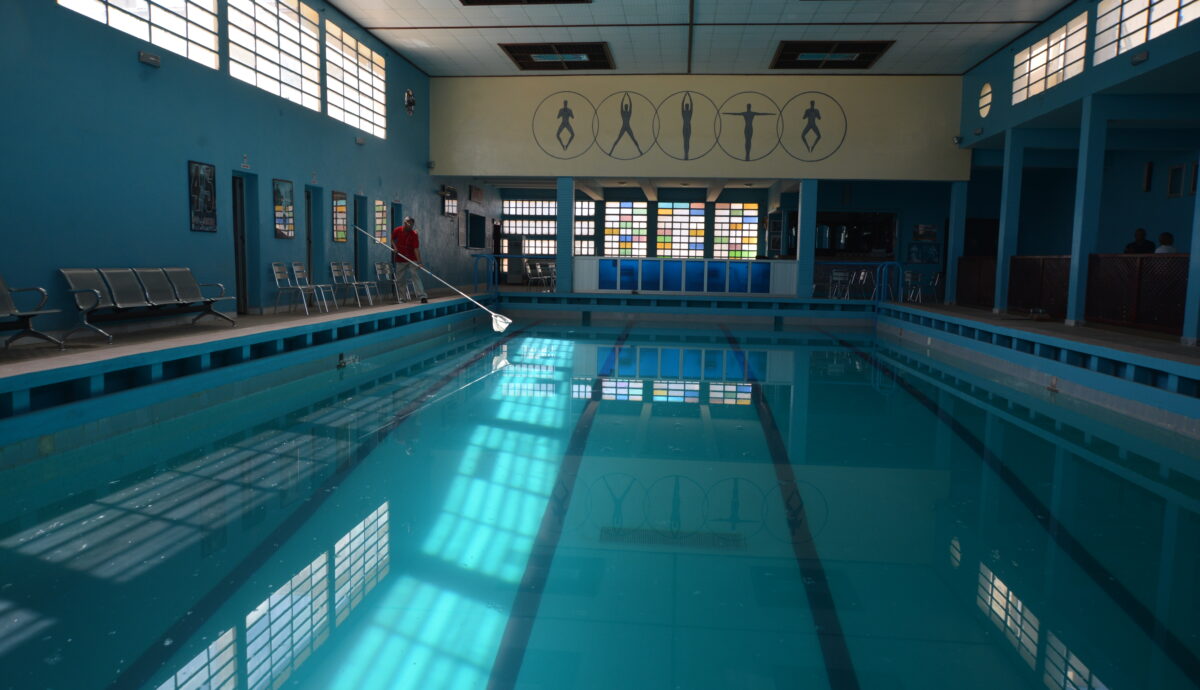
The swimming pool is built with local materials. It has a large tank, 9 x 20 meters and is equipped with a filter for daily water changes.

Mezzedimi's project, completed in 1945, was very successful. So much so that the magazine Domus, then directed by Giò Ponti, in issue 233 of 1949, published three images with a short presentation text.

The swimming pool remained open until the Seventies, then closed due to the nationalization and expropriation of the building by the Ethiopian junta of Menghistu Hailè Mariam, who replaced Emperor Hailè Selassie, continuing to occupy Eritrea. It will reopen twenty years later, when the country gained independence in 1991. In 2013, Franco Seghi, who had reopened it and kept it under management, told me its history and vicissitudes. It would later be closed again due to problems of lack of water and energy.


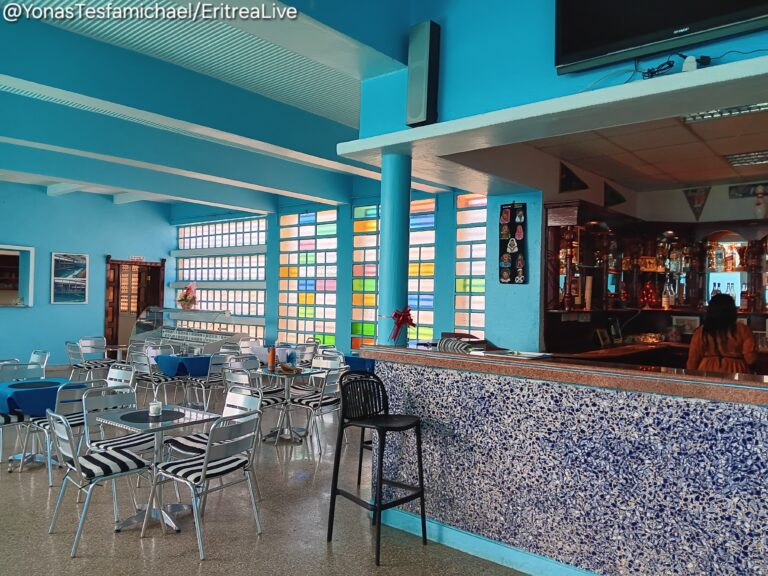
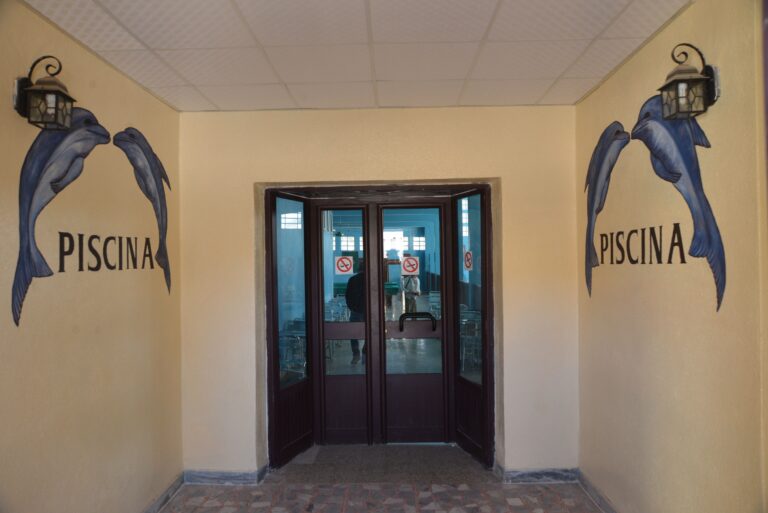
The Mingardi swimming pool is a beautiful rationalist building, with floor-to-ceiling colored glass and stylized swimmers on the pediment that separates the pool from the bar. Even in this case, however, the littorial quotations, arriving attenuated, withstand the passing of the years better than similar paintings or mosaics executed in the same period in Italy. I think of the swimming pool of the Foro Italico in Rome.

The colored glass of the Mingardi swimming pool, in addition to embellishing the walls, had the function of collecting the sun's heat and projecting its light internally. They were the forerunners of today's solar panels installed on the roof.

Under the swimming pool, there were once old brass shutters which had the function of circulating the water. In front of the entrance there are still paintings depicting dolphins, preserved despite the various restorations necessary to remove the humidity.

Here I would say that with the reopening of the Mingardi swimming pool, the tourist who arrives in Asmara can experience not only the pleasure of a nice swim, but also the elegance of the past.


Marilena Dolce, journalist. I have been traveling to the Horn of Africa for more than ten years and for as many years I have been writing about what I see. Especially for Eritrea and Ethiopia but not only. Since 2012 I have been writing for EritreaLive, news and stories live from Eritrea. Because to understand the world you have to leave your neighborhood, even just by reading.


___________________


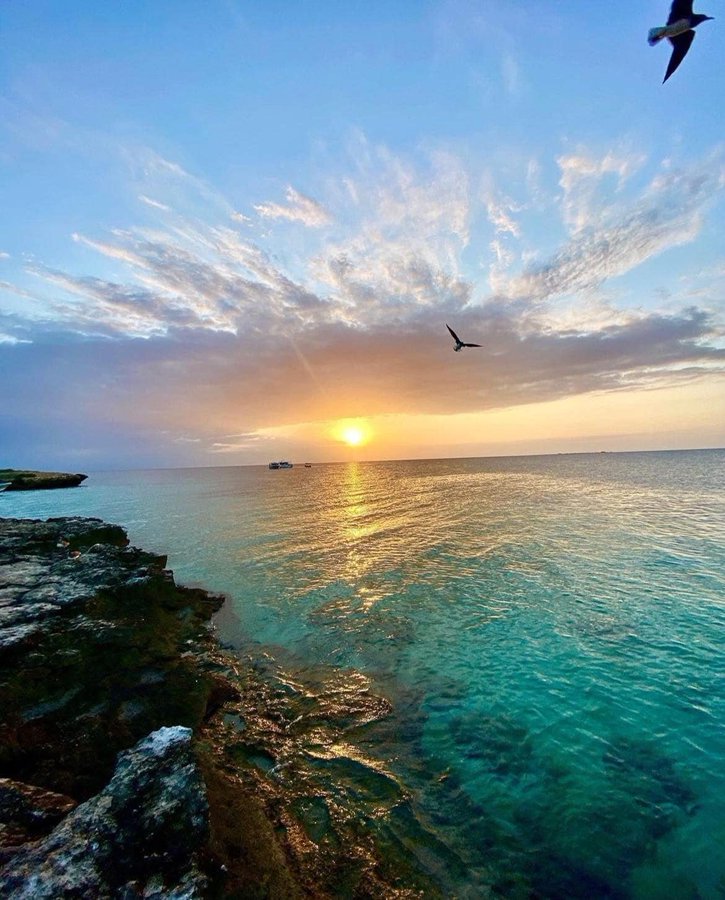
Near Ras Dumeira, on the border to Djibouti 📸 Ghideon Musa

Zmeselo
Senior Member+
Posts: 36954
Joined: 30 Jul 2010, 20:43

Re: Nahom Alem (WEDi)

Post by Zmeselo » 16 Feb 2025, 15:27

Bini, 6th at the Figueira Champions Classic in Portugal. A very tough mountainous stage & unfortunately he was blocked at the sprint by one of the EF riders, otherwise he would’ve probably got a podium:


___________________


Let's help our brother, Shannon:


https://www.gofundme.com/f/shannon-abed ... milan-2026


_____________________


The Eritrean Women's Clubs Championship concluded today, with a joyful closing ceremony and massive fan support. The tournament featured intense matches across two categories, highlighting the talent and dedication of Eritrean women's football. ⚽️🏆🏆🇪🇷 @ENFFONLINE2023
Last edited by Zmeselo on 16 Feb 2025, 15:44, edited 1 time in total.

Zmeselo
Senior Member+
Posts: 36954
Joined: 30 Jul 2010, 20:43

Re: Nahom Alem (WEDi)

Post by Zmeselo » 16 Feb 2025, 15:40

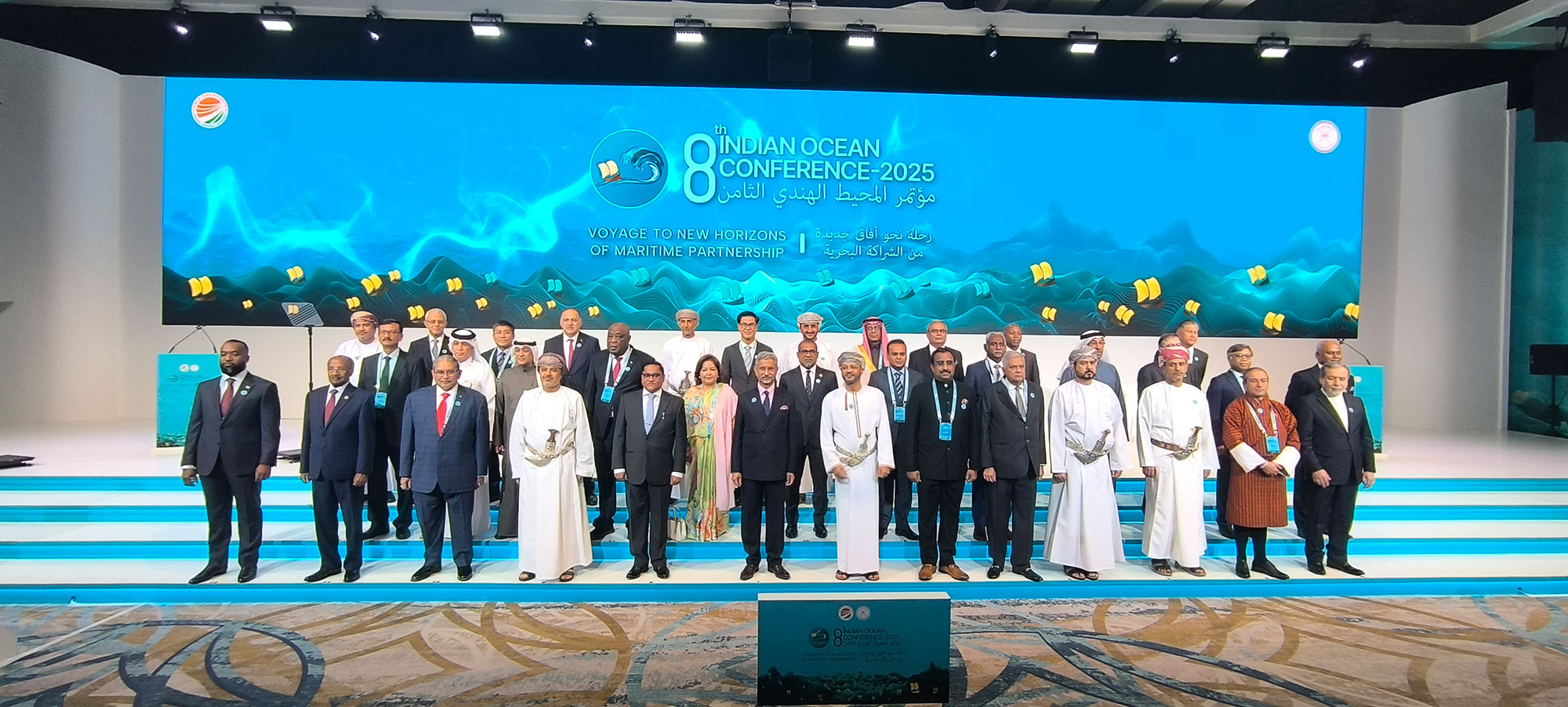
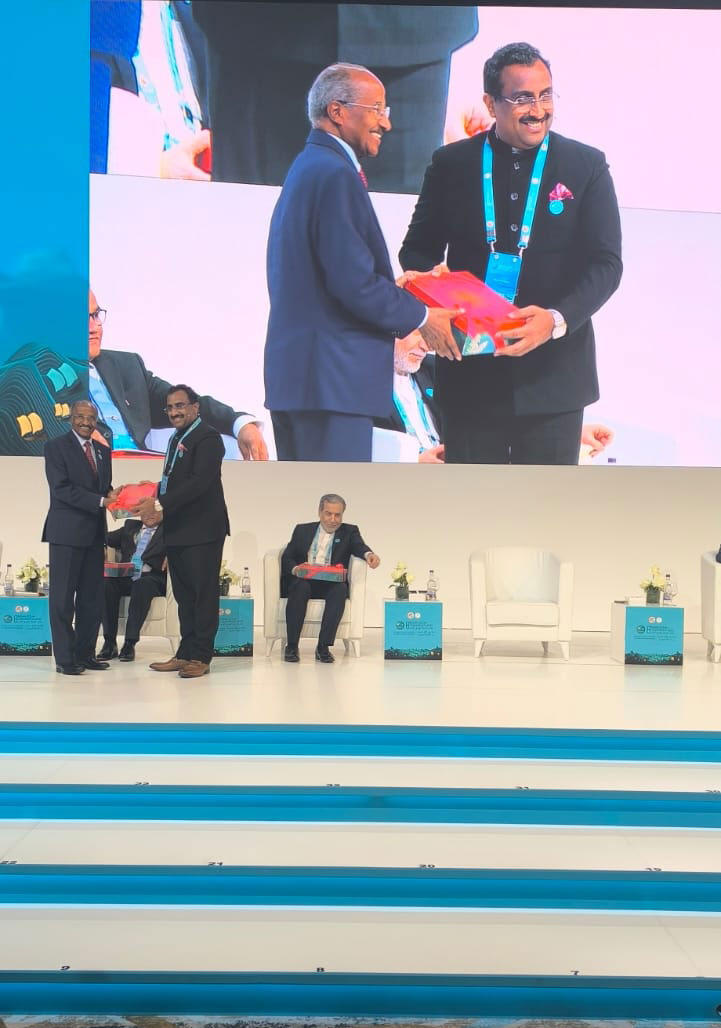
On the joint invitation of the Governments of Oman and India, Eritrea's senior delegation led by Foreign Minister Osman Saleh is participating at the 8th Indian Ocean Conference (IOC) held in Muscat, Oman, from 15th-17th February this week.

Forty countries, including 28 Foreign Ministers, are participating in the Conference held under the theme: "Voyage to New Horizons of Maritime Partnership".

His full remarks follow:


General
Remarks by Minister Osman Saleh at IOC

https://shabait.com/2025/02/16/remarks- ... eh-at-ioc/

Feb 16, 2025


Minister Osman Saleh
8th Indian Ocean Conference
15th – 17th February 2025

Muscat, Oman

Excellencies,
Ladies and Gentlemen,


At the outset, I would like to extend my sincere gratitude to the Government of the Sultanate of Oman for their gracious hospitality and for hosting this vital forum.

Excellencies,

The Indian Ocean, sprawling across nearly 70.56 million square kilometers, stands as one of the world’s most crucial maritime realms playing an indispensable role in global trade, geopolitics, and environmental sustainability. The 8th Indian Ocean Conference (IOC) underscores the ocean’s significance and outlines the strategic imperatives that must be addressed.

The Indian Ocean is the lifeblood of global commerce. It connects three continents—Africa, Asia, and Australia—serving as a conduit for approximately 40% of the world’s offshore petroleum production, 50% of the world’s container traffic, and over 70% of the world’s seaborne oil trade. Strategic chokepoints like the Strait of Hormuz, the Malacca Strait, and the Bab el-Mandeb are pivotal for energy security, influencing global economic stability.
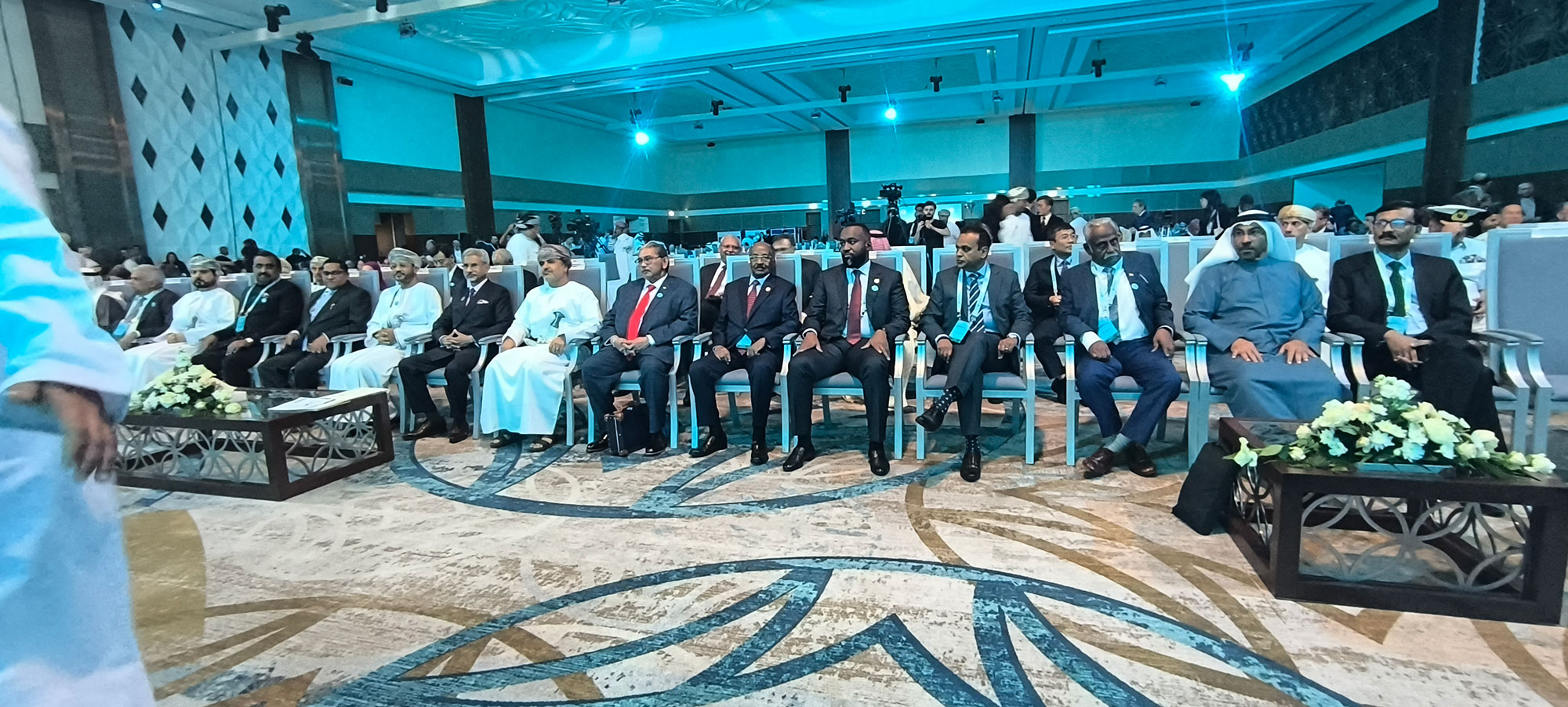


This Conference, themed “Voyage to New Horizons of Maritime Partnership,”, thus, provides a pivotal venue for fostering dialogue, enhancing cooperation, and promoting strategic collaboration among nations within the Indian Ocean Region (IOR). With maritime connectivity being fundamental to global trade, economic growth, and security, Eritrea believes this conference will deepen regional alliances and tackle current maritime challenges.

Ladies and Gentlemen,

Eritrea, with its strategic location along the Red Sea, holds a significant position in the maritime landscape, offering access to key global shipping routes from the Mediterranean to the Indian Ocean via the Suez Canal and the Bab el-Mandeb Strait.

As global dynamics shift in the Indo-Pacific and the Middle East, Eritrea is dedicated to enhancing maritime security and economic development through strengthened mutually beneficial partnerships with neighboring African and Gulf countries.

However, recent developments in the region seek to destabilize the Horn of Africa not only by external actors but also regional players. The continuous meddling in the domestic affairs of Somalia, through deliberate attempts to undermine its territorial integrity, must be met with firm condemnation and legal action at all times. Somalia’s sovereignty and unity must be respected, and attempts aimed at fragmenting or destabilizing the country can only be fraught with precipitating broader regional tension and instability.


Somalia boasts a coastline of approximately 3,333 kilometers, the longest on mainland Africa. This coastline possesses immense economic potential through its blue economy, rich fisheries, and strategic maritime position along key global trade routes. If harnessed effectively, these resources could transform the nation’s economic landscape, providing livelihoods, boosting trade, and contributing to regional prosperity.

However, Somalia and its people have been unable to fully capitalize on these vast endowments due to persistent external interference, political instability, and exploitative practices by foreign actors. The illegal exploitation of its marine resources and geopolitical maneuvering has significantly hampered Somalia’s ability to benefit from its own natural wealth. Somalia must be left alone to govern and manage its own rich resources in a manner that best serves its national interests and the well-being of its people, free from external interference.

It is imperative to raise these concerns given the security and stability of the Horn of Africa cannot be viewed in isolation. Its stability is deeply interconnected with the broader dynamics of the Indian Ocean. This region serves as a critical maritime crossroads, connecting the Red Sea to the vast expanse of the Indian Ocean via the Bab el-Mandeb Strait and the Gulf of Aden. An estimated 10% of global trade passes through the Bab el-Mandeb Strait, while the Suez Canal handles around 12%. Additionally, an estimated one-quarter of the world’s seaborne oil trade flows through the Strait of Hormuz. Any instability in the Horn of Africa and the wider region directly affects the safety of vital global shipping lanes, with significant repercussions for international trade, energy, economic development, and regional security.

Therefore, it is in the collective interest of all nations to uphold the principles of sovereignty and territorial integrity as enshrined in the UN Charter. The territorial integrity of all nations bordering these vital waterways is inviolable and non-negotiable. The Indian Ocean Conference must therefore take a firm stance against any interference that seeks to undermine Somalia’s unity or exploit the political situation of the Horn of Africa.

In view of the above, the Indian Ocean Conference must amplify the voice of the Global South in the governance of the world’s maritime domain. The dominance of a select few in maritime policy-making must be countered with a renewed push for greater participation, ensuring that developing nations play a decisive role in shaping global maritime governance.

Excellencies,

Equitable access to marine resources, fair trade practices, and technology transfer must also be prioritized to empower economies across the Indian Ocean Region. This conference must champion capacity-building initiatives in maritime technology, governance, and law enforcement, ensuring that no nation is left behind in the quest for a fair and balanced maritime order.

Moreover, the Indian Ocean faces mounting environmental threats—rising sea levels, coastal degradation, and extreme weather events—endangering both livelihoods and economies. The 8th Indian Ocean Conference must drive an ambitious agenda for sustainable maritime policies that reconcile economic imperatives with environmental stewardship. The resilience of coastal communities must be reinforced through robust climate adaptation strategies, enhanced marine conservation efforts, and the promotion of green shipping technologies. Our commitments must align with global climate frameworks to safeguard the ecological integrity of the Indian Ocean for future generations.

Historically, the Indian Ocean has been a melting pot of civilizations, facilitating the exchange of ideas, traditions, and commerce. Strengthening educational exchanges, research collaborations, and tourism initiatives will further reinforce the bonds between Indian Ocean nations and promote a sense of shared destiny.


Excellencies,

In closing, the changing global political landscape, marked by the increasing naval presence of major powers, underscores the need for a nuanced approach to tackle emerging challenges. We must ensure that regional security mechanisms evolve to counterbalance these geopolitical shifts, advocating for cooperative security frameworks that respect national sovereignty while reinforcing collective stability and development.

The 8th Indian Ocean Conference, therefore, signifies a recommitment to cooperation, unity, progress, and the reaffirmation of respect for the sovereignty and territorial integrity of all nations. As we navigate toward new horizons, we must emphasize collaboration over competition and resilience over vulnerability. By building a robust maritime partnership, the Indian Ocean Region can realize its full potential, ensuring stability and growth for future generations.

And for these partnerships to be truly meaningful, they must be built on solid foundations of trust, mutual respect, and transparency. Any opportunistic alliances, lacking sincerity and genuine commitment, will not serve the best interests of the nations in this region.

As such, as we proceed with this conference, our collective goals should translate into actionable policies and initiatives that will shape the future of maritime cooperation in the Indian Ocean. Through dialogue, innovation, and solidarity, this journey toward new horizons will map out a path to a more secure, interconnected, and prosperous Indian Ocean Region.

I thank you.

Last edited by Zmeselo on 16 Feb 2025, 17:05, edited 1 time in total.

Zmeselo
Senior Member+
Posts: 36954
Joined: 30 Jul 2010, 20:43

Re: Nahom Alem (WEDi)

Post by Zmeselo » 16 Feb 2025, 15:47


The 5th Beauty of Africa International Pageant (BAIP 2025)

In an event held in Adds Ababa yesterday, Eritrea claimed the first position and was awarded the title of Miss Africa Young Woman 2025, while Ethiopia and Nigeria secured second and third place respectively.

Go Eritrea!
🇪🇷

Post Reply