Ethiopian News, Current Affairs and Opinion Forum
Zmeselo
Senior Member+
Posts: 37344
Joined: 30 Jul 2010, 20:43

Ok, folks! Are you ready? Sheeee's back!

Post by Zmeselo » 09 Dec 2020, 19:26

ይህንን ፈሮናዊ ትዕቢት ያስተነፈስክ አምላክ: ክብርና ሞገስህ ይስፋ!!!
Hilina Madan: @MadanHilina


Zmeselo
Senior Member+
Posts: 37344
Joined: 30 Jul 2010, 20:43

Re: Ok, folks! Are you ready? Sheeee's back!

Post by Zmeselo » 09 Dec 2020, 21:04


ትግራይ ፡ የዛሬ ወር በማይካድራ ከተማ የተከሰተው ምን ነበር?

https://www.bbc.com/amharic/news-55214480

9 ታህሳስ 2020


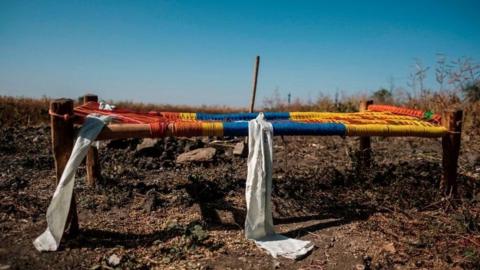
በማይካድራ የተገደሉ ሰዎች አስክሬን በዚህ መሰል አልጋዎች ሲሰበሰቡ ነበር (የፎቶው ባለመብት, GETTY IMAGES)

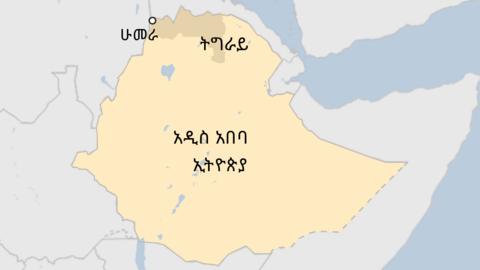
በኢትዮጵያ ሰሜን ምዕራብ ክፍል ውስጥ በምትኘው የማይካድራ ከተማ ጭፍጨፋ ከተፈጸመ ዛሬ ልክ አንድ ወር ሆነው። የሰብአዊ መብት ቡድኖች እንዳሉት በጥቃቱ ከ600 በላይ ሰዎች ተገድለዋል።

በአካባቢው ለአንድ ወር ለሚጠጋ ጊዜ የስልክና የኢንተርኔት አገልግሎት ተቋርጦ ስለነበረ ቢቢሲ በከተማዋ የሚኖሩ ሰዎችን ለማናገር ሳይችል ቆይቷል። አሁን ግን በአካባቢው የስልክ አገልግሎት በከፊል በመጀመሩ የከተማዋን ነዋሪዎችን ስለክስተቱ ለማናገር ችለናል።

ጥቃቱ ጥቅምት 30/ 2013 ዓ.ም ከሰዓት በኋላ 9፡ 00 ሰዓት ላይ የነበረ ሲሆን አስከሚቀጥለው ቀን ጠዋት ድረስ መቀጠሉን ነዋሪዎቹ ይናገራሉ።

________________________________________________________

ወ/ሮ ትርፋይ ግርማይ የትግራይ ተወላጅ ሲሆኑ ከአማራው ባላቸው ጋር ትዳር መስርተው በማይካድራ ከተማ ውስጥ መኖር ከጀመሩ 12 ዓመታትን እንዳስቆጠሩ ይናገራሉ። አንዲትም ልጅ አለቻቸው። ባለቤታቸው በተለያዩ የግብርና ሥራዎችን በማከናወን የወይዘሮ ትርፋይን እናት ጨምሮ የመላው ቤተሰቡን ሕይወት ለመምራት የሚስችለው ዋነኛ የቤተሰቡ የገቢ ምንጭ ነበር።

በትዳር ውስጥ በቆዩባቸው 12 ዓመታት ውስጥ እንደአሁኑ ጥቃት ታይቶ እንደማያውቅ ያስታውሳሉ።

ባለቤታቸውና የቤተሰባቸው አስተዳዳሪ አይናቸው እያየ ከቤታቸው ደጃፍ በአሰቃቂ ሁኔታ መገደላቸውን ይናገራሉ።
ባለቤቴ ምንም የሚያስገድል ወንጀል አልሰራም፤ የተገደለው አማራ በመሆኑ ነው
ይላሉ ወይዘሮ ትርፋይ።

የጤና ችግር እንዳለባቸው የሚናገሩት ወይዘሮ ትርፋይ፣ ባለቤታቸውን በዚያ አሰቃቂ ሁኔታ በማጣታቸው ቀጣይ ህይወታቸው መመሰቃቀሉን ይናገራሉ። እናታቸውን እና ልጃቸውን ለማስተዳደር ምን መስራት እንዳለባቸውም ግራ መጋባታቸውን ለቢቢሲ ተናግረዋል።

________________________________________________________

ሌላኛዋ የማይካድራ ነዋሪ የሺ ላቀም ባለቤቷን በተመሳሳይ ሁኔታ ማጣቷን ታስረዳለች። የነበረውን ሁኔታ ስታስታውስ
መጀመሪያ ቤታችሁን ዝጉ አሉን፤ ከዚያ ሁለተኛ መጥተው ቤታችንን እየከፈቱ ወንዶቹን መርጠው እየወሰዱ ገደሏቸው
በማለት በምሬት ትናገራለች።

የጥቃቱ ዕለት ባለቤቷ የትም እንዳልሄደ የምታስታውሰው ወ/ሮ የሺ፣
ከቀኑ 11፡00 ሰዓት ላይ በቡድን የተሰባሰቡ ወጣቶች መጥተው ባለቤቴንና የባሌን ወንድም ከቤት በማስወጣት ገደሏቸው
ብላለች።
ባለቤቴን ተውልኝ ብላቸውም አንቺን ነገ አይቀርልሽም፤ ዛሬ የምፈልገው ወንዶችን ነው በማለት እኔ እና ልጆቼ እያየን ገደሏቸው
በማለት የባሏን ሞት ያየችበትን አጋጣሚ ገልጻለች።
በወቅቱ እኔንም አንዳንዶቹ 'በላት' እያሉ ሌሎቹ ደግሞ ገላግለው አተረፉኝ
ያለችው የሺ ከዚያ በኋላ ወደ ቤት ገብተው አንዳንድ ነገሮችን ዘርፈው እንደወሰዱ ትናገራለች።

ወ/ሮ የሺ ከባለቤቷ አየነው ሙላት ጋር ከ10 ዓመታት በላይ በትዳር ኑረዋል። ሁለት ልጆችንም አፍርተዋል። ልጆቻቸውም አባታቸው ሲገደል በቦታው ስለነበሩ አሁን
ሕጻኗ ልጄ ታስቸግረኛለች፤ ሌሊት እየተነሳች 'አባቴ የት አለ' እያለች ትፈልጋለች፤ ይህም ሌላ ችግር ፈጥሮብኛል
በማለት አሁን ያለችበትን ሁኔታ ታብራራለች።

የባሌን አሟሟት እያሰብኩ
ኑሮን እንዴት መምራት እንዳለብኝም ለማሰብ ሞራሉ የለኝም፤ ልቤ ተሰብሯል። የነበረው ሁኔታ በጣም ከባድ ተብሎ የሚገለጽበት አይደለም
ትላለች።

________________________________________________________

አቶ ጥላሁን አታላይ ነዋሪነቱ በማይካድራ ግምብ ሰፈር ተብሎ በሚጠራው አካባቢ ነው።
በዕለቱ [ጥቅምት 30] ማሽላ ለማስቆረጥ ስንሰናዳ 7፡00 ሰዓት አካባቢ በቡድን ወደቤታችን በመምጣት መታወቂያ ጠየቁን
በማለት የክስተቱን አጀማመር ያስረዳል።
ይህም ብሔራችንን ለመለየት ነበር።
ከቀኑ 8፡00 ላይ ወጣቶቹ በከተማዋ ውስጥ እንደሰልፍ ነገር አደረጉ፣ ከዚያ ግን ሰልፉን ሰበብ አድርገው ጥቃቱን ጀመሩ።
ወዲያውም ወደ እነሱ ቤት ሲመጡ
እኛም ሴትና ህጻናትን አያጠቁም የሚል መረጃ ስለሰማን እኔና ወንድሜ ኮርኒስ ላይ ወጣን። ሲያጡን ተመልሰው ሄዱ። ተመልሰው 11፡00 ሰዓት ላይ መጡ እና ድጋሚ ቤቱን ፈተሹ፤ አሁንም እኛ ከኮርኒሱ ስላልወረድን የወንድሜን ሚስት አስፈራርተው ባልሽን ካላመጣሽ እንገድልሻለን በማለት ገልጋይና ተገልጋይ ሆነው ተመልሰው ሄዱ
ይላል።

አስደንጋጩ ነገር የተከሰተው ግን ከምሽቱ 1፡30 ነው። ሁለት ጊዜ ወደ ቤት መጥተው አንድም ወንድ ሳያገኙ የተመለሱት ወጣቶች የእነ ጥላሁንን ቤት ለመፈተሽ ለሦስተኛ ጊዜ ምሽት 1፡30 ሰዓት ላይ ተመልሰው መጡ።
በዚህ ጊዜ የወንድሜን ባለቤት ከቤት አስወጥተው 'ባልሽ የት እንዳለ የማትናገሪ ከሆነ አንችን እንገድልሻለን' ብለው ጩቤ አወጡ። በቃ ግደሉኝ ስትላቸው 'እንዲያውም ከአንቺ በፊት ልጅሽን ነው የምንገድለው' ብለው ልጁን ሊወስዱት ሲዘጋጁ ከልጄ በፊት እኔን ግደለኝ ብላ እርሷ ተጠጋች
በማለት በዚያ አስቸጋሪ ጊዜ ውስጥ የነበረውን ሁኔታ ይገልጻል።

ይህ ሁሉ ሲሆን ጥላሁን ከወንድሙ ጋር ኮርኒስ ውስጥ ተቀምጠው የሚሆነውን ይከታተሉ ነበር።

ባለቤቱን ሊገድሏት ሲሉ ግን ወንድሙ ሁኔታውን መቆጣጠር አለመቻሉን ይገልጻል።
ይህንን ወንድሜ ሲያይ 'እኔ ቁሜ አስከሬን አልቆጥርም' ብሎ ወርዶ ወደ እነሱ ሄደ። ከዚያም በያዙት ነገር ሁሉ ሲደበድቡት ባለቤቱ ጩኸት አሰማች፤ እሷንም ትካሻዋ ላይ መትተው አቆሰሏት
በማለት ይህንን ግድያ ለማምለጥ ሰዓታትን አብሮት ኮርኒስ ላይ ተቀምጦ የነበረው ወንድሙን ያጣበትን ክስተት ያስታውሳል።

በወቅቱ የነበረውን የሰው ብዛት ሲገልጽ
የሳምሪ ወጣቶች በሙሉ ነው የመጡት፣ ቁጥራቸው ከ150 በላይ ይሆናል። ጥቃቱን ሲፈጽሙ የታጠቁ ሚሊሻ እና ፖሊሶች አብረዋቸው ነበሩ
ብሏል።

በወቅቱ ከግድያ በተጨማሪ ዝርፊያም መከሰቱን የሚናገረው ጥላሁን፤ ወንድሙ ከቀናት በፊት ሰሊጥ ሸጦ ባንክ ዝግ ስለነበር በጥሬ 90 ሺህ ብር በቤት ውስጥ አስቀምጦ ነበር። ያንን ብርም እነዚህ ወጣቶች መውሰዳቸውን ገልጿል።


ጥቃቱ ተፈጸመ የተባለበት ማይካድራ ከሁመራ ከተማ በቅርብ እርቀት ላይ ትገኛለች

________________________________________________________

ወይዘሮ ሃዳስ መዝገቡም ማይካድራ ውስጥ ግምብ ሰፈር ነው የምትኖረው። ከባለቤቷ ብርሃኑ ጋር በትዳር ተጣምረው 17 ዓመታትን በመኖር ሦስት ልጆችን አፍርተዋል። የማይካድራው ግድያ ሲፈጸም በጅምላ ከተገደሉት መካከል አንዱ የእርሷ ባል ነው።
ከቀኑ 6፡00 መጥተው ሲም ካርድ እና መታወቂያ ለዩ። በ9፡00 ግድያው ተፈጸመ
ያለችው ወ/ሮ ሃዳስ
በአካል የምናውቃቸው ሚሊሻዎችና የሳምሪ ልጆች ናቸው ግድያውን የፈጸሙት
ትላለች።

ሌሎች ደግሞ ጥቃት የሚፈጸምባቸው ሰዎች ላይ የሚጠቁሙ ግለሰቦች እንደነበሩ ገልጻለች።
ባሌ ሚሊሻ ነበር፤ ትጥቁን አስወርደው ነው የገደሉት
የምትለው ሃዳስ
ፍተሻውን ለማድረግ የወሰኑት ያለውን የሰው ብዛት ለማወቅ ነው። ባለቤቴ እና የእህቱ ልጁ ተገድለዋል
በማለት አሰቃቂውን ድርጊት ታስረዳለች።

ከተገደሉት የቤተሰቧ አባላት በተጨማሪ የሟች ባሏ የአጎት ልጅ ደግሞ ቆስሎ ጎንደር ህክምና ላይ እንደሚገኝ የተናገረችው ሃዳስ
በማግስቱ ተረኞቹ ሟቾች እኛ ነበርን፣ ነገር ግን መከላከያ ደረሰልን። የሞቱት ሰዎች ከሦስት ቀን በኋላ በኅዳር 2 ነበር የተቀበሩት
ብላለች።

________________________________________________________

አቶ ገብረ መስቀል መንግሥቱ ደግሞ ነዋሪነታቸው በማይካድራ ከተማ ሲሆን በእርሻ ኢንቨስትመንት ላይ ተሰማርተው ኑሯቸውን ይመራሉ። በማይካድራ ግድያ ሲካሄድ በቦታው እንደነበሩና ከመጀመሪያ እስከመጨረሻው ተከታትለዋል።

እንደአቶ ገብረ መስቀል ገለጻ ከግድያው በፊት በርካታ ወጣቶች በትራክተር 40 እና 50 እየሆኑ ወደ አንድ ቦታ ሲሰባሰቡ መመለክታቸውን ይገልጻሉ።

በወቅቱም ሌላው ነዋሪ ስለሁኔታው ምንም የሚያውቀው ነገር ስላልነበረ አንዱን ሰው ከቤቱ አስወጥተው ሲገድሉ ሌላው
ምን እየሆነ ነው ብሎ ከቤቱ ሲወጣ እዚያው ይጨምሩታል
በማለት የሁኔታውን አጀማመር ያስረዳል።

ጥቃቱ ከቀኑ ሰኞ ጥቅምት 30/2013 ዓ.ም 9 ሰዓት ላይ መጀመሩን የሚገልጹት አቶ ገብረ መስቀል እንደሚሉት ጥቃቱ መጀመሪያ ላይ የተፈጸመው በከተማው በነበሩ የጉልበት ሠራተኞች ላይ ነበር።
ድብደባው ሲፈጸም እነሱን [የጉልበት ሠራተኞቹን] ገድለው ሲጨርሱ ወደ እኛ ለምመምጣት ነበር፤ እነሱን መጀመሪያ መግደል የፈለጉበት ምክንያትም ለእኛ ድጋፍ ለመስጠት እንዳይመጡ ነው
ይላል።

የቀን ሠራተኞች በአንድ አካባቢ ተሰባስበው ይኖሩ ስለነበር
ከአንድ ቤት እስከ 20 ሬሳ ተሰብስቧል
ያሉት አቶ ገብረመስቀል እስከ ቅርብ ቀን ድረስ ቆይተው የተገኙ አስከሬኖችን ሲቀብሩ እንደነበር ገልጸዋል።

ከዚህ አሰቃቂ ጥቃት በፊት
እንደዚህ የከፋ ባይሆንም አልፎ አልፎ ችግሮች በከተማዋ ይከሰቱ
እንደነበር የሚያስታውሱት አቶ ገብረመስቀል
ይህ ግን ያልጠበቅነው መአት ነበር
ይናገራሉ።

አሁን በከተማዋ ያለው ስሜት በጣም ይከብዳል፤ ሰው ተረብሿል። በርካቶች ሰዎች በአሰቃቂ ሁኔታ ሲገደሉ በማየታቸው ያንን መርሳት ከባድ እንደሆነባቸው አቶ ገብረመስቀል ይናገራሉ።

________________________________________________________

በፌደራል መንግሥቱ እና የትግራይ ክልልን ሲያስተዳድር በነበረው ህወሓት መካከል ለረጅም ጊዜ የቆየው አለመግባባት ተካሮ ጥቅምት 24/2013 ዓ.ም በፌደራል መንግሥቱ ሠራዊት የሰሜን ዕዝ ላይ ጥቃት ከተፈጸመ በኋላ በትግራይ ክልል ወታደራዊ ግጭት መከሰቱን ተከትሎ ነበር በማይካድራ ከተማ ሰላማዊ ሰዎች ላይ ጥቃት መፈጸሙ የተሰማው።

ጥቃቱን በማስመልከት በማኅበራዊ መገናኛ መድረኮች ላይ የተለያዩ አሰቃቂ ፎቶዎችና ቪዲዮዎች መሰራጨታቸውን ተከትሎ አምነስቲ ኢንትርናሽናል ባደረገው ማጣራት በማይካድራ በሰላማዊ ሰዎች ላይ የጅምላ ግድያ መፈጸሙን የሚገልጽ ሪፖርት አውጥቶ ነበር።

በማስከተልም የኢትዮጵያ ሰብአዊ መብቶች ኮሚሽን ባወጣው የመጀመሪያ ደረጃ ሪፖርት በከተማዋ ውስጥ በተፈጸመ ማንነትን መሠረት ባደረገ ጥቃት ቢያንስ 600 ሰዎች እንደተገደሉና በድርጊቱ ውስጥም 'ሳምሪ' የተባለው መደበኛ ያልሆነ የወጣቶች ቡድንና የአካባቢው ፖሊስና ሚሊሻ እጃቸው እንዳለበት አመልክቷል።

የፌደራል መንግሥቱም በማይካድራ ለተፈጸመው ጅምላ ግድያው የህወሓት አመራርን ተጠያቂ ያደረገ ሲሆን፤ የህወሓት ሊቀመንበር ደብረጽዮን ገብረ ሚካኤል (ዶ/ር) ግን ውንጀላውን "መሰረተ ቢስ" በማለት ጥቃቱ በገለልተኛ ወገን እንዲጣራ ጥሪ አቅርበው ነበር።

የተባበሩት መንግሥታት የሰብአዊ መብቶች ከፍተኛ ኮሚሽነር የሆኑት ሚሸል ባሽሌት ጭፍጨፋውን በተመለከተ ምርመራ እንዲደረግ ጥሪ ያቀረቡ ሲሆን፤
የግድያው ድርጊት በምርመራ ከተረጋገጠ እንደጦር ወንጀል የሚቆጠር ነው
ነው ሲሉ ማሳሰባቸው የሚታወስ ነው።


Software translation:


Tigray ፡ What happened in Maikadra this month?

The bodies of those killed in Maikadra were being collected in such beds PHOTO COURTESY OF,GETTY IMAGES

It has been a month since the massacre in the northwestern part of Ethiopia. Human rights groups say more than 600 people have been killed in the attack.

Telephone and internet services were cut off in the area for almost a month, and the BBC was unable to reach residents. Now, with the partial telephone service in place, we are able to talk to the residents about the incident.

The attack took place at 9 a.m. on October 30, 2013, and continued until the next morning, residents said.

________________________________________________________

Tarfai Girmay, a native of Tigray, says she has been married to an Amhara man and lived in Maikadra for 12 years. She has a daughter. His wife was a major source of income for the entire family, including his wife, Trifine, who was involved in farming.

They recall that during their 12 years of marriage, there was no such thing as an attack.

They say that their husband and the head of the family were brutally killed in front of their house.
My husband did not commit any murder; he was killed because he was from Amhara,
she said.

Ms. Terfai, who says she has a health problem, says her life has been ruined by the loss of her husband. They told the BBC they were confused about what to do to support their mother and child.

________________________________________________________

Another Maikadra resident explains that she lost her husband in the same way.
First we have to close your house, then they come and open our house and pick up the men and kill them,
she recalls.
At 11:00 a.m., a group of youths came and killed my wife and my brother-in-law,
said Yeshi, who recalled that her husband had gone nowhere on the day of the attack.
They told me to leave my wife and leave you alone. I want men today and they killed me and my children,
she said, describing her experience of her husband's death.
At that time, some of them said, 'Eat it,' while others rescued me,
she said.

Ms. Yeshi has been married to her husband Msoto for more than 10 years. They also had two children.
The baby is bothering me. She's getting up at night and saying, 'Where is my dad?'
Thinking of my husband's death, she says,
I don't have the motivation to think about how to live my life. My heart is broken. The situation is not so serious.
________________________________________________________

Tilahun Atalay lives in the area known as Maikadra Gimb neighborhood.
As we were getting ready to harvest sorghum on [October 30], a group of people came to our house at around 7:00 pm and asked for ID,
he said.
This was to identify our nation.
At 8 o'clock in the afternoon, the youths staged a demonstration in the city, but then they started the attack as an excuse.
When they came to their house, they said,
We heard that they are not harming women and children. My brother and I went upstairs. When they lost us, they went back.
he said.

The shocking thing happened, it happened at 1 p.m. The young men, who had returned home twice without finding a man, returned for the third time at 1:30 pm to inspect Tilahun's house.
Then they took my brother's wife out of the house and took out a knife and said, 'If you don't tell me where your husband is, we will kill you.'
He explains.

In the meantime, Tilahun was sitting on the ceiling with his brother watching.

But when they tried to kill him, his brother said that he could not control his situation.
When he saw my brother, he went down to them and said, 'I'm not counting the corpses.'
All the Samaritans came, more than 150. Armed militias and police were with them at the time of the attack,
he said.

In addition to the killings, Tilahun said there were robberies at the time. A few days ago, his brother sold sesame seeds and deposited 90,000 birr in cash at a closed bank. He said that the young men took the money.

________________________________________________________

Ms. Hadas is also a resident of Gimba. Married to her husband, Berhanu, she lived for 17 years and had three children. Her husband was one of the victims of the massacre.
They came at 6 a.m. and identified their SIM cards and IDs. The killings took place at 9 a.m.,
said Hadas.
The killings were carried out by militias we know personally and Samaritan's children.
Others said that there were individuals who pointed to the victims.
My husband was a militiaman; they took off their weapons and killed him,
Hadas said.
They decided to carry out the search to find out how many people there were. My wife and nephew were killed.
In addition to her family members who were killed, Hadas said she was receiving medical treatment for her wounds.

________________________________________________________

Gebre Meskel Mengistu lives in Maikadra and invests in agriculture. They were at the scene of the Maikadra massacre and watched from beginning to end.

According to Gebre Meskel, prior to the killing, he saw several youths in 40 and 50 tractors gathering in one place.

At the time, the other resident did not know anything about the situation, so they evicted one person and killed him.

According to Gebre Meskel, the attack took place on Monday, October 30, 2013 at 9:00 AM.
When they were beaten, they [the laborers] had to come to us when they had finished, and they wanted to kill them first, so that they would not come to support us,
he said.
Up to 20 corpses were collected from one house,
he said, adding that he had been burying the bodies until recently.
It was not so bad, but there were occasional problems in the city,
Gebremeskel said.
But this was an unexpected disaster.
Now the mood in the city is very heavy, Someone is upset. Gebremeskel says it is difficult to forget that many people have been brutally murdered.

________________________________________________________

The long-running dispute between the federal government and the TPLF, which governs the Tigray region, was sparked by an attack on the northern command of the federal government on October 30, 2013, following a military clash in the Tigray region.

Following a series of shocking photos and videos circulating on social media, Amnesty International has released a report on the massacre of civilians in Maikadra.

An initial report by the Ethiopian Human Rights Commission stated that at least 600 people had been killed in an identity-based attack in the city, with the involvement of an unnamed youth group called 'Samri' and local police and militias.

The federal government blamed the TPLF leadership for the massacre in Maikadra. TPLF chairman Debre Tsion Gebre-Michael called the allegations "baseless" and called for an independent inquiry into the attack.

The United Nations High Commissioner for Human Rights, Michel Baslett, has called for an investigation into the massacre.
If the murder is investigated, it is considered a war crime,
she said.

Zmeselo
Senior Member+
Posts: 37344
Joined: 30 Jul 2010, 20:43

Re: Ok, folks! Are you ready? Sheeee's back!

Post by Zmeselo » 09 Dec 2020, 23:40


Commentary
Power Rivalry in the Horn: Egypt’s View of Ethiopia’s Tigrayan Woes

Giuseppe Dentice ||Tiziana Corda

https://www.ispionline.it/en/pubblicazi ... woes-28613

09 December 2020
We need to look beyond our immediate issues such as Eritrea, Somalia, and the problems of the two Sudans. Those [are] issues we can handle […]. We face two strategic adversaries. One[1] is Egypt.
To make sense of the relationship between Ethiopia and Egypt, Alex de Waal’s long conversations https://sites.tufts.edu/wpf/files/2018/ ... 180817.pdf with Ethiopia's late Prime Minister Meles Zenawi comes in handy. When asked about what his greatest fear was, in one of them Meles had no doubt that it was Egypt and its ambition for dominance in the region. Cairo has long attempted to covertly maintain Ethiopia in a weakened state, including by hosting and supporting Eritrea-based opposition movements in the days of the struggle for independence.
Addis Ababa always believed that there was an Egyptian hand behind every Eritrean rebel group,
as Martin Plaut https://www.hurstpublishers.com/book/un ... eritrea-2/ so aptly put it. Cairo instilled fear and distrust in Ethiopia as much as Addis Ababa did in Egypt, and that is still true today, even if Meles and his TPLF are no longer in power. A too powerful Ethiopia was and would still be a problem for Egypt, first and foremost for its ability to control the Nile waterflow, which provides 97% https://www.thecairoreview.com/tahrir-f ... 20and%20in of Egypt’s water supply, but also for regional influence in general. Abiy Ahmed’s rise to power in April 2018 did not help overcome the mistrust between the two rivals, despite his initial efforts in promoting a more collaborative attitude https://www.sipri.org/sites/default/fil ... ht2005.pdf in Ethiopia’s regional diplomacy, Egypt included (one of his first visits abroad after taking office was precisely to Cairo, in June 2018).

Currently, the Horn of Africa is being shaken by a new wave of instability triggered by the conflict in Ethiopia’s Tigray. Any reflections on the regional implications of this event cannot exclude the view from Cairo. Since November 4, when the Ethiopian army launched the offensive against the restive TPLF, pushing a pre-existing political crisis into a new military dimension, Egypt has actually remained silent. On November 18, Egyptian Foreign Minister Shoukry received his Eritrean counterpart Osman Saleh, while ten days later al-Sisi himself traveled to Juba to meet South Sudan’s president Salva Kiir. In both cases they discussed relations between their countries. Most likely, they also exchanged views on the Ethiopian crisis next door, although no public statements were issued in that regard. Unlike neighbouring states such as Eritrea, Somalia, and Sudan, Egypt is not directly affected by the Tigray conflict. Its interests in it are rather more circuitous, related to the implications this crisis has on the Ethiopian central government and its ability to exert power in the region.

Leaving aside Cairo’s Arab friends on the other side of the Red Sea, who may have a different view https://www.al-monitor.com/pulse/origin ... egypt.html about this, any new or renewed source of instability that weakens and discredits the government of Ethiopia, such as this one in Tigray, is seen positively by Egypt. The longer the Tigray conflict goes on, the weaker Addis Ababa’s regional position will become. Should Abiy instead be able to defuse the crisis in a short time, its position could actually get even stronger, especially if he also succeeds in settling other major disputes in the country. Like many of them, the Tigray crisis is eventually a manifestation of Ethiopia’s broader political clash over the future of the state, which pitches ethno-federalists like the TPLF against Pan-Ethiopianists like Abiy’s Prosperity Party, https://tizianacorda.medium.com/politic ... f79aca6a18 and which would likely see Egypt wish for the former to prevail. Not that Cairo has ever had warm ties with these actors, but ethno-federalism with its current deficiencies and a constitutionally diffused authority among the diverse regional states may well prevent the establishment of a strong, centralized Ethiopia, at least more than what a solid Pan-Ethiopian alternative would do. Equally important for Egypt is the evolution of the developments taking place in the Western region of Benishangul-Gumuz, where the disputed Grand Ethiopian Renaissance Dam (GERD) is located. More than any other crisis hotspot in Ethiopia, an intensification of the ongoing instability there could clearly have a more direct impact on the dam, with more explicit repercussions on Ethiopia’s ability to challenge Egypt in the struggle for control of the Nile.


In this regard, the Tigray crisis in Ethiopia comes at a time when Egypt and Ethiopia were already facing major tensions, mostly related to the GERD dispute and the involvement of Gulf powers in the region. Two important issues for Egypt’s political and economic security, with significant repercussions both domestically and regionally. The Nile dispute is not only the main “existential” threat for Egypt’s national security — which could lead to growing domestic discontent as happened in May-June 2013, when President Mohamed Morsi was harshly criticized for his ambiguous position on the Nile crisis —, but also a big gamble for the future of the alliances in the wider arena encompassing the Eastern Mediterranean, the Red Sea, and the Horn of Africa. It is a game with multiple geopolitical implications, in which Cairo is trying to position itself as a reliable and unavoidable player.

Not surprisingly, then, Egypt’s foreign policy under president Abdel Fattah al-Sisi is a careful strategy that aims to maintain the existing balance domestically and to contain threats to the regional order, but at the same time with an approach aimed to aggressively diversify its foreign relations, also with traditional partners such as Saudi Arabia and the UAE. Riyadh and Abu Dhabi have been the closest economic and security sponsors of al-Sisi since the counter-revolution in 2013. But the two Gulf monarchies maintain close economic relations with Addis Ababa too, which they do not want to damage by unilaterally taking sides with Egypt.

It’s clear that Cairo represents a junior partner in this triangular relation with Saudi Arabia and the UAE and also for all these reasons the partnership with them is fragile and unsustainable in the long term. In fact, Egypt’s new activism in the Eastern Mediterranean and the Red Sea allows it to achieve a partial independence from the Saudi-Emirati duopoly – more dominant and involved than Cairo in these areas – and set its own priorities both with regard to Yemen and to Red Sea security. Undoubtedly, this projection bolsters Cairo’s regional status and leverage, but Egyptian interests in this scenario eventually clash with the vision of other regional competitors – Turkey, Qatar, and Israel – that also have recently greatly expanded their geopolitical focus on the Red Sea and Horn of Africa and whose rising influence Cairo is forced to contain. Over the last decade, Ankara and Doha built a strong presence in Sudan and Ethiopia, countries which are in the midst of protracted negotiations with Egypt over the GERD. Exactly like Turkey, Egypt’s role in the Horn of Africa is aimed at reshaping its geopolitical posture, enhancing a political and military presence in the wider area. This means that Egypt aims to bolster itself as a relevant actor in the regional crises and conflict management.

That is why, therefore, Egypt will use all its available options and resources (political, economic and security-related) to isolate and pressure Ethiopia over the GERD, including by strengthening ties with the other countries in the region, and to contain extra-regional powers’ actions in this geopolitical space (partners’ and competitors’ alike). Secondly, Cairo will try to internationalize the debate over the Nile Dam in order to freeze the crisis and safeguard its interests, also with respect to external interference.

In case this strategy does not bring any effective results or, even worse, it backfires, a military intervention in the region is not among Cairo’s preferred options. A more aggressive geostrategic rivalry could indeed exacerbate national and regional tensions and trigger other conflicts, to the detriment of Cairo’s very own interests. But if multilateralism is the best response to stop the crisis in the region, controlled escalation could still help Egypt govern the growing regional instability and protect its multiple interests and assets in the broader Mediterranean and Red Sea arena.


NOTES:

[1] Meles’ second strategic adversary was Saudi Arabia. A few years after the interview, with al-Sisi’s rise to power in Egypt, Cairo and Riyadh entered into an even closer economic and security partnership. A nightmare for Ethiopia, if it hadn’t been for Abiy’s new approach to regional diplomacy since 2018, which has entailed also closer economic relations with Saudi Arabia and other Gulf powers, creating concerns in Cairo.

Abe Abraham
Senior Member
Posts: 14414
Joined: 05 Jun 2013, 13:00

Re: Ok, folks! Are you ready? Sheeee's back!

Post by Abe Abraham » 10 Dec 2020, 00:05

Stupid primitive Meles ( may be forced to act and think stupid and primitive ) was talking from his axss. Ethiopia has never had a real leader until Dr Abyot Ahmed Ali came to power and started thinking strategically. Mengistu, Meles and many of the Ethiopian elites have always been directly or indirectly yeEgypt buchuloch. The buchuloch will continue posing threat to Ethiopia and our region.

Zmeselo
Senior Member+
Posts: 37344
Joined: 30 Jul 2010, 20:43

Re: Ok, folks! Are you ready? Sheeee's back!

Post by Zmeselo » 10 Dec 2020, 01:30


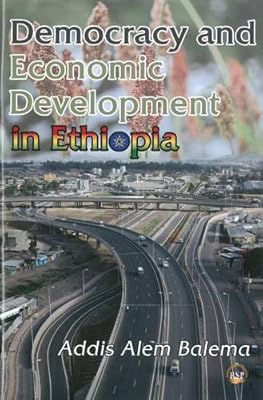
ADDIS ALEM BALEMA was born on August 14, 1957 at Makelle, Ethiopia. He joined the Tigray People s Liberation Front (TPLF) in 1976 to struggle against the military dictatorship which came to power in 1974. Between 1976 and 1991, he served in the TPLF and later in the Ethiopian People s Revolutionary Democratic Front (EPRDF), rising from a common combatant to being a member of the leadership. After the downfall of the military dictatorship, he was appointed as ambassador to Italy in 1992 and served there until 1996. During that period, he also worked as Ethiopia s permanent representative to the Food and Agricultural Organization (FAO), the International Fund for Agricultural Development (IFAD), and the World Food Program (WFP). In addition, he worked as a special envoy of the President of Ethiopia to the Somalia political factions mediation effort in Mogadishu and Addis Ababa between September and December 1993. From April 1996 to August 2004, he served as ambassador to China, Malaysia, Singapore and Australia. Back home, he has been elected to the House of Representatives representing the Makelle City Constituency since 2005. He has also served in various capacities of government positions, as Director-General of the Ethiopia Commodity Exchange Authority. He graduated in International Relations (Master of Arts) from the University of Amsterdam in December 1994 and received a Ph.D. in Development Studies from Erasmus University, The Netherlands, in April 2003.

Zmeselo
Senior Member+
Posts: 37344
Joined: 30 Jul 2010, 20:43

Re: Ok, folks! Are you ready? Sheeee's back!

Post by Zmeselo » 10 Dec 2020, 05:07


Ethiopia's Tigray crisis: How a soldier survived an 11-hour gun battle

https://www.bbc.com/news/world-africa-55215431

6 hours ago

Tigray crisis


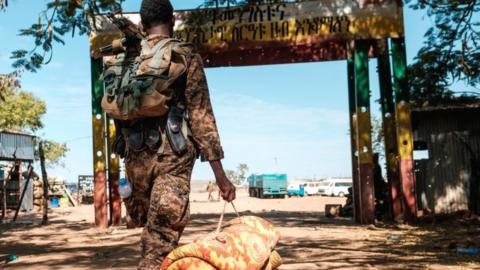
Two Ethiopian soldiers have given BBC Afaan Oromoo dramatic accounts of a co-ordinated night-time raid on their camps at the start of the conflict in Tigray last month by fighters linked to the now-overthrown regional administration.

The Tigray People's Liberation Front - which previously controlled the government in the northern region - said it had carried out a pre-emptive strike, when the world's attention was focused on the US election, as it believed that it was about to be attacked by federal troops.

Prime Minister Abiy Ahmed retaliated by ordering a military operation which culminated with the overthrow of the local government, forcing the TPLF to retreat to mountains to fight what it calls "invaders".

It has been difficult to get accurate information about the conflict because of a communication blackout in the region.

The accounts of the soldiers highlight ethnic divisions in the Ethiopian military, with some Tigrayan soldiers accused of siding with the TPLF.

________________

Sergeant Bulcha:

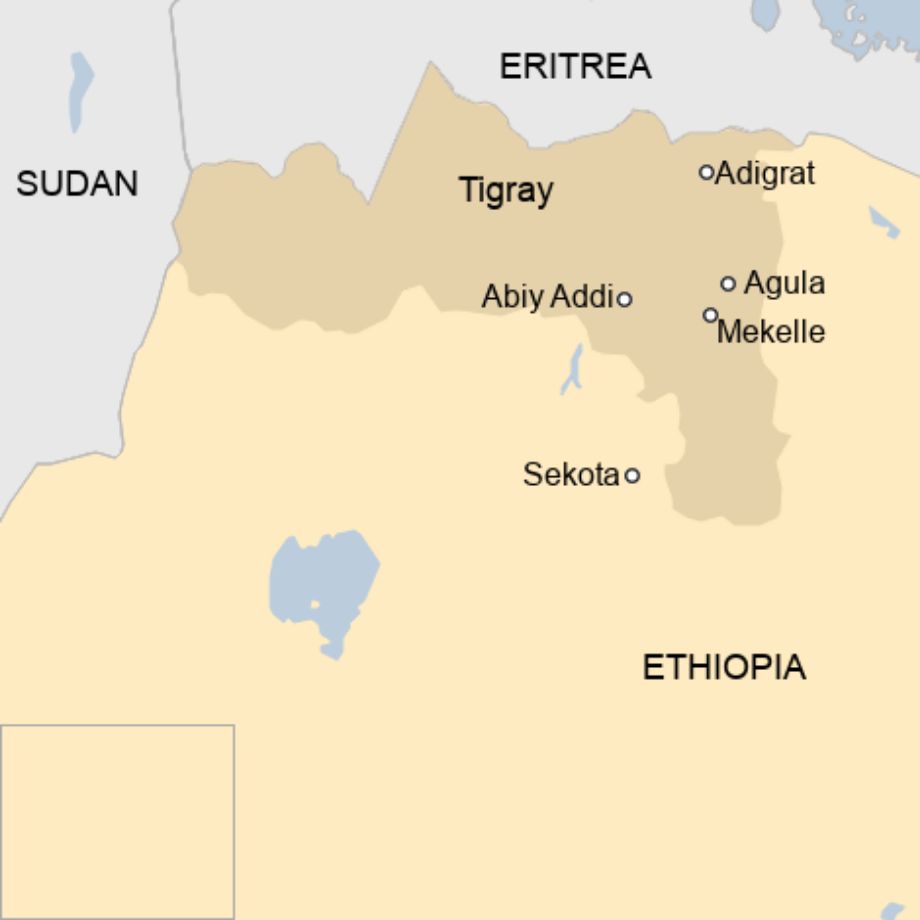
I was at a camp near Adigrat city, near the border with Eritrea. At around 23.30 on 3 November, I, and other soldiers, received text messages from our comrades at the base in Agula town - about 30km (18 miles) north-east of the Tigray capital, Mekelle - saying:
We are surrounded. If you can come and rescue us, come.
Not long thereafter, our camp was also surrounded, with hundreds of TPLF special forces and militias having taken up positions outside. Some of the Tigrayan soldiers - who had left our camp earlier - were with them.

We went to the colonel who held the key to the storeroom where our weapons were kept. We told him to open it.


The crisis in Tigray has revealed ethnic divisions in the Ethiopian military. AFP

He refused, saying he did not have orders to do so. He was a Tigrayan, and we suspected he was part of the plan to attack us.

Some soldiers argued with him to open the storeroom; others tried to break open the door. Eventually, we got our weapons. The TPLF forces were already shooting by now.

We took up our positions, inside and outside the camp, using rocks, barrels, walls as shields. It was around 01:00 when the battle started.

There was a distance of no more than 50m (164ft) between us and them.

We killed more than 100 of them. They killed 32 of us. In my unit, one died and nine were wounded.

Most of our deaths were caused by the Tigrayan soldiers who had defected to the other side.

The battle lasted for about 11 hours until noon when our senior commanders ordered us to stop fighting, return our weapons to the storeroom, and to go back to our rooms. We obeyed.

Shortly thereafter the priests and elders of the town came. They negotiated a surrender. At around 16:00, we were ordered to hand over all our army belongings to the TPLF forces. Again, we obeyed.

Then, we were told to collect our personal belongings and made to climb into lorries. We took our wounded with us. We were forced to leave the dead behind.

'I gave a false name'

The TPLF forces transported us to one of their bases in the town of Abiy Addi, 150km south-west of Adigrat.


The wounded soldiers got no medical treatment throughout this period.

Each morning there was a roll call. We had to give our names, ethnicity and role in the army. I used to give a false name.

This was like a desert area, and it was very, very hot. We had little water to drink. Every morning, we were given tea, with no sugar, in a plastic water bottle that had been cut in half. Our food for the day were two small loaves of bread.

Soldiers from other bases were also brought to Abiy Addi. They told us they too had been attacked. Some of them surrendered without fighting; others put up more resistance than us, fighting for four days.

Kalashnikovs, heavy weapons and even short-range rockets were used in the battle. Some of our soldiers fled to Eritrea.

'Uniforms burned'

After about two weeks, the TPLF forces gave us three options - join them, live in Tigray as civilians or go back to our homes. We took the last option.

But our senior commanders, radio operators, female soldiers and those who could use heavy weaponry were not given the option. They were kept at Abiy Addi, thousands of them.


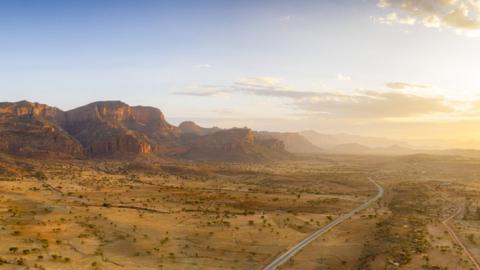
The landscape in Tigray is mountainous GETTY IMAGES

The rest of us were told to take off our uniforms. We refused, saying they could kill us but we would not do it - that our military code did not allow it; that our uniform was our pride.

In the end there was an agreement. We would take off our uniforms, and they would all be burnt [so they could not be used by others]. The TPLF recorded the burning on camera.

They took our personal belongings - rings, watches, money.

It was at around 15:00 on a Friday that we were all made to climb into lorries. Again, we took our wounded with us, but there were none in my lorry.

There were about 500 of us in each lorry, and I'd say about 9,000 soldiers in all the lorries. We sat in the lorries crammed until we left Abiy Addi at around 23:00.

We travelled for hours on back roads until the TPLF special forces - who were escorting our lorries - dropped us off on the banks of the Tekeze River at the border between Tigray and neighbouring Amhara state.

The lorries came at different times. We all broke into groups and crossed the river in boats. About six hours had passed before my group reached the other side.

We then walked for about 16 hours to reach Sekota town in Amhara.

We are now in a police station compound in the town. We are being well fed and well looked after. The wounded are being treated in hospital, more than three weeks after the attack.

I heard that some of them died on the way, and their bodies were left behind.

________________

I have been in the army for about eight years. I was also in Adigrat, but at another camp. I was the guard on duty on 3 November, watching the camp from 22:00 to midnight. Some of the soldiers were already sleeping.

Right after I finished my shift I heard gunshots. I had no idea what was happening. I went to see.

TPLF special forces and militia had already surrounded our camp, and they entered it. Most of us were unarmed.


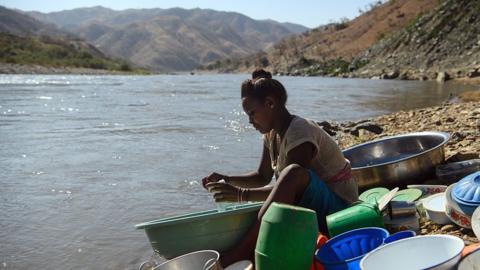
The Tekeze River marks the border between the Tigray and Amhara regions GETTY IMAGES

They ordered the soldiers, including myself, to surrender. We refused, saying federal troops could not surrender to regional troops. But in the end we agreed on the orders of our seniors, who were Tigrayans.

We were kept in the camp until 6 November. The TPLF forces then transported us in lorries to a small town, Idaga Hamus, which is about 26km from where we were. We were kept there for a week and then taken to Abiy Addi.

There, we found many people loyal to the federal government, from the police, army and air force.

We were divided into groups, and kept in three different places - a military camp, a training school and a compound.

There was no water to shower, little water to drink. It was as though we were left to die in that heat.

We slept in small rooms in very crammed conditions.

Then more than three weeks later, we were given three options - if we were married with children in Tigray, we could live as civilians, or we could join the TPLF or we could leave. Most of us chose the third option.

But radio operators, those who could use heavy weaponry and senior commanders had to stay behind.

'Jewellery stolen'

I am a radio operator but I lied about my role so I was able to leave.

My guess is that we left 3,000 to 4,000 behind, and close to 9,000 of us managed to leave.

We were put in about 28 lorries and were driven for hours, through desert areas, until we reached the Tekeze River.

The journey was very difficult. Some soldiers fell off the lorries and broke their legs. Others got sick.


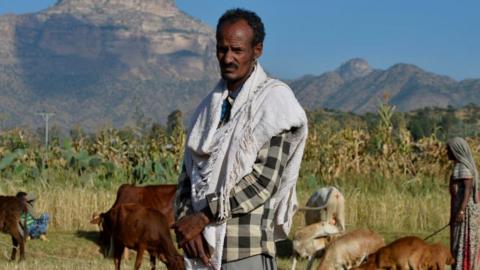
Soldiers had been helping farmers in Tigray fight locusts not long before the conflict began. AFP

But we are now in Sekota.

Some of the soldiers resent the fact that there was no rescue operation, but they understand that the situation was difficult.

This was an unprecedented attack on the federal army.

Soldiers who were at other bases reported that the TPLF forces stole watches and necklaces from dead soldiers. They even took their uniforms, and left the bodies behind naked.

In the eight years I was in Tigray, I never thought this would happen. Just a week earlier, we were helping farmers to harvest their crops and to fight a locust invasion.

Zmeselo
Senior Member+
Posts: 37344
Joined: 30 Jul 2010, 20:43

Re: Ok, folks! Are you ready? Sheeee's back!

Post by Zmeselo » 10 Dec 2020, 05:27

ናይ ዝሓለፉ 150 ዓመታት ፍሹላት መራሕቲ ትግራይ:-

1. ደጃዝማች ካሳ መርጫ (ሃጸይ ዮሃንስ):-

ኣብ ልዕሊ ህዝቢታት ኢትዮጵያ ገሊጽካ ዘይውዳእ ግፍዕታት ፈጺሙ እዩ። ንጎጃም ኣብ ዝወረረሉ እዋን ኣቕሽሽቲን ፈለስትን ቤተክርስትያን ተዋህዶ ኣብ ውሽጢ ኣብያተ ክርስትያናት ዓጽዩ ብሂወቶም ከለዉ ብሓዊ ኣንዲድዎም እዩ። ቆልዓ ሰበይቲ ዝርከብዎም፣ ኣሽሓት ደቂ ጎጃም ቀቲሉ እዩ። ነዚ ዘስካሕክሕ ቅዝፈት ዝርኣየት ናይ ጎጃም ኣርሆ ድማ ( ኣርሆ ማለት ገጣሚት ወይ መላቐሲት ማለት እዩ):-
ከሞጣ ቀራንዮ ምነው ኣይታረስ፣
በሬ ሳላይ መጣሁ ከዚያ እዚህ ድረስ
ብምባል ብቅኔያዊ ኣገባብ ኣልቂሳ እያ።

ኣስታት 30,000 ዝኾኑ ናይ ወሎ ኣስላም እውን ሓሪዱ እዩ።

ኣብ መወዳእታ ድማ ንሱ ዝመርሖ ሰራዊት ኢትዮጵያ፣ ኣብ መተማ፣ ዘሕፍር ስዕረት ተጎልቢቡ፣ ንሱ ባዕሉ ድማ ብሱዳናዊያን መሃዲስታዊያን ክሳዱ ተቖሪጹ፣ ሽክና ርእሱ፣ ክሳብ ሕጂ ኣብ ሙዝየም ኡምዱርማን (ሱዳን) ተቐሚጡ ኣሎ።

2. ኣሉላ (ኣባነጋ) እንግዳ:-

ኣሉላ፣ ኣብ ትሕቲ ሃጸይ ዮሃንስ፣ መራሒ ሰራዊት ሸፋቱ ትግራይ ኣብ ኤርትራ ዝነበረ ተንቤናይ እዩ። ንሱ ዝመርሖ ወራሪ፣ ድርጎኛ፣ ሽፍታ ሰራዊት ትግራይ ኣብ ልዕሊ ህዝቢ ኤርትራ ብዙሕ ዝዓይነቱ ግፍዕታት ፈጺሙ እዩ። ኣብ መወዳእታ ድማ ኣንጻር ራእሲ ሓጎስ መርጫ (ንእሽቶ ሓዎም ንሃጸይ ዮሃንስ) ኣብ ተንቤን ኣብ ዝገበሮ ኲናት ድማ ኣብ 1897 ተቐቲሉ።

3. ለገሰ ( መለስ) ዜናዊ:-

ንኢትዮጵያ፣ ቤተ ፈተነ ናይ ዓሌታዊ ፖለቲካ ብምግባር፣ ህዝቢ ኢትዮጵያ ንሓድሕዱ ከምዘይተኣማመን ጌርዎ ብሞት ዝተፈልየ እዩ። እነሆ ድማ ህዝቢ ኢትዮጵያ ንሱ ተኺልዎ ብዝኸደ መንሽሮ ናይ ዓሌት ፖለቲካ ክሳብ ሕጂ ይሕመስ ኣሎ። ህዝቢ ኤርትራ እውን ግዳይ መርዛም ፖለቲካ ለገሰ ዜናዊ ኮይኑ ንልዕሊ 20 ዓመታት ከቢድን ኩሉ መዳያዊን መስዋእቲ ክከፍል ተገዲዱ እዩ። ህዝቢ ትግራይ እውን ድሕሪ ሞት ሃጸይ ዮሃንስ ረኺብዋ ዝነበረት ስልጣን ማእኸላይ መንግስቲ ኢትዮጵያ ተሓዲጉ፣ መሬት ትግራይ ድሕሪ 30 ዓመት ከም እንደገና ረመጽ ሓዊ ኲናት ተኻዕይዎ ኣሎ። ህዝቢ ትግራይ እውን ዳግም ናብ ሞት፣ ጥምየትን ስደትን ተፈሪዱ ኣሎ።

4. ደብረጽዮን ገብረሚካኤል:-

ደብሪጽዮን፣ ብድሕሪ ህድማ ስርዓት ትግራይ ካብ ኣዲስ ኣበባ፣ ርእሰ ምምሕዳር ክልል ትግራይ ኮይኑ ንዝሓለፈ ክልተ ዓመታት ከገልግል ጸኒሑ። ይኹን'ምበር፣ ብኔት ወርክ ስብሓት ነጋን ጉጅልኡን ኣብ ዝተጠናነገ ፖለቲካ ትግራይ ዝኾነ ስልጣን ዘይነበሮ ሰብ እዩ።

ይኹን'ምበር ብሰራዊት ፌስቡክ ናይ ማሌሊት፣ ናይ ብሓቂ ስልጣን ከምዘለዎ ንምምሳል፣ ጠገለ ዘይብሉ ፕሮፓጋንዳ ህንጸት ስናዕ ምስሊ (false image building) ተሰሪሑሉ እዩ። ንሓንሳብ "ናይ ትግራይና ፑቲን"፣ ንሓንሳብ ድማ "ኣዮኻ ናይና"፣ ንሓንሳብ እውን "ብሰማይ ማርያም ፅጽዮን፣ ብምድሪ ደብረጽዮን" እንዳተባህለ ከይተረድኦ ኣብ ናይ ሓሶት ሕልማዊ ዓለም ጸኒሑ፣ ናብ ሃው ዝበለ ገደል ለማልሞ ዝጸደፈ ዓሻ ሰብ እዩ።

ሓደ ካብ'ቲ ንሓደ ሰብ መራሒ ክገብርዎ ዝኽእሉ ረቋሒታት ዝኾነ ክእለት ዘረባ ዘይብሉ፣ ዓብላሊ ኣካላዊ ትርኢትን ሻምን (charisma and physical dominance) ዘይነበሮ፣ ድሁልን ፈራሕን ሰብ እዩ ኔሩ።

ኣብ መወዳእታ ድማ ንሱ፣ እቶም ብድሕሪት ዝእዝዝዎ ዝነበሩ ናይ ቀትሪ ኣዛብእን ውድብ ሸፋቱ ወያነን ተተሓሒዞም ናብ ናይ ታሪኽ ጎሓፍ ተደርብዮም ኣለዉ።

(C/o Gual Fedayn)

Fed_Up
Senior Member+
Posts: 23806
Joined: 15 Apr 2009, 10:50

Re: Ok, folks! Are you ready? Sheeee's back!

Post by Fed_Up » 10 Dec 2020, 11:34

“ናታቸውን ይብ#%ዱ" እዋይ ስድነት.... አቱም ስባት እንዳ አጋመ ከመይ ኢኹም ፀጊብኩም ፊኢኢኢኢ ኢልኩም ዝነበርኩም? ገለባ በልወን ነዘን ክአፍራ ዝውእላ ኸሙማት አጋመ አኸዋትኩም:: ፎ
No class at all... :oops:


Zmeselo wrote:
09 Dec 2020, 19:26
ይህንን ፈሮናዊ ትዕቢት ያስተነፈስክ አምላክ: ክብርና ሞገስህ ይስፋ!!!
Hilina Madan: @MadanHilina


Post Reply